
 English
 русский
 Español
No. 200 Gaoxin RD, Shanghua St, Lanxi, Zhejiang, P. R China
Surface heat treatment rack pinion gear is a mechanical transmission c...
See Details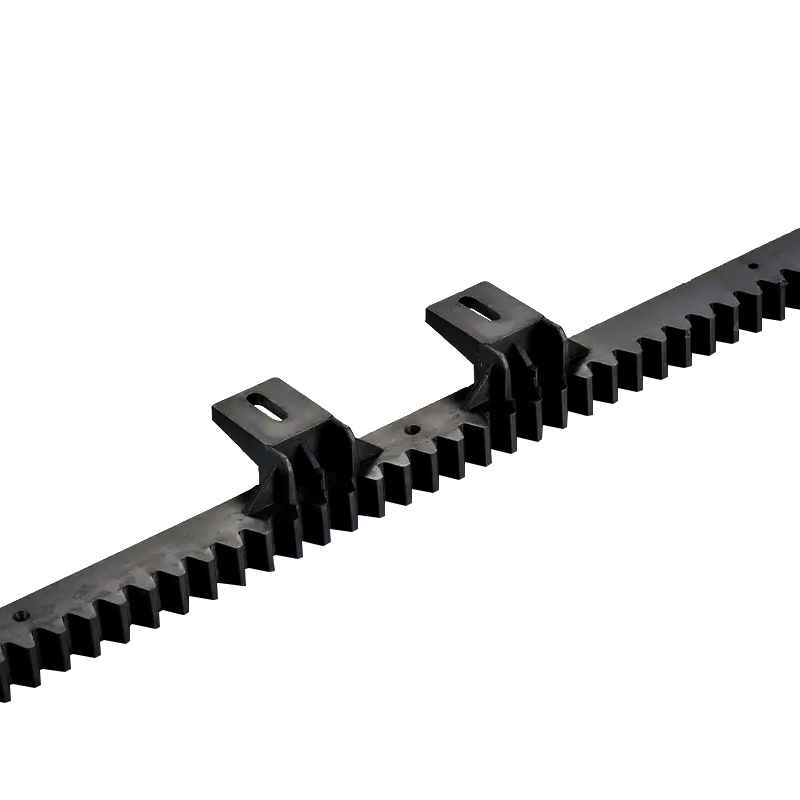
Automatic gates have become a common feature in residential areas, factories, warehouses, and farms. Behind their smooth movement is a simple mechanical principle that has been used for centuries: the Gear And Rack system. When applied to sliding gates, this mechanism converts the rotary motion of a motor into linear motion, allowing heavy gates to move along a track with steady control.
Although the concept itself is straightforward, its role in modern gate automation is more significant than many people realize.
A Gear And Rack system consists of two primary components. The gear is a circular wheel with teeth, while the rack is a straight bar that also contains teeth. When the gear rotates, its teeth engage with those on the rack, pushing it forward or pulling it backward.
In sliding gate automation, the rack is mounted along the length of the gate, and the gear is connected to the motor drive. As the motor turns the gear, the rack moves horizontally, which causes the gate to slide open or closed.
This mechanical interaction offers a stable and controlled movement, even when the gate is large or heavy.
Several factors explain why Gear And Rack systems are commonly used in automated gates.
The teeth engagement between gear and rack provides consistent motion. This reduces sudden jerks that may occur with other drive methods.
Sliding gates made from steel or aluminum can weigh hundreds of kilograms. The mechanical structure of the system allows the motor to transfer force effectively, helping the gate move without excessive strain.
Because the teeth are evenly spaced, the gate can stop precisely at open or closed positions. This accuracy is useful when gates are integrated with sensors or access systems.
The durability of a Gear And Rack system depends largely on the materials used. Racks for gates are commonly produced from steel or reinforced nylon. Steel racks are known for their strength and resistance to deformation, while nylon racks can reduce noise during operation.
Manufacturing quality also matters. Tooth spacing must remain consistent so that the gear engages smoothly across the entire length of the rack. Even minor variations can affect motion over time.
Surface treatments such as galvanizing or coating are often applied to improve corrosion resistance, especially when the gate operates outdoors in rain, dust, or varying temperatures.
Proper installation plays a significant role in the performance of a Gear And Rack mechanism. If the rack is not aligned correctly with the motor gear, uneven wear can occur. Installers usually ensure that the rack sits parallel to the gate track and maintains consistent contact with the gear.
Another factor is the spacing between rack sections. In long gates, several rack segments are connected together. Careful alignment prevents gaps or irregular tooth contact, helping the system run quietly and smoothly.
Regular inspection and light lubrication can also extend the working life of the components.
While sliding gates are a common example, the Gear And Rack principle appears in many mechanical systems. Industrial machinery, positioning equipment, and even large workshop tools use similar mechanisms to convert rotary motion into linear travel.
In gate automation, however, the design is adapted to outdoor conditions and frequent daily operation. This requires components that tolerate dust, temperature changes, and continuous use without complex maintenance.
When people see an automatic gate moving quietly along its track, they often focus on the motor or remote control system. Yet the motion itself relies heavily on the mechanical cooperation between gear and rack.
The Gear And Rack arrangement shows how a straightforward mechanical idea can remain useful in modern infrastructure. By translating rotation into controlled linear movement, it supports the daily function of gates in homes, commercial properties, and industrial facilities.
Even as gate automation continues to evolve, this dependable mechanical pairing remains a practical solution for moving heavy structures with consistency and control.
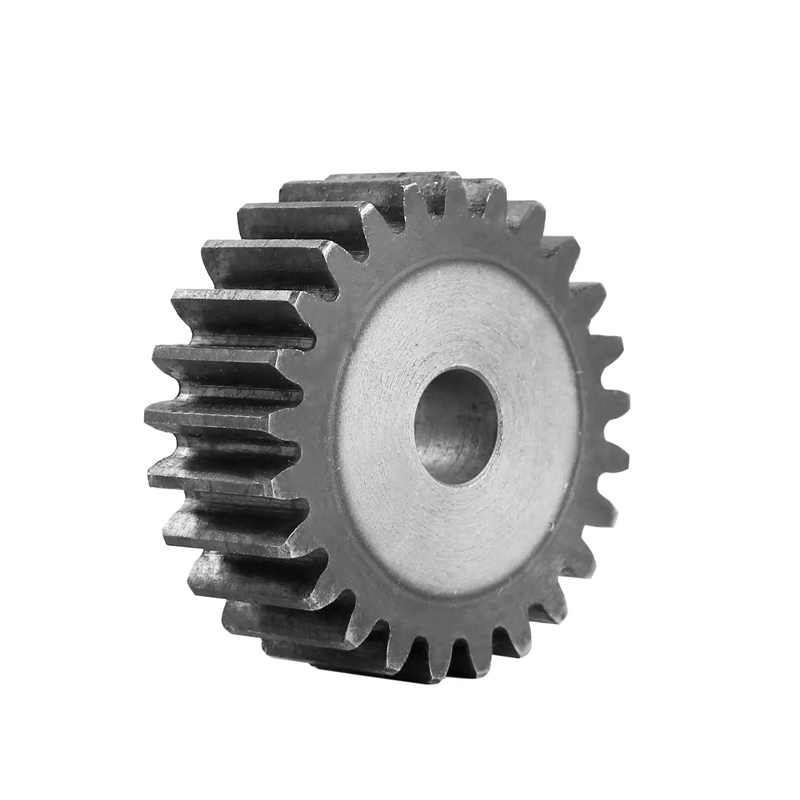
Surface heat treatment rack pinion gear is a mechanical transmission c...
See Details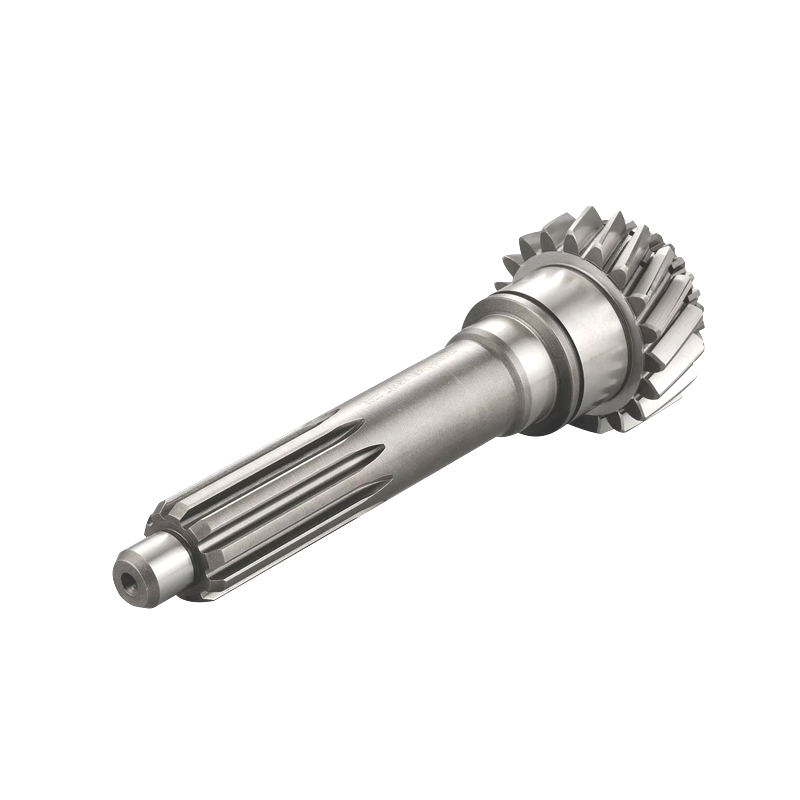
The rust-proof high-precision rack pinion gear is a critical component...
See Details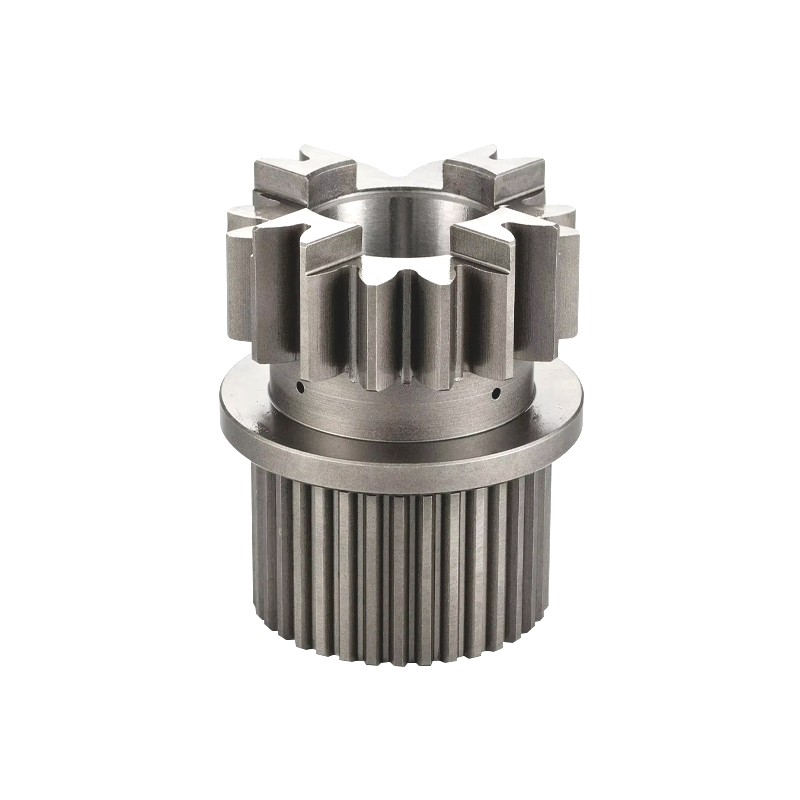
The Gearbox Steering Rack Pinion Gear is a fundamental component in mo...
See Details
The Color Customization Sliding Door Steel Gear Rack is a highly funct...
See Details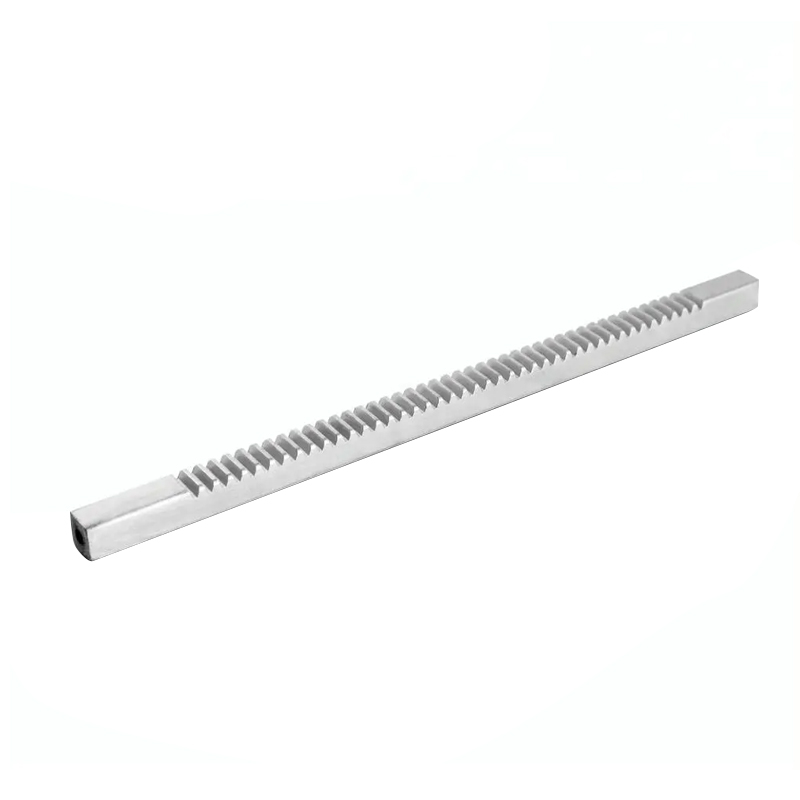
A sliding door gear rack and steel rack and pinion system plays an imp...
See Details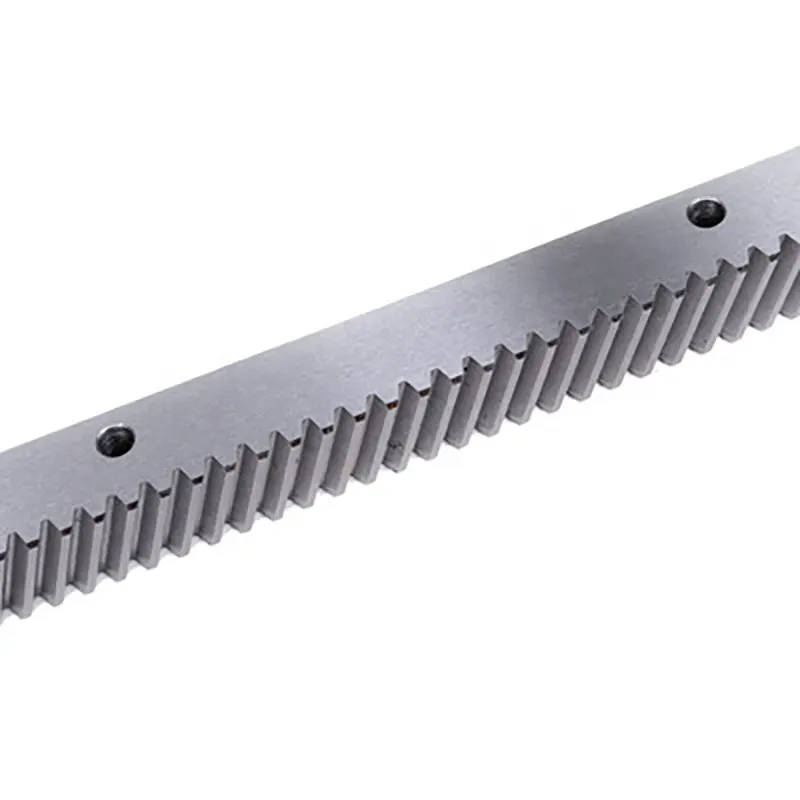
The Durable Accessories Helical Gear Rack is a critical component desi...
See Details
In industrial settings, the performance and longevity of mechanical co...
See Details
The Cylindrical Black Stainless Steel Straight Gear Rack is a durable ...
See Details
