
 English
 русский
 Español
No. 200 Gaoxin RD, Shanghua St, Lanxi, Zhejiang, P. R China
The High Precision Straight Teeth Rack Pinion Gear is a critical compo...
See Details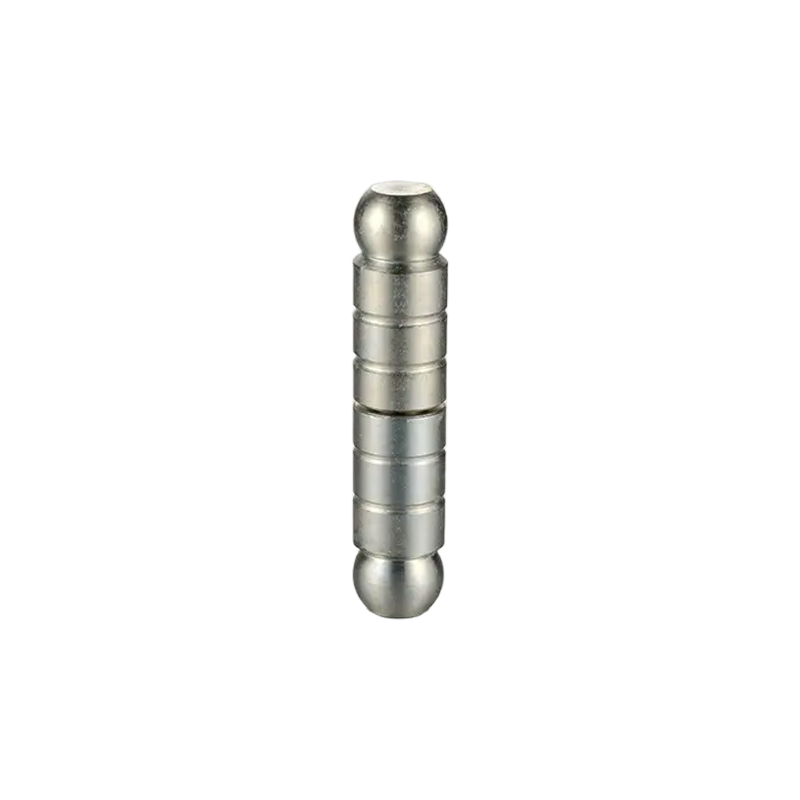
When people think about installing a gate, they often focus on the material or design. However, the small components holding everything together can matter just as much. One example is Hinges Heavy Duty Gate, which quietly supports the weight, movement, and long-term durability of the entire structure. Without the right hinges, even a well-built gate can start to sag or become difficult to open.
A gate is not just a static structure—it moves every day. Each time it opens or closes, stress is placed on the hinge points. Hinges Heavy Duty Gate are designed to handle that repeated motion while supporting significant weight. This is especially important for metal gates, wooden driveway gates, or security entrances that are used frequently.
If the hinges are not strong enough, problems tend to show up quickly. The gate may begin to drag on the ground, produce noise, or fail to close properly. Over time, this can affect both convenience and safety.
Not all heavy-duty hinges are made the same. Materials such as stainless steel or thick galvanized steel are often used because they resist rust and wear. In outdoor environments, exposure to rain, dust, and temperature changes can gradually weaken weaker components. Choosing durable materials helps extend the lifespan of the gate system.
Another factor is the hinge design. Some Hinges Heavy Duty Gate include ball bearings or reinforced pins to allow smoother rotation. These features may seem small, but they can make daily use feel much easier, especially for larger gates that require more force to move.
Even strong hinges can underperform if installed incorrectly. Proper alignment is key. When the hinges are mounted evenly and at the right height, the weight of the gate is distributed more effectively. This reduces strain on any single point and helps maintain smooth movement over time.
Spacing also matters. Using multiple hinges instead of relying on just one or two can improve stability. For taller or heavier gates, installers often add an extra hinge to balance the load. In these cases, Hinges Heavy Duty Gate are selected not only for strength but also for how well they work together as a set.
Once installed, hinges still need occasional attention. Dust, moisture, and friction can build up over time. A small amount of lubrication can keep the movement smooth and reduce wear. Checking for loose screws or slight misalignment every now and then can prevent larger issues later.
For gates used in farms, warehouses, or construction areas, maintenance becomes even more important. These environments often involve heavier use and exposure to dirt or debris. With regular care, Hinges Heavy Duty Gate can continue functioning reliably without needing frequent replacement.
Different gates require different hinge setups. A lightweight garden gate may not need the same level of support as a large steel security gate. Understanding the weight, width, and usage frequency helps in choosing suitable hinges.
For example, swing gates used for vehicle access usually require stronger and more durable hinge systems. In these cases, Hinges Heavy Duty Gate are chosen to ensure stability during repeated opening cycles, especially when the gate is exposed to wind or uneven ground conditions.
While they may not stand out visually, hinges play a central role in how a gate performs over time. Hinges Heavy Duty Gate provide the strength and support needed for smooth operation, helping prevent sagging, noise, and structural stress. By choosing the right materials, installing them carefully, and maintaining them regularly, it becomes much easier to keep a gate working as intended for years.
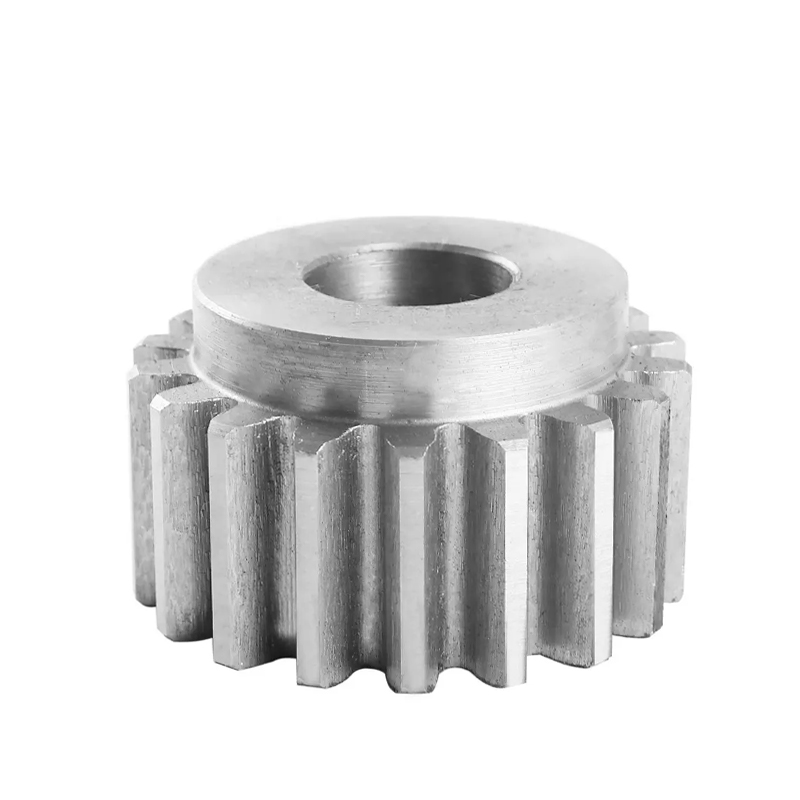
The High Precision Straight Teeth Rack Pinion Gear is a critical compo...
See Details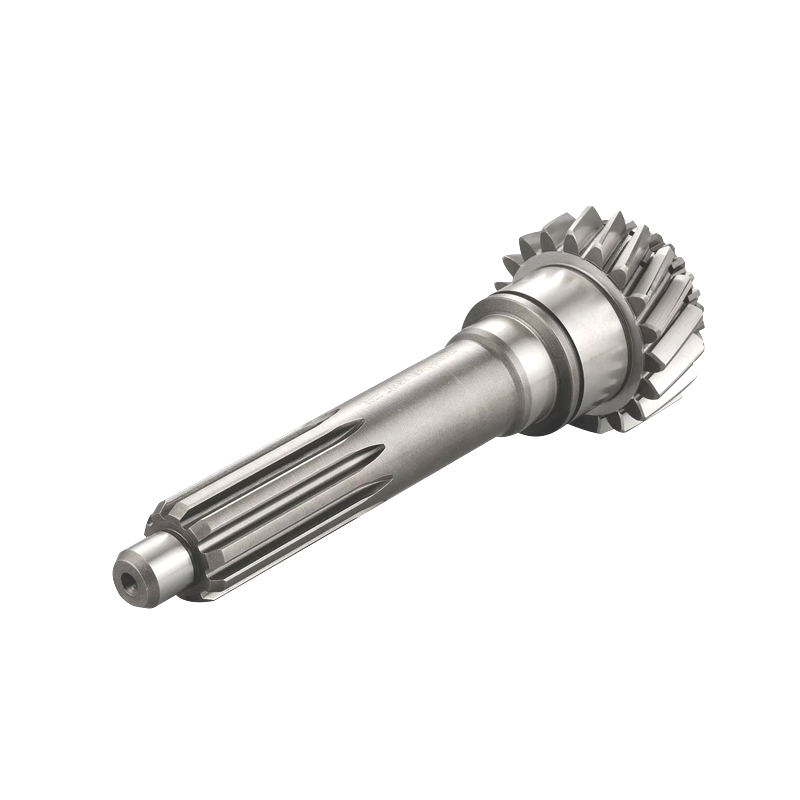
The rust-proof high-precision rack pinion gear is a critical component...
See Details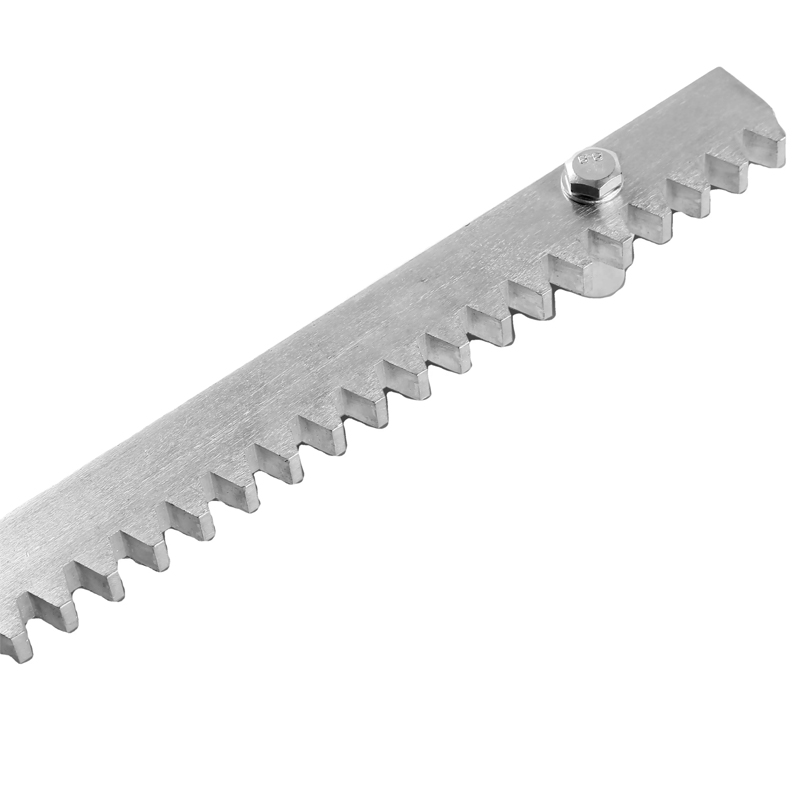
The Mounting Holes Sliding Door Steel Gear Rack is a critical componen...
See Details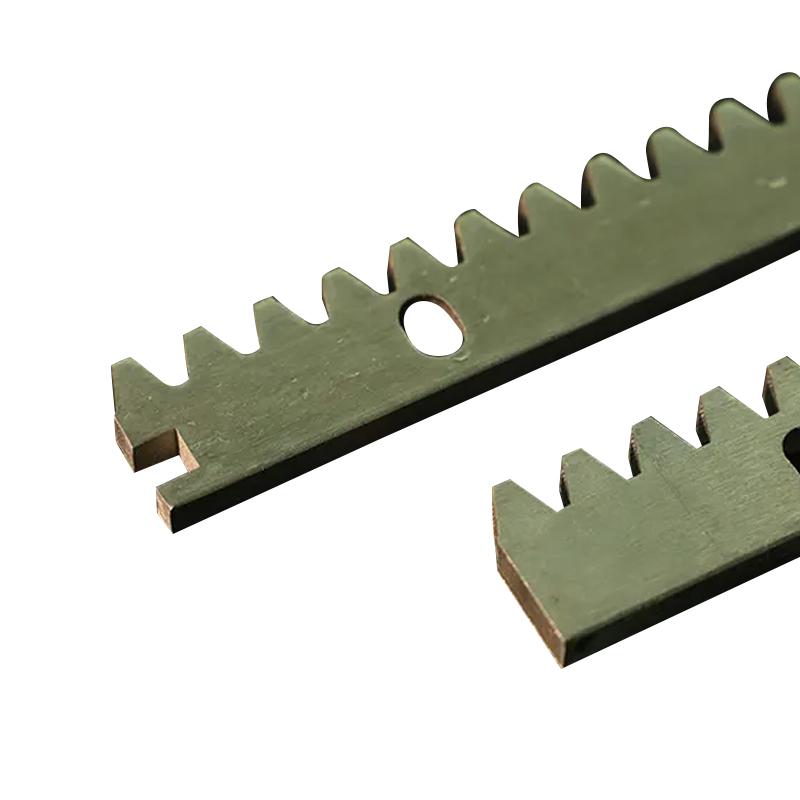
The Metal Steel Gear Rack for Sliding Door Operators is a crucial comp...
See Details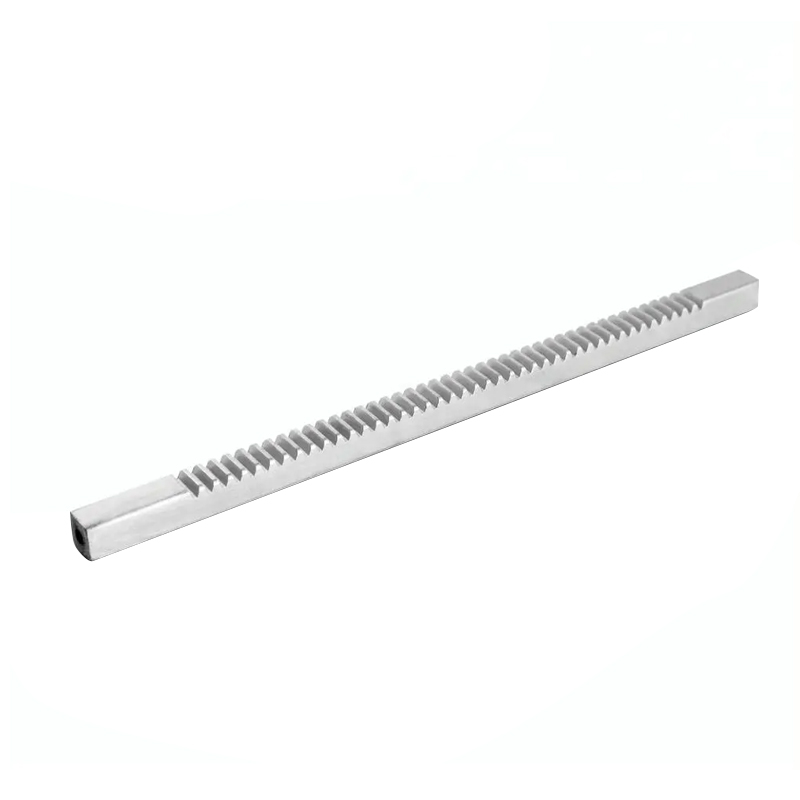
A sliding door gear rack and steel rack and pinion system plays an imp...
See Details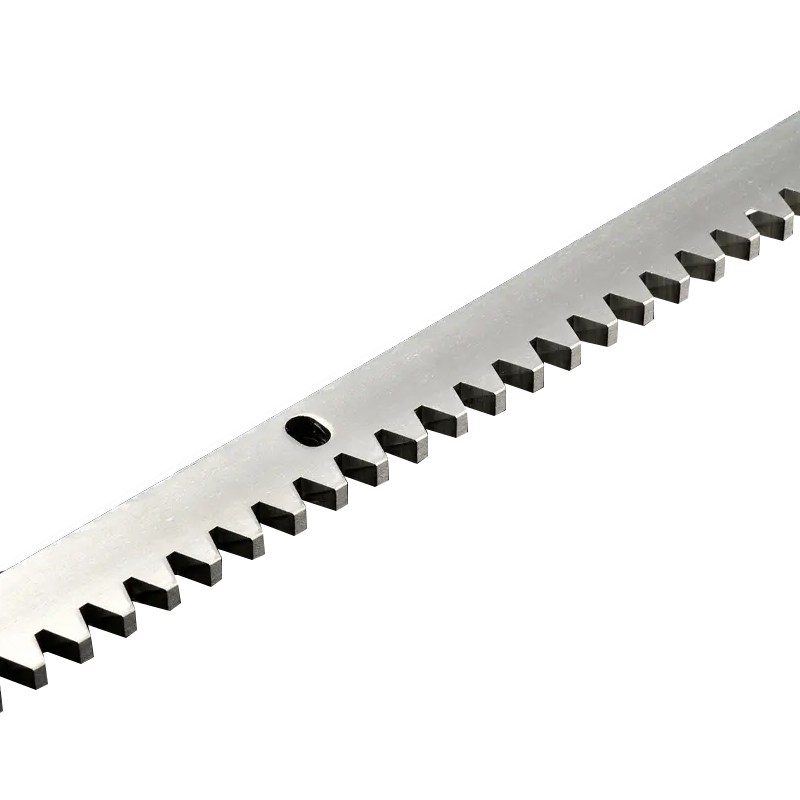
The Flexible Steel Parts Helical Gear Rack is a highly engineered comp...
See Details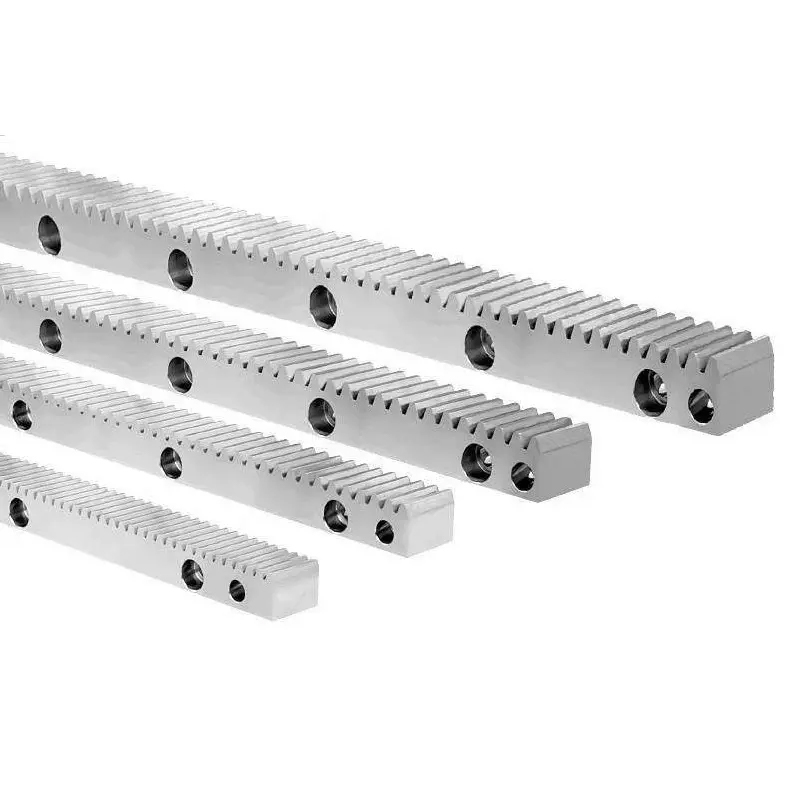
The Modern Design Zinc Alloy Straight Gear Rack is a linear mechanical...
See Details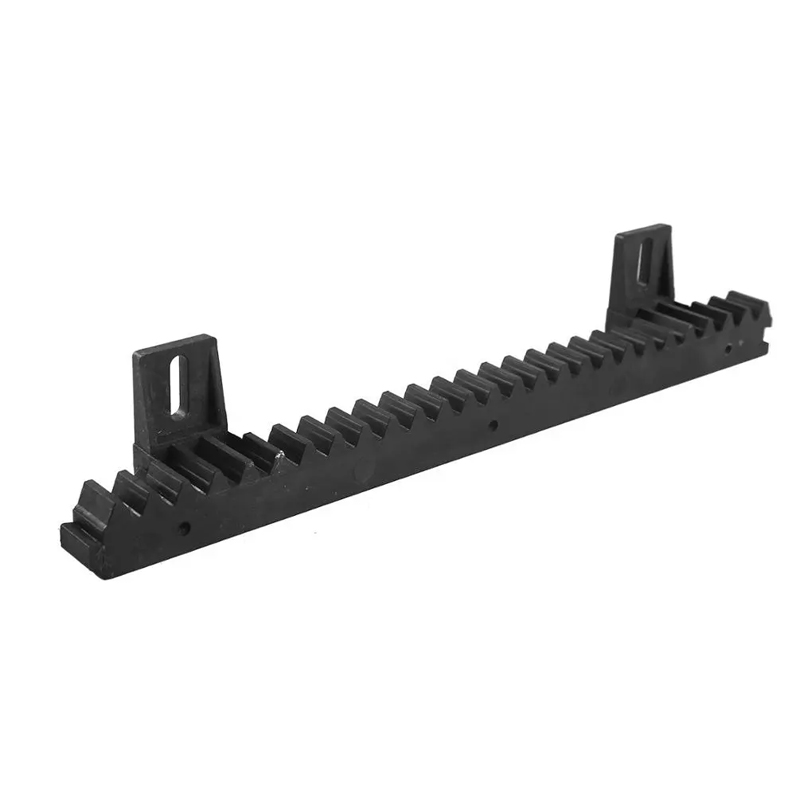
The Two-Hole Track Sliding Door Nylon Gear Rack is a mechanical compon...
See Details
