
 English
 русский
 Español
No. 200 Gaoxin RD, Shanghua St, Lanxi, Zhejiang, P. R China
The Gearbox Transmission Rack Pinion Gear system is a critical mechani...
See Details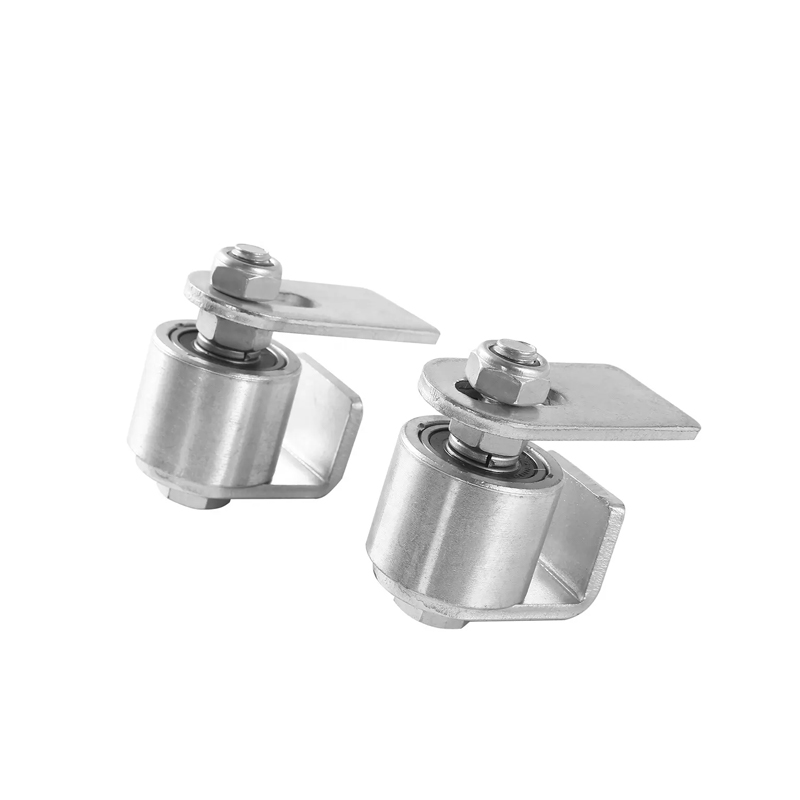
When it comes to large sliding gates, people often pay attention to the frame or track, but the small parts underneath do a lot of the work. One of these parts is the Sliding Wheel, which plays a key role in how easily a gate moves. Without a reliable wheel system, even a well-built gate can feel heavy, uneven, or difficult to handle.
A sliding gate depends on balance and steady motion. The Sliding Wheel carries the weight of the gate and allows it to move along the track with less resistance. For residential driveways or industrial entrances, this makes daily operation smoother and less tiring.
If the wheel is not strong enough or not designed for the load, the gate may drag or shift slightly off track. Over time, this can affect both the track and the gate frame, creating more maintenance work than expected.
The material of the wheel has a direct impact on durability. Steel wheels are often used for heavy-duty gates because they can support more weight and resist wear. In some cases, nylon-coated wheels are chosen to reduce noise during movement, especially in residential areas where quieter operation is preferred.
The internal structure also matters. Bearings inside the Sliding Wheel help reduce friction and allow smoother rolling. A well-designed bearing system can make a noticeable difference, particularly for larger gates that are opened and closed many times a day.
Even a strong wheel will not perform well if it is installed incorrectly. Proper alignment with the track ensures that the weight is evenly distributed. When the gate sits correctly on the Sliding Wheel, movement becomes more stable and predictable.
Installers usually check the height, spacing, and number of wheels used. For longer or heavier gates, adding extra wheels can help distribute the load more evenly. This reduces pressure on individual components and helps extend the life of the entire system.
Over time, any moving part will experience wear. Dust, small stones, or debris can collect along the track and affect how the wheel rolls. Regular cleaning of the track and occasional inspection of the Sliding Wheel can prevent minor issues from turning into larger problems.
Lubrication may also be useful, depending on the wheel design. However, it's important not to overdo it, as excess grease can attract dirt. A simple maintenance routine is usually enough to keep things running smoothly.
Not all gates require the same type of wheel. A small garden gate may only need a basic setup, while a large steel gate used in factories or warehouses requires stronger support. Understanding the weight of the gate and how often it will be used helps in selecting the right Sliding Wheel.
Environmental factors also play a role. Gates exposed to rain and mud need wheels made from materials that can handle those conditions without wearing down quickly.
A sliding gate system depends on more than just its visible structure. The Sliding Wheel is a key component that supports movement, stability, and long-term use. By choosing the right materials, installing the wheels carefully, and keeping up with simple maintenance, it becomes much easier to ensure that a gate continues to operate smoothly over time.
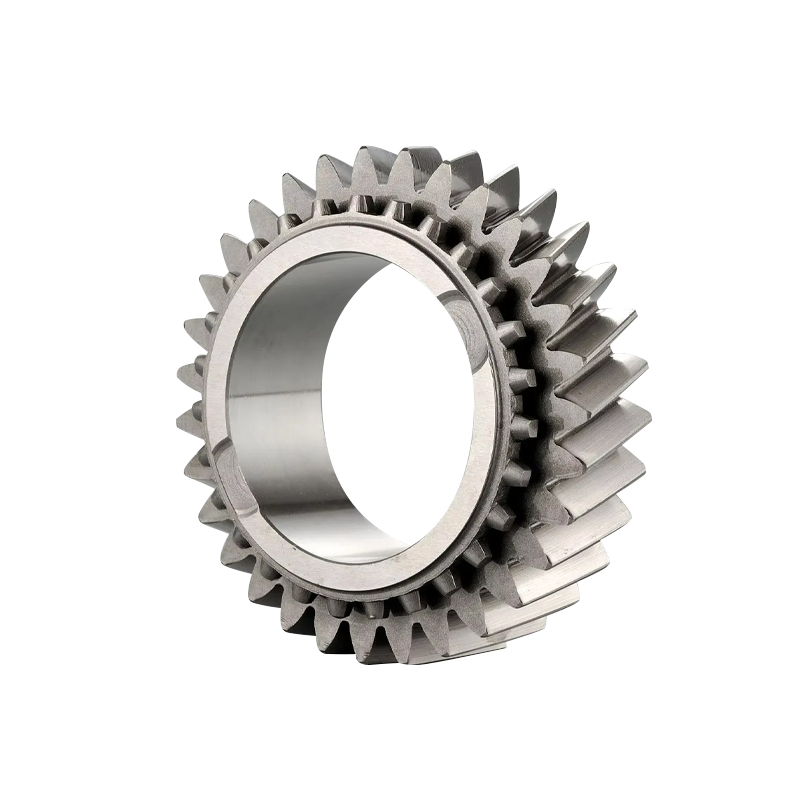
The Gearbox Transmission Rack Pinion Gear system is a critical mechani...
See Details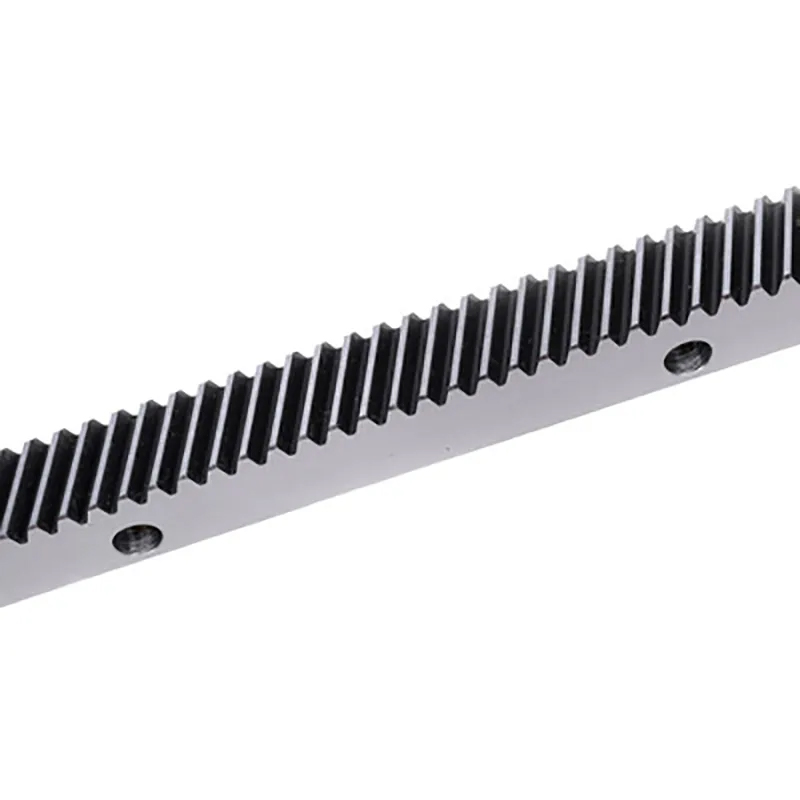
Precision and stainless steel gear racks convert rotational motion int...
See Details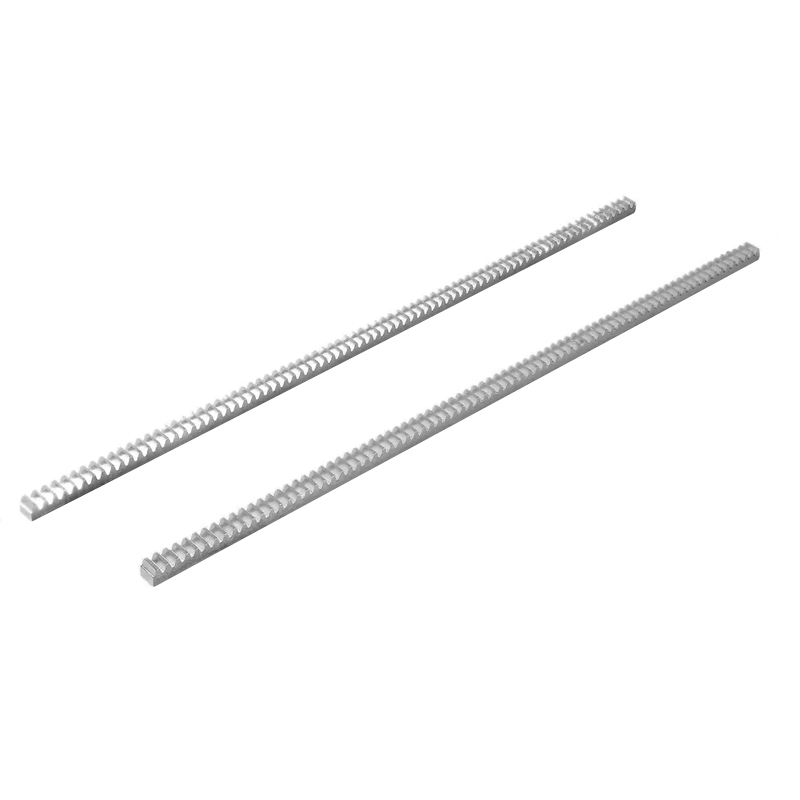
The Stainless Steel Sliding Door Steel Gear Rack is a key mechanical p...
See Details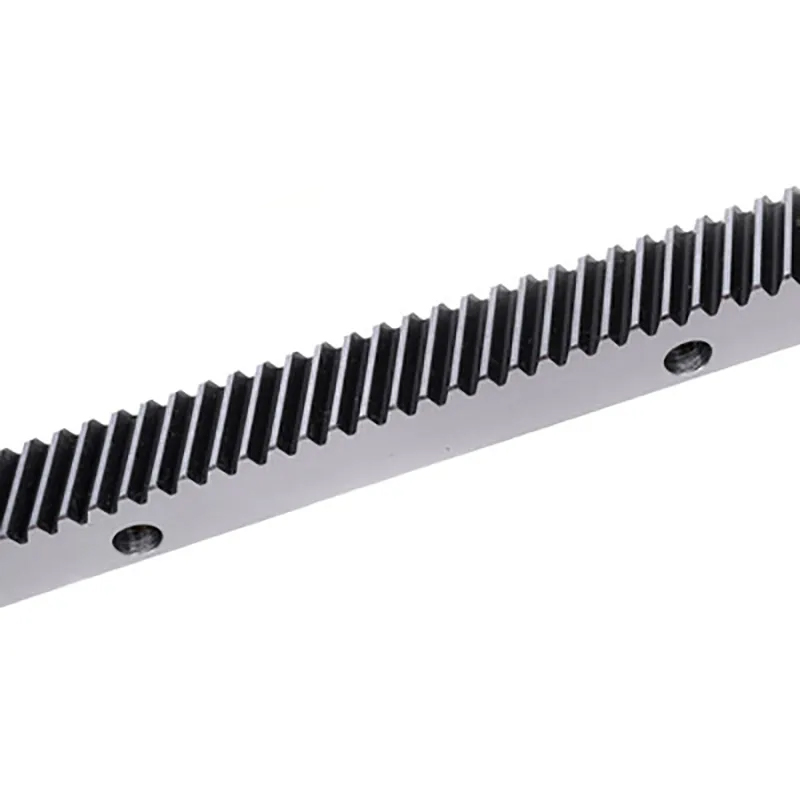
The CNC machining helical gear rack is a critical component in various...
See Details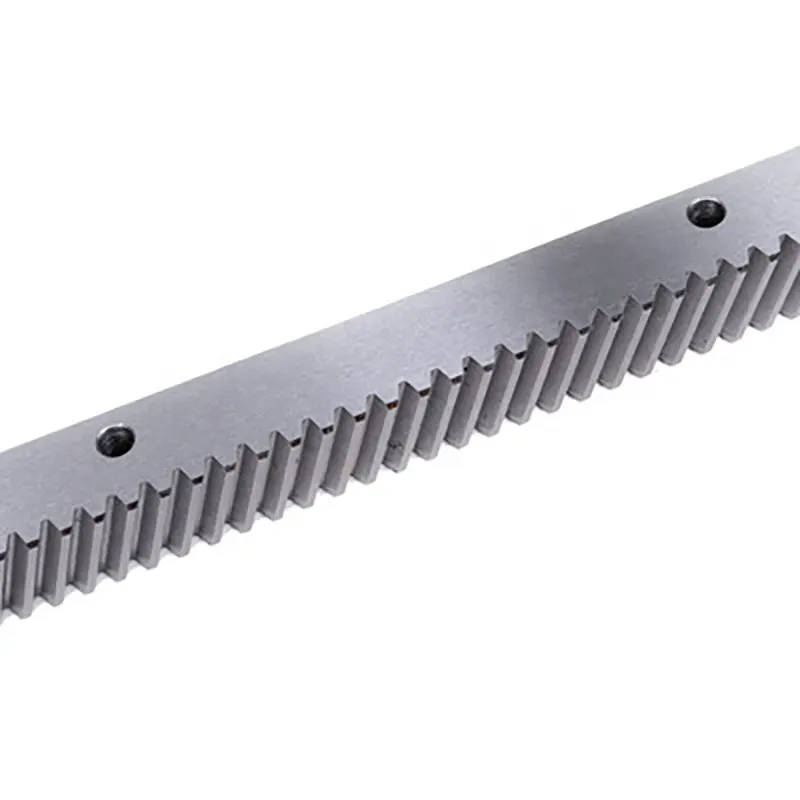
The Durable Accessories Helical Gear Rack is a critical component desi...
See Details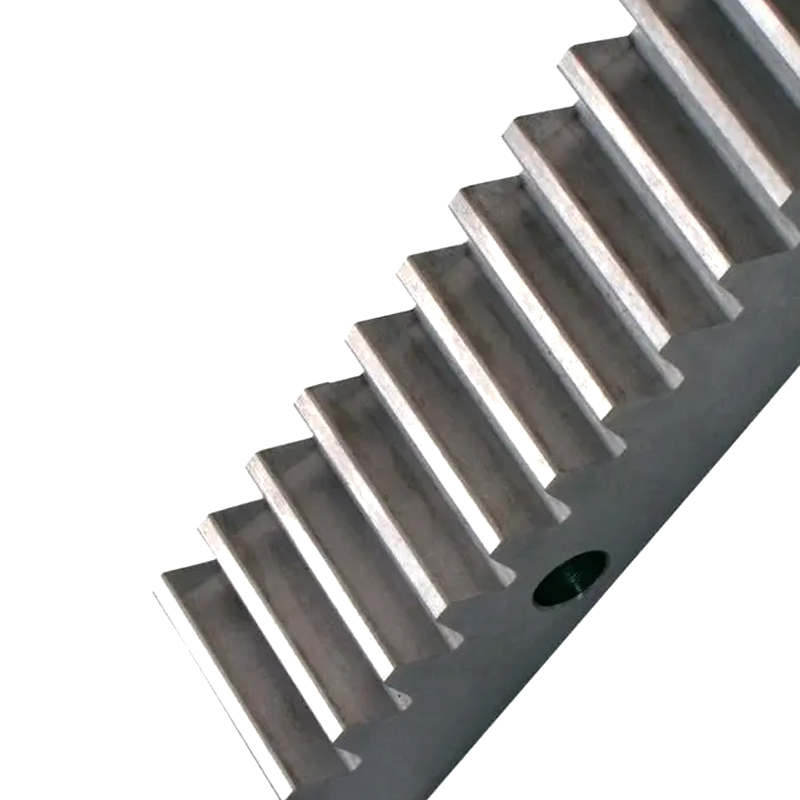
Lifts transmission systems helical gear rack is a key compo...
See Details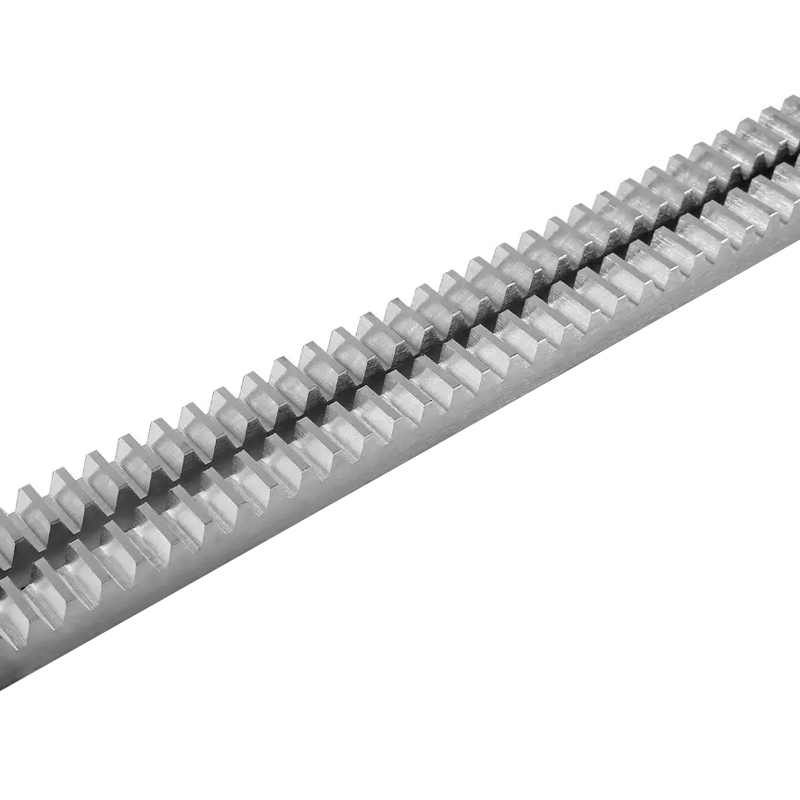
In the world of mechanical engineering, the performance and longevity ...
See Details
Industrial Wear-Resistant Straight Gear Rack is a linear transmission ...
See Details
