
 English
 русский
 Español
No. 200 Gaoxin RD, Shanghua St, Lanxi, Zhejiang, P. R China
The Sliding Doors Steel Rack Pinion Gear is a critical component in va...
See DetailsThat grinding noise every time your sliding gate opens, the way it catches halfway through its travel, the motor working harder than it used to just to push the same panel it always moved without complaint, anyone managing gate automation has run into this. A Nylon Rack for Sliding Gate applications is often a suitable solution for this issue, although selecting it usually begins with identifying the actual cause of the misalignment.
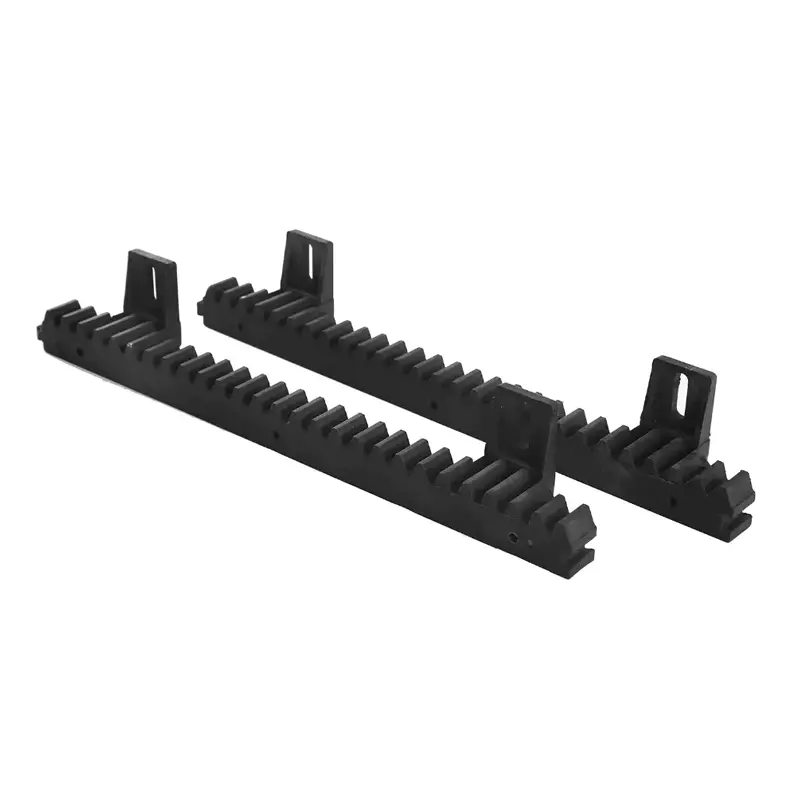
Gates don't usually go crooked overnight. It's a gradual process, and several contributing factors tend to stack on top of each other before anyone notices the door isn't tracking the way it should.
Ground settling underneath the installation shifts the base level ever so slightly, which throws off the straight line a gate needs to follow. Installation errors, even small ones, compound over months of daily operation. Worn rollers or guide tracks add play where there shouldn't be any. And a rack that wasn't mounted perfectly straight to begin with will only get worse as thermal expansion and repeated cycling continue nudging things further out of true.
Honestly, it's rarely just one thing. A slightly uneven foundation combined with a gear rack that was installed with minor misalignment creates a compounding problem, where each issue makes the other worse over time. That's part of why diagnosing misalignment properly matters more than just tightening a bolt and hoping the noise goes away.
This isn't just an annoyance that makes the gate sound rough. Left unaddressed, misalignment creates a cascade of mechanical problems that get progressively more expensive to fix.
None of these problems stay isolated for long. A motor working harder than it should eventually overheats or burns out prematurely, turning what started as a minor tracking issue into a full component replacement.
This is where the conversation shifts from diagnosing the problem to actually fixing it. A rack and pinion system forms the backbone of how a sliding gate translates motor power into smooth linear motion, and when that system isn't properly aligned or built from suitable material, misalignment symptoms just keep getting worse regardless of other adjustments made elsewhere.
Precision gear rack components, properly installed and maintained, distribute load more evenly across the gear teeth, reducing the uneven wear pattern that develops when alignment drifts. This isn't magic, it's just better mechanical engineering applied consistently across the length of the rack.
It genuinely does, and this is worth understanding before assuming any rack will solve the problem equally well. Different materials behave differently under load, temperature swings, and repeated cycling, which matters a lot once you're troubleshooting an alignment issue that's already partly caused by material fatigue or uneven wear.
This comparison comes up constantly among installers and engineers dealing with recurring alignment problems, and the honest answer depends on the specific installation conditions involved.
| Rack Type | Impact Handling | Noise Level | Suited Environment |
|---|---|---|---|
| Nylon Rack and Pinion | Absorbs shock reasonably well | Quieter operation | Residential, moderate load gates |
| Steel rack and pinion | Handles heavier load consistently | Louder without lubrication | Industrial, heavy traffic gates |
| Stainless steel gear rack | Strong corrosion resistance | Moderate | Coastal, humid, or outdoor exposure |
| Nylon Gear Rack | Flexes slightly under stress | Quiet | Lighter automated gates, frequent cycling |
A nylon rack tends to absorb minor shock and vibration better than steel, which can actually help reduce the compounding wear pattern that comes from repeated misalignment stress. Steel, meanwhile, holds up better under sustained heavy load but transmits more vibration and noise when alignment isn't perfect, which sometimes makes existing problems more noticeable rather than less.
Not universally, no. Heavier industrial gates moving significant weight daily still often need the load bearing capacity steel provides, even with its tradeoffs around noise and rigidity. For residential or moderate use applications though, Nylon Rack for Sliding Gate installations frequently proves easier to work with, particularly when misalignment has already caused some wear that a stiffer steel system might aggravate further.
Fixing misalignment isn't just about swapping one rack for another and hoping the issue resolves itself. A more systematic approach tends to produce longer lasting results.
Skipping steps here, particularly the foundation check, tends to mean the same misalignment symptoms return within a matter of months, even after installing a brand new rack.
Not every gate application calls for the same rack configuration, and buyers sourcing replacement or upgrade components should understand the range of options available before committing to one type.
Different types of rack and pinion systems vary based on tooth profile, mounting method, and material composition, each suited to particular load and environmental conditions. Straight gear rack designs work well for standard sliding gate applications, while curved or custom profiles sometimes get specified for unusual gate geometries or space constrained installations.
Ideally, yes, particularly anyone responsible for diagnosing recurring alignment problems rather than just performing routine maintenance. Understanding why a particular rack type was selected for an installation can help determine whether the misalignment is related to component selection rather than being caused only by wear or installation issues.
For installers, integrators, and purchasing managers dealing with recurring misalignment issues across multiple gate installations, sourcing decisions matter just as much as the repair process itself.
A few questions help separate a reliable supplier from one likely to cause repeat problems down the line.
A Nylon Gear Rack factory or straight gear rack factory confident in their production process should answer these questions directly, and that transparency tends to indicate a supplier worth building a longer term sourcing relationship with rather than one likely to ship inconsistent batches.
Sliding gate misalignment rarely traces back to a single obvious cause, it usually develops gradually through some combination of foundation settling, component wear, and installation choices that seemed fine initially but compounded over months of repeated cycling. Addressing it properly means looking past the surface symptoms, the grinding noise or the catching motion, and examining whether the underlying rack and pinion system was ever suited to the load and environment it's operating within. Choosing between nylon and steel, or between a straight profile and something more specialized, comes down to matching the component to actual conditions rather than defaulting to whatever was used previously without reconsidering whether it was the right fit to begin with. Zhejiang Luxin Door Operation Equipment Co., Ltd. works with installers, integrators, and maintenance teams navigating exactly these alignment and sourcing challenges, offering production capability across nylon and steel rack configurations suited to varying gate applications, and welcomes an inquiry from any team ready to discuss specifications for an upcoming project.
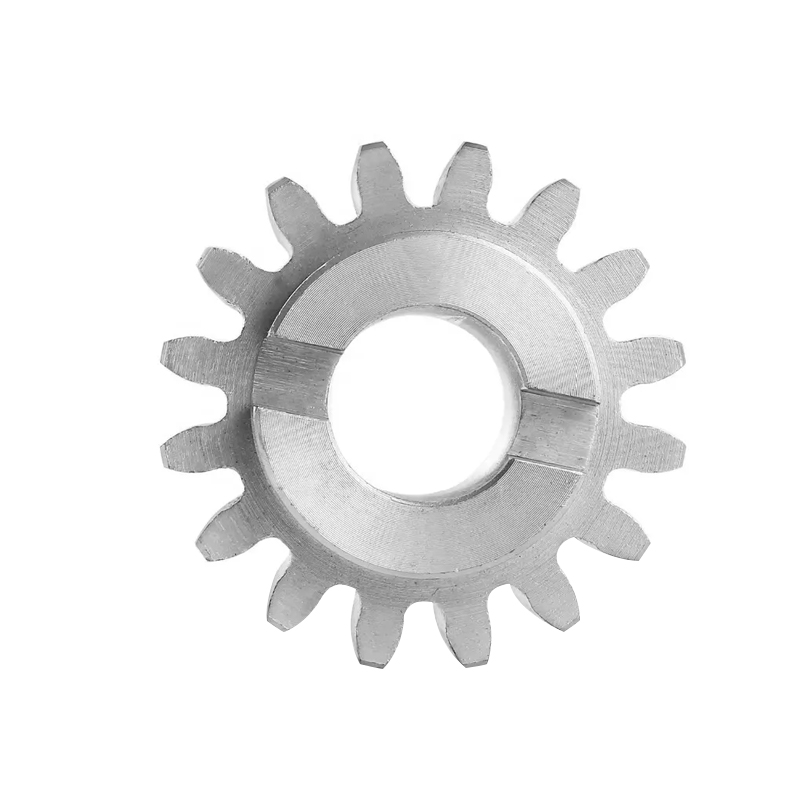
The Sliding Doors Steel Rack Pinion Gear is a critical component in va...
See Details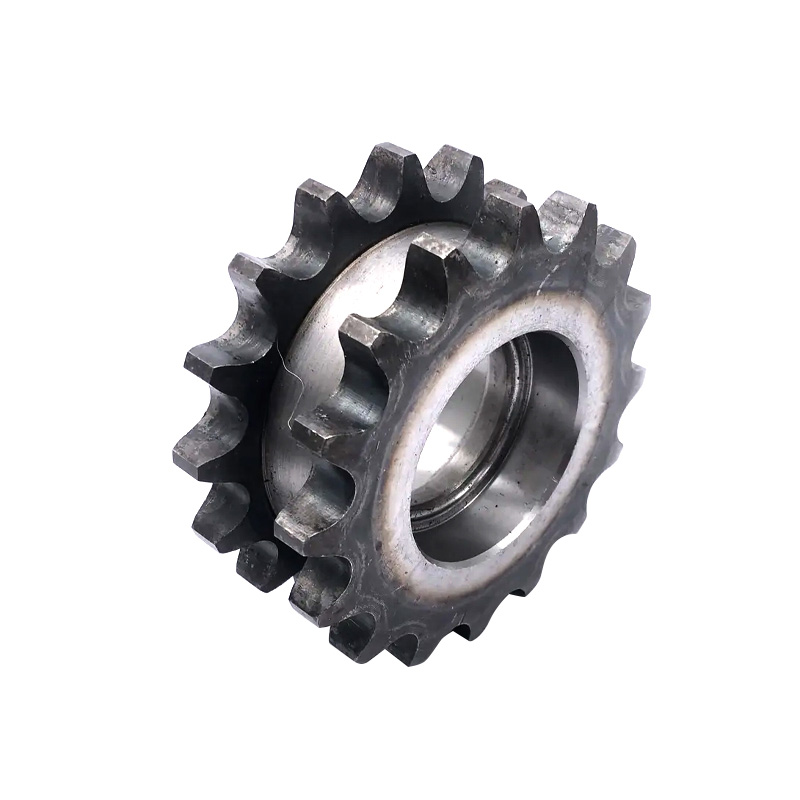
The Double Pitch Sprocket Rack Pinion Gear is a specialized mechanical...
See Details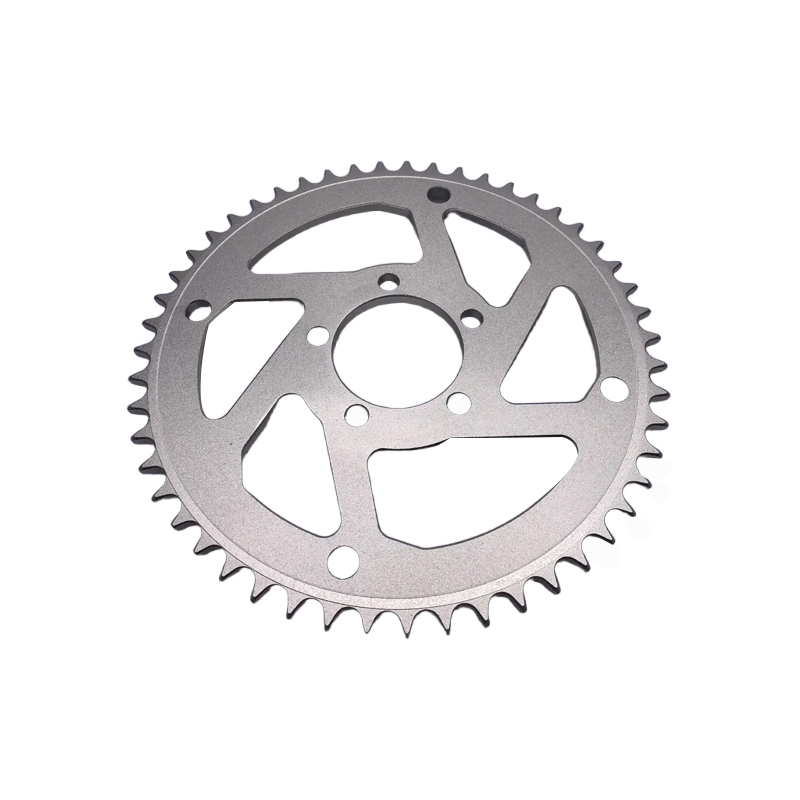
The sprocket drive wheel rack pinion gear is a critical component in v...
See Details
Sliding doors are a popular choice for both residential and commercial...
See Details
Precision and stainless steel gear racks convert rotational motion int...
See Details
A sliding door gear rack and steel rack and pinion system plays an imp...
See Details
The Stainless Steel Sliding Door Steel Gear Rack is a key mechanical p...
See Details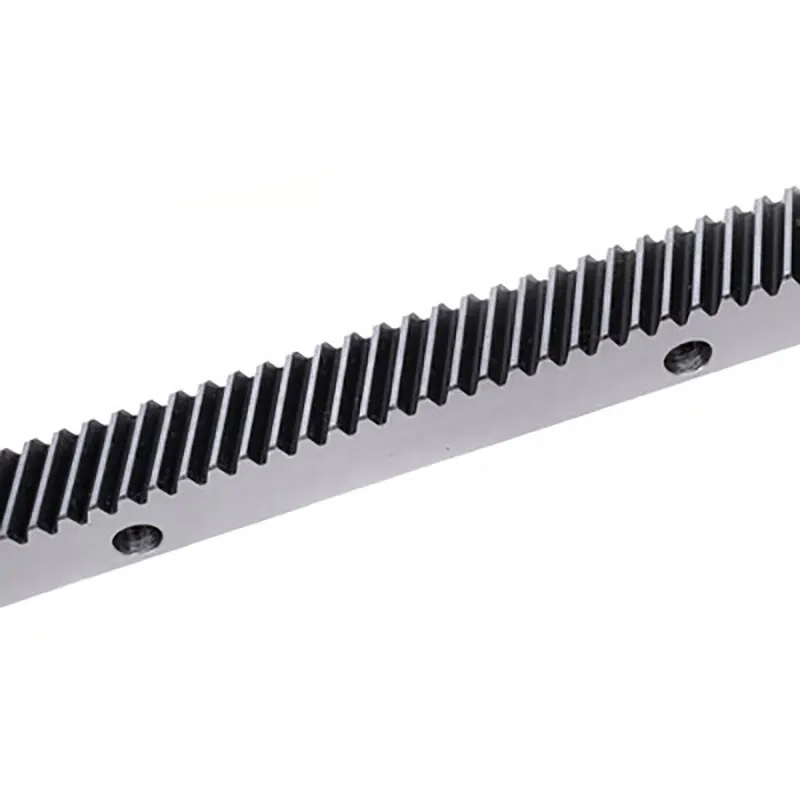
Industrial engraving transmission straight gear rack is a precision li...
See Details
