
 English
 русский
 Español
No. 200 Gaoxin RD, Shanghua St, Lanxi, Zhejiang, P. R China
The Sliding Doors Steel Rack Pinion Gear is a critical component in va...
See DetailsA heavy gate that grinds instead of glides. A motor working harder than it should, straining against friction that was never supposed to be there to begin with. Anyone managing an automatic gate system knows this problem on sight, and a Nylon Rack for Sliding Gate installation is often the fix that gets recommended once the actual cause gets diagnosed. It is rarely the motor's fault, by the way. More often, the rack and pinion system underneath the whole mechanism has been quietly wearing down for a while, mismatched to the gate's weight, or just installed with a bit too much slop in the tolerance to begin with.
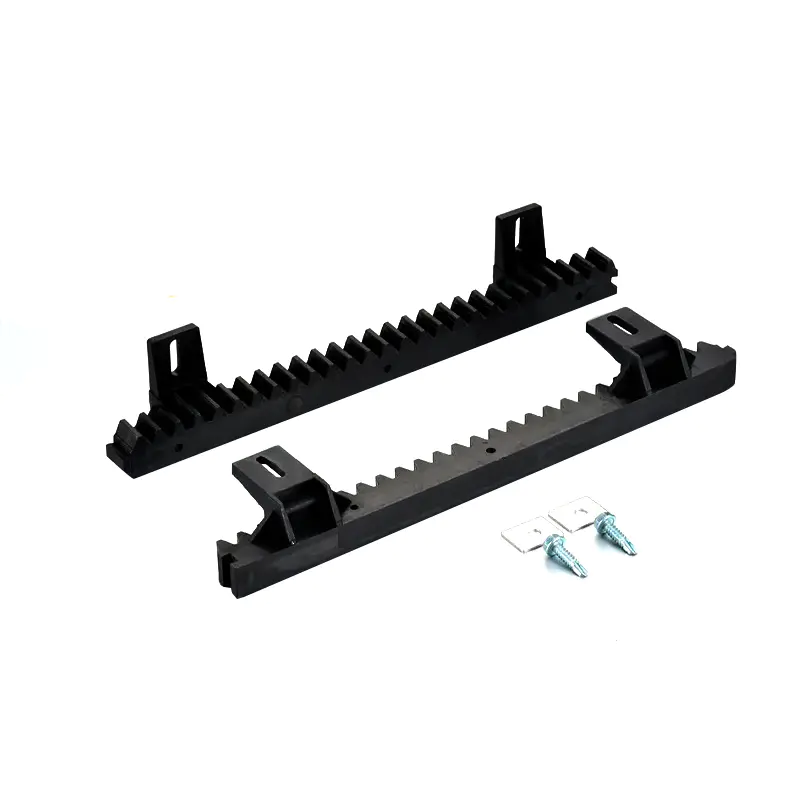
Gate installers, automatic gate manufacturers, warehouse equipment suppliers, mechanical engineers, OEM buyers. All of them eventually run into this same troubleshooting path, usually more than once. Understanding why heavy gates stop moving smoothly, and which rack material actually solves that problem rather than masking it for a few more months, changes how a repair or a new installation gets specified from day one.
Nothing about gate operation stays static once installed. Wear accumulates. Alignment shifts, sometimes without anyone noticing until the sound changes. What worked perfectly on installation day slowly degrades until, one day, the gate that used to glide now grinds its way open.
A handful of factors tend to explain a large share of these performance drops:
Not alone, but it is frequently the underlying pressure that makes every other issue worse. A heavier gate places more strain on every component in the drive system. That means a rack material or gear tolerance that would hold up just fine on a lighter gate starts showing wear considerably faster once the weight climbs. Buyers troubleshooting a sluggish gate should always check whether the original rack and pinion specification actually matched the gate's real weight. Undersizing this one component turns out to be a surprisingly common root cause.
Once the diagnosis points toward the rack and pinion system, a handful of solutions tend to address the problem directly rather than just delaying the next failure by a few weeks.
Nylon brings a specific set of properties to gate drive systems that steel simply does not replicate. That is exactly why it shows up so frequently in gate applications built around quiet, smooth operation.
It does, noticeably so. Metal on metal contact tends to generate a grinding or clicking sound during operation, particularly as components wear or lubrication runs low between maintenance cycles. A Gate Rack Nylon setup dampens that contact considerably, since the material itself absorbs some of the vibration and impact that metal simply transmits directly through the system. For residential installations, commercial properties near occupied buildings, or really any application where noise complaints matter, this quieter operation becomes a genuine practical advantage, not just a comfort preference nobody actually cares about.
A Nylon Gear Rack tends to be gentler on the paired pinion gear compared to steel on steel contact, since the nylon material flexes slightly under load rather than transmitting full impact straight into the mating gear teeth. This can extend the working life of the entire drive system, particularly in applications with frequent cycling, where repeated metal on metal contact would otherwise wear down both components at once.
Nylon is not universally the right answer here. Recognizing when steel earns its place matters just as much for a genuinely well specified installation.
Extremely heavy gates. Industrial applications running continuous high frequency cycling. Environments with significant exposure to weather and corrosion. All of these tend to call for a Stainless Steel Gear Rack rather than a nylon alternative. Steel simply carries more structural load capacity than nylon, and stainless variants add corrosion resistance that matters a great deal in coastal, industrial, or high moisture environments where standard steel would degrade faster than anyone would like.
Generally, yes, though the tradeoff is often worthwhile for applications where load capacity and long term durability under heavy, frequent use outweigh noise considerations entirely. A Steel Rack and Pinion setup will typically run louder than a nylon equivalent, but for gates carrying weight beyond what nylon components are rated to handle safely, that noise difference becomes a secondary concern compared to structural reliability.
| Rack Material | Noise Level | Load Capacity | Corrosion Resistance |
|---|---|---|---|
| Nylon Rack | Low, quiet operation | Moderate, suited to lighter to medium gates | Good, resists moisture-related degradation |
| Standard Steel Rack | Higher, more mechanical noise | High, suited to heavier gates | Lower, prone to rust without coating |
| Stainless Steel Gear Rack | Higher, similar to standard steel | High, suited to heavy and frequent cycling | High, resists corrosion in demanding environments |
| Precision Gear Rack | Varies by base material | Depends on manufacturing tolerance and material | Depends on base material chosen |
No single rack material wins across every category, once you look at this comparison closely. Nylon earns its place through quiet operation and moderate load handling. Steel and stainless step in once weight capacity and long term durability under harsh conditions become the priority instead.
Different Types Of Rack And Pinion configurations exist beyond just material choice, and recognizing these variations helps buyers specify the right system for their specific gate design rather than guessing.
The underlying mechanism stays largely similar. A Sliding Door Gear Rack, though, often deals with lighter overall weight and more frequent cycling compared to a heavy outdoor gate, which sometimes shifts material selection toward nylon even more strongly for indoor or lighter commercial door applications where noise and smooth operation matter considerably more than raw load capacity.
A Nylon Rack and Pinion Gear or steel equivalent should be selected based on a clear understanding of the actual application, not by defaulting to whatever was used previously without a second look.
Work through these considerations before finalizing a specification, and you tend to avoid the exact mismatch that leads right back to the grinding, sluggish gate operation this whole troubleshooting process started with.
Even the right material choice will not stay problem free forever without some basic upkeep. A rack and pinion system, whether nylon, steel, or stainless, still needs periodic attention to keep operating the way it did on installation day.
Steel and stainless rack systems benefit from regular lubrication at the gear and rack contact points, since dry metal on metal friction accelerates wear considerably faster than a properly lubricated setup would allow. Nylon systems need less frequent lubrication given the material's inherent lower friction properties, though periodic inspection still matters, mostly to catch any debris buildup along the track before it interferes with smooth engagement. Establishing a routine, rather than waiting until a gate starts sticking before addressing it, tends to catch small issues while they are still easy and inexpensive to fix.
Alignment drift happens gradually. Ground settling, bracket loosening, minor impacts the gate absorbs over time, small stuff that adds up. Building a periodic inspection schedule into a maintenance routine, checking mounting brackets, rail alignment, and tooth engagement consistency, helps catch this drift before it turns into the kind of grinding or binding that eventually damages the rack teeth themselves. Commercial and industrial installations with frequent cycling generally benefit from more frequent inspection intervals than a residential gate opened only a handful of times each day.
Significantly, yes. Coastal installations, industrial sites with airborne particulates, properties in regions with heavy seasonal rainfall, all of these place additional stress on rack and pinion components compared to a sheltered, climate stable environment. Buyers in these conditions should expect to inspect and maintain their systems more frequently than a standard maintenance schedule might suggest, particularly checking for corrosion on steel components or debris accumulation that could interfere with a nylon rack's smoother engagement.
Fixing a heavy gate that no longer opens and closes smoothly rarely comes down to a single component. But the rack and pinion system sits at the center of that mechanical relationship more often than many buyers initially assume. Choosing a properly matched Nylon Rack for Sliding Gate installation solves the noise and moderate load challenges that many residential and lighter commercial applications face, while stainless steel or standard steel options step in where heavier gates, frequent cycling, or harsh environmental exposure demand more structural capacity than nylon alone can provide. Zhejiang Luxin Door Operation Equipment Co., Ltd. works with gate installers, automation distributors, and OEM buyers sourcing through Nylon Gear Rack Factory and Straight Gear Rack Factory relationships built around matching rack material to actual gate weight and operating conditions, and sharing your gate specifications, cycling frequency, and installation environment is a practical way to start narrowing down which rack and pinion configuration fits your project.
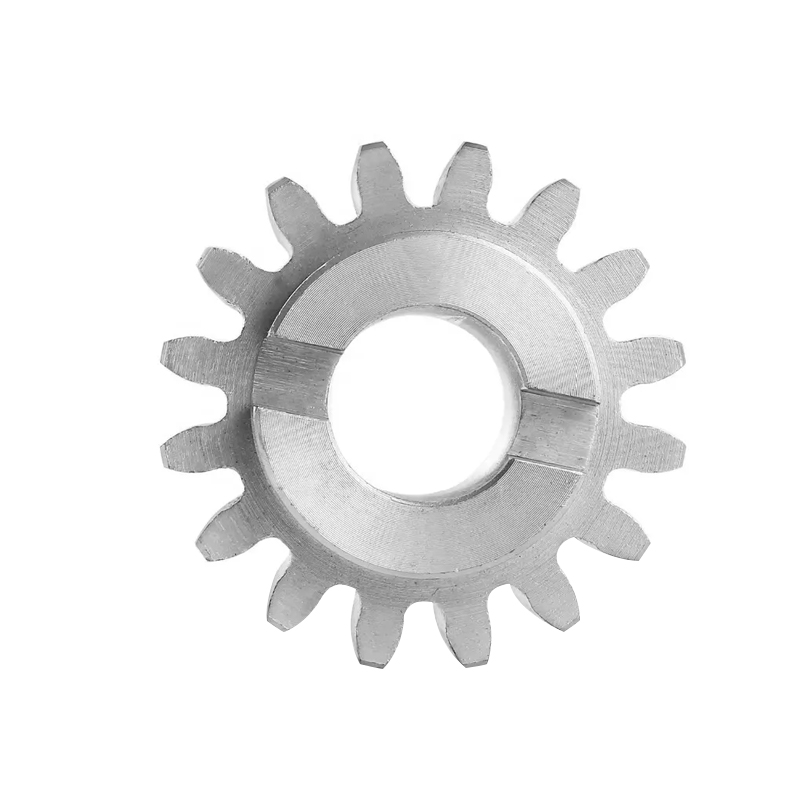
The Sliding Doors Steel Rack Pinion Gear is a critical component in va...
See Details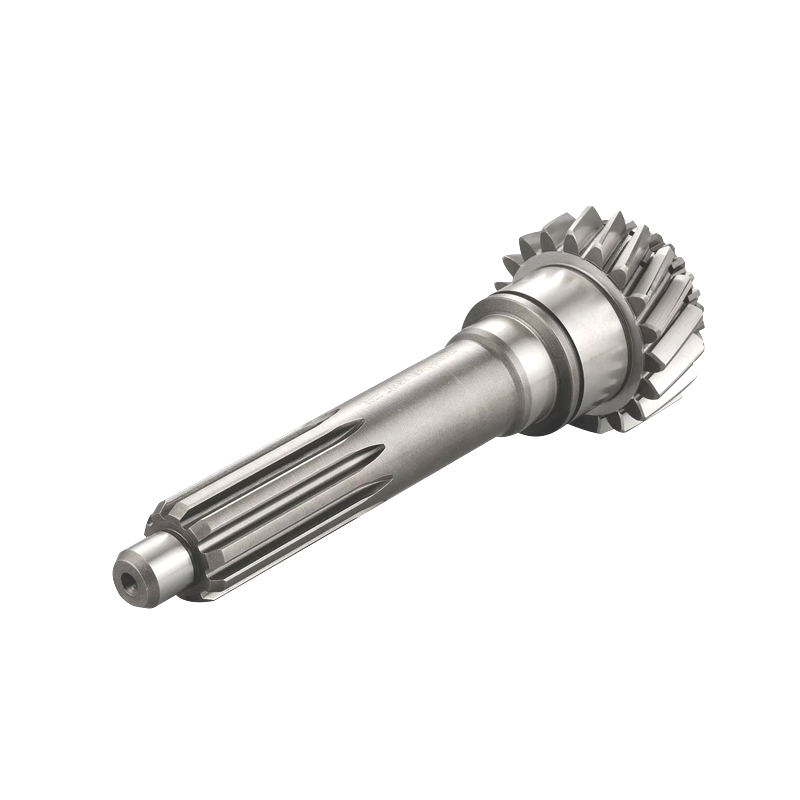
The rust-proof high-precision rack pinion gear is a critical component...
See Details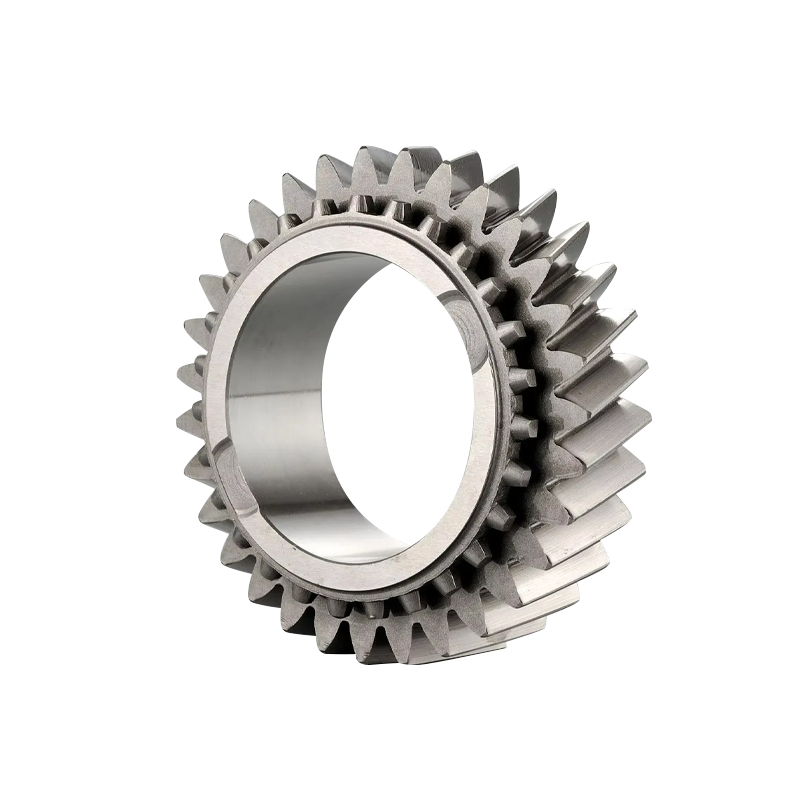
The Gearbox Transmission Rack Pinion Gear system is a critical mechani...
See Details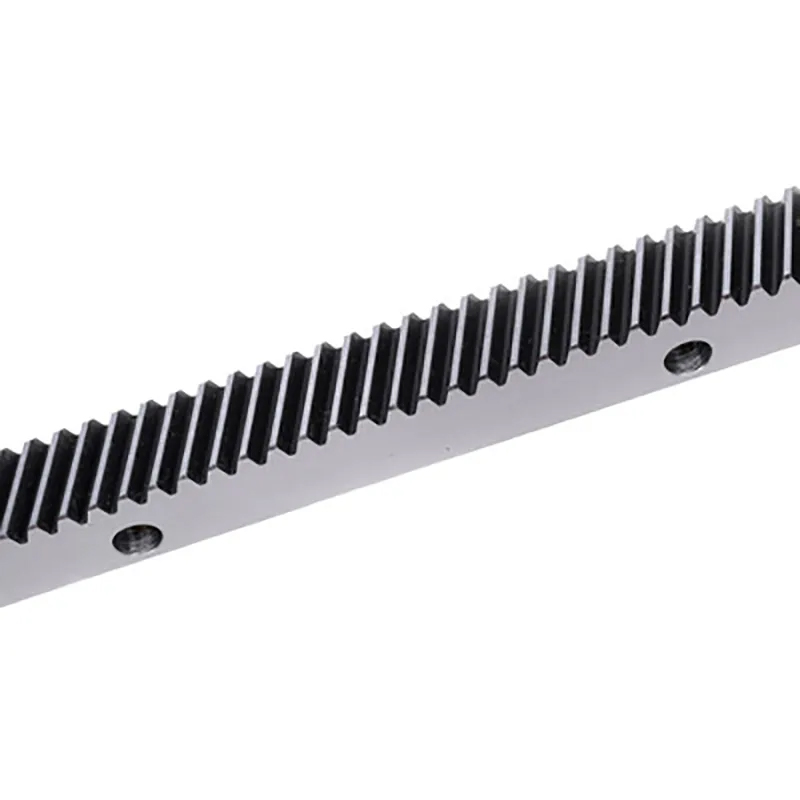
Precision and stainless steel gear racks convert rotational motion int...
See Details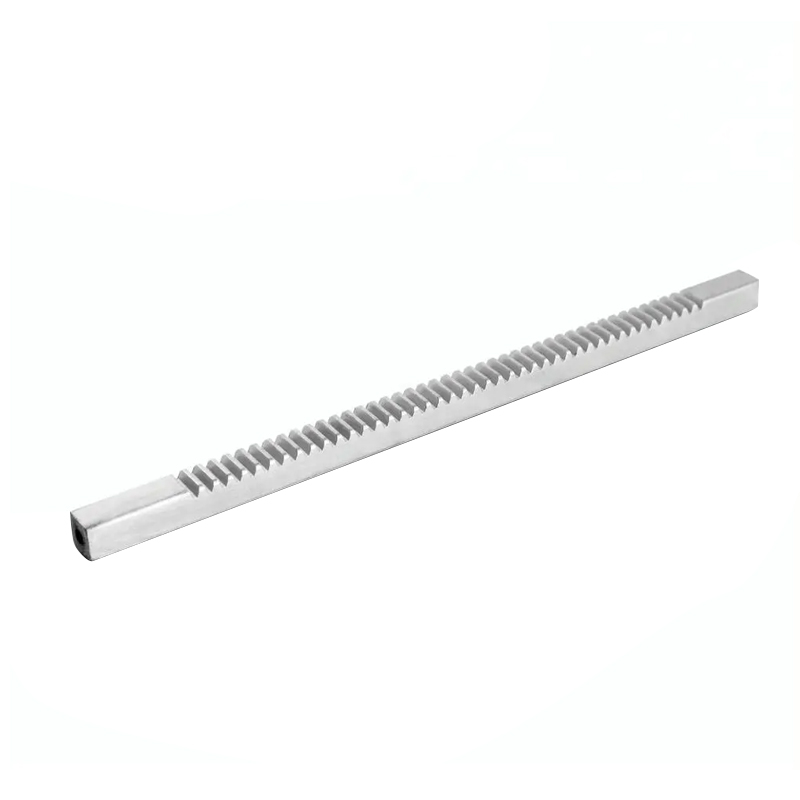
A sliding door gear rack and steel rack and pinion system plays an imp...
See Details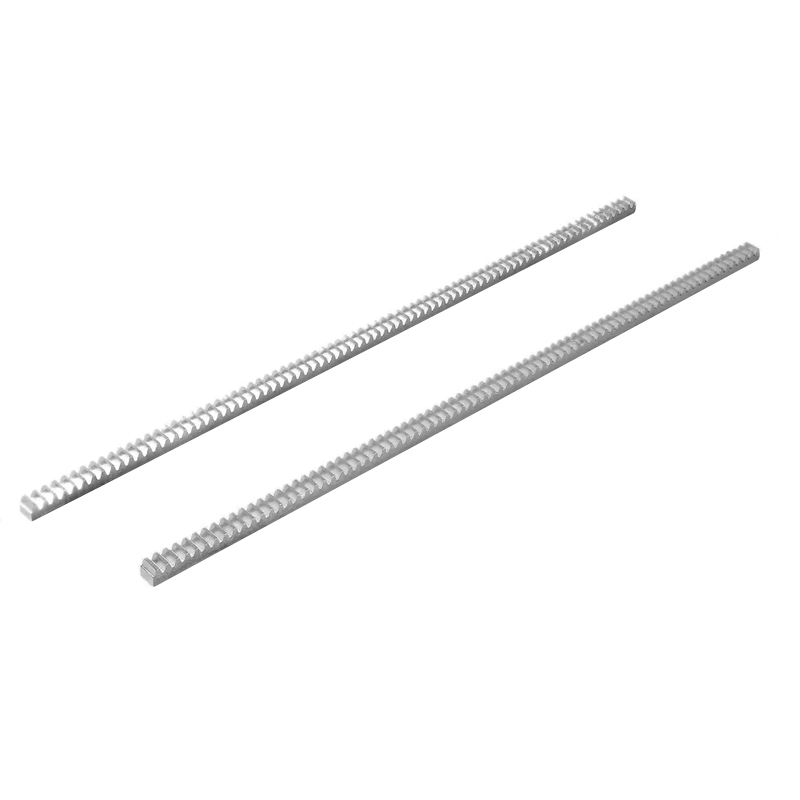
The Stainless Steel Sliding Door Steel Gear Rack is a key mechanical p...
See Details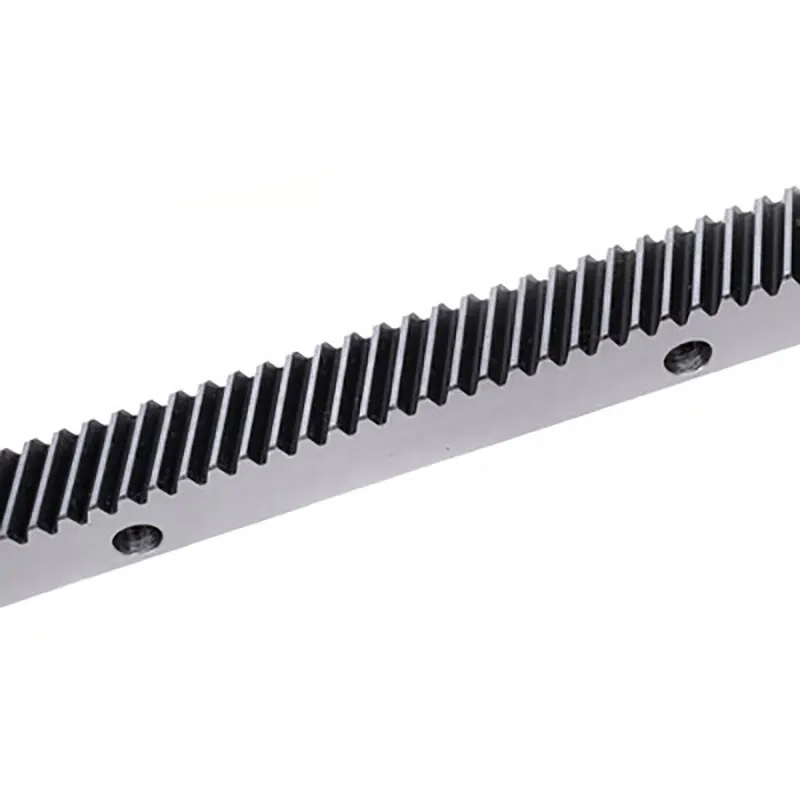
Industrial engraving transmission straight gear rack is a precision li...
See Details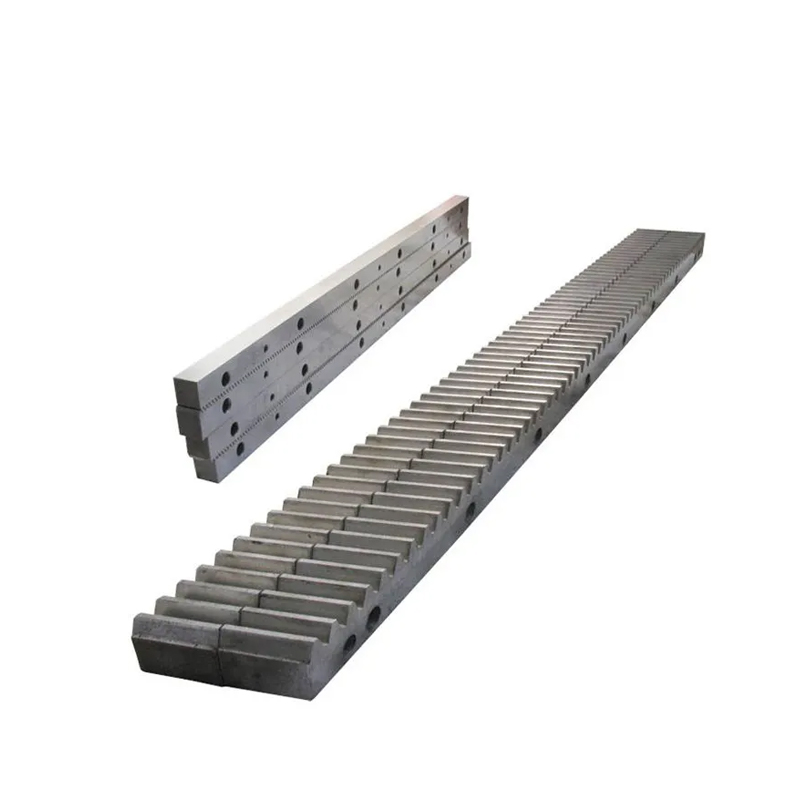
Screws steel straight gear rack for automatic doors is a linear transm...
See Details
