
 English
 русский
 Español
No. 200 Gaoxin RD, Shanghua St, Lanxi, Zhejiang, P. R China
The rust-proof high-precision rack pinion gear is a critical component...
See DetailsIn many movement systems, the detail that changes performance is not the wheel itself, but the way the wheel responds when direction shifts. A Sliding Wheel is often discussed in that context because it combines rolling motion with a controlled amount of lateral movement. That mix can make a structure feel more adaptable in tight layouts, changing paths, or surfaces that are not fully uniform.
For manufacturers, the practical question is not whether movement happens, but how that movement stays steady when load, surface, and turning force begin to vary. A Sliding Wheel becomes relevant when a design needs more directional freedom without adding unnecessary complexity to the whole system. In that sense, the topic is less about one feature and more about how motion behaves as a set of connected choices.
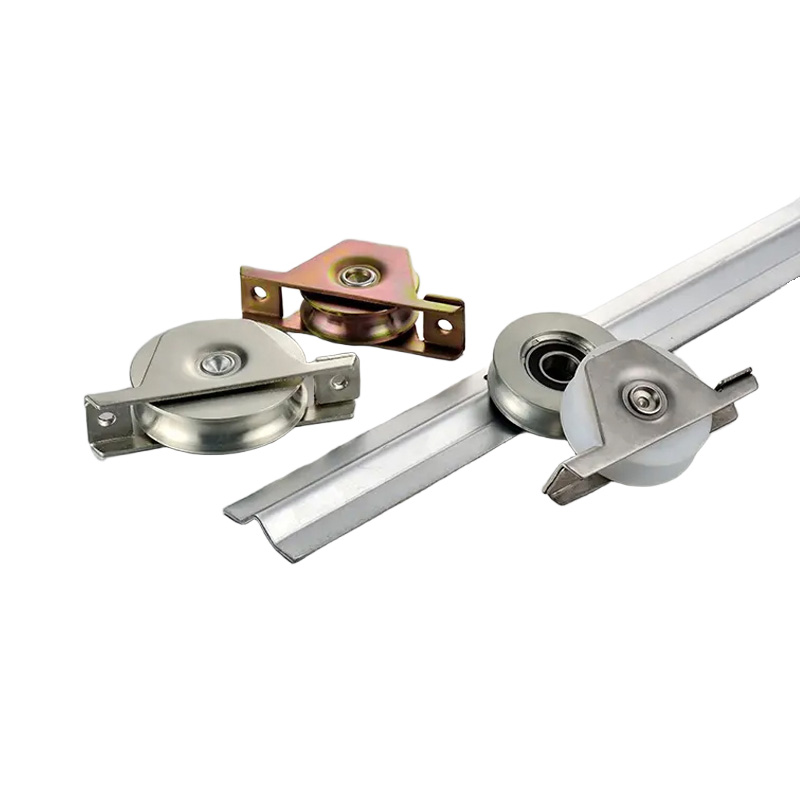
A Sliding Wheel can be understood as a wheel structure that does not limit movement to a single forward line. Instead, it allows rolling and side shift to work together in a managed way. That combination gives the system a wider movement range while still keeping the motion within a usable path.
The key point is control. Sliding is not simply a loss of grip. In a well-designed structure, it becomes part of the movement pattern, especially when the direction changes quickly or the surrounding space is limited. The wheel does not have to fight every sideways force; it can respond to it in a more measured way.
A simple way to view the movement pattern is:
That mix is what gives the structure its character. It is not a rigid motion path, and it is not a loose one either. It sits in between.
The choice often comes down to movement logic. Fixed wheel designs can work well when the path is clear and the turning pattern is simple. When the system needs more flexibility, a Sliding Wheel can offer a different balance by reducing the need for a separate steering response.
This matters in compact layouts, moving platforms, and equipment that has to adjust direction often. In those cases, the wheel is not only carrying load. It is also helping the system change orientation without forcing a wide turning radius.
The reason many designs move toward this kind of structure is practical rather than dramatic. It is about fit. A system may need:
Compared with a fixed wheel layout, the movement pattern is less restricted. That does not make it universally suitable, but it does make it useful where motion must stay flexible.
Surface condition can change how the wheel behaves more than many people expect. A smooth surface allows movement to shift more easily, while a rough or uneven one can resist lateral motion and make the path feel less fluid. The material pairing between wheel and ground therefore affects not only motion quality but also the amount of control available during operation.
On hard, smooth contact, a Sliding Wheel may move with less resistance, but that does not always mean better control. On textured surfaces, the contact can feel more anchored, which may reduce side shift but improve path stability. Soft surfaces can absorb part of the force, which changes how movement is transferred through the system.
| Surface condition | Movement feel | Side shift tendency | Practical effect |
|---|---|---|---|
| Smooth | Easier | Higher | Direction change feels lighter |
| Textured | More restrained | Lower | Motion feels more anchored |
| Soft | Dampened | Moderate | Some force is absorbed |
| Hard | Clear contact | Balanced | Path stays easier to read |
The same wheel can therefore behave differently in different environments. That is why surface testing matters when the structure is meant for varied use, rather than a single fixed setting.
Another reason is response quality during transition. A fixed wheel may hold a clearer line, but once the system needs to adjust direction, it may depend on other parts of the mechanism to complete the turn. A Sliding Wheel can shift part of that response into the contact behavior itself, which may simplify the overall motion logic.
This is especially relevant when the movement pattern changes often. Instead of forcing every change through a rigid turning motion, the structure allows a more gradual adjustment. That can be useful when the system must move in a limited area and still avoid abrupt changes in path.
In practical design discussions, this kind of wheel is often viewed as a way to support movement flexibility without turning the whole system into a more complicated assembly.
Slip angle describes the difference between the direction the wheel is facing and the direction it actually moves. In a Sliding Wheel system, that difference becomes an important part of how motion should be read. A small shift may be acceptable, but once the angle grows, path control becomes harder to maintain.
When the slip angle stays within a manageable range, the motion can remain smooth and predictable. When it increases, the system may begin to drift from the intended line, and correction becomes more frequent. That is why movement accuracy is not only about wheel rotation. It is also about how the wheel behaves under side force.
The practical impact can be seen in three common conditions:
For manufacturers, this means the wheel cannot be judged only by how it turns. The real issue is how much deviation the structure can tolerate before the movement starts to feel unreliable.
Stability in motion systems is usually not the result of one clear element. It comes from how several small behaviors interact during movement. With a Sliding Wheel structure, the feeling of stability can change depending on how the load shifts and how the surface responds at different moments.
In many real cases, the movement feels steady when the direction is simple, but becomes slightly less predictable when turning begins. This is often linked to how contact pressure moves across the wheel rather than a single mechanical cause.
| Condition in movement | What is happening in practice |
|---|---|
| Load shifts during turning | Pressure is no longer evenly distributed |
| Surface response changes | Contact feels less consistent |
| Direction changes quickly | Transition between motion states becomes less smooth |
These conditions do not act separately. They overlap, and that overlap is what shapes overall stability during use.
Unwanted slippage usually appears in short and specific moments rather than continuously. It often shows up when direction changes faster than the contact surface can fully respond. In practice, this is less about eliminating slip completely and more about controlling when it appears.
A common approach is to make the transition between rolling and sliding less abrupt. When the change is gradual, the system tends to maintain contact more consistently instead of losing grip suddenly. Another approach is to guide the motion path so that sliding only occurs under expected conditions.
Instead of treating slippage as a failure point, it is often managed as part of the movement behavior itself. This makes the system more predictable during operation, especially when load or direction changes frequently.
In compact movement systems, space is often more limiting than speed. This is where sliding-based wheel structures tend to appear more frequently. Instead of requiring wide turning space, the system can adjust direction within a smaller area.
In robotic movement layouts, this allows smoother repositioning when paths are tight or frequently changing. In industrial handling systems, it helps equipment shift direction without needing large mechanical turns.
Typical usage patterns include:
The key advantage is not complexity reduction, but movement flexibility within limited space.
Durability in this type of system is closely related to how evenly wear develops over time. Since movement includes both rolling and sliding, contact stress does not stay fixed in one area. Instead, it moves depending on direction and load changes.
Over time, uneven transitions between motion states can concentrate wear in specific zones. This is why smoother transitions often matter more than material strength alone. When motion changes gradually, the contact surface tends to experience more balanced usage.
The relationship between movement behavior and wear can be viewed as follows:
| Movement behavior | Effect on wear pattern |
|---|---|
| Smooth transition between states | Wear spreads more evenly |
| Sudden directional change | Wear concentrates locally |
| Frequent short turns | Contact zones shift repeatedly |
| Stable rolling phase | Lower stress variation |
In practical design thinking, improving durability is less about reinforcing a single part and more about reducing uneven motion patterns across the system.
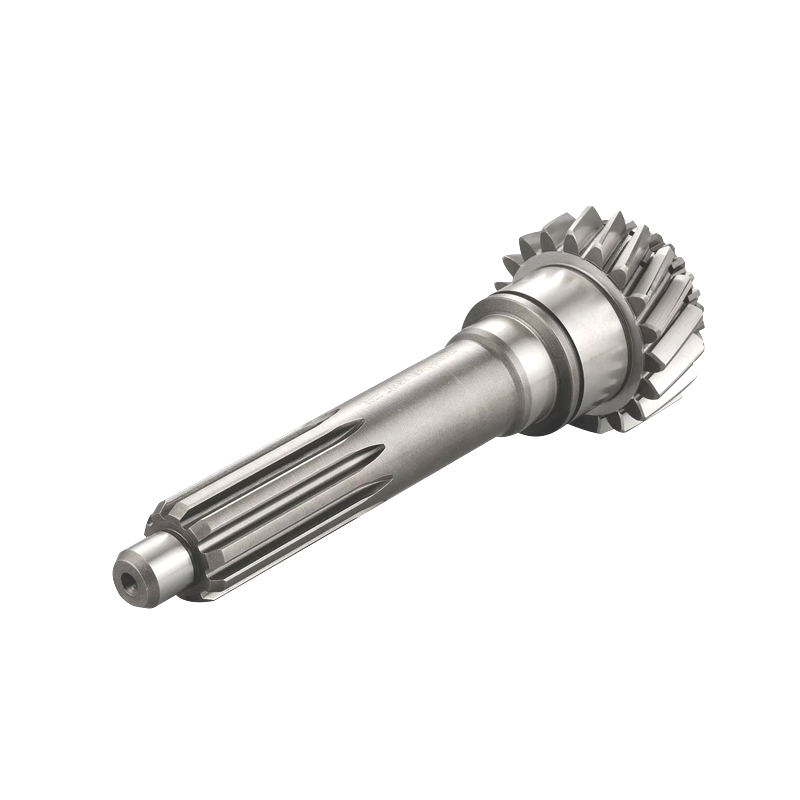
The rust-proof high-precision rack pinion gear is a critical component...
See Details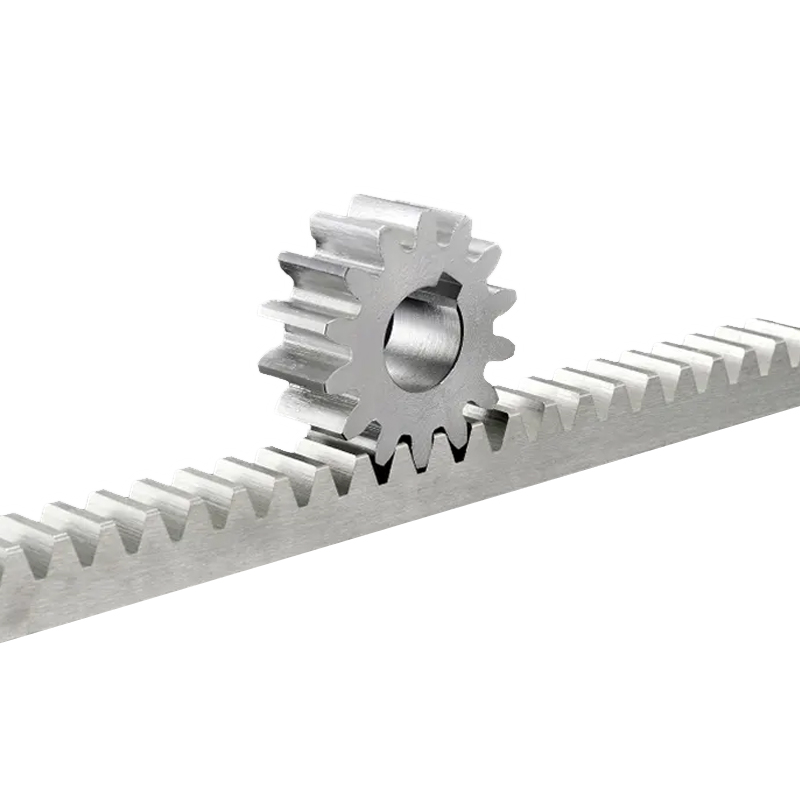
The stainless steel sliding door steel gear rack is an essential compo...
See Details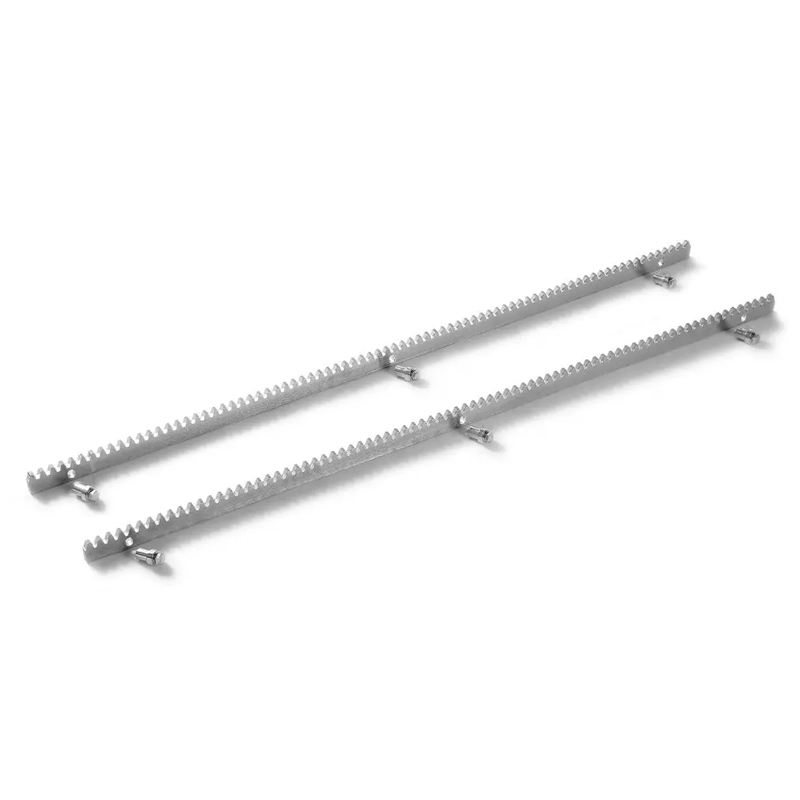
The Durable High-Quality Sliding Door Steel Gear Rack is a versatile a...
See Details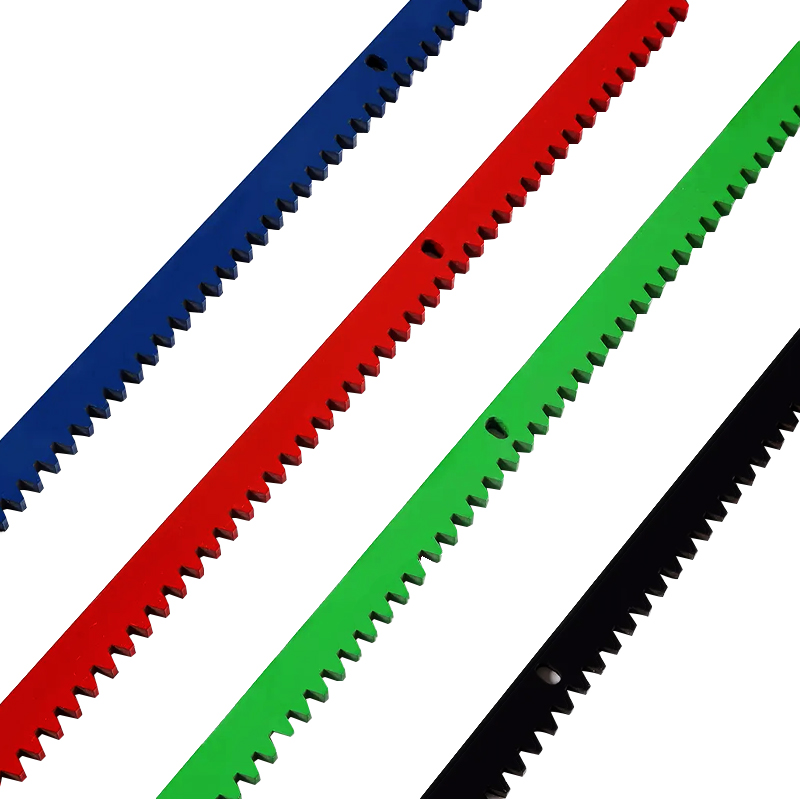
The Color Customization Sliding Door Steel Gear Rack is a highly funct...
See Details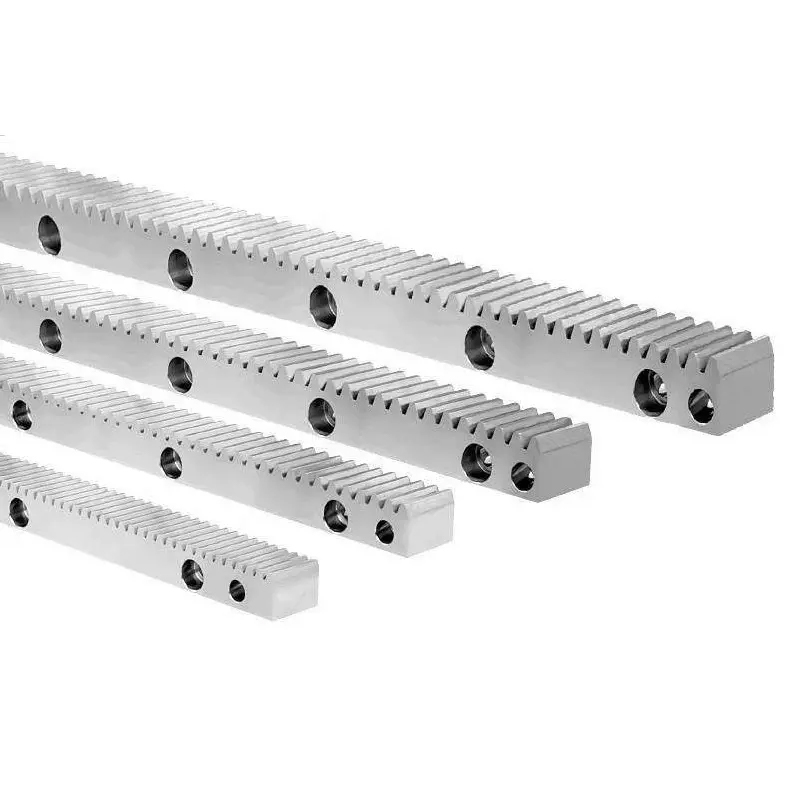
New Durable Custom Helical Gear Rack is a mechanical transmission ...
See Details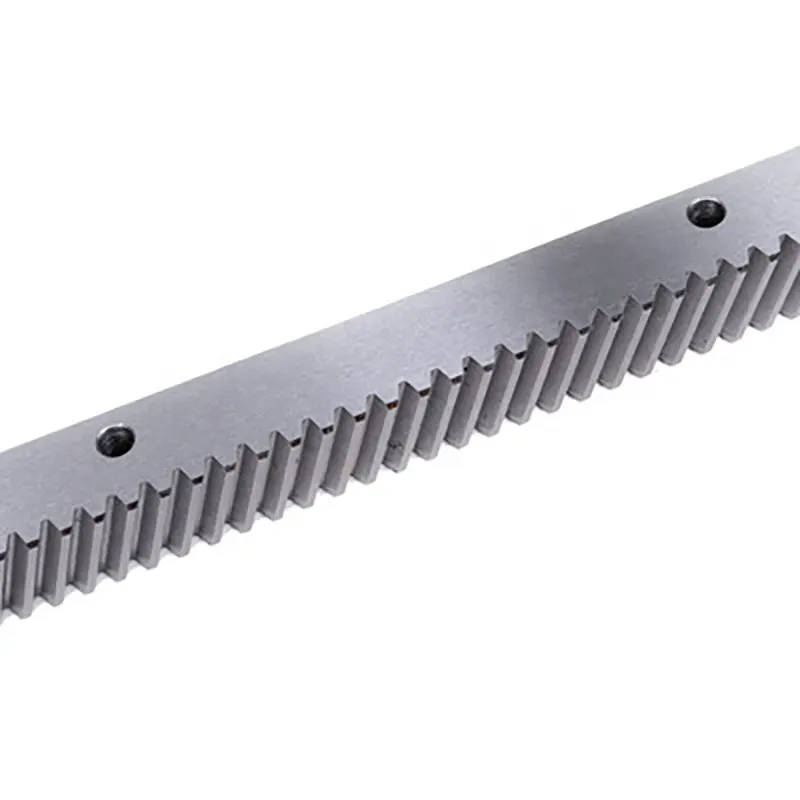
The Durable Accessories Helical Gear Rack is a critical component desi...
See Details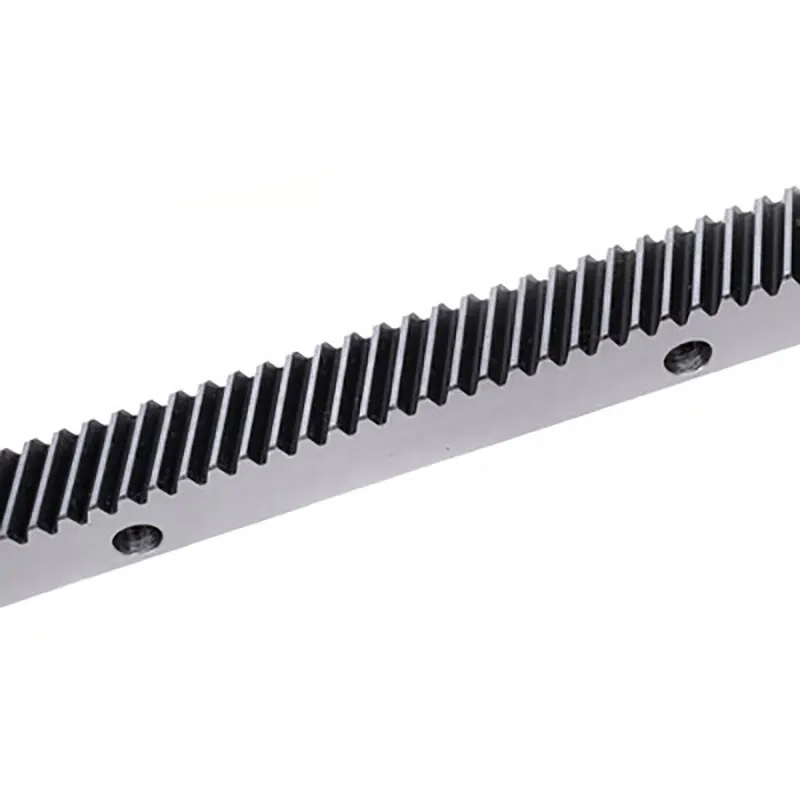
Industrial engraving transmission straight gear rack is a precision li...
See Details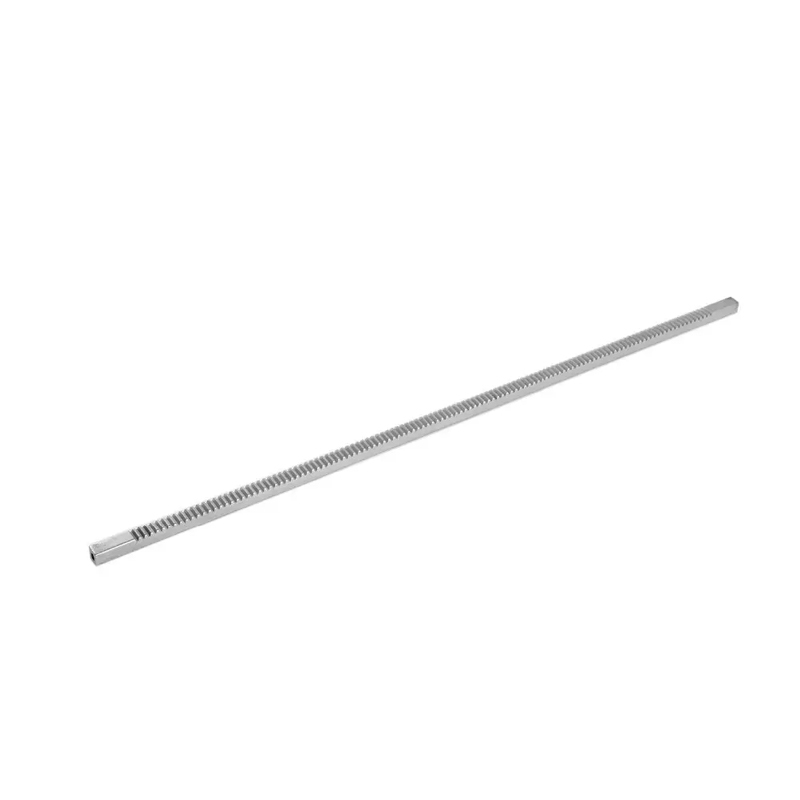
Industrial Wear-Resistant Straight Gear Rack is a linear transmission ...
See Details
