
 English
 русский
 Español
No. 200 Gaoxin RD, Shanghua St, Lanxi, Zhejiang, P. R China
The Stainless Steel Rack Pinion Gear for Sliding Motors is a high-prec...
See Details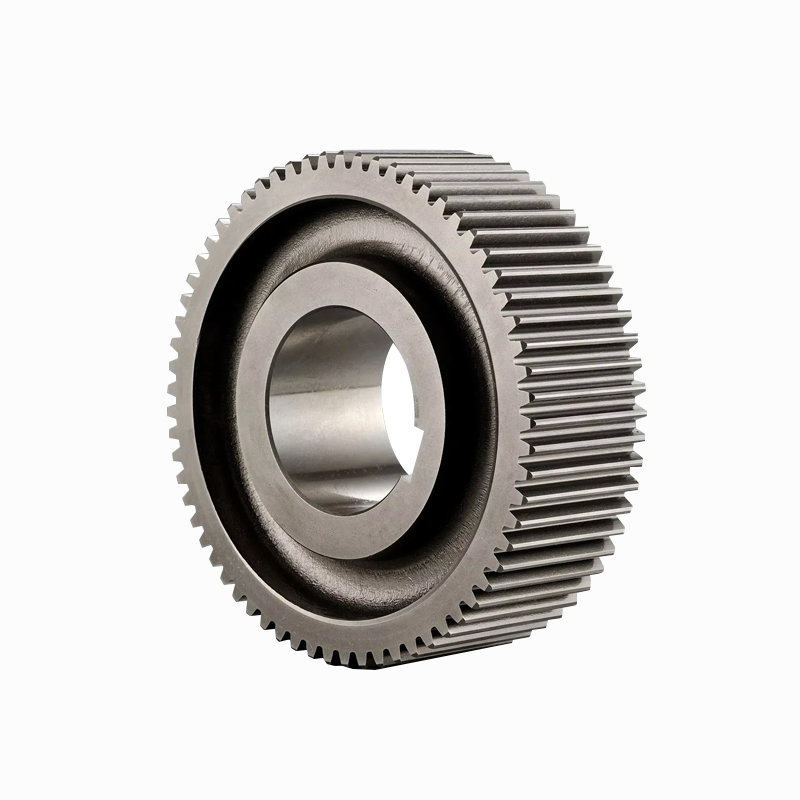
Gears play a critical role in machinery, enabling smooth power transmission and precise motion control. When standard gears do not meet specific operational requirements, industries turn to Custom Gear Manufacturers to produce tailored solutions. Ensuring that custom gears are compatible with existing equipment is essential to avoid malfunctions, reduce downtime, and maintain efficiency. Several strategies and practices allow manufacturers to achieve this compatibility reliably.
Understanding Equipment Specifications
The step for a Custom Gear Manufacturer is gathering detailed information about the equipment where the gear will be installed. This includes measurements such as pitch, module, pressure angle, bore diameter, and tooth profile. Understanding the operating environment, load capacity, and rotational speed is also critical. Accurate documentation ensures that the custom gear will fit precisely and perform as required without affecting the existing system's integrity.
Computer-Aided Design and Simulation
Modern custom gear manufacturing relies heavily on design software. Using CAD (Computer-Aided Design) programs, manufacturers can model gears based on the exact specifications of the machinery. Advanced simulations allow them to test gear performance under various load conditions, rotational speeds, and torque levels. By identifying potential issues before production, a Custom Gear Manufacturer reduces the risk of incompatibility and ensures the gear meets both mechanical and functional requirements.
Material Selection and Heat Treatment
Compatibility goes beyond dimensions; material properties also influence performance. Custom gear manufacturers select metals or composites based on strength, wear resistance, and environmental conditions. Heat treatment processes, such as carburizing or induction hardening, are often applied to enhance durability and maintain precise tolerances. Choosing the right material and treatment ensures that the gear integrates seamlessly with existing components and can handle the operational stresses of the equipment.
Precision Manufacturing Techniques
High-precision manufacturing methods are essential for achieving compatibility. Techniques such as CNC machining, hobbing, and grinding allow Custom Gear Manufacturers to produce gears with accurate tooth profiles and tight tolerances. Quality control measures, including coordinate measuring machines (CMM) and gear inspection tools, verify that each gear meets the specified dimensions. Precision production minimizes the risk of misalignment or interference with other components in the machinery.
Prototyping and Testing
Before full-scale production, some manufacturers create prototypes to verify fit and performance. Prototyping allows engineers to test the gear in real-world conditions, ensuring it meshes correctly with mating gears and functions smoothly under load. Adjustments can be made if necessary, providing an extra layer of assurance that the final product will be compatible. By incorporating this step, a Custom Gear Manufacturer improves reliability and reduces the likelihood of post-installation issues.
Collaboration and Communication
Close communication with clients is essential for compatibility. Engineers often collaborate with equipment manufacturers or maintenance teams to clarify requirements, confirm measurements, and discuss operational constraints. Regular communication ensures that the custom gear not only fits physically but also performs as expected in the specific application. This collaboration strengthens the confidence of both the manufacturer and the client in the final product.
Ensuring that custom gears are compatible with existing machinery requires a combination of accurate specification gathering, advanced design and simulation, careful material selection, precision manufacturing, prototyping, and clear communication. Custom Gear Manufacturers employ these practices to deliver reliable, high-performance gears that integrate seamlessly with equipment. By prioritizing compatibility, they help industries maintain smooth operations, reduce maintenance costs, and enhance the overall efficiency of mechanical systems.
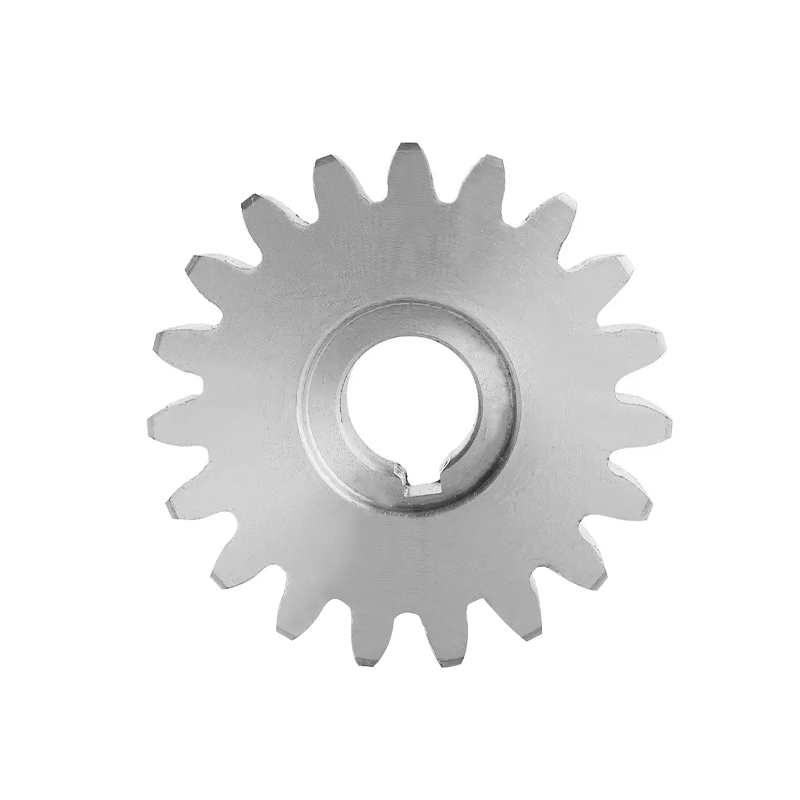
The Stainless Steel Rack Pinion Gear for Sliding Motors is a high-prec...
See Details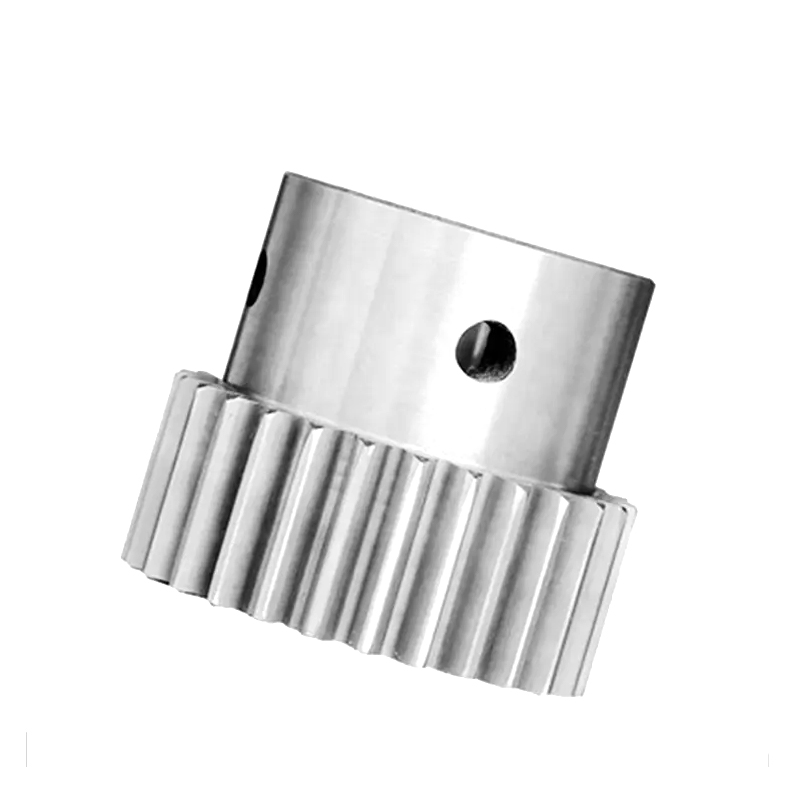
The Stainless Steel Stepped Rack Pinion Gear is a highly versatile and...
See Details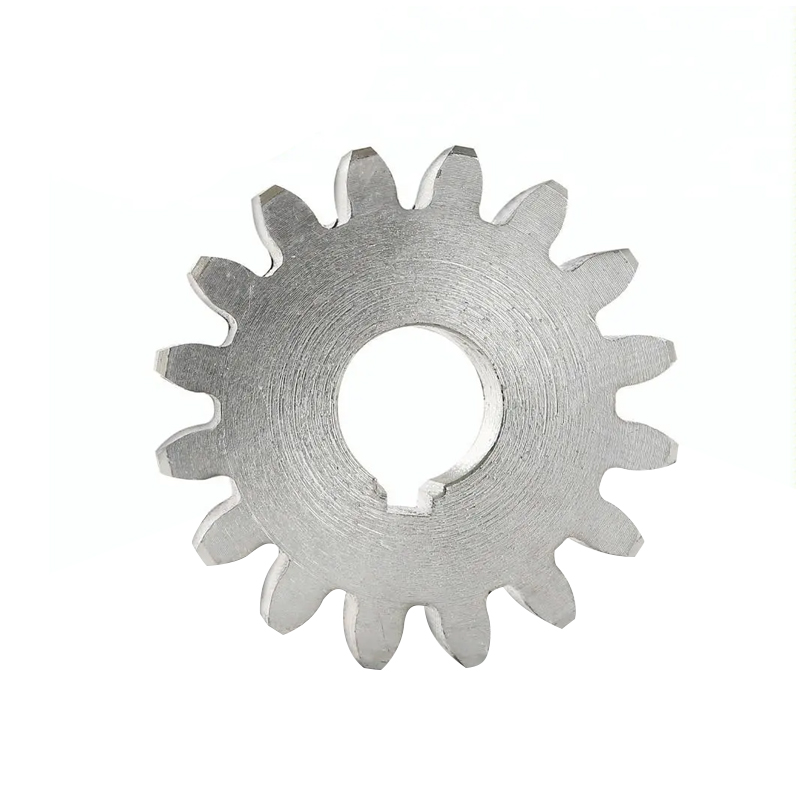
The Smooth Surface High Precision Rack Pinion Gear is a high-performan...
See Details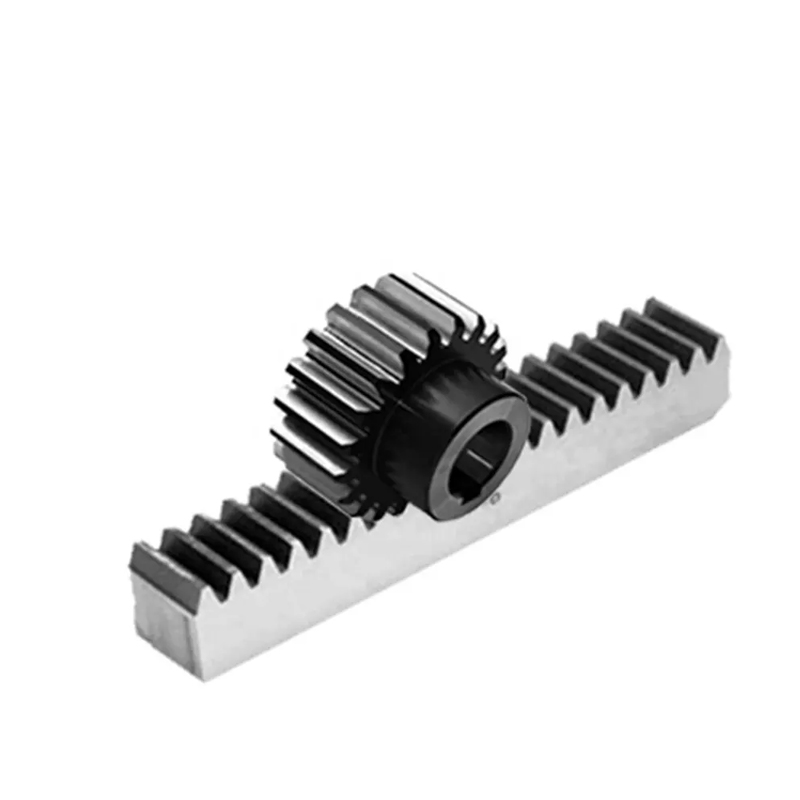
The Rack Pinion Gear for automatic door openers is a crucial component...
See Details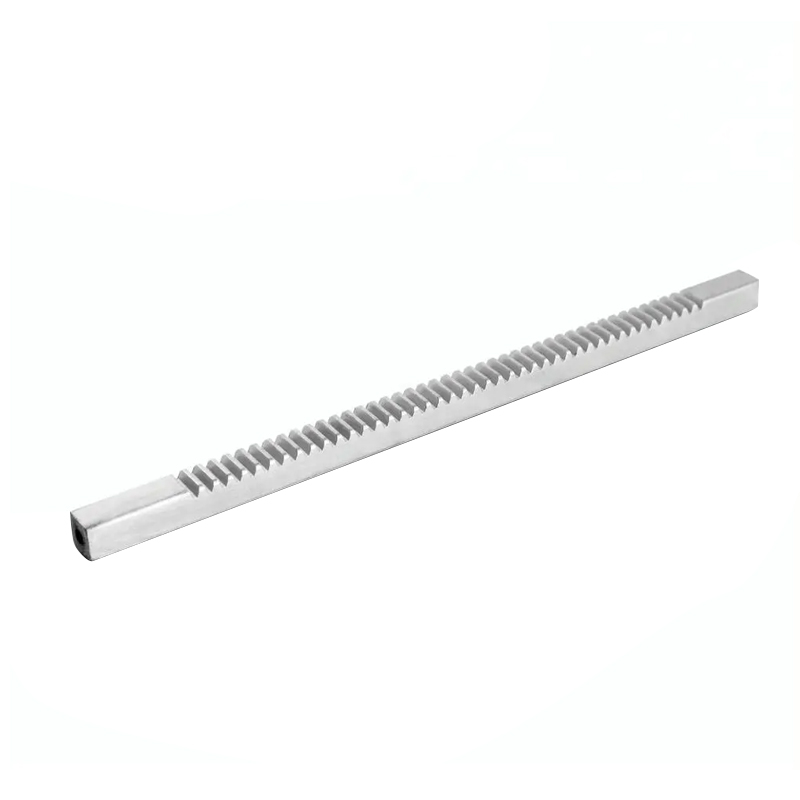
A sliding door gear rack and steel rack and pinion system plays an imp...
See Details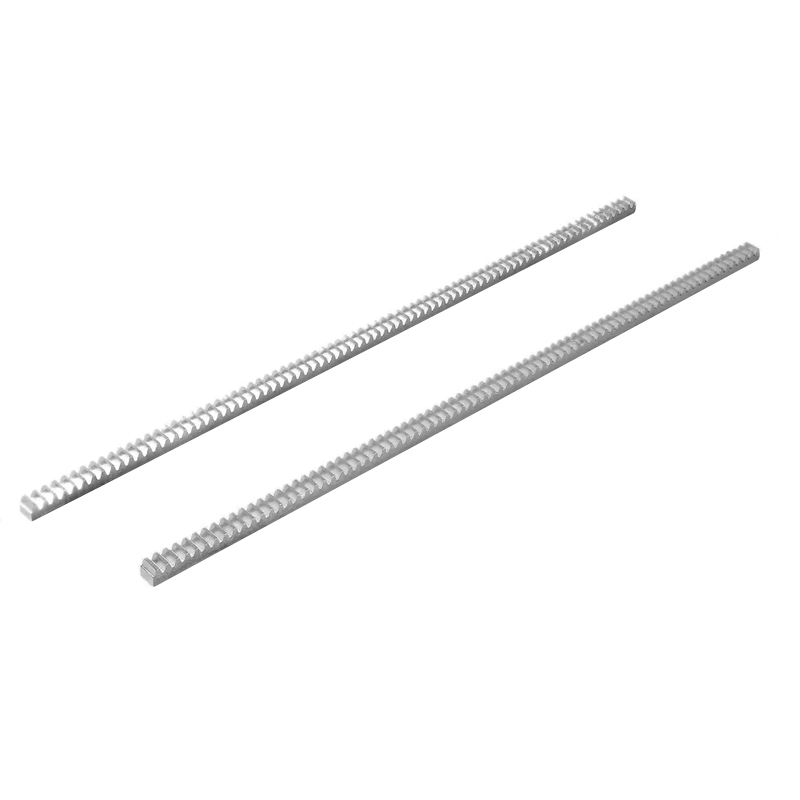
This stainless steel gear rack is the main hardware piece that makes s...
See Details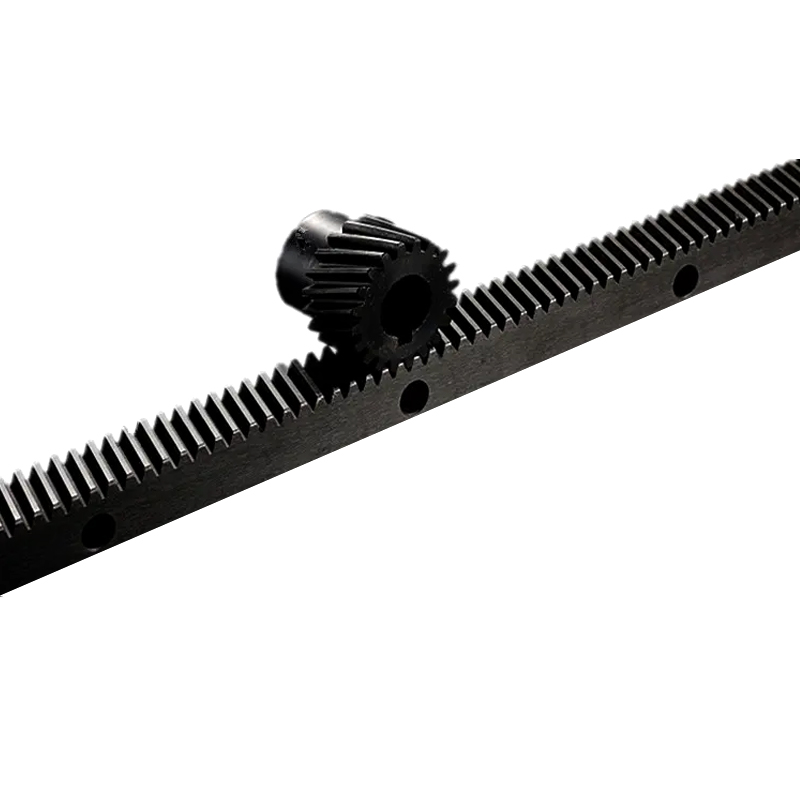
Linear precision guides helical gear rack is a transmission component ...
See Details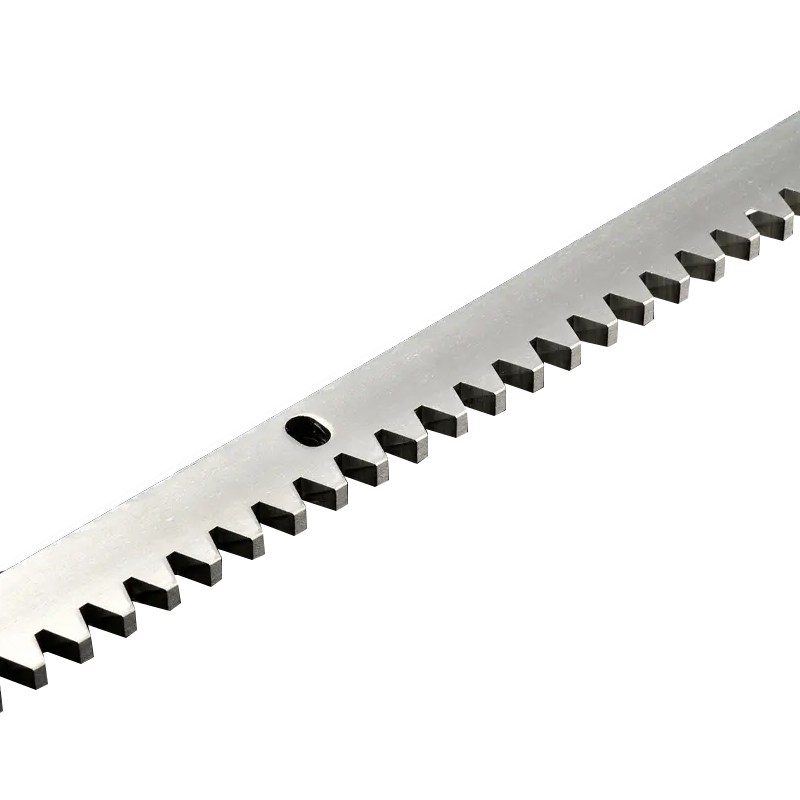
The Flexible Steel Parts Helical Gear Rack is a highly engineered comp...
See Details
