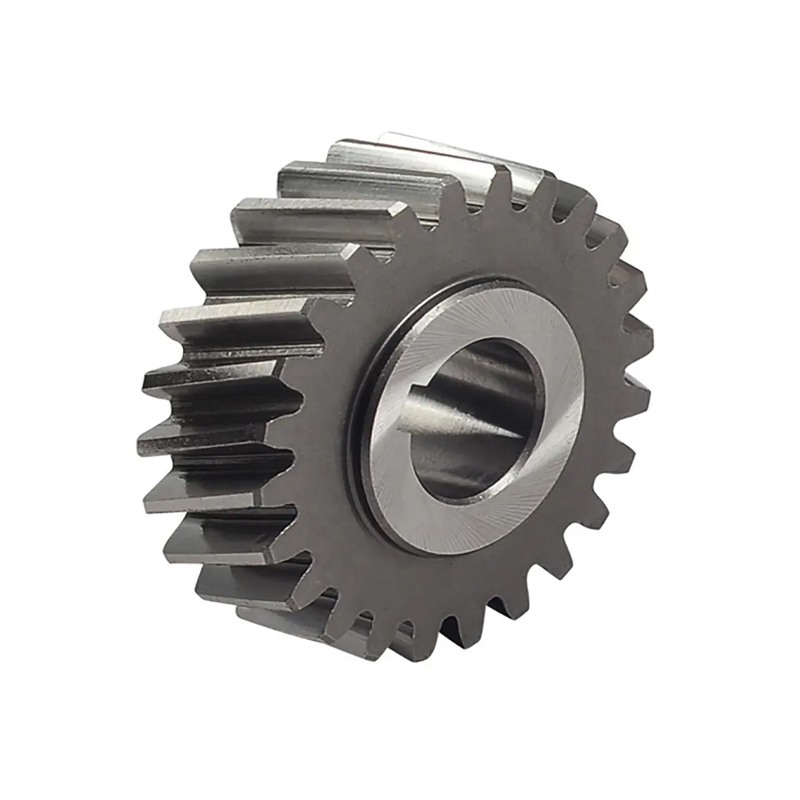
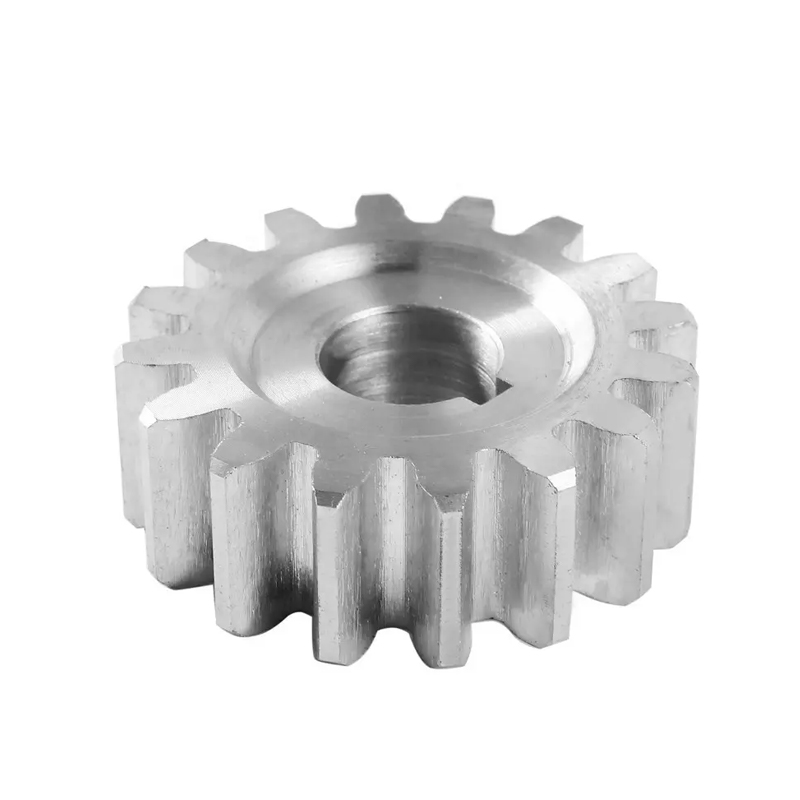
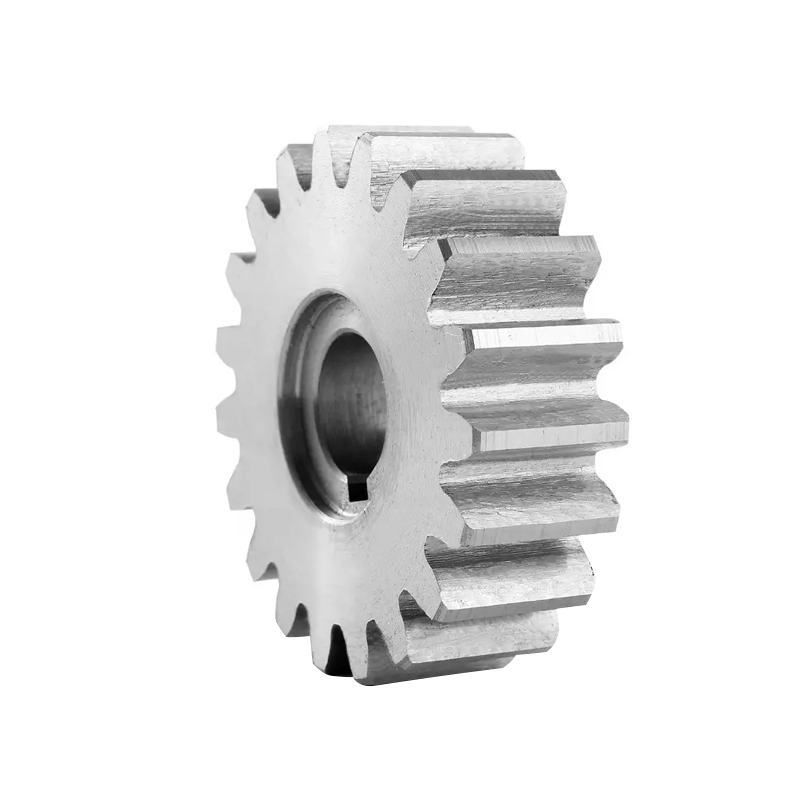
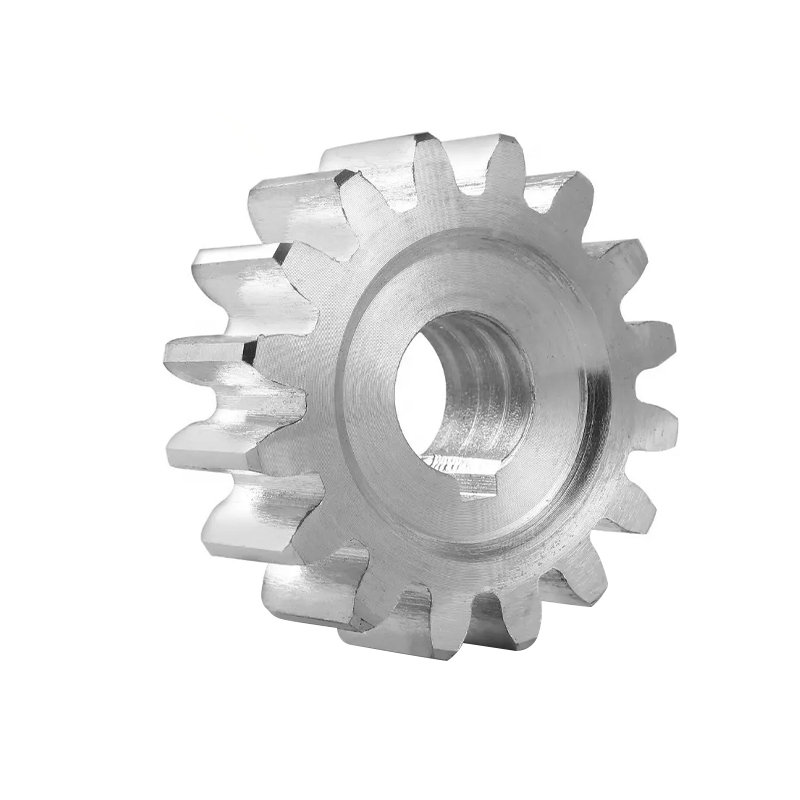
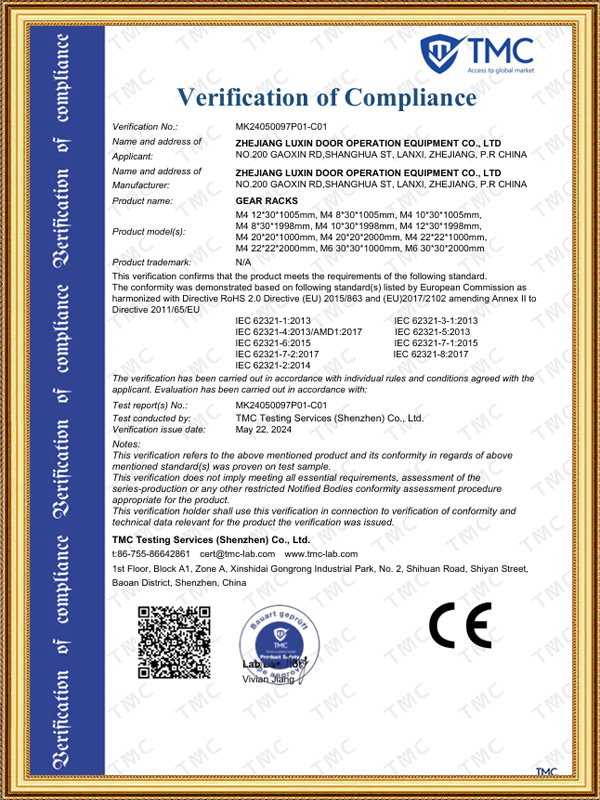
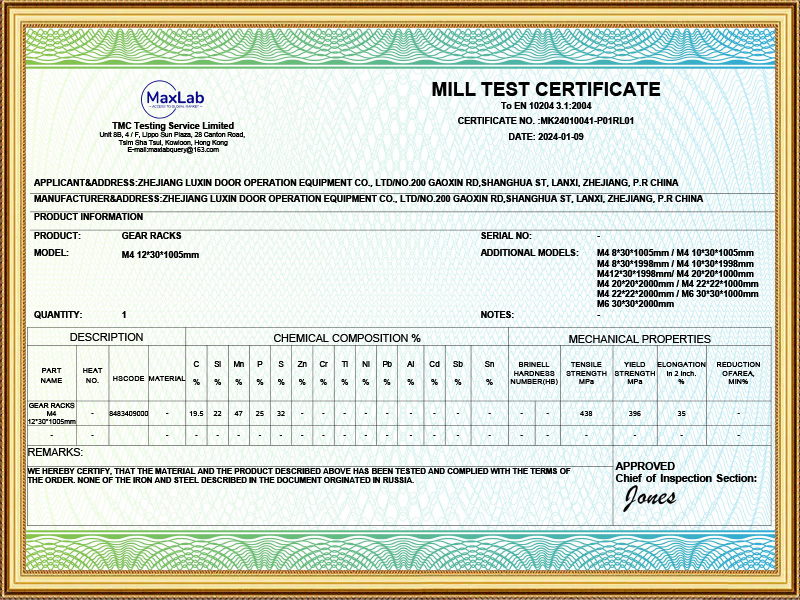
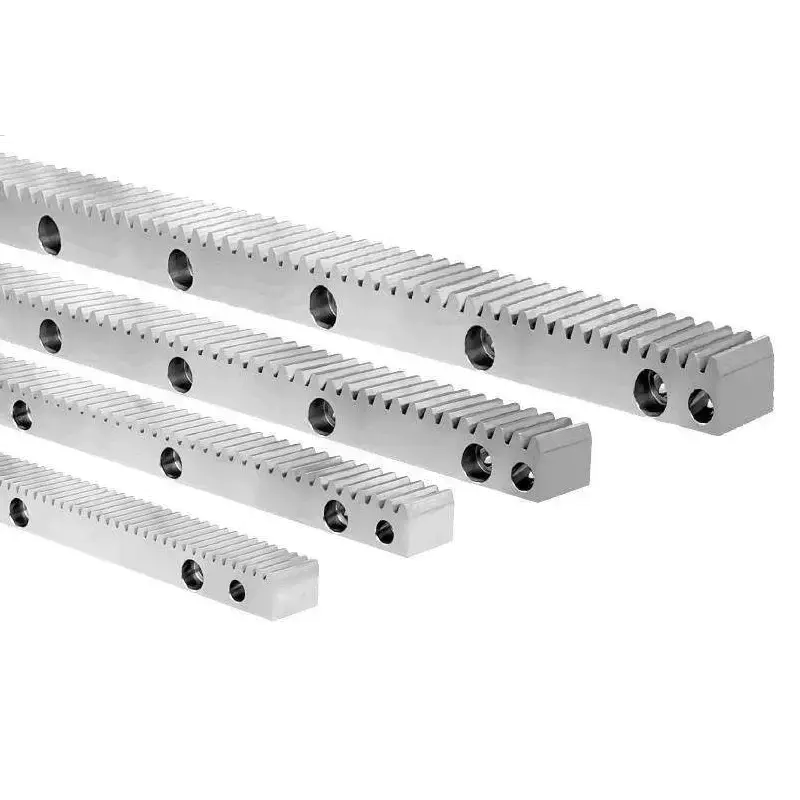
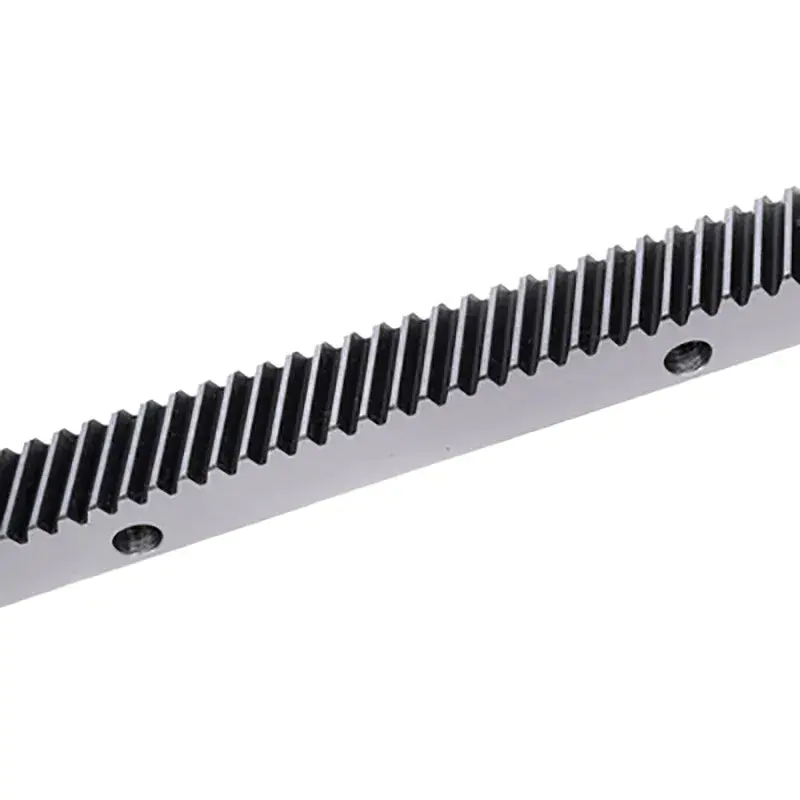
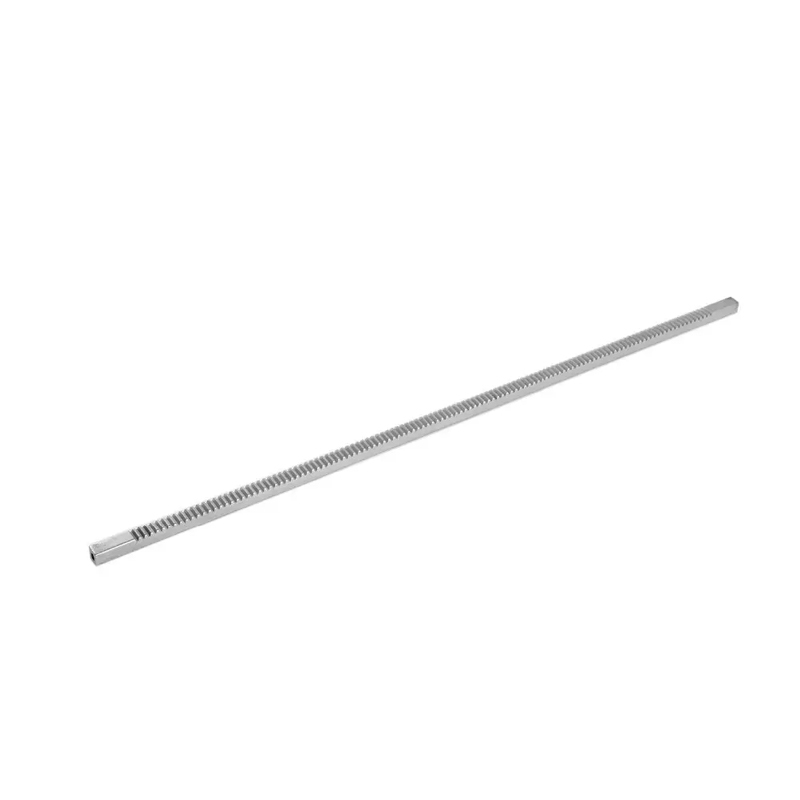
What is a Sliding Doors Rack Pinion Gear?
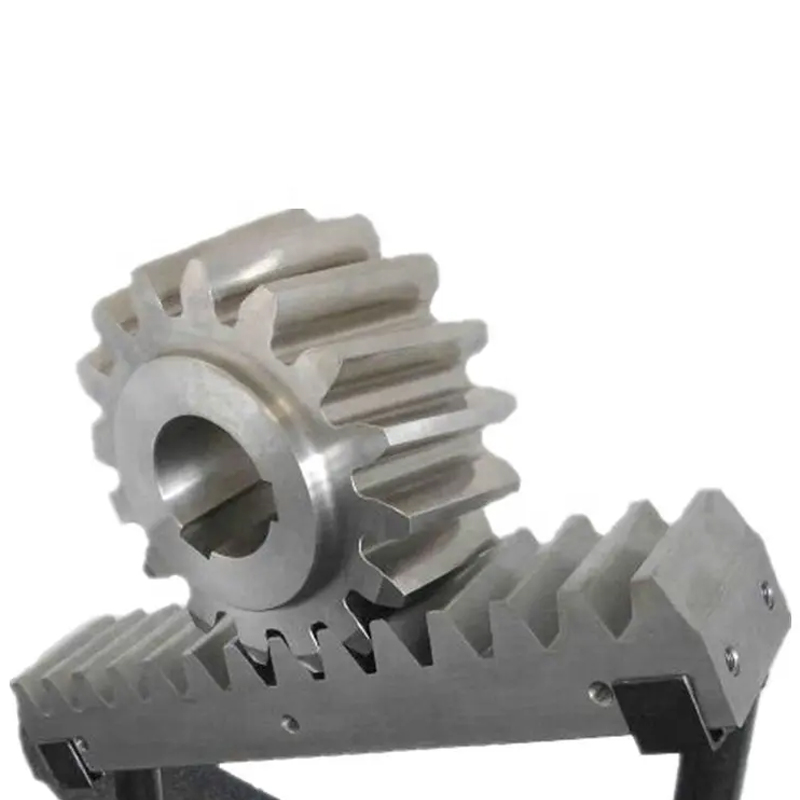
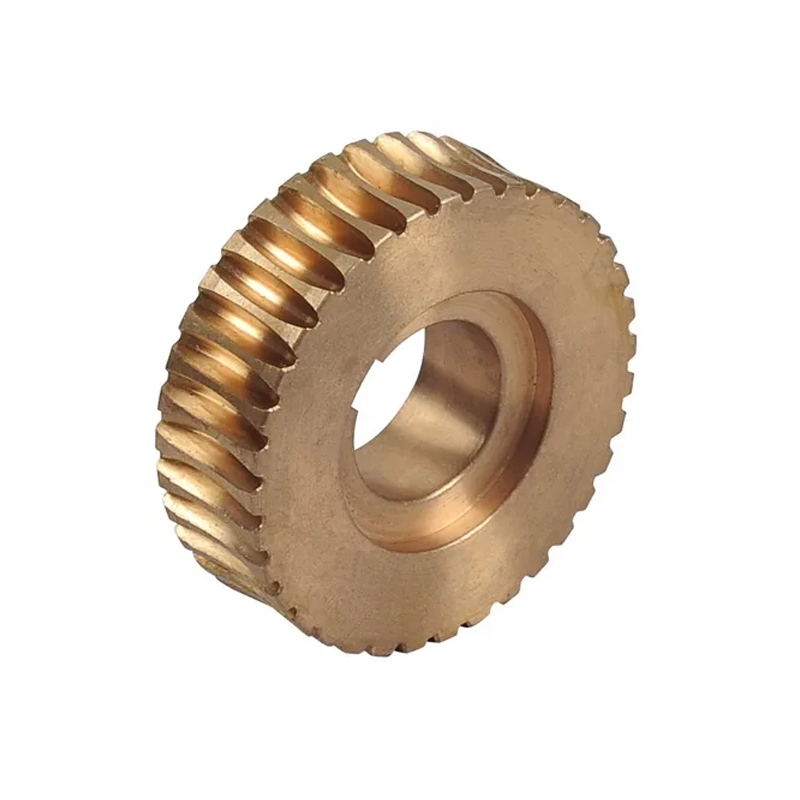
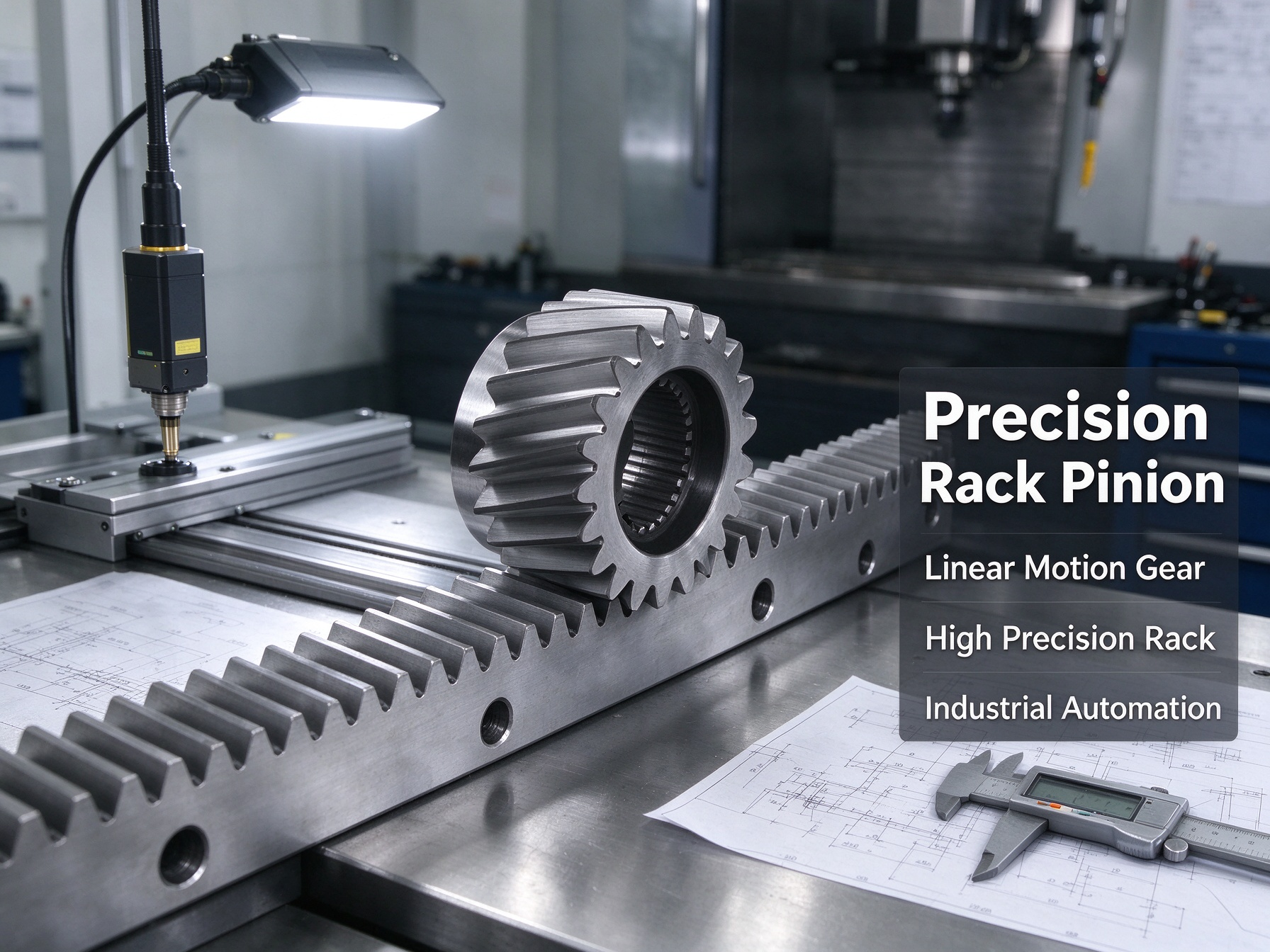
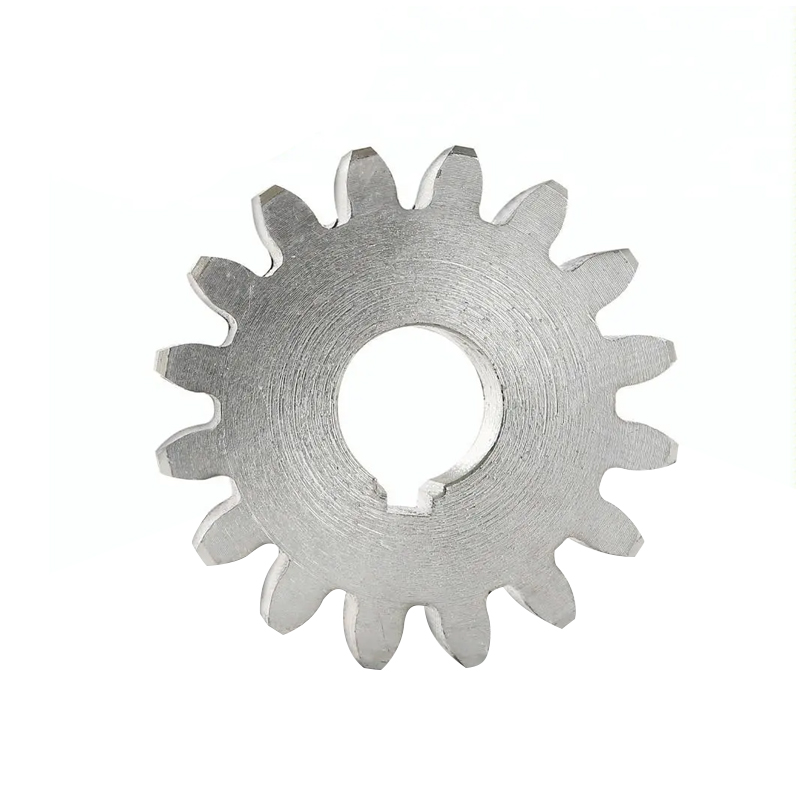
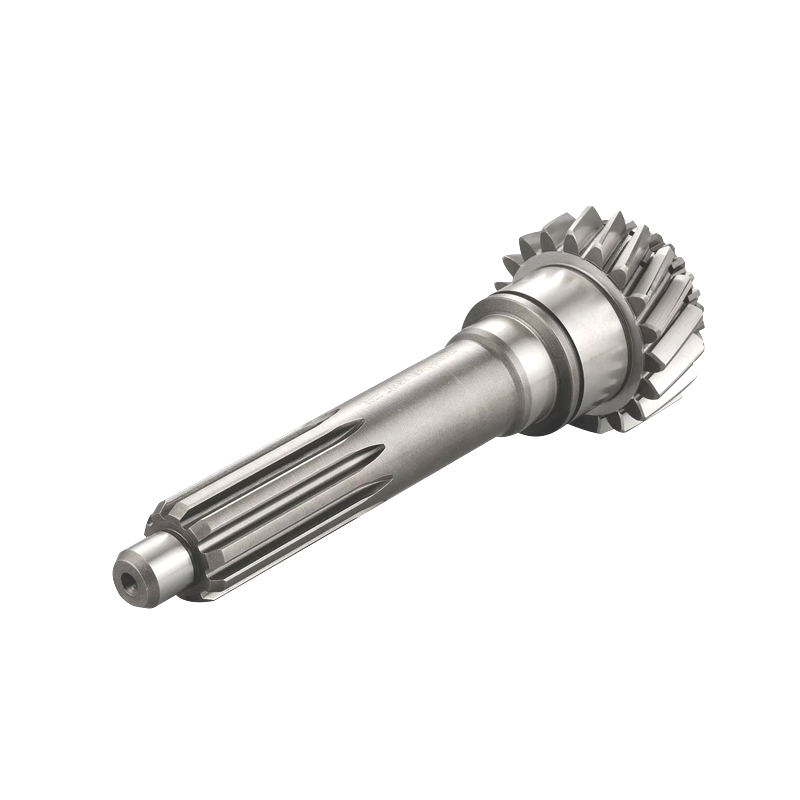
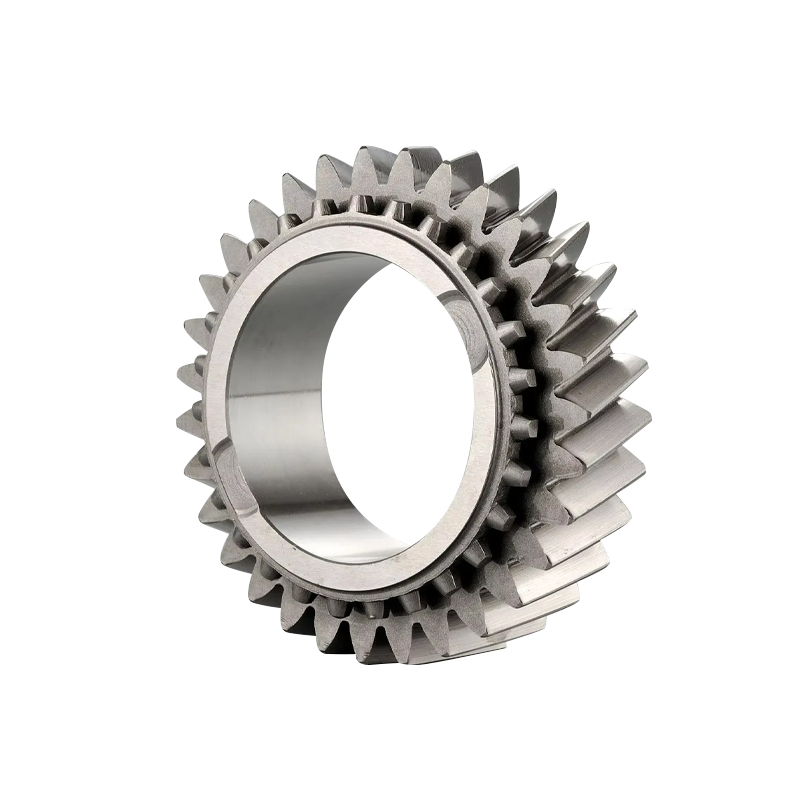
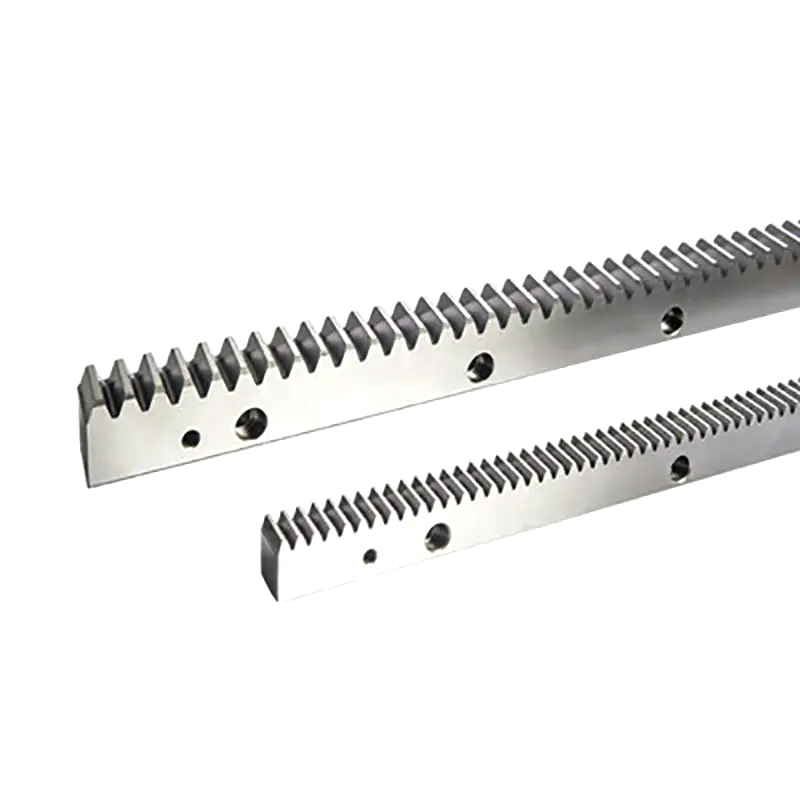
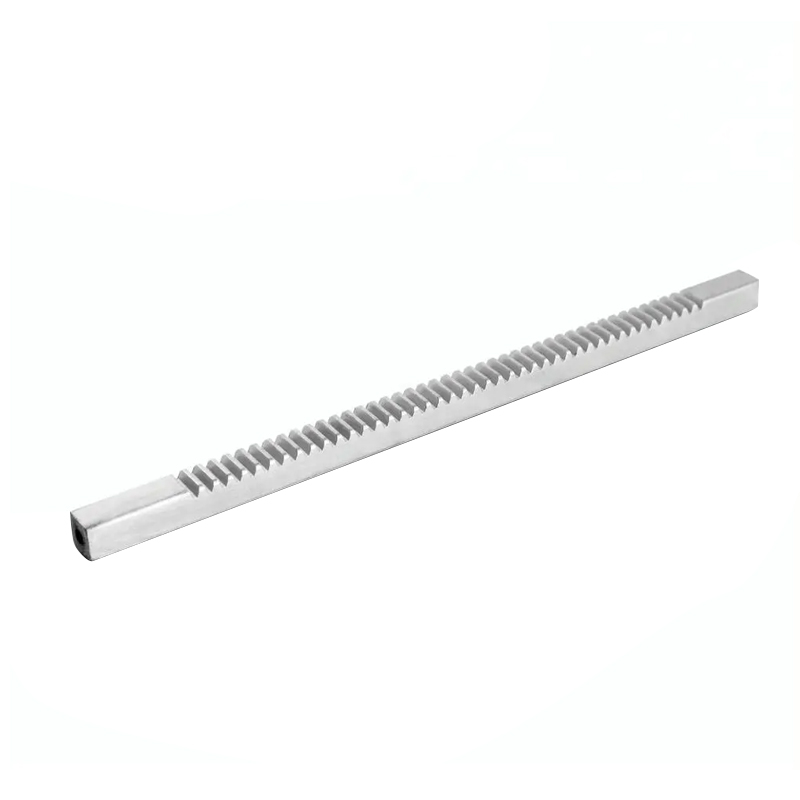
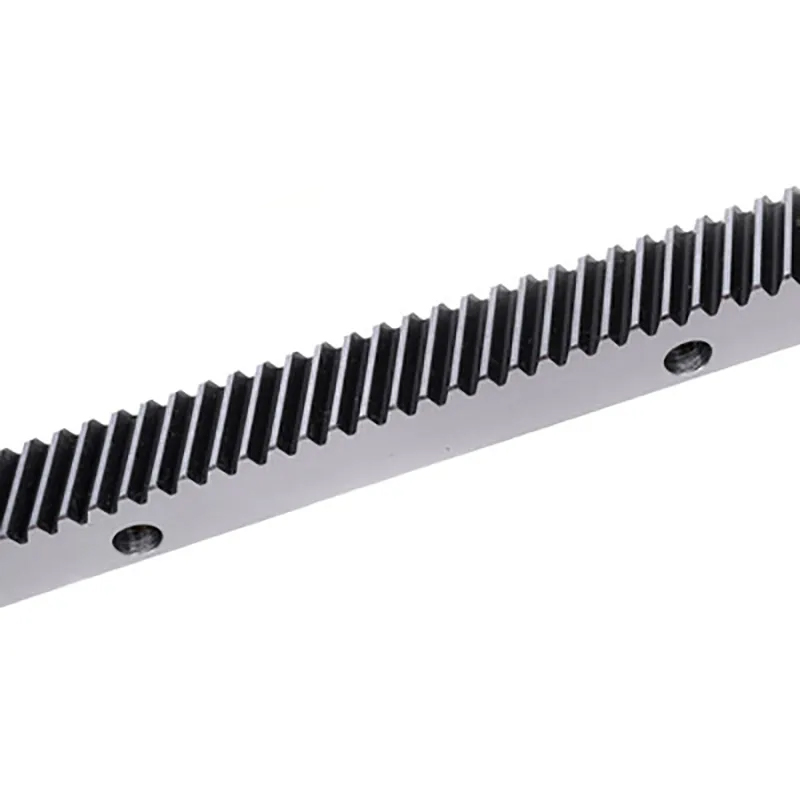
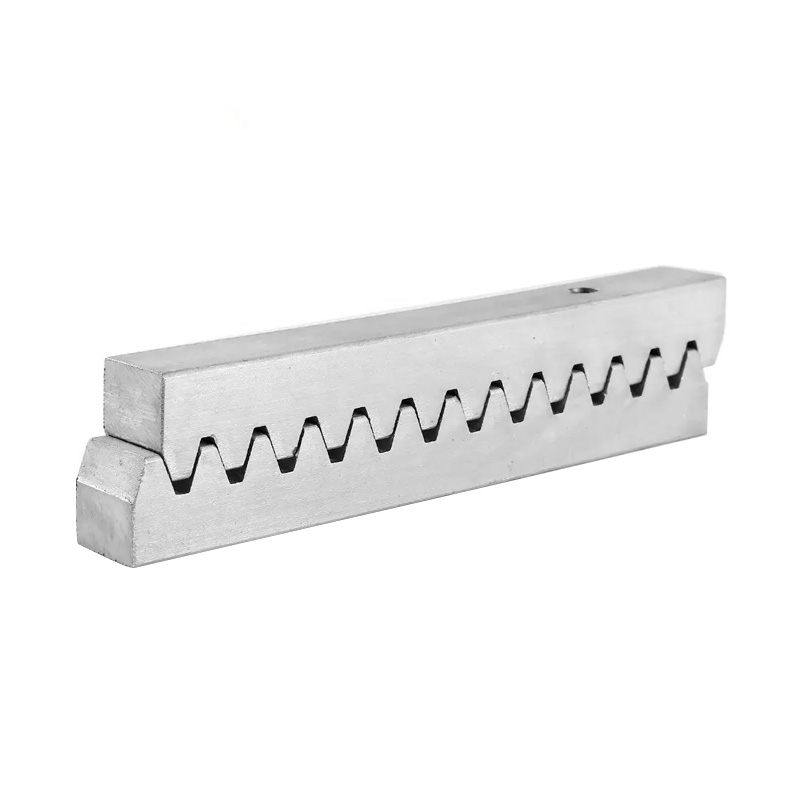
A sliding doors rack pinion gear is basically a simple mechanical setup that turns rotation into straight movement. It's made of a straight rack with teeth and a round pinion gear that meshes with it. In CNC machine tools, you'll usually find it on protective sliding doors—the kind that separate the cutting area from the operator.The rack is fixed along the door track, and when the pinion turns, the door slides open or closed in a controlled way. Nothing complicated, but it works reliably. In many machines, this is part of a Cnc Gear Rack structure that keeps everything moving smoothly without extra electronic systems.
Why It's Used in CNC Machine Tools
If you've worked around CNC machines, you know the doors get opened and closed a lot during daily operation—loading parts, checking workpieces, cleaning chips, all that. So the movement needs to feel consistent, not stiff or sloppy.That's where the rack and pinion setup comes in. It keeps the motion steady and predictable, so the door doesn't jerk or drift. It also saves effort for the operator since you're not fighting against friction or misalignment. In simple terms, the Rack and Pinion Gear Use here is about making the door easy to handle and keeping the machine area safely separated from the operator.
Material Selection
Material choice is one of those things that sounds basic, but it really decides how long the part will last. Most buyers go for carbon steel when the application is standard and cost matters. It does the job well in normal workshop conditions.When things get a bit more demanding—heavier doors, more frequent use—people usually switch to alloy steel. It holds up better under stress and wear. And if the environment is wet or there's coolant everywhere, stainless steel becomes the safer option because it doesn't rust easily.Some manufacturers also add surface treatments like black oxide or zinc coating. It's not just for looks—it actually helps during storage, shipping, and long-term use, especially in humid environments.
Manufacturing and Processing
The production process is fairly straightforward, but each step matters. It starts with cutting raw steel into the required shape and size. Then the gear teeth are formed using CNC machining or hobbing equipment, depending on the design.After that, heat treatment is usually applied to make the surface harder and more resistant to wear. Without this step, the teeth would wear down too quickly in daily use.Once that's done, the surface is finished—sometimes ground or polished—to make sure the rack and pinion mesh properly. Finally, anti-rust treatment is applied, and each batch is checked for accuracy before packing. This is especially important for ensuring a stable Cnc Gear Rack fit in real machine assemblies.
Applications and What Buyers Usually Care About
You'll find this system in a lot of CNC equipment—milling machines, lathes, laser cutters, EDM machines, and various types of industrial safety guards. Anywhere there's a sliding protective door, there's a good chance a rack and pinion setup is doing the work behind it.From a buyer's point of view, the concerns are usually pretty practical. Price matters, of course, but so does how long the gear will last in real conditions. If it wears out too fast, the maintenance cost goes up and that becomes a headache.People also care about whether the material can handle coolant, dust, or temperature changes. Shipping is another real issue—these racks are often long and need proper packaging to avoid bending. And of course, customization comes up a lot: different lengths, mounting holes, module sizes, even OEM branding depending on the project or resale needs.At the end of the day, most buyers just want something that fits their machine well, runs smoothly, and doesn't need constant attention.

 English
 русский
 Español