
 English
 русский
 Español
No. 200 Gaoxin RD, Shanghua St, Lanxi, Zhejiang, P. R China
The Sliding Doors Steel Rack Pinion Gear is a critical component in va...
See Details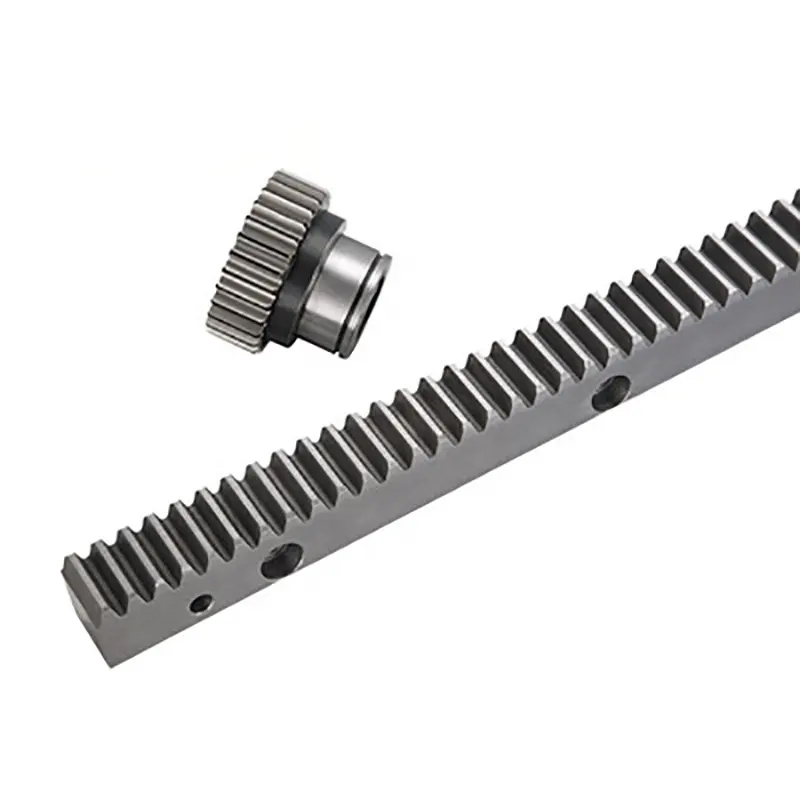
Doors, especially heavy or automated ones, require precise and reliable movement to operate safely and efficiently. A Gear And Rack mechanism is a widely used solution in sliding doors, industrial gates, and automated entry systems. By converting rotational motion from a motor or pinion into controlled linear movement, this system ensures smooth operation, accurate positioning, and long-term durability.
A Gear And Rack system for doors consists of a linear rack installed along the door path and a pinion gear connected to the motor or drive mechanism. As the pinion rotates, it moves the rack, causing the door to slide open or closed. This setup is particularly useful for heavy doors, where manual operation or belt-driven systems might be less reliable or prone to slippage.
The Gear And Rack design allows doors to stop precisely at predetermined positions, which is essential in automated systems with safety sensors, restricted access areas, or high-frequency operation environments.
Using a Gear And Rack mechanism in doors provides several benefits:
These advantages make Gear And Rack systems suitable for warehouse doors, commercial entryways, industrial gates, and automated access points.
The performance of a door's Gear And Rack system depends on material selection and design precision. Common materials include:
Tooth spacing, pressure angle, and rack straightness are critical design factors. Properly designed racks ensure smooth engagement with the pinion and reduce vibration or noise during operation.
Installation of a Gear And Rack system in doors requires alignment along the door path and secure mounting to prevent displacement. In automated doors, integration with sensors and motor controls is essential for safety and smooth operation.
Maintenance is generally straightforward. Regular inspection, lubrication, and alignment checks help maintain smooth operation and extend component life. Because the system relies on precise engagement between pinion and rack, keeping the teeth clean and well-lubricated is important.
Gear And Rack systems can be tailored for different door lengths, weights, and operating speeds. Factories can provide custom rack lengths, tooth profiles, and mounting options to meet specific project requirements. This flexibility is particularly valuable for large warehouses, industrial facilities, or automated access systems with non-standard door dimensions.
A Gear And Rack system is an effective solution for sliding doors, industrial gates, and automated entry systems. By converting rotary motion into precise linear movement, it ensures smooth operation, load support, and long-term reliability. Proper design, material selection, and maintenance make Gear And Rack components a dependable choice for engineers, contractors, and facility managers seeking efficient and safe door systems.
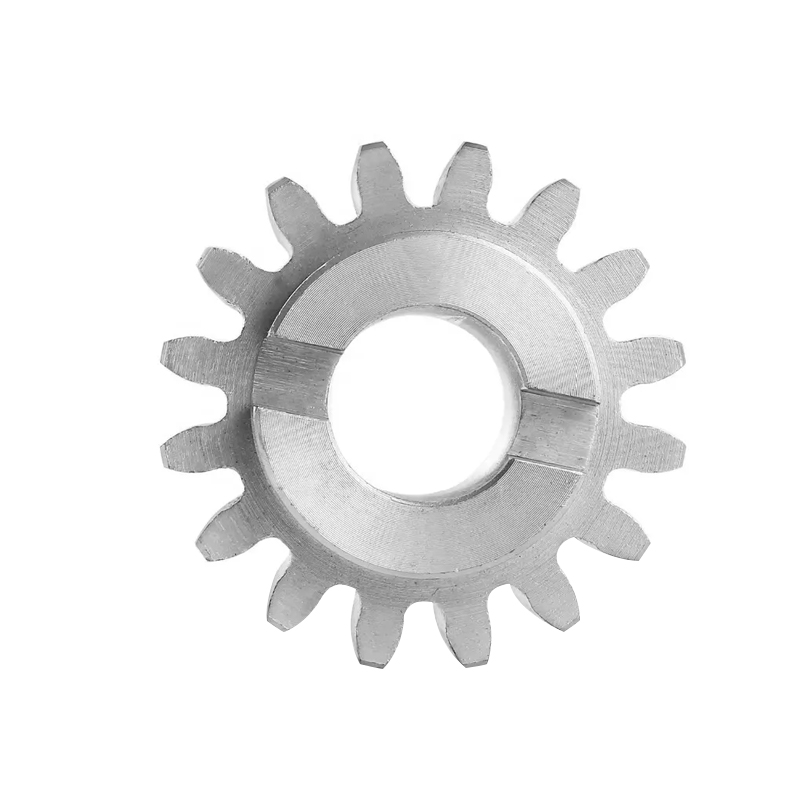
The Sliding Doors Steel Rack Pinion Gear is a critical component in va...
See Details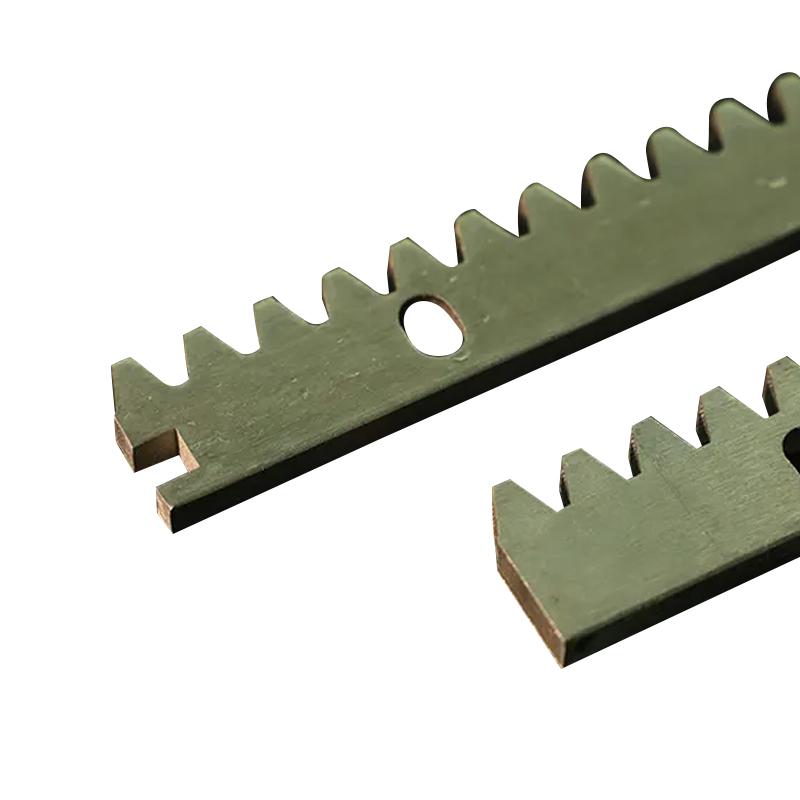
The Metal Steel Gear Rack for Sliding Door Operators is a crucial comp...
See Details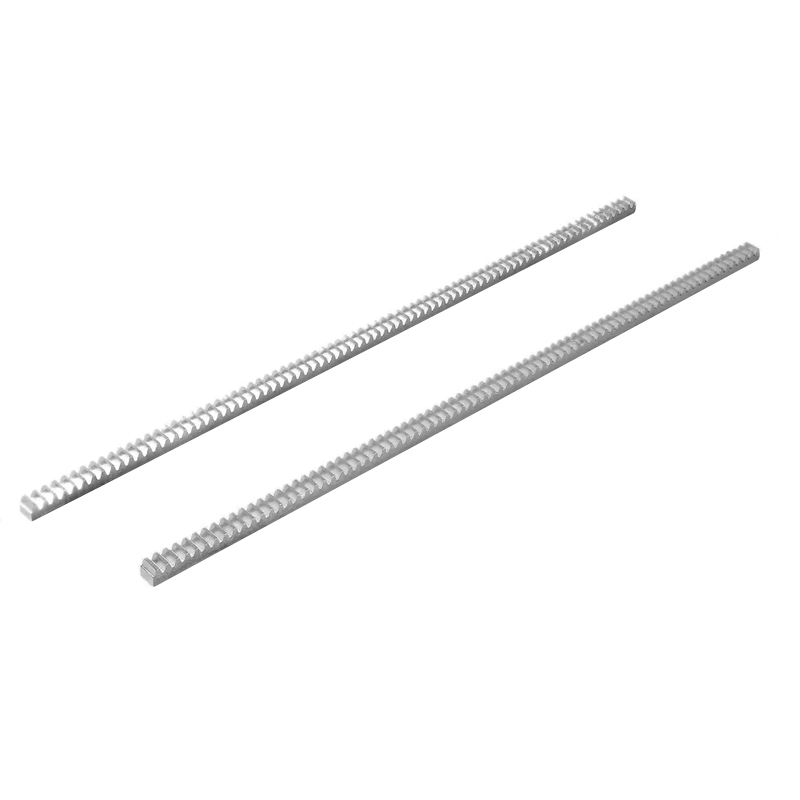
The Stainless Steel Sliding Door Steel Gear Rack is a key mechanical p...
See Details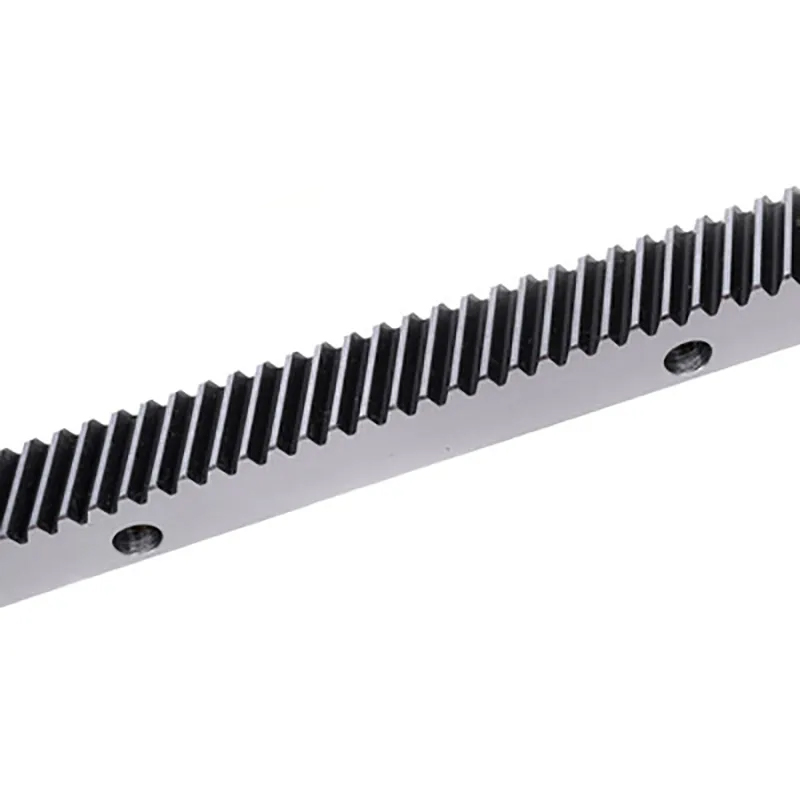
The CNC machining helical gear rack is a critical component in various...
See Details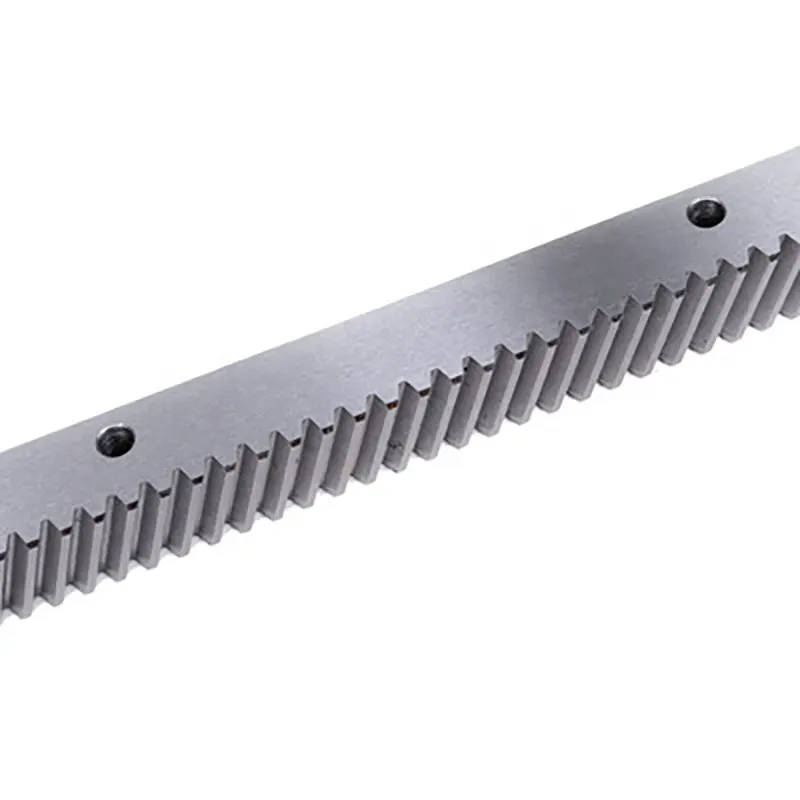
The Durable Accessories Helical Gear Rack is a critical component desi...
See Details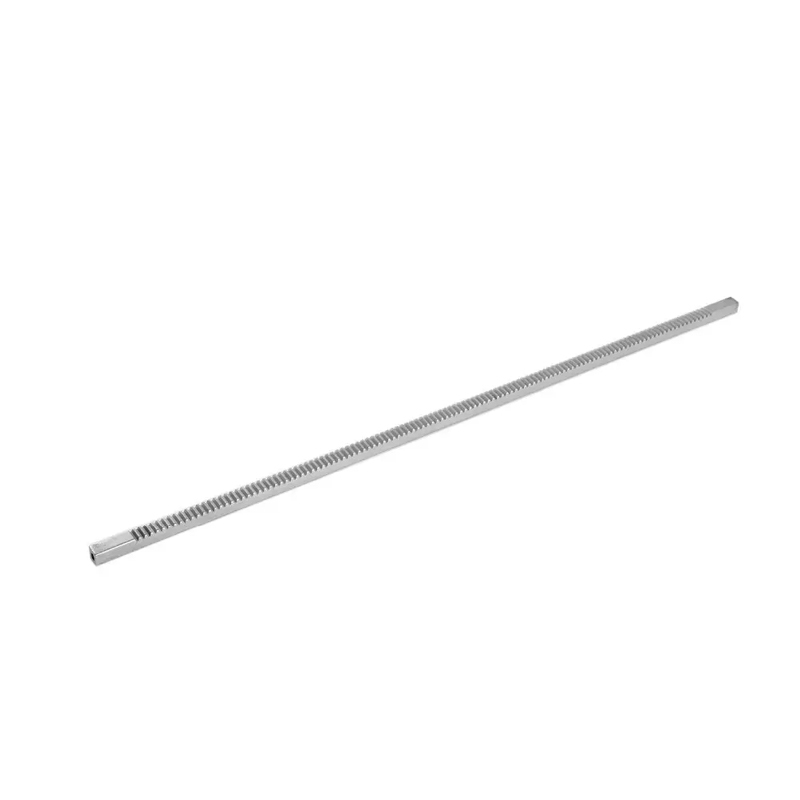
Industrial Wear-Resistant Straight Gear Rack is a linear transmission ...
See Details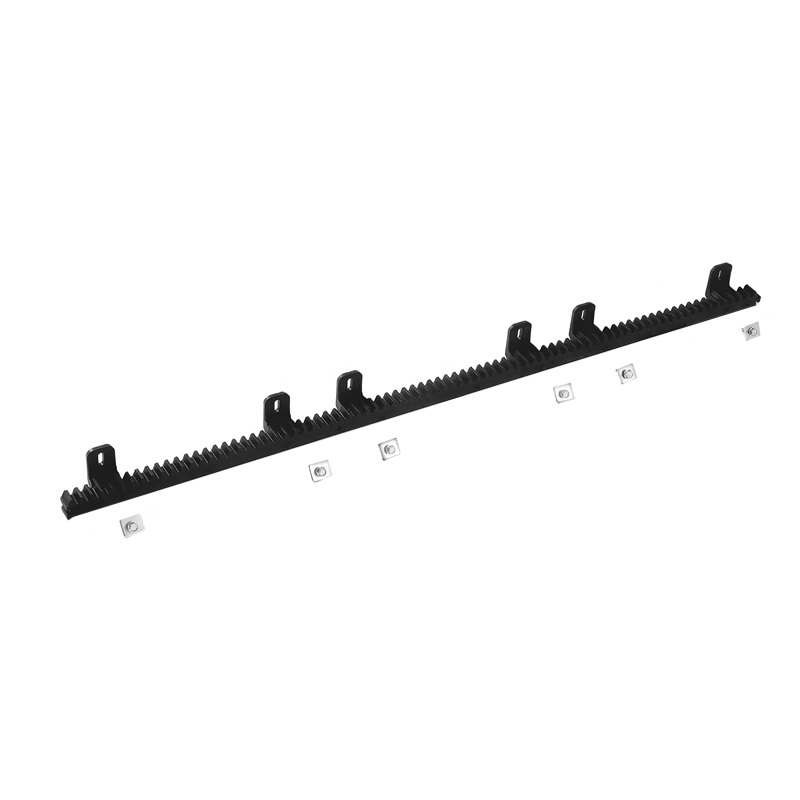
The Black Six Eyes Sliding Door Nylon Gear Rack is a versatile and pra...
See Details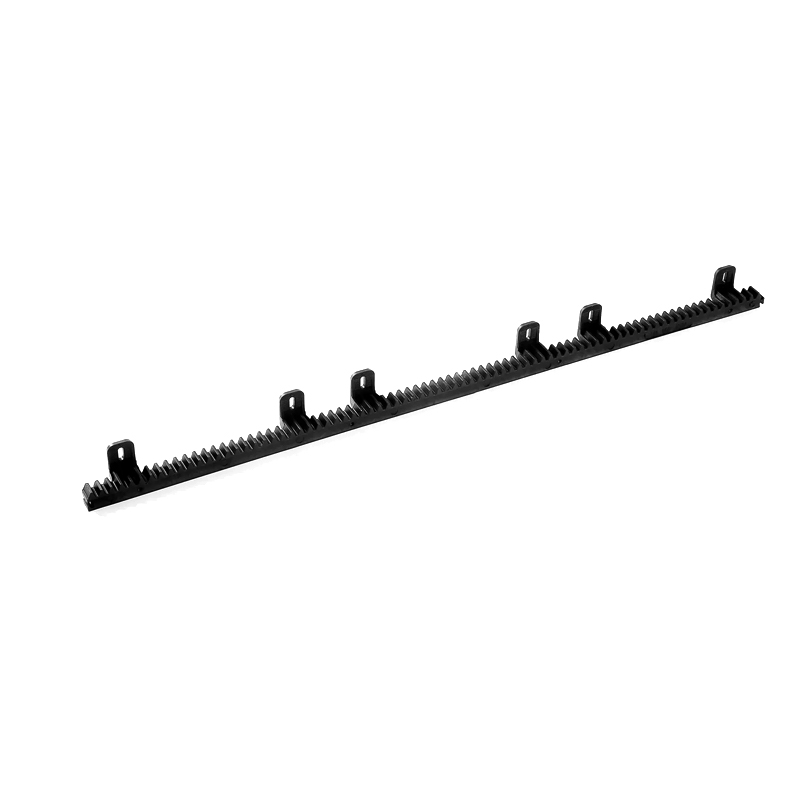
The plastic nylon gear rack for automatic sliding doors is an essentia...
See Details
