
 English
 русский
 Español
No. 200 Gaoxin RD, Shanghua St, Lanxi, Zhejiang, P. R China
The Stainless Steel Rack Pinion Gear for Sliding Motors is a high-prec...
See Details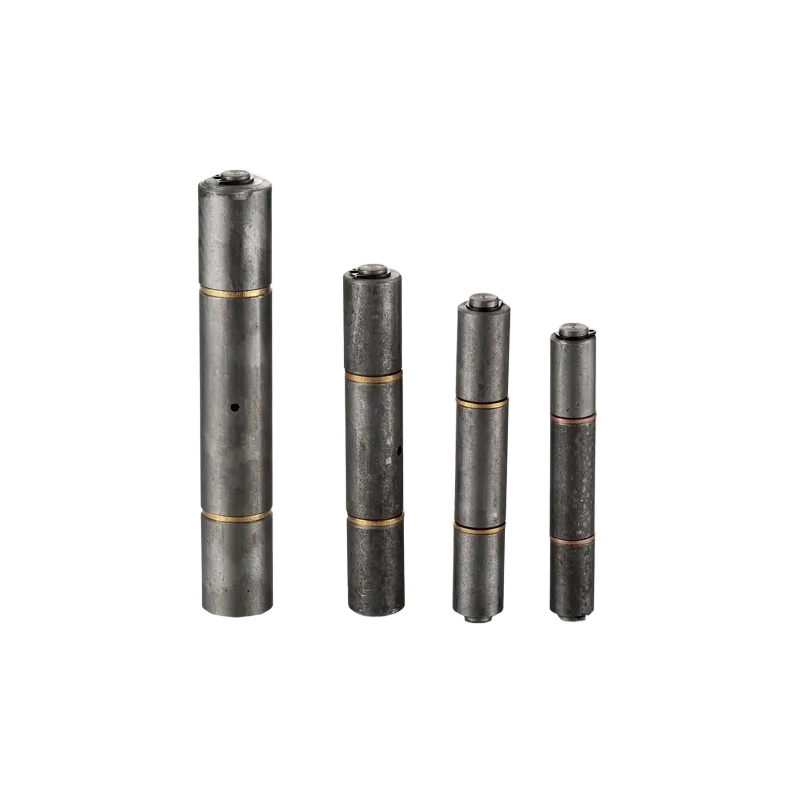
Heavy gates are widely used in industrial sites, residential compounds, farms, and commercial properties. Their size and weight provide security and durability, but they also place higher demands on hardware components. Among these, Gate Hinges For Heavy Gates play a critical role in ensuring smooth operation, long service life, and structural stability.
Choosing the right hinge is not only about holding weight. It also affects daily usability, long-term maintenance, and safety.
Unlike light doors or decorative gates, heavy gates experience constant stress from gravity, wind, and frequent movement. Standard hinges may deform or wear out quickly under such conditions. Gate Hinges For Heavy Gates are designed with thicker materials, reinforced bearings, and stronger mounting points to handle these loads more effectively.
These hinges help distribute weight evenly between the gate and the supporting post, reducing strain on both sides. This balance is especially important for wide gates or those installed in outdoor environments.
Material choice is a key factor in hinge performance. Steel and stainless steel are commonly used due to their strength and resistance to deformation. For outdoor use, surface treatments such as galvanizing or powder coating help protect Gate Hinges For Heavy Gates from moisture, dust, and temperature changes.
Structurally, many heavy-duty hinges feature adjustable pins or bearing systems. Bearings reduce friction during movement, making the gate easier to open and close despite its weight. Adjustable designs allow installers to fine-tune alignment over time, which is useful as gate posts settle or shift.
Each hinge has a rated load capacity, and understanding this rating is essential. For heavy gates, multiple hinges are often used to spread the load more evenly. Gate Hinges For Heavy Gates are typically tested to handle both static weight and dynamic forces caused by opening and closing.
Proper load distribution reduces wear on individual components and helps prevent sagging. This not only improves appearance but also ensures that the gate remains functional without dragging or misalignment.
Even well-designed hinges can underperform if installed incorrectly. Alignment between the gate and post must be precise to avoid uneven pressure. When installing Gate Hinges For Heavy Gates, installers often reinforce mounting points with thicker plates or anchor bolts.
Spacing between hinges also matters. Placing hinges at appropriate distances helps stabilize the gate and limits twisting forces during movement. In some cases, installers may recommend three hinges instead of two for taller or heavier structures.
Although heavy-duty hinges are built for durability, regular inspection remains important. Dust, debris, and weather exposure can affect movement over time. Lubricating moving parts and checking fasteners help maintain smooth operation.
Gate Hinges For Heavy Gates that include sealed bearings or corrosion-resistant finishes typically require less frequent maintenance. However, early detection of wear can prevent larger issues, such as gate misalignment or post damage.
These hinges are used in a wide range of settings, including industrial yards, agricultural fencing, warehouse entrances, and private estates. In each scenario, Gate Hinges For Heavy Gates support both security and daily access needs.
For automated or semi-automated gates, hinge stability becomes even more important. Consistent movement ensures that motors and control systems operate smoothly without unnecessary strain.
Selecting the right Gate Hinges For Heavy Gates involves more than choosing a strong-looking component. Material quality, structural design, load capacity, and installation all influence long-term performance. By understanding these factors, users can ensure stable operation, reduce maintenance needs, and extend the service life of heavy gate systems in various environments.
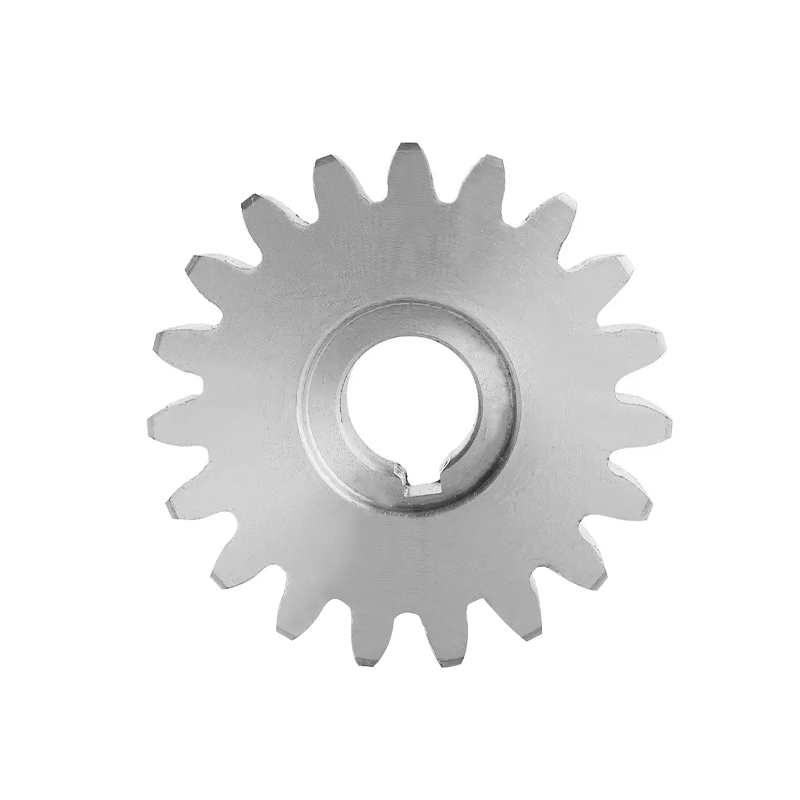
The Stainless Steel Rack Pinion Gear for Sliding Motors is a high-prec...
See Details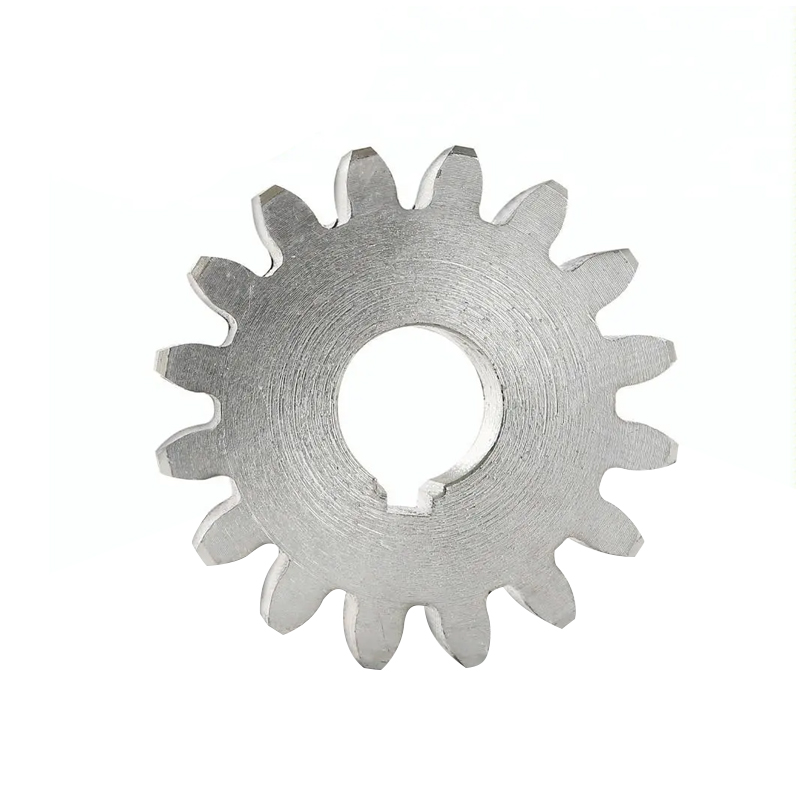
The Smooth Surface High Precision Rack Pinion Gear is a high-performan...
See Details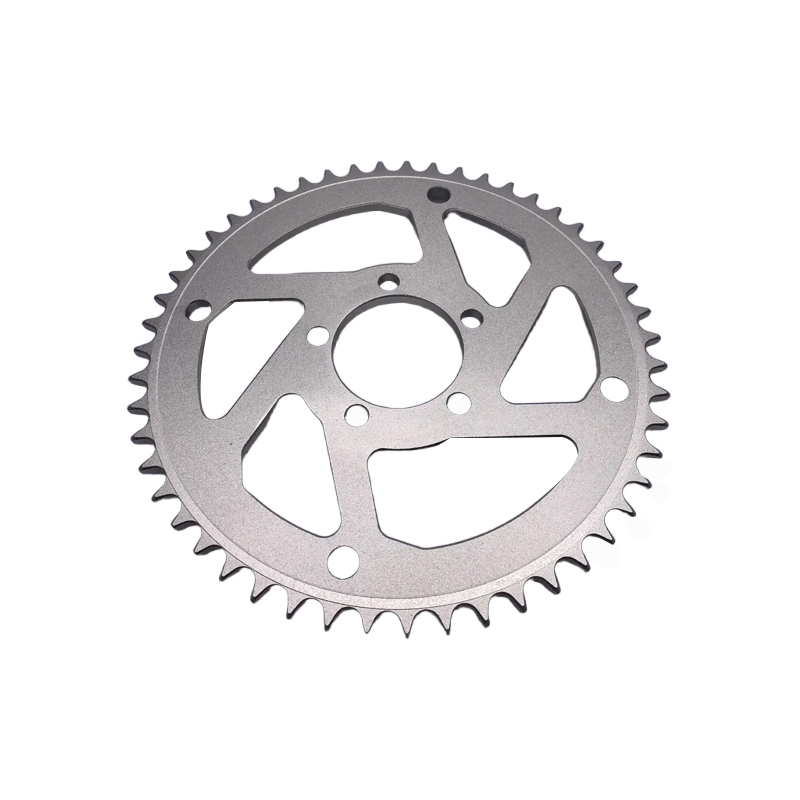
The sprocket drive wheel rack pinion gear is a critical component in v...
See Details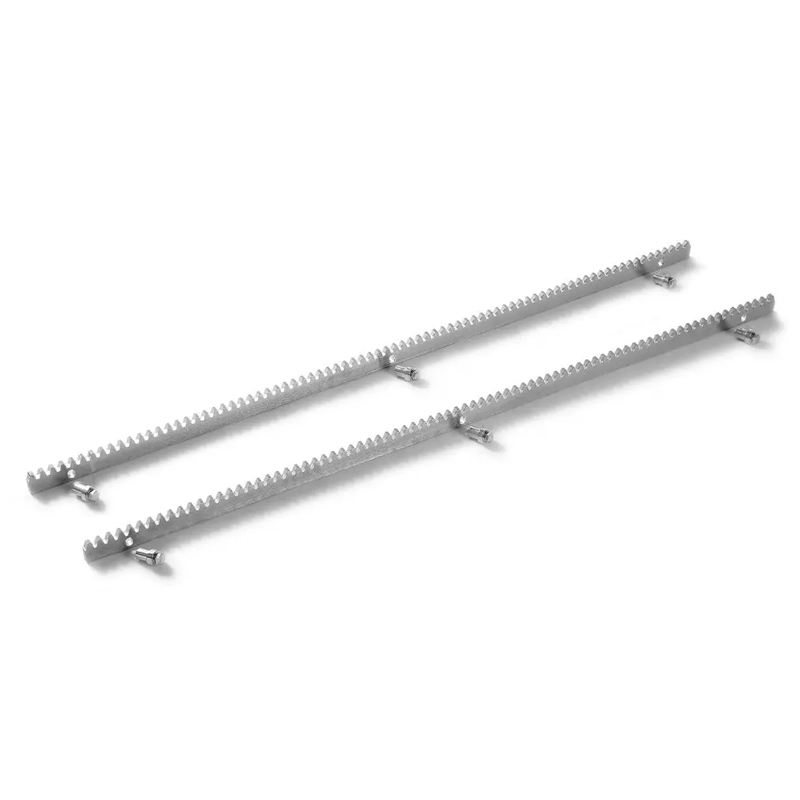
The Durable High-Quality Sliding Door Steel Gear Rack is a versatile a...
See Details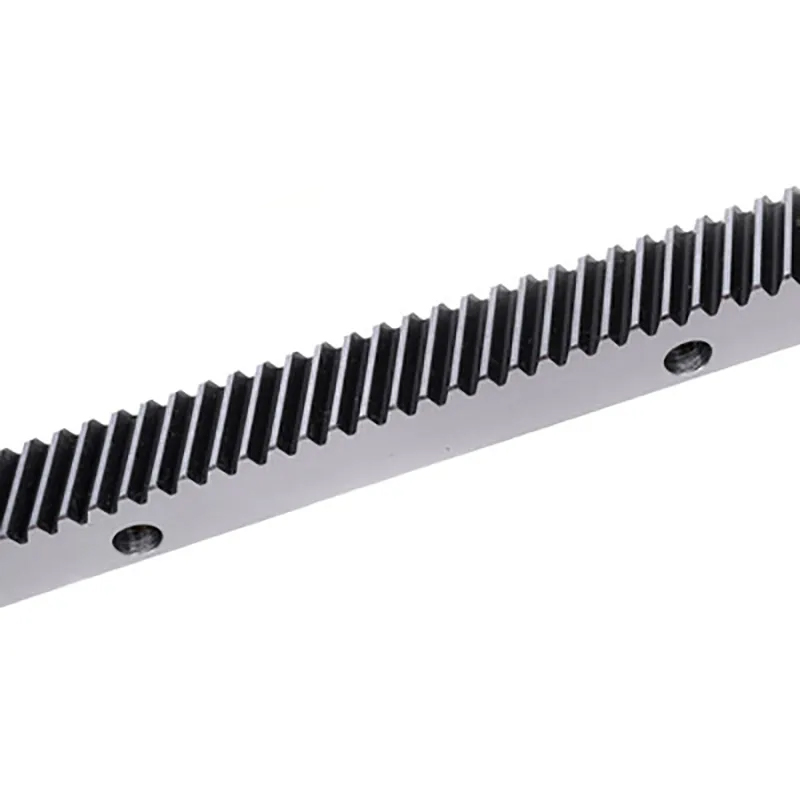
The CNC machining helical gear rack is a critical component in various...
See Details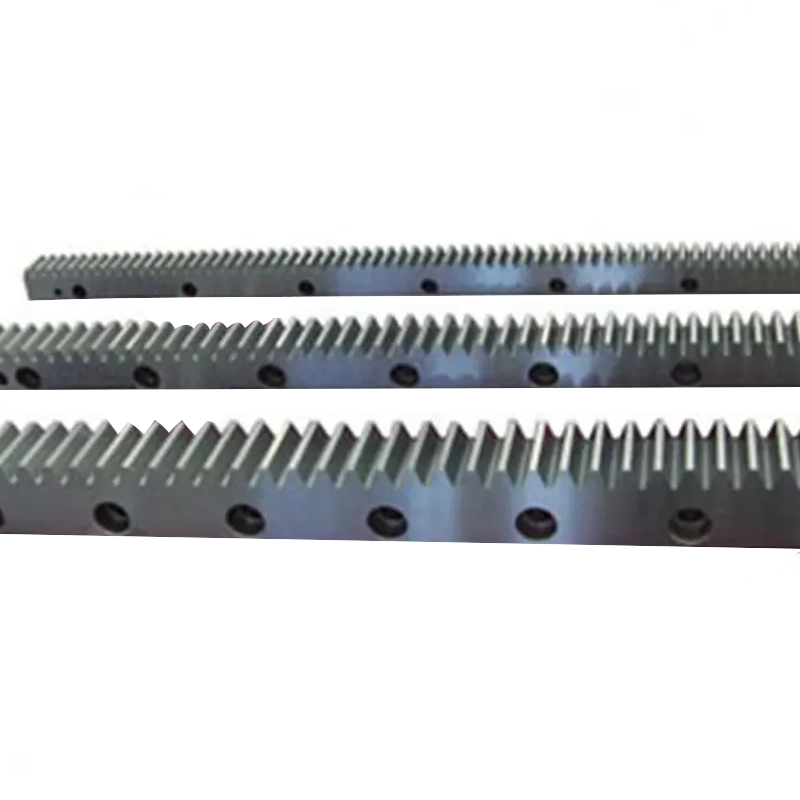
The Spiral Cone Various Specifications Helical Gear Rack is a type of ...
See Details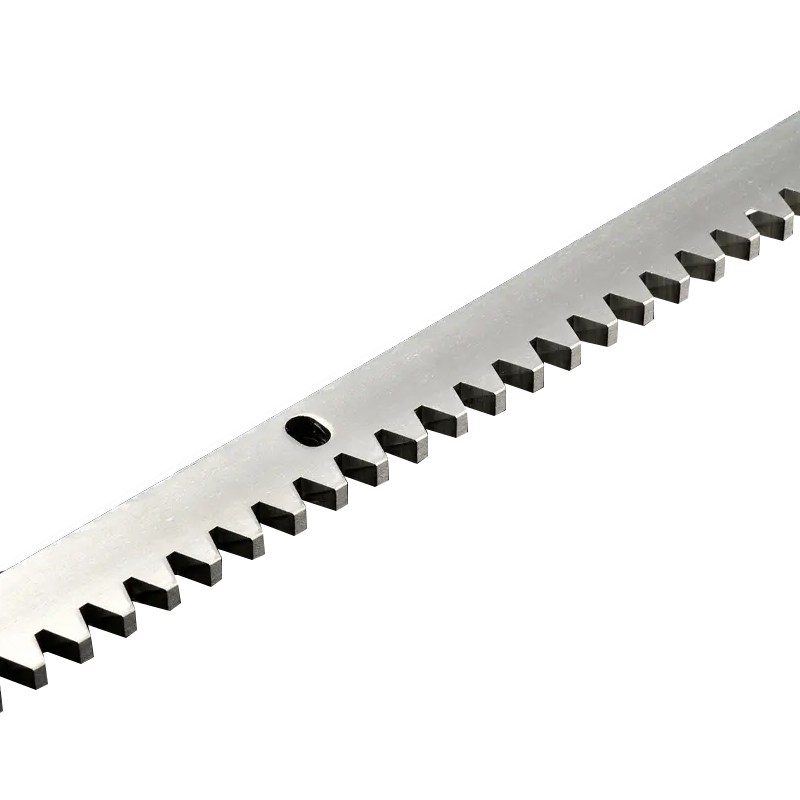
The Flexible Steel Parts Helical Gear Rack is a highly engineered comp...
See Details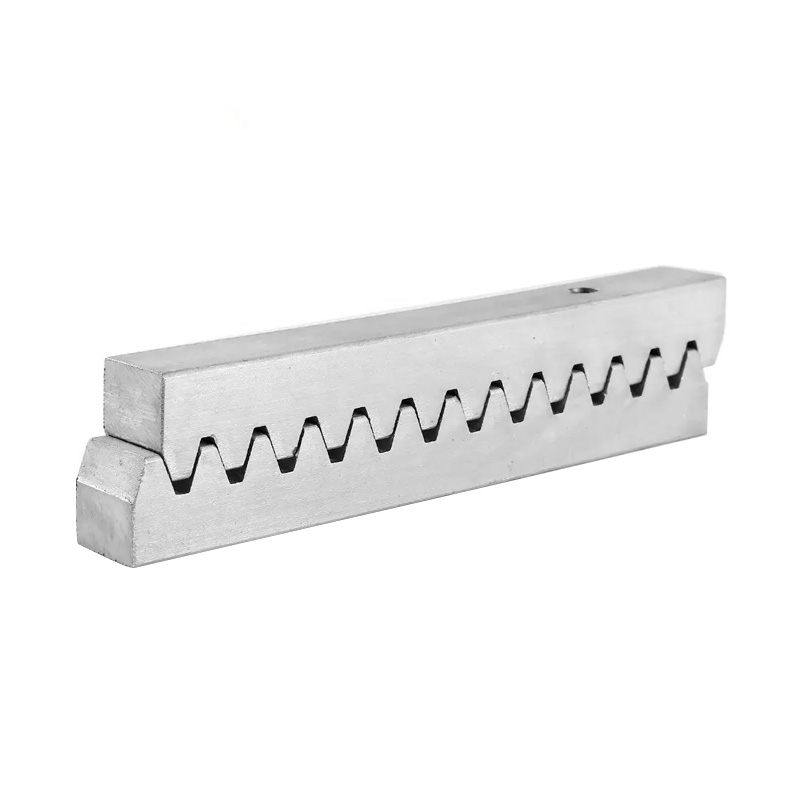
The Square Evenly Distributed Straight Gear Rack is a precision mechan...
See Details
