
 English
 русский
 Español
No. 200 Gaoxin RD, Shanghua St, Lanxi, Zhejiang, P. R China
The Stainless Steel Stepped Rack Pinion Gear is a highly versatile and...
See DetailsThat grinding noise every time the gate rolls past a certain point. A tooth visibly chipped along one section of track while the rest looks fine. The nagging question of whether you actually need to replace the whole run, or just the damaged part. If you're standing in front of a gate wondering exactly this, working through a Nylon Rack for Sliding Gate replacement doesn't have to mean tearing out the entire system. Gate maintenance tends to get put off until something makes noise or visibly fails, and by then, the decision of what to fix and how much of it to fix becomes more pressing. Fortunately, replacing a damaged section rather than the entire rack is often not just possible, it's frequently the more sensible repair path.
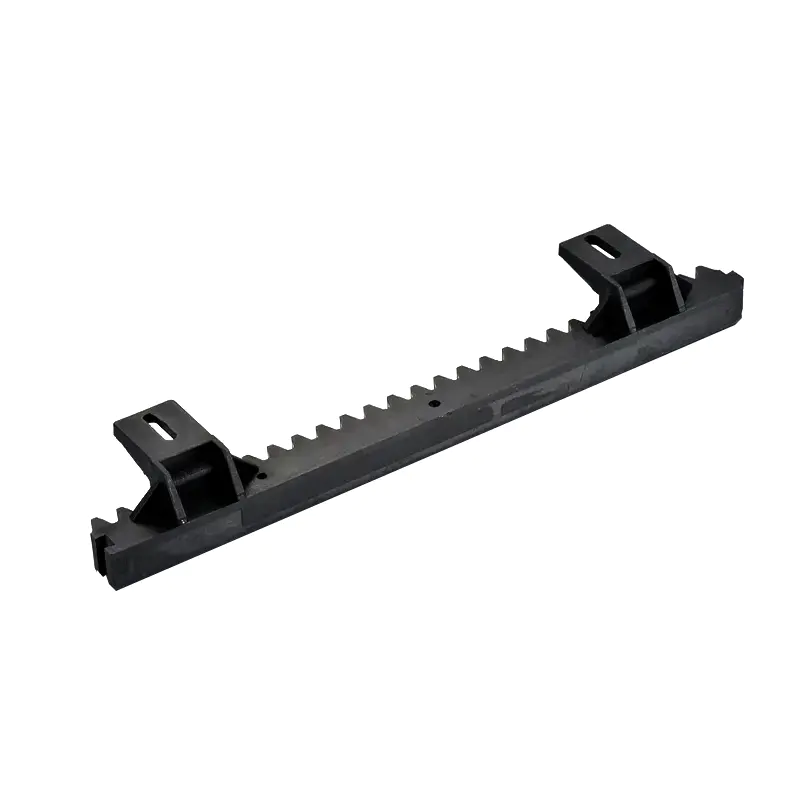
Not every rough patch in a gate's operation means a full teardown. Some signs point toward localized damage that a section replacement can resolve, while others suggest something more systemic going on.
If the problem seems isolated to a specific run rather than spread evenly across the entire length, that's usually a good indicator that section replacement will solve things without needing to swap out everything.
Nylon rack and pinion systems tend to fail somewhat differently than steel equivalents, which matters when diagnosing what you're actually looking at. Nylon absorbs minor stress more quietly than steel, meaning damage sometimes progresses further before it becomes audibly obvious. By the time you hear a problem, the affected section may already show more wear than a steel rack would at a similar noise level.
This is not necessarily a drawback, as nylon's quieter wear characteristics are one of the reasons it is often selected for installations where reducing operating noise is an important consideration. It just means visual inspection matters as much as listening for sound when trying to pinpoint exactly which section needs attention.
This is a common question when troubleshooting a gate rack, and the answer depends on several specific factors.
Section replacement generally works well when:
Full rack replacement becomes the more sensible choice when damage appears in multiple locations, when the rack shows general age-related brittleness throughout, or when the original tooth profile is no longer available as a matching replacement section.
Replacing a damaged section without checking the surrounding components beforehand can often result in additional issues later on.
Before removing anything, look at the gate frame or mounting bracket beneath the damaged section. Rust, warping, or loose fasteners here need addressing before a new section goes in, since mounting a fresh rack section onto a compromised surface just sets up the same failure again.
Nylon gear rack sections should match the tooth pitch and profile of the existing installation accurately. Even a slight difference in pitch can cause uneven engagement with the pinion gear, resulting in the same noise and wear issues the replacement is intended to address.
If the pinion gear itself shows significant wear, replacing only the rack section without addressing the gear may just transfer the same problem onto the new material faster than expected. Worn pinion teeth can chew into fresh nylon rack unevenly.
Once you've confirmed section replacement is the right approach, the actual process follows a fairly consistent sequence.
In some cases, a newly installed section may not align completely flush with the surrounding rack on the initial installation, and this is generally a normal adjustment issue rather than an indication that something is wrong.
A few adjustments to check if the transition feels rough:
Taking the time to get this transition smooth now saves considerably more frustration than living with a rough spot and hoping it wears itself in over time, which it usually doesn't.
Replacement time is a natural moment to reconsider whether the original material choice still makes sense, particularly if the damage pattern suggests the original selection wasn't quite right for the application.
| Consideration | Nylon Rack and Pinion | Steel Rack and Pinion |
|---|---|---|
| Noise Level | Generally quieter under normal operation | Louder, more likely to transmit vibration audibly |
| Wear Visibility | Damage can progress before becoming audible | Wear tends to announce itself sooner through sound |
| Load Tolerance | Suited to lighter residential and light commercial gates | Better suited to heavier, high-cycle industrial use |
| Weather Resistance | Performs reliably in a wide range of conditions and is generally less susceptible to corrosion | Requires coating or stainless steel for corrosion resistance |
| Replacement Flexibility | Sections often replaceable individually | Also replaceable in sections, generally similar process |
If the original nylon rack was failing due to load demands beyond what it was really designed for, this might be the right moment to consider a heavier-duty option like stainless steel gear rack instead, rather than simply replacing like for like and expecting a different outcome.
For installations where alignment and smooth engagement require closer attention, precision gear rack designs provide tighter tolerances than standard options. They may be a practical choice during replacement if the original installation experienced ongoing alignment issues, as tighter tolerances can help reduce the likelihood of the movement that contributed to those problems.
That said, precision products also demand more careful installation, since their whole benefit comes from tight engagement, which means sloppy mounting will show up as problems faster than it would on a more forgiving standard rack.
Beyond just matching tooth pitch, a few other details matter when sourcing a compatible replacement.
Working through these details with a rack and pinion manufacturer or supplier before ordering tends to prevent the frustration of receiving a replacement section that technically matches the pitch but fails to fit properly in practice.
For installers, maintenance teams, or facility managers dealing with this repair regularly, working with a nylon gear rack factory experienced in supplying compatible replacement sections and custom lengths simplifies the sourcing process considerably. Rather than trying to match an exact discontinued product, a supplier capable of producing sections to your specific pitch and mounting requirements gives more flexibility for both immediate repairs and future maintenance needs. Replacing a damaged section of nylon rack rather than tearing out an entire installation is often the more practical and cost-effective repair path, provided the damage is genuinely localized and the surrounding mounting surface remains sound. Taking the time to inspect properly, match tooth pitch accurately, and test alignment carefully before finishing the job tends to produce a repair that holds up rather than one that reintroduces the same noise and wear problems within a few months. Whether the right path forward is a straightforward like-for-like Nylon Rack for Sliding Gate section, a shift toward a steel or stainless steel alternative for heavier demands, or an upgrade to precision gear rack for tighter tolerance needs, working through these considerations carefully now saves time and frustration later. Zhejiang Luxin Door Operation Equipment Co., Ltd. supports installers, maintenance teams, and facility managers with compatible replacement sections, custom lengths, and material guidance for gate rack repairs, and welcomes inquiries about sourcing the right replacement for a specific installation.
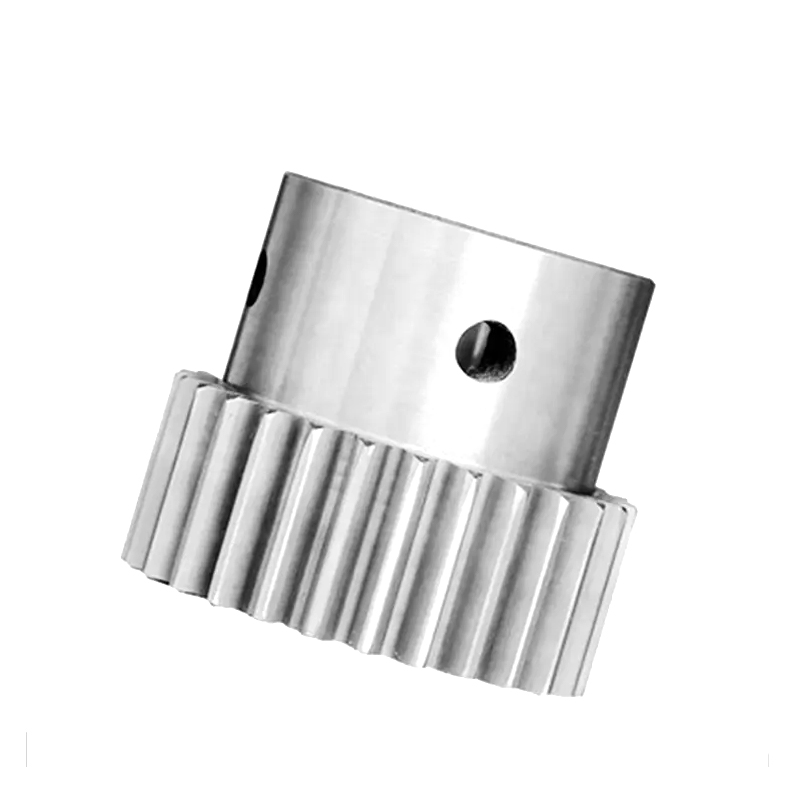
The Stainless Steel Stepped Rack Pinion Gear is a highly versatile and...
See Details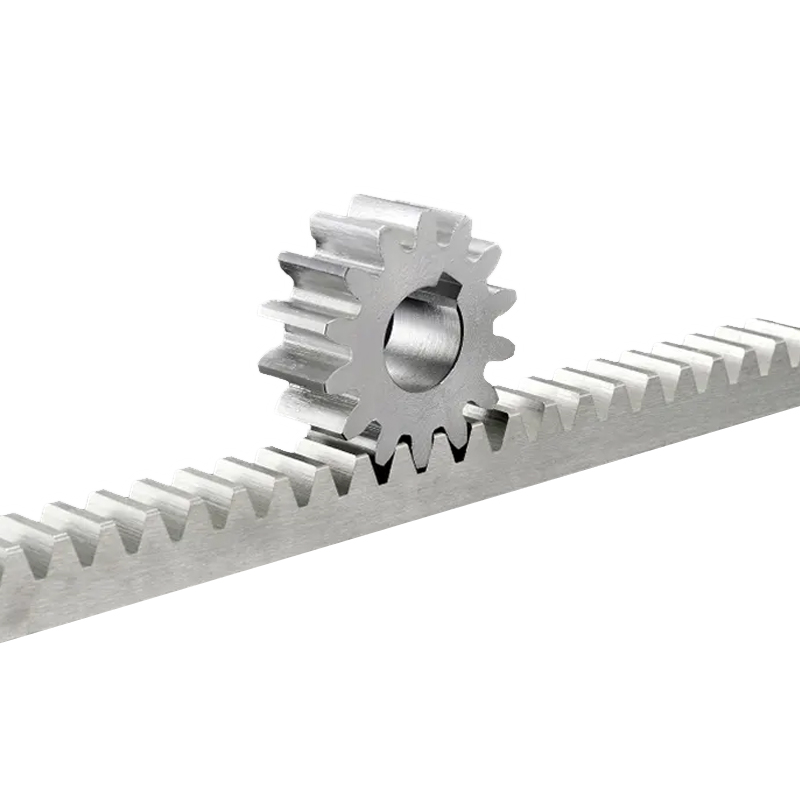
The stainless steel sliding door steel gear rack is an essential compo...
See Details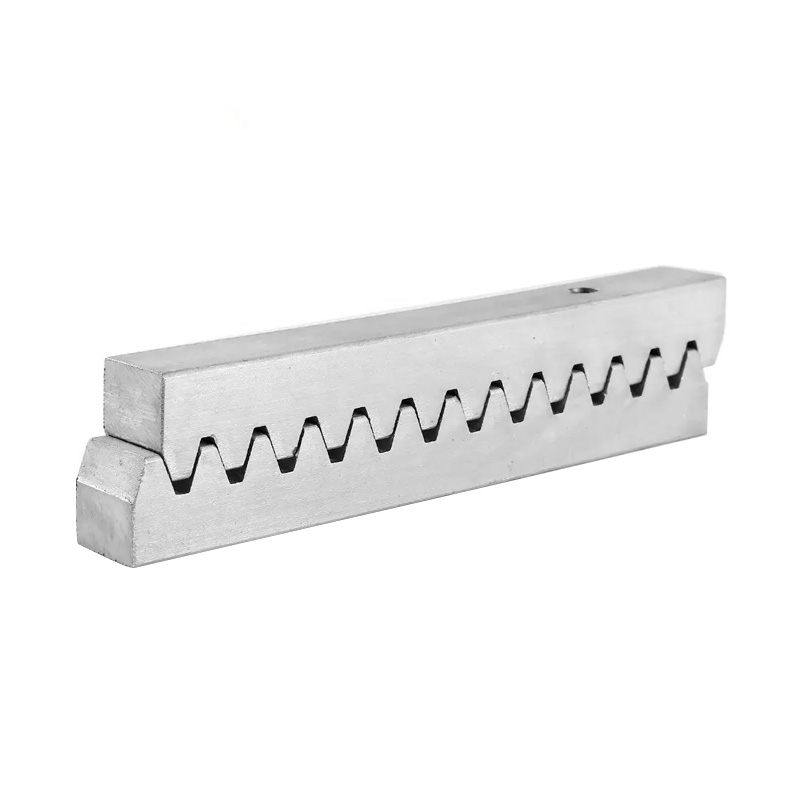
Sliding doors are a popular choice for both residential and commercial...
See Details
The Precision Durability Sliding Door Steel Gear Rack is a high-perfor...
See Details
The Widely Used Operational Sliding Door Steel Gear Rack is a critical...
See Details
The Square Evenly Distributed Straight Gear Rack is a precision mechan...
See Details
Screws steel straight gear rack for automatic doors is a linear transm...
See Details
The Enhancement Sliding Door Nylon Gear Rack is designed for smooth, q...
See Details
