
 English
 русский
 Español
No. 200 Gaoxin RD, Shanghua St, Lanxi, Zhejiang, P. R China
The multiple sizes high precision rack pinion gear system is an essent...
See DetailsA gear rack turns rotary motion into linear movement. You'll find them in CNC machinery, automated production lines, positioning systems, material-handling equipment. When picking a rack, stainless steel might seem like the go-to for wet, chemical, or corrosive environments. But here's the thing—corrosion resistance doesn't automatically mean wear resistance.
In plenty of applications, a stainless steel gear rack wears faster than a hardened alloy steel one. Why? Differences in hardness, heat treatment, surface properties, lubrication needs. The real outcome depends on the stainless grade, the alloy steel spec, operating conditions, and the rack-and-pinion design. Get a handle on these factors and you can choose a rack that balances durability, corrosion protection, and maintenance.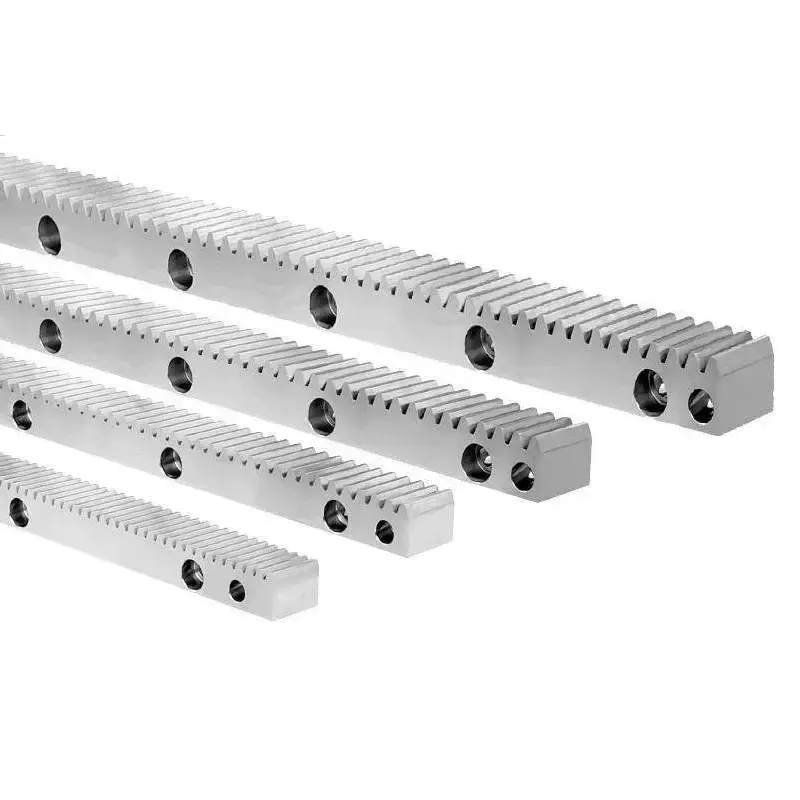
How Material Hardness Influences Gear Rack Wear
Hardness is a big one when it comes to tooth wear. During operation, rack teeth keep contacting the mating pinion. That contact creates local stresses. Over time, material can be removed, tooth surfaces deform, microscopic damage adds up.
Many hardened alloy steel racks go through controlled heat treatment. The goal: high surface hardness with enough core toughness. A harder contact surface usually resists indentation, abrasion, and certain surface deformation better under similar conditions.
Some common stainless steels, especially austenitic grades, can't be hardened by conventional quench-and-temper. They may offer great corrosion resistance and toughness, but their hardness can be lower than a properly hardened alloy steel rack.
That said, stainless steel isn't one material. Martensitic and precipitation-hardening stainless steels can reach much higher hardness with the right processing. So compare actual grades, hardness values, and heat-treatment specs. Don't just assume every stainless rack is soft.
Why Corrosion Resistance Does Not Guarantee Wear Resistance
Stainless steel forms a thin passive layer that helps fight corrosion. That's valuable in humid places, washdown areas, equipment exposed to certain chemicals.
But wear and corrosion are different animals. A material can resist rust and still wear out fast when its teeth slide or roll against another surface.
For instance, a stainless rack under high load might develop tooth-surface deformation or adhesive wear if hardness and lubrication aren't up to the contact conditions. A hardened alloy steel rack might handle the same load better mechanically—though it may need coatings, protective treatments, or environmental controls to keep rust away.
So the right material comes down to which failure risks dominate your application.
How Friction and Lubrication Affect Gear Rack Service Life
Lubrication separates contacting tooth surfaces, cuts friction, limits wear. If the lubricant film isn't adequate for the load, speed, temperature, or surface geometry, metal-to-metal contact increases.
Some stainless combinations are prone to galling. That's a form of adhesive wear where contacting surfaces transfer material and might start to seize. Risk depends on the stainless grade, mating material, surface finish, contact pressure, and lubrication.
A hardened alloy steel rack may resist certain contact-wear mechanisms better because of its surface hardness. Still, hardness alone can't fix poor lubrication or misalignment.
To manage wear, use a lubricant that suits the operating environment. Follow the manufacturer's lubrication schedule. Check whether the lubricant works with food-processing, cleanroom, or other special requirements.
Comparing Stainless Steel and Hardened Alloy Steel Gear Racks
The table below outlines typical differences. Actual performance varies with grade, manufacturing quality, heat treatment, and operating conditions.
| Performance factor | Stainless steel gear rack | Hardened alloy steel gear rack |
|---|---|---|
| Corrosion resistance | Often strong, depending on grade and exposure | Usually requires suitable protection in corrosive environments |
| Surface hardness | Varies widely by stainless steel family and treatment | Often engineered for high contact-surface hardness |
| Abrasive wear resistance | Depends on grade, hardness, and surface condition | Often favorable when correctly hardened |
| Galling risk | Can be significant for certain stainless steel combinations | Depends on material pairing, lubrication, and surface finish |
| Maintenance requirements | May reduce corrosion-related maintenance | May require rust prevention and surface inspection |
| Common selection priority | Corrosion resistance and environmental compatibility | Load-bearing performance and resistance to mechanical wear |
Neither material is universally better. A stainless rack may give longer service life in a corrosive environment if a carbon or alloy steel rack would rust away. On the flip side, hardened alloy steel may be the better call in a clean, well-lubricated system where mechanical wear is the main concern.
How Surface Finish and Installation Influence Wear
Material choice is only part of the story. Surface finish, tooth accuracy, mounting alignment, and pinion compatibility all affect wear rate.
A rough tooth surface can increase friction and mess up the lubricant film. Poor alignment concentrates loads on a small tooth area instead of spreading contact. Wrong backlash or unsuitable pinion geometry adds local stress.
Contamination matters too. Dust, metal chips, abrasive particles get into the meshing area and speed up tooth wear, no matter the material grade.
To improve service life, check rack straightness, mounting rigidity, pinion alignment, tooth engagement, and lubrication. During maintenance, look for scoring, pitting, uneven tooth profiles, rust, and material transfer.
How to Select the Right Gear Rack for Your Application
Start by identifying operating conditions. Key questions:
Where you need both corrosion resistance and high wear resistance, consider a suitably hardened stainless grade or an engineered surface treatment—if it meets mechanical and environmental requirements. Validate the whole rack-and-pinion assembly.
Improving Gear Rack Durability Through the Right Material Choice
A stainless steel gear rack can wear faster than a hardened alloy steel rack when surface hardness, adhesive wear resistance, or lubrication conditions don't suit the job. Hardened alloy steel often does well under demanding mechanical contact, while stainless steel gives you valuable corrosion protection.
A reliable selection process compares actual material grades, hardness specs, surface treatments, operating loads, and environmental exposure. Combine the right material with proper alignment, compatible lubrication, and routine inspections. That's how you reduce premature wear and improve reliability in industrial motion systems.
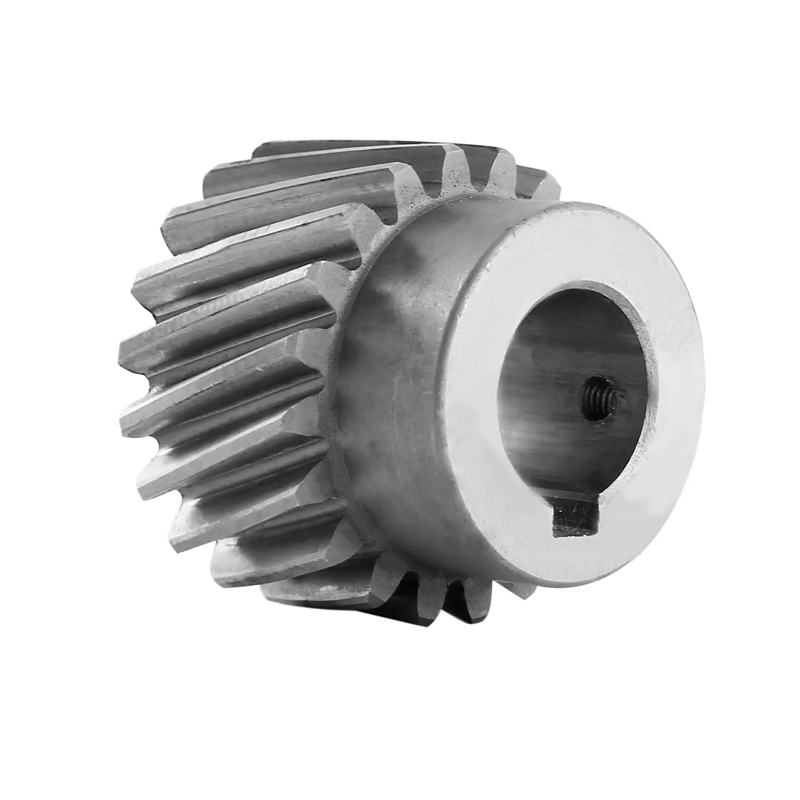
The multiple sizes high precision rack pinion gear system is an essent...
See Details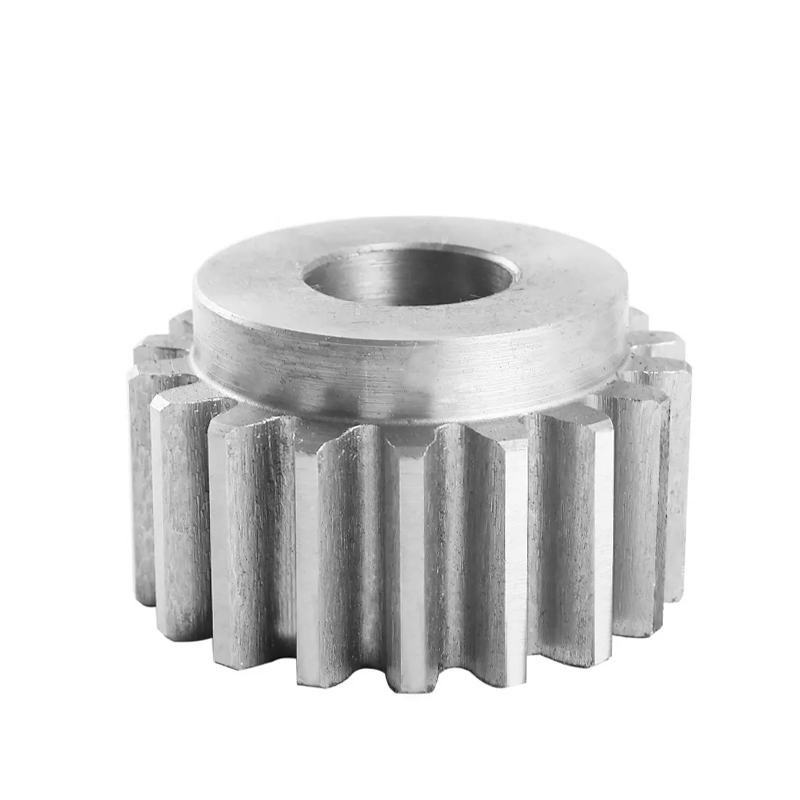
The High Precision Straight Teeth Rack Pinion Gear is a critical compo...
See Details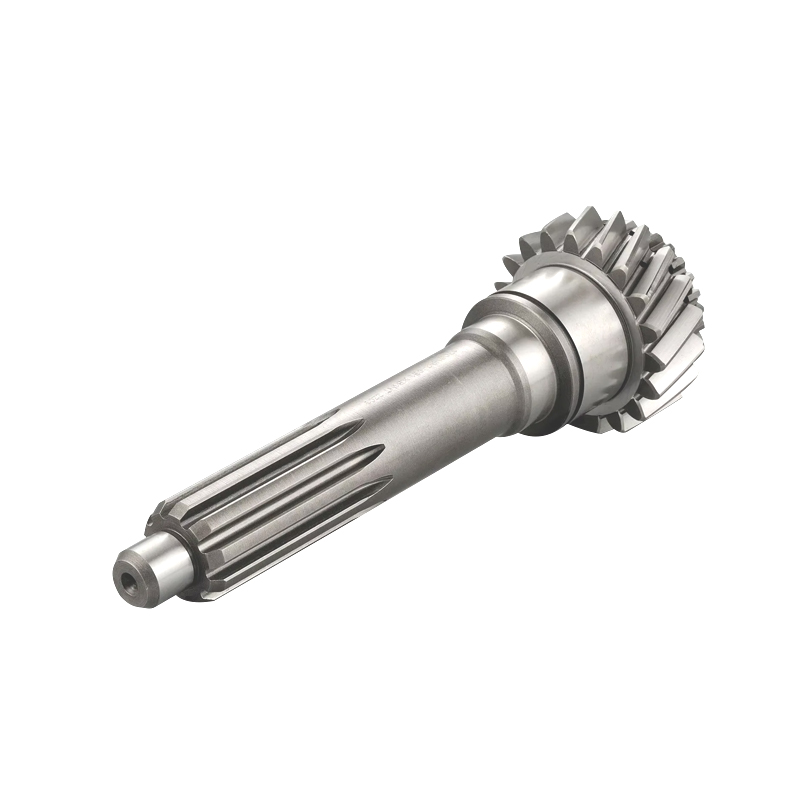
The rust-proof high-precision rack pinion gear is a critical component...
See Details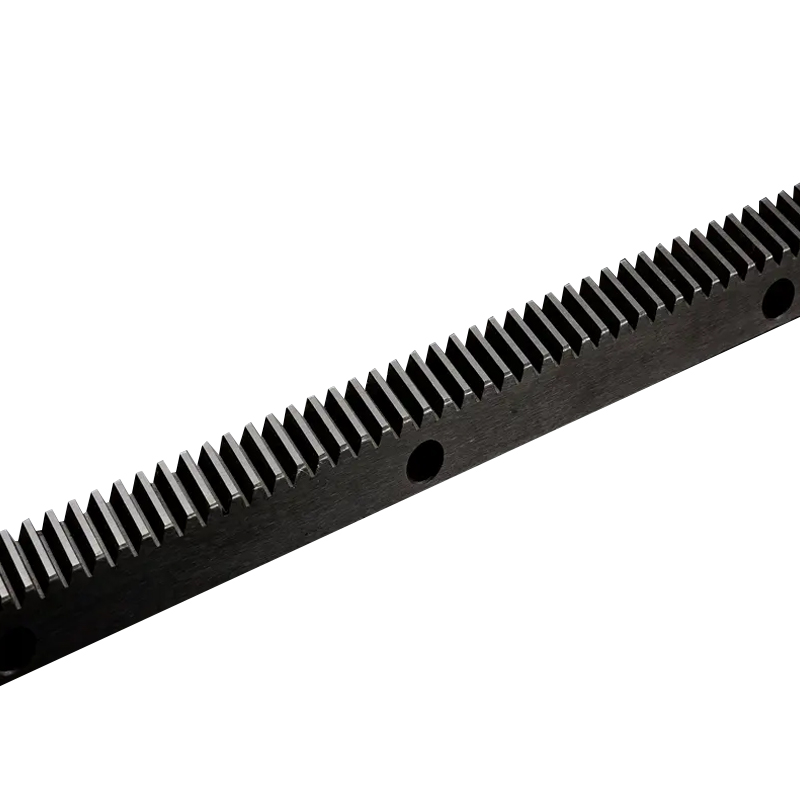
The Precision Durability Sliding Door Steel Gear Rack is a high-perfor...
See Details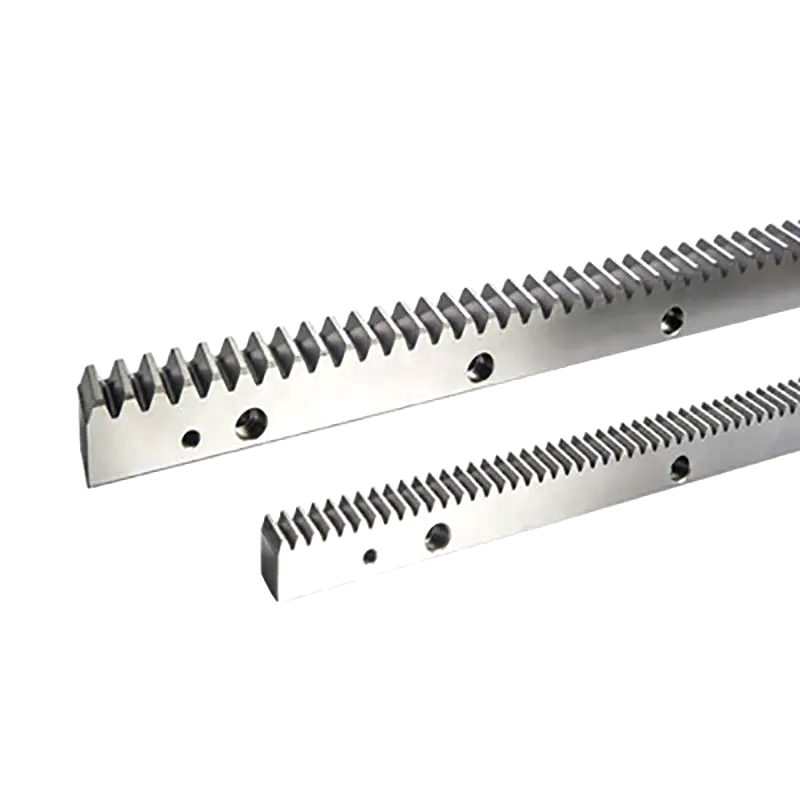
The Widely Used Operational Sliding Door Steel Gear Rack is a critical...
See Details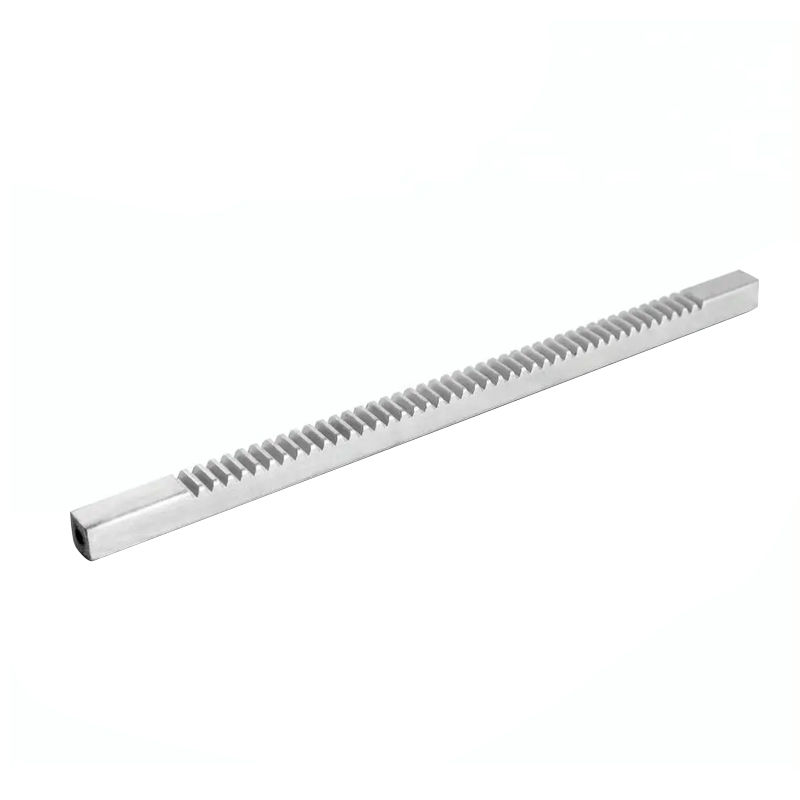
A sliding door gear rack and steel rack and pinion system plays an imp...
See Details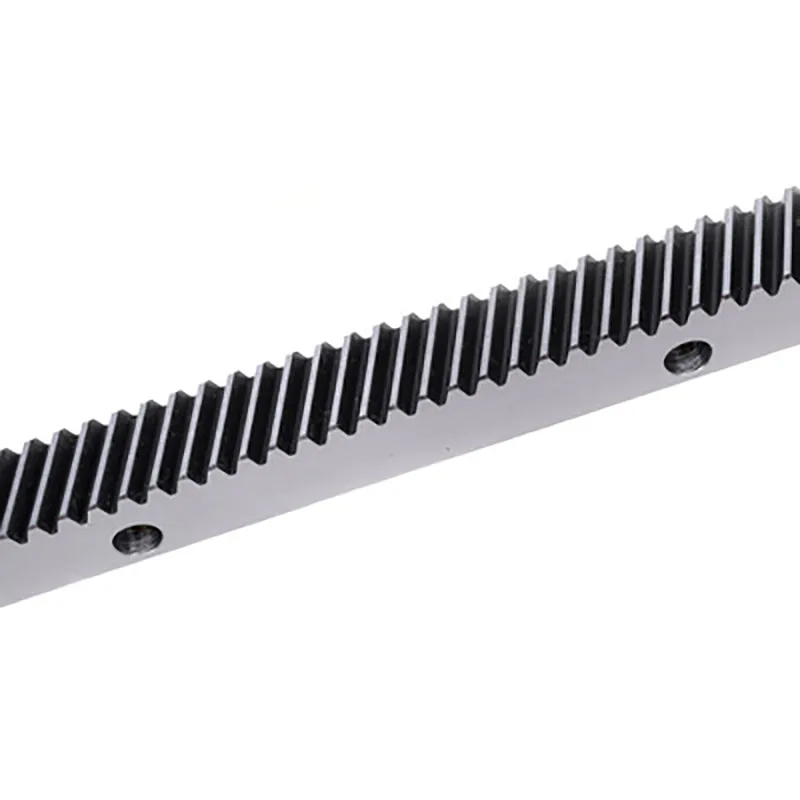
The CNC machining helical gear rack is a critical component in various...
See Details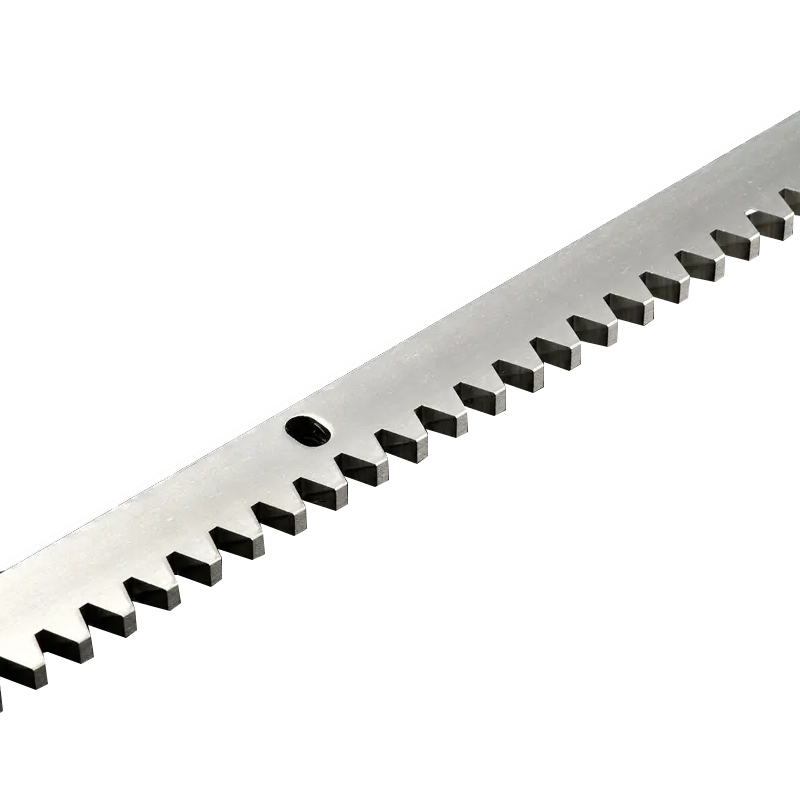
The Flexible Steel Parts Helical Gear Rack is a highly engineered comp...
See Details
