
 English
 русский
 Español
No. 200 Gaoxin RD, Shanghua St, Lanxi, Zhejiang, P. R China
The High Precision Straight Teeth Rack Pinion Gear is a critical compo...
See DetailsIndustrial automation runs on accurate, repeatable motion. Get that wrong and quality slips, downtime climbs, efficiency drops. Think CNC machining, robotic positioning, packaging, automated material handling—a positioning error of a few microns can ruin the outcome. A precision gear rack is one way to deal with that. It takes rotary motion from a pinion and turns it into controlled linear movement.
That said, the rack isn't doing the whole job. Tooth geometry, tolerances, backlash, how well it's aligned during installation, the rest of the motion-control hardware—all of it feeds into final positioning. So let's walk through what actually matters.
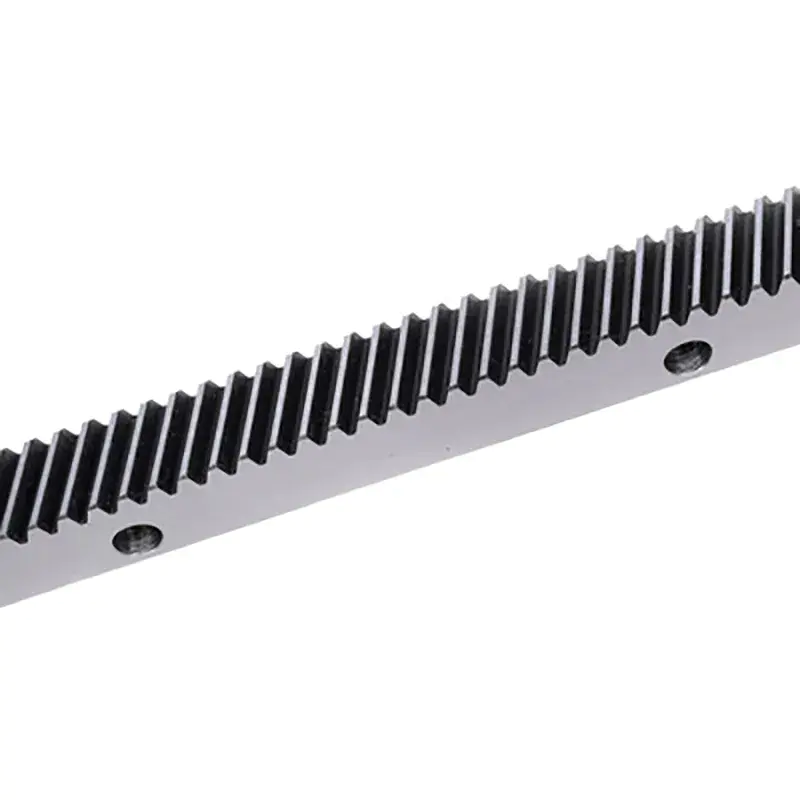
What Is a Precision Gear Rack in Industrial Automation?
It's a straight toothed bar that meshes with a rotating pinion. Pinion turns, rack moves in a line. Simple enough, and it's why rack-and-pinion setups work well for long travel and controlled positioning.
An ordinary rack is fine for loose jobs. A precision one gets made to tighter dimensional and geometric specs—tooth spacing, tooth profile, straightness, dimensional consistency. You'll find these in CNC machines, gantry systems, industrial robots, automated storage, production lines. The modular design also makes long travel axes possible where a ball screw starts getting awkward.
How Tooth Accuracy Reduces Positioning Errors
Pinion rotation and rack movement are tied together by the teeth. Keep tooth spacing and profile consistent, and rotation translates into predictable linear displacement.
Errors creep in during manufacturing. Pitch deviations along the rack, for instance, mean the actual travel drifts a little from what you commanded. On a long axis those deviations stack up, unless the rack is made and installed to match the system's accuracy needs.
Controlled tooth geometry and tolerances are how a precision rack keeps those mechanical errors down. If the application is demanding, read the documented accuracy specs carefully. Do they cover individual pitch deviation, cumulative pitch deviation, straightness, or something else? And pick the accuracy class from the machine's real operating requirements—not just the tightest tolerance on the datasheet.
How Backlash Control Improves Repeatability
Backlash is the clearance between mating teeth. Too much of it in a rack-and-pinion drive, and you get a lag or a positional gap the moment the pinion reverses. Annoying in any system, but a real problem when the machine moves back and forth constantly.
Pair a precision rack with the right pinion and proper mounting, and motion gets more consistent. If you need very low backlash, adjustable engagement, a dual-pinion arrangement, or some other mechanical compensation might be in order.
Worth keeping straight: accuracy and repeatability aren't the same thing. Accuracy is how close you get to the target position. Repeatability is how reliably you come back to the same spot under similar conditions. Backlash affects both, but killing backlash won't fix pitch deviations, encoder limits, or structural flex.
How Rack Stiffness and Alignment Affect Motion
The drive has to absorb forces from acceleration, deceleration, and normal running. Let the rack, mounting surface, machine frame, or support structure deflect too much, and the pinion loses consistent engagement.
Installation, then, isn't a formality. The mounting surface needs to hit its flatness and straightness specs. Align the rack the way the manufacturer says. On long axes with several rack sections, the joints need proper alignment too, or engagement goes uneven.
Don't forget lubrication and contamination. Sparse lubrication means more friction and wear. Chips, dust, debris—they get in the way of tooth contact. Regular inspection keeps motion quality from quietly degrading over the years.
Key Precision Gear Rack Features and Their Effects
Different characteristics influence positioning in different ways.
|
Gear rack feature |
Effect on motion accuracy |
What engineers should evaluate |
|---|---|---|
|
Tooth pitch accuracy |
Influences linear displacement consistency |
Individual and cumulative pitch specifications |
|
Tooth profile accuracy |
Affects meshing and contact conditions |
Profile tolerances and compatibility with the pinion |
|
Backlash and tooth clearance |
Can affect reversal performance |
Required backlash and compensation method |
|
Rack straightness |
Influences alignment along the travel axis |
Straightness tolerance and mounting requirements |
|
Material and heat treatment |
Affect strength, wear resistance, and dimensional stability |
Load, duty cycle, hardness, and operating environment |
|
Rack joint quality |
Can affect motion as the pinion crosses section joints |
Joint alignment and installation procedure |
|
Lubrication requirements |
Influence friction, wear, and long-term consistency |
Lubricant type, application method, and maintenance interval |
How much any one of these matters comes down to travel length, load, speed, acceleration, and the positioning tolerance you're actually chasing.
How to Choose a Precision Gear Rack for Different Applications
Depends on the motion requirements and where the machine operates.
CNC machinery and cutting systems tend to want tight pitch tolerances, stable engagement, low reversal error. But the control system and machine structure need enough stiffness to let the rack's precision show up in the results.
Automated material handling and gantry systems usually mean long travel and heavy loads. Think about rack section joints, structural deflection, how you'll get at the lubrication points, and the accuracy needed across the full travel range—not just at one end.
Packaging and assembly equipment often cares more about repeatable positioning through frequent start-stop cycles. Backlash behavior, wear resistance, and consistent manufacturing quality keep things reliable over millions of moves.
Straight-tooth versus helical? Helical teeth can engage more smoothly and cut noise in the right design, but they throw axial forces at you, and the bearings and supports have to cope. It comes down to the whole drive system.
Why the Complete Motion System Determines Final Accuracy
A precision rack by itself won't make a machine accurate. Pinion, gearbox, motor, encoder, bearings, frame, motion controller—everything has a say.
Motor feedback, for example, won't catch every mechanical error downstream of the motor. Depending on the application, an encoder on the driven axis or a linear measurement system can help compensate for positioning deviations.
Before locking in the drive design, look at positioning error, repeatability, backlash, travel speed, acceleration, operating temperature. And when you run acceptance tests, measure the assembled axis under representative conditions. Installation and machine structure change the outcome.
Achieving More Reliable Motion With the Right Gear Rack
A precision gear rack helps industrial automation by keeping tooth engagement consistent and turning rotary motion into linear travel in a controlled way. Add sensible backlash management, careful installation, proper lubrication, and a capable controller, and you get more accurate, more repeatable positioning.
Start with measurable performance requirements. Then compare tolerances, load capacity, material properties, alignment needs, and system-level test results. That's how you end up with a rack that fits the actual demands of the equipment—rather than one that just looked good on paper.
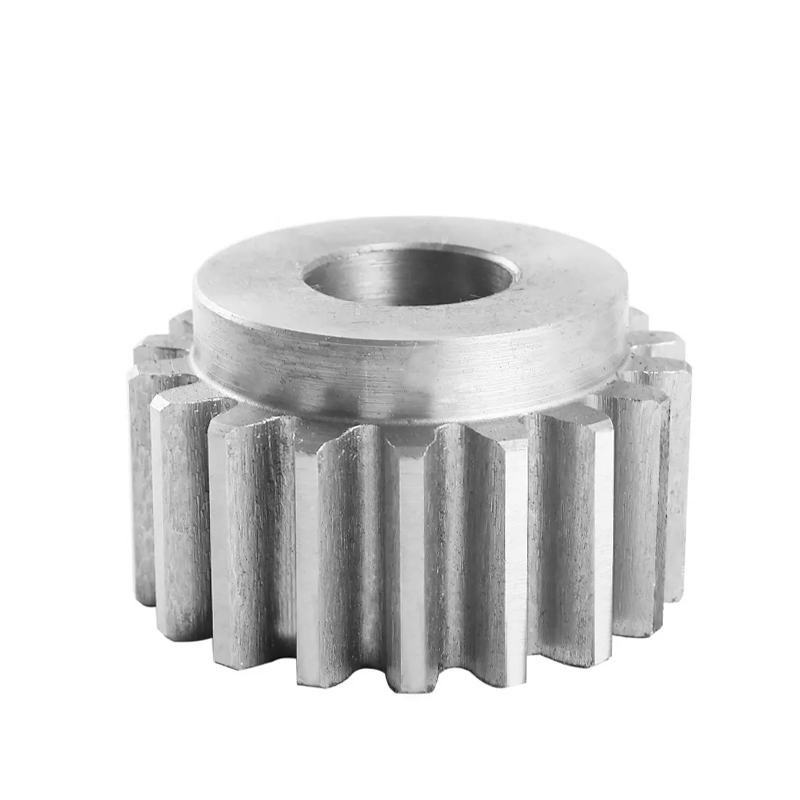
The High Precision Straight Teeth Rack Pinion Gear is a critical compo...
See Details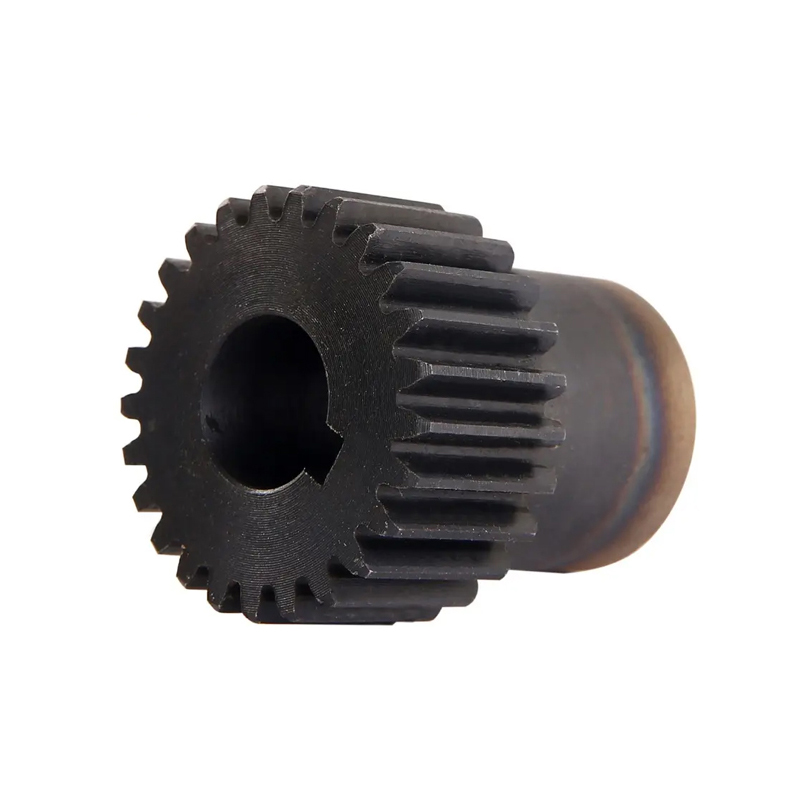
Product IntroductionThe Black Rust-Proof Straight Teeth Rack Pinion Ge...
See Details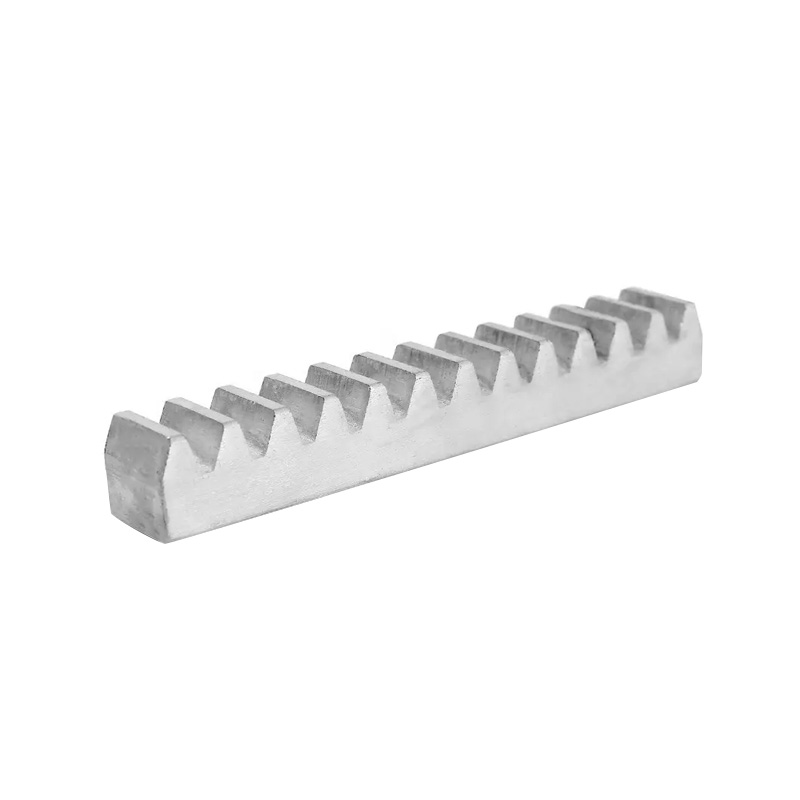
The Drive Durable Sliding Door Steel Gear Rack is a critical component...
See Details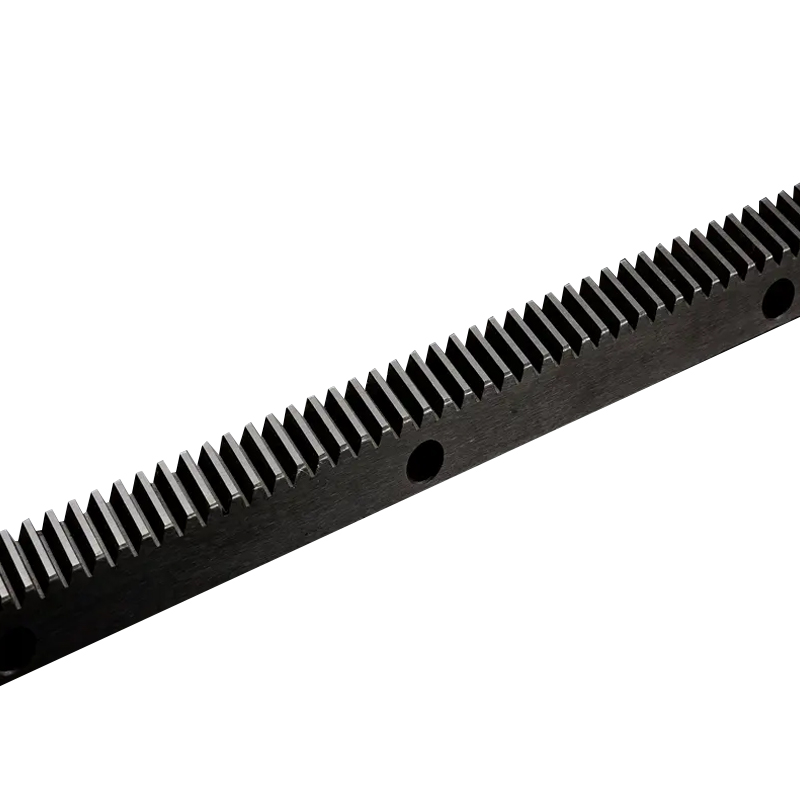
The Precision Durability Sliding Door Steel Gear Rack is a high-perfor...
See Details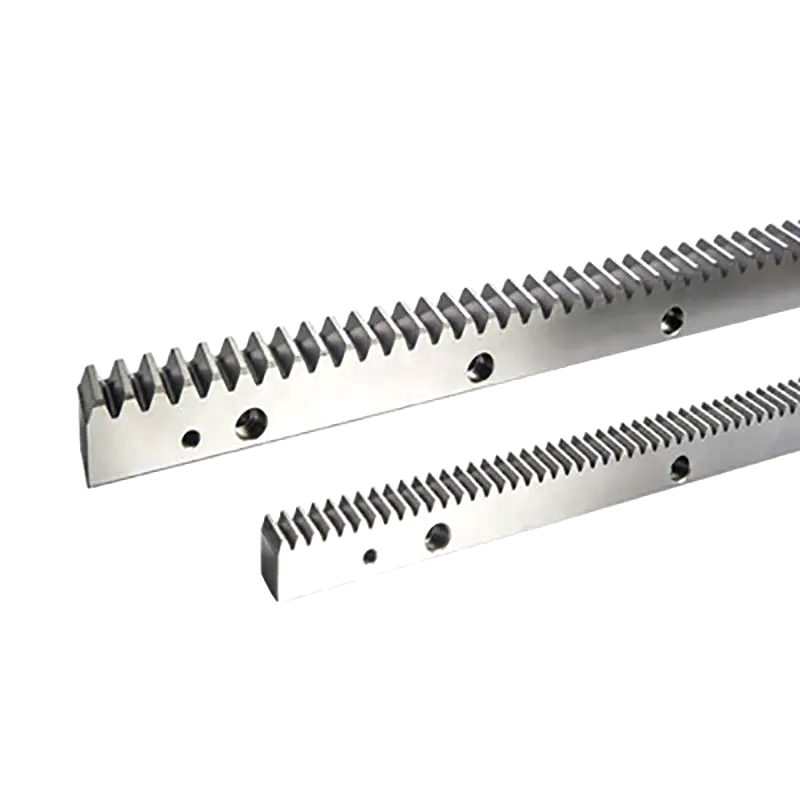
The Widely Used Operational Sliding Door Steel Gear Rack is a critical...
See Details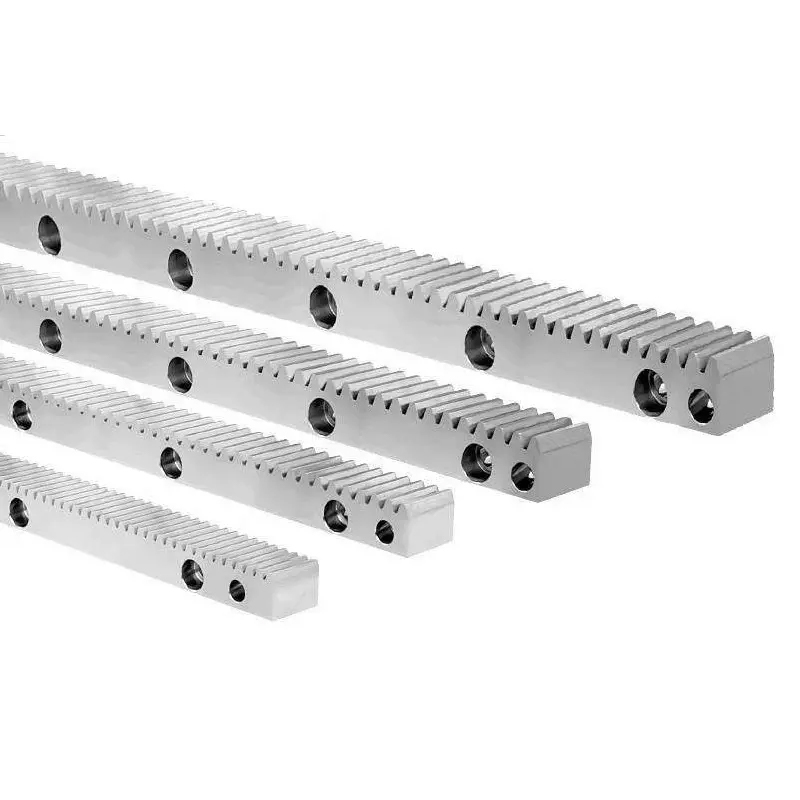
New Durable Custom Helical Gear Rack is a mechanical transmission ...
See Details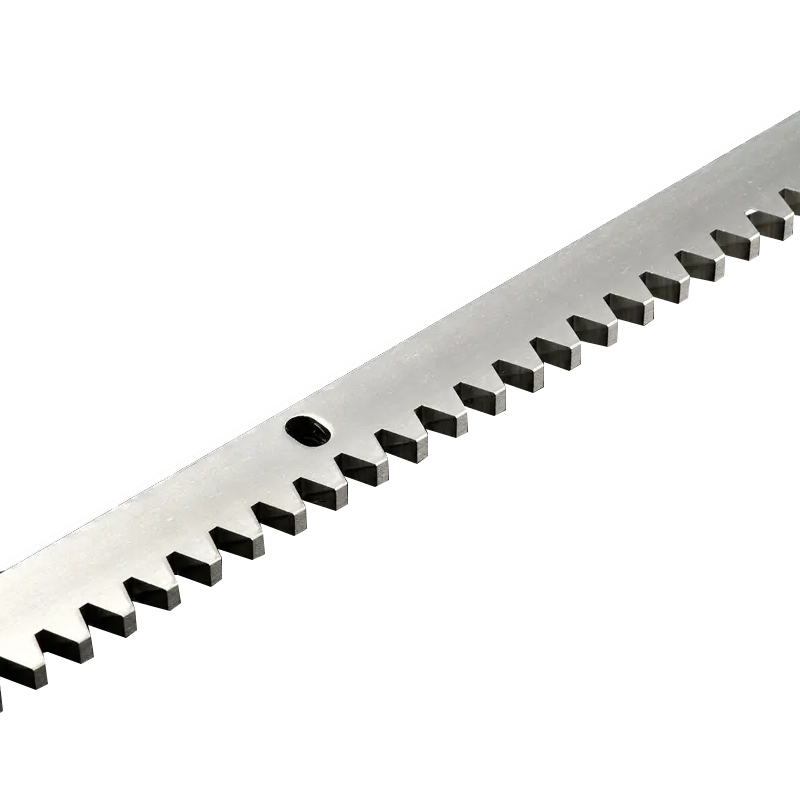
The Flexible Steel Parts Helical Gear Rack is a highly engineered comp...
See Details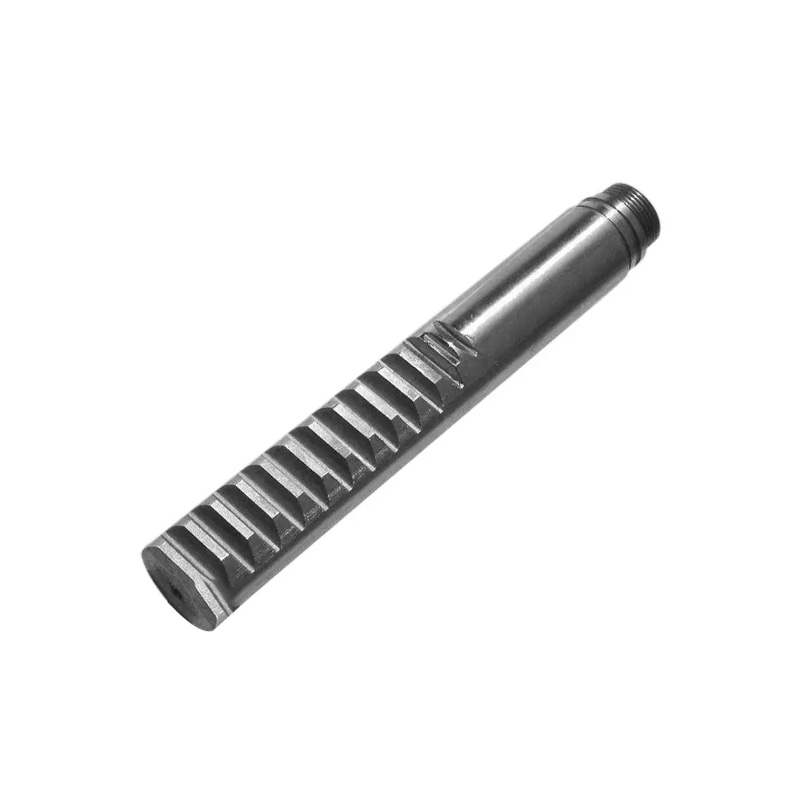
The Cylindrical Black Stainless Steel Straight Gear Rack is a durable ...
See Details
