
 English
 русский
 Español
No. 200 Gaoxin RD, Shanghua St, Lanxi, Zhejiang, P. R China
The Gearbox Steering Rack Pinion Gear is a fundamental component in mo...
See DetailsTwo quotes sit side by side on the desk, one for a basic nylon setup, the other for a stainless steel gear rack, and the gap between them raises an obvious question: does that price difference actually mean anything mechanically, or is it just markup? Nylon Rack and Pinion mechanisms come up constantly in these conversations precisely because they sit at a price point that feels reasonable, but reasonable only means something if the mechanism actually survives the gate's real working conditions day after day. Anyone comparing quotes right now already senses this decision carries more weight than just the number on the purchase order. Figuring out which mechanism genuinely fits a given budget means understanding what actually changes beneath the surface between cheaper and pricier options, rather than assuming the priciest choice is automatically the safe bet.
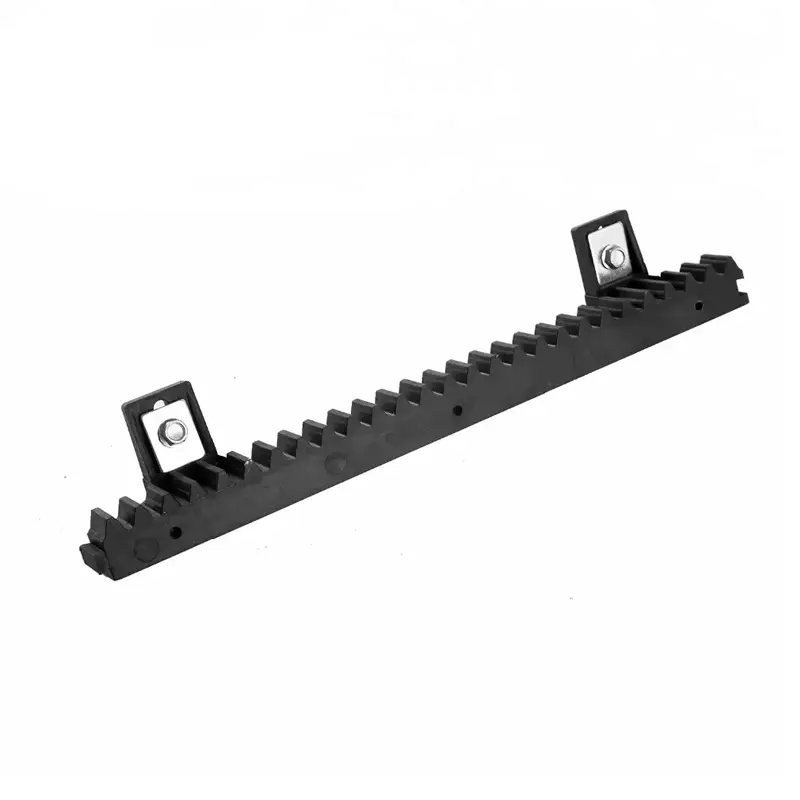
Sliding gates lean on a handful of common mechanism types, each moving the gate through a different mechanical approach entirely. Rack and pinion systems pair a toothed rack with a rotating gear to drive the gate along its track. Chain drive systems loop a chain around the gate structure instead. Cantilever systems carry the gate's weight through an internal frame rather than a ground-level track, useful wherever ground conditions rule out a track altogether.
Getting these basic categories straight matters before diving into budget comparisons, since the mechanism type itself determines which rack material options and price points actually apply to a given install.
It does, to some degree. Rack and pinion systems offer the widest spread of rack material choices, running from Nylon Rack and Pinion setups on the low end through precision gear rack and stainless steel gear rack options up top. Chain drive and cantilever systems follow a somewhat different cost logic tied more to overall frame and chain quality than to rack material specifically.
For buyers comparing rack materials across different budget levels, rack and pinion systems provide a straightforward basis for comparison, making this mechanism a common focus in discussions about sliding gate options.
Nylon Rack for Sliding Gate applications sits at one of the more accessible entry points into rack and pinion systems. Nylon costs less to manufacture than steel, and it handles lighter gate weights reasonably well without demanding the tighter installation precision that steel systems sometimes call for.
Lower budget rack options typically look like:
Nylon rack performs decently within its intended weight range, especially for lighter residential gates that aren't cycling constantly all day long. Lower cost doesn't automatically mean lower reliability here, it mostly just means the material suits lighter applications better than it suits heavy industrial gates grinding away under constant demand.
Buyers should match nylon rack to genuinely suitable applications rather than writing it off as simply the inferior version of steel across every situation. For lighter gates, nylon often delivers a perfectly reasonable service life without the added cost steel alternatives carry.
Moving past entry-level nylon, medium budget choices usually mean either an upgraded Nylon Rack and Pinion setup or a standard steel rack without the precision machining that pushes prices into the higher tiers.
This middle ground tends to appeal to buyers running gates with moderate cycling, commercial properties with regular but not nonstop use, or residential gates a bit heavier than basic nylon setups can comfortably carry.
Medium budget options generally beat entry-level choices on durability without quite reaching the precision tolerances and extended service life that premium options bring. This tier suits buyers needing something sturdier than basic nylon but not requiring the extended durability heavier industrial work demands.
Buyers in this range should double-check actual gate weight and cycling frequency against the rack's rated capacity, since medium budget options still have real ceilings that heavier applications can blow right past if specs don't get checked carefully.
| Budget Tier | Typical Rack Option | Best Suited For |
|---|---|---|
| Low Budget | Nylon Rack and Pinion, Basic Steel Rack | Lighter residential gates with moderate cycling |
| Medium Budget | Upgraded Nylon Rack, Standard Steel Rack | Commercial properties with regular but not constant use |
| High Budget | Precision Gear Rack | Heavy cycling applications needing tighter tolerances |
| High Budget | Stainless Steel Gear Rack | Industrial or coastal environments needing corrosion resistance |
Precision gear rack systems bring tighter manufacturing tolerances, generally producing smoother, quieter operation with less wear over extended cycling compared to standard rack. That precision comes with a bigger price tag, but for gates running through frequent daily cycles, the reduced wear and smoother movement often justify the extra spend.
Stainless steel gear rack pushes this further still, adding corrosion resistance that matters a lot in coastal environments, industrial settings with chemical exposure, or basically any installation facing conditions that would chew through standard steel faster than normal.
It does, particularly for gates cycling frequently throughout the day. Tighter manufacturing tolerances cut down the play between rack and pinion that standard options sometimes show, translating into smoother movement and less mechanical stress piling up across thousands of cycles over the system's life.
For lighter residential use, this precision advantage matters a lot less, since the gate just doesn't cycle often enough to build up the wear gap that shows up under heavier industrial conditions. Matching precision investment to actual usage intensity keeps buyers from overspending on capability a lighter application will never really tap into.
Noise during operation varies quite a bit between rack material and quality tiers, and buyers installing gates near homes or noise-sensitive commercial spaces should weigh this into the budget call.
Not automatically, and this deserves weighing against weight capacity first. A gate too heavy for nylon's reliable range shouldn't get forced into that category purely to cut noise, since mechanical failure from overloading nylon rack creates a far bigger headache than operational noise ever would.
For borderline weight situations where noise genuinely matters, precision gear rack often offers a sensible middle path, delivering steel's weight handling alongside noise levels considerably better than standard steel rack manages.
Initial purchase price only tells part of the story. Maintenance needs and component lifespan shape total cost quite a bit across a gate system's working life, sometimes flipping the actual economics between tiers once long-term costs enter the picture.
It can, especially if the application's real demands outstrip what the cheaper option was ever built to handle. A nylon rack forced into heavy industrial cycling might need replacing a lot sooner than a properly specified precision gear rack would, meaning that cheaper initial buy ends up costing more through repeated replacement over the same stretch of time.
Buyers should run the numbers across an expected service life rather than comparing initial purchase price alone, since that longer view sometimes reveals a higher upfront spend actually costs less in the end.
Different gate applications have different requirements for operating frequency, weight, and environmental conditions, and matching the mechanism to these needs supports more practical budget decisions than choosing only by price.
Borderline cases, where actual gate use falls somewhere between residential and commercial demand, benefit from erring toward the higher tier rather than betting that a lower budget option will just work out fine. The price gap between tiers is often smaller than the cost of premature failure and replacement once a lower-tier option gets pushed past what it was ever meant to handle.
Rather than deciding purely on initial price comparison, working through a structured evaluation helps match mechanism and rack choice to actual budget and performance needs.
Working through this before finalizing a purchase helps buyers land on a mechanism and rack combination that genuinely fits both budget constraints and the gate's real working demands.
Sourcing from a manufacturer able to produce nylon gear rack, steel rack and pinion, precision gear rack, and stainless steel gear rack gives buyers the flexibility to match spec to budget without getting stuck in one product category regardless of fit. That flexibility matters a lot for contractors and integrators juggling varied customer needs across residential, commercial, and industrial projects.
Buyers checking out potential suppliers should ask about:
Choosing the right sliding gate mechanism depends on matching gate weight, operating frequency, environmental conditions, and noise preferences with a budget that suits the application, rather than assuming the least expensive or highest-priced option will work in every situation. Nylon Rack and Pinion handles lighter residential needs well enough, medium budget steel options manage moderate commercial cycling reasonably, and precision gear rack or stainless steel gear rack earn their added cost in heavier industrial or harsh environmental conditions where standard options would wear out a lot faster. Zhejiang Luxin Door Operation Equipment Co., Ltd. works with contractors, integrators, and facility buyers sorting through exactly this kind of mechanism and budget decision, helping match rack specifications to the actual performance and cost requirements each installation genuinely presents. Share your gate specifications or project details, and the discussion about a suitable sliding gate mechanism can begin from there.
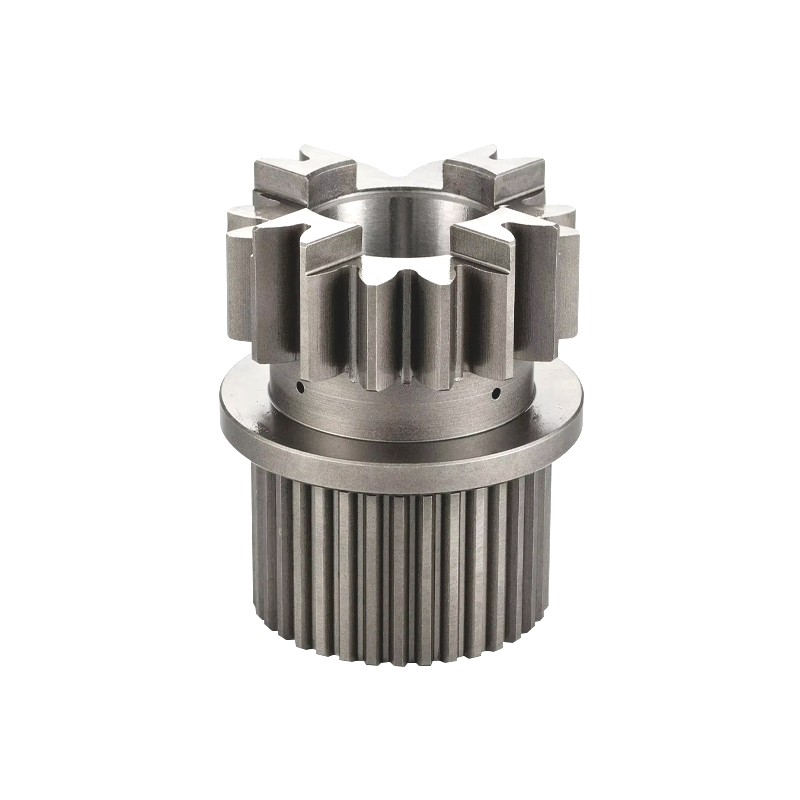
The Gearbox Steering Rack Pinion Gear is a fundamental component in mo...
See Details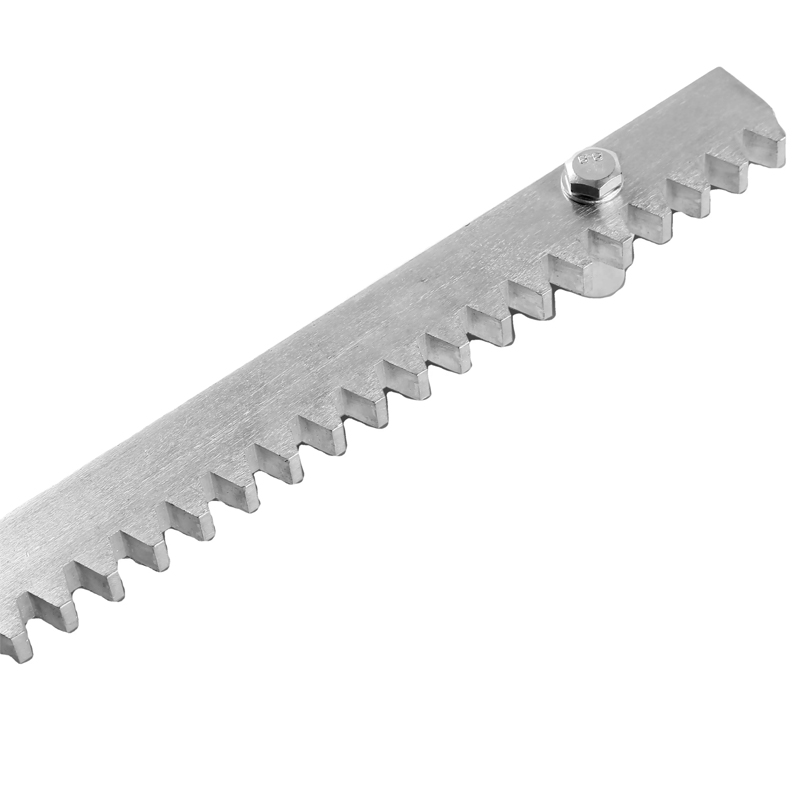
The Mounting Holes Sliding Door Steel Gear Rack is a critical componen...
See Details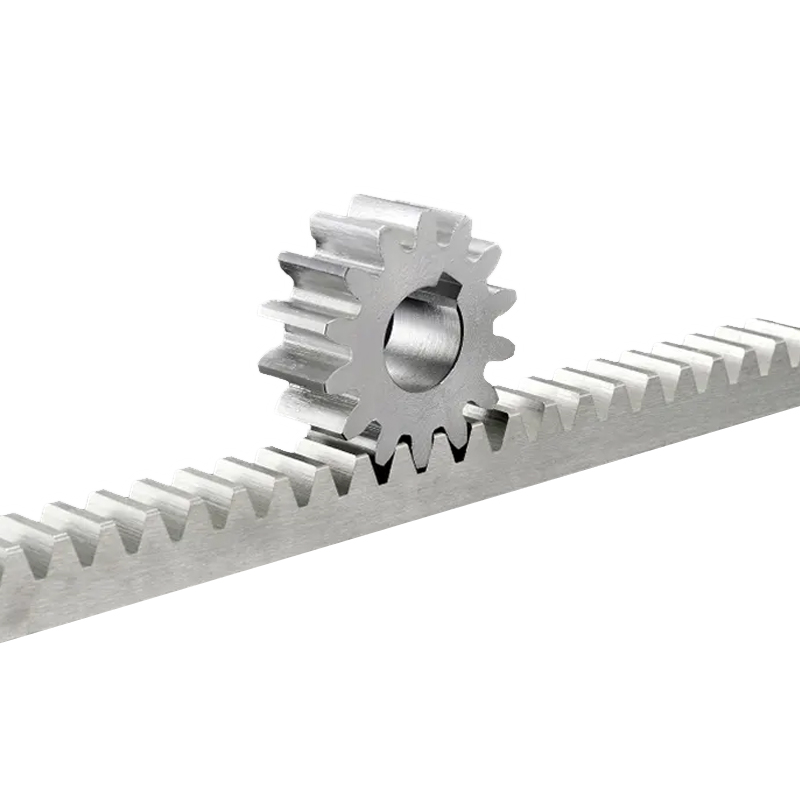
The stainless steel sliding door steel gear rack is an essential compo...
See Details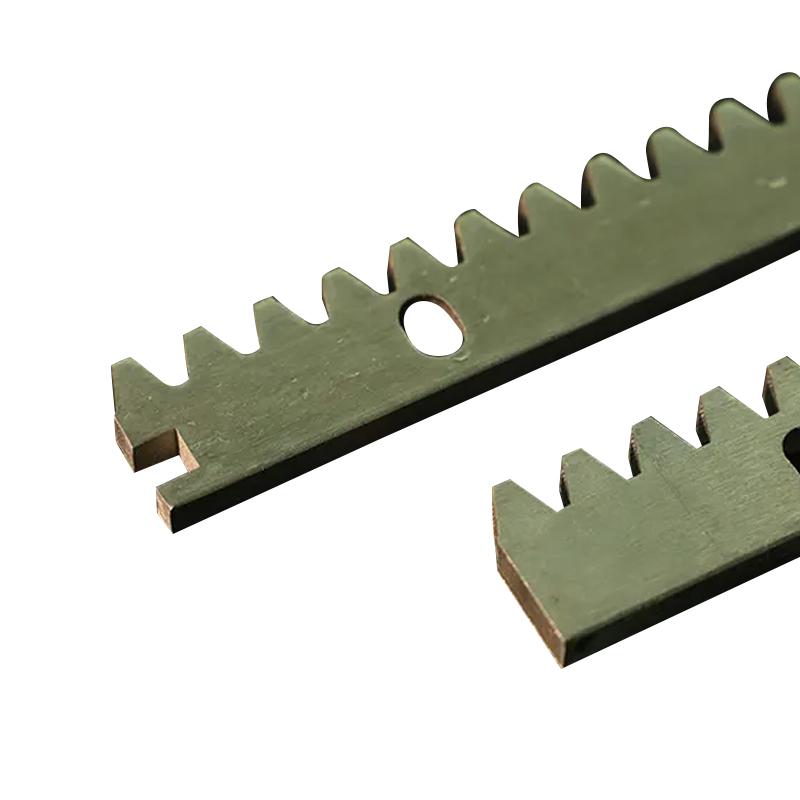
The Metal Steel Gear Rack for Sliding Door Operators is a crucial comp...
See Details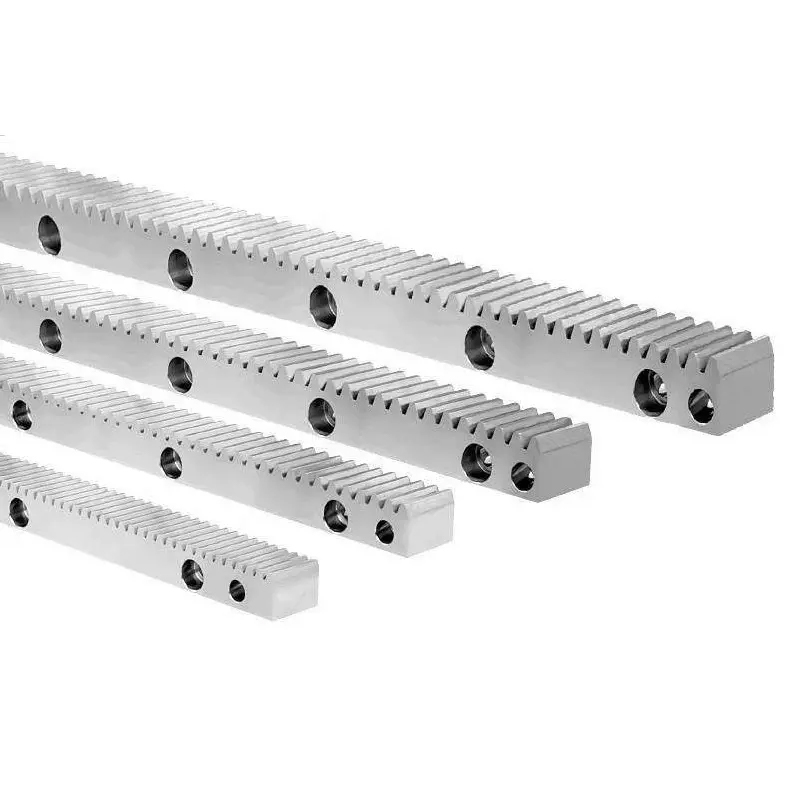
New Durable Custom Helical Gear Rack is a mechanical transmission ...
See Details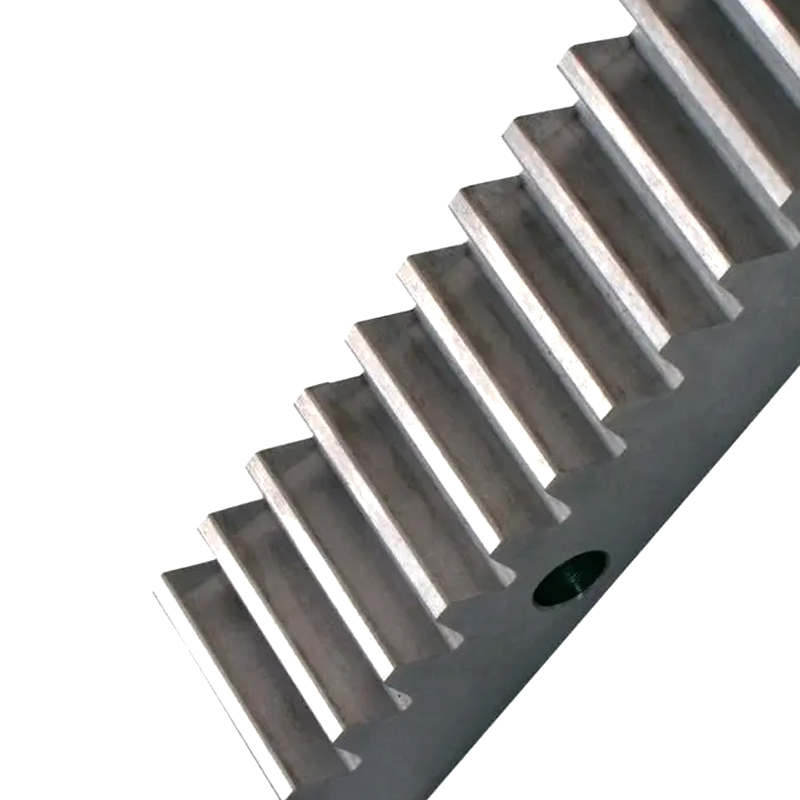
Lifts transmission systems helical gear rack is a key compo...
See Details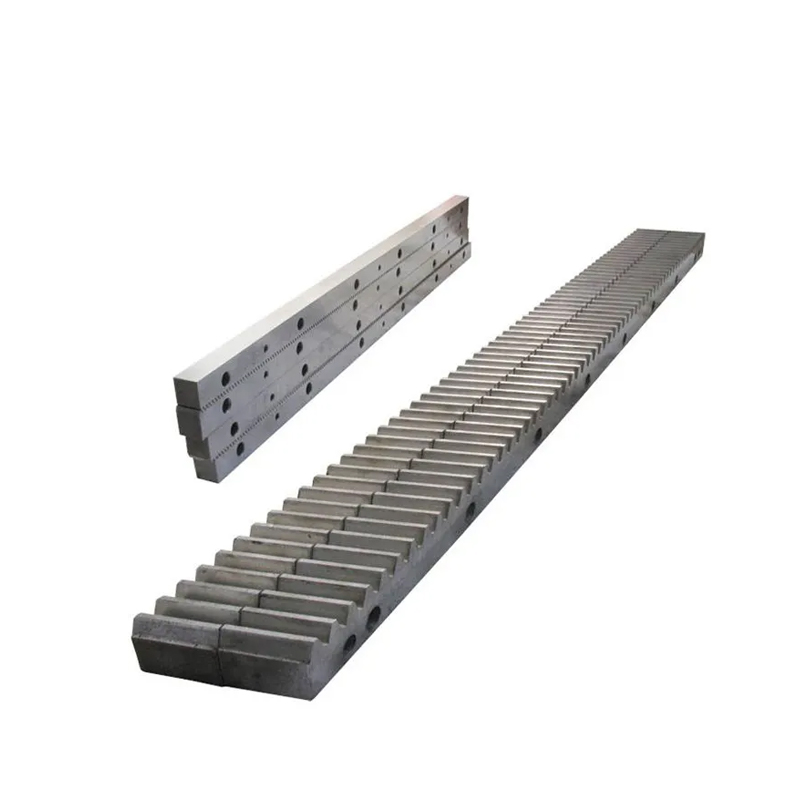
Screws steel straight gear rack for automatic doors is a linear transm...
See Details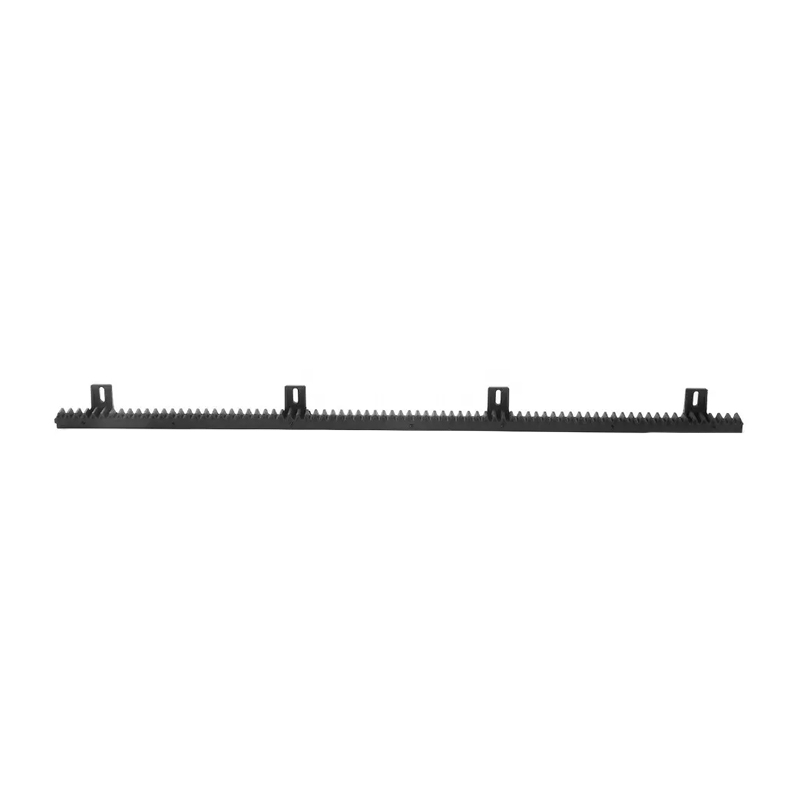
The Enhancement Sliding Door Nylon Gear Rack is designed for smooth, q...
See Details
