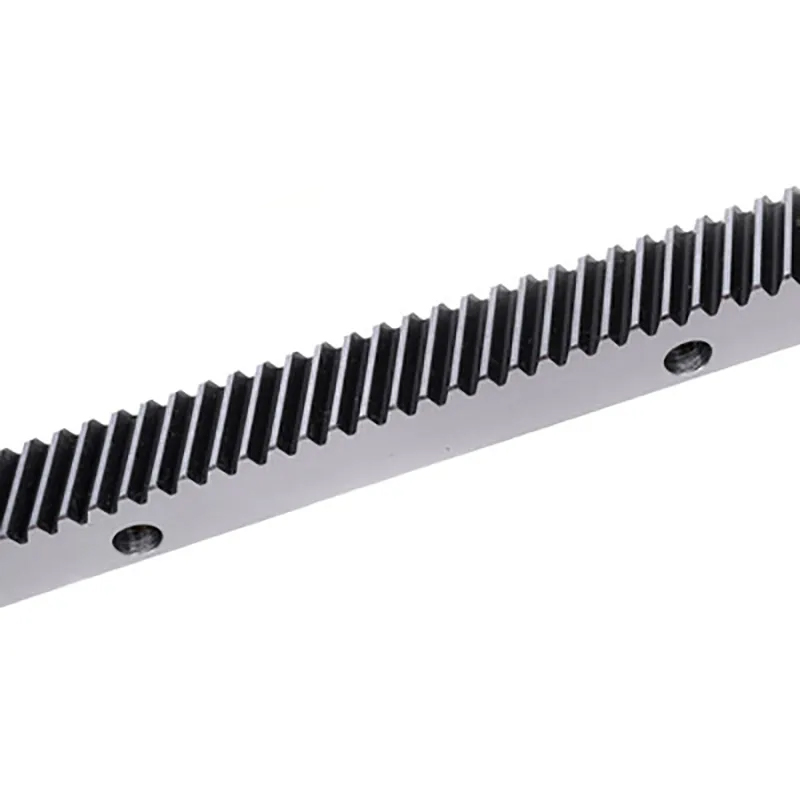
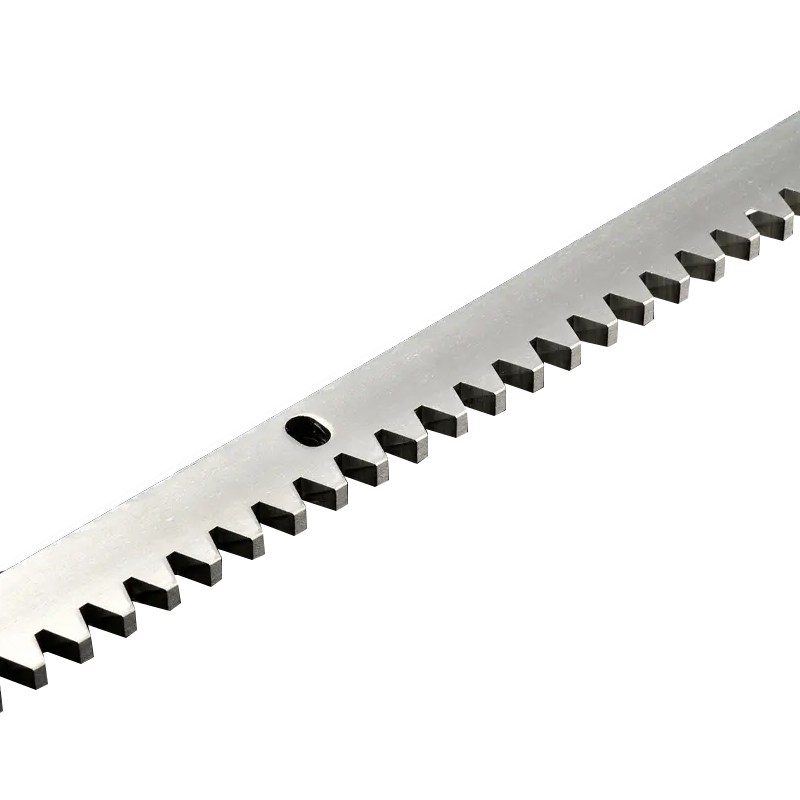
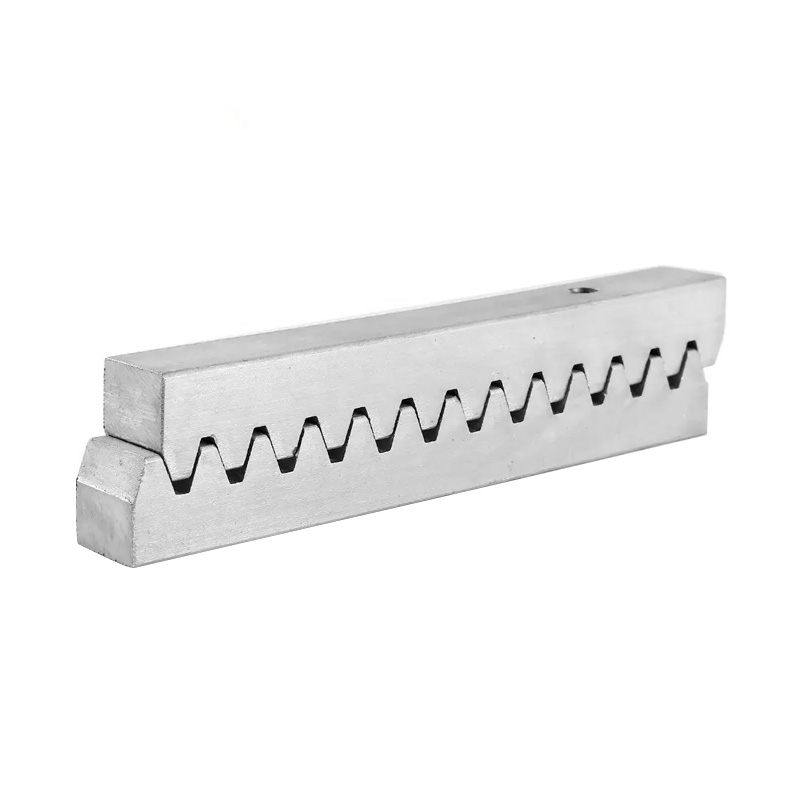
New Durable Custom Helical Gear Rack
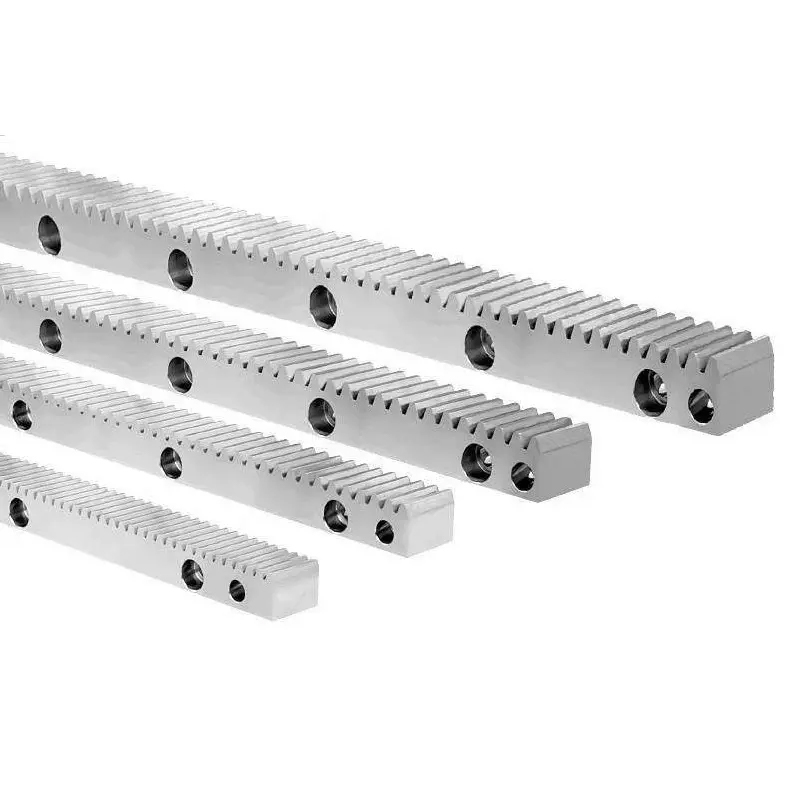
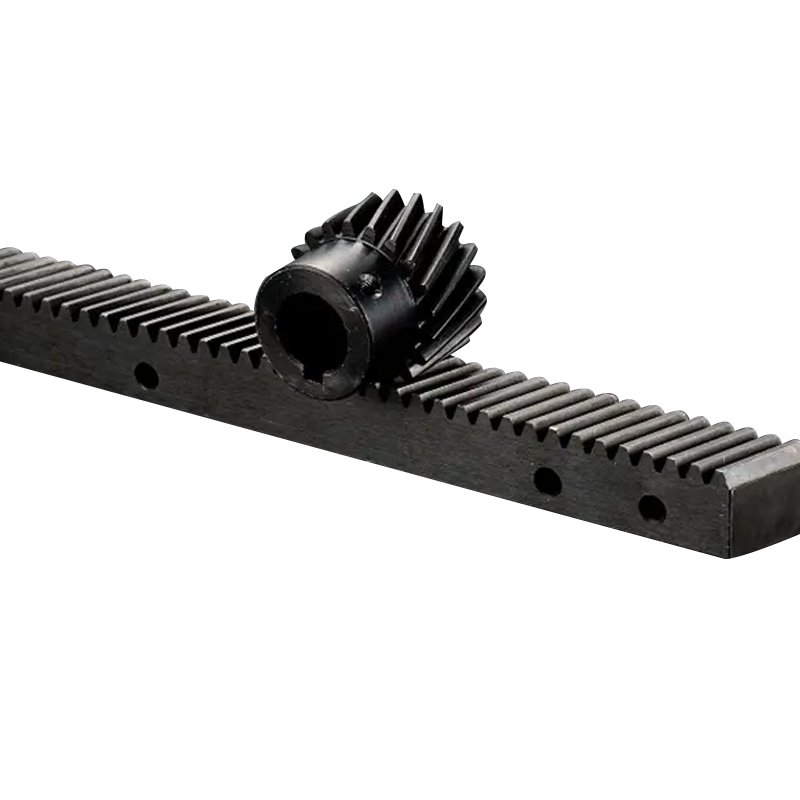
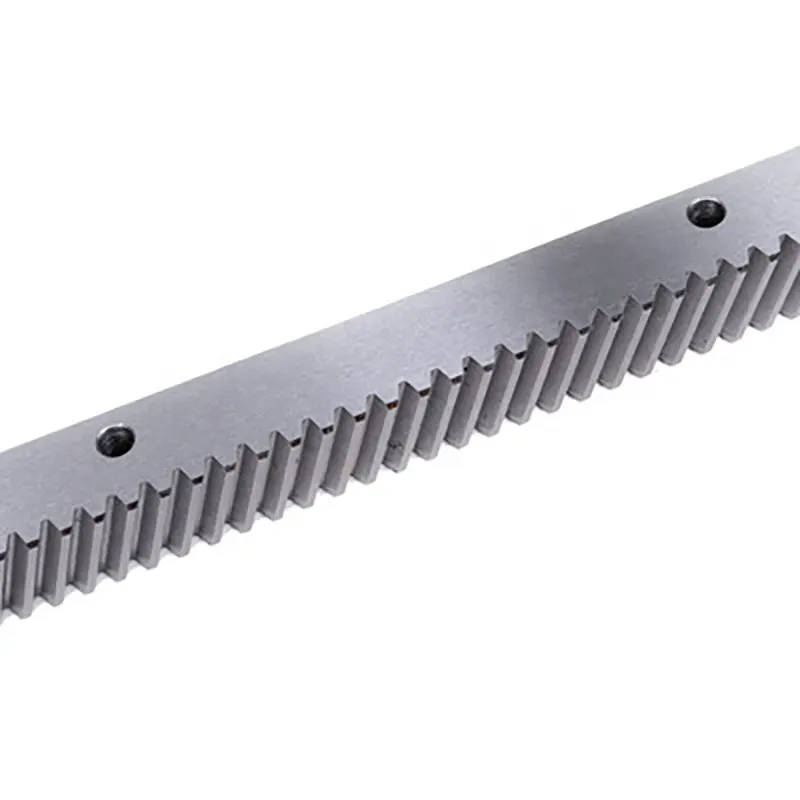
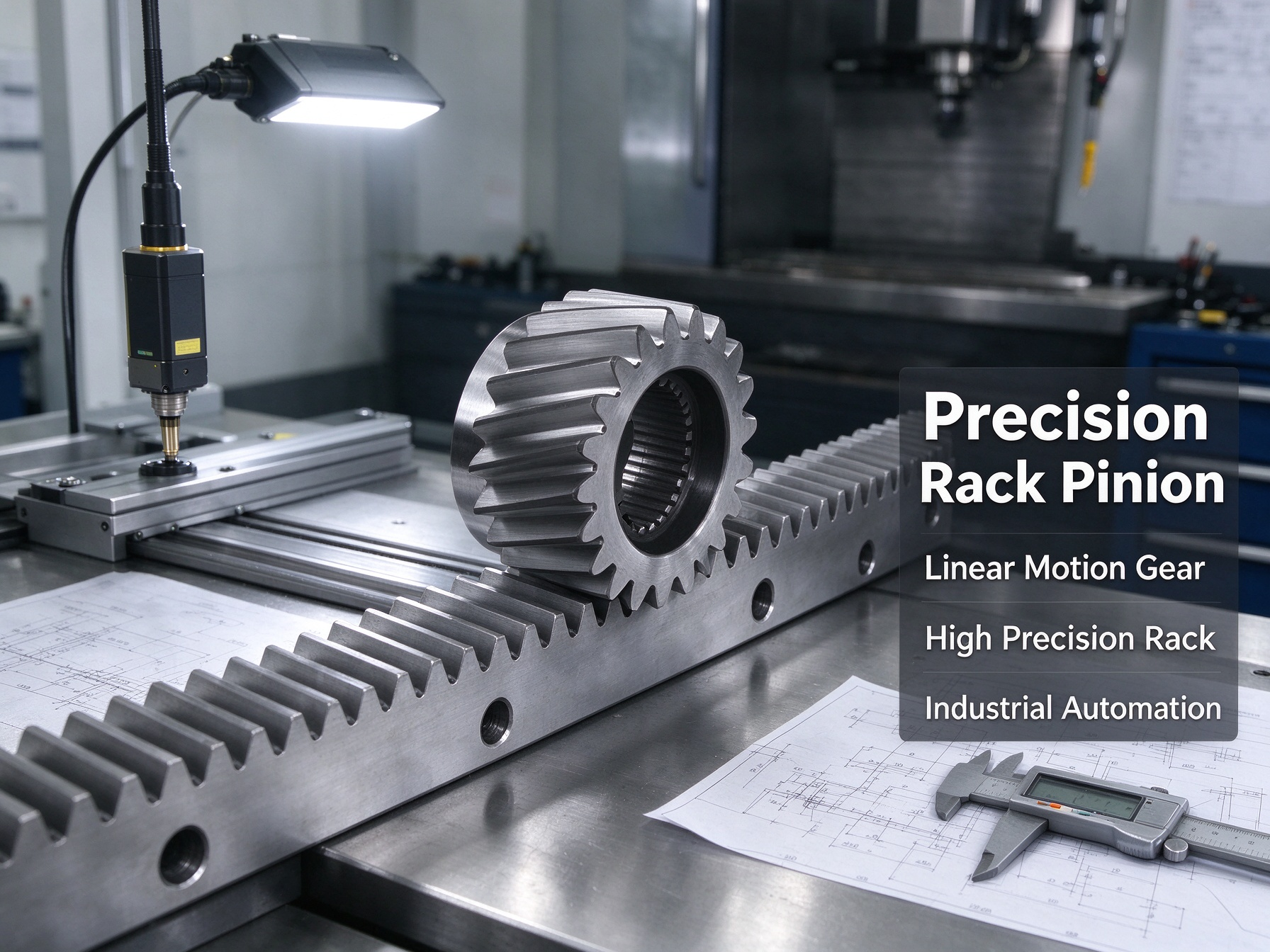
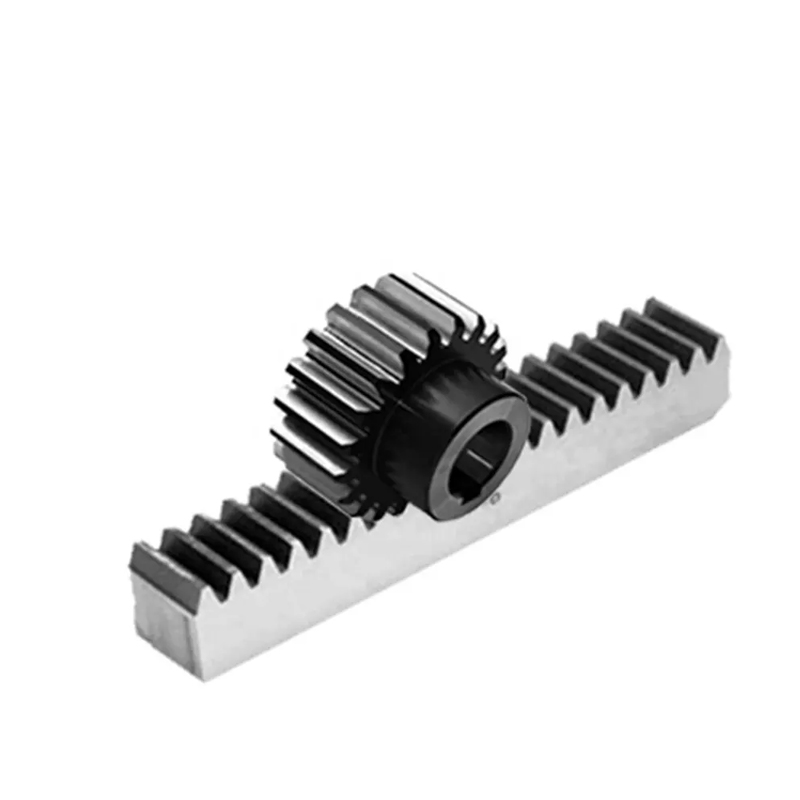
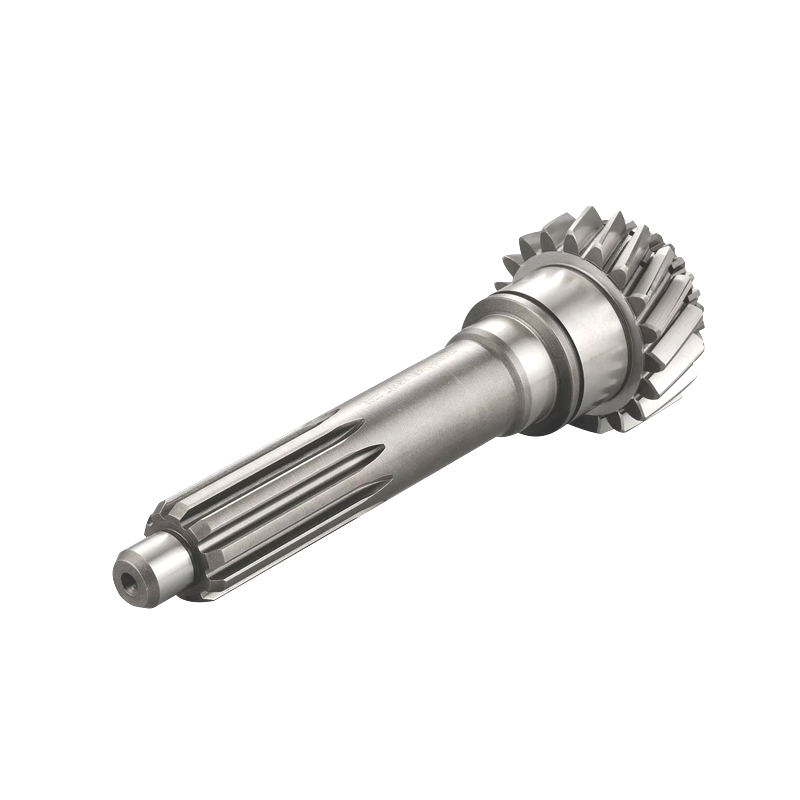
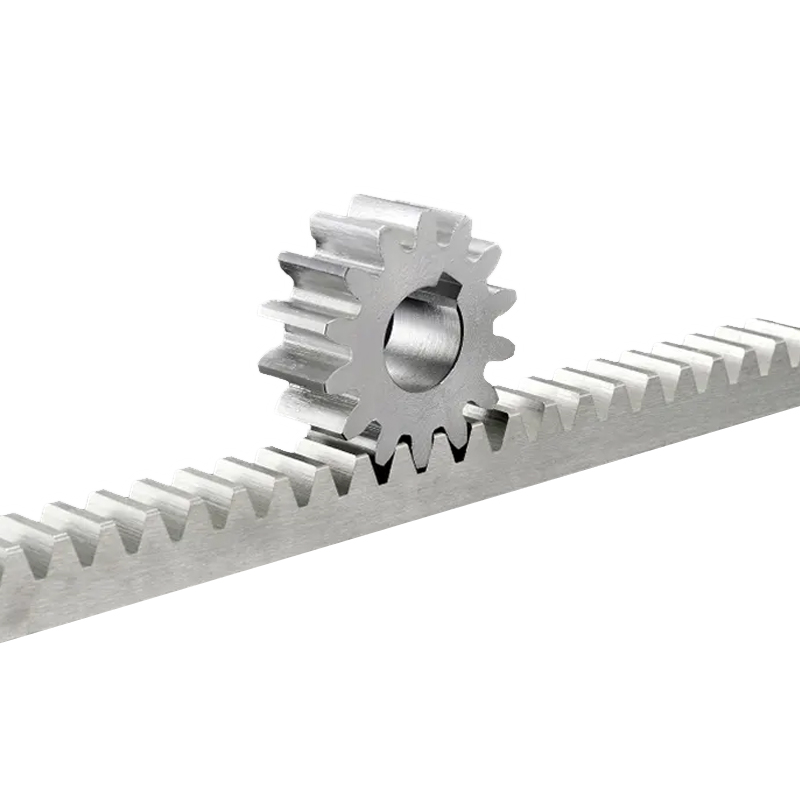
The New Durable Custom Helical Gear Rack is a fairly straightforward but important transmission part used to turn rotary motion into smooth linear movement. It works together with a helical pinion, forming a Helical Gear Rack and Pinion system that's commonly seen in CNC machines and other industrial equipment. In real use, it's not a complicated component, but it plays a steady role in keeping motion controlled, stable, and repeatable—something buyers in manufacturing and distribution usually care about more than anything else.
What It Is and How It Works
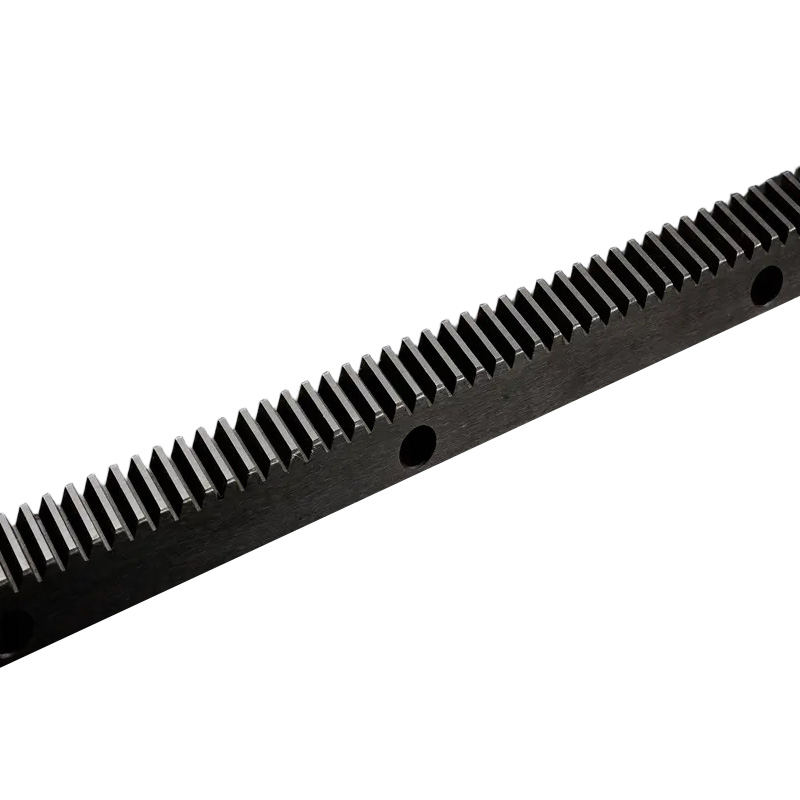
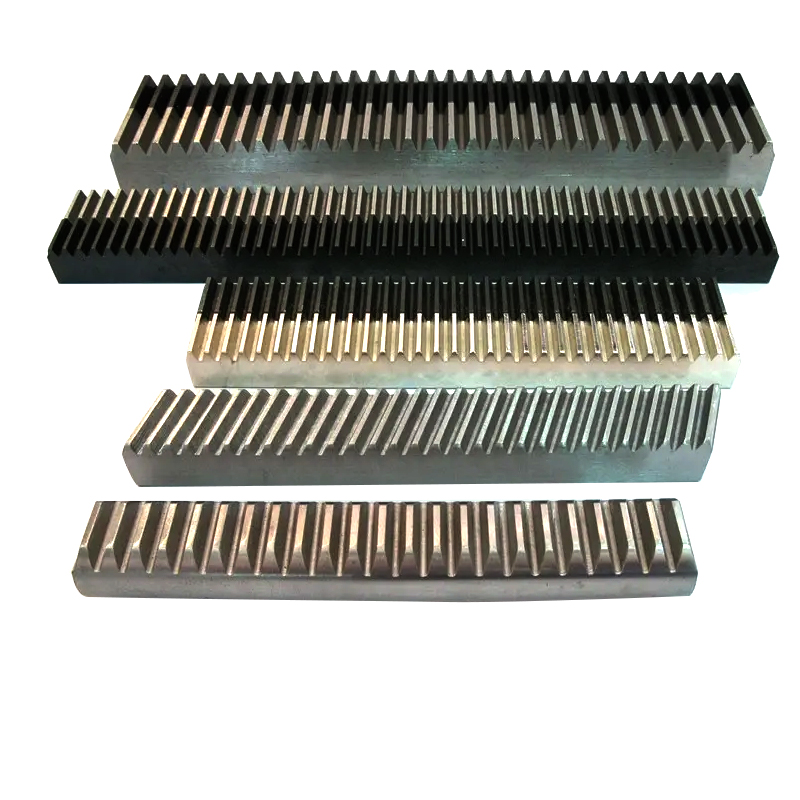
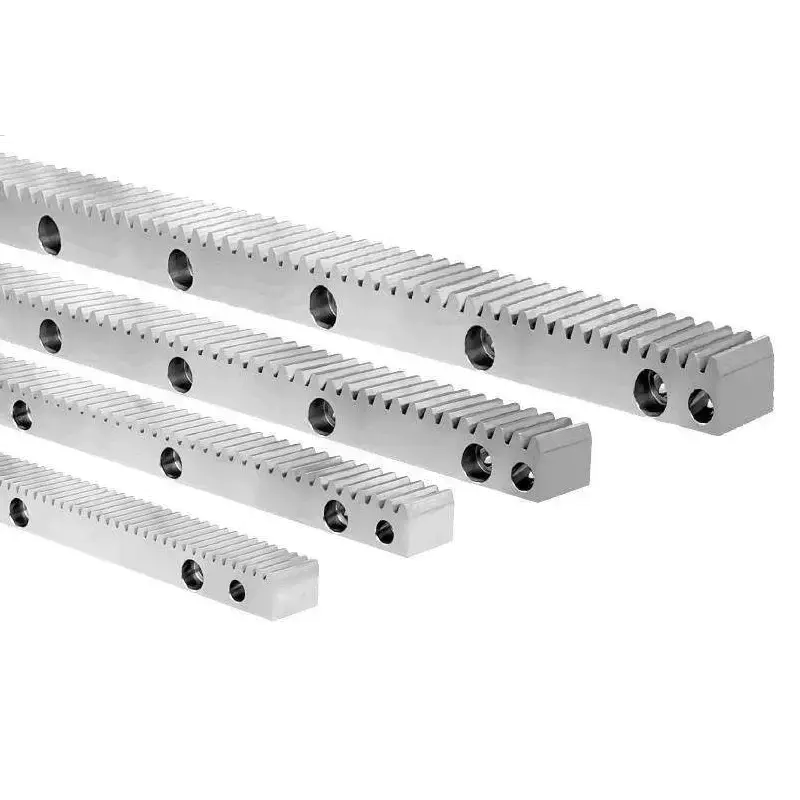
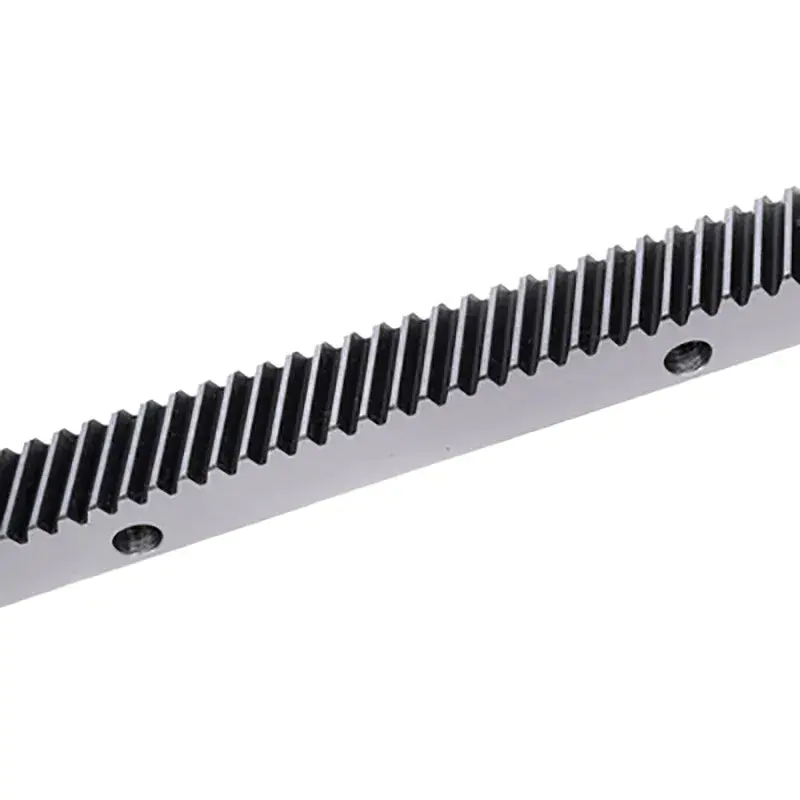
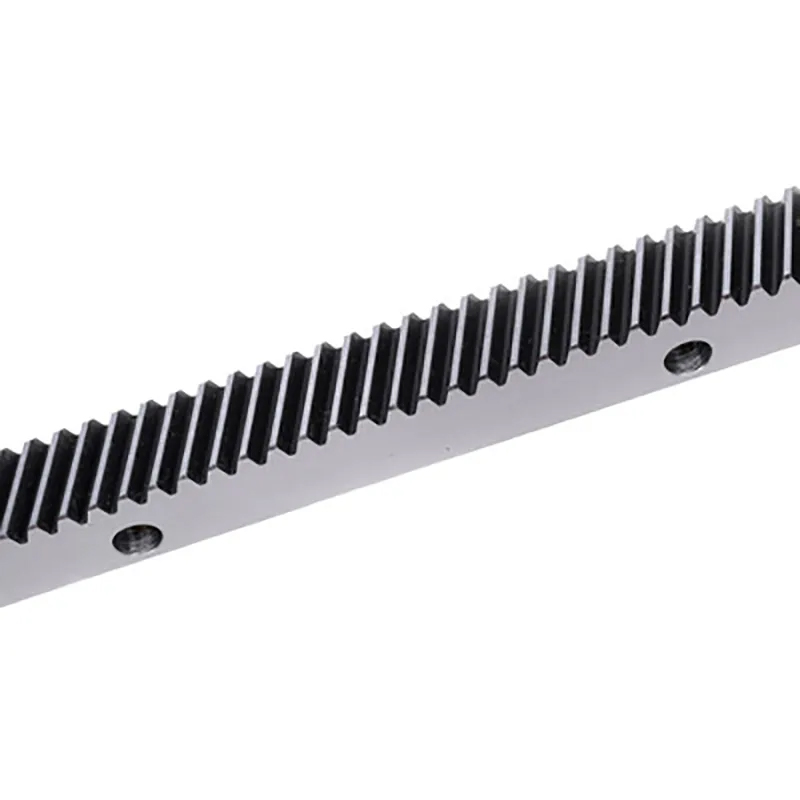
At its core, a helical gear rack is just a straight steel bar with angled teeth, designed to mesh with a matching helical pinion. Because the teeth are cut at an angle, the contact is smoother compared to straight racks, and the movement tends to feel more continuous and less “jerky.” When we say “custom,” it usually means the rack isn't one-size-fits-all—customers can adjust length, module, tooth design, or mounting style depending on their machine setup. That's why a Custom Gear Rack is often made based on drawings or specific project requirements rather than standard stock sizes.
Raw Materials and Selection
Material choice here is actually pretty practical—it depends a lot on where and how the rack will be used. Carbon steel is the most common option for general industrial setups where conditions are stable. If the application involves heavier loads or more frequent movement, alloy steel is usually chosen because it holds up better over time. And when the environment is a bit harsh—think coolant, humidity, or cleaning fluids—stainless steel becomes the safer choice.From a buyer's perspective, the key thing is consistency. If the material batch is stable, the whole Helical Gear Rack and Pinion system runs smoother and lasts longer without unexpected wear issues.
Manufacturing and Processing
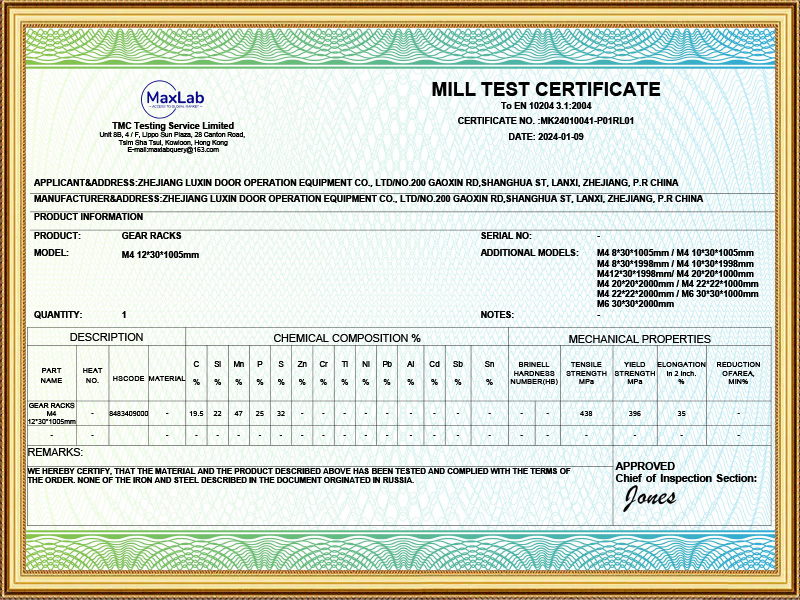
The production process is quite methodical, even though the final product looks simple. It starts with cutting steel into the required length, then the helical teeth are machined using CNC gear cutting or hobbing equipment. Getting the angle and pitch right is important here—small errors can affect how smoothly the rack runs with the pinion.After machining, heat treatment may be applied depending on the strength requirements. This helps improve hardness and reduces wear during long-term use. Then comes surface finishing, sometimes grinding, to make sure the teeth mesh cleanly and don't create unnecessary noise or resistance. Before packing, each batch is checked for basic accuracy and surface condition. Nothing too fancy—just making sure everything fits and runs the way it should.
Applications and Buyer Concerns
You'll find this kind of rack in a lot of places—CNC machines, automation lines, packaging equipment, material handling systems, and various industrial motion setups. In CNC equipment, it's often used in sliding structures or positioning mechanisms where smooth and controlled movement matters.
When buyers evaluate this product, they usually don't overcomplicate things. Cost is always part of the discussion, but what really matters is how long it lasts in real working conditions. Wear resistance, heat tolerance, and corrosion behavior are all practical concerns, especially in workshops where coolant and oil are everywhere. And honestly, packaging comes up more often than people think—long racks need proper protection during shipping, otherwise even a small bend can cause installation issues later.
Wholesale Supply and Customization Options
For wholesalers and industrial buyers, flexibility is usually the deciding factor. Most customers don't just want a standard part—they want something that fits their machine setup. That's why customization options are pretty common, including different lengths, module sizes, tooth angles, and mounting hole layouts.
OEM and ODM support is also widely requested, especially from distributors who sell under their own brand. In many cases, the rack is paired with a matching pinion as a complete Helical Gear Rack and Pinion set, so customers don't need to worry about compatibility.
Packaging can also be adjusted depending on the order—bulk packing for container shipments, or individual protection when precision and surface quality need extra care. It's all fairly flexible, depending on how the buyer plans to use or resell the product.

 English
 русский
 Español