
 English
 русский
 Español
No. 200 Gaoxin RD, Shanghua St, Lanxi, Zhejiang, P. R China
The Stainless Steel Rack Pinion Gear for Sliding Motors is a high-prec...
See DetailsA steel rack and pinion shows up in industrial machinery, automated production lines, lifting equipment, CNC systems, heavy-duty positioning applications. It turns rotational motion into linear movement, and it does that reliably across a wide range of operating conditions. But heavy loads plus repeated cycles raise a fair question: can accuracy hold up over time?
Short answer: yes—if the system is properly designed, manufactured, installed, and maintained. Steel brings high strength, wear resistance, fatigue performance. Those properties alone won't guarantee long-term accuracy, though. Load distribution, tooth geometry, lubrication, mounting rigidity, operating conditions—they all shape transmission performance.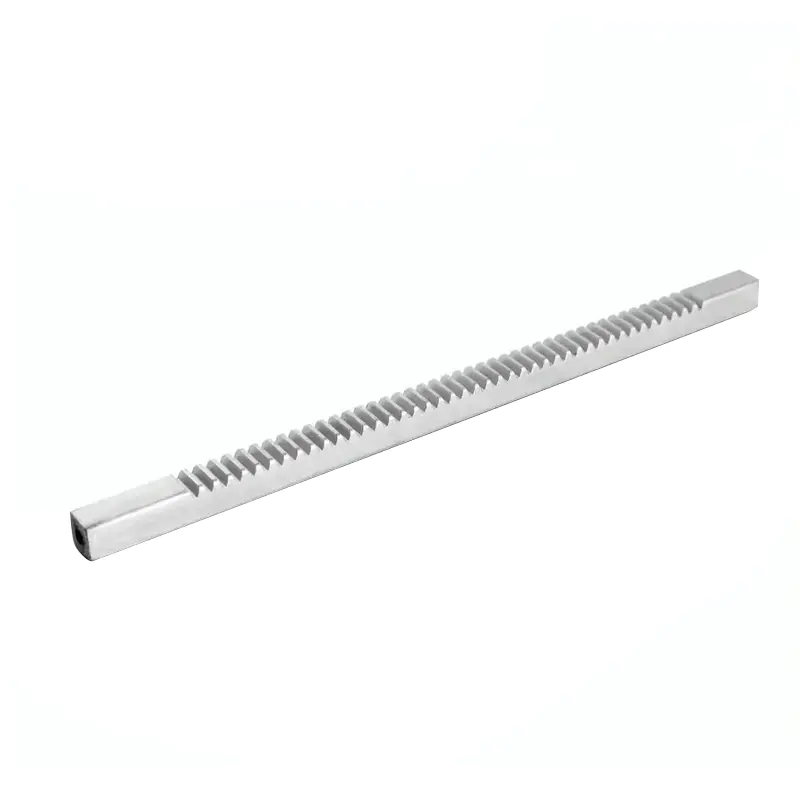
Why Steel Is Suitable for Heavy-Duty Rack and Pinion Systems
Steel is common in demanding transmission applications because it combines high load-bearing capacity with good resistance to mechanical wear. Depending on grade and heat treatment, a rack and pinion can handle substantial tooth contact forces and repeated engagement without excessive deformation.
For heavy-duty work, manufacturers may use alloy steels with hardened tooth surfaces. Surface hardening improves resistance to pitting, scoring, abrasive wear. A tougher core helps the component withstand impact and bending stresses. That combination makes steel rack and pinion systems suitable for industrial robots, material handling equipment, machine tools, large positioning platforms.
But material selection has to match actual operating requirements. A system exposed to shock loads, frequent reversals, or contaminated environments may need additional design considerations—even when high-strength steel is used. The material can only do so much.
How Heavy Loads Affect Positioning Accuracy
Heavy loads influence accuracy through several mechanical mechanisms. When a pinion drives a rack, teeth transmit force through localized contact areas. Excessive loading causes elastic deflection, increased contact stress, accelerated wear.
Elastic deformation matters in precision applications. Even if rack and pinion stay within strength limits, shaft deflection, bearing movement, mounting deformation can cause positioning errors. Another concern: tooth contact distribution. If the rack isn't mounted straight or the pinion is misaligned, load concentrates on a smaller portion of the tooth surface. Local stress goes up. Wear accelerates.
To maintain accuracy under heavy loads, evaluate the complete transmission assembly:
Design around the complete load profile. That prevents excessive deflection and premature deterioration.
Can a Steel Rack and Pinion Withstand Repeated Operating Cycles?
Repeated cycles introduce fatigue and wear considerations. Every engagement transfers force between rack and pinion teeth. Over time, repeated contact can produce surface fatigue, microscopic cracking, progressive material loss—if the system operates under unsuitable conditions.
Actual service life depends on load magnitude, load distribution, lubrication, operating speed, contamination, manufacturing quality. Frequent starts and stops increase the effects of impact loading, particularly when acceleration profiles are poorly controlled.
Heat treatment and surface finishing improve durability. Properly hardened tooth surfaces resist wear and contact fatigue. Accurate machining distributes forces more evenly across engaged teeth. But hardened teeth aren't immune to damage. Incorrect lubrication, excessive loads, poor alignment, debris contamination—they shorten service life even in a well-manufactured system. So assess both static strength and fatigue-related performance when selecting a rack and pinion for high-cycle operation.
Key Factors That Determine Long-Term Accuracy
Several factors determine whether a steel rack and pinion retains its specified accuracy throughout its operating life.
| Factor | Potential effect on accuracy | Recommended control |
|---|---|---|
| Material and heat treatment | Tooth deformation or premature wear | Select suitable steel and hardness |
| Tooth geometry | Uneven engagement and transmission error | Specify appropriate tolerances and tooth quality |
| Backlash | Positioning uncertainty during direction changes | Set and verify the required backlash |
| Mounting alignment | Localized loading and accelerated wear | Check straightness, parallelism, and alignment |
| Lubrication | Friction, overheating, and surface damage | Follow the lubricant and maintenance specifications |
| Load variation | Deflection and fatigue damage | Evaluate peak loads and dynamic forces |
| Environmental contamination | Abrasive wear and corrosion | Use suitable seals, covers, and cleaning procedures |
These factors interact. Reducing backlash may improve positioning repeatability, but an excessively tight adjustment increases friction, heat, wear. The right setup depends on accuracy requirements and operating conditions.
How Backlash and Installation Precision Influence Performance
Backlash is the clearance between mating gear teeth. In rack and pinion systems, excessive backlash creates lost motion when the drive reverses direction. That affects positioning repeatability in CNC machinery, automated handling systems, precision assembly equipment.
But backlash isn't the only source of positioning error. Tooth profile deviations, pitch errors, rack alignment, bearing clearance, structural deformation—they all influence motion accuracy.
Installation quality is essential. The rack must be mounted securely on a sufficiently rigid reference surface. Alignment and pinion engagement should be checked across the full travel distance. For systems requiring high precision, engineers may consider adjustable mounting arrangements, split-pinion designs, other backlash-compensation mechanisms. The selected solution should account for operating temperature, load direction, maintenance needs, possibility of wear over time.
Maintenance Practices That Help Preserve Accuracy
Even a correctly designed steel rack and pinion needs appropriate maintenance. Lubrication reduces friction, protects tooth surfaces from excessive wear. Lubricant type and application method should match manufacturer recommendations and the operating environment.
Routine inspections: look for abnormal tooth wear, pitting, scoring, corrosion, loose fasteners, changes in backlash. Unusual vibration, noise, temperature increases may indicate alignment problems, inadequate lubrication, excessive loading.
For high-cycle equipment, maintenance intervals should reflect actual operating conditions. Systems exposed to dust, metal particles, moisture, frequent reversals may need more frequent inspection.
Where positioning accuracy is critical, periodic measurement identifies gradual performance changes before they lead to production defects or unexpected downtime. Record backlash, repeatability, relevant wear indicators. That helps maintenance teams make evidence-based replacement decisions instead of guessing.
Choosing a Steel Rack and Pinion for Reliable Performance
A steel rack and pinion can maintain accuracy under heavy loads and repeated cycles when material properties, tooth geometry, load capacity, installation conditions are matched to the application. Selecting a suitable component requires more than comparing nominal load ratings or material hardness.
Buyers should give suppliers the operating load, travel distance, speed, acceleration, cycle frequency, environment, required positioning accuracy. Confirm manufacturing tolerances, heat treatment, inspection procedures, maintenance recommendations. The key to long-term accuracy is treating the rack and pinion as part of a complete motion transmission system. Appropriate engineering, precise installation, effective lubrication, condition-based maintenance—they work together to improve service life, reduce positioning errors, support reliable industrial operation.
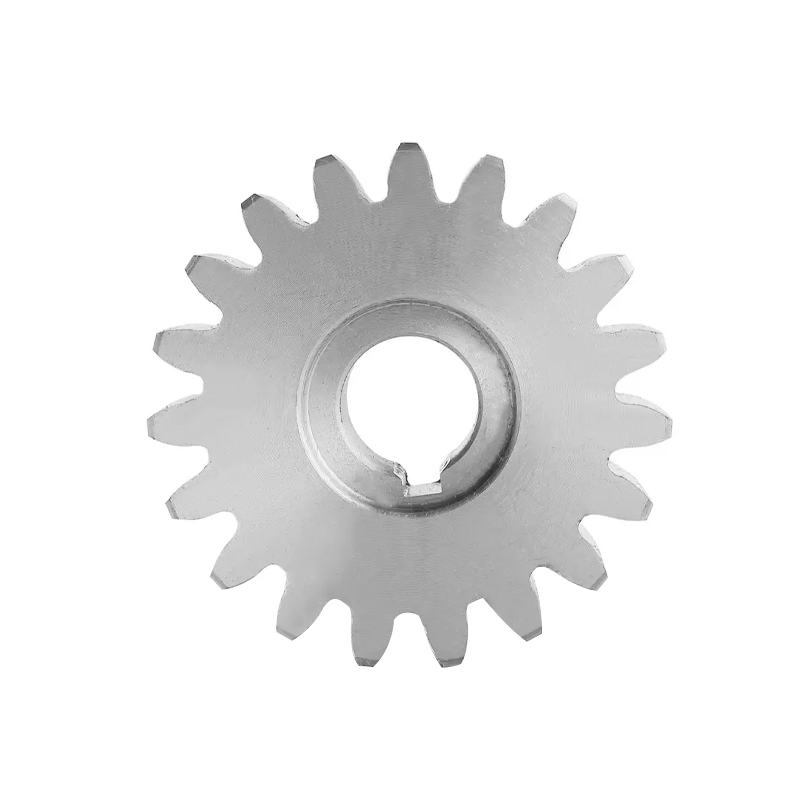
The Stainless Steel Rack Pinion Gear for Sliding Motors is a high-prec...
See Details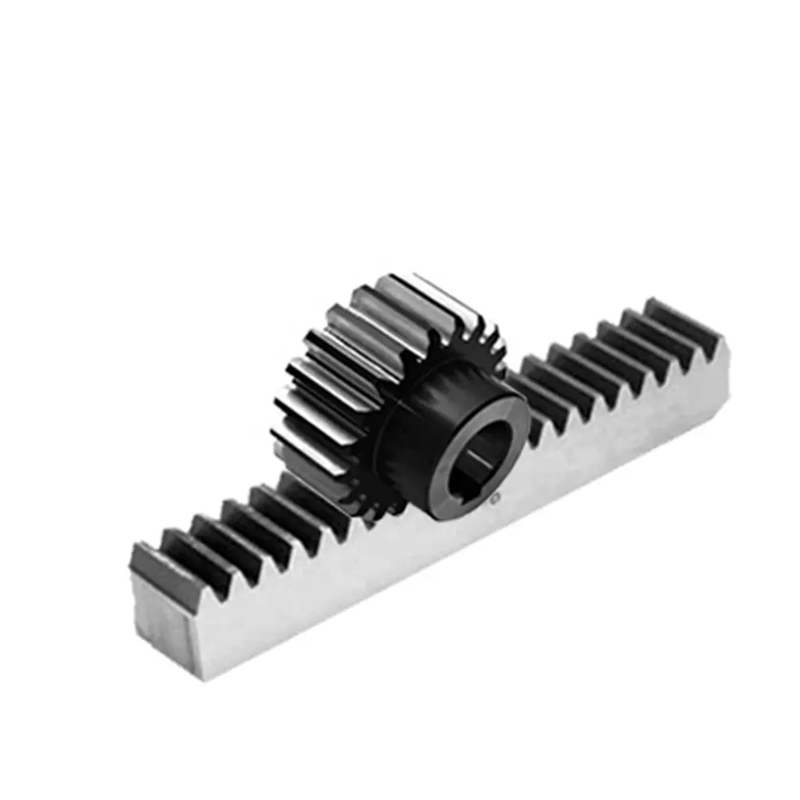
The Rack Pinion Gear for automatic door openers is a crucial component...
See Details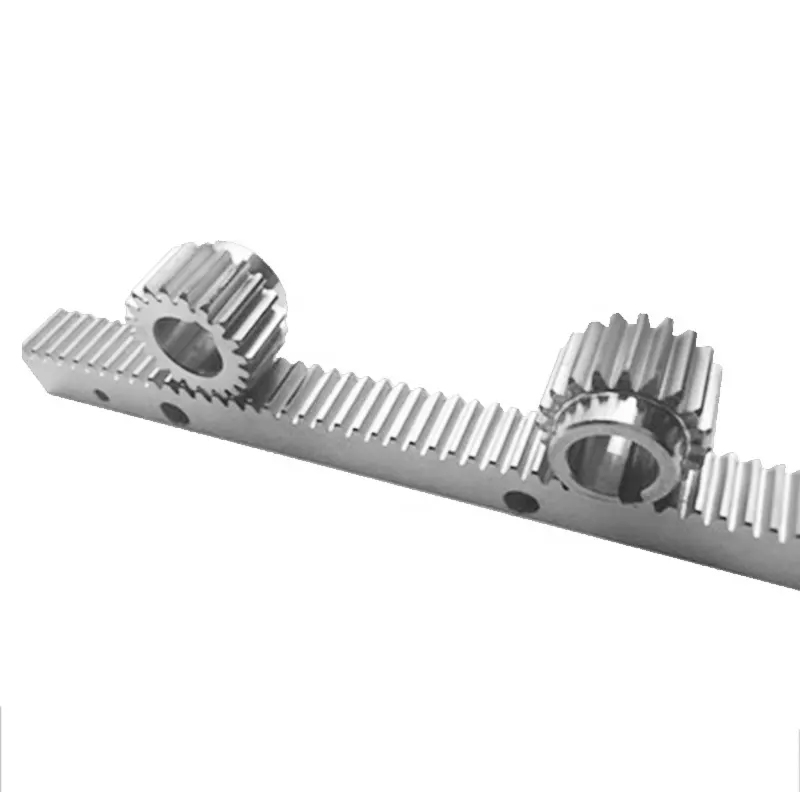
The Multiple Specifications Rack Pinion Gear is a versatile mechanical...
See Details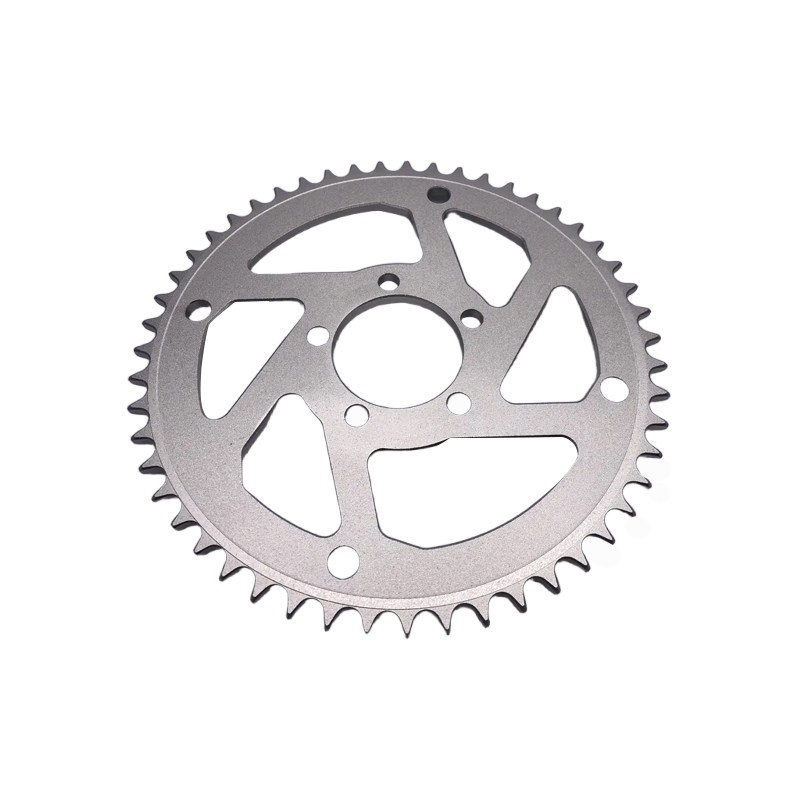
The sprocket drive wheel rack pinion gear is a critical component in v...
See Details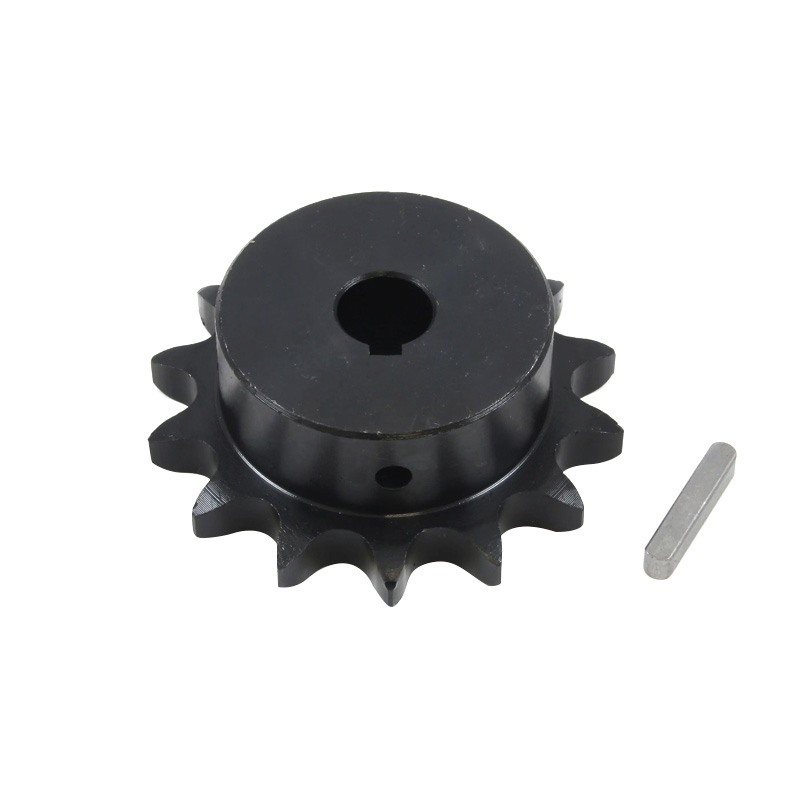
The Roller Transmission Double Plus Rack Pinion Gear is a highly effic...
See Details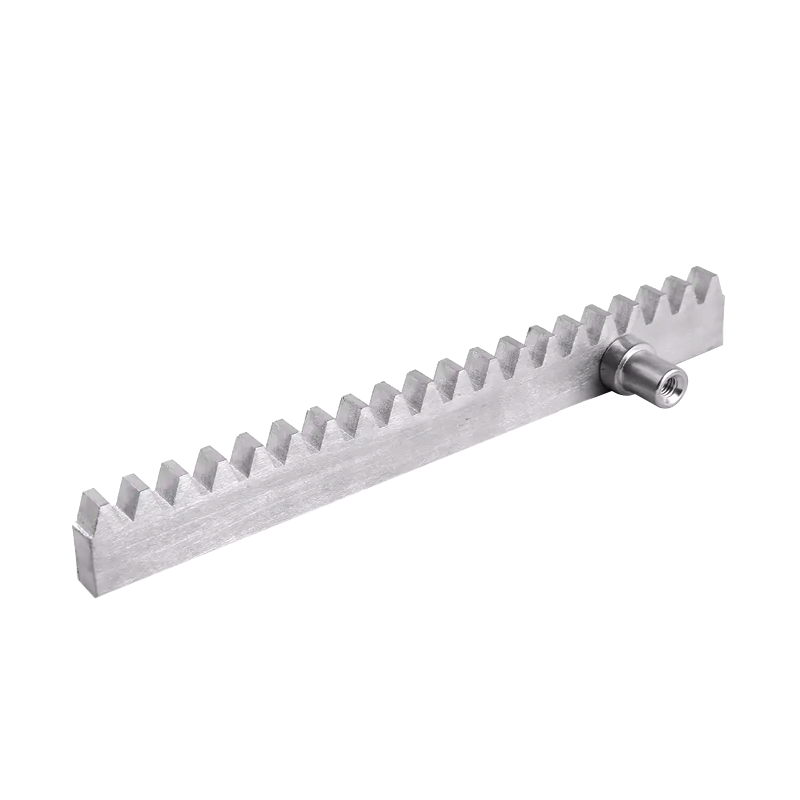
The Galvanized Sliding Door Steel Gear Rack is a robust and versatile ...
See Details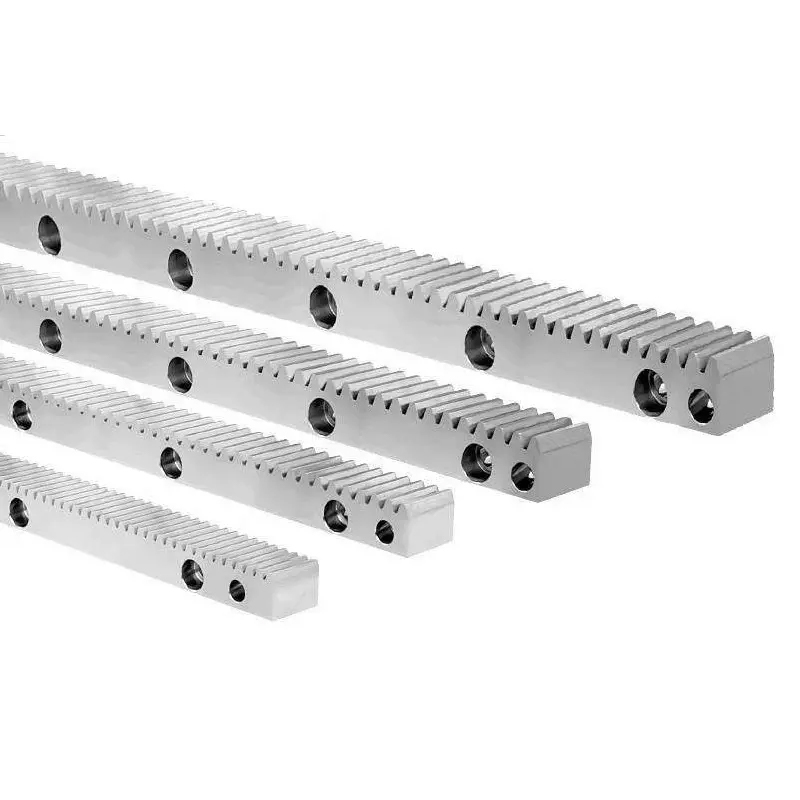
New Durable Custom Helical Gear Rack is a mechanical transmission ...
See Details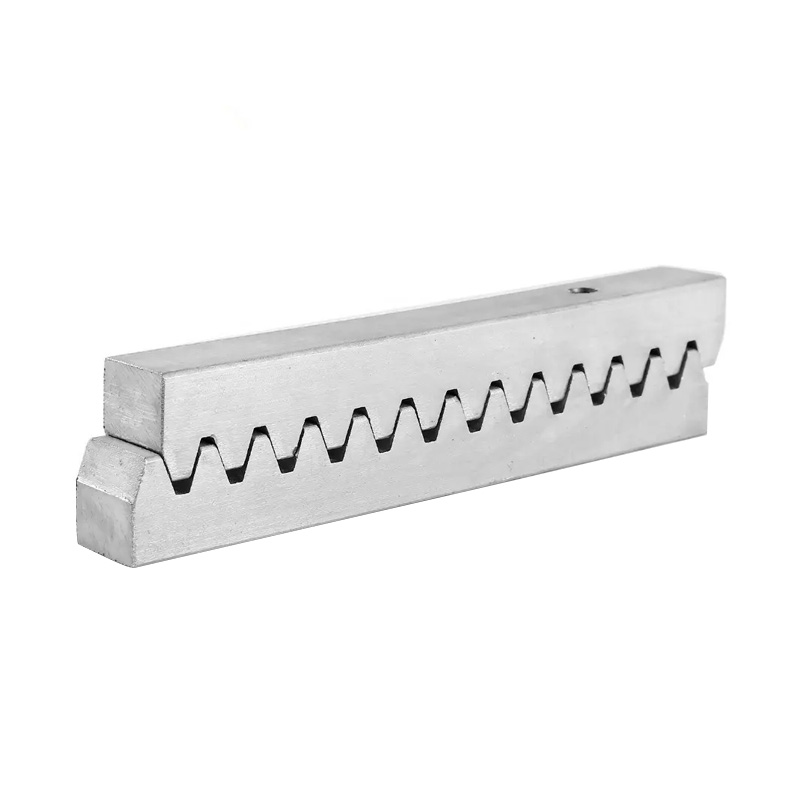
This square Linear Gear Rack has evenly spaced straight teeth down its...
See Details
