
 English
 русский
 Español
No. 200 Gaoxin RD, Shanghua St, Lanxi, Zhejiang, P. R China
The Rack Pinion Gear for automatic door openers is a crucial component...
See DetailsA sliding door gear rack takes rotary motion from a drive pinion and turns it into linear movement. That's what lets automated gates and industrial doors open and close smoothly. When everything works right, you get reliable motion and consistent positioning. But misalignment, excessive loading, contamination, unsuitable gear specs—they cause tooth skipping, jamming, abnormal noise, premature wear. For equipment manufacturers, maintenance teams, buyers—understanding these problems cuts downtime, repair costs, safety risks. Find the root cause and you can restore reliable operation instead of fighting the same failure over and over.
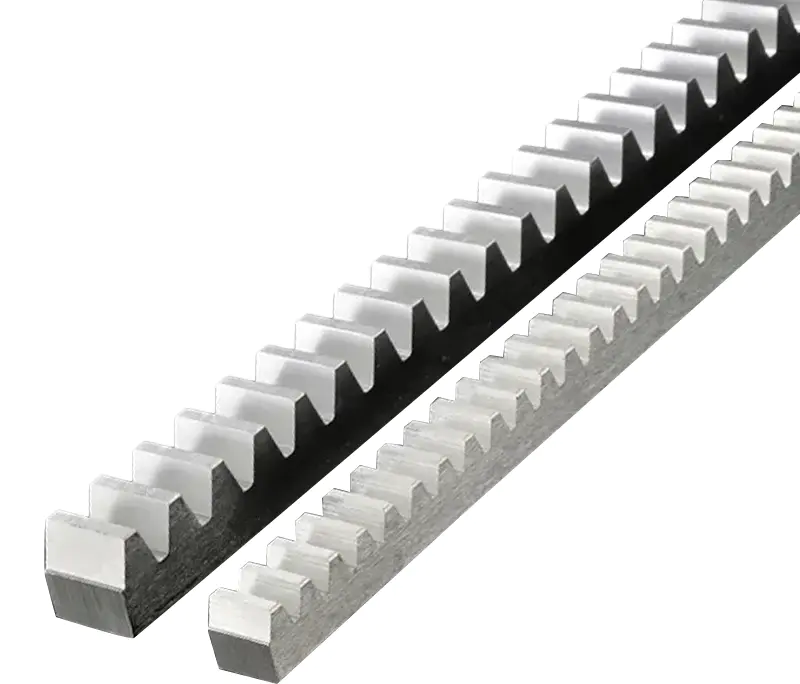
Tooth skipping happens when the pinion loses proper engagement with the rack teeth and jumps over one or more during movement. Sudden door movement, positioning errors, damage to gear surfaces—that's what follows. One common cause is incorrect rack-to-pinion spacing. Mount the rack too far from the pinion and the teeth don't engage deeply enough. Loose brackets or structural movement change the engagement distance over time.
Excessive mechanical load is another frequent culprit. Heavy doors, worn rollers, obstructed tracks, undersized drive motor—they increase the force needed to move the door beyond what the gear system was designed for. To diagnose skipping, inspect the full rack length. Check whether engagement stays consistent throughout the door's travel. Skipping in one spot may mean damaged teeth or a local alignment problem. Repeated skipping across the whole rack? That points to incorrect installation, excessive loading, incompatible gear specs.
Jamming occurs when the door hits excessive resistance and can't move normally. The rack and pinion might be responsible, but you should inspect the surrounding mechanical system too. Dust, stones, metal fragments, accumulated debris—they obstruct tooth engagement. Outdoor installations are especially vulnerable to contamination, moisture, corrosion. Bent rack sections, loose mounting hardware, damaged door rollers create similar problems.
| Symptom | Possible cause | Recommended action |
|---|---|---|
| Teeth skip under load | Incorrect engagement or excessive force | Check alignment and door resistance |
| Jamming at one location | Damaged teeth or a bent rack | Inspect the affected section |
| Grinding noise | Misalignment, contamination, or inadequate lubrication | Check tooth contact and cleanliness |
| Vibration during travel | Loose mounting or inconsistent engagement | Inspect brackets and pinion alignment |
| Rapid tooth wear | Overloading or incompatible gear specifications | Review the load and gear ratings |
| Increasing motor current | Excessive friction or mechanical obstruction | Inspect the complete drive system |
Before inspection or repair, isolate the power supply. Follow the manufacturer's maintenance and lockout procedures. Automated doors can move unexpectedly—crushing or entrapment hazards are real.
Alignment determines how forces distribute across meshing teeth. When the rack isn't straight or parallel to the pinion's travel path, contact concentrates on only part of the tooth surface. Uneven loading increases local stress and accelerates wear. It also causes excessive noise, vibration, damage to the tooth profile.
During installation, verify the rack is securely supported and positioned according to the manufacturer's specified engagement distance. When several rack sections are joined, tooth spacing and alignment must stay consistent across each joint. Mounting bolts and brackets must withstand repeated operating forces without loosening. For long sliding doors, inspect alignment throughout the entire travel range. A rack that meshes fine at one end may bind at the other.
A Sliding Door Gear Rack must be compatible with the pinion and the mechanical requirements of the door system. Module, pressure angle, tooth profile, material, manufacturing accuracy—they all influence engagement and service life. Rack and pinion need matching module and compatible tooth geometry. Incorrect specs cause poor contact, excess backlash, noise, premature tooth damage.
Material selection matters too. Steel racks are common in demanding applications—high strength, wear resistance. Other materials may suit lighter-duty systems or specific environmental requirements. Verify tooth dimensions, material specs, load ratings, compatibility with the existing pinion before ordering replacement parts. Systems operating frequently or supporting heavy doors need particular attention to starting loads, acceleration, duty cycle.
Friction between meshing teeth contributes to wear, especially when the system runs often or carries substantial loads. Appropriate lubrication reduces friction and protects contact surfaces. But lubricant selection must match gear material and operating environment. Excess lubricant collects dust and debris. Insufficient lubrication accelerates wear. Follow the manufacturer's recommendations for lubricant type, application quantity, maintenance intervals.
Outdoor systems also need protection against moisture and corrosion. During routine inspections, look for rust, pitting, chipped teeth, abnormal surface polishing, uneven wear patterns. These signs help distinguish lubrication problems from alignment or overloading issues.
Preventive maintenance should address the entire door system, not just the rack. First, inspect the track, rollers, bearings, guides. Excessive rolling resistance increases load on the motor and gear mechanism. Correcting these problems prevents unnecessary stress on the rack and pinion. Next, inspect rack mounting points, tooth condition, engagement throughout the travel path. Replace damaged components and correct alignment problems promptly.
Finally, monitor changes in operating behavior. Increasing noise, slower travel, repeated stopping, abnormal vibration—they may indicate developing mechanical problems. Record inspection findings. Investigate recurring faults instead of repeatedly resetting the controller. Maintenance frequency should reflect manufacturer recommendations, daily operating cycles, environmental conditions. Industrial doors used continuously may need more frequent inspections than residential systems.
A dependable sliding door drive needs compatible gear specs, accurate installation, suitable lubrication, manageable operating loads. Tooth skipping often indicates engagement or loading problems. Jamming may result from contamination, misalignment, or resistance elsewhere in the door mechanism. Before purchasing replacement components, confirm rack dimensions, tooth geometry, material, load capacity, compatibility with the existing pinion. Regular inspections and timely corrective maintenance minimize unexpected downtime and maintain safe, consistent door operation.
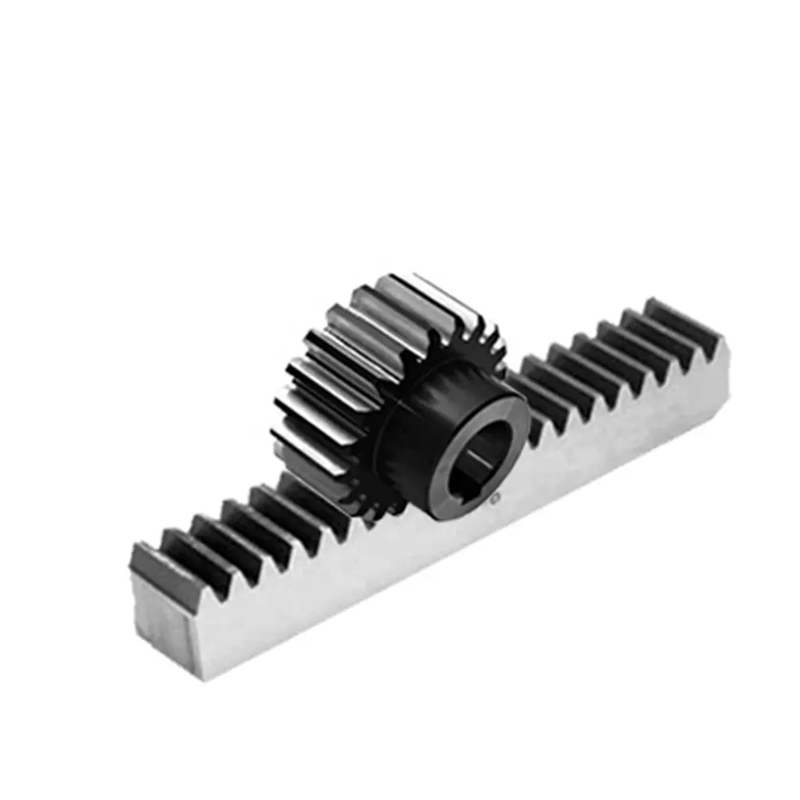
The Rack Pinion Gear for automatic door openers is a crucial component...
See Details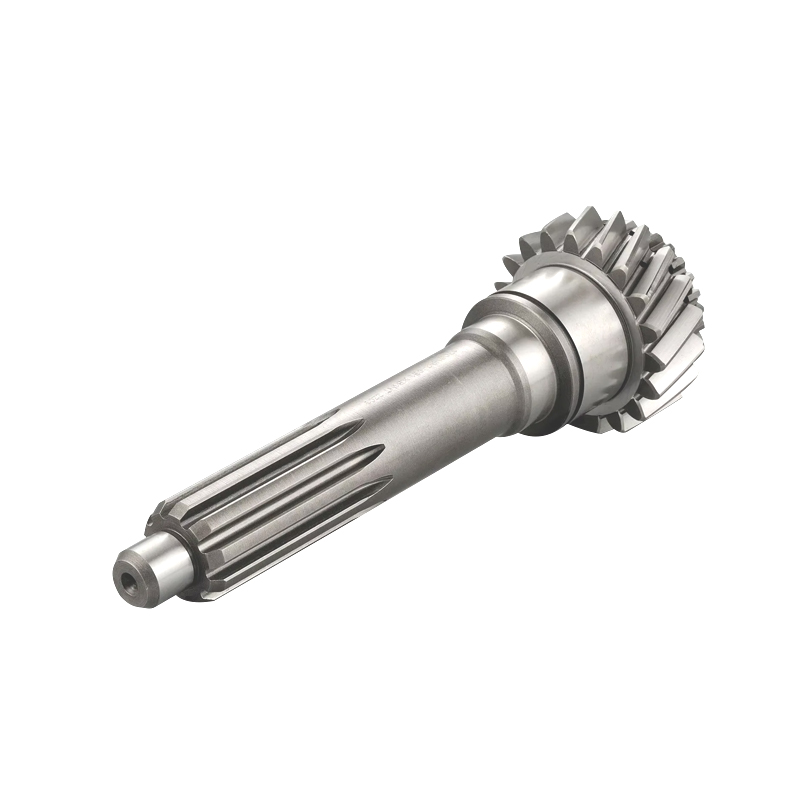
The rust-proof high-precision rack pinion gear is a critical component...
See Details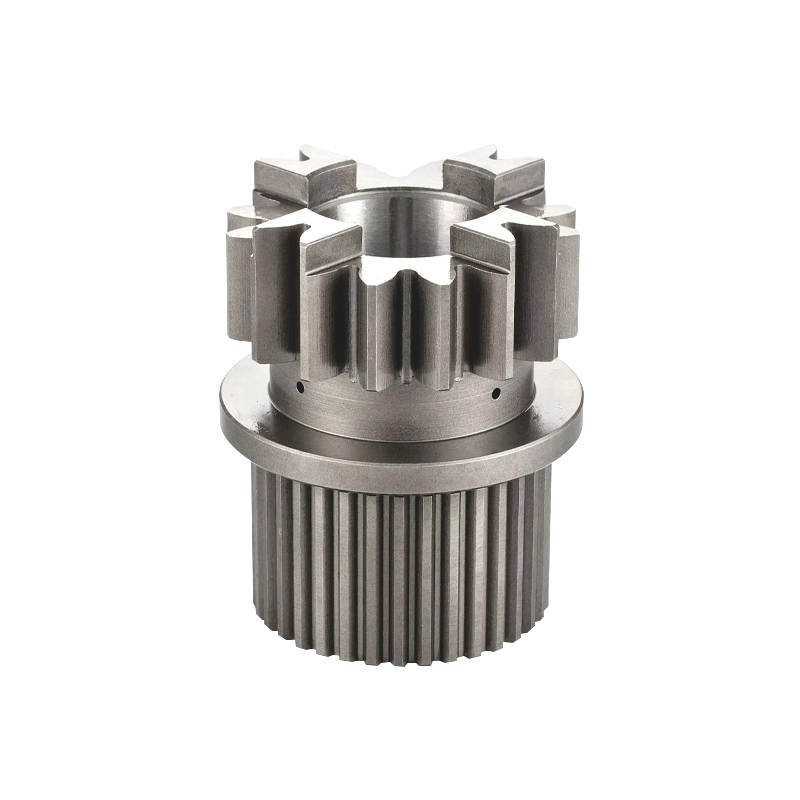
The Gearbox Steering Rack Pinion Gear is a fundamental component in mo...
See Details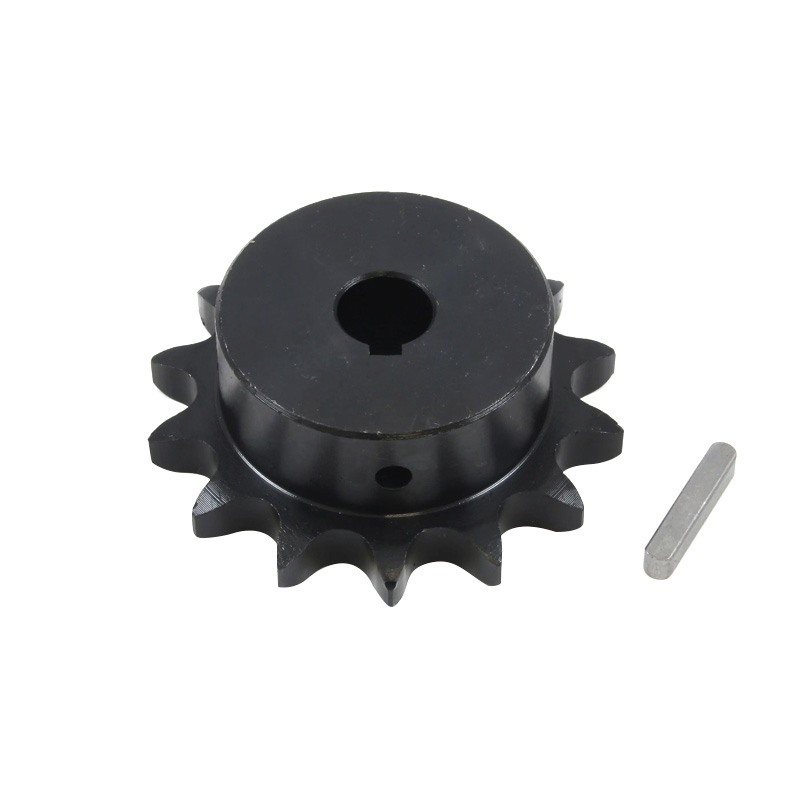
The Roller Transmission Double Plus Rack Pinion Gear is a highly effic...
See Details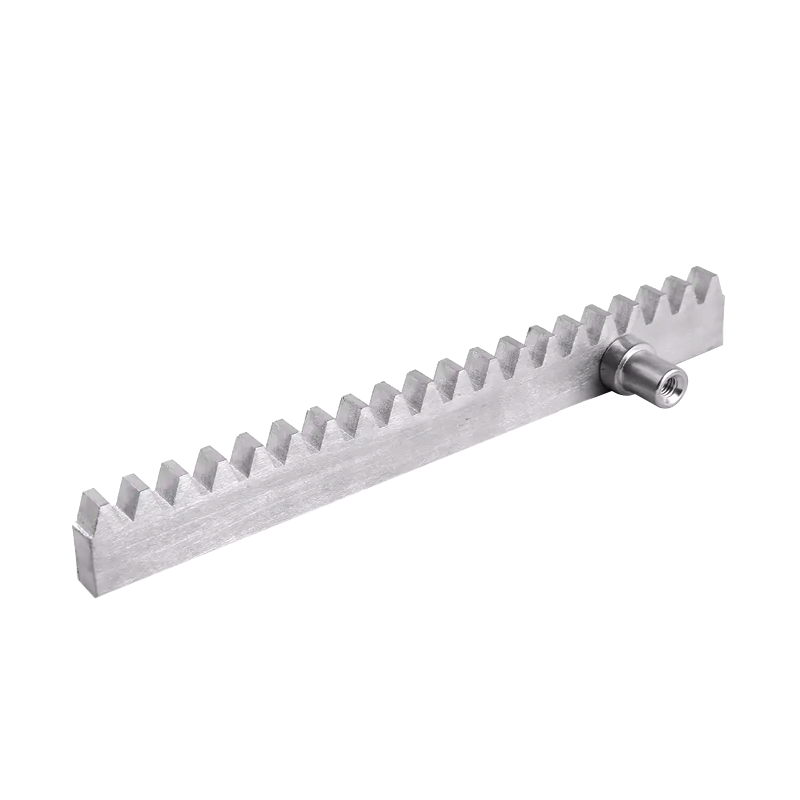
The Galvanized Sliding Door Steel Gear Rack is a robust and versatile ...
See Details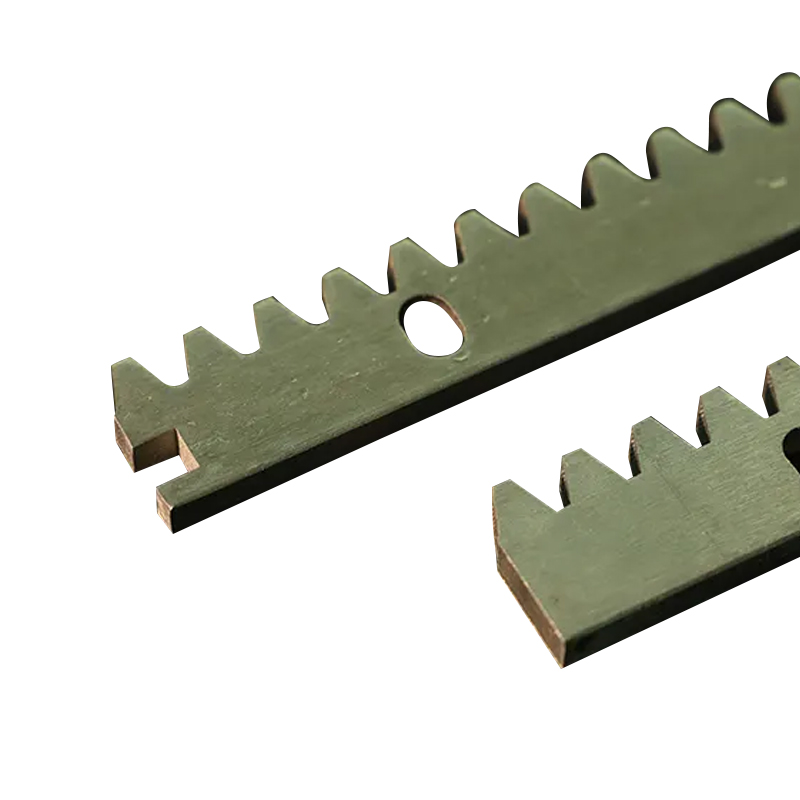
The Metal Steel Gear Rack for Sliding Door Operators is a crucial comp...
See Details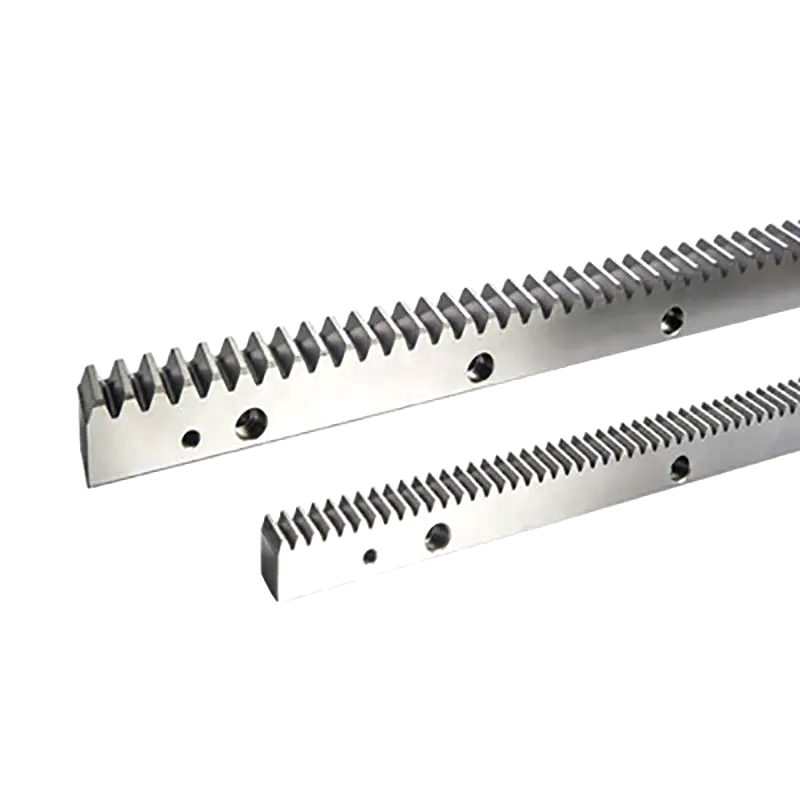
The Widely Used Operational Sliding Door Steel Gear Rack is a critical...
See Details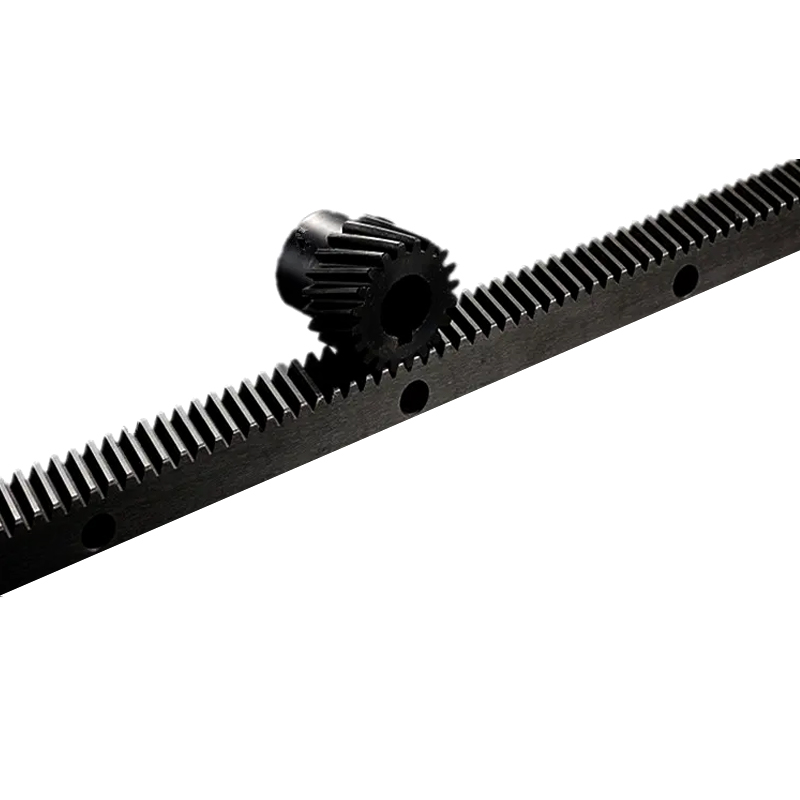
Linear precision guides helical gear rack is a transmission component ...
See Details
