
 English
 русский
 Español
No. 200 Gaoxin RD, Shanghua St, Lanxi, Zhejiang, P. R China
The Sliding Doors Steel Rack Pinion Gear is a critical component in va...
See DetailsAn automatic gate may look genuinely simple from the outside, rolling open at the touch of a button. A motor moves the gate, while a gear rack transfers that movement along the gate structure. In practice, these two parts need to work together as one system, not as separate purchases bolted together afterward. If the rack and motor aren't properly matched, the gate may move unevenly, make unnecessary noise, or place extra stress on the drive system with every open and close.
Engineers therefore look genuinely beyond the motor itself when planning an automatic gate. They consider the gate structure, movement path, rack material, motor output, mounting position, and expected operating conditions together. The rack needs to receive the motor's movement smoothly while remaining securely attached to the gate throughout its travel.
This relationship becomes particularly important when choosing Gate Rack Nylon for sliding gates. Nylon racks can provide a practical option for certain gate systems, while metal racks may suit other applications entirely. The right choice depends on how the complete transmission system is expected to operate day after day.
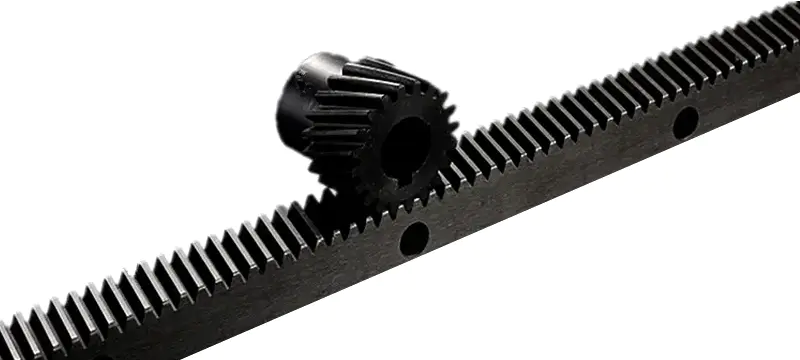
A gate drive motor creates the movement needed to open and close the gate. The gear rack transfers that movement along the gate, allowing the gate to travel, rather than simply rotating around a fixed point like a hinge.
Because the two components work together, one can't get selected independently without considering the other alongside it.
| Matching Factor | Why It Matters |
|---|---|
| Gate structure | Influences the force needed to move the gate |
| Gate movement | Determines how the rack travels with the gate |
| Motor output | Provides the movement needed for operation |
| Rack material | Affects contact, wear, and handling |
| Rack mounting | Keeps the rack aligned with the drive gear |
| Operating environment | Can influence material and maintenance choices |
The aim is creating a system in which the motor can move the gate without unnecessary resistance fighting back. The rack also needs to remain properly positioned throughout repeated opening and closing cycles across months of use. A suitable match is therefore genuinely about the complete system, rather than a single product specification picked in isolation.
Gate weight is a genuinely important part of the selection process because a heavier structure generally requires more effort to move through its arc. Engineers also consider how that weight gets supported along the way. A sliding gate that moves smoothly along suitable rollers may require a genuinely different drive arrangement from a gate that experiences greater resistance along its travel path.
The rack needs to transfer the motor's movement without becoming the source of additional resistance itself. This creates a connection between the gate structure and the transmission system as a whole. If the gate doesn't move freely on its own, simply choosing a larger motor may not address the actual problem underneath.
A practical evaluation can consider gate construction alongside the gate movement path and support condition. Starting resistance matters too, along with repeated operating cycles and rack mounting condition. The motor and rack can then get selected as parts of the same operating system, which also helps prevent unnecessary component selection down the line. A system should be designed around the actual gate, rather than assuming one rack and motor combination will suit every installation on the block.
Not every automatic gate moves in exactly the same way through its cycle. Sliding gates usually travel along a defined path, while other gate structures may use genuinely different movement arrangements entirely.
For sliding gate systems, the rack follows the gate as it moves along its track. The motor remains in a fixed position, and its drive gear engages with the rack passing by. The relationship can get visualized simply: motor movement drives the drive gear, which engages the gear rack, which produces gate movement.
The rack therefore needs to remain aligned with the drive gear throughout the gate's entire travel. If the rack changes position or height during movement, the connection between the motor and rack can become genuinely less consistent, which can affect movement and create additional wear over time. Engineers consider the entire travel path before deciding how the rack should get positioned along it.
Gate Rack Nylon gets used in some automatic gate applications where a lighter rack material and practical handling prove useful during installation day. Nylon racks can be genuinely easier to handle than heavier metal alternatives when a crew is working overhead. Their material characteristics can also influence how the rack interacts with the drive gear during normal operation cycle after cycle.
However, nylon shouldn't automatically get treated as suitable for every gate on a job list. The intended gate application matters considerably, and the gate's structure, operating conditions, installation environment, and expected use should all get considered together.
| Consideration | Question for Selection |
|---|---|
| Gate structure | Is the rack suitable for the gate design? |
| Drive system | Can the motor engage with the rack properly? |
| Installation | Can the rack be mounted securely? |
| Environment | Does the material suit the location? |
| Maintenance | Can the rack be inspected and replaced easily? |
The value of a nylon rack comes from how it fits the complete system around it. It should get evaluated as part of the gate transmission arrangement, rather than as a separate component picked off a shelf.
Metal racks can get used where the application calls for a genuinely different material approach entirely. An automatic gate may operate in a demanding environment or have a structure that requires a particular rack construction to hold up. In such cases, engineers may compare material options according to the gate's operating conditions on site.
The comparison isn't simply about which material is stronger on paper. A rack also needs to work with the motor's drive gear, fit the gate structure, and remain properly aligned during movement over years of use. Metal can provide a different combination of rigidity, weight, handling, and installation requirements, while nylon may offer genuinely different practical characteristics worth weighing.
The choice should therefore come from the complete application at hand. For suppliers and buyers, it proves useful to describe the intended gate system clearly, rather than asking for a rack based only on material preference.
The motor needs to provide enough turning force to move the gate through its full operating path, start to finish. Engineers consider the resistance created by the gate and the transmission system together when selecting the motor. They also consider what happens when the gate begins moving, since starting movement can feel genuinely different from maintaining movement once underway.
The rack must be able to receive this force through the drive gear without slipping. If the motor and rack are poorly matched, the system may experience unnecessary stress building up over cycles. A rack that doesn't fit the drive gear properly can also interrupt movement, even when the motor itself is suitable on its own.
This is why motor selection should stay linked to rack selection throughout planning. Instead of asking only which motor should be used, engineers can ask a broader question: what motor and rack combination can move this gate smoothly under its expected conditions? That question creates a genuinely more useful starting point for system planning.
Alignment is one of the practical details that can determine how smoothly an automatic gate moves through its arc. The rack needs to remain in a suitable position relative to the motor's drive gear at every point. If the rack sits too high, too low, or uneven along the gate, contact can change as the gate travels along its path.
A small installation issue can therefore become genuinely noticeable across repeated movements over weeks. Engineers and installers may check rack height along the gate, along with distance between the rack and drive gear. Straightness of the mounting line matters too, along with connection between rack sections and movement across the full gate path.
The rack should form a consistent path for the drive gear to follow. Proper alignment also helps make inspection genuinely easier later, since a clearly installed rack gives maintenance workers a more practical starting point for checking the system.
A gate may require several rack sections, rather than one continuous piece stretching the full length. When sections get joined, the connection between them needs genuine attention during installation. The drive gear should be able to move from one section to the next without encountering a sudden change in position that catches or grinds.
Poorly joined sections can create genuinely uneven movement across the gate's travel. The transition between sections should therefore get considered during installation, with the rack following a consistent line and each section secured according to the product's intended mounting method.
For buyers, section design can also influence installation time and storage space back at the shop. A product that's easy to handle and connect can prove genuinely useful when installers are working with large gates or limited working space on site.
A Nylon Gear Rack Factory needs to consider the complete application when producing racks for automatic gates, not just the material spec sheet. Material preparation, rack shape, tooth formation, mounting features, and inspection all affect how the finished product works with a gate drive system once installed.
Production consistency matters genuinely here because the rack needs to maintain a suitable shape along its working surface from end to end. Differences between sections can affect how the drive gear interacts with the rack as it passes over each one.
Factory inspection can therefore include tooth condition alongside rack straightness and mounting features. Surface condition matters too, along with section connection and overall appearance before shipment. The manufacturing process also needs to consider how the rack will get handled after production leaves the floor.
Packaging should protect the rack from unnecessary bending, impact, or damage during transportation to a job site. Clear product identification can also help buyers distinguish different rack types during storage in a warehouse.
A Helical Gear Rack Factory works with a genuinely different rack arrangement from a straight rack design. The tooth direction and engagement pattern can affect how the rack interacts with the matching drive gear as it turns.
This means buyers need to consider the drive system when selecting a helical rack for their project. A helical rack shouldn't simply get substituted for another rack because the dimensions appear similar on a spec sheet. The motor drive gear and rack need to get designed to work together from the outset.
The mounting arrangement also remains genuinely important throughout. The rack needs to follow the gate's movement path while maintaining suitable contact with the drive gear passing over it. For procurement teams, clear communication with a Helical Gear Rack Factory can help confirm whether the rack suits the proposed gate drive system before an order goes out.
An automatic gate installed at a residential entrance may experience genuinely different conditions from one used at a commercial property or industrial site nearby. Outdoor gates may face rain, dust, sunlight, temperature changes, and accumulated dirt around the moving structure over a full year of seasons.
These conditions can genuinely influence rack material and maintenance requirements down the line. Nylon racks may get considered for applications where their material characteristics fit the environment well, while metal racks may get selected for other situations facing harsher conditions.
The motor housing and electrical components also need to suit their surroundings just as much. A rack can't compensate for an unsuitable motor installation, just as a suitable motor can't correct a poorly positioned rack sitting beside it. The complete gate system needs to get considered together, not piece by piece.
Even a suitable rack and motor can perform genuinely poorly when installation isn't handled carefully on site. The gate should move along its intended path without unnecessary resistance dragging on it. The rack should be securely attached, and the drive gear should remain correctly positioned in relation to the rack passing by.
Installers can review the system as a complete assembly, rather than checking each part separately in isolation. A practical installation sequence may inspect the gate movement path first, then position the motor according to the gate design. Mounting the rack along the intended travel line comes next, followed by checking the rack and drive gear relationship. Moving the gate through its operating path tests the work, and inspecting for unusual resistance or uneven movement closes out the sequence.
Testing the gate through its complete movement can reveal issues that aren't obvious when the gate sits stationary and still. This makes installation a genuinely important part of rack and motor matching, not an afterthought once parts arrive.
Matching the components is only part of the system's working life stretching ahead. The rack and motor continue to interact every single time the gate opens or closes throughout the week. Dirt, loose mounting points, wear, or changes in alignment can affect that relationship genuinely over time, even after a clean install.
Routine inspection can help identify visible changes before they become genuinely larger maintenance problems down the road. Operators may check whether the gate moves differently from its usual pattern, along with looking for loose rack sections, unusual contact marks, damaged mounting areas, or changes around the motor housing.
Maintenance teams can keep records of replacement parts and installation details as they go. This information can make future procurement genuinely easier because the team already knows which rack and motor arrangement has been used on that specific gate.
B2B buyers often need genuinely more than a product name when sourcing gate transmission components for a project. Useful questions can focus on application, compatibility, installation, material, and production support together.
| Buyer Question | Procurement Purpose |
|---|---|
| Which gate applications is the rack designed for? | Confirms intended use |
| Which drive gear should match the rack? | Supports motor compatibility |
| How are rack sections connected? | Helps plan installation |
| What material options are available? | Supports application selection |
| How are finished racks inspected? | Understands production control |
| Can the rack be customized? | Addresses special gate designs |
These questions can also help distinguish between suppliers that manufacture genuinely different rack types. A Nylon Gear Rack Factory may focus on nylon transmission components, while a Helical Gear Rack Factory may provide products designed around helical engagement instead. The buyer's actual gate system should determine which production approach is relevant to the order. Clear communication can reduce the risk of selecting a rack that doesn't match the intended motor.
The relationship between these three areas becomes genuinely easier to understand when the gate gets treated as one system, rather than three separate purchases. The gate structure determines how it moves. The motor provides the movement needed. The rack transfers that movement along the gate from start to finish.
Changing one part can genuinely affect the others down the chain. Changing the rack material, for example, may influence handling, mounting, and interaction with the drive gear. Changing the motor may alter the force applied to the rack in turn. Changing the gate structure can also change the demands placed on the transmission system as a whole.
This is why engineers usually evaluate the application as a complete arrangement from the start. For automatic gate projects, the selection process can connect gate structure to movement path, then rack choice, motor choice, installation, and inspection in sequence. This approach gives manufacturers, installers, and buyers a genuinely clearer way to discuss the system before components ever get ordered.
A Gate Rack Nylon solution may suit one gate application well, while another project may call for a genuinely different rack construction entirely. A Nylon Gear Rack Factory or Helical Gear Rack Factory can then get evaluated according to the type of transmission system required, the gate structure, and the intended operating environment surrounding the installation.
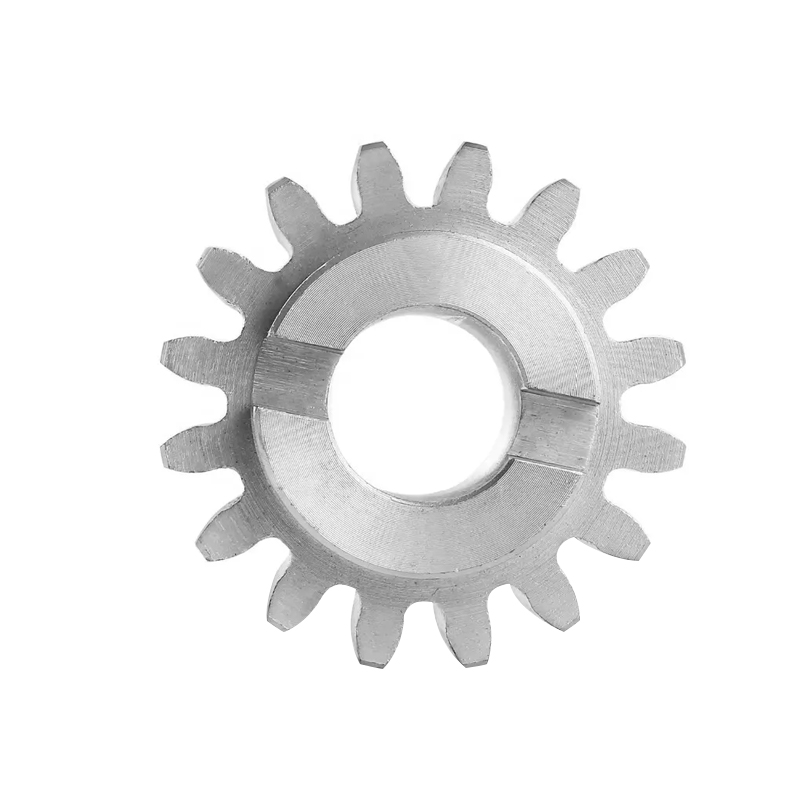
The Sliding Doors Steel Rack Pinion Gear is a critical component in va...
See Details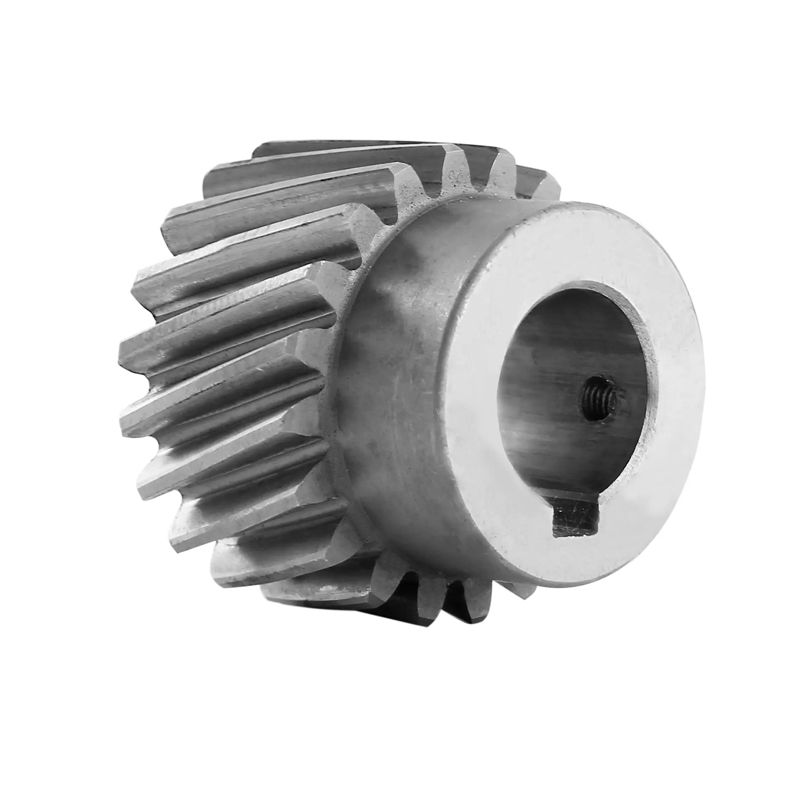
The multiple sizes high precision rack pinion gear system is an essent...
See Details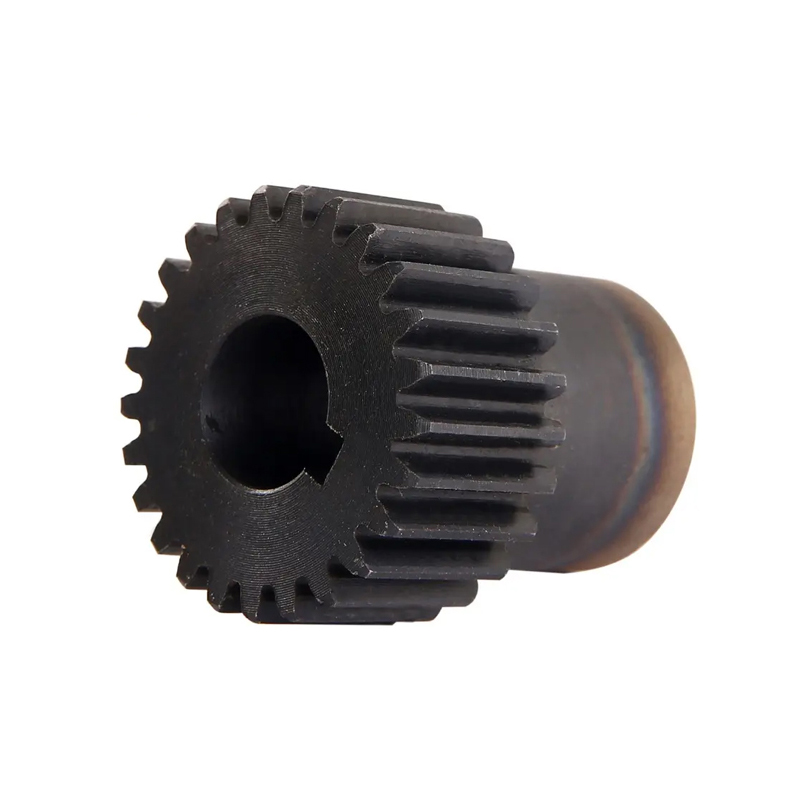
Product IntroductionThe Black Rust-Proof Straight Teeth Rack Pinion Ge...
See Details
The rust-proof high-precision rack pinion gear is a critical component...
See Details
The High Precision Gear Shaft Rack Pinion Gear is a vital component in...
See Details
The CNC machining helical gear rack is a critical component in various...
See Details
The Spiral Cone Various Specifications Helical Gear Rack is a type of ...
See Details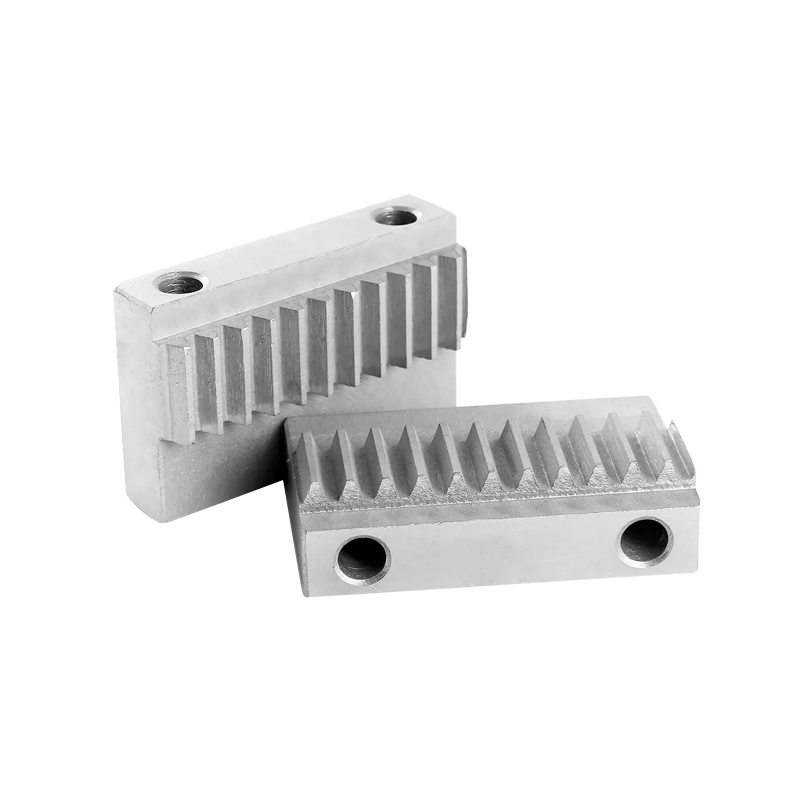
In industrial settings, the performance and longevity of mechanical co...
See Details
