
 English
 русский
 Español
No. 200 Gaoxin RD, Shanghua St, Lanxi, Zhejiang, P. R China
The Stainless Steel Stepped Rack Pinion Gear is a highly versatile and...
See DetailsOutdoor gates have a hard life. They are exposed to rain, humidity, dust, mud, temperature changes, and sometimes salt or chemicals. At the same time, the hinges have to carry the gate and allow it to open and close again and again.
That is why corrosion resistance matters when choosing Heavy-Duty Gate Hinges for outdoor use. A hinge can look strong when it is newly installed, but corrosion may slowly affect the pin, hinge body, mounting plates, welds, and fasteners. The problem often develops gradually, so it may not be noticed until the gate starts becoming stiff or difficult to operate.
For contractors, gate manufacturers, hardware distributors, agricultural suppliers, and industrial buyers, the choice should go beyond simply checking the hinge size. Material, surface treatment, gate weight, environment, installation, and maintenance all have a part to play.
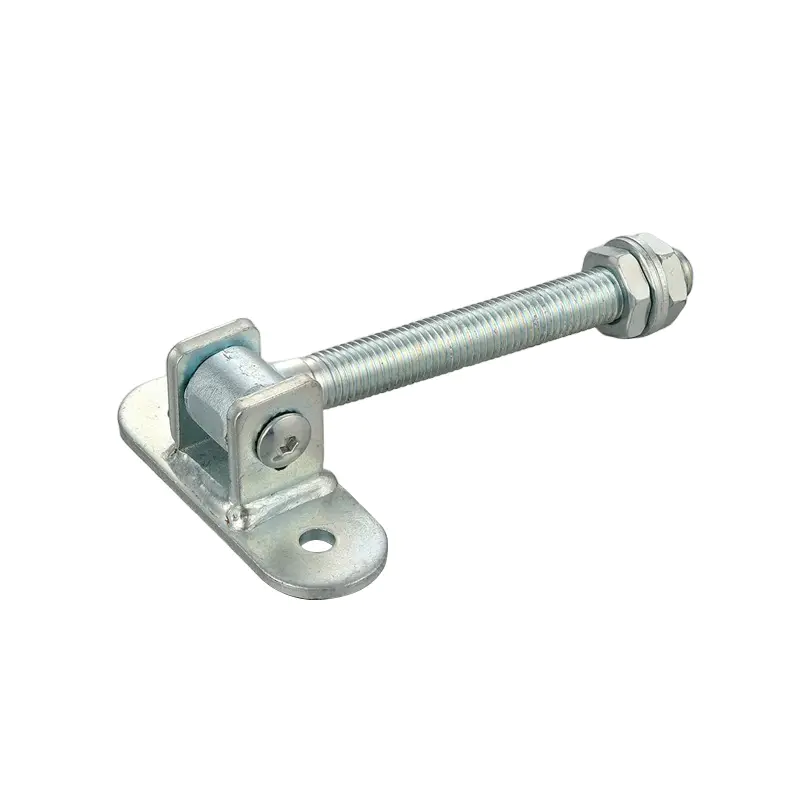
Corrosion is the gradual deterioration of metal when it reacts with moisture, oxygen, and other substances around it. Rain and humidity are common causes, but salt, chemicals, and pollutants can speed things up.
On an outdoor hinge, corrosion may begin with a little surface rust or discoloration. It can then spread to contact areas and moving parts. As the metal surface becomes rougher, friction can increase and the hinge may no longer move as smoothly.
The affected areas can include:
This is where a small corrosion issue can turn into a mechanical one. More friction means more resistance, and the gate may place additional stress on the hinge during operation.
Indoor hardware usually has fairly stable surroundings. Outdoor hinges do not get that luxury.
Rain can leave water on exposed metal, while high humidity keeps surfaces damp for longer. Coastal locations bring salt into the picture. On farms, hinges may be exposed to mud, fertilizer, animal waste, and moisture. Industrial sites can have dust, chemicals, and other contaminants.
Temperature changes matter too. Metal expands and contracts as temperatures move up and down, and repeated environmental changes can gradually affect coatings and joints.
The level of risk depends heavily on where the gate is installed.
| Outdoor environment | Corrosion consideration |
|---|---|
| Residential yard | Rain, humidity, soil contact |
| Commercial property | Weather plus frequent gate operation |
| Coastal area | Salt exposure can increase corrosion risk |
| Farm or ranch | Moisture, mud, fertilizers, animal waste |
| Industrial site | Dust, chemicals, moisture |
| Public facility | Weather plus frequent daily use |
So, simply saying a hinge is for “outdoor use” does not tell the whole story. A gate in a dry inland area and one beside the sea may need quite different protection.
The material has a major influence on how a hinge handles outdoor exposure.
Carbon steel is widely used for heavy-duty hardware because it provides good mechanical strength and is practical for many applications. The catch is that untreated carbon steel can rust when exposed to moisture.
Stainless steel provides better corrosion resistance because of its chromium content, although the actual performance still depends on the grade and working environment.
Steel can also be protected with coatings or other surface treatments.
| Material or finish | Main characteristic | Typical consideration |
|---|---|---|
| Carbon steel | High strength and widely available | Usually needs protective treatment outdoors |
| Stainless steel | Good corrosion resistance | Grade should match the environment |
| Zinc-coated steel | Protective surface coating | Coating condition matters over time |
| Powder-coated steel | Adds a protective finish | Scratches can expose the underlying metal |
| Other plated finishes | Surface protection | Performance depends on plating and application |
There is no single material that suits every gate. Load, environment, appearance, maintenance, and cost all need to be considered together.
The base metal is only part of the story. A properly selected coating can provide another barrier between steel and the outdoor environment.
Common surface treatments include galvanizing, electroplating, painting, powder coating, and other protective finishes. Their performance depends on how they are applied and how well the coating remains intact.
Installation can also cause trouble. Drilling, cutting, grinding, or impact can damage the finish and expose the metal underneath. Welded areas may need additional treatment after fabrication.
For B2B buyers, it is worth asking a few straightforward questions:
These details give buyers a clearer picture of the hinge than appearance alone.
The hinge pin is easy to overlook, but it does a lot of work. It supports movement between the hinge body and gate while dealing with repeated friction and load.
If the pin starts to corrode, its surface can become rough. Movement then becomes less smooth, and in more serious cases the pin may begin to seize inside the hinge barrel.
This can be especially troublesome on a heavy gate. A large gate already places substantial load on its hinges, so additional friction is not something to ignore.
Manufacturers may use different pin materials, diameters, bushings, and surface treatments depending on the application. When buying hinges for commercial or industrial gates, it makes sense to ask about the pin specifically, not just the hinge body.
A gate hinge moves every time the gate opens and closes. That repeated movement makes the condition of the contact surfaces important.
When corrosion creates rough surfaces, friction can increase. Over time, this may contribute to wear on the pin, bushing, or hinge barrel.
The change is often gradual:
smooth movement → increasing resistance → noise or stiffness → uneven movement → maintenance or replacement
For a gate that opens once or twice a day, this may take a long time to become noticeable. A commercial or industrial gate that cycles many times every day is a different situation.
That is why corrosion resistance and wear resistance should be considered together.
Heavy-duty gate hinges are commonly welded to steel frames or mounting structures. The welded area deserves some attention during both manufacturing and installation.
If a protective coating is damaged during welding, the exposed area may need suitable post-weld treatment. Otherwise, the coating may protect the surrounding metal while the weld area becomes a starting point for corrosion.
For gate manufacturers, controlling weld quality and surface preparation is part of producing a reliable assembly.
B2B buyers purchasing welded gate assemblies should ask how the supplier treats welded areas after fabrication. It is a small detail, but outdoor exposure can make it important.
Coastal environments can be particularly demanding because salt deposits can remain on exposed metal and increase corrosion risk.
For gates installed close to the sea, buyers may need to pay more attention to stainless steel grades, protective coatings, and maintenance procedures.
Cleaning can help too. Removing accumulated salt, dirt, and other deposits gives the metal a better chance of staying in good condition.
The main point is simple: “outdoor” covers a very wide range of conditions. A seaside gate should not automatically be treated the same as a gate installed in a dry inland location.
Corrosion protection is important, but it does not replace mechanical strength.
The hinge still has to carry the gate and handle the forces created during opening and closing. Buyers should consider:
A tall and wide steel gate may experience considerable wind loading even when the gate itself is not unusually heavy.
This is why hinge capacity should be considered as part of the complete gate design. A corrosion-resistant hinge that is undersized for the application will still cause problems.
Some heavy-duty hinges are designed with adjustment or service features. Depending on the product, these may include grease fittings, replaceable pins, bushings, or other replaceable wear parts.
Such features can be useful for commercial and industrial gates where regular maintenance is expected.
A grease fitting, for example, can make lubrication easier when the hinge is difficult to access. Replaceable pins or bushings may also allow worn components to be serviced without replacing the entire hinge assembly.
When sourcing hinges, buyers should ask which parts can be replaced and what maintenance schedule the manufacturer recommends.
Lubrication will not make a hinge corrosion-proof, but it can reduce friction and protect moving contact surfaces.
The correct lubricant can help the pin and bushing move more smoothly. Still, the choice of lubricant depends on the hinge design and working environment.
There is also such a thing as too much grease. In dusty locations, excess lubricant can collect dirt and abrasive particles around the moving parts.
For outdoor applications, buyers should confirm whether regular lubrication is required and which lubricant the manufacturer recommends.
Even a well-made Heavy-Duty Gate Hinges product can develop problems when it is installed incorrectly.
Alignment is particularly important. If the hinges are not positioned properly, the gate's weight may not be distributed evenly. This can put extra stress on the hinge pin and mounting points.
Installation can also damage protective coatings.
Practical checks include:
Where possible, keeping the hinge away from standing water and direct soil contact can also help.
When comparing suppliers, technical questions are usually more useful than simply comparing product photos.
| Question | Why it matters |
|---|---|
| What material is used? | Shows basic strength and corrosion characteristics |
| What surface treatment is applied? | Helps assess outdoor protection |
| What is the load capacity? | Confirms suitability for the gate |
| Is the pin replaceable? | Useful for long-term maintenance |
| Is lubrication required? | Helps determine maintenance needs |
| Are custom dimensions available? | Useful for OEM gate designs |
| What environments are supported? | Helps match the hinge to the installation site |
| What testing is performed? | Gives information about quality control |
For larger orders, buyers can also request drawings, material specifications, surface-treatment information, and samples before moving into production.
Standard hinges cover many common gate designs, but industrial and commercial gate manufacturers often need something more specific.
Customization may include:
For OEM projects, manufacturers may work from drawings, samples, or existing gate components.
Surface treatment should be discussed early in the project. Changing the coating or material after production has started may affect both cost and delivery time.
Different sites place different demands on gate hardware.
| Application | Key factors to prioritize |
|---|---|
| Residential outdoor gate | Basic corrosion protection and easy maintenance |
| Commercial entrance gate | Corrosion resistance, load capacity, frequent-use durability |
| Farm gate | Corrosion resistance, dirt tolerance, structural strength |
| Coastal gate | Greater attention to material and surface protection |
| Industrial gate | Material, coating, load, and environmental resistance |
| Heavy steel gate | Load capacity, pin design, alignment, corrosion protection |
These categories are only a starting point. The actual installation conditions should guide the final choice.
Corrosion-resistant hardware still needs some basic attention. Regular inspection can catch small problems before they turn into larger ones.
Operators can check for:
Where required, cleaning and lubrication should be carried out at suitable intervals.
A few minutes of inspection can be much easier than dealing with a seized hinge or a gate that has gradually moved out of alignment.
Outdoor gate hinges have to deal with two problems at the same time: environmental exposure and repeated mechanical loading. Rain, humidity, salt, chemicals, dirt, and damaged coatings can gradually affect the hinge body and moving parts.
For buyers, the selection process should start with the actual environment and gate requirements. Material, surface treatment, load capacity, pin construction, lubrication, installation, and maintenance all matter.
A hinge used on a light residential gate may have very different requirements from one installed on a large industrial entrance. Coastal locations can also demand more attention to corrosion protection than dry inland areas.
For manufacturers, wholesalers, and distributors, working with a supplier that can provide clear material information, surface-treatment details, technical drawings, and suitable customization makes the sourcing process easier to manage.
In the end, Heavy-Duty Gate Hinges should be selected as part of the complete gate system. When corrosion resistance, mechanical strength, installation, and maintenance are considered together, the hinge is much more likely to keep the gate moving properly through years of outdoor use.
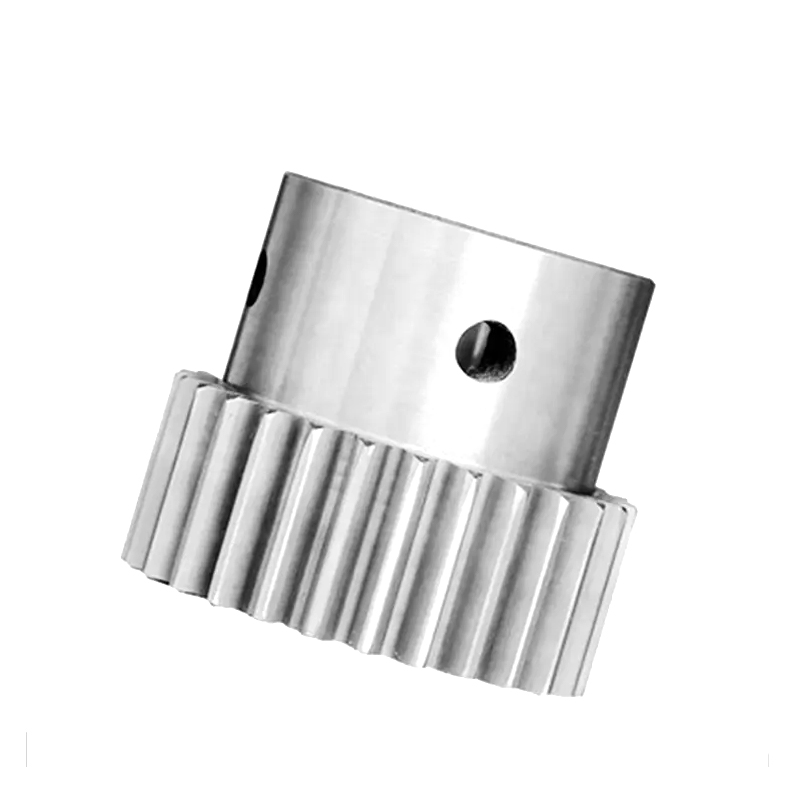
The Stainless Steel Stepped Rack Pinion Gear is a highly versatile and...
See Details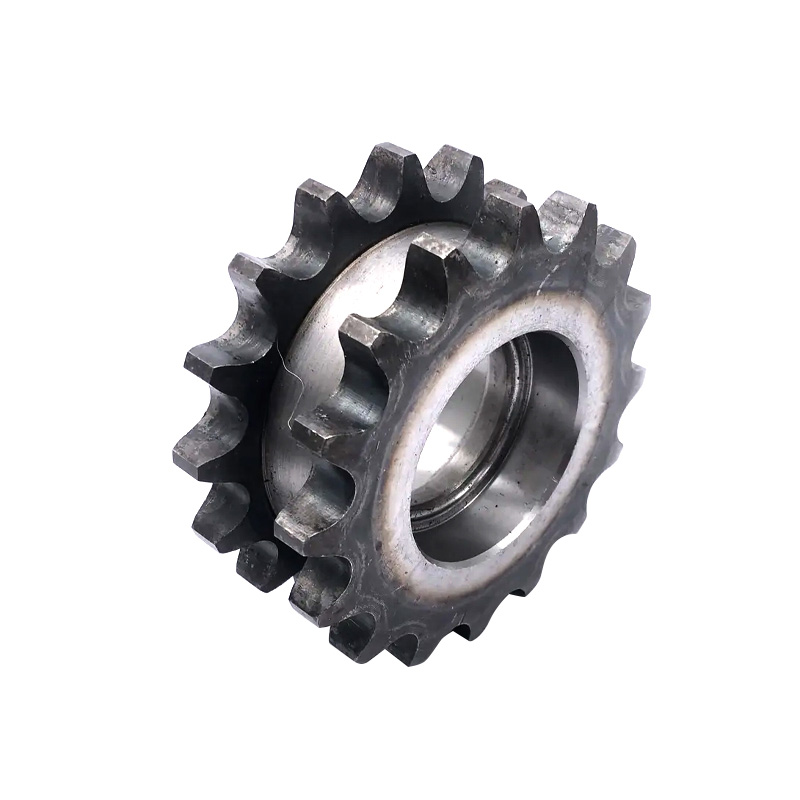
The Double Pitch Sprocket Rack Pinion Gear is a specialized mechanical...
See Details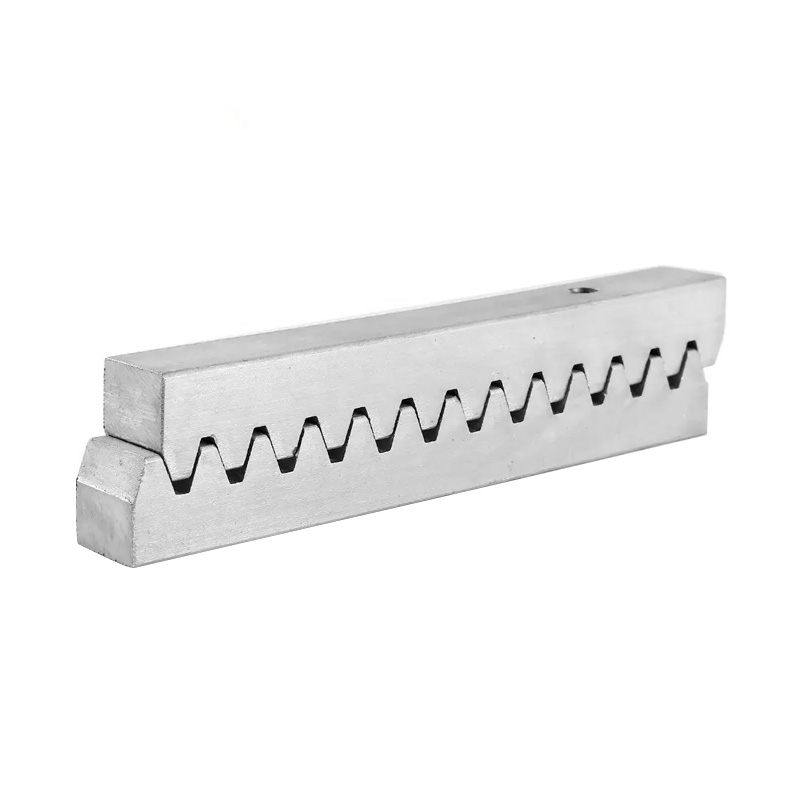
Sliding doors are a popular choice for both residential and commercial...
See Details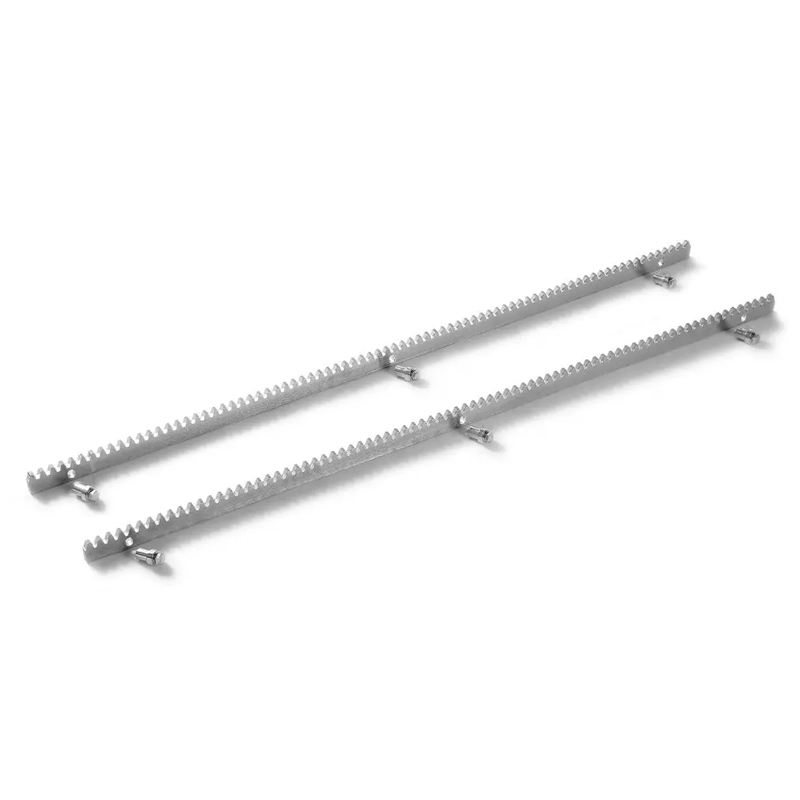
The Durable High-Quality Sliding Door Steel Gear Rack is a versatile a...
See Details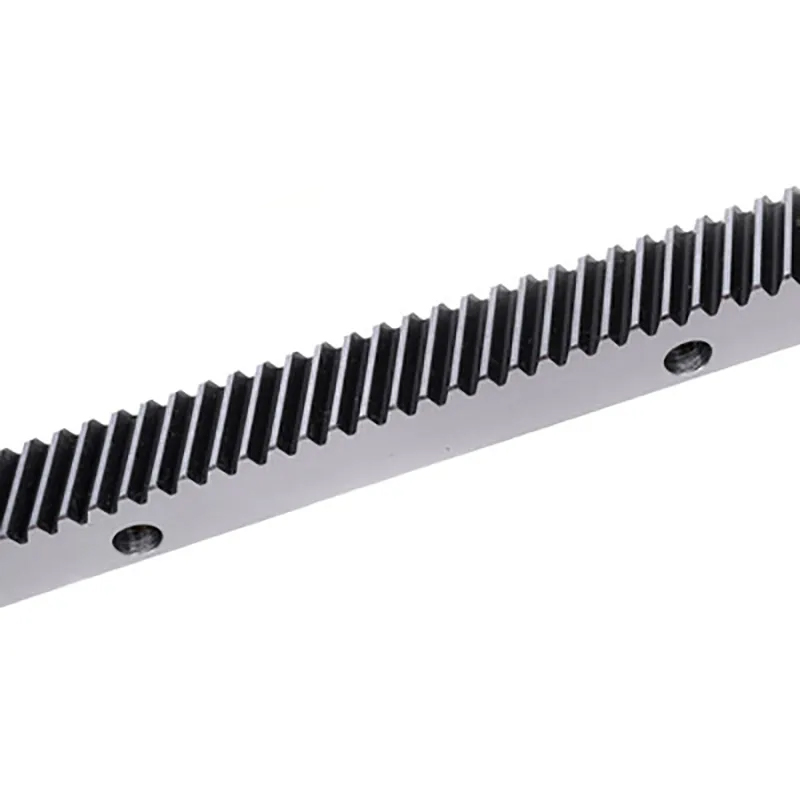
The CNC machining helical gear rack is a critical component in various...
See Details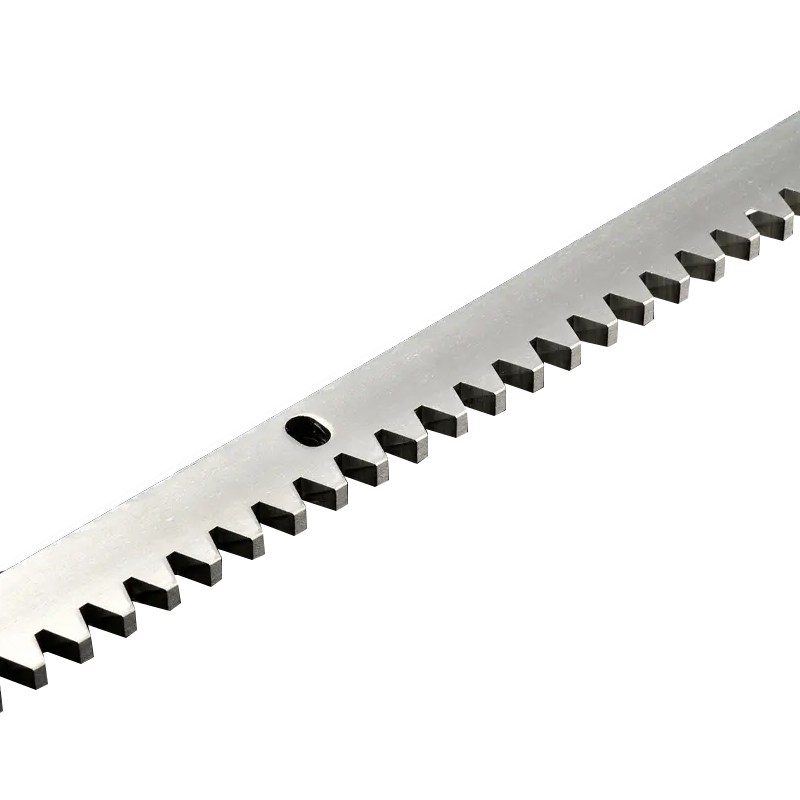
The Flexible Steel Parts Helical Gear Rack is a highly engineered comp...
See Details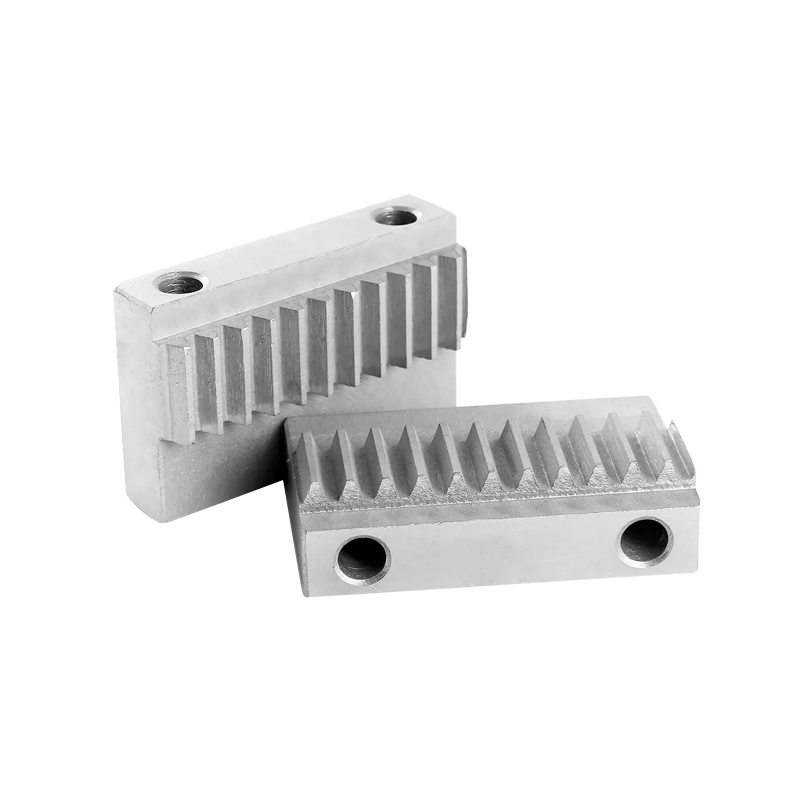
In industrial settings, the performance and longevity of mechanical co...
See Details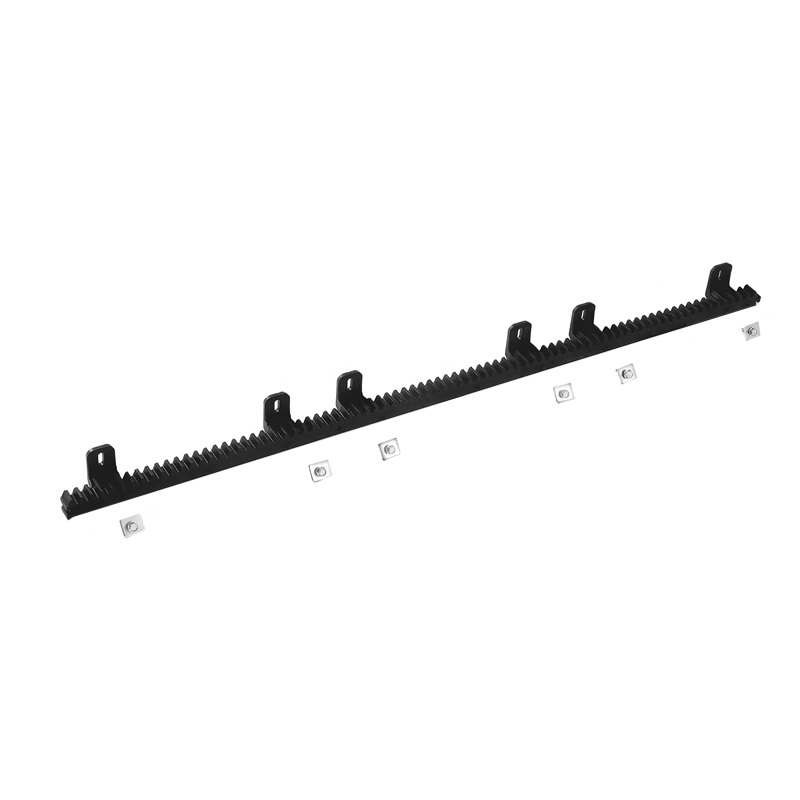
The Black Six Eyes Sliding Door Nylon Gear Rack is a versatile and pra...
See Details
