
 English
 русский
 Español
No. 200 Gaoxin RD, Shanghua St, Lanxi, Zhejiang, P. R China
The Stainless Steel Rack Pinion Gear for Sliding Motors is a high-prec...
See DetailsAutomated gates depend on controlled movement, the kind that shouldn't lurch or stall when a delivery van is waiting at a warehouse entrance. A gate needs to open and close according to instructions while working with the surrounding drive system every single cycle. The transmission components between the motor and the gate therefore carry a genuinely important role in the complete setup, even if nobody notices them until something goes wrong.
A gate may look simple from the outside, like a panel that slides when activated. In practice, its movement depends on several connected actions, with each part relying on the others. The drive generates movement, the gear system transfers it, and the rack carries the force along the gate. When these components work together smoothly, the gate can move in a steady and predictable manner throughout its travel. When the connection between them is not well matched, movement can become less consistent, and the system may require more attention from maintenance staff than expected.
This is why gear rack selection is becoming part of the wider discussion around automated gate design, rather than an afterthought bolted on at the end. The rack isn't simply a strip of teeth attached to the gate like a decorative trim piece. It forms a working connection between the drive and the moving structure, one that has to hold up through thousands of open-close cycles over the years.

Helical gear racks offer one approach to this connection, built around angled teeth instead of a straight cut. Their angled tooth arrangement allows the gear and rack to engage in a gradual manner as they move together, rather than meeting all at once. This can influence how the movement feels during operation, whether it starts with a jolt or eases into motion.
For gate manufacturers and automation integrators, the focus is often on how the complete transmission arrangement behaves under real conditions, not just on a spec sheet. A suitable rack should fit the gate structure, drive arrangement, installation environment, and expected operating routine all at once. The choice can also depend heavily on the type of gate involved. Sliding gates, industrial gates, facility entrances, and other automated access systems may have genuinely different design requirements shaped by how often they're used and what they're guarding.
This makes the rack part of the system rather than an isolated component picked off a shelf. Its shape, material, mounting method, and relationship with the drive all deserve attention during the design process, not just during a warranty claim.
The contact between the gear and rack directly influences how movement passes from the drive to the gate, almost like a handshake that either lands cleanly or fumbles. If the connection is well matched, the gate can follow the movement of the drive in a much more controlled manner from start to stop. Helical gear racks use angled teeth rather than a simple straight arrangement, which changes how that handshake actually happens.
The contact between the matching parts develops gradually as the gear moves along the rack, tooth easing into tooth rather than slamming edge to edge. This type of engagement can support smoother movement in applications where the gate opens and closes repeatedly throughout a working day, like a warehouse dock gate cycling dozens of times. It can also help create a more consistent connection between the moving parts, which matters when a facility runs the same gate hundreds of times a week.
For automated gates, smooth movement is useful for more than appearance alone. It can affect how the gate starts moving from a dead stop, travels along its path without hesitation, and approaches its stopping position without a jarring halt. The surrounding gate structure still matters just as much as the rack itself, though. A well-designed rack cannot correct every issue caused by poor alignment, unsuitable mounting, or a mismatched drive system sitting upstream of it.
The rack should therefore be considered together with the complete gate mechanism, not judged in isolation. The gear, rack, gate frame, drive, and control system need to work as a connected group, each part pulling its weight.
| Gate Transmission Area | Design Consideration |
|---|---|
| Gear and rack contact | Should provide a suitable connection for gate movement |
| Rack position | Needs to follow the intended movement path |
| Gate structure | Should provide stable support for the rack |
| Drive connection | Needs to match the selected rack arrangement |
| Opening movement | Should remain controlled throughout the travel |
| Closing movement | Should work naturally with the gate control process |
| Maintenance | Components should remain accessible for inspection |
The value of helical engagement is therefore linked with the complete installation, not just the angle cut into a row of teeth. It isn't simply a matter of choosing an angled tooth shape and calling the job finished. A Helical Gear Rack Factory can help buyers discuss these requirements from a product development perspective, working through the details before parts get ordered. This can be particularly useful when a standard rack doesn't fully match the gate structure or when a project requires a particular installation arrangement that a catalog item wasn't built for.
Transmission describes the way movement travels from the drive to the gate, step by step through each connected part. For an automated gate, the goal is transferring that movement in a practical and controlled way that holds up over years of use, not just during a demo. The rack acts as a moving path for the gear in this relationship. As the gear turns, its contact with the rack causes the gate to move along its intended route, inch by inch.
The quality of this interaction can influence how smoothly the gate actually responds when triggered. A suitable gear and rack combination can help reduce unwanted interruptions in movement, the kind of small stutters that eventually turn into service calls. Helical gear racks can support this process through their angled tooth design, which spreads contact across a gradual curve rather than a sharp edge. The gradual contact between the gear and rack can create a more continuous movement between the two parts, which shows up as a noticeably steadier glide.
This can be useful for gates that need regular opening and closing throughout a shift, like a parking facility entrance or a loading yard gate. A smoother transmission process may also make the movement easier to coordinate with the rest of the automation system, since sensors and controllers respond better to predictable timing than to erratic starts and stops.
However, transmission efficiency shouldn't be treated as a single product feature that solves everything on its own. It depends on how the rack, gear, gate, drive, installation, and maintenance practices work together as one system. A rack that's suitable for one gate may not provide the same result on another gate down the street. Differences in gate weight, structure, installation position, and operating conditions can change the requirements considerably, even between two gates that look similar.
For this reason, manufacturers should consider the rack during the early stages of gate design, rather than treating it as a late addition. This gives the design team an opportunity to coordinate the rack with the drive and gate structure before anything gets welded or bolted into place. A Helical Gear Rack Factory can also become part of this discussion when buyers need assistance with product selection or customized arrangements that a standard part won't cover. The useful conversation is about the complete application, rather than a general claim about rack performance printed on a brochure.
This application-based approach can help manufacturers avoid selecting a component based only on its appearance in a photo. The rack needs to fit the way the gate actually moves in the field, not just how it looks sitting on a shelf.
Material choice can influence how a rack fits into an automated gate system in ways that go beyond weight alone. Different materials create genuinely different product characteristics, so manufacturers need to consider where and how the rack will actually be used before settling on one.
Metal racks are often considered for applications where the gate structure and operating environment call for a rigid component, like a heavy industrial gate that takes a beating from weather and constant cycling. Other applications may allow the use of polymer-based rack materials instead, especially where weight and handling matter more than raw rigidity. Gate Rack Nylon is one option for gate systems where a nylon rack fits the application well. Its use can support a different approach to gate transmission compared with a conventional metal rack, particularly in settings where noise or corrosion resistance matters.
The choice shouldn't be made simply because one material appears lighter or easier to handle on a warehouse shelf. The gate structure, drive arrangement, installation environment, and expected use all need to be reviewed together before a decision gets locked in. Nylon gear racks may also be considered when installers want a component that's convenient to handle during installation, especially on a job site with limited crew. This can be particularly relevant when racks need to be positioned along a gate in sections, since lighter material is simpler to maneuver up a ladder or across a long track.
For manufacturers, material selection can also affect product design in ways that ripple through the whole part. A rack needs to work with the gate while fitting the intended manufacturing and installation process from the start, not as a retrofit. A Nylon Gear Rack Factory may therefore support projects where nylon is being considered as part of the gate transmission arrangement from the design phase onward. Buyers can discuss the gate structure and application requirements with the manufacturer before selecting a suitable product, rather than guessing from a spec sheet alone.
The material conversation should remain practical throughout, not theoretical. No material is automatically suitable for every gate, regardless of how it's marketed. Instead, manufacturers can compare material options according to the actual installation in front of them. This can include the gate environment, expected use, mounting arrangement, maintenance habits, and relationship with the drive, all weighed together rather than one factor dominating the decision.
Installation has a direct effect on how the transmission system behaves once the gate actually starts running. The rack needs to stay in a suitable position as the gate moves, while the gear needs to engage with it consistently through every single cycle. A rack that's difficult to position can make installation considerably more complicated for the crew on site.
This becomes especially important when the gate is long or when the rack is installed in several sections that need to align correctly. The mounting method should therefore be considered before the gate enters regular operation rather than adjusted later. Installers need to understand where the rack will be positioned and how it will connect with the drive before any bolts are installed.
The gate structure also needs to provide suitable support throughout this process. If the rack moves with the gate, its position needs to remain consistent throughout the opening and closing process, cycle after cycle, without drifting out of alignment.
A simple installation review can include several steps worth walking through carefully.
These steps can help connect product selection with the real installation on the ground, rather than leaving that connection to chance. For automated gate manufacturers, this is also where design and installation teams genuinely need to communicate with each other. A rack may appear suitable during product planning but require additional attention once the physical gate structure is reviewed on site, sometimes revealing a mismatch nobody caught earlier.
A Helical Gear Rack Factory can provide useful product information for this stage of a project. Buyers can discuss the intended installation directly, rather than selecting a rack without considering how it will actually be mounted in place. Good installation planning can also support maintenance later down the road. If the rack is easy to inspect and remains accessible, technicians may find routine checks a lot more manageable years after the initial install.
The rack therefore needs to fit both the mechanical arrangement and the practical working environment around the gate, not just one or the other.
Automated gates appear in many settings, from a quiet residential driveway to a busy industrial yard running around the clock. They can be used at commercial properties, industrial facilities, residential entrances, parking areas, and controlled access points, each with its own rhythm of use. The gate environment can change quite a bit from one application to another. A commercial entrance may have a different operating routine from an industrial facility, while a private driveway may have different priorities again, often centered more on quiet operation than heavy-duty cycling.
This creates demand for flexible transmission solutions that can adapt to different jobs. Manufacturers need to consider how the rack fits the gate type, installation space, movement pattern, and automation system all together, rather than applying one design across every project. Helical gear racks can be considered for applications where their tooth arrangement and transmission characteristics fit the gate design well. They may also provide an alternative when designers want a different approach from a conventional straight-tooth rack, particularly where smoother engagement matters more than simplicity.
Gate Rack Nylon can be relevant to applications where a nylon material is appropriate for the setting. A metal rack may be considered in other situations where the installation calls for a different material choice entirely, especially under heavier structural loads. The important point is that these options serve genuinely different design needs. Buyers should avoid treating them as interchangeable without reviewing the complete application first.
For example, an outdoor gate exposed to rain and temperature swings may need a different material and maintenance approach from an indoor access gate tucked inside a climate-controlled facility. A frequently used commercial entrance may also require a different design review from a gate used only occasionally, since wear accumulates at very different rates.
The following questions can help manufacturers organize the selection process before committing to a design.
| Application Area | Question |
|---|---|
| Gate type | What kind of gate will the rack move? |
| Usage | How will the gate normally be operated? |
| Environment | Where will the gate and rack be installed? |
| Material | Which rack material fits the application? |
| Drive | How will the rack connect with the drive? |
| Installation | How will the rack be mounted to the gate? |
| Maintenance | How easily can the rack be inspected and cared for? |
This approach gives manufacturers a lot more room to adapt the transmission system to different projects, instead of forcing every gate through the same mold.
An automated gate is more than a motor and a moving panel bolted together. It also involves controls, sensors, safety equipment, mechanical components, and the physical gate structure, all of which have to cooperate. The rack connects the drive movement with the gate itself, sitting right at the center of that relationship. Its position in the system means that product selection should be considered alongside the rest of the automation design, not chosen separately.
When the gate receives an instruction to open, the drive begins the movement immediately. The gear engages with the rack, and the rack transfers that movement along the gate, carrying the force from motor to panel. The control system manages when the gate should move and when it should stop, acting as the brain of the operation. The rack doesn't make these decisions on its own, but its mechanical behavior can influence how the movement is actually carried out once the signal arrives.
This distinction matters when discussing automation as a whole. A gear rack should not be described as an independent solution for every automation issue that comes up. Instead, it's one part of a connected system that only works well when every piece pulls together.
A well-planned design considers the relationship between several elements at once.
This system-level view can help manufacturers select more suitable components from the start, rather than patching gaps after installation. A Helical Gear Rack Factory may also work with equipment manufacturers that need rack solutions adapted to particular gate designs, tailoring parts rather than pulling from a generic bin. Such discussions can include mounting arrangements, material choices, tooth direction, connection methods, and other application details specific to the project at hand.
The goal is making the rack fit the automation system, rather than designing the entire system around a single component that happened to be on hand. This can be particularly useful for gate manufacturers producing several models across different product lines. Different gate designs may require different rack arrangements, even when the general automation concept remains similar across the whole catalog.
Purchasing a gear rack should begin with a clear understanding of the gate application, not a quick glance at a catalog number. Buyers can provide information about the gate structure, movement, installation environment, and drive arrangement upfront, before any quote gets drawn up. This gives the supplier a much more useful picture of the actual requirement in front of them. It also helps avoid choosing a product based only on a general product name that doesn't reflect the specific job.
A Helical Gear Rack Factory can be asked about the intended gate application directly, and whether the proposed rack fits the planned arrangement on paper and in practice. Buyers can also discuss material options when deciding between products such as metal and Gate Rack Nylon, weighing the trade-offs out loud with someone who builds these parts regularly. The mounting method deserves attention as well during this conversation. The rack must be positioned correctly along the gate so that the gear can maintain suitable contact throughout movement, cycle after cycle, without slipping out of true.
Buyers may also want to discuss replacement and maintenance early on, rather than waiting until something breaks. Gates operate as part of larger facilities, so access to the rack can matter quite a bit after installation, especially years down the line when a part finally needs swapping. For projects involving multiple gate designs, consistency may also be worth raising directly. Purchasing teams can identify which applications can share a similar rack arrangement and which require genuinely different products, saving time on future orders.
A useful supplier discussion can cover several points worth putting on the table.
These questions help turn a general product inquiry into a practical engineering and purchasing conversation, one that actually gets somewhere useful. For manufacturers, this can also support product customization when a standard arrangement doesn't fit the gate design in front of them.
The relationship between the buyer and Helical Gear Rack Factory can therefore extend well beyond a simple component order placed and forgotten. Clear application information can help both sides discuss the rack as part of the complete automated gate transmission system, which tends to pay off long after the invoice is settled.
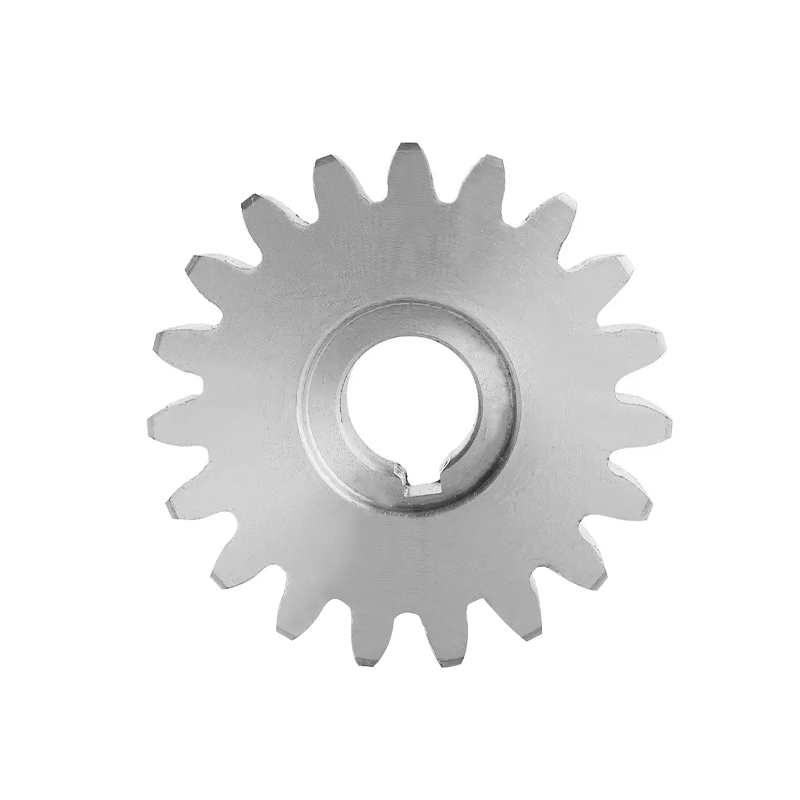
The Stainless Steel Rack Pinion Gear for Sliding Motors is a high-prec...
See Details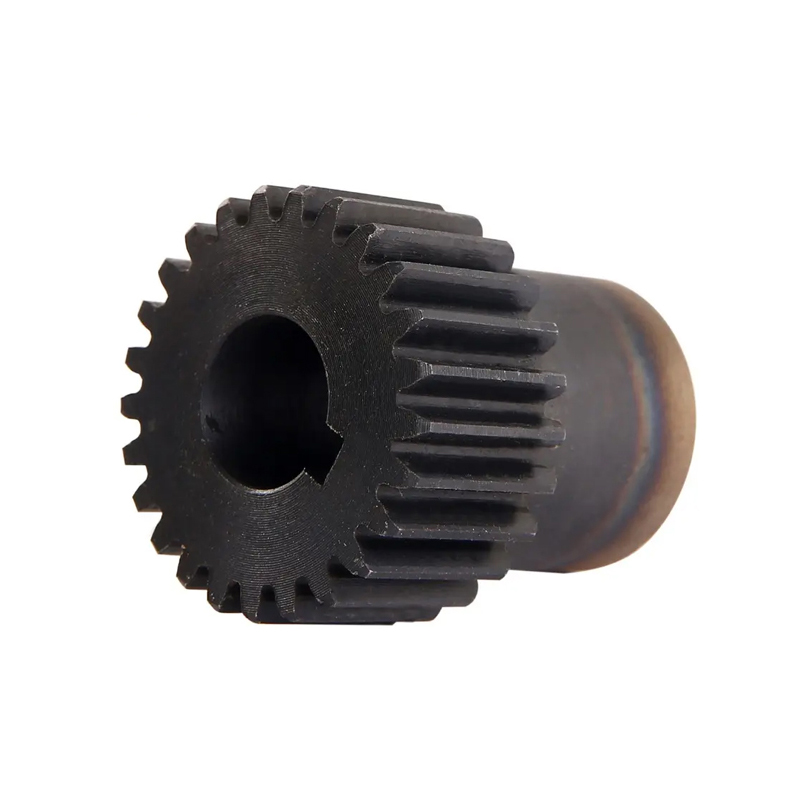
Product IntroductionThe Black Rust-Proof Straight Teeth Rack Pinion Ge...
See Details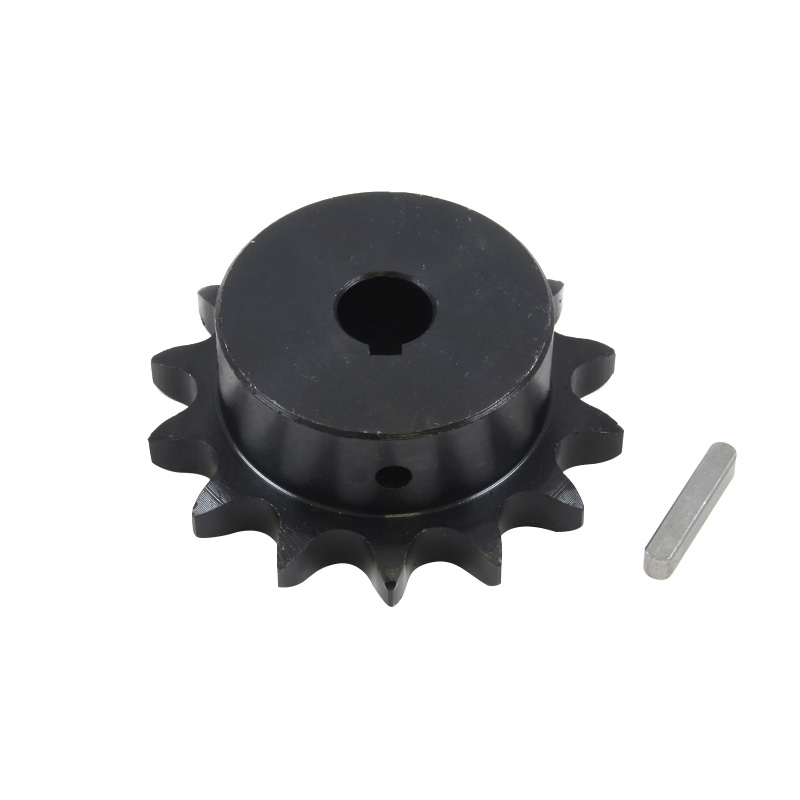
The Roller Transmission Double Plus Rack Pinion Gear is a highly effic...
See Details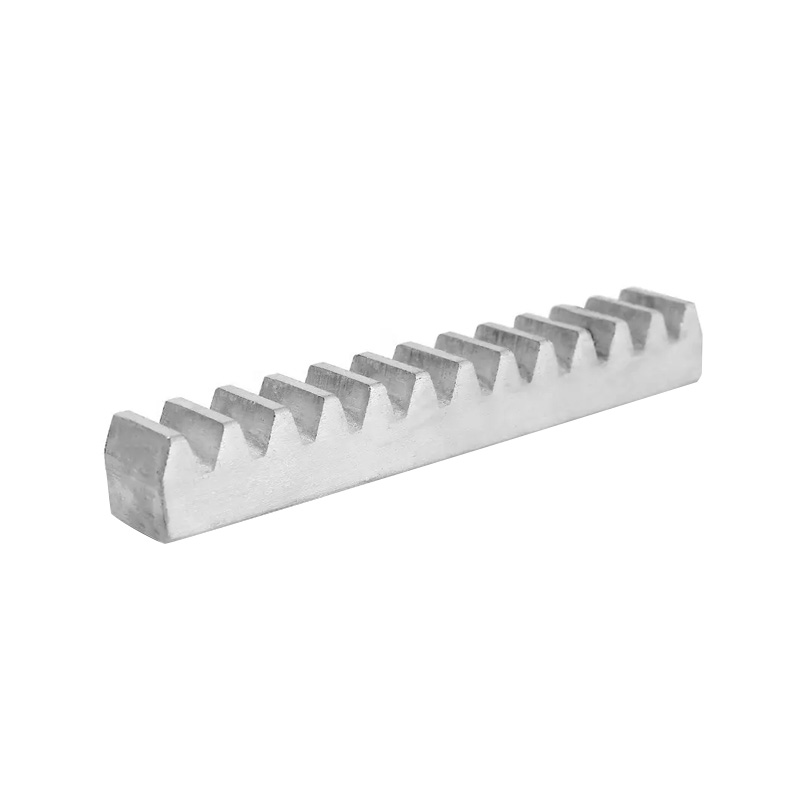
The Drive Durable Sliding Door Steel Gear Rack is a critical component...
See Details
The Color Customization Sliding Door Steel Gear Rack is a highly funct...
See Details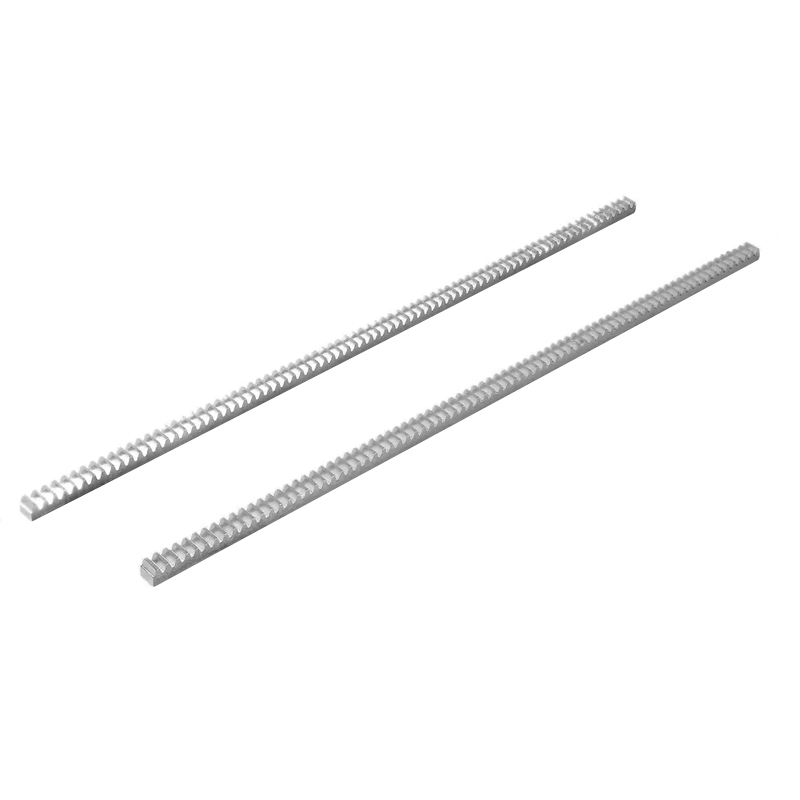
This stainless steel gear rack is the main hardware piece that makes s...
See Details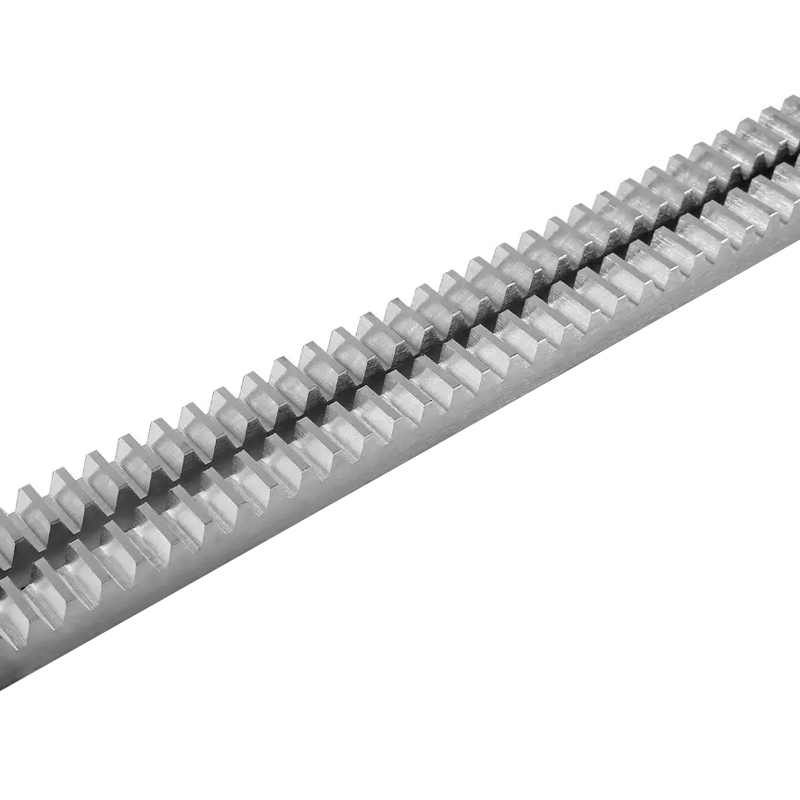
In the world of mechanical engineering, the performance and longevity ...
See Details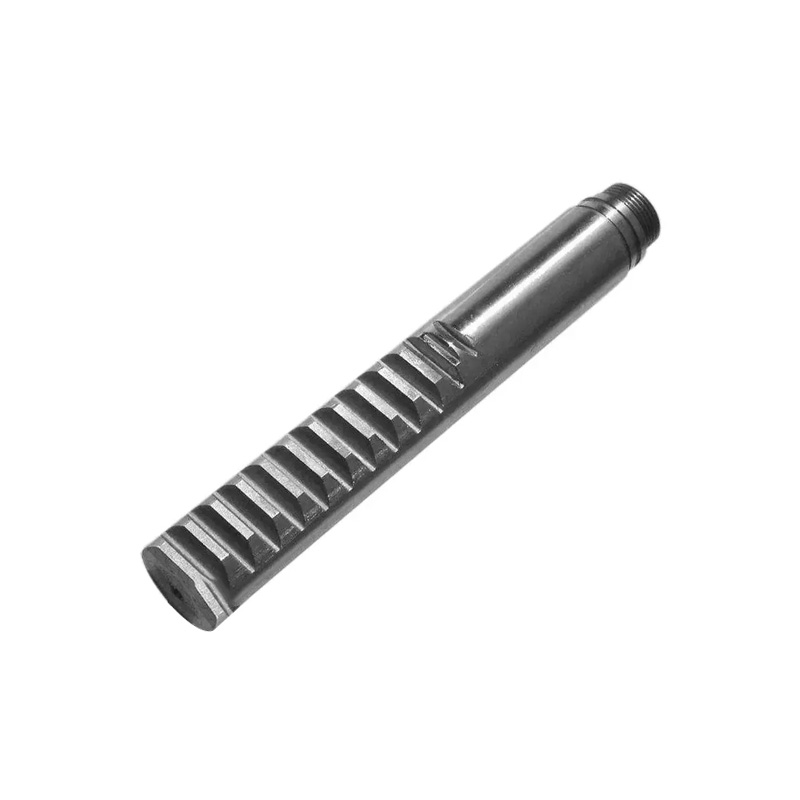
The Cylindrical Black Stainless Steel Straight Gear Rack is a durable ...
See Details
