
 English
 русский
 Español
No. 200 Gaoxin RD, Shanghua St, Lanxi, Zhejiang, P. R China
The Smooth Surface High Precision Rack Pinion Gear is a high-performan...
See DetailsA property manager notices the sliding gate at an apartment complex has started making a faint clicking sound every time it opens, though it still closes just fine and nobody's complained. He almost ignores it — the gate still works, after all. A technician who checks it a week later finds a few worn teeth on the rack, chewed down slightly from months of a minor misalignment nobody had caught. That clicking wasn't nothing. It was the gear teeth quietly telling everyone something was off long before the gate actually got stuck.
Gear teeth aren't just bumps sitting along a rack for decoration. Their shape decides exactly how the rack and the driving gear make contact as the gate moves, and that contact needs to stay controlled through every rotation and every inch of travel.
When teeth mesh properly, force moves from the driving gear into the rack in a fairly steady way. The gate ends up getting a smooth driving action instead of a series of small jolts, which makes the whole movement easier to control and takes some of the unnecessary stress off connected parts down the line.
Tooth shape also decides how a gear enters and exits engagement with the rack. A tooth that meets its matching surface gradually helps avoid sudden contact — something that matters a lot more in gates that open and close repeatedly throughout the day, since small quirks in tooth behavior get magnified the more often they repeat.
This is exactly why tooth shape deserves real thought during system design, not just a quick check that the parts physically fit together. The profile needs to actually suit how force gets transferred throughout the whole drive, not just how the teeth look sitting side by side.
Meshing is simply how gear teeth meet and work together as the driving gear turns. In a rack and gear setup, this interaction is what converts rotary motion into the linear movement that actually opens and closes the gate.
A solid mesh keeps the driving gear engaged with the rack while transferring force smoothly through the contact area. When engagement turns uneven, the drive starts running into shifting resistance as different teeth take their turn making contact.
That inconsistency shows up right at the start of movement. A drive that engages smoothly produces predictable motion from the inch of travel, while uneven contact tends to create small fluctuations in speed or force along the way.
| Meshing Condition | Typical Result |
|---|---|
| Consistent tooth contact | Smooth, predictable gate movement |
| Uneven engagement | Fluctuating speed or resistance |
| Correct tooth spacing | Stable driving gear behavior |
| Irregular spacing | Unexpected changes during travel |
Tooth spacing plays its own role here too. The teeth need to hold a consistent relationship along the entire rack so the driving gear doesn't run into surprises partway through the gate's travel. This is exactly why a Gate Rack Nylon needs evaluation as part of the whole gear system rather than as a standalone part — tooth form, spacing, surface condition, and how it relates to the driving gear all work together to shape how motion actually gets transferred.
Poor engagement rarely stays hidden for long. A gate might hesitate slightly during movement, make an unusual sound, or need noticeably more effort from the drive during certain stretches of its travel.
Uneven contact also speeds up wear on specific tooth surfaces. Rather than spreading force evenly across a controlled contact pattern, some areas end up absorbing more repeated loading than others. Over time, that uneven loading changes the tooth profile itself, which makes the original smooth engagement harder to maintain going forward.
Alignment plays a bigger role in this than people often expect. Even a well-designed rack can behave inconsistently if it's not positioned correctly relative to the driving gear. A small installation error is enough to shift the whole contact relationship between the teeth.
Debris causes a similar kind of trouble. Dust, dirt, and small particles collecting around the teeth interfere with normal engagement just as effectively as a genuine alignment problem. Keeping that contact area reasonably clean is a simple but real part of keeping gate movement stable over time.
Sound can be a useful maintenance clue. A change in operating noise does not automatically indicate a specific cause, but it can signal that tooth contact, alignment, or lubrication needs a closer inspection before the issue develops further.
Nylon comes into play when a rack needs to combine light weight with practical mechanical movement. Compared to a fully metal rack, a Nylon Gear Rack creates a somewhat different contact environment between the rack and the driving gear.
Material behavior matters here because the rack gets exposed to repeated tooth engagement over and over. It needs to hold its tooth shape while working against the mating gear cycle after cycle, and its condition over time directly shapes how smoothly the two components keep interacting.
A Nylon Gear Rack also becomes useful when reducing the overall weight of moving drive components is part of the broader design goal. A lighter rack tends to simplify handling during installation and can shape how the whole gate drive gets assembled from the start.
| Rack Material | Practical Consideration |
|---|---|
| Metal rack | Higher rigidity, different wear pattern |
| Nylon rack | Lighter weight, easier handling |
| Helical rack | Gradual tooth engagement |
| Straight rack | Direct, simpler contact pattern |
Choosing nylon shouldn't happen in isolation from the actual operating environment. Temperature swings, moisture, dirt, gate weight, how often it moves, and installation conditions all shape how a polymer rack actually performs in service. This is where a Nylon Gear Rack Factory's role goes beyond simply producing racks — manufacturing consistency directly shapes tooth shape, spacing, surface condition, and how well the rack ends up fitting its gear.
A rack and gear can have perfectly matching tooth profiles and still behave poorly if they're not aligned correctly. The driving gear needs to meet the rack in a stable position so force actually transfers through the intended contact area, not somewhere slightly off from where it should.
If a rack gets mounted unevenly, different sections engage differently from one another. One stretch of gate travel might feel completely smooth while another creates noise or resistance out of nowhere — a difference that's easy to mistake for a motor or drive problem rather than what it actually is.
The gate structure itself feeds into this too. Larger gates can shift position slightly as the structure moves during operation, and dirt, wear, loose mounting points, or movement in the supporting frame can gradually change the relationship between rack and gear without anyone noticing right away.
Installation should really focus on the entire movement path, not just one section of the rack checked during setup. The driving gear needs to stay properly engaged across the gate's full travel, start to finish.
Regular inspection catches these shifts early. If tooth contact looks uneven or the rack has drifted from its intended position, correcting that installation issue is usually far more useful than jumping straight to replacing gear components.
Helical teeth introduce an angled arrangement instead of the straight pattern found on a conventional rack, and that angle changes how the teeth actually make contact as the driving gear travels along the rack.
The angled pattern creates a more gradual engagement between mating surfaces. Rather than tooth contact happening all at once in a straight line, contact progresses along the tooth surface — a difference that shows up in noise level, how the movement feels, and how force actually transfers through the drive.
A Helical Gear Rack makes sense when smooth mechanical engagement is a real priority for the gate system. It's worth noting, though, that a helical rack isn't a simple drop-in replacement for every straight rack out there — it needs a compatible driving gear to actually work as intended.
The surrounding structure has to support that arrangement too. Mounting position, drive orientation, and the overall gate design all need to work with the direction of the helical teeth rather than against it.
For manufacturers, this raises the bar on production accuracy. A Helical Gear Rack Factory needs to hold a consistent relationship between tooth angle, tooth shape, spacing, and rack length throughout production — since even small variations in these details change how the rack actually interacts with its matching gear.
Operational stability comes down to how consistently the rack and gear actually transfer force. A gate drive needs more than raw strength to move the gate — it needs controlled engagement sustained across the entire movement cycle, start to finish.
Tooth design shapes how load shifts from one tooth to the next. Smooth contact transitions keep the drive's movement predictable; abrupt changes in contact create noticeable shifts in resistance that ripple through the whole system.
This becomes especially relevant when a gate faces changing outdoor conditions. Wind, dirt, moisture, and structural movement all affect the overall drive, and a well-suited tooth design gives the mechanical connection a stable base to work from — though it can't fully compensate for problems happening elsewhere in the system.
Wear deserves consideration here too. As tooth surfaces change through regular use, the original contact relationship shifts gradually along with them. A maintenance team that catches rising noise or uneven movement early can inspect the rack and gear before the issue spreads into other parts of the drive.
Operational stability ends up being the combined result of tooth geometry, material choice, alignment, installation quality, and ongoing maintenance working together. Focusing on just one of these factors risks missing the actual cause behind unstable movement.
Manufacturers need to treat the rack and driving gear as one matched mechanical pair rather than designing either piece in isolation. Working on one component without thinking about its mate makes consistent engagement much harder to pull off later.
Tooth geometry needs to match the intended motion and force transfer from the outset. The rack also has to hold a consistent tooth pattern along its entire working length, so the driving gear meets a predictable surface throughout the gate's full travel.
Material selection adds another real layer to this process. Metal and nylon racks behave differently under repeated contact and changing environmental conditions, so a Gate Rack Nylon solution might suit one application well while a helical arrangement makes more sense for a different one entirely.
Production methods shape the finished rack just as much as the initial design choices. Tooth shape, spacing, mounting features, and surface condition all need to stay consistent enough for the rack to genuinely work with its intended gear — a detail that matters even more when racks get produced for a range of different gate structures and drive setups.
A Nylon Gear Rack Factory tends to focus on material selection and consistent tooth formation for polymer racks, while a Helical Gear Rack Factory pays closer attention to the relationship between angled teeth and the matching gear. Either way, the manufacturing process needs to reflect how the rack will actually behave once it's installed and running, not just how it looks coming off the production line.
For buyers and system designers, asking about tooth compatibility upfront tends to matter more than fixating on rack material alone. The real question worth asking is how the rack, gear, gate structure, and drive system are going to work together through thousands of repeated movements over time.
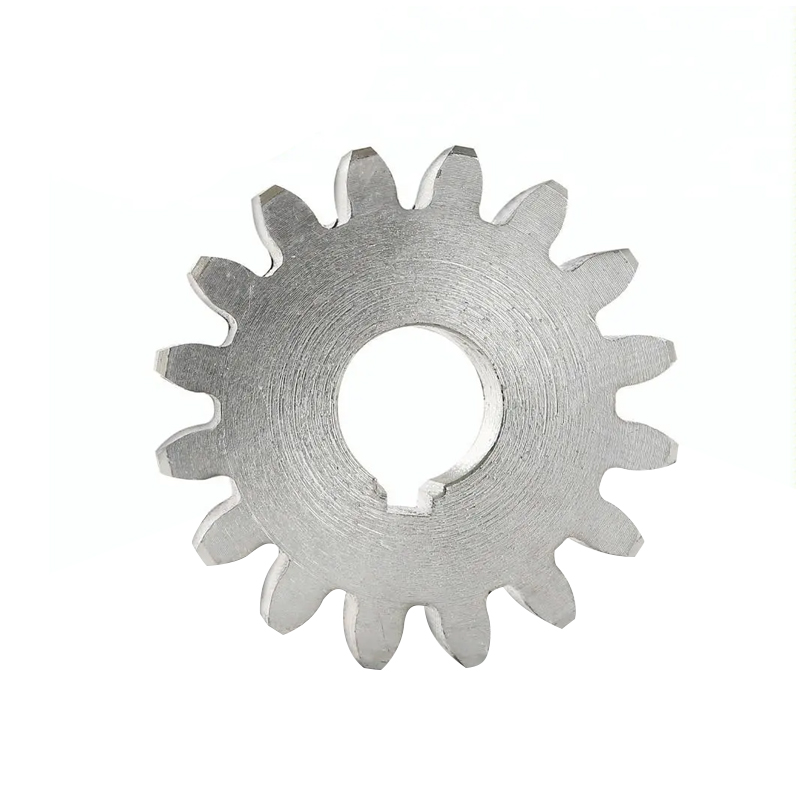
The Smooth Surface High Precision Rack Pinion Gear is a high-performan...
See Details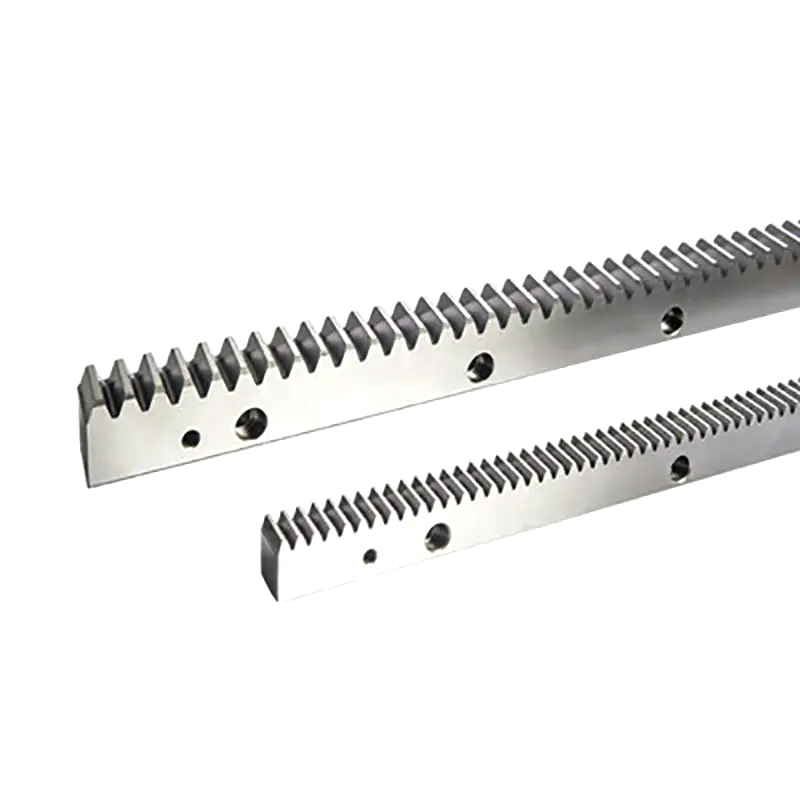
The Widely Used Operational Sliding Door Steel Gear Rack is a critical...
See Details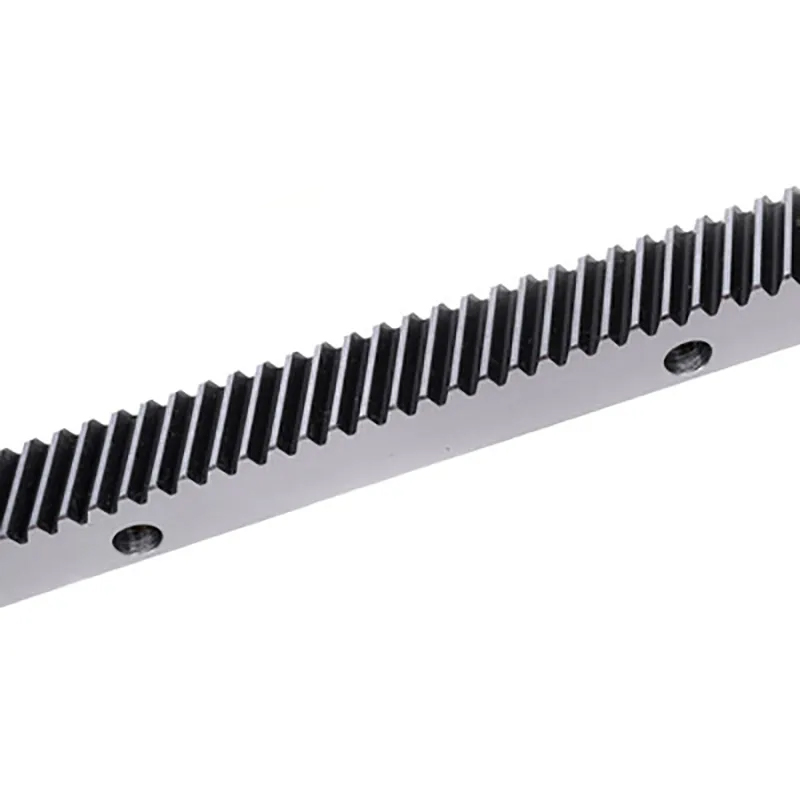
The CNC machining helical gear rack is a critical component in various...
See Details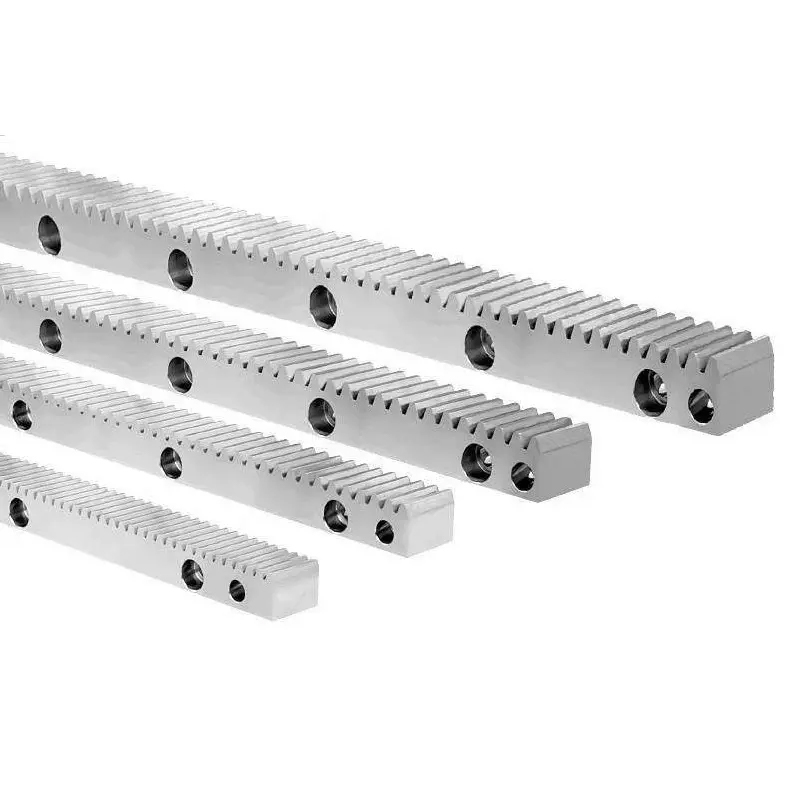
New Durable Custom Helical Gear Rack is a mechanical transmission ...
See Details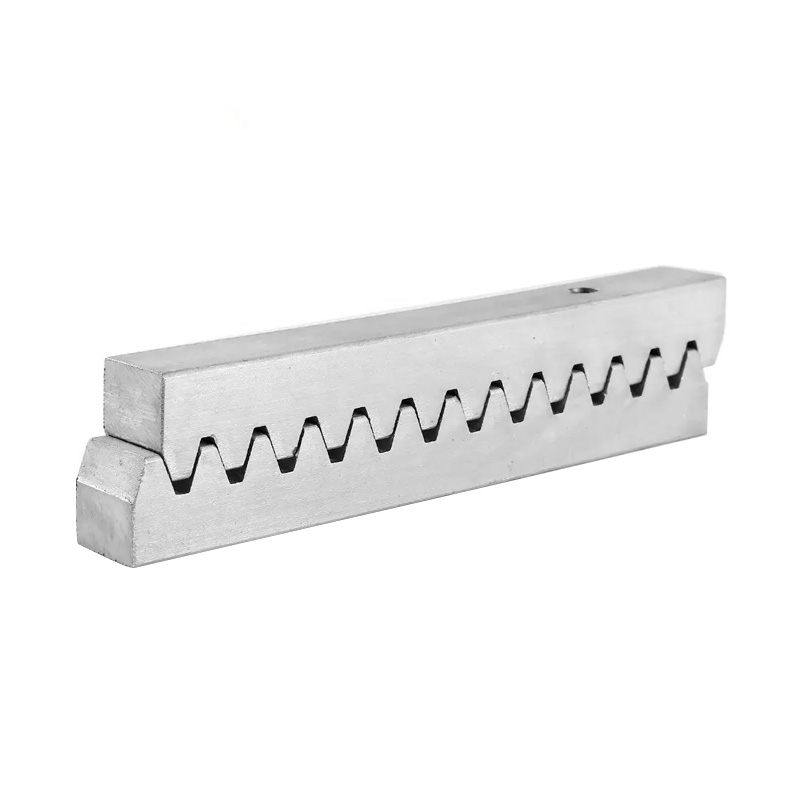
This square Linear Gear Rack has evenly spaced straight teeth down its...
See Details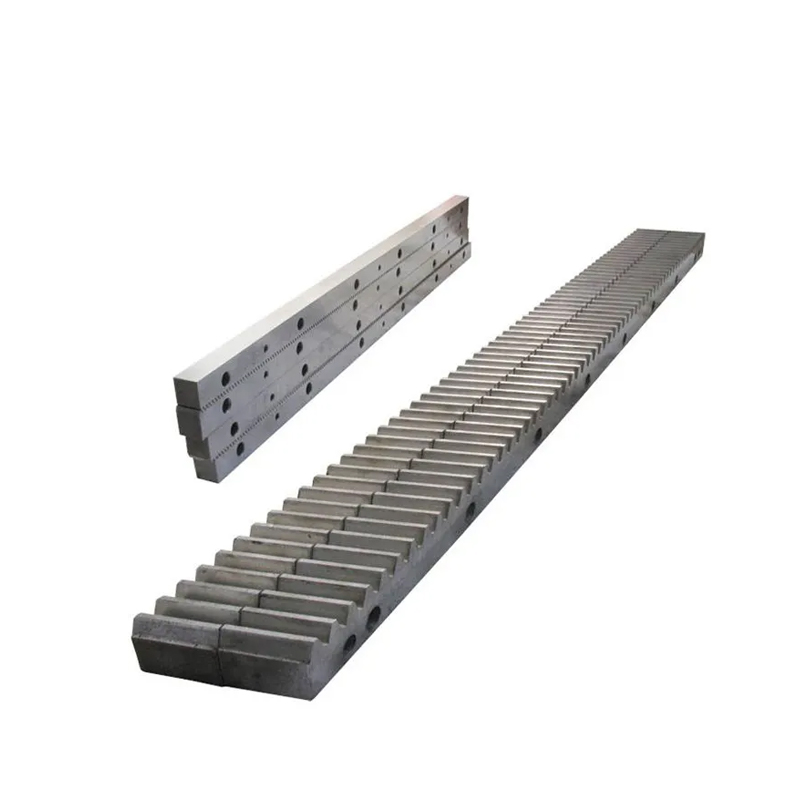
Screws steel straight gear rack for automatic doors is a linear transm...
See Details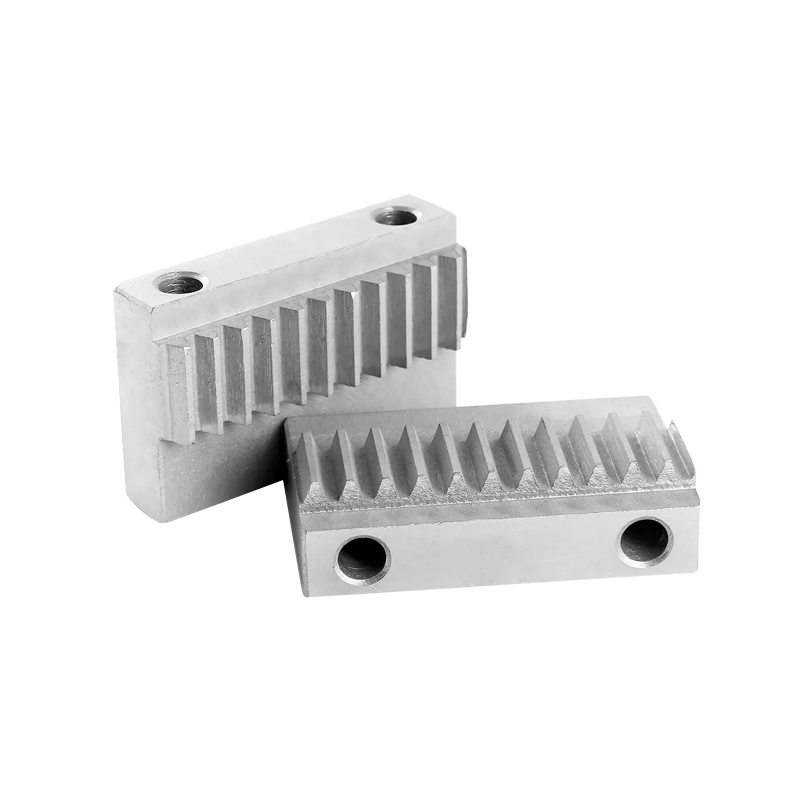
In industrial settings, the performance and longevity of mechanical co...
See Details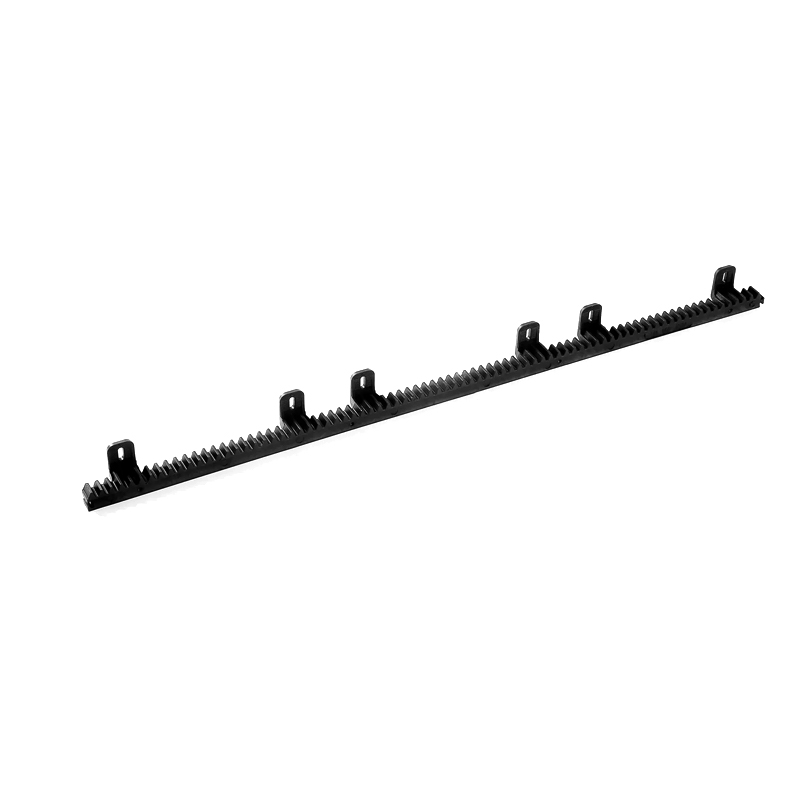
The plastic nylon gear rack for automatic sliding doors is an essentia...
See Details
