
 English
 русский
 Español
No. 200 Gaoxin RD, Shanghua St, Lanxi, Zhejiang, P. R China
The Rack Pinion Gear for automatic door openers is a crucial component...
See DetailsA gate may look genuinely simple when it's standing still, but its working conditions change every single time it opens and closes throughout the day.
A residential gate may move only when a vehicle arrives at the driveway, while a commercial entrance can go through repeated cycles throughout the day, and each cycle creates another round of movement, contact, load, and wear on the components involved.
For this reason, a Helical Gear Rack Factory needs to think through a lot more than whether a rack can simply move a gate from one position to another.
The way a rack handles repeated operating cycles depends on its material, tooth arrangement, surface condition, installation environment, and relationship with the moving gate it's attached to.
Frequent use can gradually expose small problems that may not be noticeable at all during occasional operation.
A slight change in alignment, uneven contact, dirt around the moving parts, or gradual tooth wear can influence quite a bit how the gate behaves after many cycles have passed.
This makes cycle management a genuinely important part of rack design for gates used in homes, parking areas, commercial properties, workshops, and other entrances people pass through daily.
Every opening and closing movement creates a genuinely new operating cycle worth tracking.
During that cycle, the rack and its matching gear repeatedly move against each other, while the gate changes position from closed to open and back again.
When the gate is used only occasionally, the components spend a lot more time at rest than in motion.
Frequent-use gates create a genuinely different pattern, because movement happens again and again as people, vehicles, or equipment pass through the entrance throughout the day.
| Gate Usage Pattern | Rack-Related Consideration |
|---|---|
| Occasional opening | Limited repeated movement |
| Daily vehicle access | Regular operating cycles |
| Shared parking entrance | Frequent changes in movement |
| Commercial access point | Repeated opening and closing |
| Busy facility entrance | Continuous attention to wear conditions |
The number of cycles isn't the only concern worth watching here.
A gate can experience different loads, depending on whether it's beginning to move, continuing through its travel, changing direction, or coming to a stop at the end.
These changes place genuinely different demands on the connected components each time.
A rack intended for frequent gate use therefore needs to be considered as part of a moving system, rather than as a static strip with teeth bolted onto a frame.
This perspective also gives buyers a genuinely clearer way to discuss product requirements with a Nylon Gear Rack Factory or other rack supplier during procurement.
The useful question isn't simply whether the product is designed for gates in general. It's whether its construction actually fits the expected pattern of use it'll face.
Wear develops through repeated contact and movement over time, not from a single event.
Each cycle creates another opportunity for surfaces to rub, press, or move against one another along the same path.
Over time, this repeated interaction can genuinely change the condition of the rack teeth bit by bit.
Wear doesn't necessarily appear evenly across the entire rack from end to end.
Some sections may experience a lot more use because of the way the gate starts, stops, or moves through its normal path each day.
For example, a gate that travels the same route during every opening cycle may place repeated contact squarely on particular areas of the rack.
| Wear Area | Possible Cause |
|---|---|
| Tooth surfaces | Repeated contact during movement |
| Mounting points | Repeated movement and load changes |
| Rack edges | Contact with surrounding parts or debris |
| Connection sections | Repeated movement of joined rack pieces |
| Surface finish | Exposure to handling and operating conditions |
The condition of the matching gear also matters a great deal in this equation.
A rack and gear work together as a pair, so unusual wear on one component can genuinely influence the contact pattern of the other over time.
This is why maintenance checks shouldn't focus on the rack alone, ignoring everything else nearby.
Looking at the complete movement path can help identify whether wear connects with alignment, dirt, mounting, load changes, or another part of the gate system entirely.
A gate doesn't always experience the same load from beginning to end of its travel.
The moving structure may behave quite differently, when it starts moving, travels across its path, or approaches the stopping position at the far end.
Wind can also affect an outdoor gate considerably, especially on an exposed property.
A larger gate may experience genuinely different movement conditions from a smaller residential entrance, while a gate with a heavier structure may place different demands on its rack arrangement altogether.
These changes are part of normal use and should get considered during product planning from the outset.
A rack that works fine in one application may not suit another simply because both systems happen to get called gates on a spec sheet.
The operating environment genuinely matters here.
| Condition | Possible Effect on Rack Use |
|---|---|
| Gate starts moving | Contact conditions change |
| Gate changes direction | Movement pattern changes |
| Gate approaches stop | Load conditions may shift |
| Outdoor wind | Moving resistance can vary |
| Gate structure changes | Overall load can change |
A Helical Gear Rack Factory can weigh these operating differences carefully when developing products for different gate applications across a product line.
The rack needs to work within the movement conditions created by the complete gate structure it's paired with, not in isolation.
This also explains why load changes should get considered alongside cycle frequency, not as a separate concern.
A gate that moves often but under relatively consistent conditions may create a genuinely different wear pattern from one that moves less frequently but experiences changing resistance each time.
Material choice becomes a genuinely important part of cycle management worth thinking through early.
Gate Rack Nylon gets used in some gate applications, where a non-metal rack construction fits the intended operating conditions of the site.
Its suitability depends on the complete application, rather than the material name alone printed on a datasheet.
The gate structure, operating environment, installation method, matching gear, and expected use pattern all need consideration together as one picture, not separately.
Nylon can prove useful, where designers are looking for a different material approach for the rack compared to metal options.
However, material selection shouldn't get treated as a shortcut for solving every wear concern that comes up.
A rack can experience problems because of poor mounting, contamination, uneven contact, or unsuitable operating conditions, even when the material itself is genuinely appropriate for the job.
| Material Consideration | Application Question |
|---|---|
| Nylon construction | Does it suit the expected gate movement? |
| Surface condition | Can normal contact remain consistent? |
| Environmental exposure | Does the material fit the surrounding conditions? |
| Tooth condition | Can the rack maintain useful engagement? |
| Mounting arrangement | Can the rack remain properly positioned? |
A Nylon Gear Rack Factory may therefore need to consider carefully how the material behaves within different gate environments, rather than presenting nylon as a universal answer for every job.
Residential gates, parking entrances, and commercial access points can have genuinely different operating patterns from one another.
The material should fit the actual conditions under which the gate will actually move, not a general assumption.
This application-based approach also helps prevent unnecessary product substitution based only on appearance or price alone.
A rack can be manufactured carefully and still experience operating problems, if it isn't installed in a genuinely suitable position from the start.
The relationship between the rack and the matching gear needs to stay consistent as the gate moves through its full range of travel.
If the rack is mounted unevenly, contact may not remain consistent across the movement path from open to closed.
This can create additional wear in particular sections and may make the gate movement feel genuinely less uniform to anyone watching it operate.
The mounting structure also needs to support the rack, as the gate moves repeatedly day after day.
Small installation differences can become a lot more noticeable after many cycles, simply because the same movement pattern keeps getting repeated over and over.
A practical installation review can work through several checks worth running. Rack position deserves a look, checking that the rack follows the intended movement path from end to end. Mounting stability needs confirming, making sure the rack remains securely attached during normal operation. Gear contact should get observed, watching whether the matching gear engages consistently throughout the cycle. Gate movement is worth checking too, looking for unusual changes during opening and closing. Rack joints deserve inspection where applicable, especially at connected sections along a longer run.
The purpose here isn't making installation unnecessarily complicated for the crew doing the work.
It's ensuring the rack remains in a suitable relationship with the moving gate throughout its operating path, cycle after cycle.
For frequent-use applications, this relationship becomes increasingly important, because a small installation issue can get repeated through many cycles before anyone notices.
Not every gate follows the same daily routine around the clock.
A private driveway may open only when a vehicle enters or leaves the property, sometimes just a handful of times a day.
A residential community entrance may experience a lot more frequent traffic, because many households share the same access point throughout the day.
Commercial and industrial facilities can have another pattern entirely, with gate movement linked to deliveries, staff access, vehicles, or scheduled operations running on a timetable.
Each situation creates a genuinely different cycle environment worth planning around.
| Gate Scenario | Typical Operating Consideration |
|---|---|
| Private driveway | Intermittent vehicle access |
| Residential entrance | Shared daily use |
| Parking facility | Repeated vehicle movement |
| Commercial property | Changing access demand |
| Workshop entrance | Vehicle and equipment movement |
The gate's physical environment also matters a great deal here.
An outdoor entrance may be exposed to dust, rain, temperature changes, or wind throughout the seasons.
A covered entrance may have genuinely different environmental conditions but still experience frequent movement all the same.
The rack should therefore get considered according to both cycle behavior and surroundings together, not one without the other.
This is where product planning becomes genuinely more specific than simply choosing a rack intended for a gate in general terms.
The intended location, movement pattern, gate structure, and maintenance routine can all influence what type of rack arrangement genuinely makes sense for the job.
Wear management genuinely begins with observation, not with a complicated inspection schedule.
Operators may notice that a gate sounds different, moves less evenly, or requires more attention during normal operation than it used to.
These changes can provide genuinely useful clues about the condition of the rack and related components nearby.
Routine checks can focus on areas that experience repeated movement most often.
The rack teeth can get inspected for visible changes, while mounting points can get checked for movement or looseness that's crept in over time.
Dirt and other material around the moving area should also get considered, because contamination can genuinely change contact conditions between the rack and gear.
| Check Area | What to Observe |
|---|---|
| Rack teeth | Visible wear or damage |
| Mounting points | Movement or looseness |
| Gear contact | Uneven engagement |
| Gate travel | Changes in smoothness |
| Surrounding area | Dirt or foreign material |
Maintenance should follow the requirements of the specific gate and rack system in place, not a generic checklist copied from elsewhere.
Cleaning methods, inspection intervals, and replacement decisions can vary quite a bit according to the product and operating environment involved.
A simple maintenance habit can also help identify gradual changes before they become genuinely difficult to understand or trace back.
Operators can pay attention to unusual noise, visible wear, changes in movement, and differences between the opening and closing process each time the gate runs.
The goal isn't assuming that every change automatically means the rack has failed outright.
Instead, changes in operating behavior can prompt a closer look at the rack, gear, mounting arrangement, and gate itself as a whole system.
Product development for frequent gate cycles involves a lot more than creating a rack with a suitable tooth pattern stamped out on a machine.
A Helical Gear Rack Factory may need to consider carefully how the product behaves across repeated movement, changing loads, different gate structures, and varied installation environments it'll face in the field.
Material selection is one part of this process worth getting right early.
Construction, mounting options, connection methods, surface condition, and product handling can also influence quite a bit how the rack fits the intended application it's built for.
Manufacturers can organize development around several practical operating questions worth asking.
| Development Area | Question to Consider |
|---|---|
| Material | Does it fit the intended gate environment? |
| Rack construction | Can it support repeated movement? |
| Mounting | Can the product remain properly positioned? |
| Connection | Can longer rack arrangements be assembled conveniently? |
| Inspection | Can wear areas be checked during service? |
| Application | Does the product suit the expected gate cycle? |
A Nylon Gear Rack Factory may face genuinely similar questions when developing nylon rack products for gates across its own catalog.
The focus should remain squarely on how the material and construction behave within the intended application, not on marketing claims alone.
This is also relevant, when buyers compare rack products for different gates side by side before purchasing.
A product used for a private entrance may have genuinely different requirements from one used at a shared facility running dozens of cycles a day.
Clear communication about operating conditions can help manufacturers and buyers discuss the product in genuinely practical terms, rather than talking past each other.
Frequent gate cycles make small design details a lot more visible over time.
Every opening and closing movement adds another operating cycle, while changing loads, outdoor conditions, mounting quality, and wear can gradually alter how the rack interacts with the moving gate day after day.
For a Gate Rack Nylon product, a Nylon Gear Rack Factory, or a product developed by a Helical Gear Rack Factory, the useful design question therefore connects to the complete gate routine: how often it moves, how its load changes, where it operates, how the rack is mounted, and how its condition will get checked during continued use over the years.
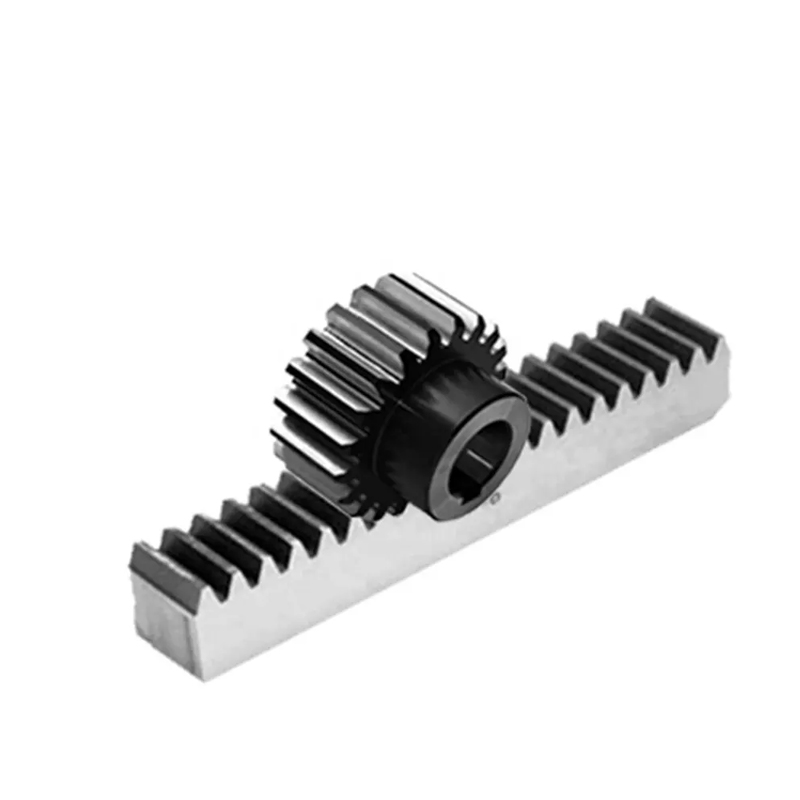
The Rack Pinion Gear for automatic door openers is a crucial component...
See Details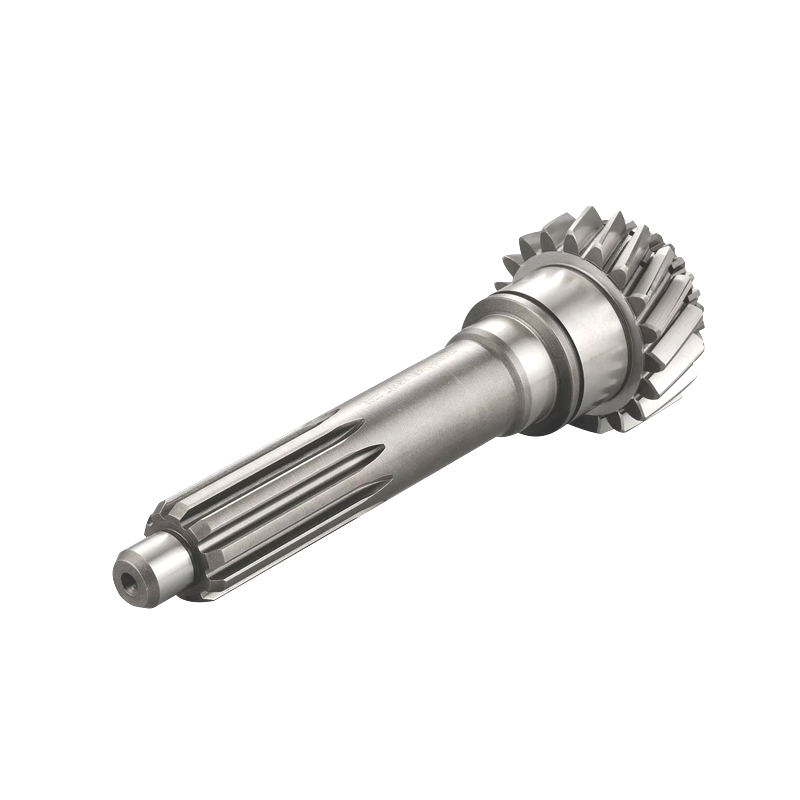
The rust-proof high-precision rack pinion gear is a critical component...
See Details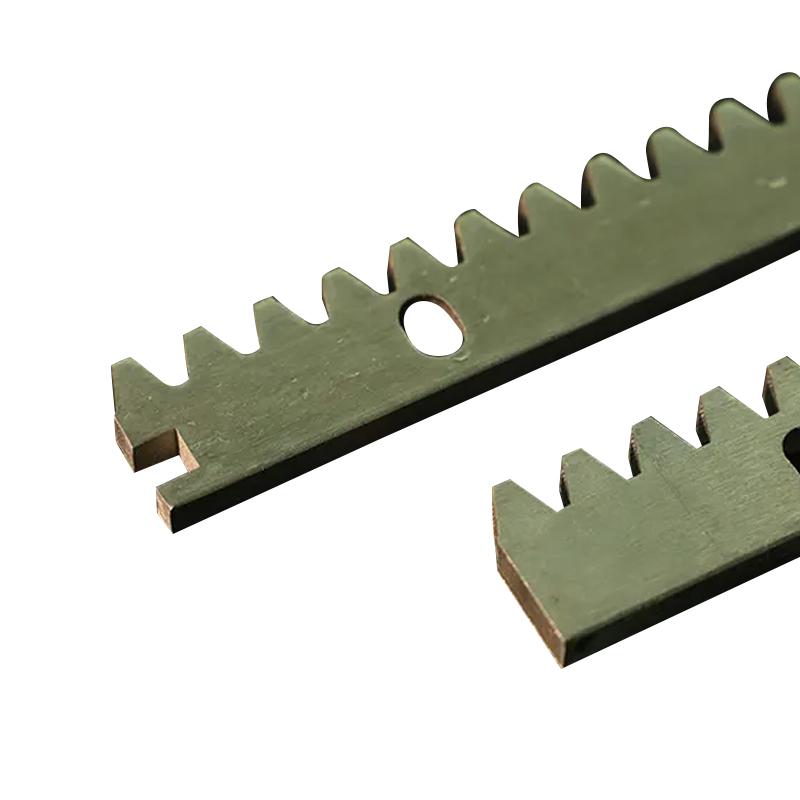
The Metal Steel Gear Rack for Sliding Door Operators is a crucial comp...
See Details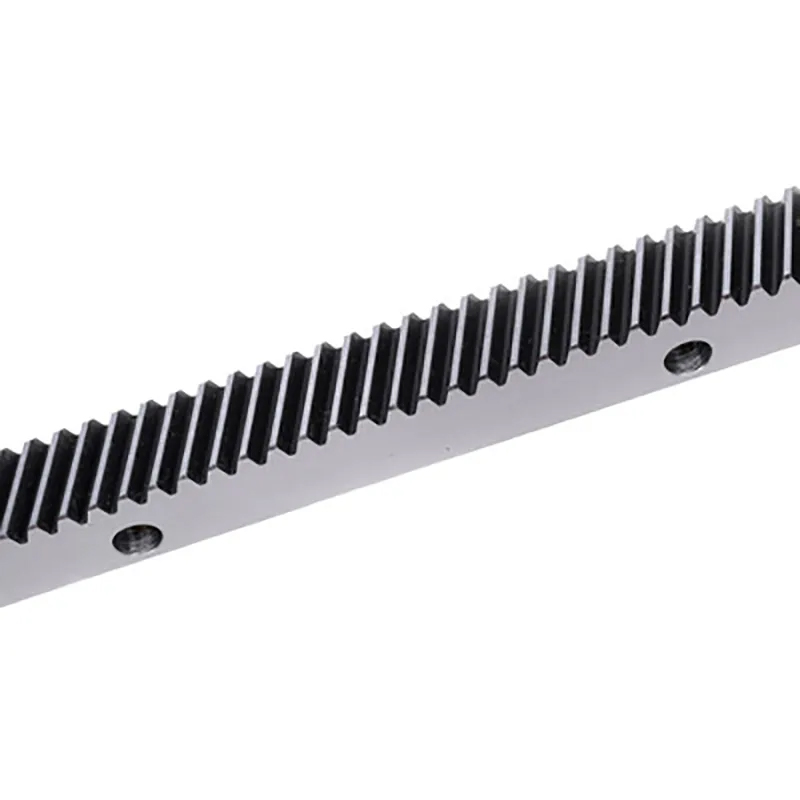
Precision and stainless steel gear racks convert rotational motion int...
See Details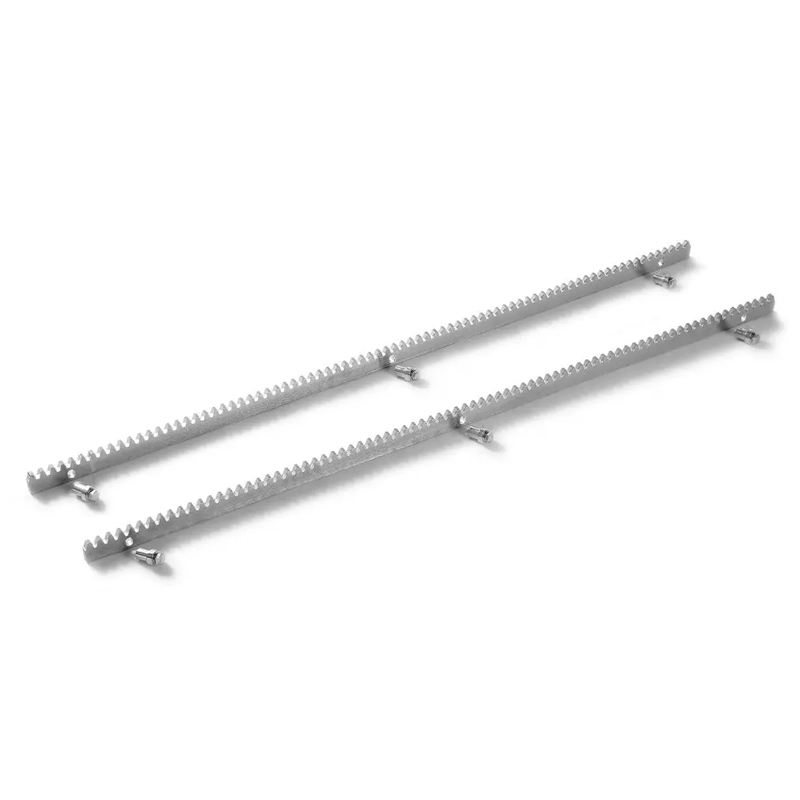
The Durable High-Quality Sliding Door Steel Gear Rack is a versatile a...
See Details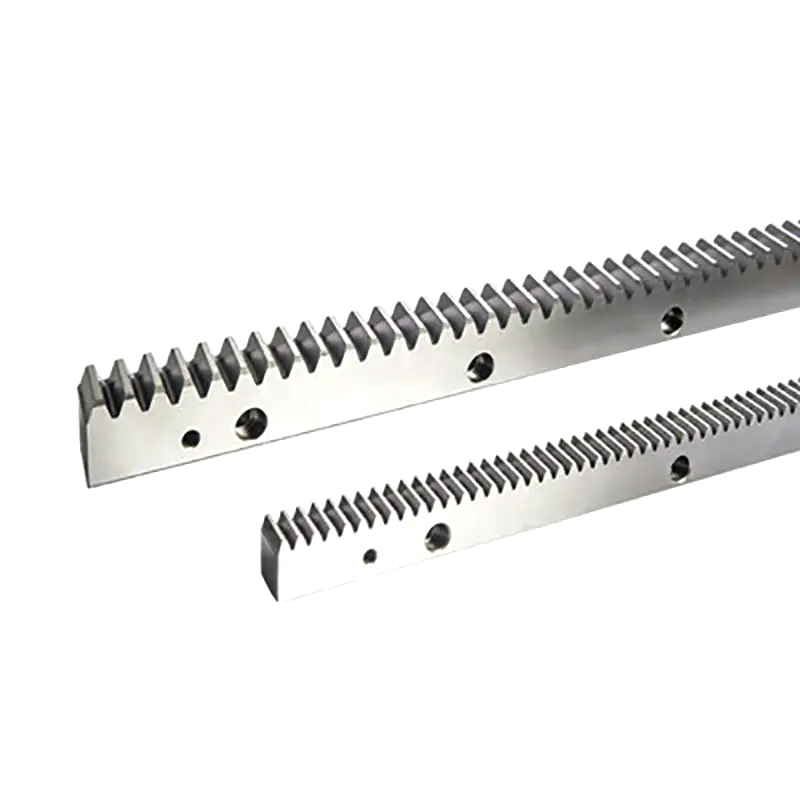
The Widely Used Operational Sliding Door Steel Gear Rack is a critical...
See Details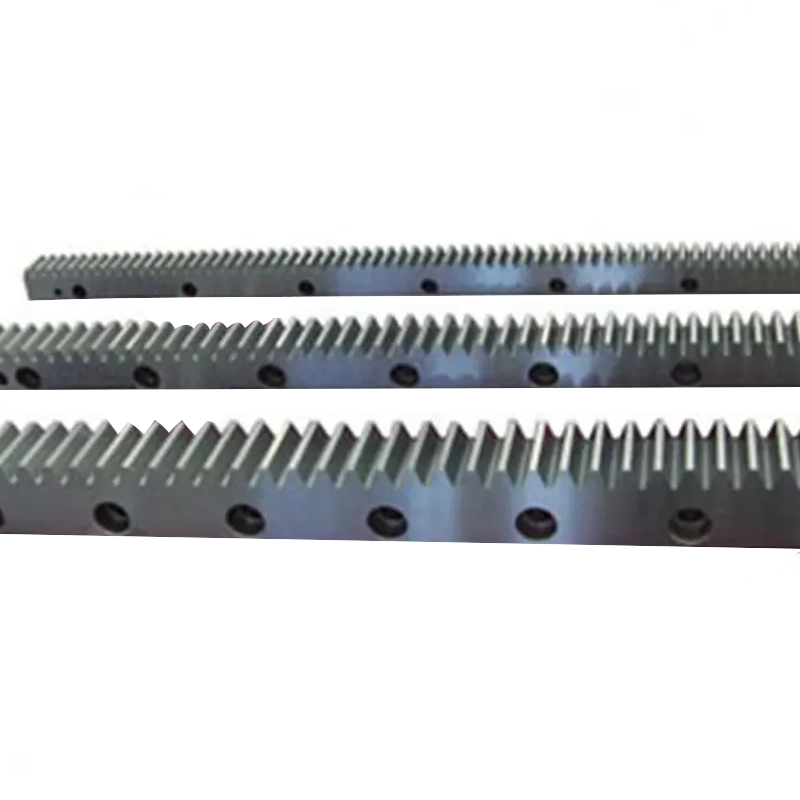
The Spiral Cone Various Specifications Helical Gear Rack is a type of ...
See Details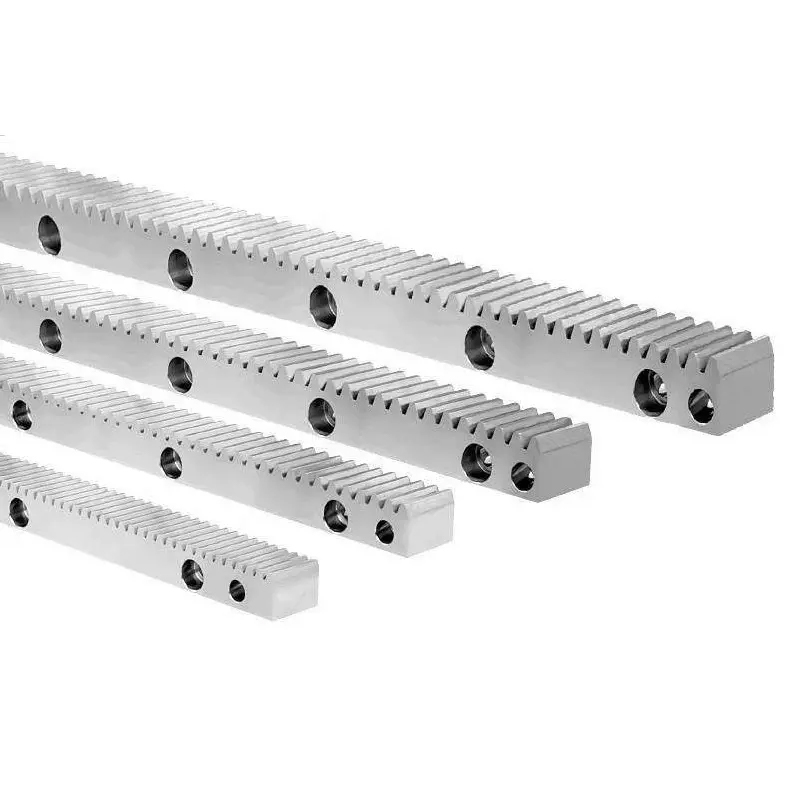
The Modern Design Zinc Alloy Straight Gear Rack is a linear mechanical...
See Details
