
 English
 русский
 Español
No. 200 Gaoxin RD, Shanghua St, Lanxi, Zhejiang, P. R China
The Sliding Doors Steel Rack Pinion Gear is a critical component in va...
See DetailsA sliding door looks simple enough from the outside. Inside, though, several parts have to cooperate to keep it gliding smoothly. The rack and pinion handle power transfer from the motor to the door. If those teeth don't engage cleanly, you get clicking, rattling, or a steady mechanical growl every time the door moves.
The rack often gets blamed first, but the noise doesn't always start there. Material choice, tooth accuracy, mounting, lubrication, the condition of the surrounding structure—all of it feeds into the final sound level. Get these details right during design and the difference is noticeable.
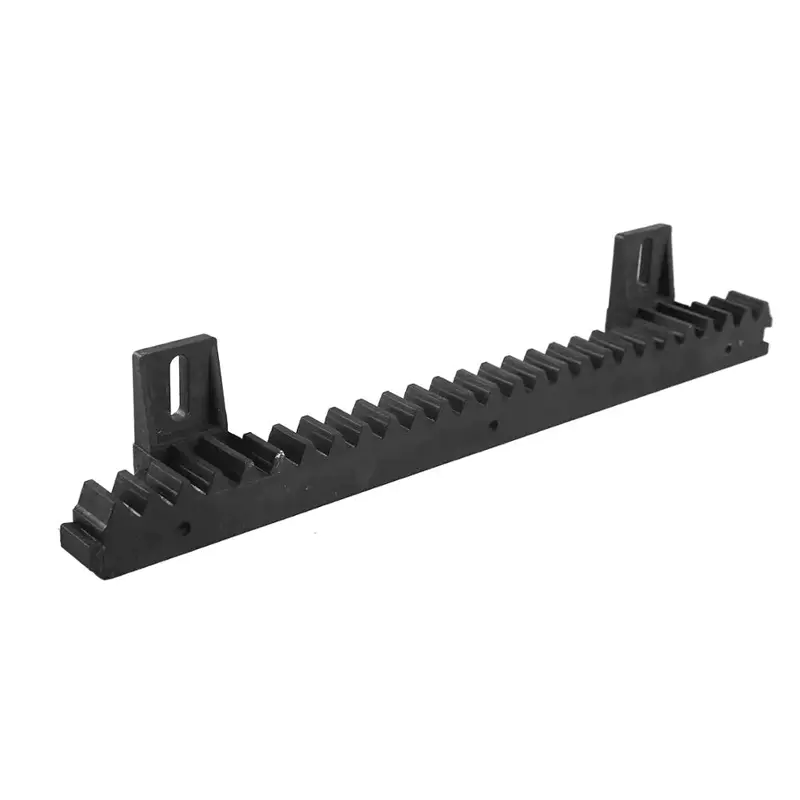
How Gear Rack Design Influences Sliding Door Noise
A rack and pinion converts the motor's rotary movement into linear door travel. The pinion turns, its teeth mesh with the rack, and the door moves along its track.
Noise tends to appear when the teeth don't make even contact. Misalignment, excessive clearance, variations in tooth spacing—these cause repeated little impacts during movement. Vibration then travels through the door frame and supporting structure, which can make the sound seem louder than it actually is.
Three design details deserve particular attention:
Motor speed, door weight, and operating frequency also shape the result. A rack that runs quietly under a light load may behave differently on a heavier industrial door.
Selecting Suitable Tooth Geometry for Quieter Operation
Straight-tooth and helical gear racks are both common in sliding door systems.
Straight-tooth racks have teeth perpendicular to the direction of travel. They're straightforward to manufacture and install. But the teeth engage more abruptly, which can produce noticeable vibration at higher speeds or when alignment isn't quite right.
Helical racks use angled teeth. Contact develops gradually as the pinion rotates, rather than hitting across the full tooth width all at once. That can make movement smoother and reduce engagement noise, particularly on frequently operated automatic doors.
One trade-off worth noting: helical gears generate axial forces during operation, so bearings and mounting structure have to accommodate those loads. Quieter engagement shouldn't come at the cost of mechanical stability.
Improving Tooth Accuracy and Surface Finish
Small manufacturing differences become noticeable once a rack is in regular use. Variations in tooth pitch, profile, or spacing cause the pinion to engage unevenly. The result is repeated noise, vibration, and faster wear.
Precision machining and grinding help maintain consistent tooth geometry. A smoother contact surface reduces unnecessary friction between rack and pinion.
During production, pay attention to:
Long racks bring an extra challenge. They're often assembled from several sections, and even a tiny height or alignment difference at a joint can cause a bump when the pinion rolls over it. Careful positioning of rack sections helps avoid that.
Choosing Materials That Minimize Vibration and Wear
Rack material affects stiffness, wear resistance, and vibration behavior. Steel is widely used in industrial sliding door systems because it handles substantial mechanical loads.
Engineering plastics can work for lighter applications. Their material properties help absorb some vibration and reduce transmission noise. But load capacity, temperature resistance, and wear characteristics still need to match the operating conditions.
| Material or design option | Main advantage | Noise-related consideration | Typical application |
|---|---|---|---|
| Carbon steel | Strength and cost efficiency | Requires suitable surface finish and lubrication | General sliding doors |
| Hardened alloy steel | Improved wear resistance | Stable tooth geometry under demanding loads | Heavy-duty systems |
| Stainless steel | Corrosion resistance | Surface condition affects friction | Humid or corrosive environments |
| Engineering plastic | Lower vibration transmission in suitable designs | Load and temperature limitations | Lightweight doors |
| Helical tooth design | Progressive tooth engagement | Can reduce engagement impacts | Quiet automated systems |
Material selection should reflect door weight, operating frequency, surrounding conditions, maintenance requirements. A softer material doesn't automatically mean quieter operation or longer service life.
Controlling Backlash and Gear Engagement
Backlash is the small clearance between mating gear teeth. Some clearance is necessary—for lubrication, normal movement, thermal expansion. Too much, though, lets the pinion move before fully engaging the rack. That produces clicking or knocking, especially when the motor reverses direction.
Manufacturers can control backlash through accurate machining, proper rack positioning, and suitable pinion selection. Adjustable mounting arrangements help maintain consistent engagement along the door's travel path.
Removing all clearance isn't practical. If teeth fit too tightly, friction and heat climb. Wear follows, and the system may end up noisier than before.
Designing Stable Mounting and Alignment Structures
Even a well-made rack generates noise when installation is poor. Uneven mounting surfaces, loose fasteners, a flexible support structure—the rack can shift slightly under load.
A stable installation needs:
Don't overlook the door frame. If it flexes whenever the door moves, it can amplify vibration and transfer noise into nearby walls or building structures. Checking alignment at one position isn't enough—the entire travel distance needs inspection.
Using Lubrication and Maintenance to Prevent Noise
Gear teeth in contact need suitable lubrication. Without it, friction increases and contacting surfaces wear faster. Heat and irregular movement follow.
The lubricant should match rack material, operating speed, temperature, surrounding environment. Too much grease isn't helpful either—excess collects dust and debris, which eventually causes abrasive wear.
Routine maintenance should include checking:
A little looseness or wear is easy to correct when caught early. Left alone, it develops into a bigger transmission problem.
Integrating Quiet Gear Rack Design Into Sliding Door Systems
Gear rack noise can't be solved in isolation. The pinion, motor, guide rails, rollers, supporting frame—they all influence how the door sounds. A change to tooth geometry may help, but poor mounting or worn rollers still produce unwanted noise.
Test the complete assembly using realistic door loads, travel speeds, acceleration settings. Repeated opening and closing cycles reveal noise that doesn't show up during a short initial test. Take sound measurements from consistent positions when comparing designs. A properly designed Sliding Door Gear Rack helps maintain even tooth contact and reduces unnecessary vibration. Combine that with accurate installation and regular maintenance, and you get quieter movement and dependable operation over time.
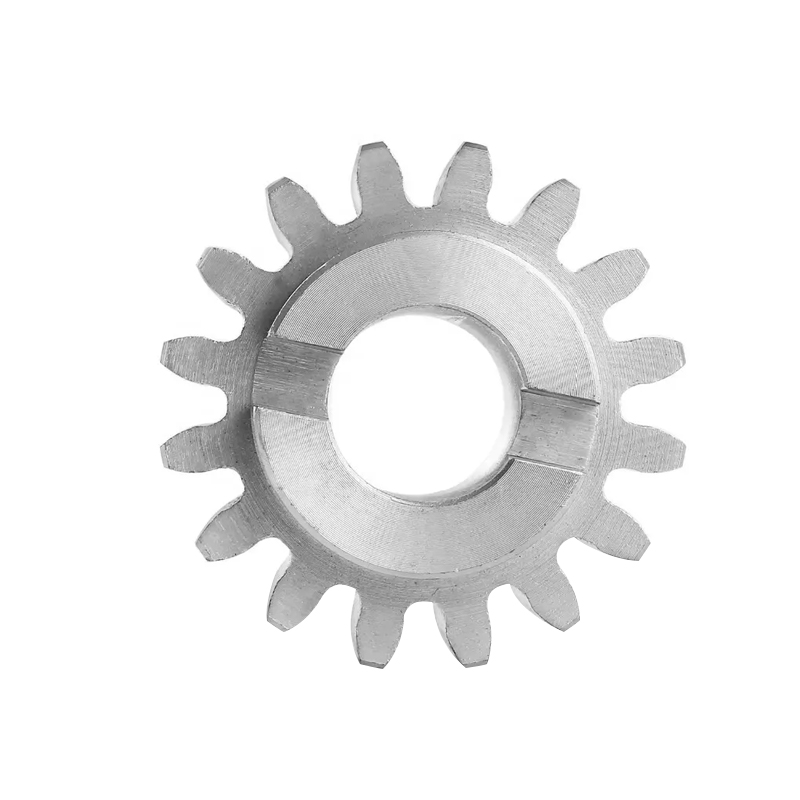
The Sliding Doors Steel Rack Pinion Gear is a critical component in va...
See Details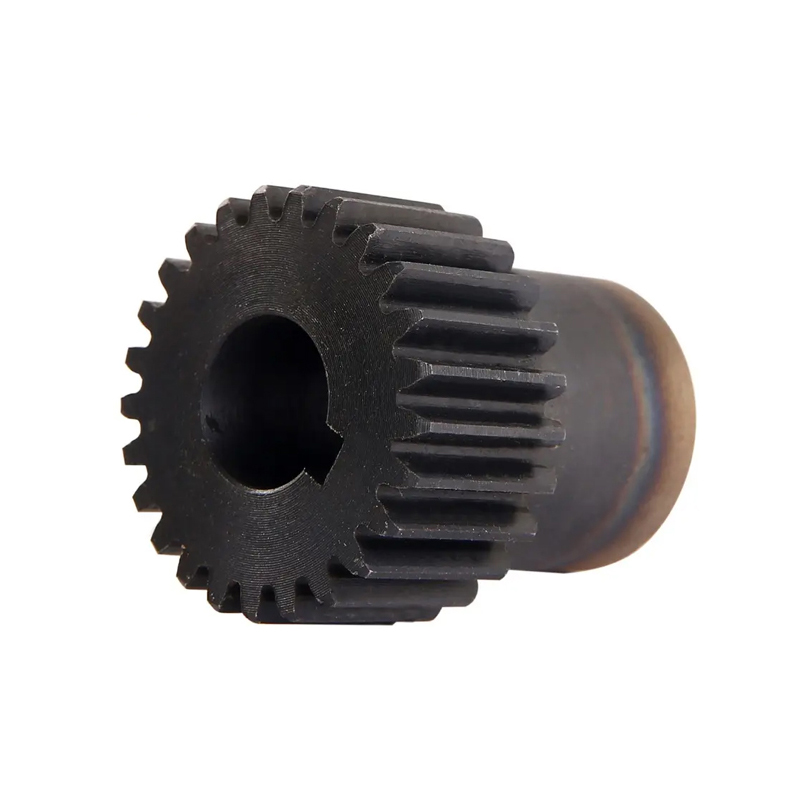
Product IntroductionThe Black Rust-Proof Straight Teeth Rack Pinion Ge...
See Details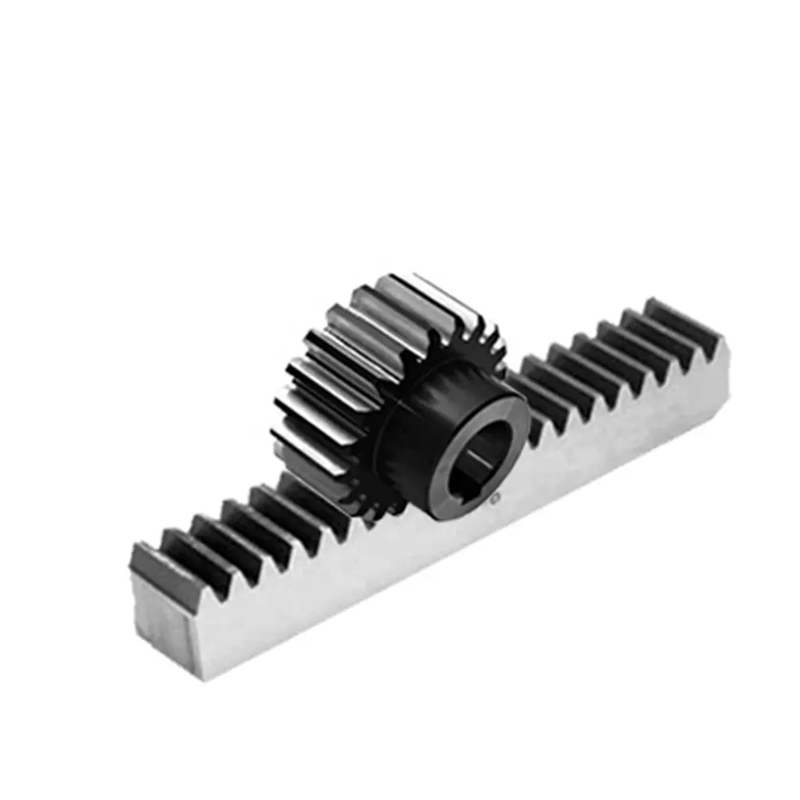
The Rack Pinion Gear for automatic door openers is a crucial component...
See Details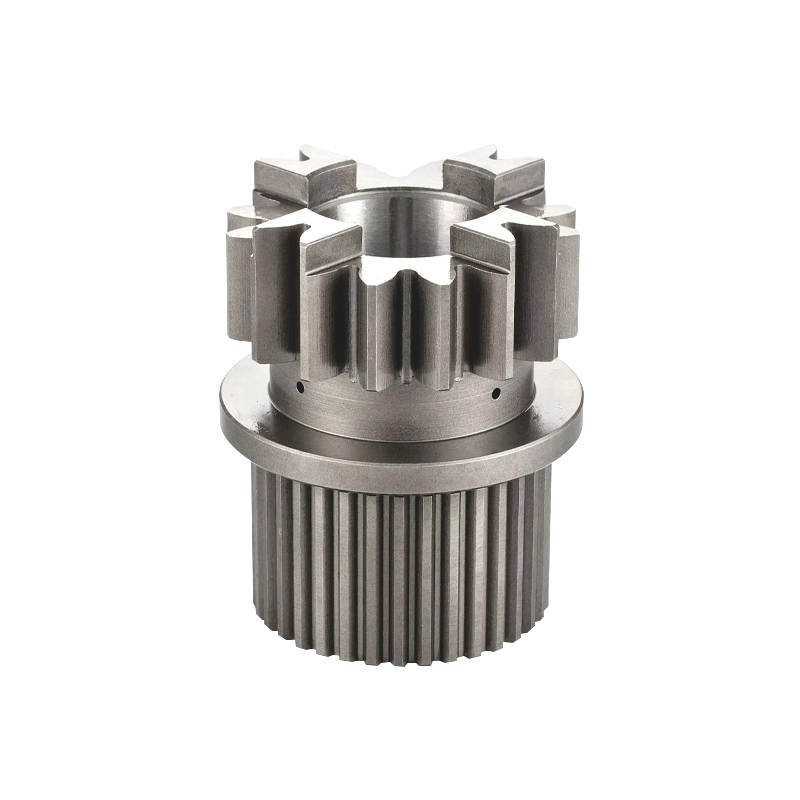
The Gearbox Steering Rack Pinion Gear is a fundamental component in mo...
See Details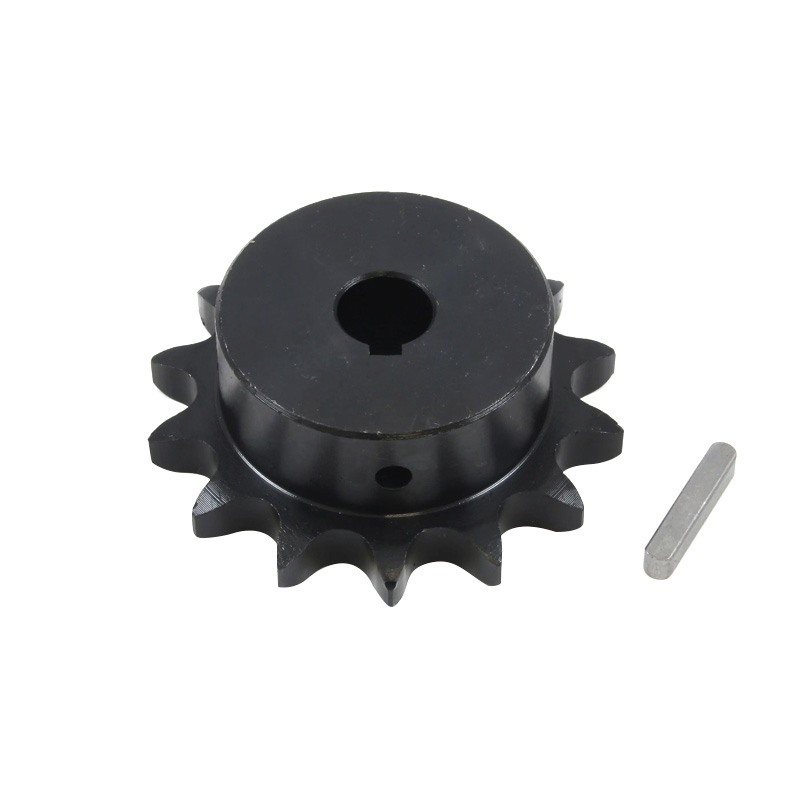
The Roller Transmission Double Plus Rack Pinion Gear is a highly effic...
See Details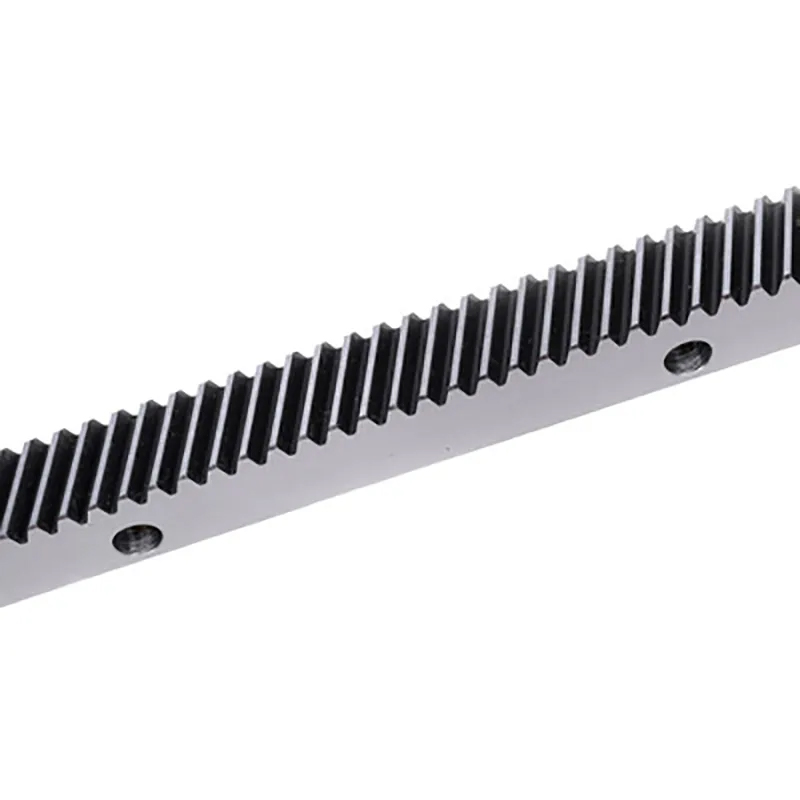
Precision and stainless steel gear racks convert rotational motion int...
See Details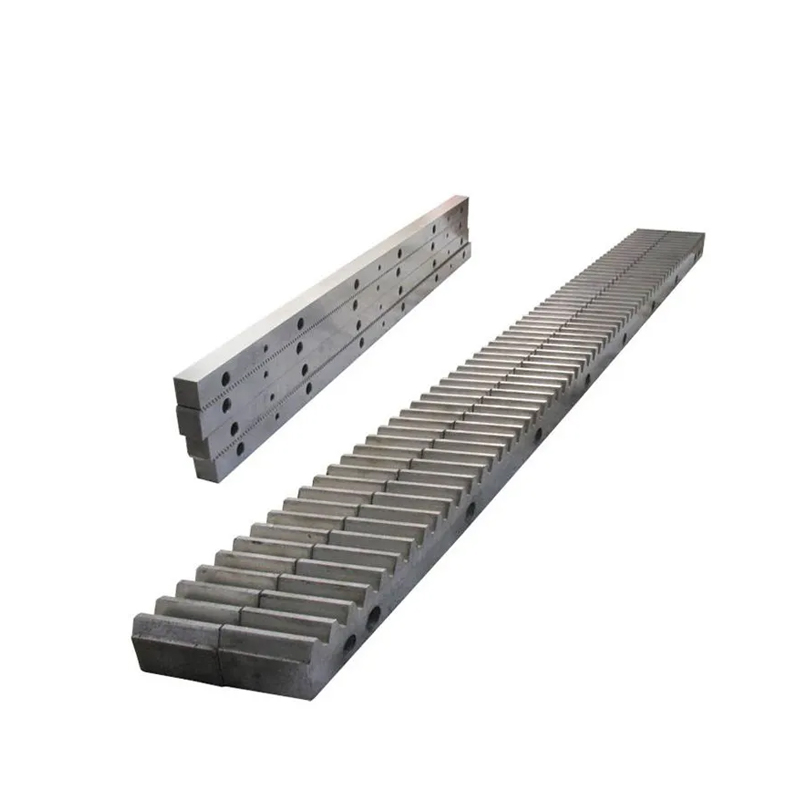
Screws steel straight gear rack for automatic doors is a linear transm...
See Details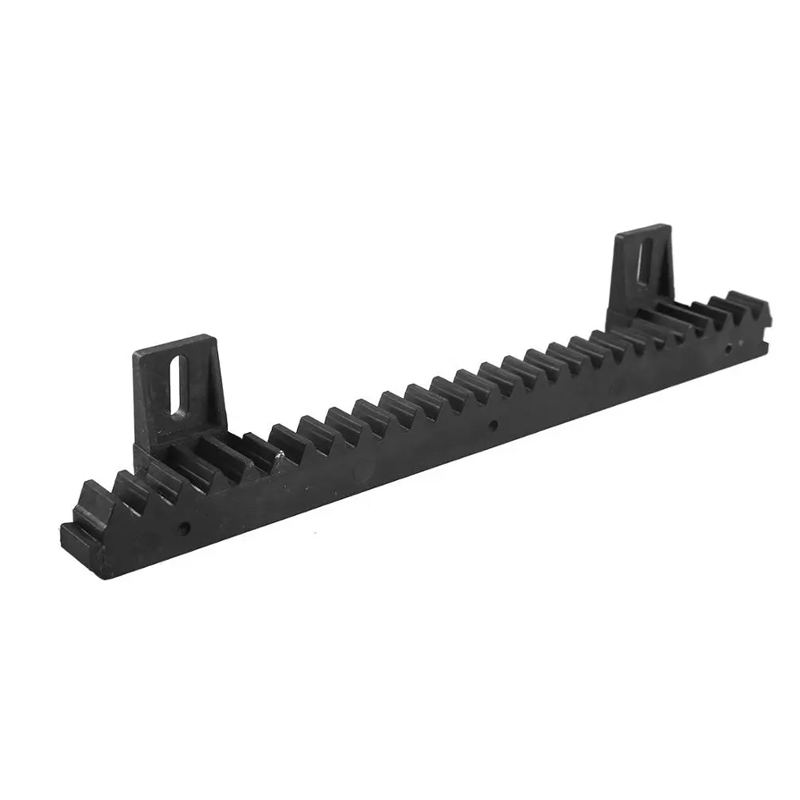
The Two-Hole Track Sliding Door Nylon Gear Rack is a mechanical compon...
See Details
