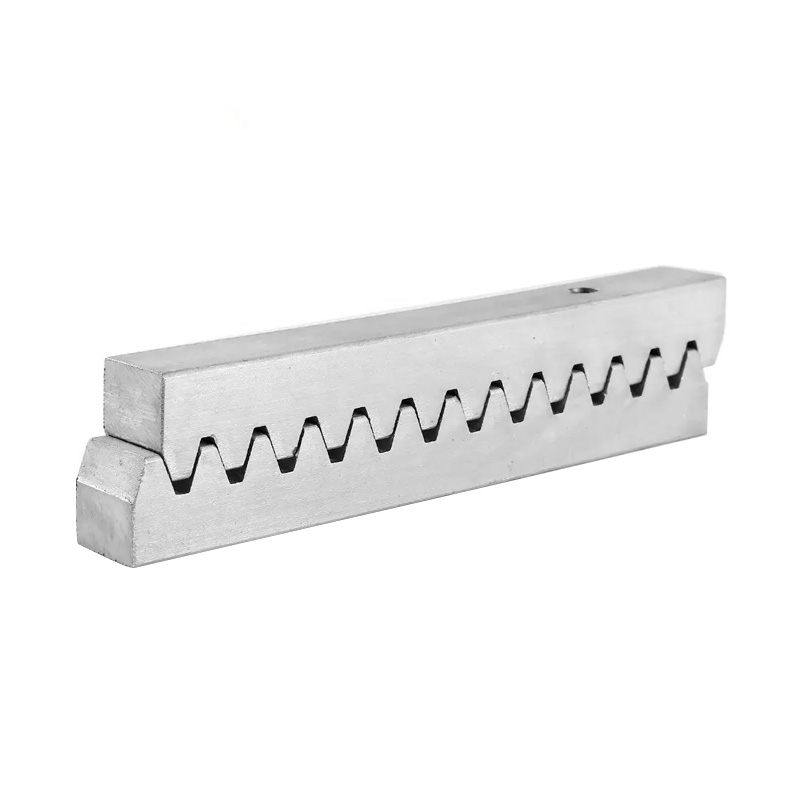
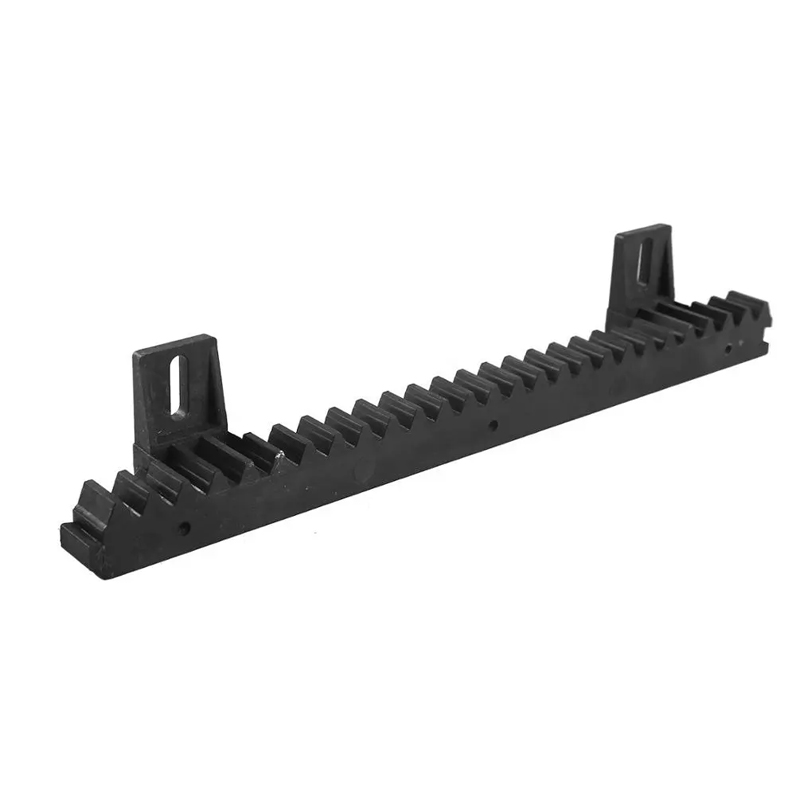
Precision and Stainless Steel Gear Rack Manufacturer
What is a Precision and Stainless Steel Gear Rack?
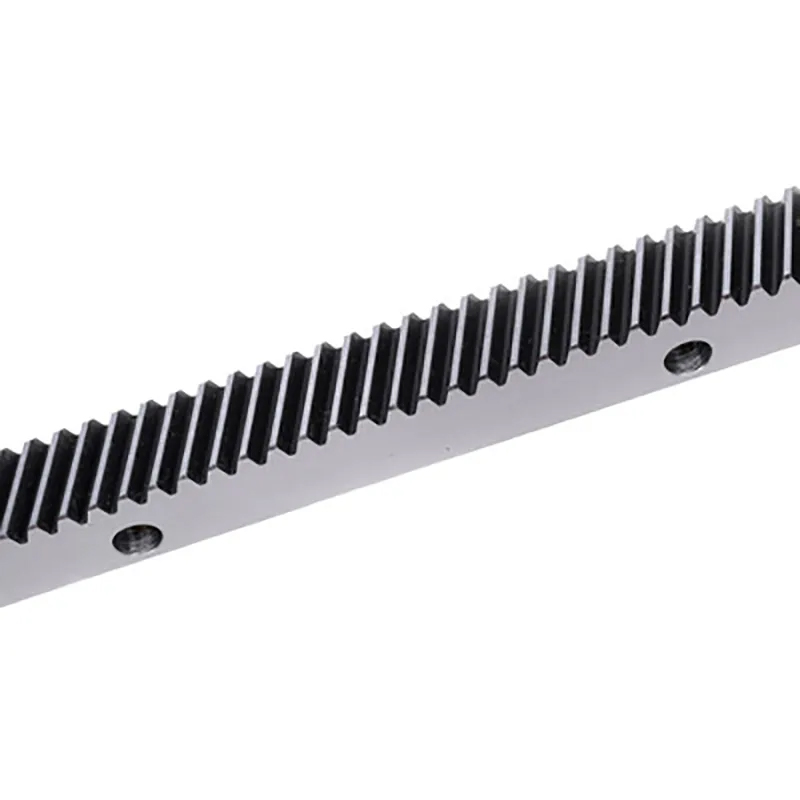
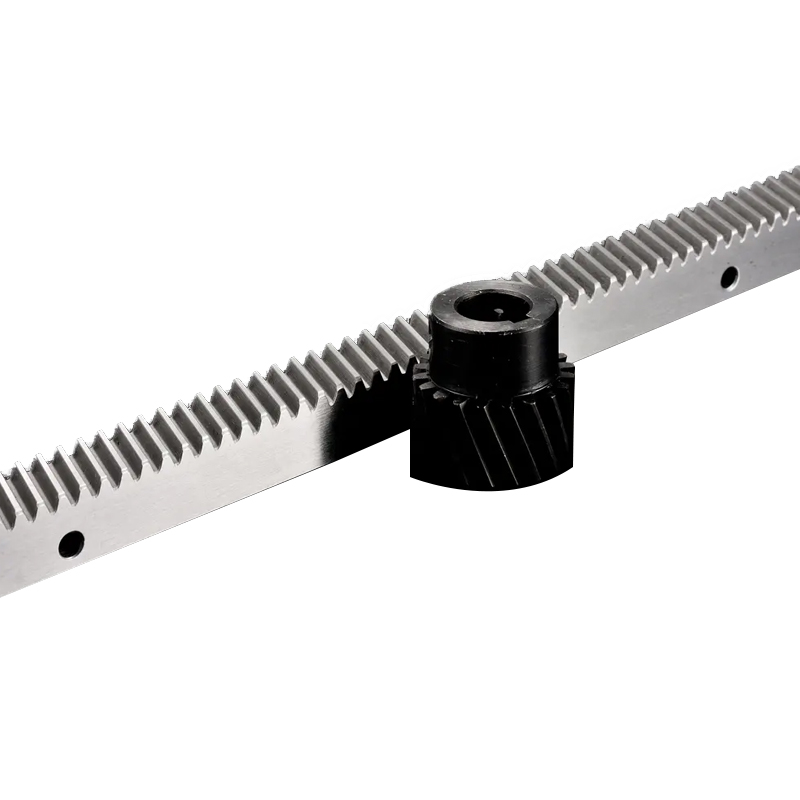
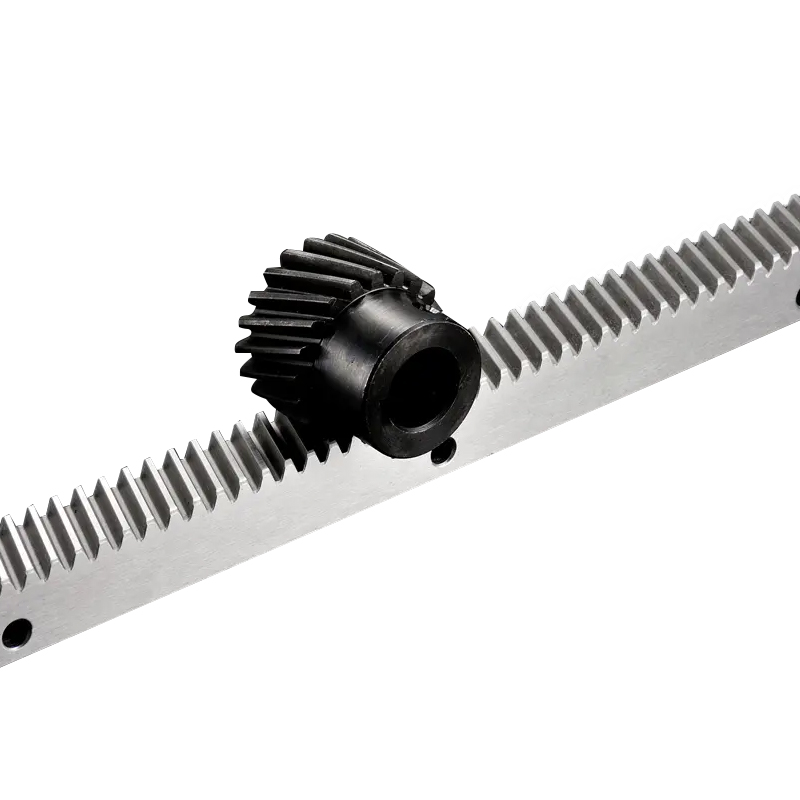
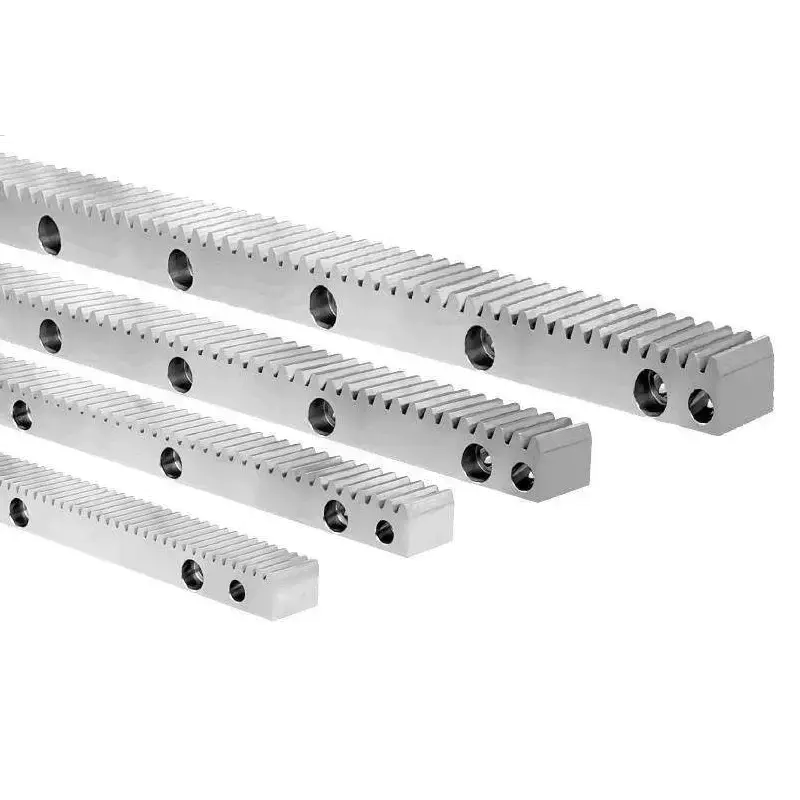
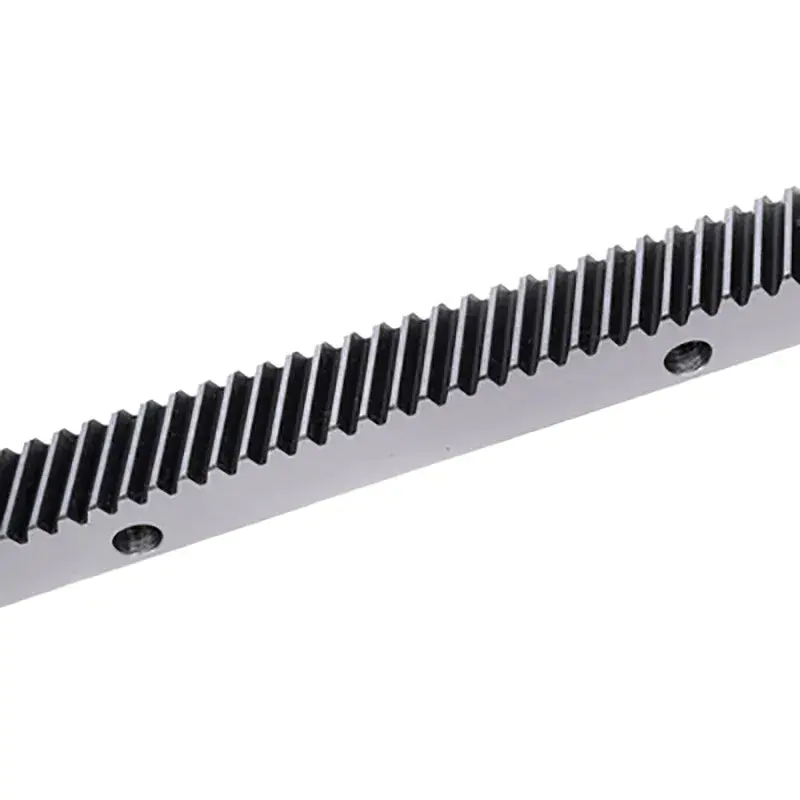
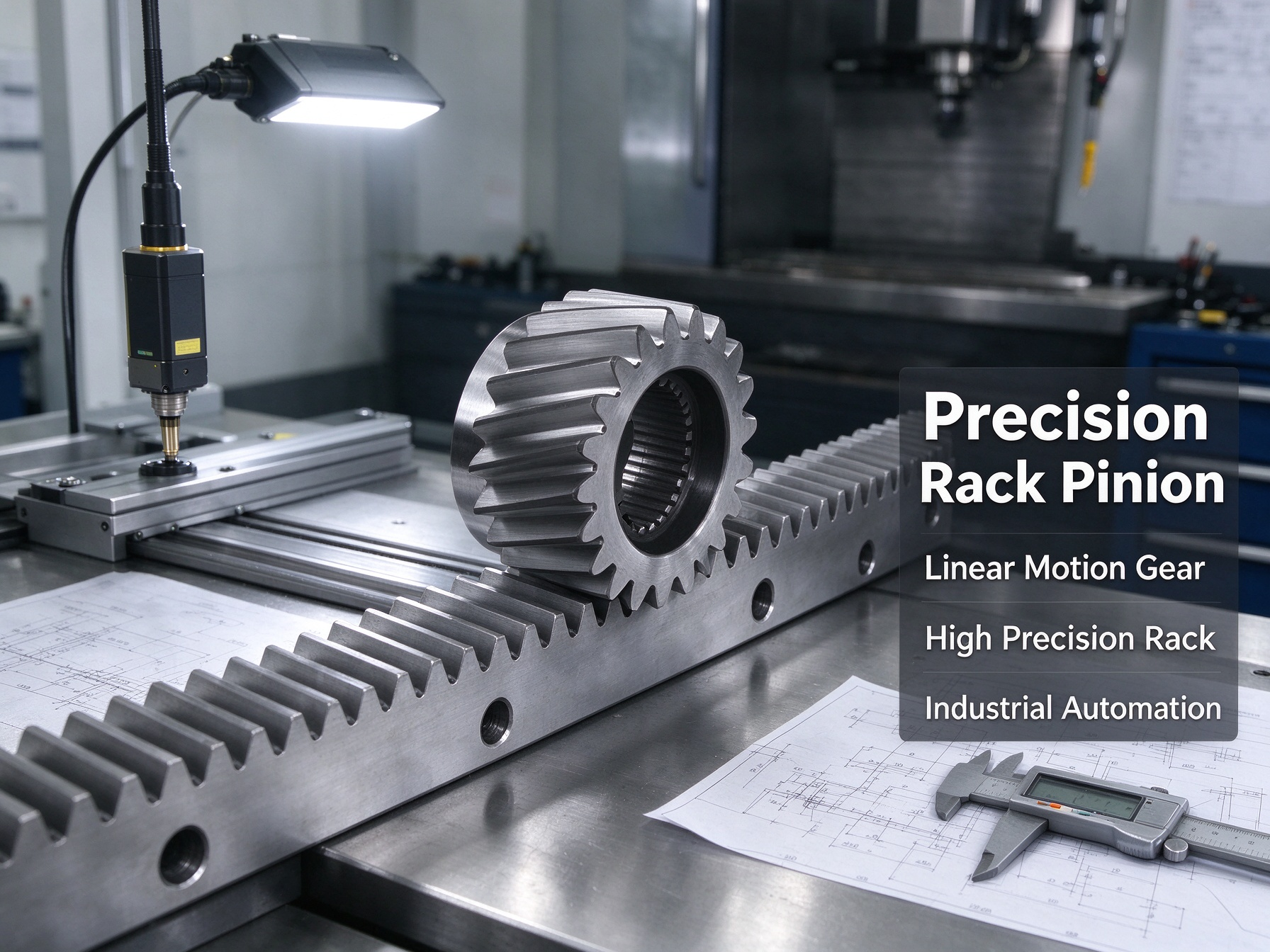
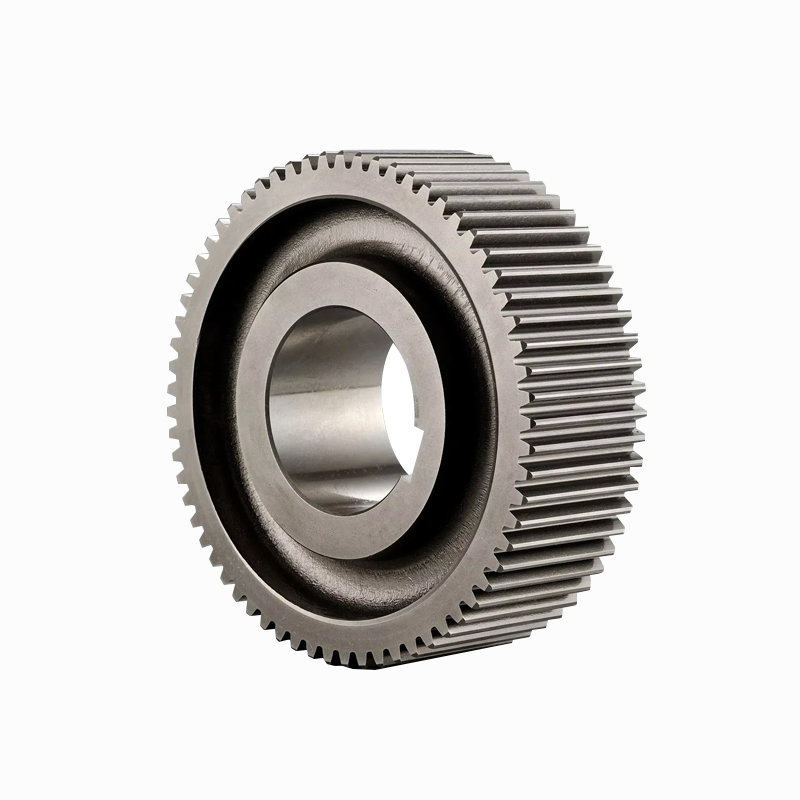
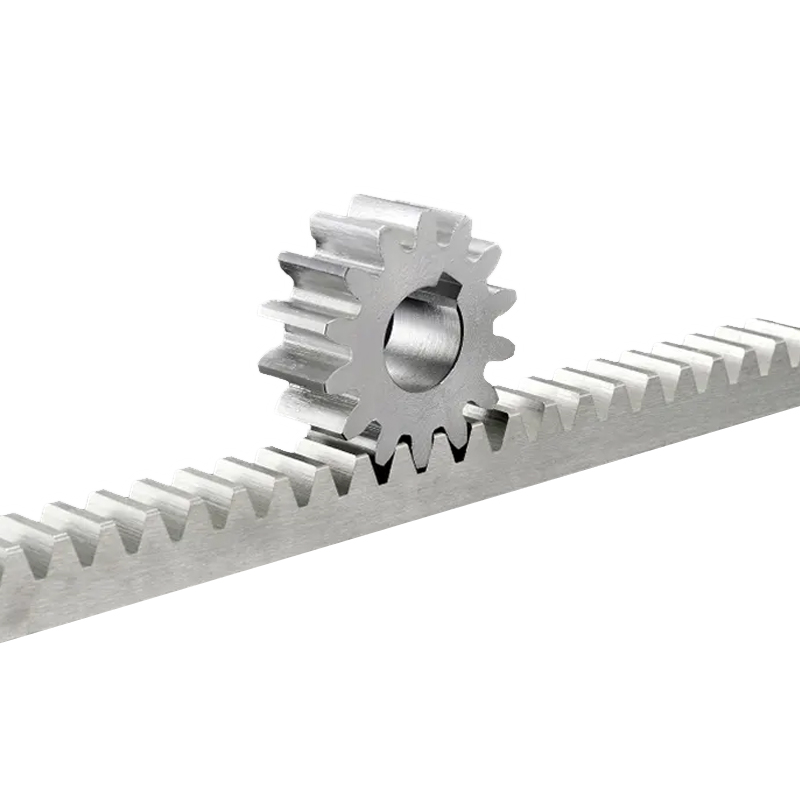
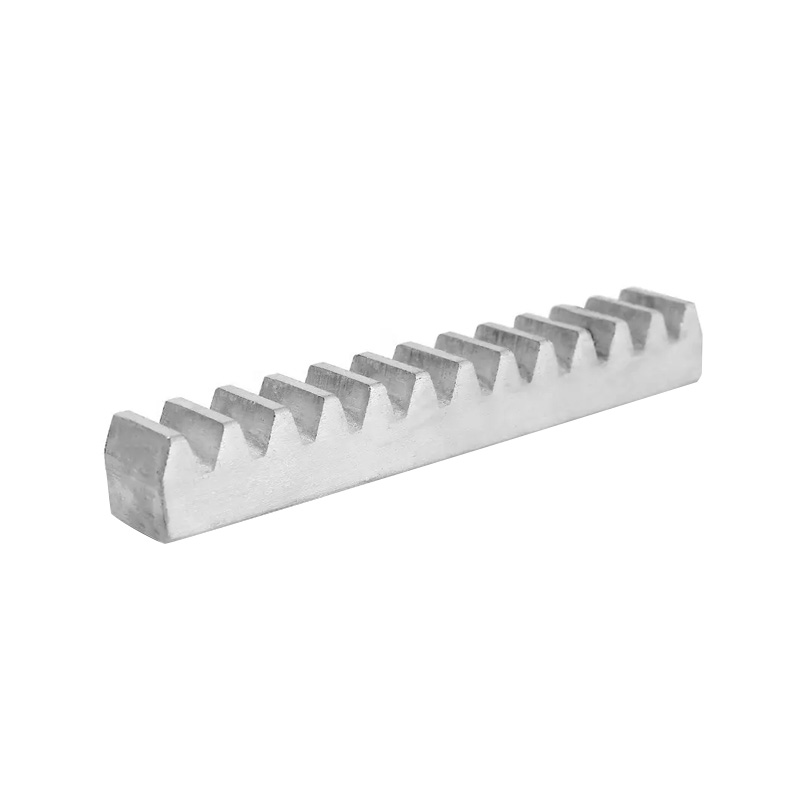
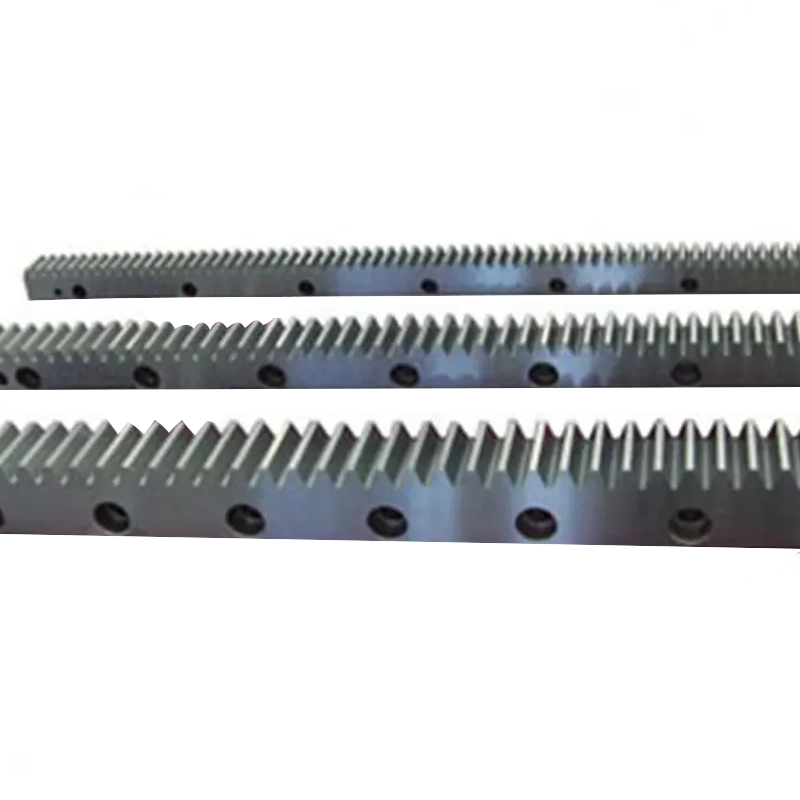
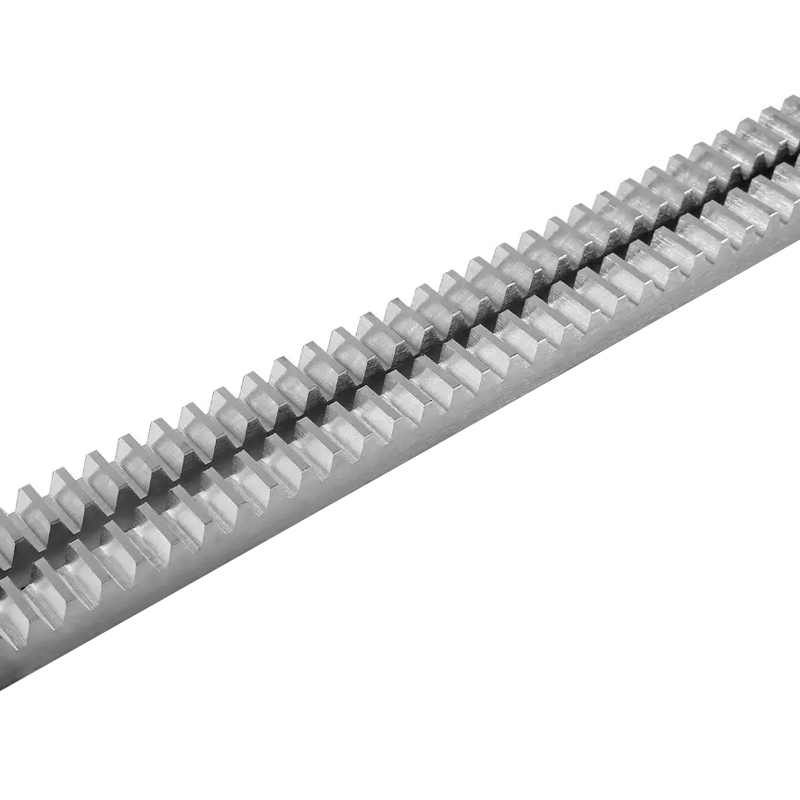
A precision and stainless steel gear rack is a mechanical component used in linear motion systems to convert rotational movement into straight-line motion. It works with a matching pinion gear to ensure controlled and accurate transmission in industrial equipment.
A precision gear rack is designed for applications requiring tight tolerance and stable movement, while a stainless steel gear rack is suitable for environments where corrosion resistance and long service life are important. These products are widely used in automation systems, sliding mechanisms, and industrial machinery.
Raw Material Sources
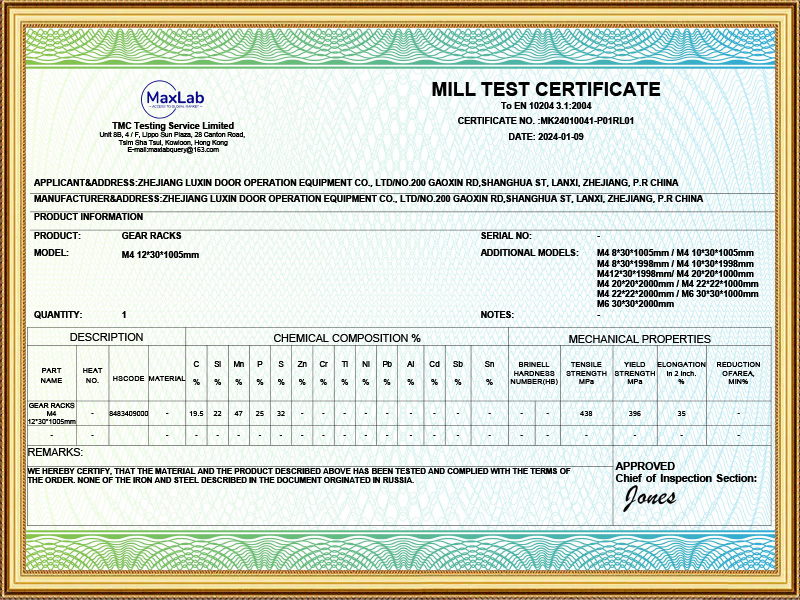
The performance of a gear rack depends largely on its material. Most precision gear racks are made from carbon steel or alloy steel, while stainless steel gear racks use corrosion-resistant stainless steel grades such as 304 or 316.
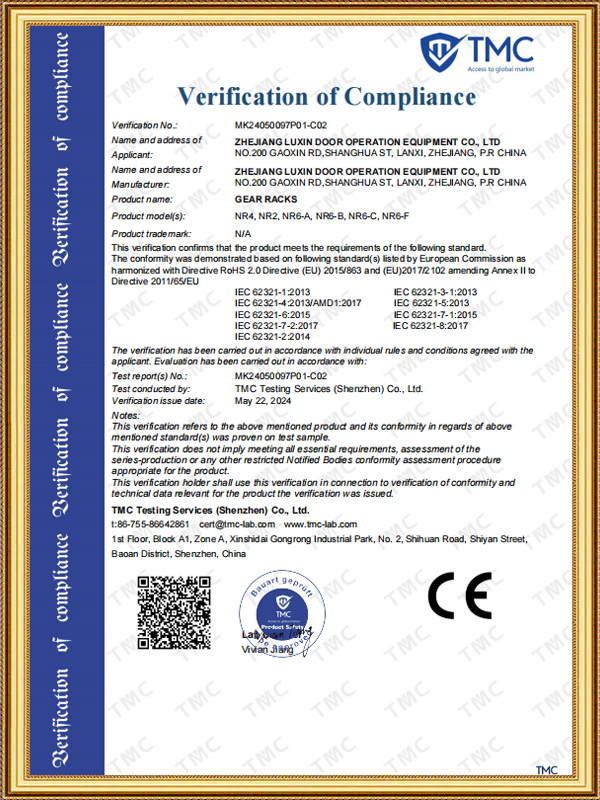
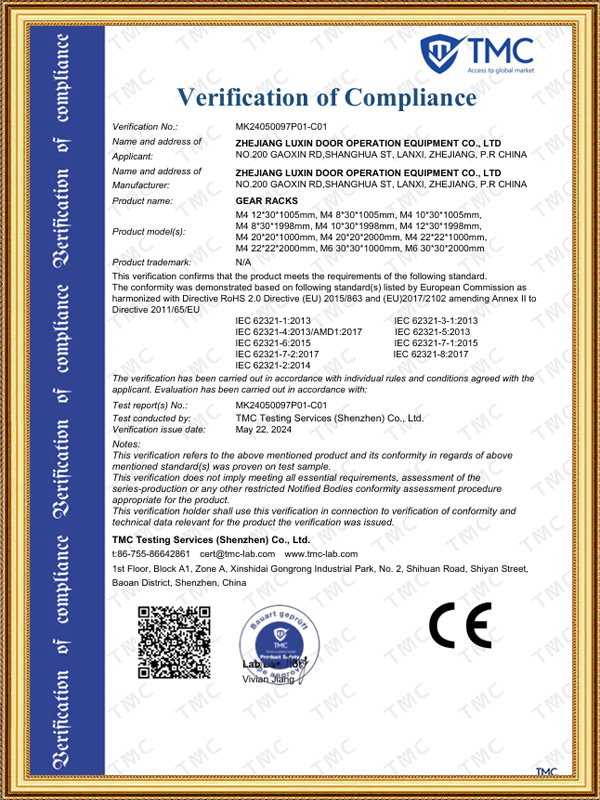
Steel materials are typically sourced from certified mills to ensure stable chemical composition and mechanical strength. This helps maintain consistent hardness and reduces wear during long-term operation. For buyers, material traceability is often an important factor when selecting suppliers.
Production Process Overview
The manufacturing process of precision and stainless steel gear racks includes several controlled steps.
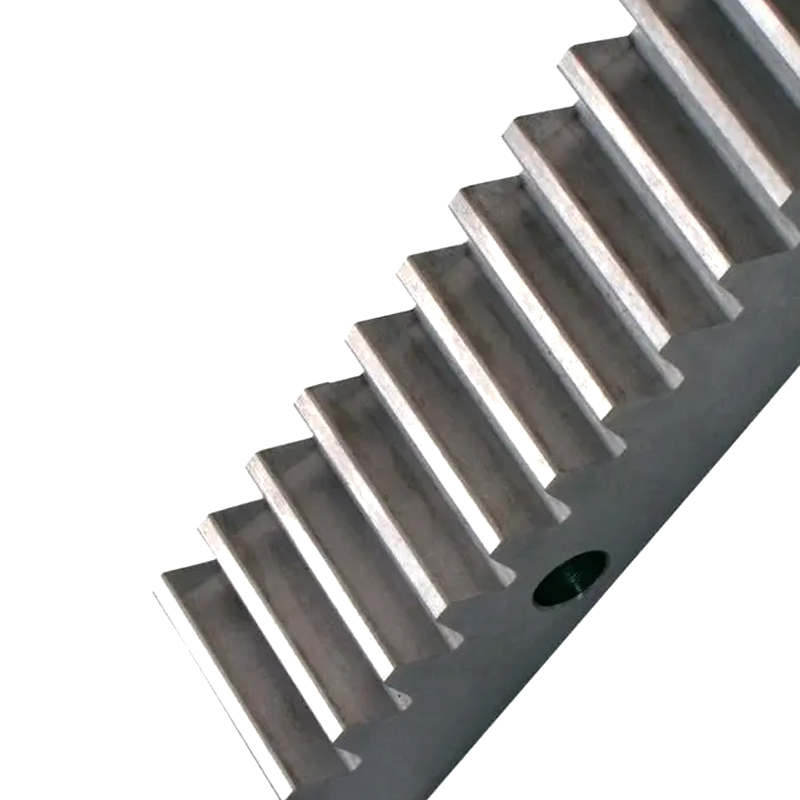
Steel bars are first cut into required lengths based on design specifications. The next step is gear tooth machining, where CNC milling or grinding machines form the tooth profile. This step determines the accuracy of meshing with the pinion gear.
Heat treatment is applied to improve hardness and wear resistance, especially for steel gear racks. Stainless steel versions may also receive surface finishing to improve smoothness and corrosion resistance. Finally, inspection is carried out to check dimensions, straightness, and tooth accuracy before packaging.
Application Areas
Precision gear racks and stainless steel gear racks are used in many industries that require linear motion control.
Common applications include industrial automation equipment, CNC machinery, sliding doors, conveyor systems, lifting devices, and robotic systems. In these environments, stable motion and durability are important for continuous operation.
Stainless steel gear racks are often used in outdoor or humid environments, while precision gear racks are preferred in equipment requiring higher positioning accuracy.
Key Considerations for Buyers
When sourcing gear racks, B2B buyers usually focus on several practical factors.
Cost is always an important consideration, especially for bulk procurement. However, material quality and machining accuracy also directly affect service life and system stability. Heat resistance and load capacity are important for heavy-duty applications.
For stainless steel gear racks, corrosion and moisture resistance are key requirements, particularly in marine or outdoor equipment. Packaging and transportation also matter, since long gear racks must be protected from bending or surface damage during shipping.
Customization is another common requirement. Buyers may need different lengths, modules, hardness levels, or surface treatments depending on their equipment design.
Wholesale and Custom Services
Manufacturers of precision and stainless steel gear racks often support flexible production for different market needs.
Standard and custom lengths can be produced according to customer drawings. Tooth pitch and module can also be adjusted to match different mechanical systems. Some factories provide logo marking, private labeling, and customized packaging for distributors and wholesalers.
OEM and ODM services are commonly available for clients who require gear racks designed for specific machinery or integrated systems. This allows importers and suppliers to reduce sourcing complexity and maintain consistency across their product lines.
Conclusion
Precision gear racks and stainless steel gear racks are important components in modern mechanical transmission systems. Their performance depends on material selection, machining accuracy, and manufacturing control.
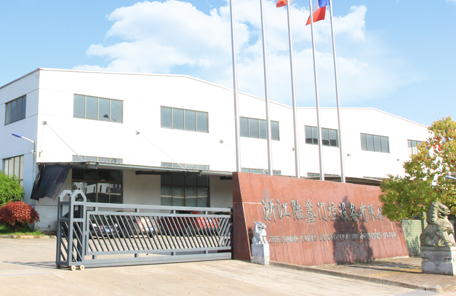
For wholesalers, distributors, and importers, working with a reliable manufacturer helps ensure stable supply, consistent quality, and flexible customization options for different industrial applications.

 English
 русский
 Español