
 English
 русский
 Español
No. 200 Gaoxin RD, Shanghua St, Lanxi, Zhejiang, P. R China
CNC machine tools sliding doors rack pinion gear is a mechanical trans...
See DetailsA gear rack looks like a simple straight bar of teeth from the outside, but every time a gear rolls along it, those teeth go through repeated contact — the same kind of wear pattern you'd notice on a bicycle chain after a few thousand miles without oil. The condition of that contact surface shapes how smoothly the whole system runs and how the rack holds up over months and years of continued use.
For a Gate Rack Nylon system, lubrication becomes part of routine maintenance rather than a one-time setup step, and getting it right takes more thought than simply squirting on more grease whenever the gate starts squeaking. The right approach manages friction between rack and gear while cutting down on surface wear that would otherwise build up unnoticed.
Rack material, gear material, the surrounding environment, how often the rack actually moves, and the structure holding everything in place all shape how lubrication should be handled. That's why manufacturers and buyers benefit from treating lubrication as part of the complete rack application, not an isolated maintenance checkbox ticked off once and forgotten.
Nylon behaves differently on the surface than metal rack materials do. Its lighter structure and practical wear behavior make it useful across plenty of movement systems, but contact between nylon teeth and a mating gear still creates real friction every time the two engage.
Lubrication manages that contact by forming a suitable layer between the moving surfaces, cutting down on direct surface-to-surface interaction each time the rack and gear cycle through their movement.
| Lubrication Factor | Possible Effect |
|---|---|
| Lubricant condition | Influences surface contact |
| Application amount | Affects how the teeth interact |
| Lubricant compatibility | Helps protect the rack material |
| Environmental exposure | Can change lubricant condition |
| Maintenance frequency | Influences long-term surface condition |
A lubrication approach that actually fits should follow how the rack genuinely gets used day to day. A gate that swings open a handful of times a day has different needs than a system cycling constantly on a production line, and application conditions deserve real weight when selecting both the rack itself and the maintenance routine built around it.
Friction shows up whenever surfaces move against each other, and in a rack and gear system that happens over and over as the gear teeth engage with the rack teeth in sequence. Lubrication cuts down on direct contact between those surfaces, and when the lubricant stays in decent condition, tooth movement gets noticeably smoother with less resistance building up during operation.
The payoff isn't just a quieter gate swinging open in the driveway. Reduced friction also helps control how much surface interaction actually takes place across repeated cycles, which matters more the longer a system stays in service.
The basic chain runs from gear movement, into tooth contact, into friction, into surface interaction — and with suitable lubrication in place, that contact condition becomes far easier to manage over time. Lubrication doesn't erase friction entirely, though. The rack still needs correct alignment, proper support, and use within whatever application it was actually designed for, the same way oiling a squeaky hinge doesn't fix a door that's hanging crooked to begin with.
A rack rarely fails the instant lubrication runs short. Changes tend to show up gradually as the teeth rack up repeated contact cycle after cycle, the way a bicycle chain doesn't snap the day it goes dry — it just starts grinding a little louder each week.
The surfaces grow less smooth over time, and movement can start feeling noticeably different than it did when the system was new. Increased friction changes how the gear actually interacts with the rack, too, often before anyone notices a real problem developing.
Watch for rougher movement, more operating noise than usual, tooth wear that's becoming visible to the eye, a shift in how much resistance the movement takes, or worn material starting to build up around the teeth themselves. None of these signs should get pinned on lubrication automatically, though — misalignment, excessive loading, contamination, poor installation, or a mismatched mating gear can all produce very similar symptoms. That's exactly why maintenance teams benefit from inspecting the whole system before jumping straight to a lubrication fix.
Not every lubricant suits every material, and this matters a great deal once nylon enters the contact system. A lubricant that performs well on one material can interact quite differently with another, and certain formulations can actually affect plastic surfaces while others simply don't stay stable in the surrounding environment.
For a Gate Rack Nylon application, buyers and manufacturers benefit from confirming that the chosen lubricant is genuinely compatible with both the nylon material and the mating gear rather than assuming any general-purpose product will do.
| Compatibility Area | What to Check |
|---|---|
| Nylon surface | Whether the lubricant suits the rack material |
| Mating gear | Whether both contact materials are compatible |
| Seals or nearby parts | Whether surrounding materials may be affected |
| Temperature changes | Whether lubricant condition remains suitable |
| Cleaning products | Whether maintenance chemicals affect the surface |
Material compatibility carries real weight here, since lubrication is meant to support the rack rather than open up a new source of surface damage nobody saw coming. Manufacturers can offer genuinely useful maintenance information when supplying nylon rack products, especially when a particular lubrication approach fits the intended application better than a generic one would.
The condition of the gear surface shapes how it interacts with the rack directly. A clean, reasonably smooth surface gives a far more consistent contact relationship than one caked with grime.
When dirt or worn material builds up around the teeth, the lubricant itself can carry those particles right through the contact area, changing how the surfaces actually interact with each other — closer to rubbing sandpaper between two gears than a clean, smooth pass. Adding more lubricant on top of existing contamination without cleaning it can create a whole new problem rather than solving the original one.
A practical maintenance routine works through inspecting the rack and gear teeth, removing unsuitable dirt or accumulated material, checking for visible wear or damage, applying compatible lubricant according to the product's actual requirements, and observing how movement feels once maintenance wraps up. Following that sequence keeps lubrication tied to surface condition rather than treated as a disconnected task performed on its own schedule.
A nylon gear rack might operate indoors, outdoors, or somewhere exposed to genuinely changing environmental conditions, and all of that surroundings shapes both the lubricant and the rack itself over time. Dust settles on exposed surfaces. Moisture changes the condition of certain lubricants. Temperature swings can affect how well a lubricant actually stays put on the contact surfaces rather than running off or drying out.
Outdoor gate systems tend to demand more attention than equipment tucked away in a relatively clean indoor space, the same way a garden gate hinge needs more frequent oiling than one inside a climate-controlled workshop.
| Environmental Condition | Possible Lubrication Concern |
|---|---|
| Dust | Can collect around lubricated teeth |
| Moisture | May affect lubricant condition |
| Temperature changes | Can alter lubricant behavior |
| Outdoor exposure | May increase maintenance needs |
| Dirty surroundings | Can introduce particles into the contact area |
These conditions deserve real thought during product selection and installation. A lubricant that works fine in a clean setting can need a completely different maintenance approach once the same rack ends up installed near dust, moisture, or other contaminants nobody planned for at the design stage.
Tooth wear builds up through repeated surface interaction over time, and lubrication helps manage that interaction while working alongside several other design and operating factors rather than solving the problem single-handedly. The rack still needs suitable tooth geometry, correct alignment, proper support, and a genuinely compatible gear — if one of those pieces is poorly matched, lubrication alone can't fix the underlying problem sitting beneath it.
| Factor | Relationship with Tooth Wear |
|---|---|
| Lubrication | Helps manage surface friction |
| Alignment | Influences how teeth contact |
| Gear condition | Affects the mating surface |
| Operating pattern | Changes the amount of repeated contact |
| Environment | Influences contamination and maintenance |
For a Nylon Gear Rack Factory, these relationships feed directly into product development. Manufacturers benefit from considering how rack material and tooth structure behave once combined with the maintenance conditions buyers will actually be working with, which in turn helps suppliers pass along more useful information to the people installing and maintaining the product later on.
Noise can offer real clues about changes in the contact condition between rack and gear. A dry or contaminated contact area tends to produce a distinctly different sound than a well-maintained one — the kind of grinding creak you'd recognize instantly from a garden gate that hasn't been oiled in a year.
Lubrication helps reduce some of that friction-related noise by letting the surfaces move more smoothly against each other, but noise alone shouldn't carry the whole weight as an indicator of rack condition. A sudden change in sound can just as easily trace back to tooth damage, misalignment, loose mounting, foreign material caught in the mechanism, or changes elsewhere in the drive system entirely. A shift in noise deserves an inspection rather than an automatic reach for the lubricant bottle.
Lubrication requirements shape how a nylon rack gets designed for a given application from the start. The designer needs a real understanding of how the rack will interact with the gear and what kind of environment surrounds the whole system once it's installed.
Where the rack sits physically matters too. A rack installed somewhere exposed tends to collect more dust than one protected inside an enclosure, which changes how often maintenance actually needs to happen. Manufacturers benefit from weighing tooth surface condition, rack support, gear compatibility, access for maintenance, environmental exposure, and the expected movement pattern all together rather than one at a time.
A Nylon Gear Rack Factory often needs to offer guidance about suitable maintenance practices so the product actually gets used the way it was intended, and that kind of information helps buyers plan the rack as part of a larger gate or movement system rather than treating it as an isolated purchase.
A Gate Rack Nylon product often sits exposed to outdoor conditions with repeated opening and closing built into its daily routine, so its lubrication needs shift with weather, dust, usage frequency, and where exactly the rack sits relative to the elements.
Other rack applications might run inside cleaner environments or follow entirely different movement patterns, which means the same maintenance routine isn't automatically the right fit for every installation out there.
| Application Environment | Main Consideration |
|---|---|
| Outdoor gate | Dust, moisture, and weather exposure |
| Indoor equipment | Cleanliness and access |
| Protected machinery | Controlled surroundings |
| Frequently used gate | Repeated tooth contact |
| Occasional movement system | Longer periods between operation |
This distinction heads off a common maintenance mistake — assuming every nylon rack deserves the exact same lubrication treatment regardless of where it's installed. The material might be identical from one rack to the next, but the operating environment around it can look completely different.
A Helical Gear Rack Factory produces racks meant to work with gear arrangements where tooth engagement follows a different movement pattern than a simple straight-tooth setup. The same basic concern still applies, though — contact surfaces need suitable maintenance so repeated movement doesn't generate unnecessary friction or contamination over time.
Lubrication deserves consideration alongside the gear arrangement, the rack structure, installation conditions, and the movement pattern the system actually follows during operation.
| Design Area | Lubrication Consideration |
|---|---|
| Tooth arrangement | Influences contact behavior |
| Gear engagement | Affects surface interaction |
| Rack alignment | Supports consistent contact |
| Mounting | Helps maintain intended tooth position |
| Maintenance access | Makes lubrication easier to manage |
Lubrication stays part of the wider product application here rather than something decided purely by rack material alone, and manufacturers can help buyers a great deal simply by explaining how their rack products are meant to be maintained within the intended system.
Manufacturers benefit from considering lubrication well before a rack ever reaches the installation stage. Material selection, tooth design, gear compatibility, and maintenance access all shape how practical lubrication actually turns out to be once the product's installed and running.
Testing and inspection during development help catch changes in surface condition early, and the real purpose isn't simply confirming lubricant is present — it's understanding how the rack and gear actually behave together over time. A development process benefits from confirming that the intended lubricant genuinely suits both the rack and the mating gear, observing how the teeth interact through repeated movement, considering dust, moisture, temperature swings and other surroundings, making sure users can actually inspect and maintain the contact area without a struggle, and monitoring visible changes in the rack and gear surfaces across repeated operation.
This broader approach helps a Nylon Gear Rack Factory offer products that are genuinely easier for buyers to fold into real gate and movement systems, rather than components that look fine on a test bench but behave unpredictably once installed in the field.
Buyers benefit from weighing lubrication requirements alongside the rack's material, tooth structure, gear compatibility, and intended environment together, since a product that looks suitable during a quick inspection can still need a maintenance approach that doesn't match the actual installation conditions.
Worth asking before committing to a purchase: what lubricant genuinely suits the rack material, whether the supplier offers real maintenance guidance, whether the rack is meant for indoor or outdoor use, what environmental conditions deserve consideration, how easy the contact area actually is to inspect, whether the mating gear is compatible with the rack, and how contamination around the teeth should get handled once it inevitably shows up.
Working through questions like these helps purchasing teams evaluate the complete operating environment rather than focusing on the rack alone as an isolated part. For a Helical Gear Rack Factory or Nylon Gear Rack Factory, clear answers to these questions also make communication a lot smoother between manufacturers, distributors, installers, and the people actually using the equipment day to day.
Maintenance teams learn a great deal simply by watching how the rack behaves during normal operation. Changes in movement, sound, tooth appearance, or surface cleanliness can all signal that the contact area needs a closer look.
A dry-looking surface doesn't automatically mean more lubricant is the fix. The existing lubricant might have become contaminated instead, or the system could be dealing with an alignment or installation issue that no amount of fresh grease will resolve.
| Observation | Possible Area to Inspect |
|---|---|
| Rough movement | Lubrication and alignment |
| New operating noise | Tooth condition and contact |
| Visible residue | Lubricant and contamination |
| Uneven tooth wear | Alignment and gear engagement |
| Loose rack movement | Mounting and support |
This kind of layered inspection helps maintenance teams avoid treating lubrication as a quick fix for every symptom that pops up. The condition of the rack, the gear, the mounting structure, and the surrounding environment all deserve consideration together before deciding what maintenance action actually makes sense.
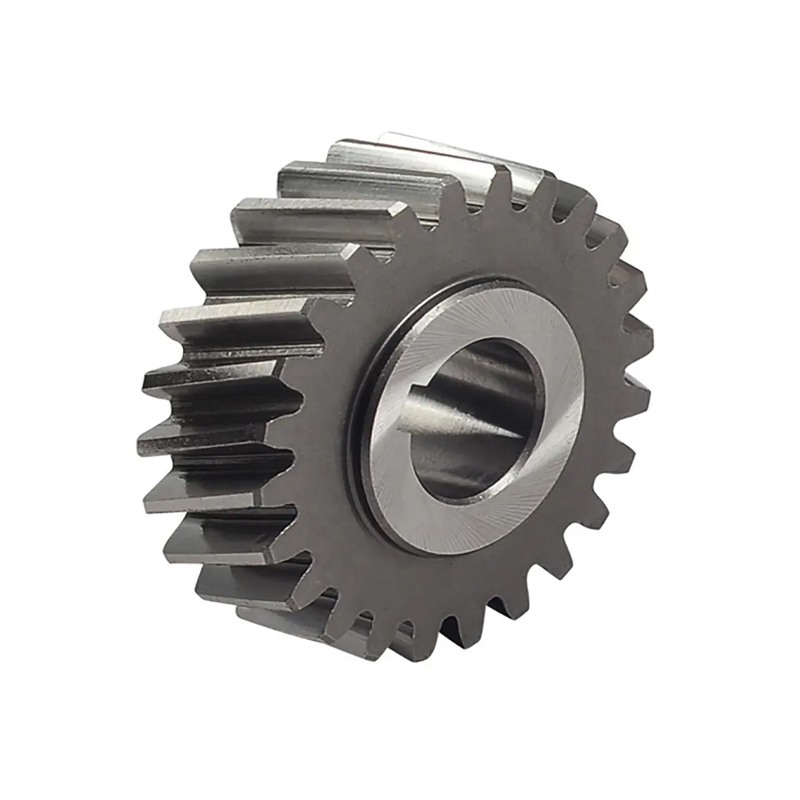
CNC machine tools sliding doors rack pinion gear is a mechanical trans...
See Details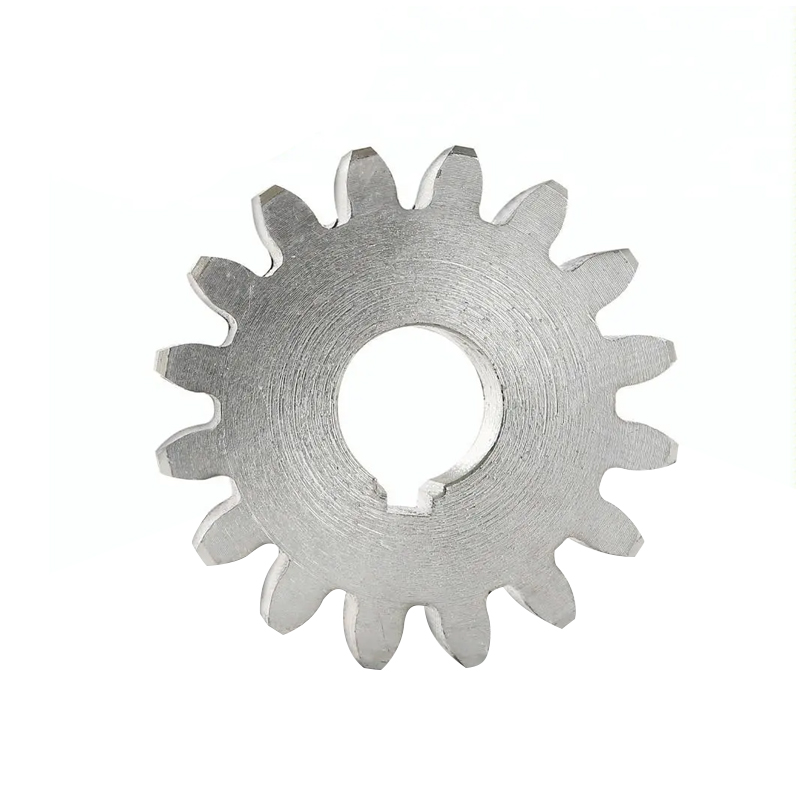
The Smooth Surface High Precision Rack Pinion Gear is a high-performan...
See Details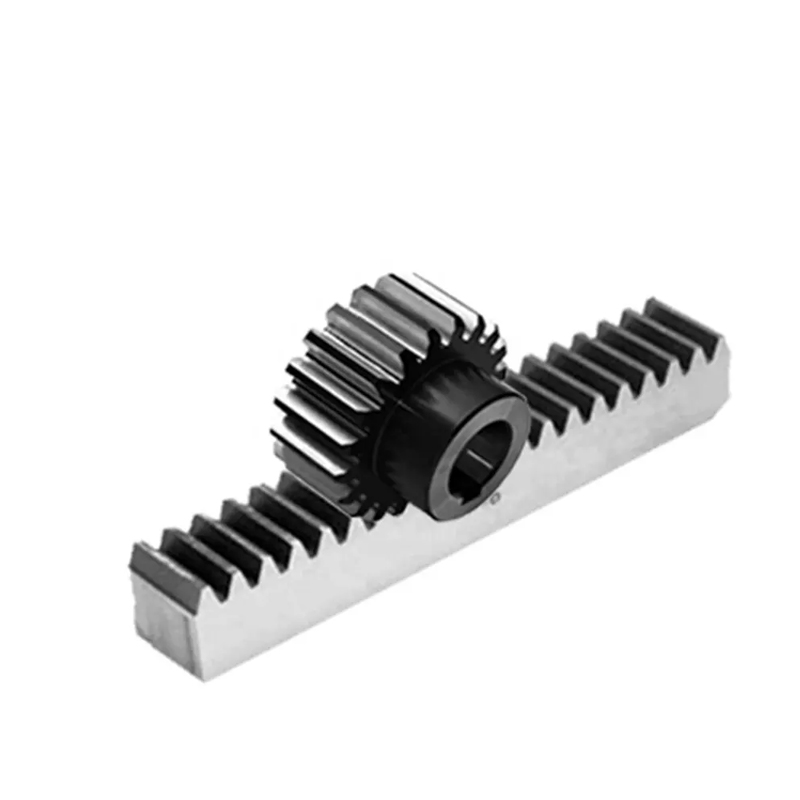
The Rack Pinion Gear for automatic door openers is a crucial component...
See Details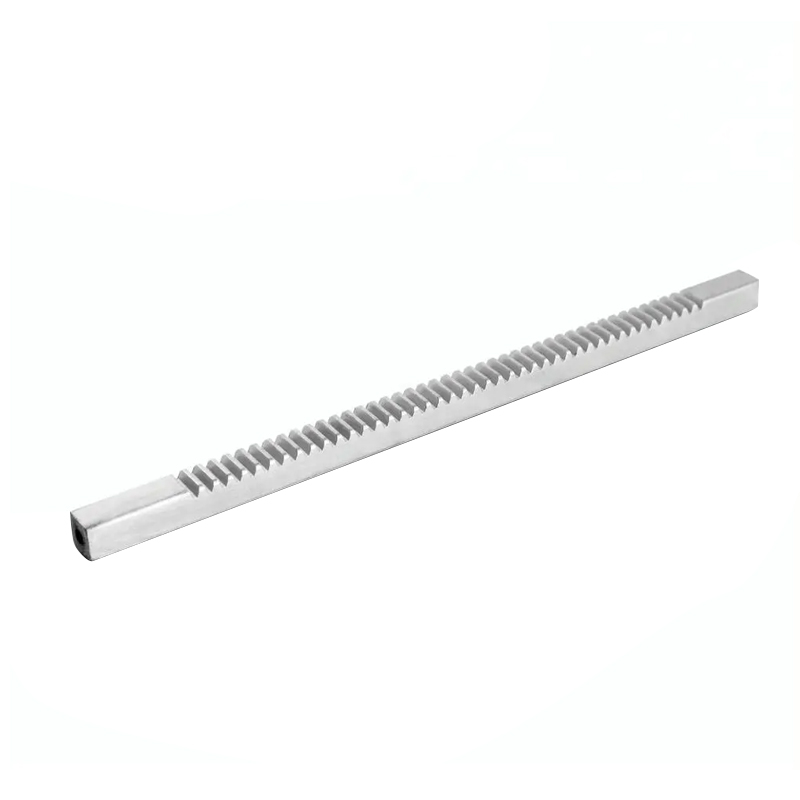
A sliding door gear rack and steel rack and pinion system plays an imp...
See Details
The CNC machining helical gear rack is a critical component in various...
See Details
The Spiral Cone Various Specifications Helical Gear Rack is a type of ...
See Details
The Flexible Steel Parts Helical Gear Rack is a highly engineered comp...
See Details
Screws steel straight gear rack for automatic doors is a linear transm...
See Details
