
 English
 русский
 Español
No. 200 Gaoxin RD, Shanghua St, Lanxi, Zhejiang, P. R China
The Smooth Surface High Precision Rack Pinion Gear is a high-performan...
See DetailsA gate gear rack may look genuinely simple when viewed from outside, sitting quietly along the fence line. Its teeth form a regular pattern along the rack, while a moving gear engages with them during operation day after day. Behind that simple movement, however, each tooth gets exposed to repeated contact and mechanical load throughout the gate's working life.
For a Nylon Gear Rack, tooth condition depends genuinely on more than the shape of the teeth alone. Material condition, applied load, lubrication, surface contamination, and the condition of the contact area can all genuinely influence how the teeth change over time as the gate opens and closes.
This is particularly relevant for Gate Rack Nylon, where the rack gets used as part of a gate movement system installed outdoors. Nylon provides a genuinely different material behavior from metal, so manufacturers need to consider how the tooth surface responds to pressure, friction, moisture, dirt, and repeated contact throughout the seasons.
For a Nylon Gear Rack Factory, understanding these factors can help connect material selection and production quality with the way the finished rack behaves in practical use at a customer's property. A Helical Gear Rack Factory may also need to consider genuinely similar wear factors when producing racks with helical tooth structures.
The teeth of a rack don't remain untouched while the gate system is operating throughout the day. Contact occurs whenever the driving gear engages with the rack teeth and transfers movement through the tooth surfaces repeatedly.
This contact creates pressure between the surfaces every time the gate moves. If the load gets distributed reasonably across the tooth area, wear can develop gradually over months.
| Tooth Condition | Possible Wear Effect |
|---|---|
| Even tooth surface | More consistent contact |
| Rough surface | Greater surface friction |
| Damaged tooth edge | Localized wear |
| Uneven tooth shape | Less consistent contact |
| Worn tooth surface | Changes the contact area |
If the contact becomes concentrated around a smaller section instead, that area may experience genuinely greater stress than the rest of the rack. The shape and surface condition of the teeth therefore matter quite a bit to the outcome.
Nylon also has a degree of flexibility that affects how it behaves under load compared to steel. The material can respond genuinely differently from a rigid metal rack when pressure gets applied during each cycle.
This doesn't mean that nylon teeth automatically wear quickly once installed. Their actual condition depends on the material, design, load, environment, and how the rack gets used at a given property.
Load is one of the main factors that can genuinely influence tooth wear over a gate's working life. A gate system transfers force through the contact between the driving gear and the rack every time it moves.
When the load increases, the tooth surfaces may experience genuinely greater pressure during movement than under normal conditions.
| Load Factor | Contributing Element |
|---|---|
| Gate weight | Baseline force through the teeth |
| Structural resistance | Added strain during movement |
| Movement force | Force created during acceleration |
| Load variation | Changes in force over time |
| Distribution unevenness | Concentrated pressure on smaller areas |
The effect becomes genuinely more noticeable when the applied load changes suddenly or gets concentrated on a small part of the tooth rather than spread evenly. A heavy metal gate leaning slightly on its track can create exactly this kind of uneven pressure.
A Gate Rack Nylon product therefore needs consideration according to the actual working conditions of the gate system it's installed on. The material has to support the forces transferred through the teeth without losing its useful shape too quickly under repeated use.
If the load repeatedly exceeds what the rack structure is intended to handle, tooth surfaces may gradually deform or wear faster than expected. This makes load a material and application consideration, rather than simply a motor issue to troubleshoot separately.
Tooth shape genuinely determines how contact develops between the rack and the driving gear engaging with it. A tooth with a clean and consistent profile provides a defined contact surface for the gear to grip.
As wear develops over time, the shape can gradually change from its original form. The contact area may then move or become less evenly distributed across the tooth.
| Shape Factor | Wear Consequence |
|---|---|
| Clean profile | Defined, predictable contact |
| Gradual rounding | Shifting contact area |
| Edge damage | Local pressure concentration |
| Broken material | Progressive surface loss |
The change can create a genuine cycle in which an already worn section receives different contact from the original tooth surface it once had. Tooth edges deserve particular attention in this discussion.
An edge can experience local pressure when contact gets concentrated in that specific area. If the edge becomes damaged, small pieces of material may gradually break away from the surrounding surface over repeated cycles.
For a Nylon Gear Rack Factory, maintaining consistent tooth geometry during production is therefore a genuinely important part of product quality. The same consideration applies to products manufactured by a Helical Gear Rack Factory, although the tooth arrangement may differ from a straight rack design.
Lubrication can genuinely affect the interaction between contacting surfaces meeting at each tooth. A suitable lubricant can help reduce direct surface friction and support smoother contact between the rack and its mating gear.
Without suitable lubrication where lubrication is required, surface contact may create genuinely more friction and heat during operation.
| Lubrication Consideration | Why It Matters |
|---|---|
| Lubricant type | May interact differently with nylon |
| Application amount | Can affect surface contact |
| Surface cleanliness | Influences lubricant performance |
| Lubricant condition | Changes with use and contamination |
| Material compatibility | Helps avoid unwanted material changes |
However, lubrication shouldn't get treated as a universal solution applied without thought. Different nylon materials can respond genuinely differently to oils, greases, and other substances brushed onto the surface.
Some lubricants may not be suitable for a particular plastic material at all, reacting badly with the polymer. The wrong product can affect the surface or change the material condition over time in unwanted ways.
A Nylon Gear Rack should therefore get used with care instructions appropriate to its material and application, rather than assuming that any lubricant grabbed from a shelf will produce the same result.
A gate is genuinely exposed to its surrounding environment throughout the year, unlike equipment kept indoors. Dust, sand, small particles, moisture, and other impurities can reach the tooth surfaces from the surrounding yard or road.
Once particles enter the contact area, they may become genuinely trapped between the rack and gear during each engagement.
| Impurity Type | Effect on Contact |
|---|---|
| Hard particles | Scratch or mark the nylon surface |
| Fine dust | Mixes with lubricant, forms contaminated layer |
| Loose dirt | Collects between adjacent teeth |
| Grit from wind | Introduces abrasive contact points |
This creates an additional source of surface friction beyond normal operation. The effect depends on the type of impurity and the amount that reaches the contact area during a given season.
Outdoor gate systems may get exposed to more environmental contamination than equipment operating in a protected indoor space like a warehouse. A rack installed near a road, garden, construction area, or dusty surface may encounter different conditions from one installed in a cleaner environment.
The material itself doesn't determine the entire wear pattern on its own. The surrounding environment becomes part of the wear process just as much as the rack itself.
Moisture is another environmental factor that can genuinely influence the condition of a rack installed outdoors. Outdoor gates may get exposed to rain, condensation, humidity, and water carried by cleaning activities throughout the year.
Nylon generally behaves genuinely differently from metal when exposed to moisture, and the material's response depends on its specific composition.
| Moisture Source | Interaction Concern |
|---|---|
| Rainfall | Direct surface exposure |
| Condensation | Gradual accumulation over time |
| Cleaning water | Temporary but repeated exposure |
| Humidity | Long-term ambient effect |
Moisture can also genuinely interact with dirt and other contaminants already present on the surface. A wet surface may allow particles to collect differently than a dry one would.
Water can also affect the condition of lubricants and surrounding components fitted near the rack. If moisture remains around the tooth area together with dirt, the contact environment can become genuinely less consistent over time.
For Gate Rack Nylon, manufacturers and users therefore need to consider the environment in which the rack will operate before installation. The key issue isn't simply whether water reaches the rack at all.
A new tooth surface has a particular shape and texture straight from the factory. Wear gradually changes that condition over months of daily use. As the surface becomes rougher, contact between the tooth and the mating gear can become genuinely less consistent than when the rack was new.
| Surface Sign | Indication |
|---|---|
| Visible scratches | Particle contact or abrasion |
| Edge changes | Localized stress concentration |
| Small worn areas | Repeated contact points |
| Uneven texture | Progressive material loss |
| Local deformation | Heavily loaded sections |
Small surface marks may develop into broader worn areas when the same conditions continue unaddressed. A rough surface can also hold particles more easily than a smooth one.
This creates another connection between surface condition and contamination worth noting. Dirt that would normally pass through the contact area may become trapped around damaged or rough sections instead.
The result isn't necessarily immediate failure of the gate system. Tooth wear is often a gradual process that unfolds over a season or longer.
The condition of the nylon itself has a direct connection with tooth durability over the product's lifespan. Material quality involves more than simply the name of the plastic printed on a datasheet.
The composition, processing, internal consistency, and surface condition can all influence how the finished rack behaves once installed.
| Material Area | Wear Consideration |
|---|---|
| Material consistency | Supports predictable tooth behavior |
| Surface quality | Influences contact condition |
| Structural stability | Helps maintain tooth shape |
| Moisture response | Relates to environmental exposure |
| Processing quality | Can influence finished material condition |
A rack may begin with a suitable tooth structure right off the line, but change over time if the material gets exposed to conditions that affect its physical state. Heat, moisture, chemical exposure, and mechanical stress can all play a role depending on the specific material blend used.
For a Nylon Gear Rack Factory, production control therefore needs to consider the material as part of the complete tooth system rather than a separate input. A stable material structure helps the rack retain its intended tooth form while it's being used season after season.
Heat can genuinely develop when contacting surfaces experience friction during repeated gear engagement. Nylon responds to heat differently from metal, so temperature changes within the contact area can affect material behavior over time.
The actual effect depends on the rack material, load, contact condition, lubrication, and surrounding environment all working together.
| Factor in Sequence | Role |
|---|---|
| Load | Creates initial contact pressure |
| Contact pressure | Generates friction between surfaces |
| Friction | Produces localized heat |
| Heat | Influences material response |
A heavily loaded contact area may generate more friction than a light-loaded area experiencing normal use. Contaminants can also increase surface resistance and contribute additional heat during operation.
This creates an interaction between several wear factors working in sequence rather than independently. The process isn't necessarily linear, and one factor doesn't automatically create a problem entirely on its own.
However, repeated exposure to an unsuitable combination of load, friction, and heat can influence the condition of nylon teeth over an extended period.
A rack doesn't always experience identical conditions along its entire length from one end to the other. Different sections may carry different amounts of load during operation depending on gate position.
Environmental exposure can also vary from one part of the rack to another, with one end catching more rain or sun.
| Cause | Possible Result |
|---|---|
| Uneven load | Different levels of tooth pressure |
| Local contamination | More wear around affected teeth |
| Surface damage | Concentrated contact |
| Different exposure | Uneven material condition |
| Local lubrication change | Different friction conditions |
Dirt may collect around one section, while another remains relatively clean depending on wind direction or nearby landscaping. These differences can create uneven wear across the rack's length.
Uneven wear is useful information because it can reveal where the strongest contact or environmental influence is actually occurring at that property. A maintenance inspection should therefore consider the full rack, rather than checking only one visible section near the gate opener.
Lubrication and contamination can affect each other in ways worth considering before adding more grease. A clean lubricant layer can help keep contacting surfaces separated when it is applied.
Once dust or other particles enter that layer, the condition changes for the worse rather than better.
| Interaction | Outcome |
|---|---|
| Clean lubricant | Separates surfaces effectively |
| Particles entering layer | Creates abrasive mixture |
| Contaminated lubricant | Increases friction instead of reducing it |
| Added lubricant over dirt | Mixes rather than removes contamination |
Particles can remain suspended in the lubricant or collect around the tooth surfaces depending on their size and weight. Depending on the particle type, this contaminated layer may increase surface friction or create small marks on the nylon.
Simply adding more lubricant doesn't necessarily solve the problem someone's noticing. If the original surface contains dirt, additional lubricant may mix with the contamination, rather than removing it entirely from the teeth.
A cleaner contact surface and a material-compatible lubrication approach are therefore separate considerations worth addressing individually.
Tooth wear is partly influenced by what happens before the rack ever reaches the gate system at an installation site. Production teams can inspect tooth shape, surface condition, material consistency, and the overall finish of the rack before it ships.
These checks can help identify irregularities that may affect later contact once the rack gets installed.
| Production Consideration | Focus |
|---|---|
| Tooth profile consistency | Ensures predictable engagement |
| Surface condition | Reduces initial friction points |
| Material preparation | Supports uniform behavior |
| Molding or forming quality | Prevents structural weakness |
| Dimensional consistency | Maintains proper gear fit |
| Edge condition | Reduces early chipping risk |
The aim isn't simply producing teeth that look similar from a distance on the shop floor. The tooth surfaces need to maintain a usable structure under the intended working conditions faced at real installations.
Small differences in material or tooth formation can become more noticeable when the rack gets exposed to repeated load and environmental contamination over months. A Nylon Gear Rack Factory can therefore connect production inspection with the actual conditions experienced by the finished product in the field.
A Helical Gear Rack Factory also needs to consider tooth wear as part of product development and manufacturing planning. Helical tooth structures create a different pattern of contact from simpler straight tooth arrangements found on basic racks.
This means manufacturers need to examine how the tooth surface, material, load, and lubrication interact within the intended application at a customer site.
| Factor | Relevance to Helical Design |
|---|---|
| Material condition | Still affects durability |
| Particle exposure | Still creates abrasion risk |
| Lubrication | Still influences friction levels |
| Load | Still shapes wear patterns |
| Surface condition | Still determines contact quality |
The same general wear factors remain relevant regardless of tooth geometry chosen for the design. The difference lies in how those factors interact with the particular tooth structure built into the helical design.
This is why tooth wear shouldn't get reduced to a single cause when troubleshooting a helical rack. A manufacturer producing helical racks may need to examine contact behavior alongside material and environmental conditions, rather than focusing on one feature in isolation from the rest.
Inspection can reveal more than whether a rack is worn at a glance from across the yard. The location and appearance of the wear may provide clues about the conditions that produced it over time.
A broad change across many teeth may suggest a different wear environment from damage concentrated around a small section near one end.
| Inspection Step | Purpose |
|---|---|
| Examine the overall tooth surface | Establishes general condition |
| Check for uneven wear | Reveals load or exposure patterns |
| Look for scratches or embedded particles | Points to contamination source |
| Inspect tooth edges for damage | Highlights stress concentration |
| Check for deposits around contact area | Suggests environmental buildup |
| Compare worn sections with less affected areas | Clarifies scope of the issue |
Scratches may indicate particle contact happening during recent operation, while deformation may point toward load-related stress accumulated over time. Deposits may indicate environmental contamination settling around the teeth from nearby soil or dust.
The purpose is connecting visible changes with possible causes rather than guessing at random. For Nylon Gear Rack products, this approach can help manufacturers and maintenance teams distinguish between material changes, environmental contamination, lubrication issues, and load-related wear.
The condition of the teeth can therefore provide useful information about what the rack has experienced during operation at a particular property throughout its working life.
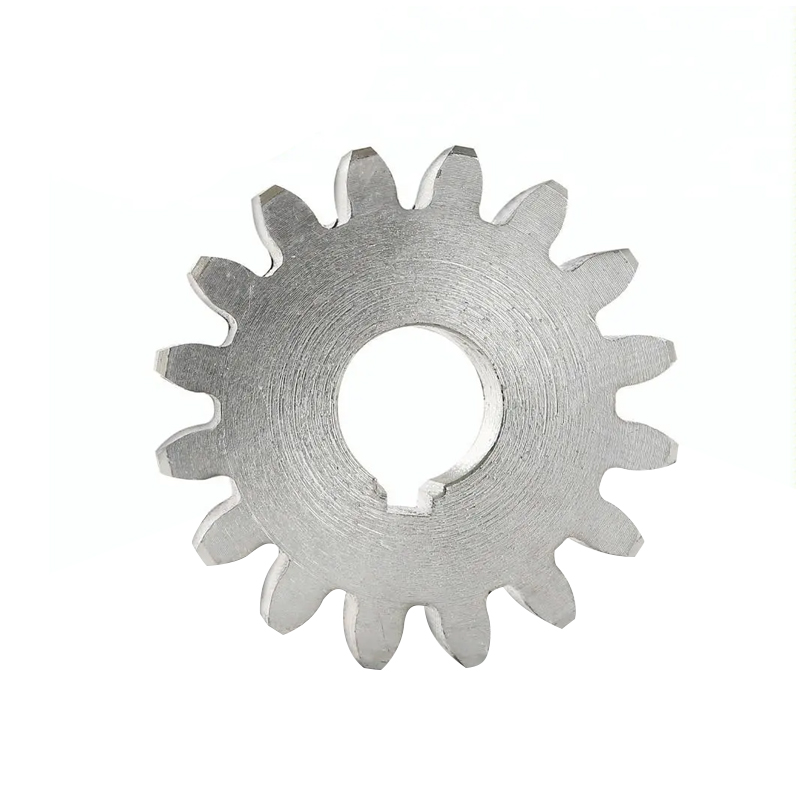
The Smooth Surface High Precision Rack Pinion Gear is a high-performan...
See Details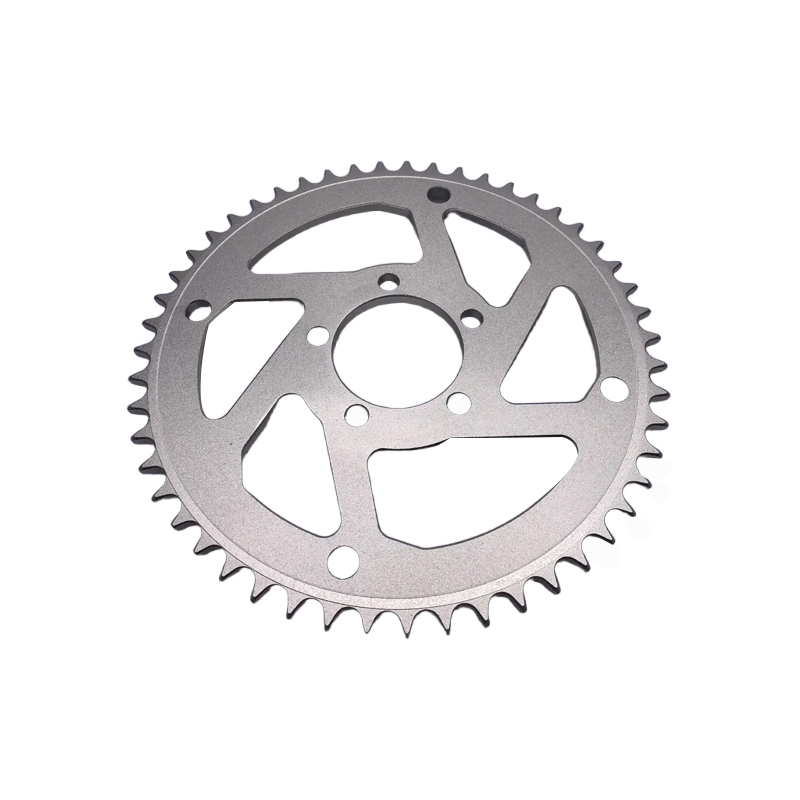
The sprocket drive wheel rack pinion gear is a critical component in v...
See Details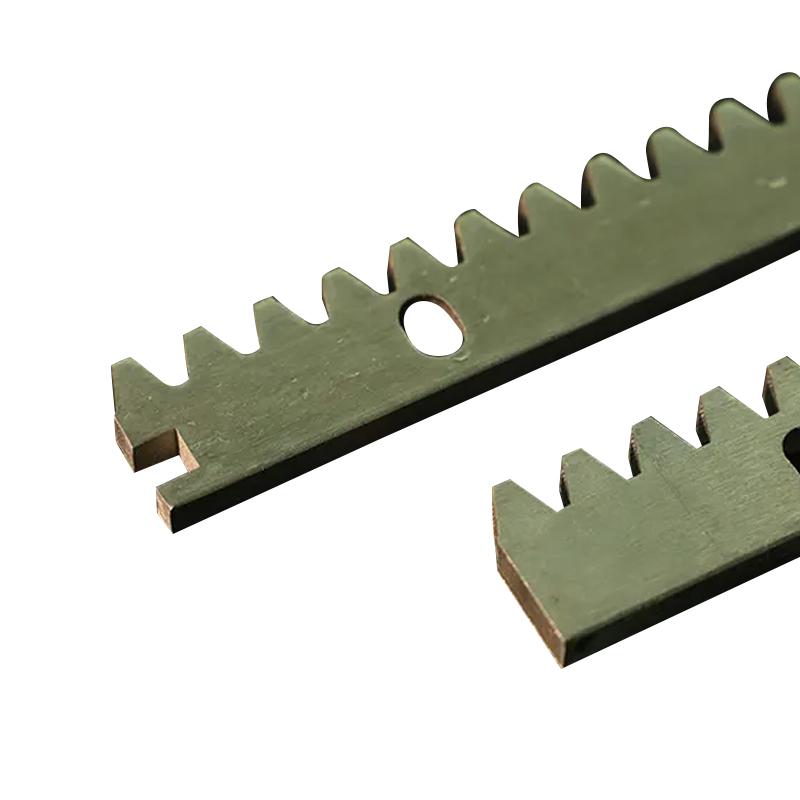
The Metal Steel Gear Rack for Sliding Door Operators is a crucial comp...
See Details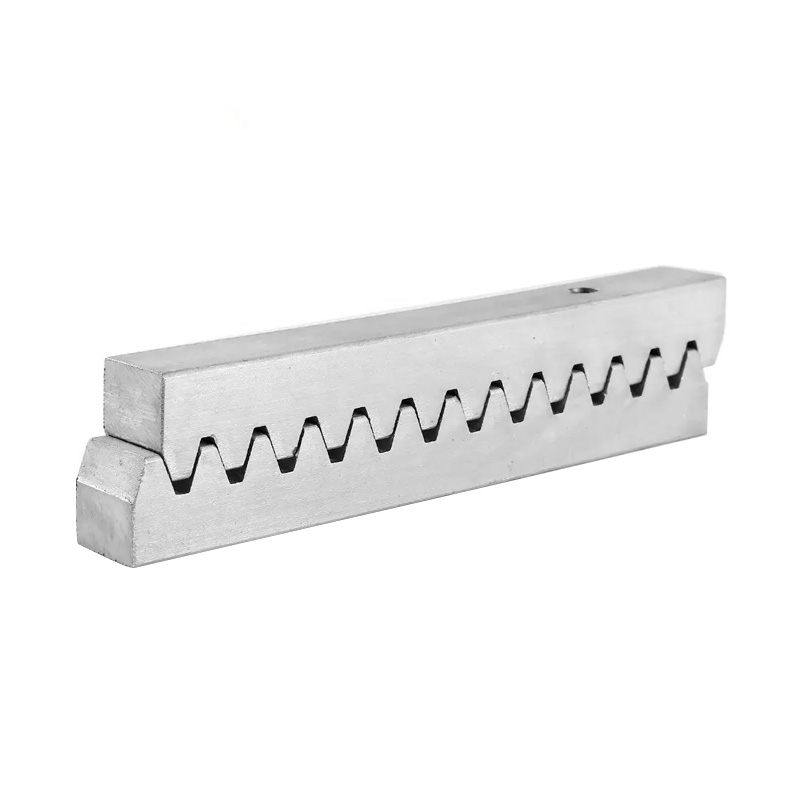
Sliding doors are a popular choice for both residential and commercial...
See Details
Precision and stainless steel gear racks convert rotational motion int...
See Details
The Modern Design Zinc Alloy Straight Gear Rack is a linear mechanical...
See Details
Industrial engraving transmission straight gear rack is a precision li...
See Details
The Square Evenly Distributed Straight Gear Rack is a precision mechan...
See Details
