
 English
 русский
 Español
No. 200 Gaoxin RD, Shanghua St, Lanxi, Zhejiang, P. R China
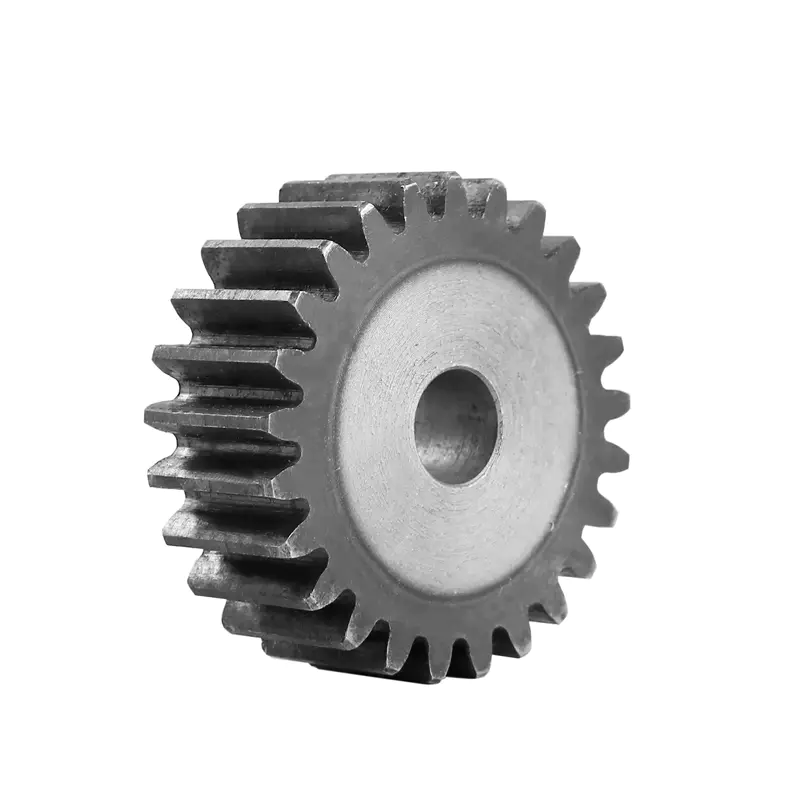
The rust-proof high-precision rack pinion gear is a critical component...
See DetailsA gate that once swung open cleanly now drags. The latch no longer lines up. Opening it takes two hands and some convincing. These are not signs of a failing gate — they are signs of a failing support system. The weight is the same as it always was; what has changed is how well the structure is handling it. Wheels For Gates exist precisely for this scenario: a mechanical solution that redistributes the load, takes pressure off fatigued hinges, and restores smooth operation without tearing out the existing gate or its posts.
A swinging gate is, at its simplest, a cantilever. One end is fixed to the post through hinges; the other end hangs free. All the weight — the full mass of the gate panel — creates a rotational force (a bending moment) that the hinges must resist constantly, whether the gate is moving or standing still.
Over time, that load takes its toll. Hinges wear at their pivot points. Fastener holes in wood posts elongate as the screws work back and forth under load. Wooden gate panels absorb moisture, warp, and grow heavier than they were when installed. Metal gates may be rigid but their hinge welds and attachment points still fatigue under sustained stress.
The result is predictable: the free end of the gate drops. Slowly. Then noticeably. Then it is dragging across the ground on every open and close.
Gate sag is rarely caused by one thing alone. Several factors tend to interact, each making the others worse:
When two or three of these factors are present simultaneously — which is common in older installations — the deterioration accelerates noticeably.
The fundamental job of a gate wheel is to move some of the gate's weight off the hinges and onto the ground. Instead of the hinges bearing the full rotational load alone, the wheel at the free end of the gate makes contact with the ground surface and carries a portion of the vertical load directly.
The gate is no longer a pure cantilever. It becomes, in structural terms, a simply supported beam — fixed at one end by the hinges and supported at the other end by the rolling wheel. The bending moment that the hinges must resist drops substantially.
That reduction in hinge load has a cascade of positive effects:
The wheel does not fix the worn hinges or rebuild the post. But it immediately changes the load path — and changing the load path changes the behavior.
Gate wheels are available in configurations suited to different gate materials, weights, and ground surfaces. The general principle is universal, but the hardware details vary.
Wooden farm and driveway gates — typically use adjustable gate wheels with a rubber or polyurethane tread to avoid tearing up gravel or compacted dirt surfaces. The adjustability matters because wood gates change dimension seasonally, so a fixed wheel height that works in summer may drag or lift clear of the ground in winter.
Metal and tubular steel gates — heavier and dimensionally stable. Harder wheel materials — nylon, cast iron, or steel — suit the higher loads. The wheel mount needs to be welded or bolted to the gate frame securely, as the forces involved are substantial.
Wooden fence gates in residential settings — often lighter but still benefit from wheel support when gate width is long. Lighter-duty wheels with smooth treads suit concrete or paver driveways without marking the surface.
Industrial and security gates — high-cycle gates at commercial facilities or industrial yards see far more operation per day than residential gates. Wheels for these applications need to be rated for the gate weight, the cycle frequency, and the surface conditions — which may include uneven ground, debris, or exposure to industrial fluids.
The wheel itself is only part of the answer. Correct mounting position and height adjustment are what determine whether the load is actually being shared as intended.
The installation process is straightforward for swing gate types, and does not require specialized tools or significant structural modification.
The process typically takes under an hour for a single gate. The improvement in operation is usually immediately apparent.
There are several ways to address a sagging gate, and the right choice depends on the severity of the problem, the gate type, and the available budget.
| Repair Approach | Effectiveness | Installation Complexity | Ongoing Cost | Suited For |
|---|---|---|---|---|
| Gate wheel | Strong | Low | Low | Gates with intact structure but hinge overload |
| Hinge replacement or upgrade | Moderate | Medium | Low | Gates where hinges are the primary failure point |
| Anti-sag brace kit (diagonal wire or rod) | Moderate | Low | Low | Light to medium gates with panel racking |
| Post reinforcement or replacement | High | High | Medium | Gates where post movement is the root cause |
| Gate rebuild or replacement | Very high | High | High | Gates with severe structural failure |
Gate wheels address the load distribution problem directly and do so without requiring structural rebuilding. Anti-sag brace kits work differently — they use tension along a diagonal to pull the free corner of the gate upward, which counteracts the droop but does not reduce hinge load. For gates where hinge fatigue is the driving issue, the wheel is typically more effective than the brace.
Where post movement is the actual root cause, neither a wheel nor a brace will fully solve the problem. The post needs attention — then wheel support maintains the correction.
The ground surface under the gate swing arc determines what kind of wheel tread is appropriate. Getting this wrong causes either poor rolling performance or surface damage.
An outdoor surface also changes seasonally. A gate that works smoothly on a dry summer surface may encounter soft, wet ground in spring. Adjustable wheel height addresses this — the wheel can be raised slightly to avoid dragging through soft conditions and lowered when the surface firms back up.
A gate wheel in normal use applies a rolling contact load to the ground surface — not a sliding or scraping force. Rolling contact is much gentler on surfaces than the dragging that occurs when a sagging gate operates without wheel support. Adding a wheel reduces surface wear compared to the situation it is correcting.
The key variables are wheel tread material and gate weight. Harder materials on softer surfaces — steel wheels on compacted earth, for example — can rut or mark over time. Matching the tread material to the surface type, as outlined above, keeps the impact low through years of regular use.
Gate wheels solve load distribution problems. They do not repair structural failures. If the gate panel itself has split, the welded frame has cracked, or the mounting post has shifted substantially out of plumb, the wheel will not restore alignment on its own.
Signs that the issue may need more than a wheel:
In these situations, the structural issue needs to be addressed. Once the gate and post are in sound condition, a wheel maintains that condition by keeping hinge loads at manageable levels going forward.
A sagging gate is a fixable problem, and the fix does not have to be complicated or expensive. The right wheel, correctly sized and mounted, restores smooth operation and protects the hinges, post, and gate panel from the accelerating wear that comes with an unsupported free end. Zhejiang Luxin Door Operation Equipment Co., Ltd. manufactures gate wheel and gate hardware products for residential, agricultural, and industrial gate applications. Their range covers adjustable and fixed-mount wheel designs suited to different gate weights, materials, and surface types. If you are sourcing gate wheel hardware for a repair project, a new installation, or a distribution arrangement, contacting their team to discuss the specific gate type and operating environment is a practical way to identify the right product configuration before placing an order.
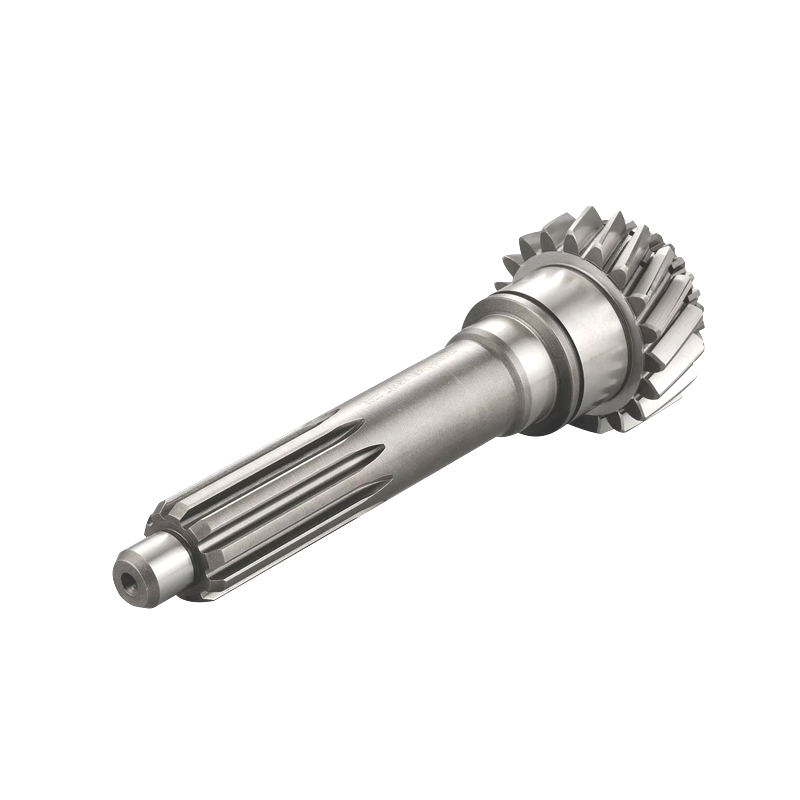
The rust-proof high-precision rack pinion gear is a critical component...
See Details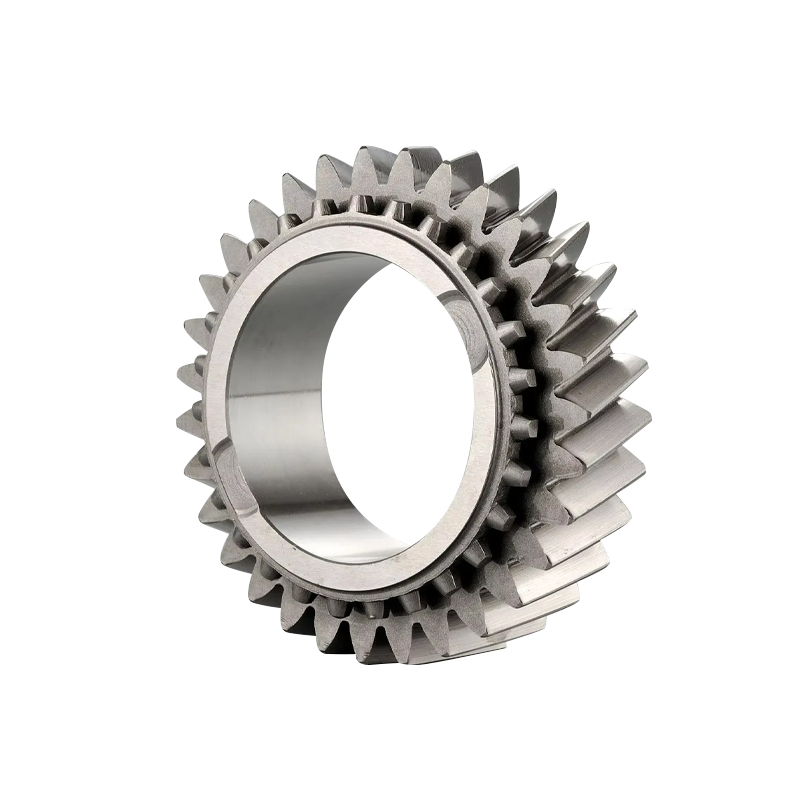
The Gearbox Transmission Rack Pinion Gear system is a critical mechani...
See Details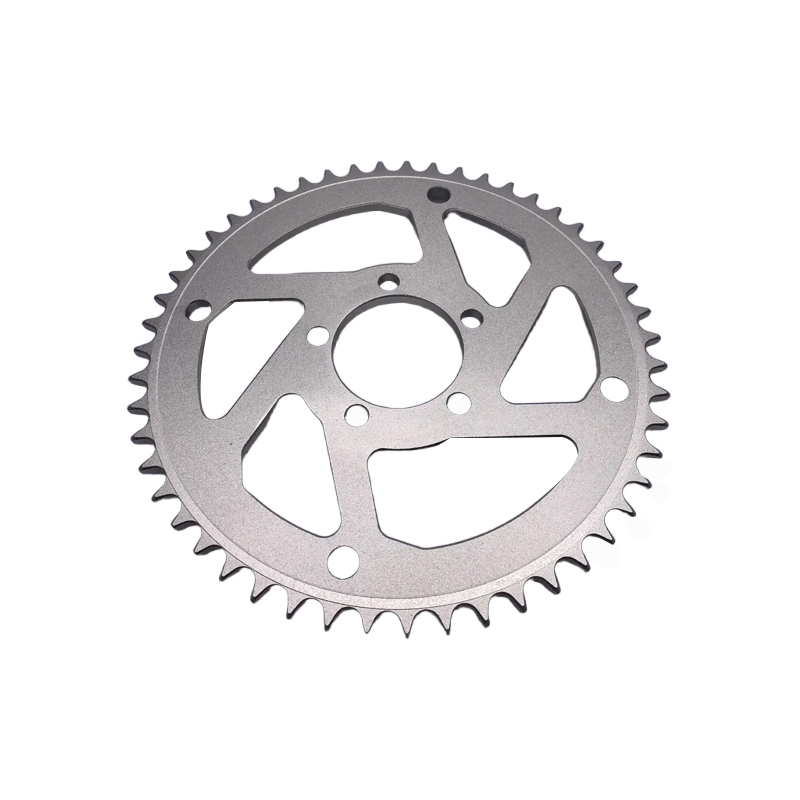
The sprocket drive wheel rack pinion gear is a critical component in v...
See Details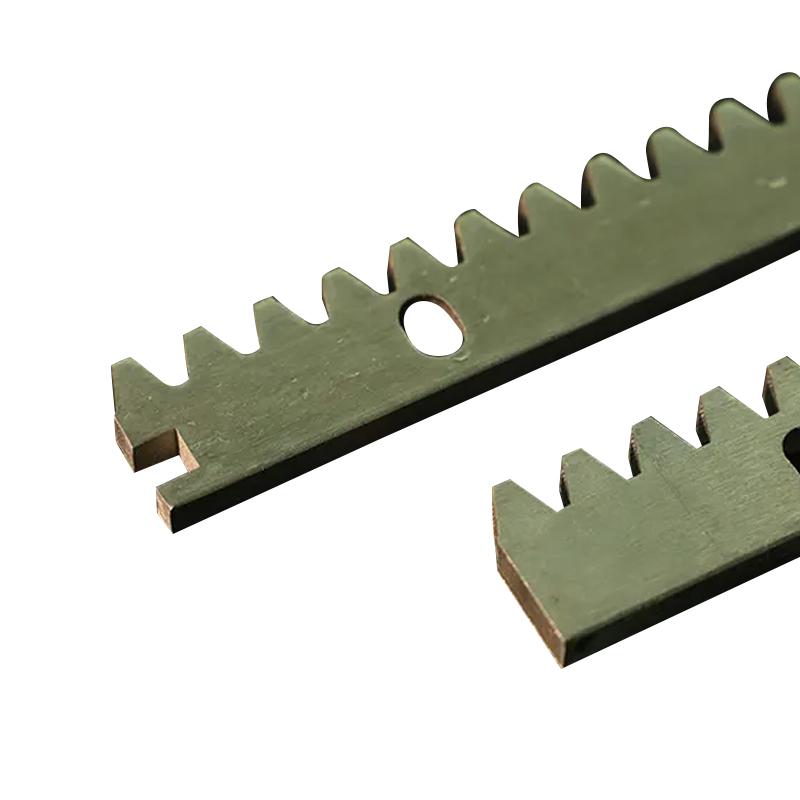
The Metal Steel Gear Rack for Sliding Door Operators is a crucial comp...
See Details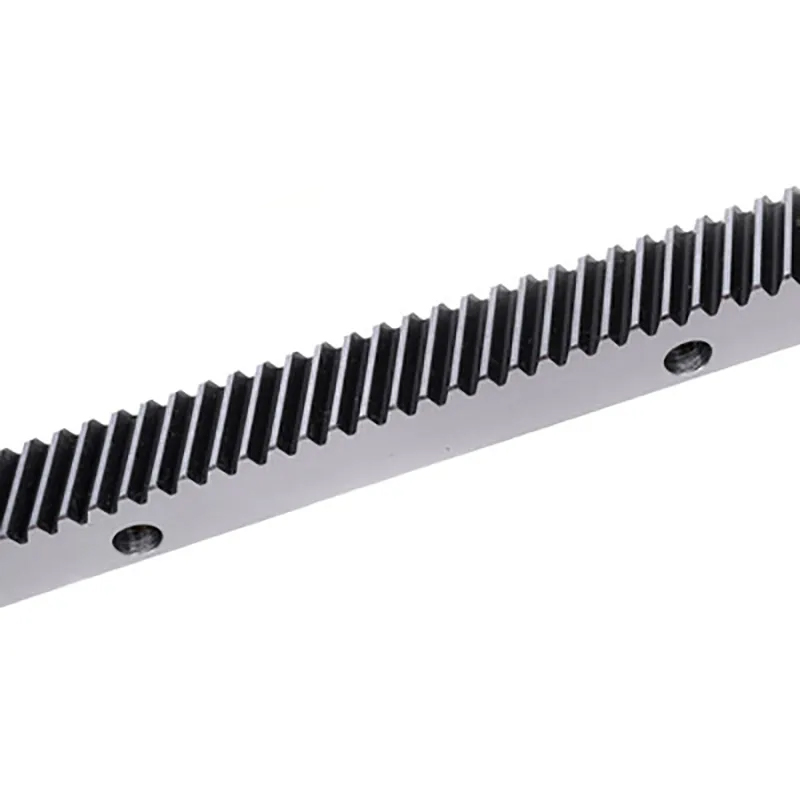
The CNC machining helical gear rack is a critical component in various...
See Details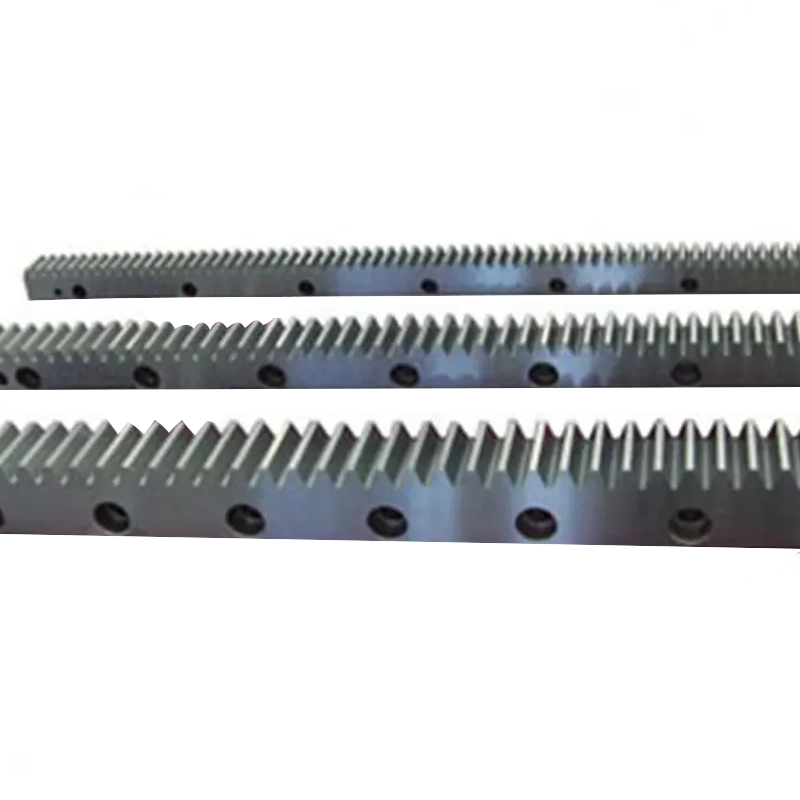
The Spiral Cone Various Specifications Helical Gear Rack is a type of ...
See Details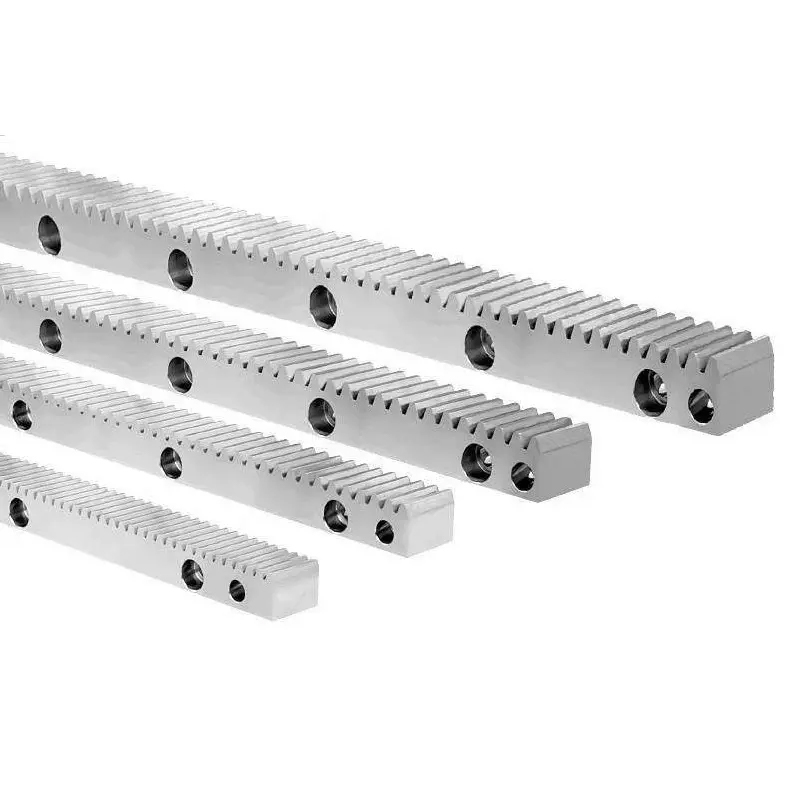
The Modern Design Zinc Alloy Straight Gear Rack is a linear mechanical...
See Details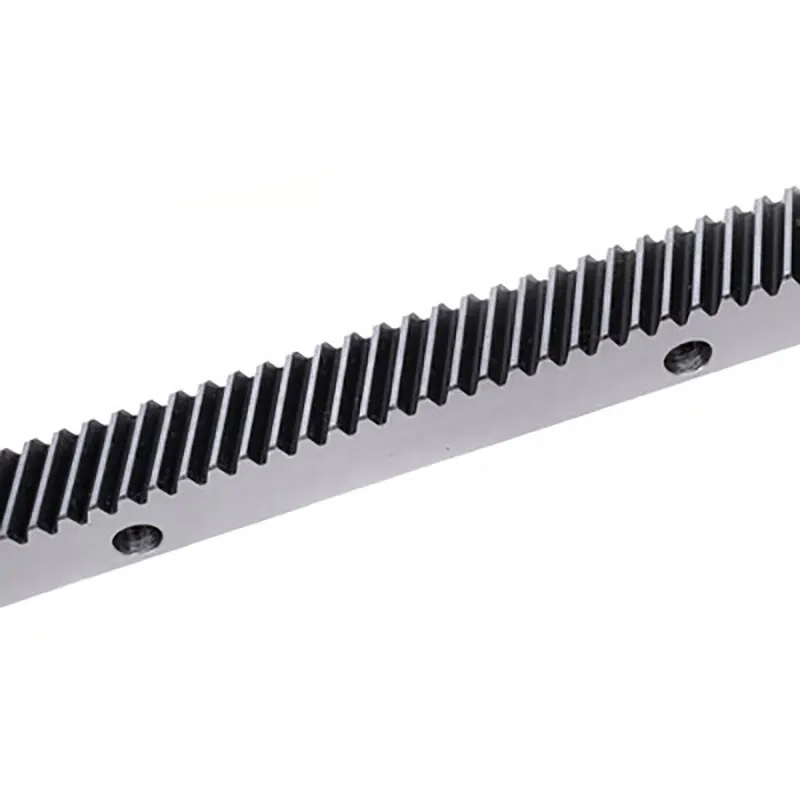
Industrial engraving transmission straight gear rack is a precision li...
See Details
