
 English
 русский
 Español
No. 200 Gaoxin RD, Shanghua St, Lanxi, Zhejiang, P. R China
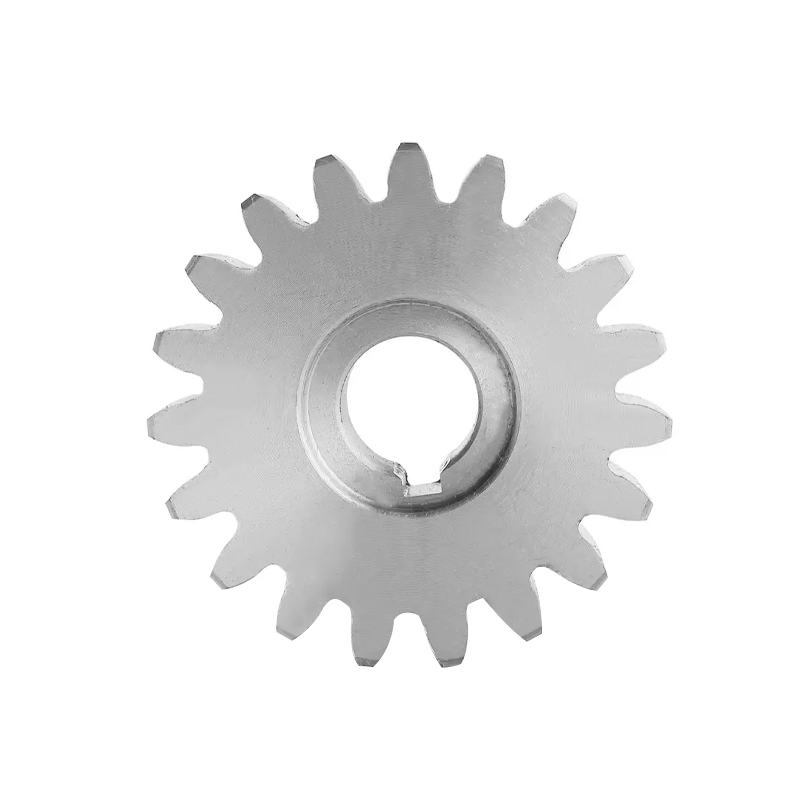
The Stainless Steel Rack Pinion Gear for Sliding Motors is a high-prec...
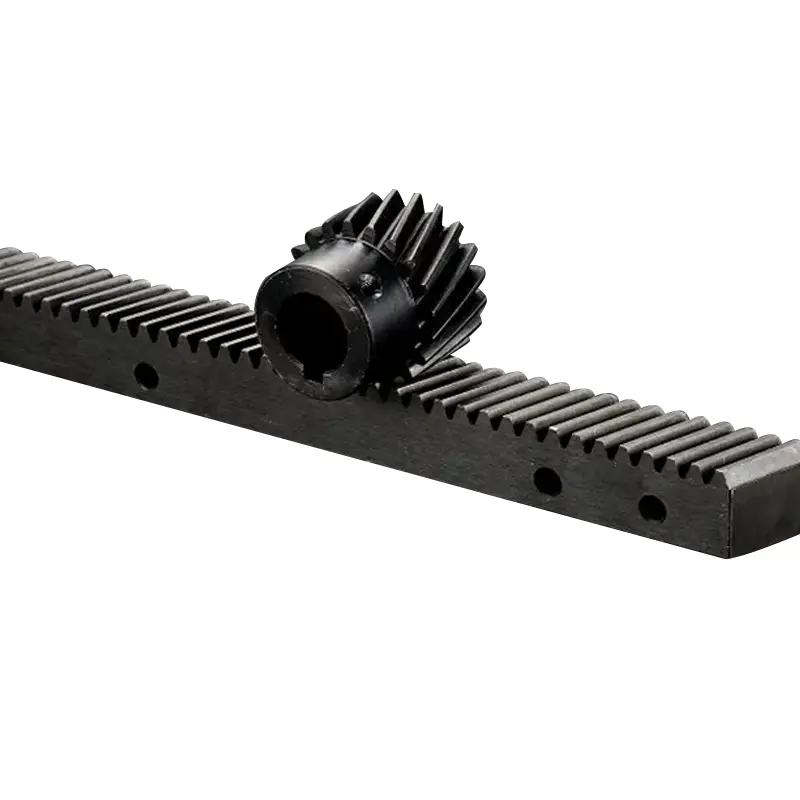
See DetailsRack and pinion systems—rotary motion in, linear motion out. You'll find them in CNC machines, industrial automation, material handling, automotive steering. Performance comes down to gear geometry, load capacity, and how well the rack, pinion, and supporting structure work together. When you're comparing different types, three parameters deserve the attention: module, pressure angle, and physical dimensions. Get those right and you avoid meshing headaches, excessive wear, positioning errors, unnecessary maintenance costs.
Identify the Rack and Pinion Type for Your Application
Start with the motion requirements and operating conditions. Straight-tooth, helical, precision, heavy-duty—those are the common configurations.
Straight-tooth systems have teeth parallel to the pinion axis. Simple geometry. Good for general linear drives, positioning mechanisms, plenty of industrial machines.
Helical systems have angled teeth that engage progressively. Smoother movement, lower noise in suitable applications. But helical gears generate axial forces. Bearings and mounting structure have to handle that.
Precision systems prioritize dimensional accuracy, controlled backlash, consistent positioning. Common in CNC and automated production lines.
Heavy-duty systems are built around higher loads, tooth strength, operational durability. Specs must account for transmitted force, operating speed, duty cycle.
Before comparing products, establish travel distance, linear speed, positioning accuracy, operating load, installation space.
Select the Module to Match Tooth Size and Load
Module defines tooth size. It's the pinion pitch diameter divided by number of teeth:
m=dzm=zd
Where mm is module, dd is pitch diameter, zz is number of teeth.
For a compatible metric rack and pinion, linear tooth pitch is:
p=πmp=πm
Bigger module generally means bigger teeth with more load-carrying potential. Actual capacity also depends on material, tooth profile, face width, heat treatment, manufacturing accuracy. Smaller modules work when space is tight or you need a compact transmission. Larger modules suit heavier loads, provided the machine has room.
| Module selection | Main advantage | Key consideration |
|---|---|---|
| Small module | Compact dimensions and closer tooth spacing | Tooth strength and wear resistance |
| Medium module | Balance between size and load capacity | Actual force and operating cycle |
| Large module | Larger teeth with greater load potential | Space, weight, and cost |
Rack and pinion need matching modules and compatible tooth profiles. Confirm with technical drawings before ordering.
Choose the Appropriate Pressure Angle
Pressure angle affects tooth geometry, contact forces, load on the supporting structure. It's measured relative to the tangent at the gear pitch point.
20 degrees is common in modern metric gear systems—often a practical starting point for general industrial work. Other angles, including 14.5 and 25 degrees, show up in specialized or legacy designs.
Lower pressure angle generally means lower radial separating force under comparable loading. Higher pressure angle can give greater tooth-root thickness in some designs. But it also increases radial force that bearings and mounting components have to withstand. The right choice depends on load requirements, gear geometry, available space, existing equipment specs.
For compatible meshing, rack and pinion need matching pressure angles and suitable tooth profiles. Helical systems also need compatible helix angles and tooth-hand configurations. Mismatched geometry causes uneven contact, excess noise, premature wear.
Determine Pinion Size and Rack Dimensions
Module and pressure angle handle tooth compatibility. Physical dimensions determine motion characteristics and installation fit.
For a standard external spur pinion, pitch diameter is:
d=mzd=mz
Say module 2, 30 teeth—pitch diameter is 60 mm. Theoretical linear travel per revolution:
L=πd≈188.5 mmL=πd≈188.5 mm
That estimate helps evaluate travel speed and transmission requirements. Actual positioning performance also depends on backlash, elastic deformation, mounting accuracy, other system characteristics.
Check pinion bore diameter, shaft interface, hub dimensions, face width, tooth count. For the rack: overall length, tooth section, mounting-hole spacing, straightness, available installation clearance.
A larger pinion increases theoretical linear travel per revolution for a given module. But it also changes torque required for a given linear force. Motor sizing and acceleration requirements have to be considered alongside gear dimensions.
Compare Specifications Before Purchasing
A structured checklist keeps supplier comparisons honest.
| Specification | What buyers should confirm | Why it matters |
|---|---|---|
| Gear configuration | Straight-tooth or helical design | Determines engagement and force characteristics |
| Module | Matching rack and pinion values | Ensures compatible tooth spacing |
| Pressure angle | Matching tooth geometry | Supports proper meshing |
| Pinion tooth count | Compatibility with travel requirements | Determines pitch diameter |
| Face width | Suitability for the transmitted load | Influences tooth-contact capacity |
| Material and hardness | Appropriate mechanical properties | Affects wear resistance and service life |
| Accuracy and backlash | Compliance with positioning requirements | Influences motion consistency |
| Mounting dimensions | Compatibility with shafts and machine frames | Prevents installation problems |
For heavy-duty or precision equipment, request documented load ratings, dimensional tolerances, applicable accuracy specs. Those records tell you whether the proposed components suit the actual operating conditions.
Evaluate Accuracy, Lubrication, and Environmental Conditions
Even correctly matched components underperform when alignment, lubrication, or mounting rigidity falls short. Precision applications may need specified backlash, controlled tooth accuracy, accurate rack alignment. Heavy loads and frequent reversals increase tooth stress—mounting stability gets critical.
Material selection should reflect load, speed, duty cycle, environmental exposure. Lubrication requirements vary with gear material, geometry, operating conditions, supplier recommendations. Dust, moisture, abrasive particles may call for protective covers and a defined maintenance schedule.
Before a bulk order, ask for technical drawings, material specs, load-rating information, installation guidance. Where reliability or positioning accuracy matters, test a representative assembly under realistic operating conditions.
Select Rack and Pinion Components Based on Verified Requirements
Choosing the right rack and pinion means balancing gear compatibility, load capacity, travel requirements, installation dimensions, motion accuracy. Module sets tooth size. Pressure angle shapes tooth geometry and transmitted forces. Pinion dimensions affect travel per revolution and system packaging. For OEM buyers, equipment manufacturers, industrial distributors—a complete spec gives you a reliable basis for comparing suppliers. Verify these parameters before purchasing and you prevent component mismatches, costly redesigns, avoidable downtime.
The Stainless Steel Rack Pinion Gear for Sliding Motors is a high-prec...
See Details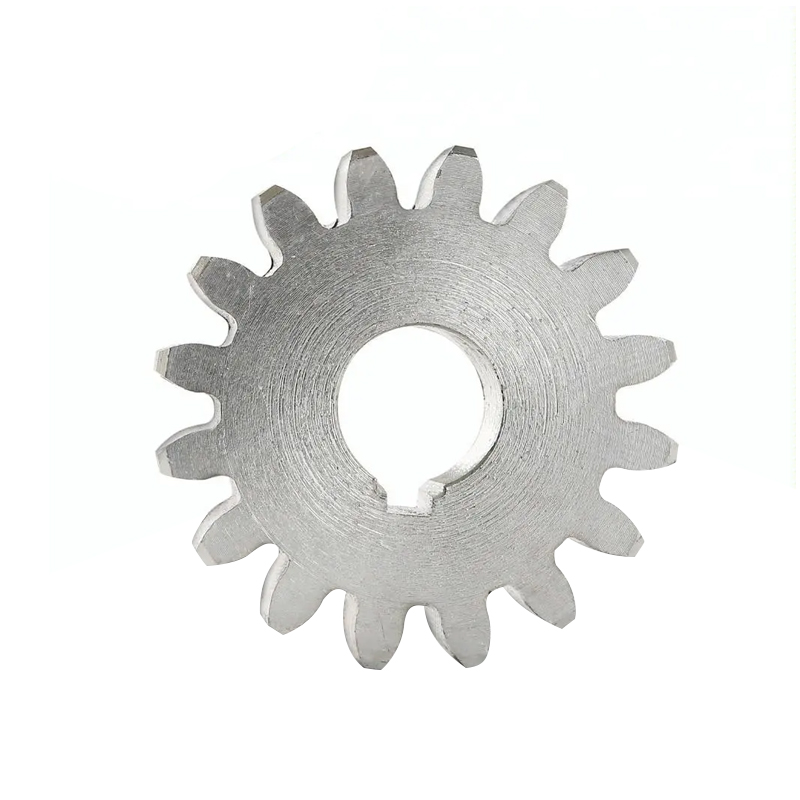
The Smooth Surface High Precision Rack Pinion Gear is a high-performan...
See Details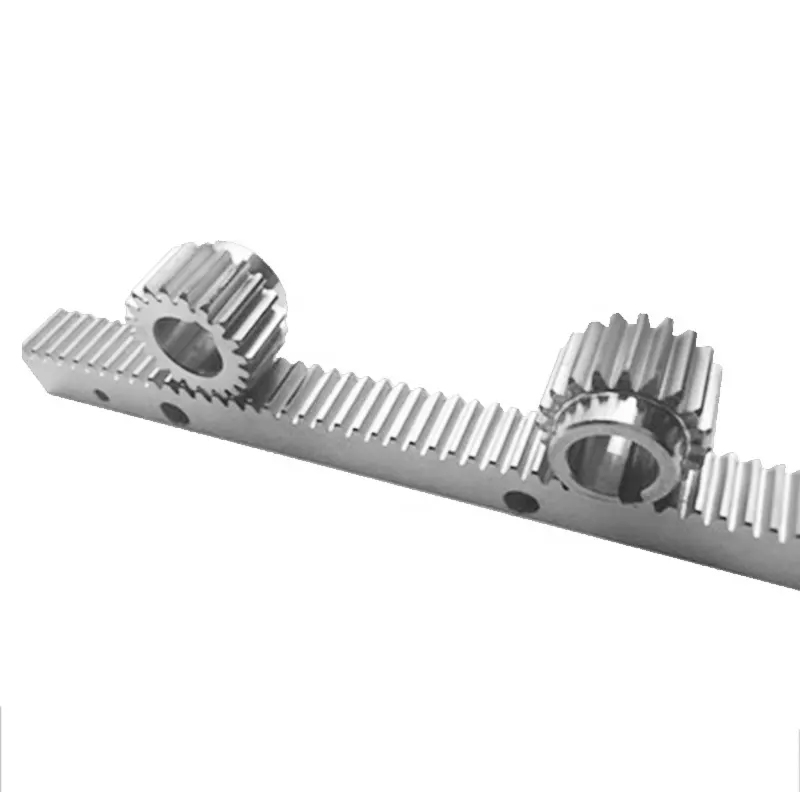
The Multiple Specifications Rack Pinion Gear is a versatile mechanical...
See Details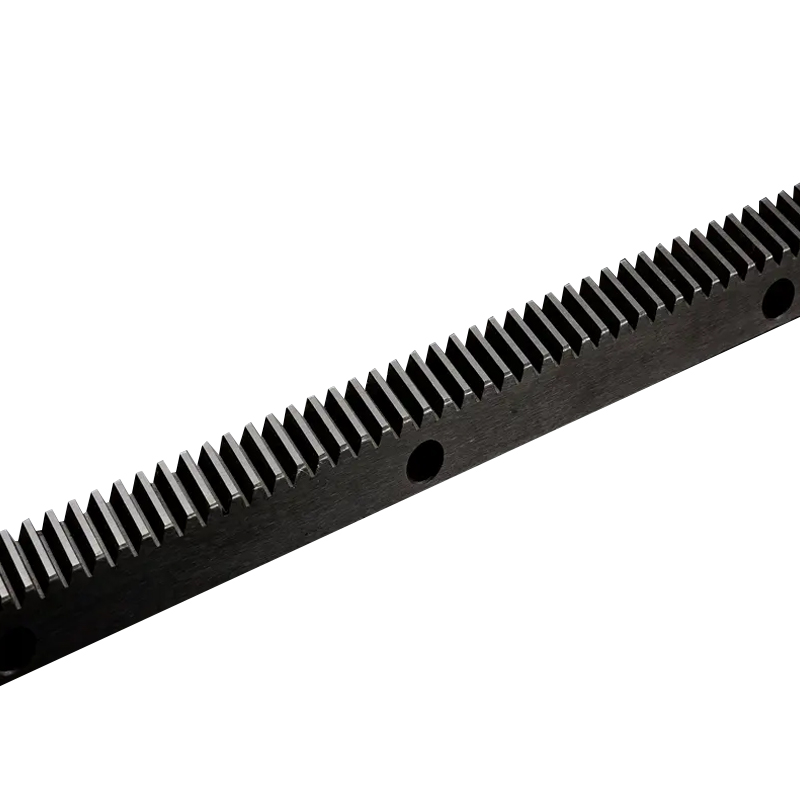
The Precision Durability Sliding Door Steel Gear Rack is a high-perfor...
See Details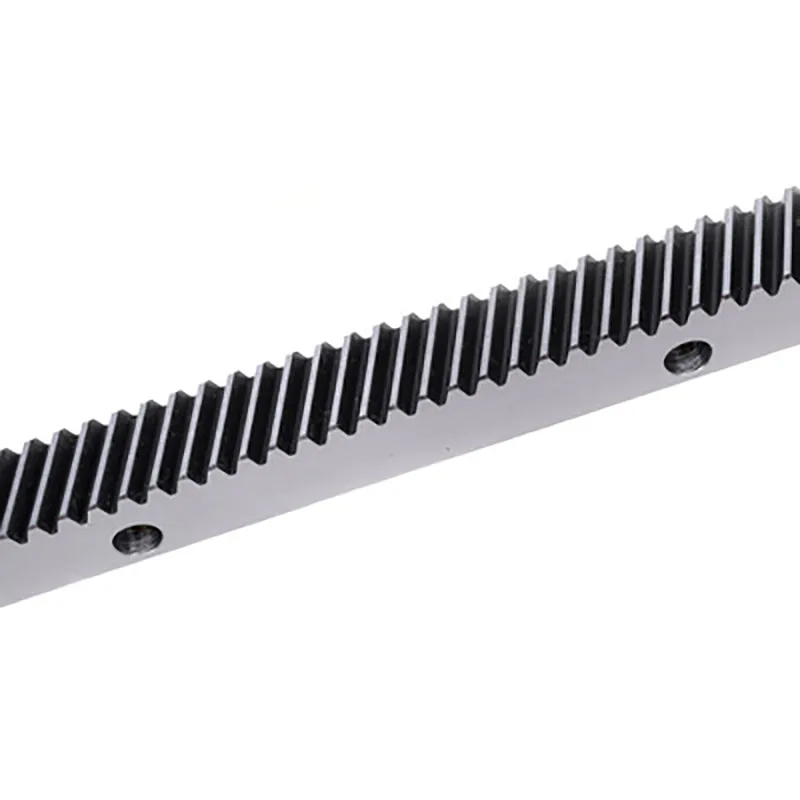
The CNC machining helical gear rack is a critical component in various...
See Details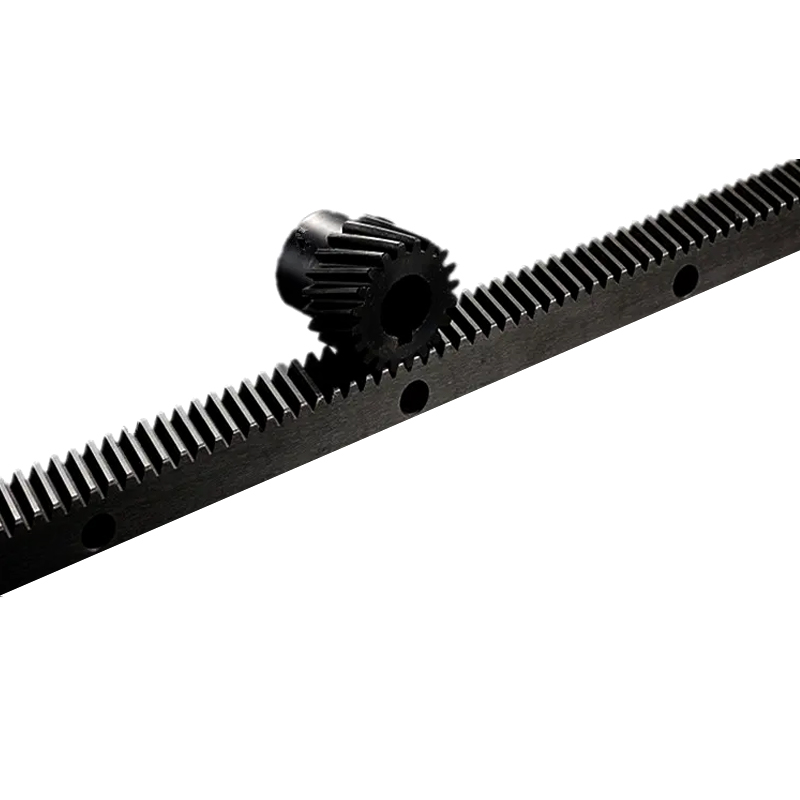
Linear precision guides helical gear rack is a transmission component ...
See Details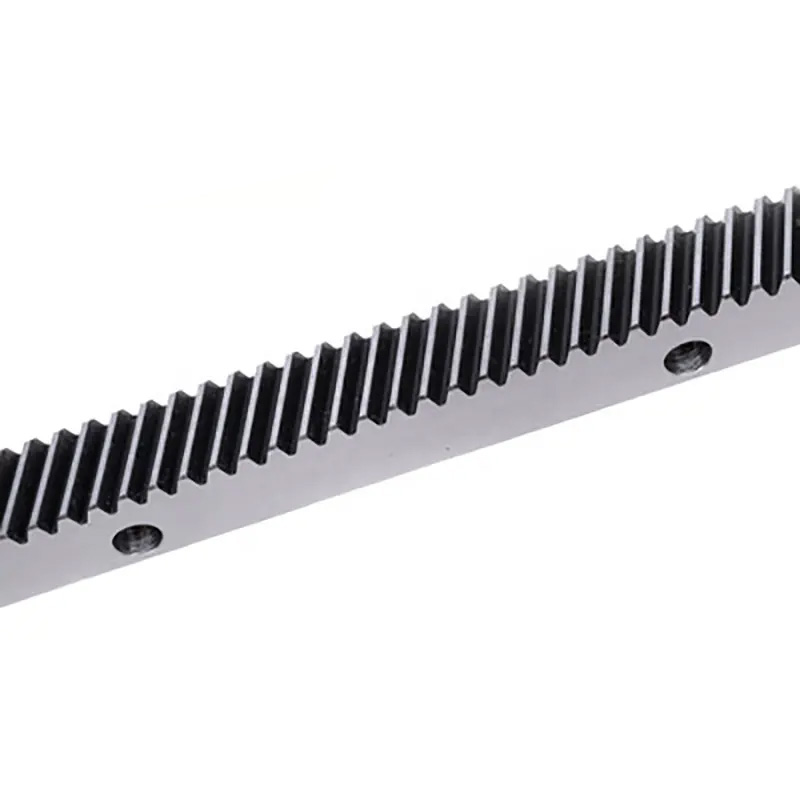
Industrial engraving transmission straight gear rack is a precision li...
See Details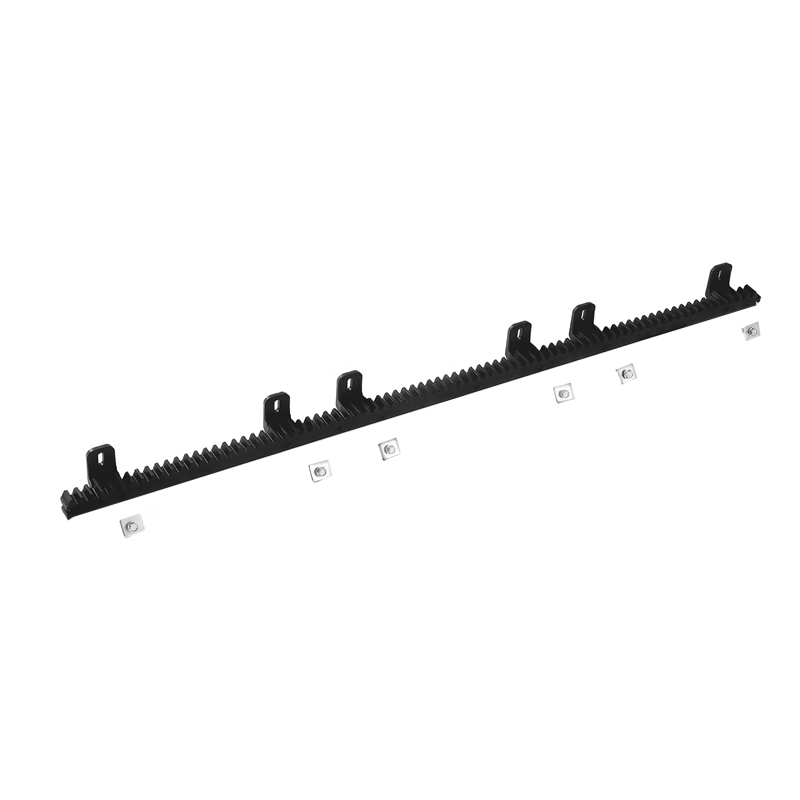
The Black Six Eyes Sliding Door Nylon Gear Rack is a versatile and pra...
See Details
