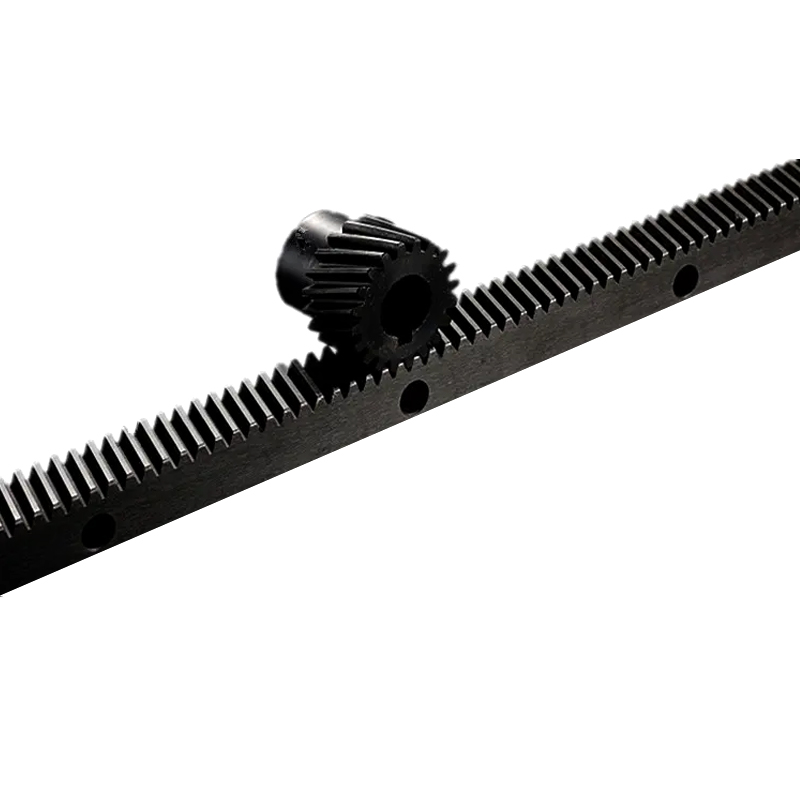
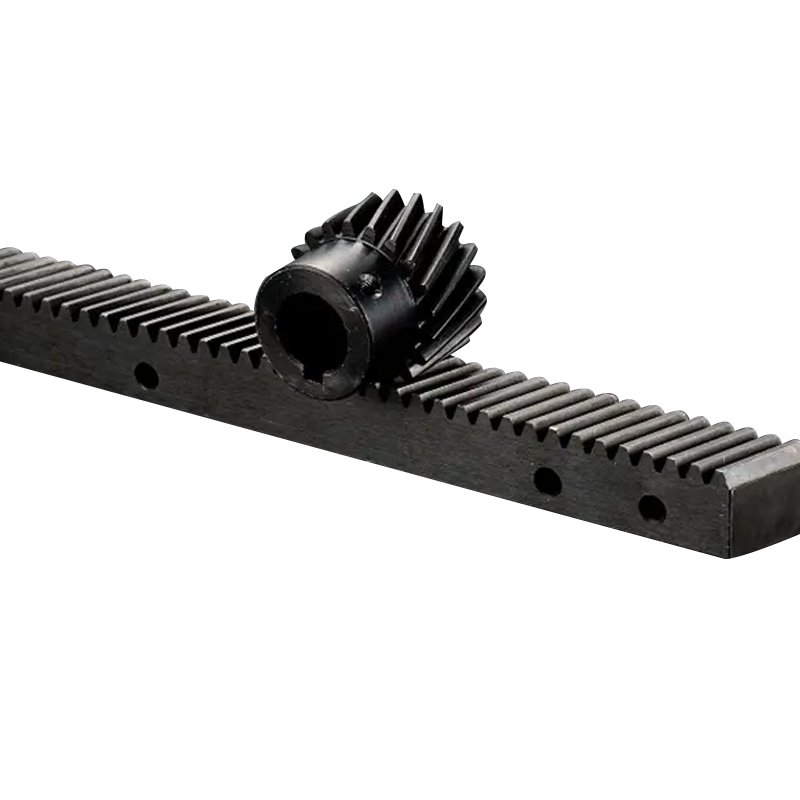
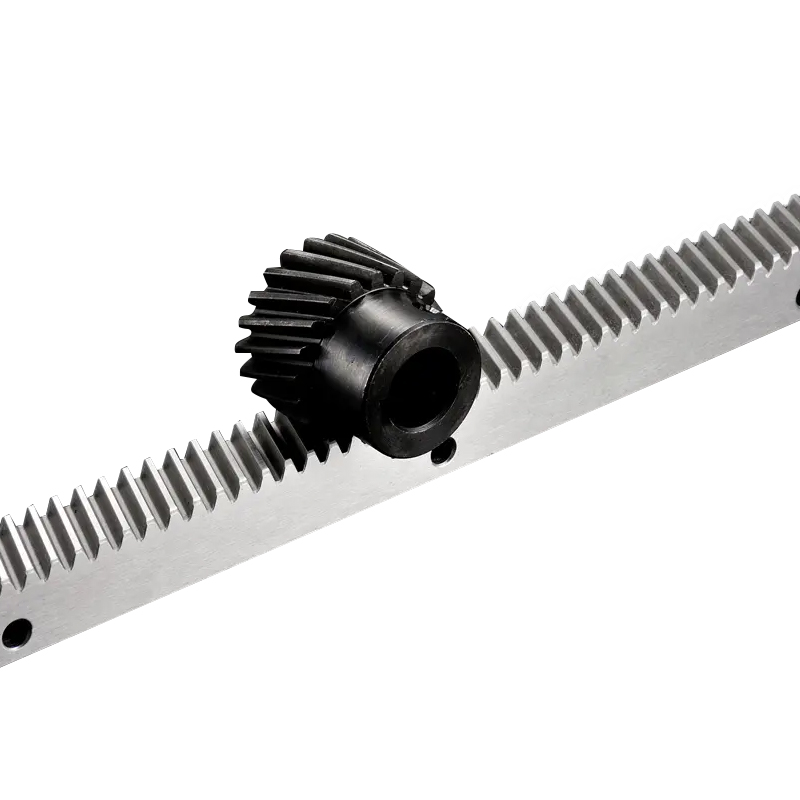
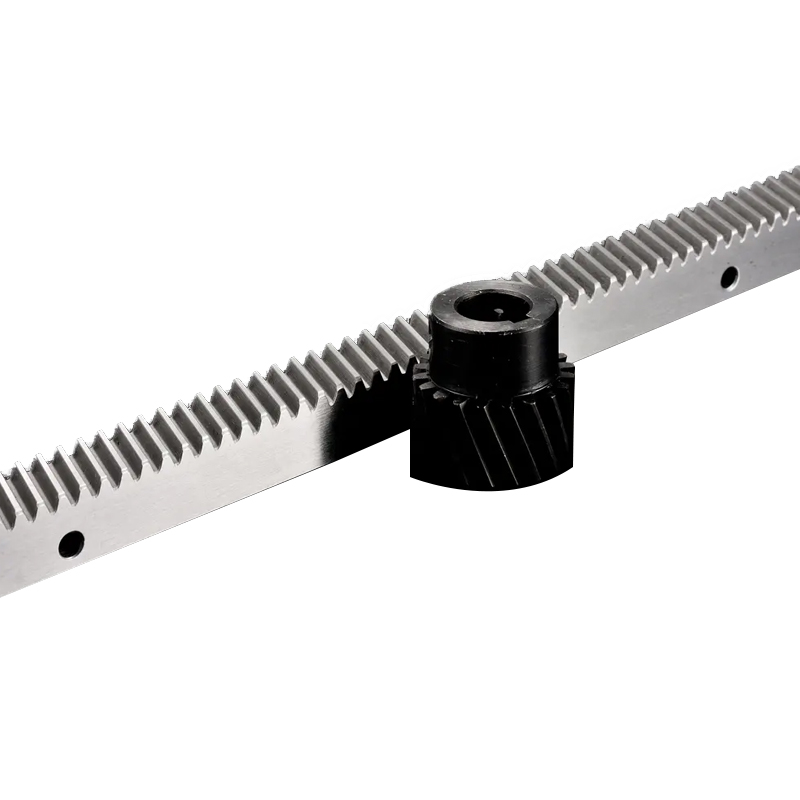
Linear Precision Guides Helical Gear Rack
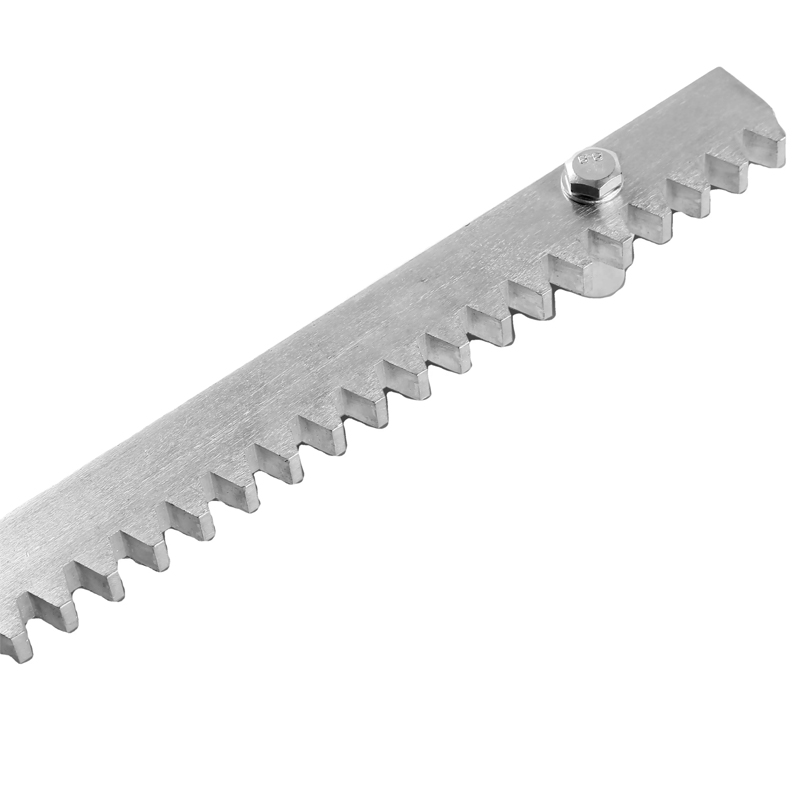
What Is a Linear Precision Guides Helical Gear Rack?
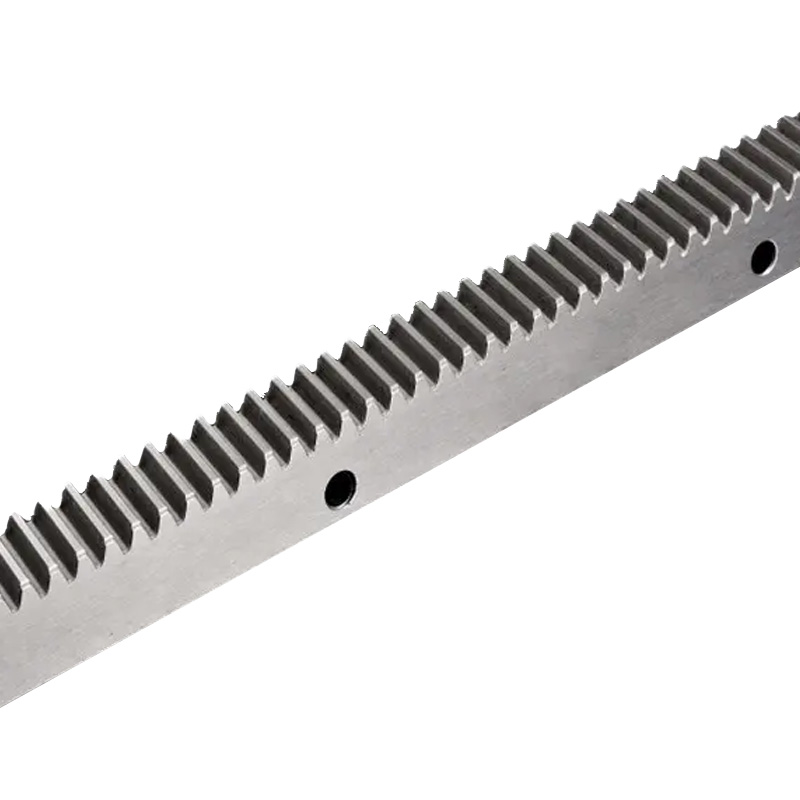
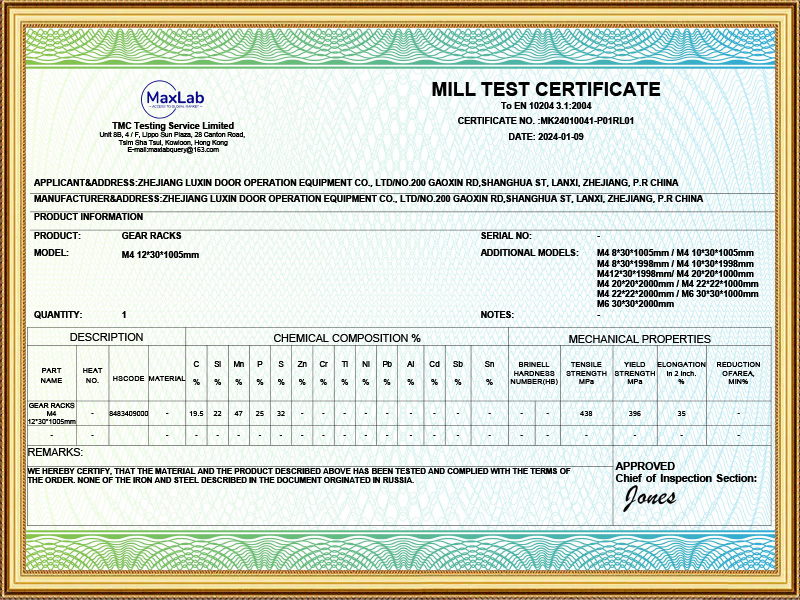
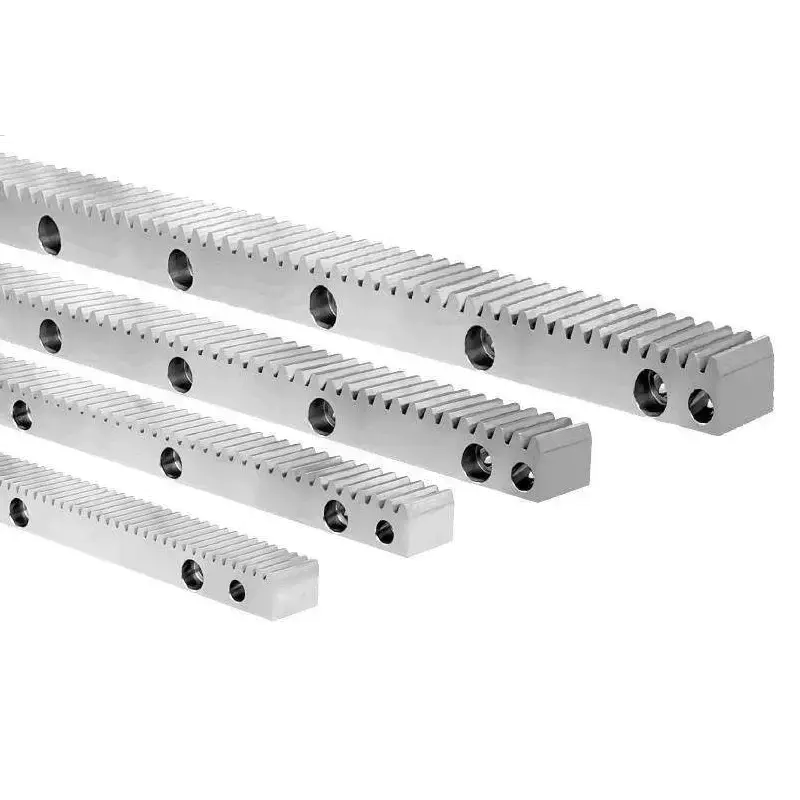
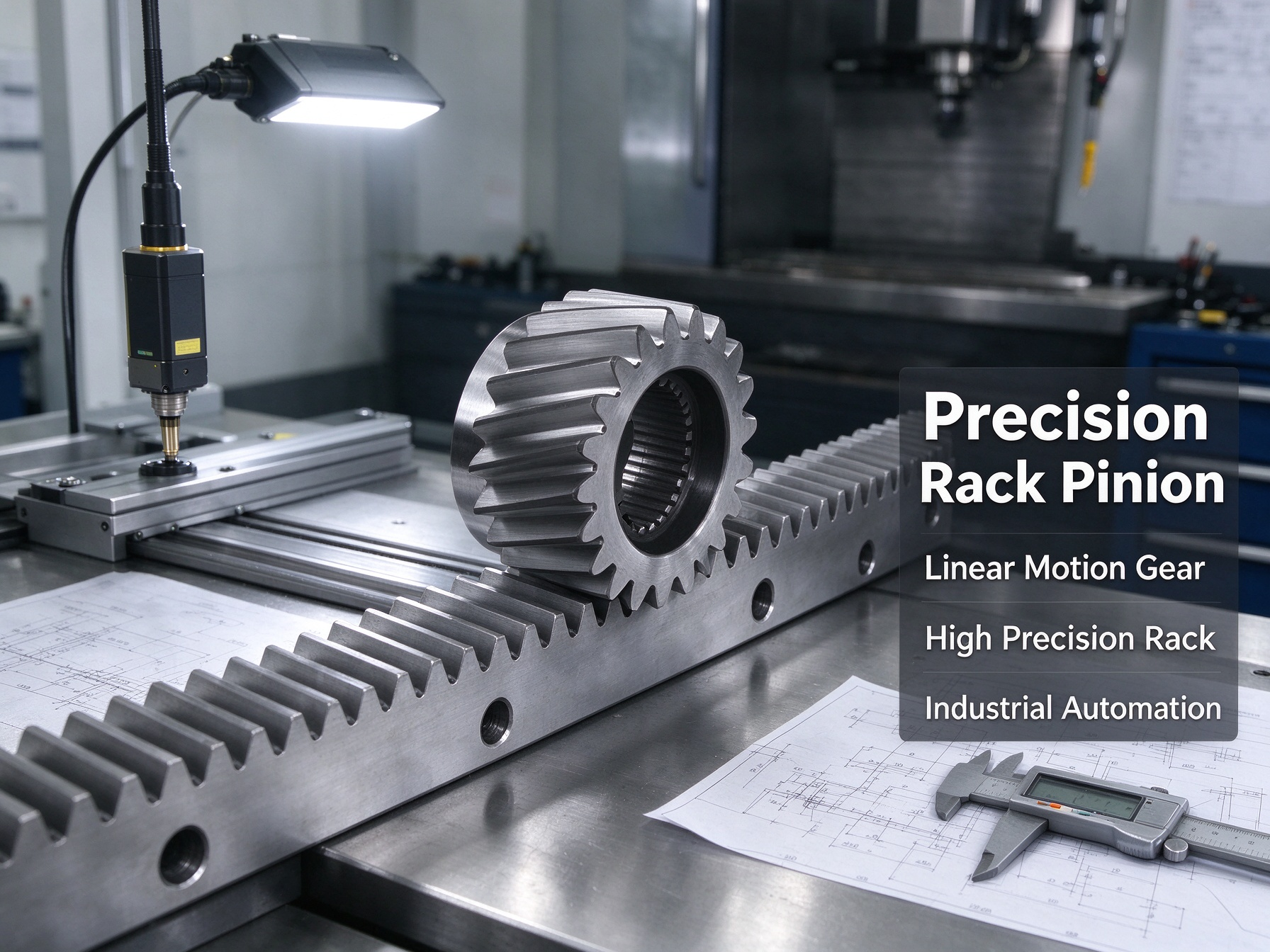
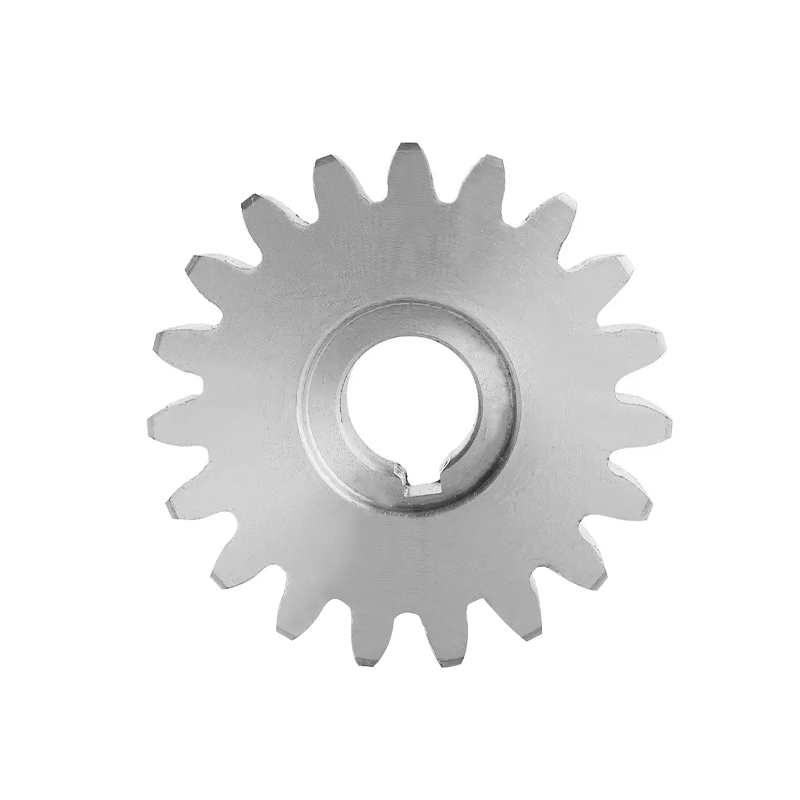
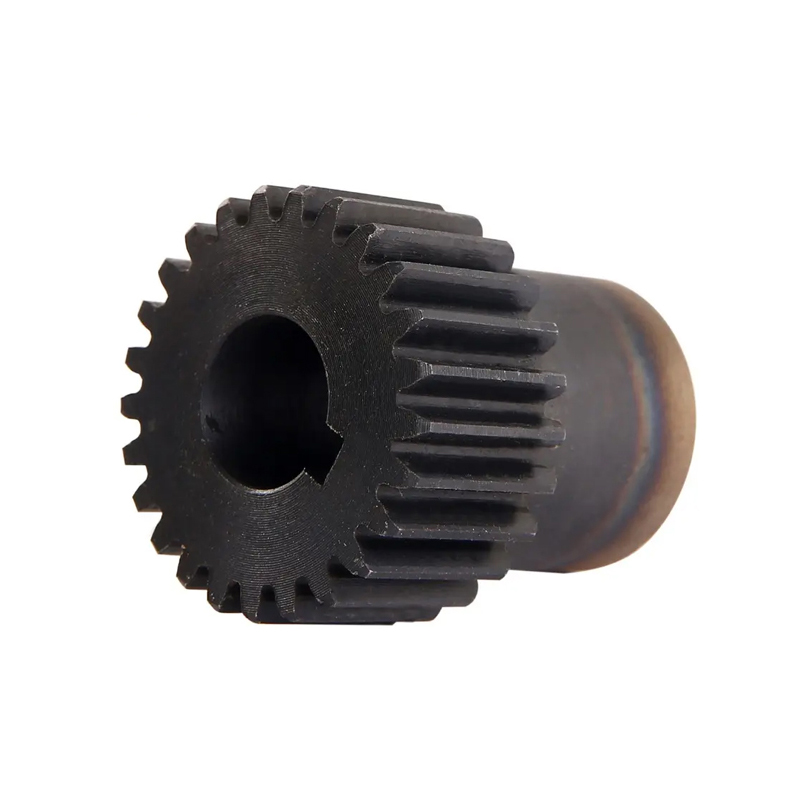
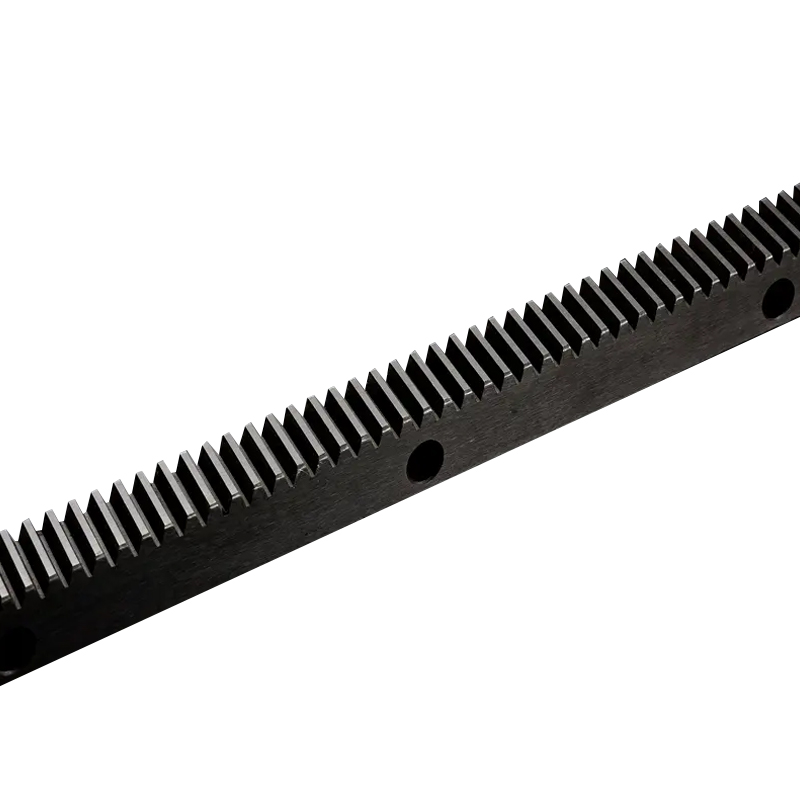
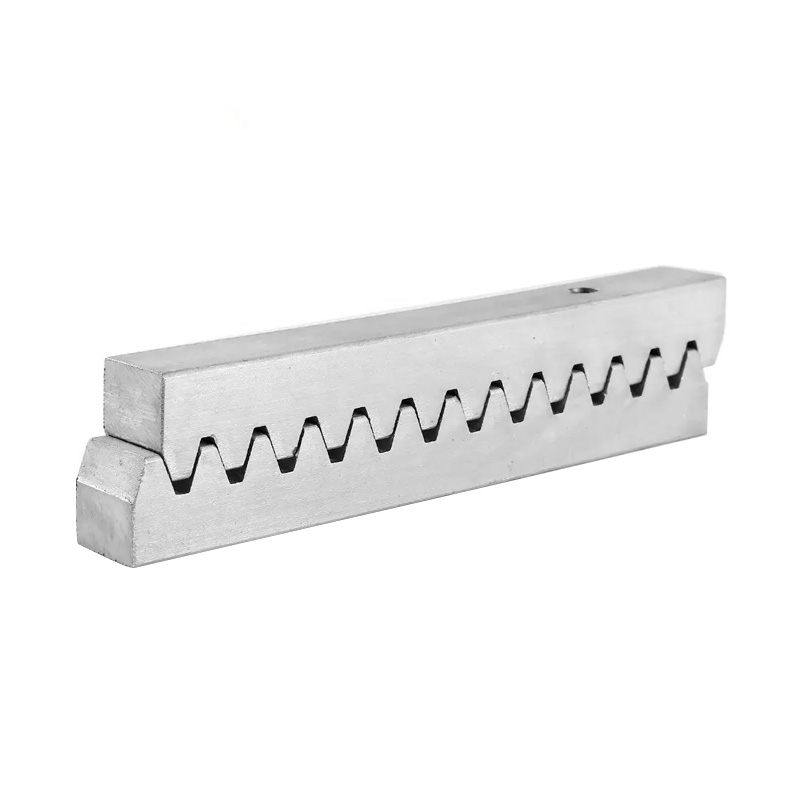
A Linear Precision Guides Helical Gear Rack is basically used when a machine needs to move in a straight line, but in a controlled and stable way. It works with a pinion gear—nothing complicated in principle—just turning rotary motion into linear movement.
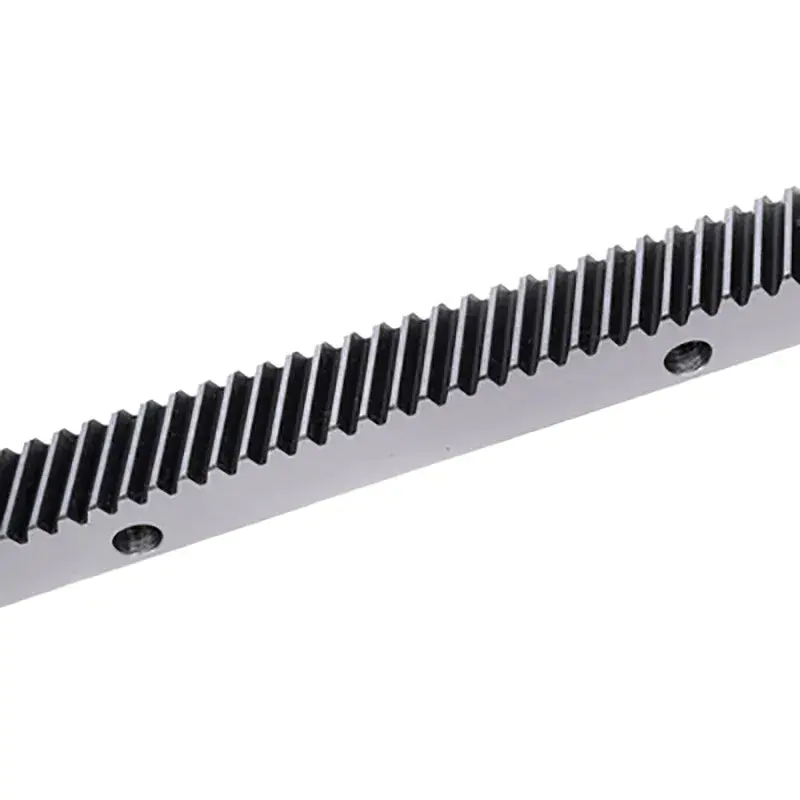
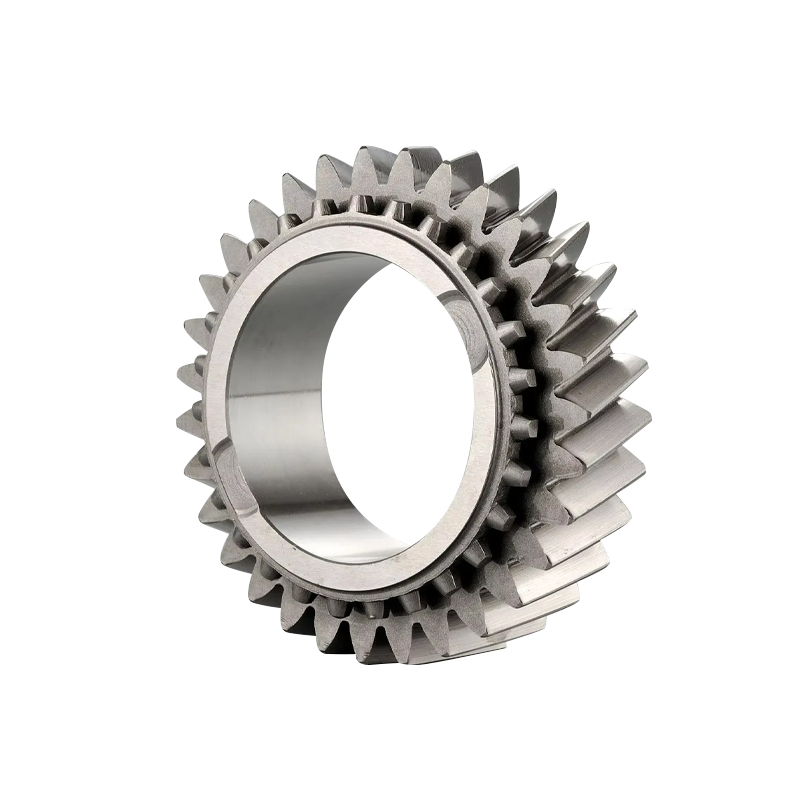
Compared with a straight rack, the helical version engages more gradually. In real use, that usually means the motion feels a bit smoother and less "sharp" when the machine starts or stops. You don't always notice it at first, but in longer runs or higher loads, it makes a difference.
In most cases, buyers don't pick this part for theory. It's more about whether it fits into an existing system and behaves well once installed. If it runs quietly and doesn't need constant adjustment, that's already a good sign.
Material and Quality
Most of these racks are made from carbon steel or alloy steel. Stainless steel shows up too, but usually in environments where moisture or corrosion is a concern.
The thing buyers care about most here is consistency. If the steel quality jumps around between batches, the machining results will too. Tooth accuracy, hardness, even how the rack wears over time—it all starts from the material.
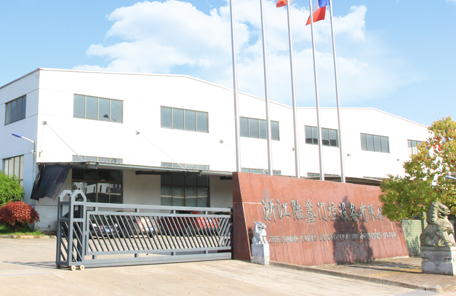
A Helical Gear Rack Factory that works seriously will usually stick with stable steel suppliers and check the material before anything goes into production. Nothing fancy, just basic control so the end product doesn't drift from batch to batch.
For more demanding machines, heat treatment is pretty common. It's not about making the part “stronger for marketing,” but more about keeping the tooth surface stable after long hours of running. If a rack is going into a machine that runs all day, this matters more than people expect.
Manufacturing Process
The process itself is not mysterious, but it does need attention to detail.
Steel comes in first and gets cut to length. Then the helical teeth are machined according to the required angle and module. This is where things can go wrong if the setup isn't precise—because the rack has to match the pinion cleanly, otherwise you'll feel it in the motion.
After machining, some racks go through heat treatment. Others get surface finishing depending on where they'll be used. If it's for a harsher environment, there's usually some kind of coating or anti-rust treatment added.
Before packing, each rack gets checked—straightness, tooth shape, dimensions. It's not overcomplicated inspection, just making sure nothing obvious is off. Most buyers in this segment care more about “does it fit and run properly” than anything else.
Applications
You'll find these racks in a lot of industrial setups where movement needs to stay controlled and repeatable.
Common examples include CNC machines, automation lines, packaging systems, engraving equipment, and material handling machines. In these systems, the rack is part of the movement chain—it quietly affects how smooth everything feels.
The Rack and Pinion Helical setup is especially common when vibration reduction or smoother travel is needed. Not because it's fancy, but because in real production environments, small improvements in motion stability actually matter.
Replacement demand is also a big part of the picture. A lot of orders are not for new machines, but for keeping existing ones running. In that case, the rack has to match the old one closely. Even small differences can turn into installation problems on-site.
Buyer Considerations
From a buyer's point of view, a few things usually come up pretty quickly.
Price is always there, of course, but it's rarely the only factor. Most buyers are balancing cost with how long the part will actually last in real use.
Wear resistance is another one. If a rack wears too fast, it's not just replacement cost—it also means downtime, which is usually more expensive than the part itself.
Packaging and transport are easy to underestimate. These racks are long, and if they're not packed properly, they can bend slightly in transit. That's enough to cause trouble during installation, especially in precision equipment.
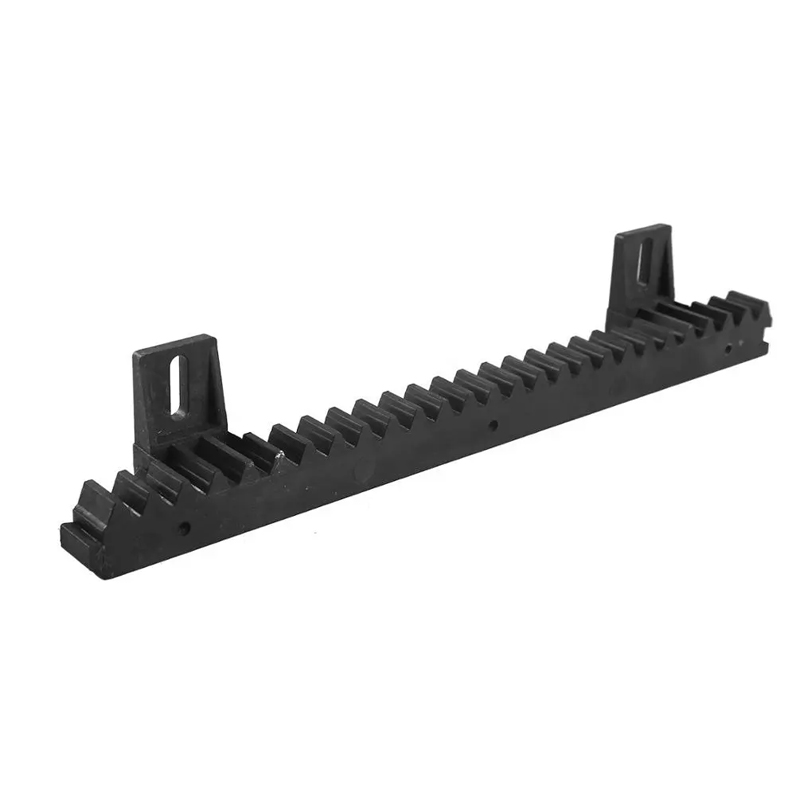
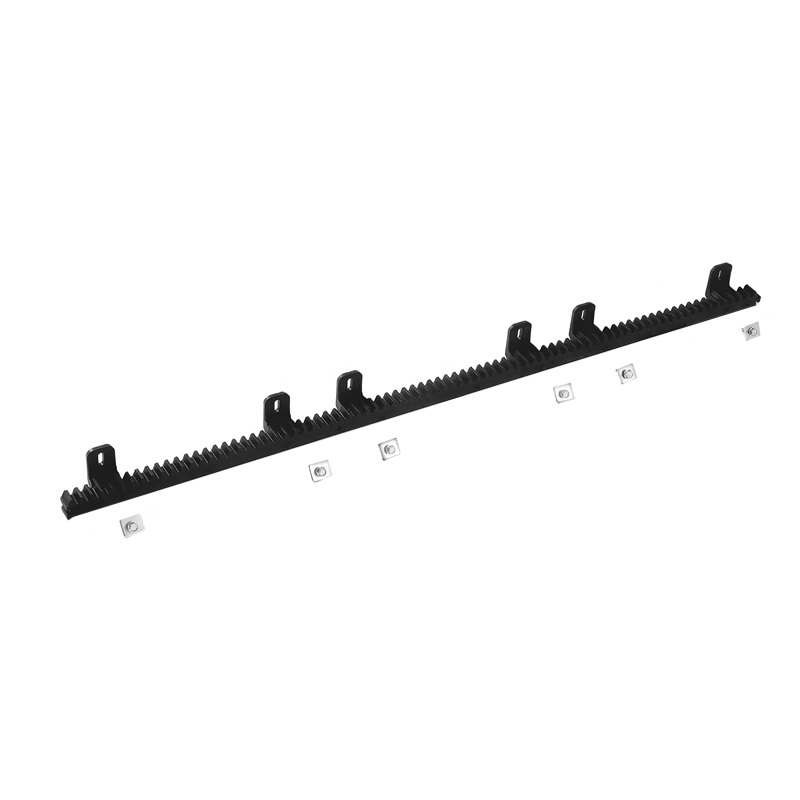
Customization is also very common. Different machines need different lengths, tooth specs, mounting styles, sometimes even different finishing. It's rarely a “one-size-fits-all” situation in this product category.
And then there's consistency. Distributors especially care about this. If one batch works and the next batch feels slightly different, it creates unnecessary support issues later.
Wholesale and Custom Options
In real B2B work, most of these racks are not bought as single items—they're part of ongoing supply.
A Helical Gear Rack Factory usually supports different setups depending on the customer's needs. Some buyers just want standard sizes for stock. Others need custom-made racks based on drawings or specific machines.
You'll often see options like:
- Different rack lengths
- Various module sizes
- Left or right-hand helix directions
- Surface hardening or coatings
- Custom mounting holes
- OEM / ODM production
- Logo marking and private labeling
- Custom packaging for export or retail
Some customers also care about how the products are packed per carton or per pallet, especially if they're reselling in different regions. These details might seem small, but they make logistics much easier later on.
Conclusion
A Linear Precision Guides Helical Gear Rack is not a complicated product, but it sits in a very practical part of industrial systems. If it's made well, it quietly supports smooth movement without drawing attention. If it's not, problems show up pretty quickly in real operation.
For buyers—whether wholesalers, importers, or equipment suppliers—the focus is usually straightforward: stable material, accurate machining, predictable supply, and the ability to customize when needed.
That's really where a reliable Helical Gear Rack Factory matters. Not in theory, but in whether the part fits, runs, and keeps running without extra trouble.

 English
 русский
 Español