
 English
 русский
 Español
No. 200 Gaoxin RD, Shanghua St, Lanxi, Zhejiang, P. R China
The High Precision Straight Teeth Rack Pinion Gear is a critical compo...
See DetailsA sliding gate that sticks halfway through its travel, drifts off its track under wind load, or wears down its drive components within a season of heavy use is more than an inconvenience on a working farm or an active warehouse yard — it is a recurring interruption to vehicle access, security, and daily operations. The component often responsible for that inconsistency is not the gate panel itself but the drive mechanism beneath it. A Nylon Rack and Pinion system addresses this problem directly by converting rotational motor force into smooth, controlled linear movement, and understanding how that mechanism performs under farm and warehouse conditions is the foundation for specifying a gate system that holds up under repeated, heavy-duty use.
A rack and pinion mechanism converts rotational motion into linear motion through two interacting components: the pinion, a small toothed gear connected to the motor or gearbox, and the rack, a straight toothed bar mounted along the bottom of the gate. As the motor turns the pinion, its teeth engage with the rack's teeth, driving the gate along its track in a straight line.
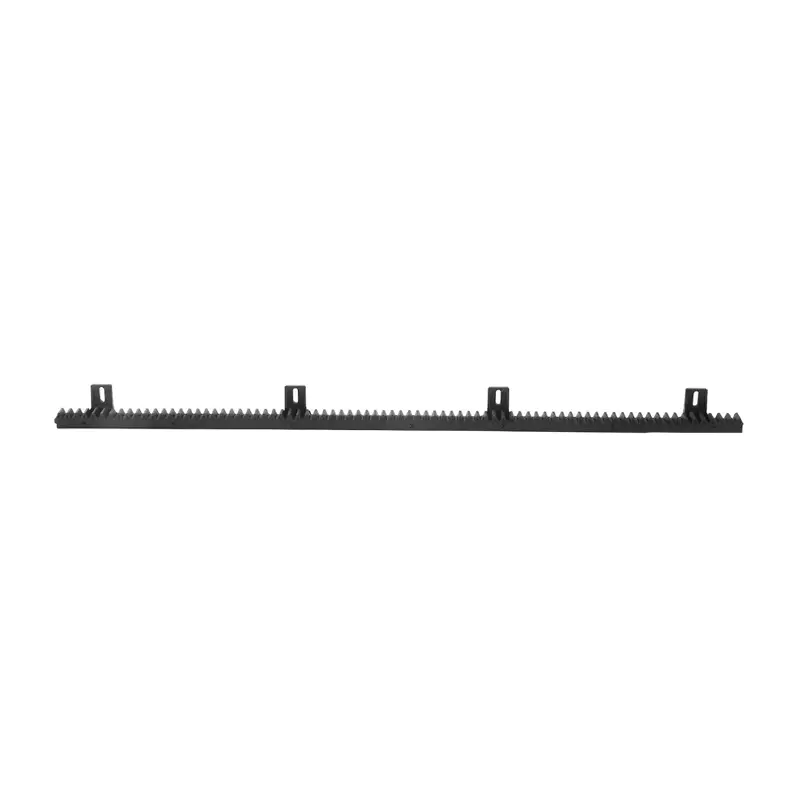
This conversion mechanism is the standard approach for sliding gate automation because it provides direct, positive engagement between the drive motor and the gate panel. Unlike friction-based drive systems, which rely on contact pressure that can slip under load, the toothed engagement of a rack and pinion maintains consistent motion transfer regardless of gate weight, provided the rack and pinion are correctly matched and properly aligned.
Farm and warehouse sliding gates are typically larger and heavier than the gates used in residential driveway applications. A gate sized to admit agricultural machinery, delivery trucks, or container handling equipment carries substantially more mass than a standard pedestrian or car gate, which places higher continuous load on every component in the drive chain — including the rack.
A drive system specified for residential use will be undersized for this application, and undersizing manifests as accelerated wear, motor strain, and an increased likelihood of mechanical failure under the repeated heavy cycling that commercial and agricultural gates experience.
Both farm and warehouse environments expose the gate system to weather conditions that residential installations rarely encounter at the same intensity: dust, dirt, moisture, temperature swings, and in agricultural settings, exposure to fertilizer residue, organic debris, and standing water near the gate track. Any drive component installed in this environment must resist corrosion and contamination without requiring constant maintenance to remain functional.
A warehouse gate that opens and closes dozens of times per day for delivery traffic experiences far more drive cycles over its service life than a residential gate. High cycling frequency accelerates wear on any mechanical component, and the cumulative effect over months of heavy use separates a drive system built for occasional use from one engineered for continuous commercial duty.
A nylon rack possesses material characteristics that directly address the environmental challenges found in farm and warehouse settings. Nylon does not corrode in the way uncoated steel does when exposed to moisture, dust, and organic contaminants, thereby avoiding a common failure mode for outdoor gate hardware over extended service periods.
The material also has inherent self-lubricating properties, which reduces friction at the tooth engagement point between the rack and the pinion without requiring the same level of ongoing lubrication maintenance that metal-on-metal systems typically demand. For facility managers without dedicated maintenance staff for gate hardware, this reduced maintenance burden is a practical operational advantage.
Nylon Rack and Pinion engagement produces less mechanical noise than steel-on-steel contact, because the polymer material dampens vibration at the tooth interface rather than transmitting it as sound. For warehouse environments adjacent to office space, loading docks, or residential areas, this noise reduction is a relevant operational consideration, particularly for gates that cycle frequently throughout the working day.
A nylon rack for sliding gate applications tolerates minor track misalignment more forgivingly than a rigid steel rack, because the polymer material has slightly more give at the tooth engagement point. This does not eliminate the need for correct installation and alignment, but it does provide a margin of tolerance that reduces the likelihood of binding or premature wear when a gate track settles slightly over time, which is common in outdoor installations on unstable ground such as farm yards.
The decision between nylon and steel rack material depends on the specific demands of the installation. The table below outlines how the two material options compare across the criteria relevant to farm and warehouse gate applications.
| Criterion | Nylon Gear Rack | Steel Gear Rack |
|---|---|---|
| Corrosion Resistance | High | Requires coating or galvanizing |
| Load Capacity | Suitable for moderate to heavy gates | Higher capacity for very heavy gates |
| Noise Level | Lower | Higher unless lubricated |
| Maintenance Requirement | Lower | Higher, periodic lubrication needed |
| Tolerance to Misalignment | Higher | Lower, more rigid |
| Installation Weight | Lighter | Heavier |
| Cost | Generally lower | Generally higher |
| Service Life in Wet Climates | Long, resists moisture damage | Shorter without proper coating |
| Suitability for High-Cycle Use | Good with quality material | Excellent with proper maintenance |
Neither material is universally superior. Nylon offers a strong balance of durability, low maintenance, and cost efficiency for the majority of farm and warehouse gate applications. Steel remains the preferred choice for the heaviest gate installations, where the load-bearing requirements exceed what a polymer rack can reliably support over an extended service life, provided the steel is adequately protected against corrosion through coating or galvanizing.
A sliding door gear rack operates through a defined mechanical sequence each time the gate cycles:
This sequence repeats every time the gate cycles, which means the rack and pinion components experience continuous mechanical stress proportional to the gate's weight and the frequency of use. Specifying rack material and pinion quality appropriate to the expected cycle frequency is what determines whether this mechanism performs reliably over years of operation or requires premature replacement.
The precision of the tooth profile on both the rack and pinion directly affects how smoothly they engage during operation. Poorly matched or imprecisely manufactured teeth create uneven load distribution at the contact point, which accelerates wear, increases noise, and can produce jerky or inconsistent gate movement. A precision gear rack manufactured to consistent tooth spacing and profile reduces this wear pattern and supports smoother, quieter operation across the gate's full range of travel.
Farm gates serving as primary access points for machinery and livestock transport experience irregular but often heavy loading — a single tractor or trailer passage may represent more cumulative stress on the gate than dozens of pedestrian passages. The drive system must be specified for these intermittent heavy-load events, not just for an average daily cycle count.
Farm environments expose gate hardware to organic material, dust, and moisture from irrigation or weather that can accumulate at the rack and pinion engagement point if not adequately shielded. A rack material that resists degradation from this type of contamination, combined with a gate design that incorporates some protection for the drive components from direct exposure, extends the practical service life of the system in working agricultural conditions.
Many farm gate installations are located at a distance from regular maintenance access, which makes low-maintenance drive components particularly valuable. A system that requires infrequent lubrication and inspection reduces the operational burden on farm staff who may not have the time or specialized knowledge to maintain complex mechanical systems on a frequent schedule.
Warehouse facilities that operate on regular delivery schedules tend to cycle their sliding gates far more frequently than is typical for residential or many commercial settings. That repeated, high-volume use places ongoing strain on each component within the drive system. Over time, this wear influences how long individual parts remain functional and how often they need replacement. Consequently, the durability of those components, together with the ease of sourcing spare parts, becomes a notable factor in the overall cost of owning and maintaining the gate throughout its service life.
Warehouse gates are frequently integrated with access control systems, security cameras, and automated scheduling that coordinates gate operation with delivery windows or shift changes. The drive mechanism must respond reliably and consistently to these automated signals, which requires a system where the rack and pinion engagement remains precise and predictable even after extended use — inconsistent engagement can produce delays or partial openings that disrupt automated access workflows.
Unlike farm gates, which primarily accommodate periodic equipment passage, warehouse gates often manage continuous vehicle traffic throughout operating hours. The drive system must handle this sustained operational tempo without the performance degradation that would result in slower cycle times, increased noise, or unexpected stoppages that interrupt logistics operations.
The starting point for selecting a rack and pinion configuration is an honest assessment of the gate's weight and the expected frequency of use. A lightweight to moderate-weight gate cycling at a low to moderate frequency is well suited to a Nylon Rack and Pinion system, which provides adequate load capacity with the corrosion resistance and low maintenance burden that outdoor installations benefit from. A heavier gate or one cycling at very high frequency may require a steel rack with appropriate corrosion protection to meet the load and durability requirements over an extended service life.
The rack does not function in isolation — it must be matched to a pinion and gearbox combination appropriate to the gate's weight and the desired operating speed. A pinion with too few teeth relative to the rack pitch will require excessive motor torque to achieve adequate speed, while a mismatch in tooth profile between the rack and pinion accelerates wear regardless of the material quality of either component.
Even a well-specified rack and pinion system will underperform if the installation does not maintain correct alignment between the rack and the pinion gear, and adequate support along the gate track to prevent sagging or deflection under the gate's weight. Confirming the installation specifications — mounting height, fastener spacing, and track support intervals — before installation begins reduces the likelihood of alignment-related wear issues appearing after the system enters service.
For facility managers and engineers sourcing rack and pinion systems for new installations or replacement projects, the following questions help clarify whether a proposed system matches the application requirements:
Specifying the right rack and pinion configuration is only part of the equation — the consistency of manufacturing quality across the rack, pinion, and supporting hardware determines whether the system performs as specified once installed and subjected to real operating conditions. A rack with inconsistent tooth spacing, dimensional variation along its length, or material inconsistencies between production batches introduces the same wear and reliability problems that an undersized system would, regardless of how appropriate the initial specification appeared on paper. Zhejiang Luxin Door Operation Equipment Co., Ltd. manufactures rack and pinion systems and related sliding gate drive components for agricultural, industrial, and warehouse applications, with production capability across nylon and steel rack options suited to a range of gate weights and operating environments. For facility managers, engineers, and procurement teams evaluating drive system specifications for a new installation or a replacement project, contacting the production team with gate dimensions, weight, and expected cycling frequency provides the basis for a recommendation matched to the specific operating conditions rather than a generic catalogue selection.
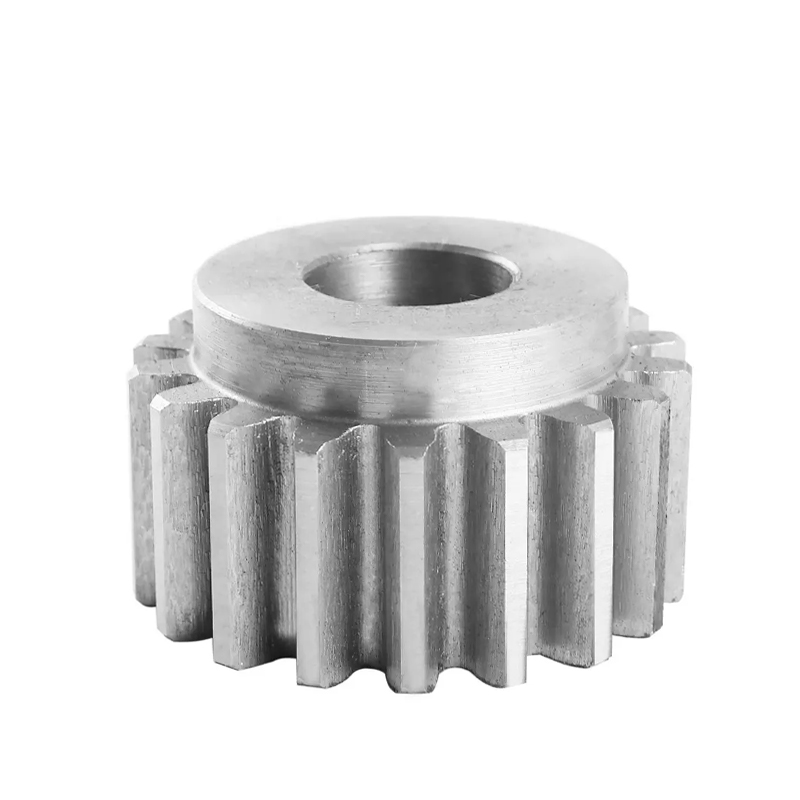
The High Precision Straight Teeth Rack Pinion Gear is a critical compo...
See Details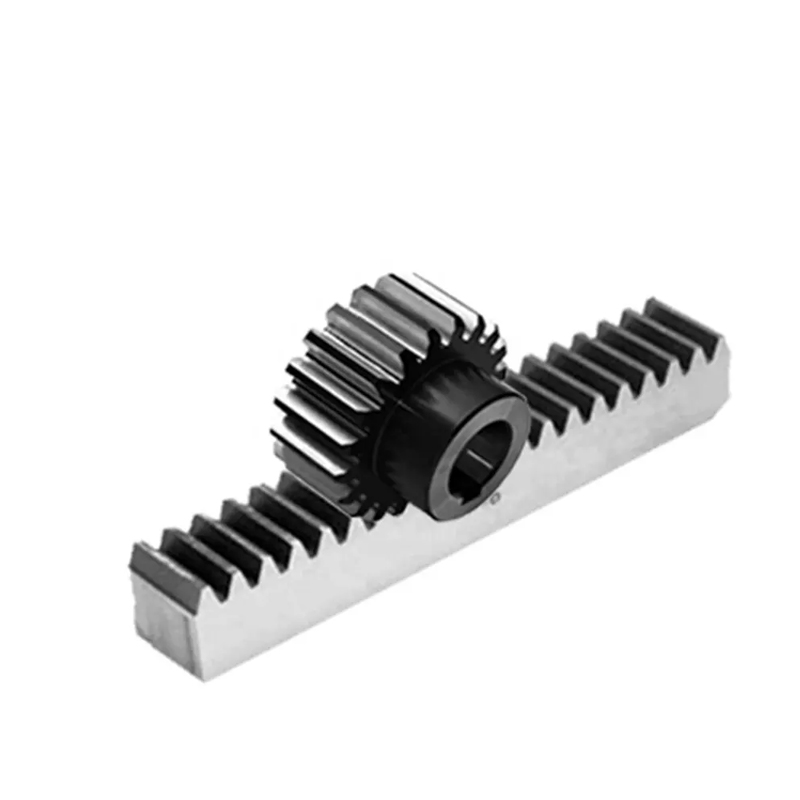
The Rack Pinion Gear for automatic door openers is a crucial component...
See Details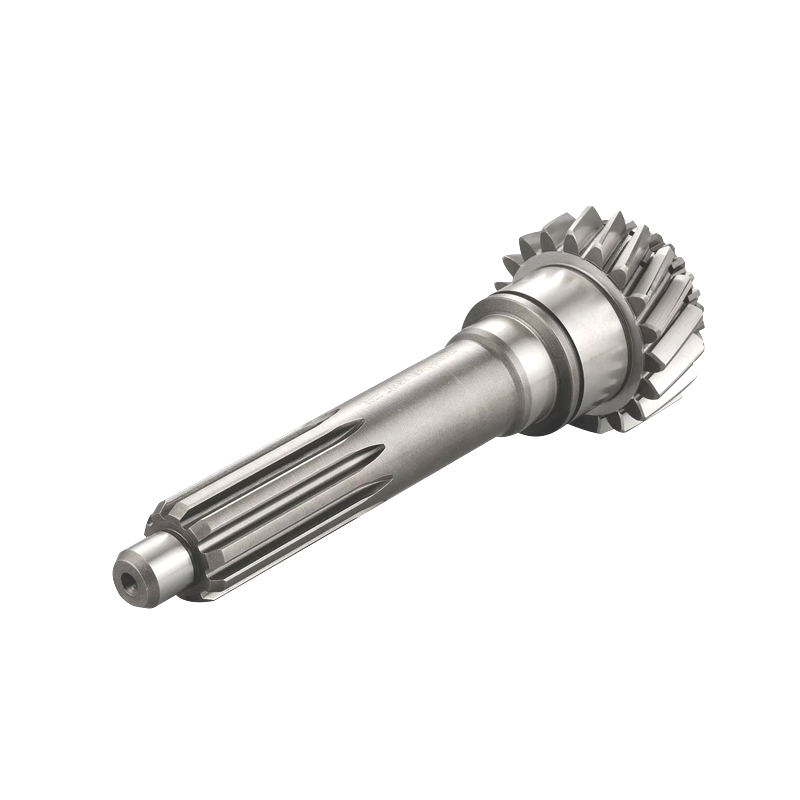
The rust-proof high-precision rack pinion gear is a critical component...
See Details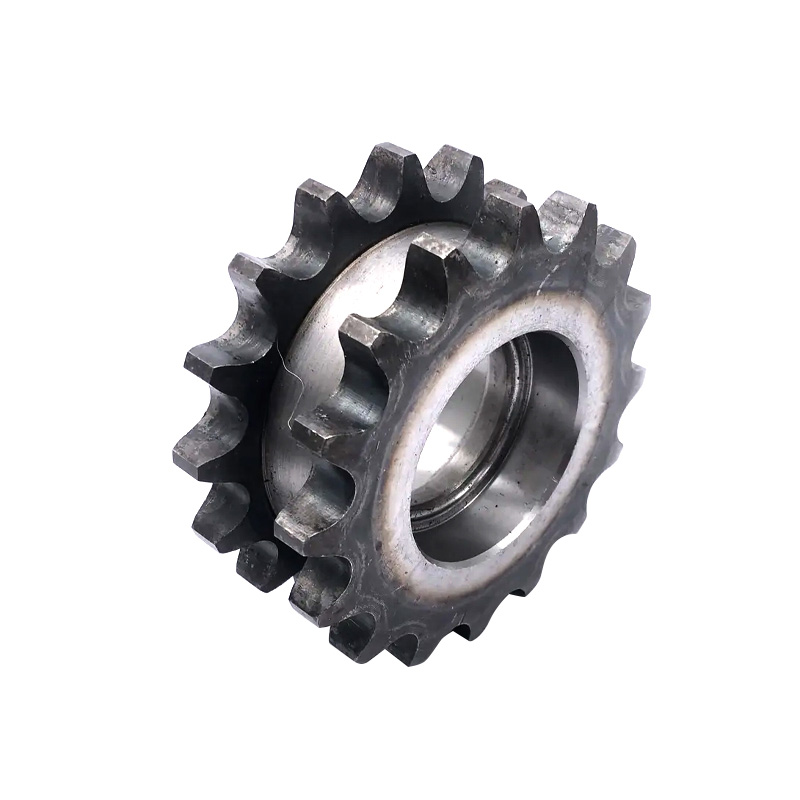
The Double Pitch Sprocket Rack Pinion Gear is a specialized mechanical...
See Details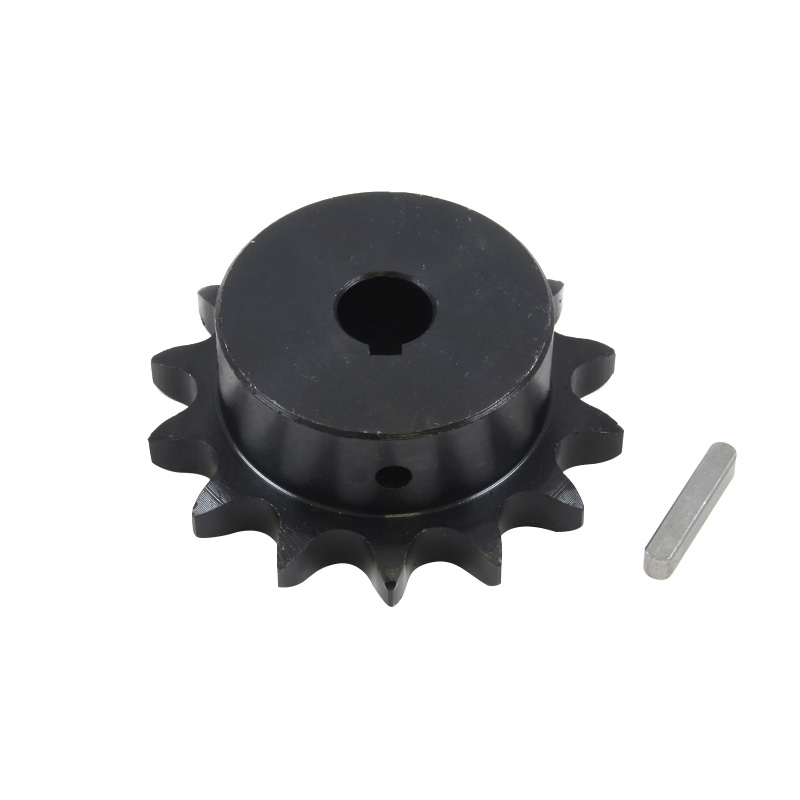
The Roller Transmission Double Plus Rack Pinion Gear is a highly effic...
See Details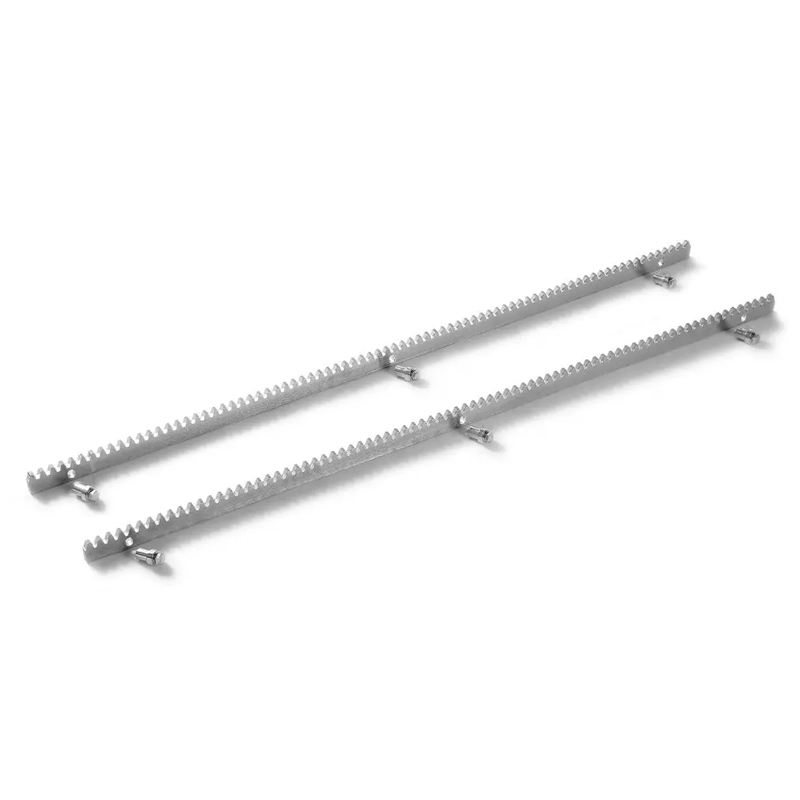
The Durable High-Quality Sliding Door Steel Gear Rack is a versatile a...
See Details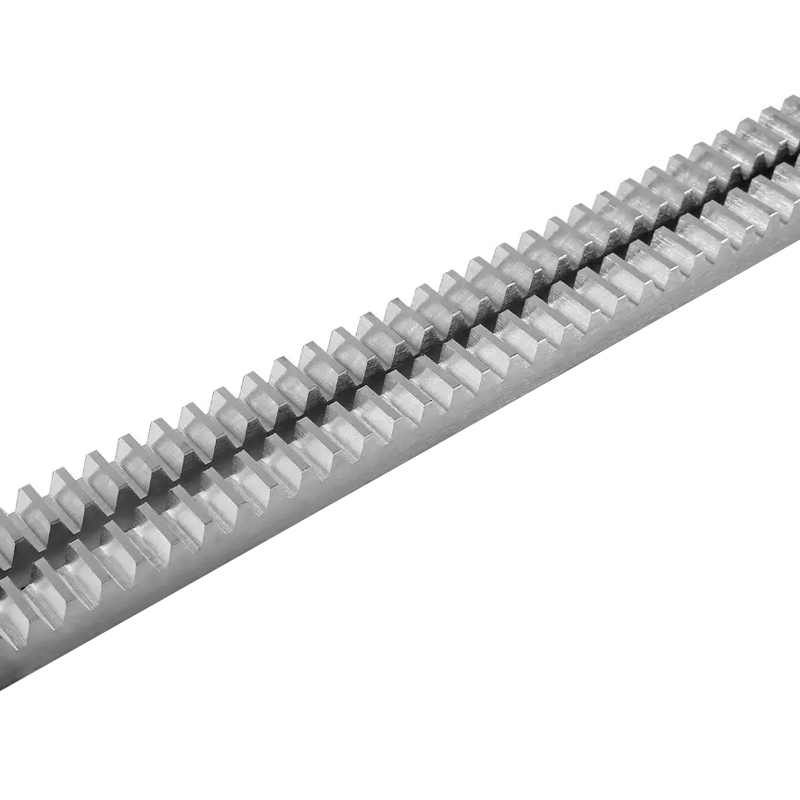
In the world of mechanical engineering, the performance and longevity ...
See Details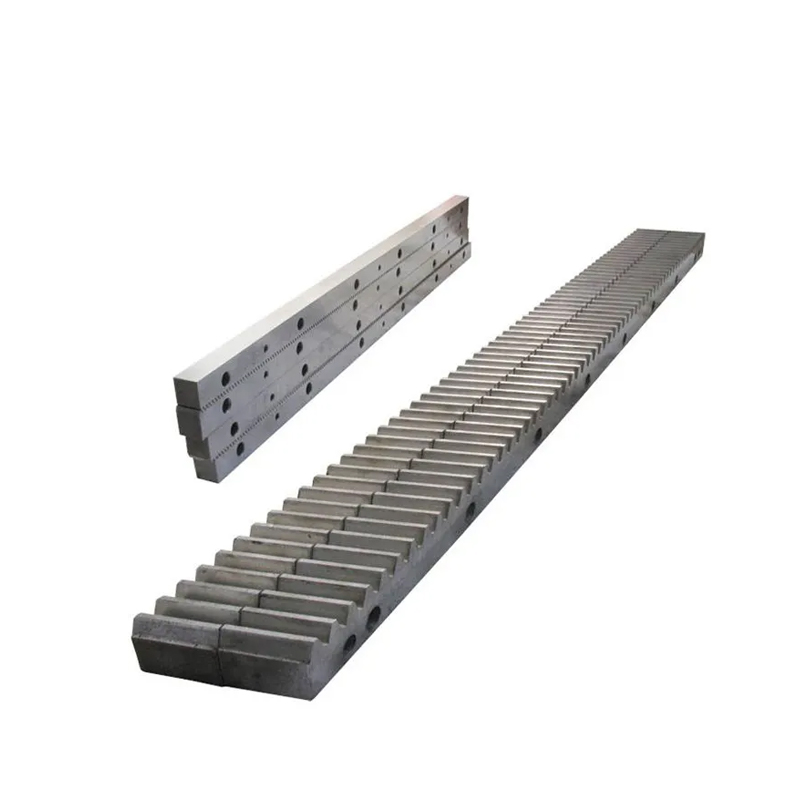
Screws steel straight gear rack for automatic doors is a linear transm...
See Details
