
 English
 русский
 Español
No. 200 Gaoxin RD, Shanghua St, Lanxi, Zhejiang, P. R China
The multiple sizes high precision rack pinion gear system is an essent...
See DetailsThat grinding noise every time the gate opens. The slight hesitation before the motor catches. The way one section of track seems to run fine while another makes the whole system shudder. If any of that sounds like a problem you've chased around a job site, the issue usually isn't the motor itself — it's how the nylon rack for sliding gate installations sits relative to the pinion, and small misalignments there tend to snowball into bigger headaches over time. Getting a rack and motor to work together smoothly isn't glamorous work. It's patient, incremental, and easy to get wrong in ways that don't show up until the gate's been cycling for a few weeks. So it's worth walking through what actually causes these problems and how alignment fits into the bigger picture of keeping a sliding gate system running the way it should.
A gate motor and its rack form a simple mechanical relationship on paper — a pinion gear turns, teeth engage, the gate moves. But that simplicity hides how sensitive the interaction actually is to small deviations. Even a slight vertical offset between rack and pinion changes how the teeth mesh, and that change compounds every single time the gate cycles.
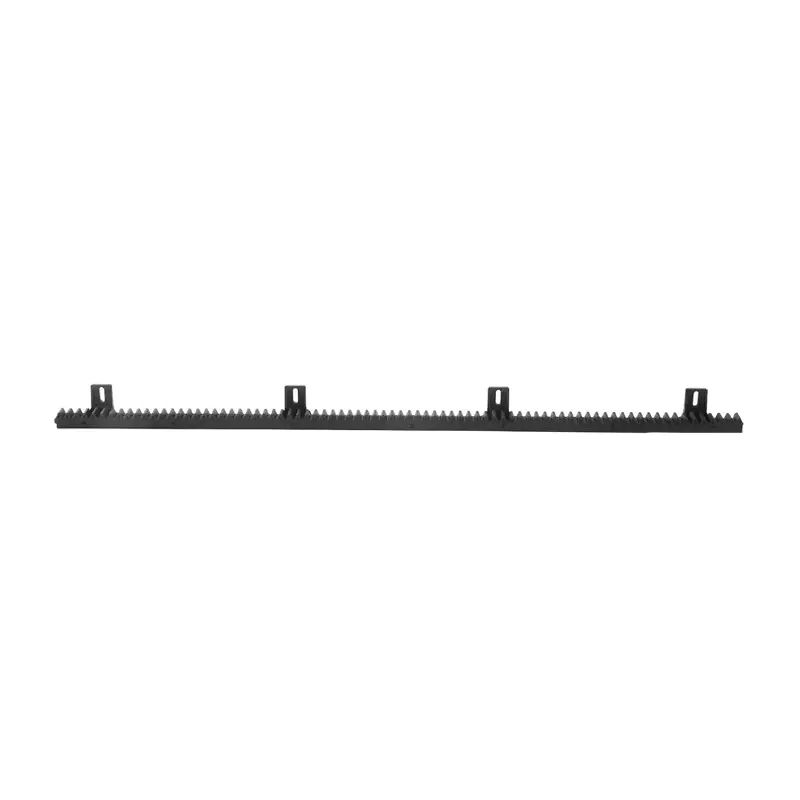
Poor alignment doesn't usually cause immediate failure. Instead, it shows up gradually: a bit more noise this month, a bit more vibration next month, then eventually a tooth chips or the motor starts drawing harder than it should. By the time someone notices, the wear pattern is already established, which makes the fix more involved than it would have been if caught early.
Before jumping into fixes, it helps to understand where things typically go wrong during installation or over time.
Most misalignment traces back to the initial mounting. A rack installed slightly off from level, brackets tightened unevenly, or a gate frame that wasn't quite plumb to begin with — any of these sets the system up for trouble before it ever runs a single cycle.
Gates aren't static structures. Ground shifts, brackets loosen under repeated vibration, and thermal expansion nudges components in ways that accumulate slowly. What was aligned perfectly during commissioning can drift months later without anyone touching it.
Once a rack and pinion have been running slightly out of true for a while, wear itself becomes a contributing factor. Teeth wear unevenly, and that uneven wear then makes the misalignment worse — a cycle that tends to accelerate rather than stay constant.
There's no shortcut around doing this carefully, but the process itself isn't complicated once broken into stages.
Sometimes a system that was aligned correctly at installation starts showing symptoms later. Here's what tends to signal a rack and pinion drifting out of true:
None of these on their own is necessarily urgent, but taken together, they're a fairly reliable indicator that something in the geometry has shifted.
Alignment and material aren't separate conversations, even though they might seem that way at . A nylon rack for sliding gate applications behaves differently under minor misalignment than a steel one does — it tends to absorb small inconsistencies more quietly, which is part of why it's such a common choice where noise matters, like residential entries or commercial spaces where a grinding gate motor would be genuinely disruptive.
That doesn't mean nylon forgives poor installation altogether. It just means the symptoms of misalignment tend to show up later and more subtly than they would with a harder material, which can actually make problems trickier to catch early since the warning signs are quieter.
Material selection often comes up alongside alignment discussions, since the two interact in practical ways.
| Material | Noise Behavior | Wear Tolerance | Typical Application |
|---|---|---|---|
| Nylon rack and pinion | Quiet, absorbs minor vibration | Moderate, sensitive to prolonged misalignment | Residential and light commercial gates |
| Steel rack and pinion | Louder under stress, more rigid | Handles heavier loads and repeated cycling | Industrial or high-traffic gates |
| Stainless steel gear rack | Similar rigidity to steel, corrosion resistant | Suited to exposed or coastal environments | Outdoor installations facing weather exposure |
| Precision gear rack | Tight tolerance minimizes play | Requires accurate alignment to perform as intended | Applications demanding fine positioning control |
Each option trades off differently between noise, durability, and installation tolerance, which is why the alignment process described earlier matters regardless of which material ends up on the gate.
Not fundamentally, but there are nuances. A precision gear rack, for instance, has less built-in tolerance for sloppy mounting since its whole purpose is tighter engagement — meaning installation errors that a standard nylon rack and pinion might quietly absorb will show up faster and more obviously on a precision-tolerance product.
Steel and stainless steel racks, being more rigid, tend to transmit vibration from misalignment more audibly rather than absorbing it, which is often why installers notice steel-rack alignment issues sooner than they'd catch the same problem on a nylon system.
Getting alignment right at installation is only half the job. Keeping it right over time means building a few habits into regular maintenance:
Catching drift early is almost always cheaper and simpler than dealing with worn teeth or a burned-out motor that's been fighting resistance it was never designed to overcome.
Getting a gate motor and its rack to run smoothly comes down to patience during installation and attentiveness afterward, more than any single technical trick. Whether the choice lands on a nylon rack for sliding gate use, a steel rack and pinion for heavier duty, or a precision gear rack where tight tolerances actually matter, the underlying alignment steps stay largely the same — level the frame, set consistent spacing, test by hand before powering up, and stay alert to the early signs that something's drifted out of true. For installers, integrators, or gate system manufacturers working through material selection or alignment questions on a specific project, Zhejiang Luxin Door Operation Equipment Co., Ltd. supports technical discussions around rack and pinion configuration and can help match a rack solution to the noise, load, and environmental demands of a given installation — feel free to get in touch to work through the specifics of your setup.
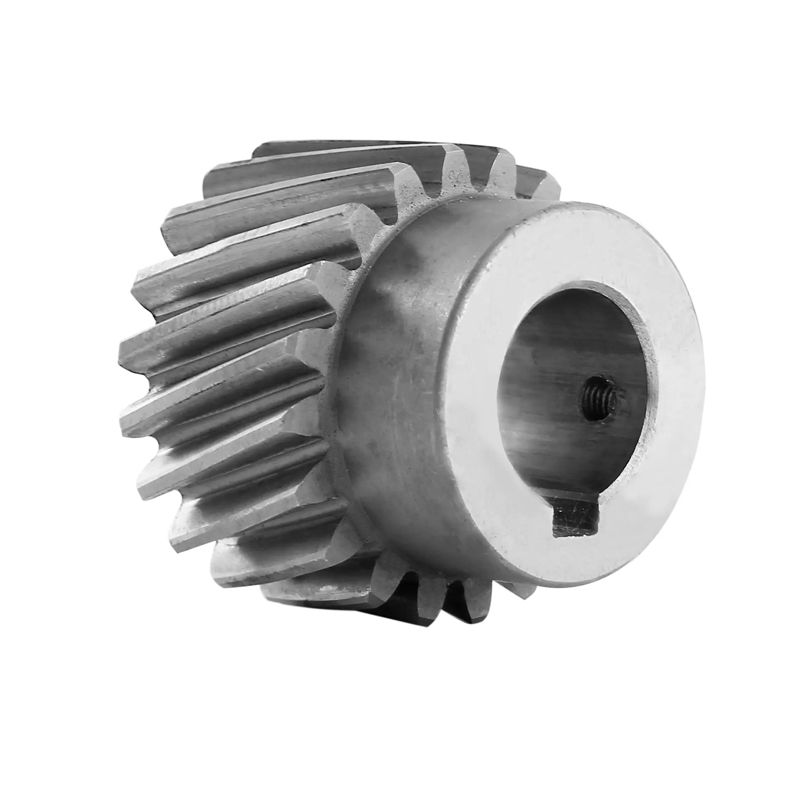
The multiple sizes high precision rack pinion gear system is an essent...
See Details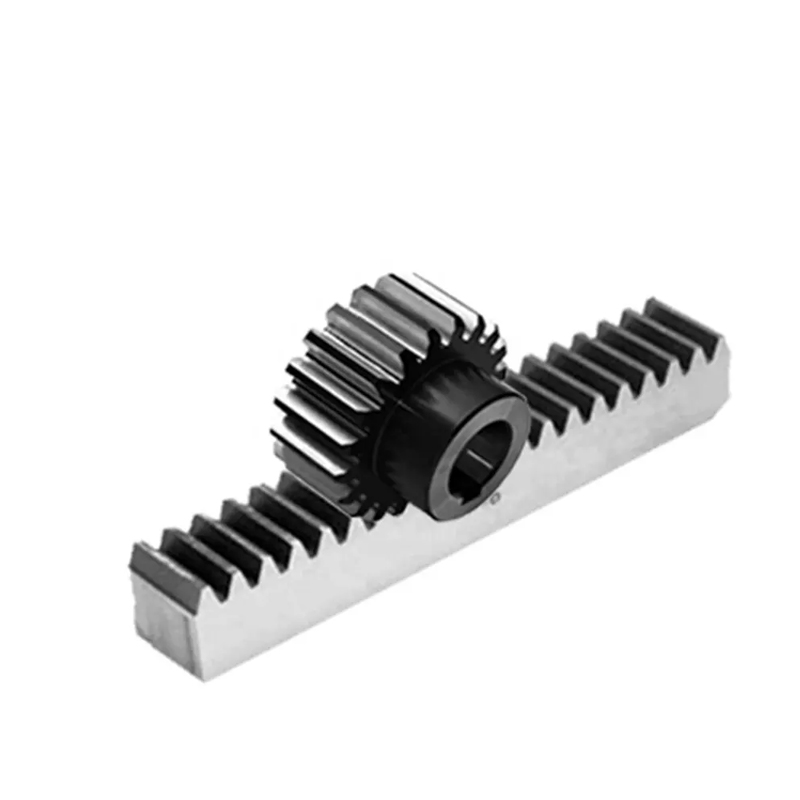
The Rack Pinion Gear for automatic door openers is a crucial component...
See Details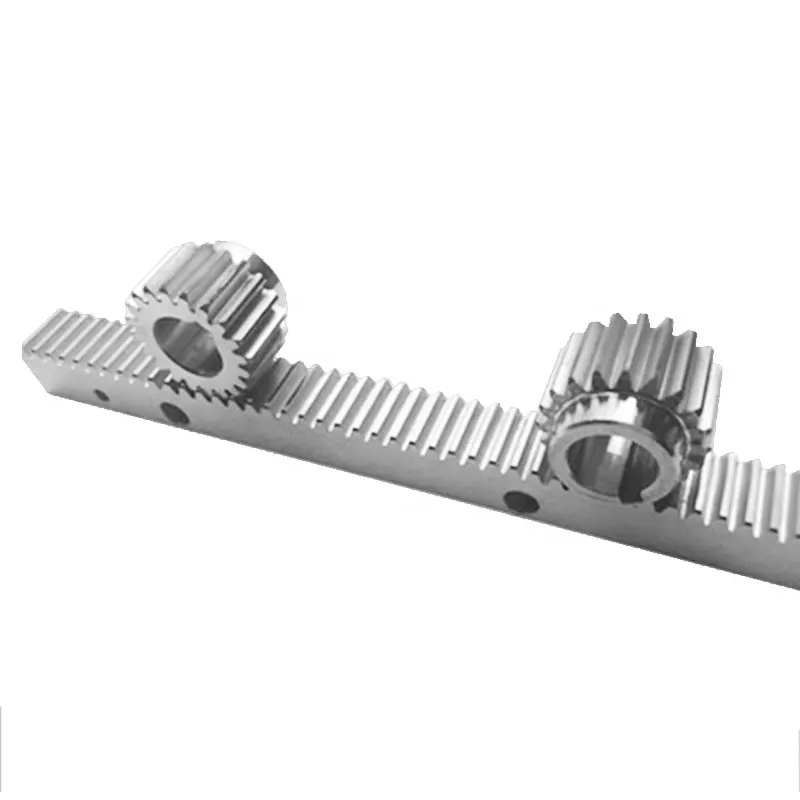
The Multiple Specifications Rack Pinion Gear is a versatile mechanical...
See Details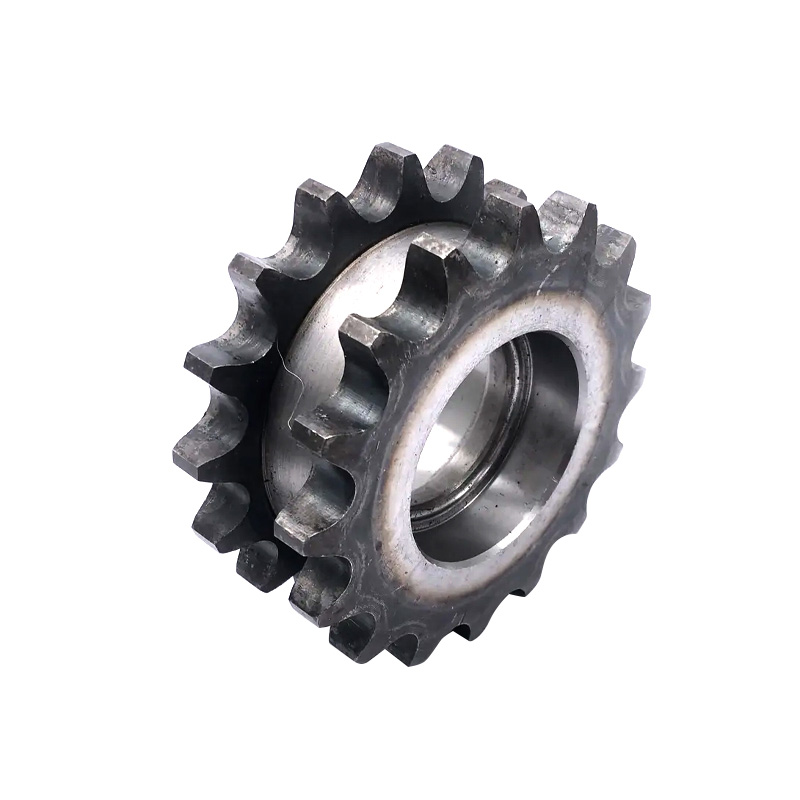
The Double Pitch Sprocket Rack Pinion Gear is a specialized mechanical...
See Details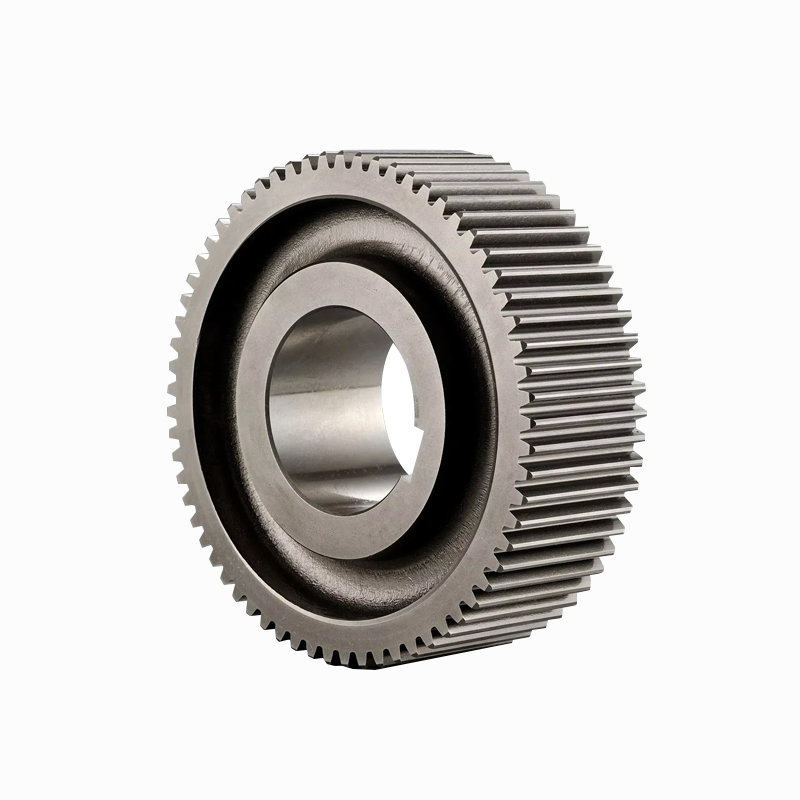
The High Precision Gear Shaft Rack Pinion Gear is a vital component in...
See Details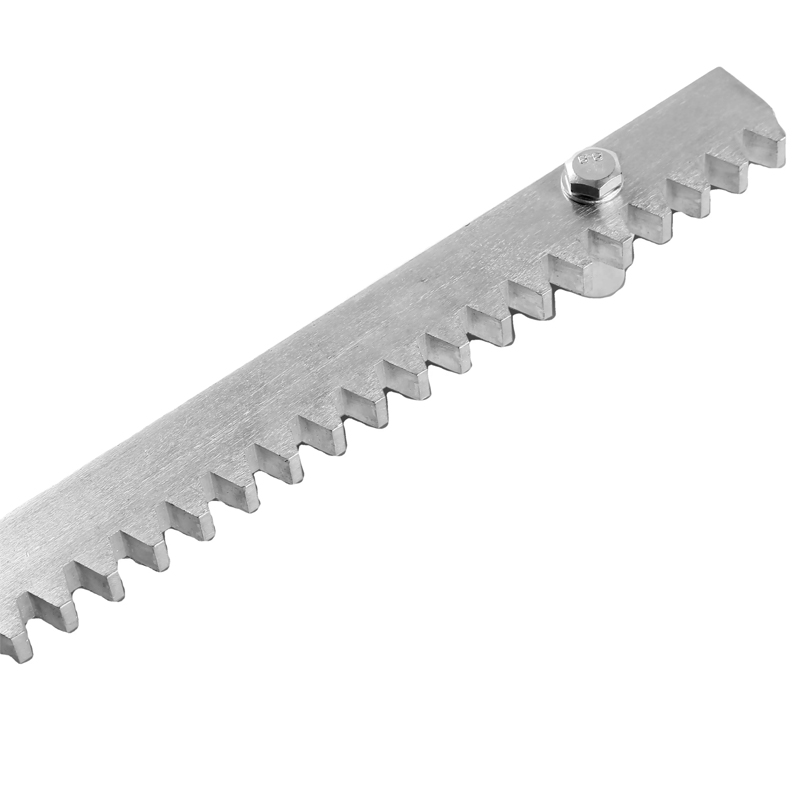
The Mounting Holes Sliding Door Steel Gear Rack is a critical componen...
See Details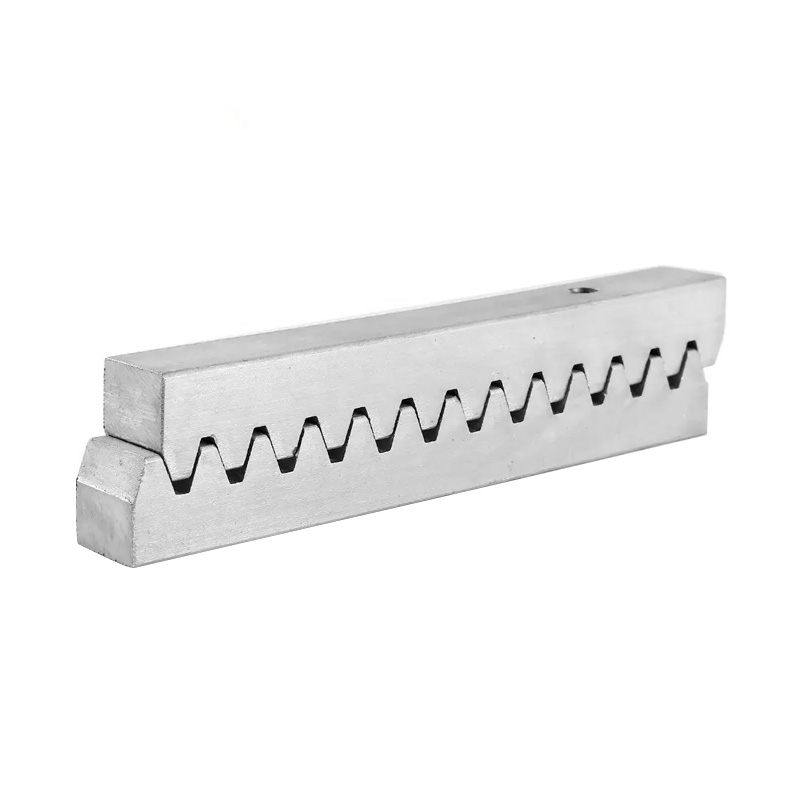
Sliding doors are a popular choice for both residential and commercial...
See Details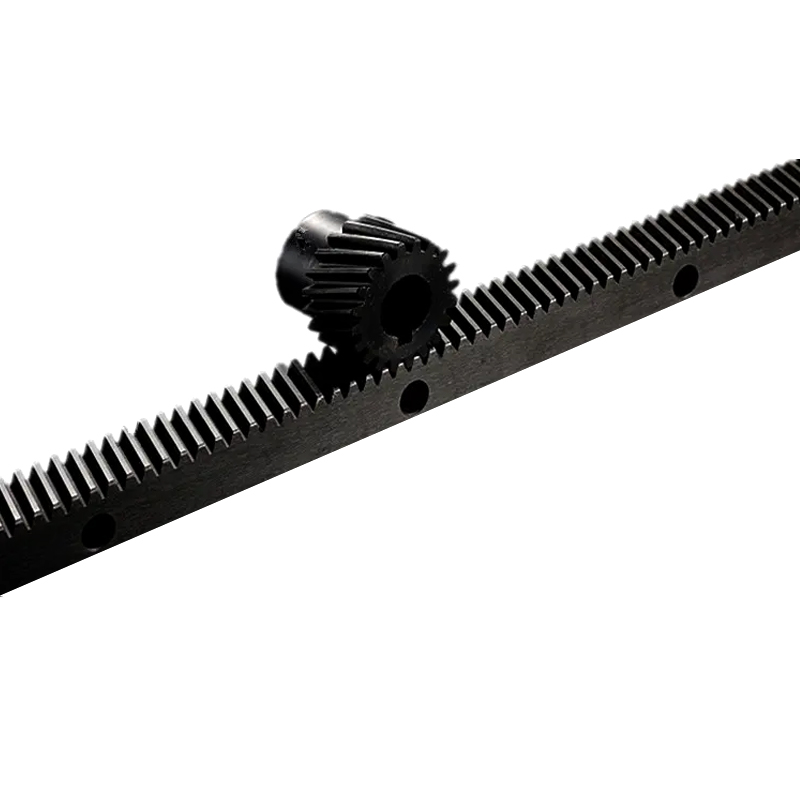
Linear precision guides helical gear rack is a transmission component ...
See Details
