
 English
 русский
 Español
No. 200 Gaoxin RD, Shanghua St, Lanxi, Zhejiang, P. R China
The High Precision Straight Teeth Rack Pinion Gear is a critical compo...
See DetailsAnyone who's stood at a gate waiting for it to slide open, listening to it grind and hesitate instead of moving smoothly, knows a sliding gate isn't quite as simple as it looks. It moves along a defined path, opens when needed, and closes when the space needs securing. Yet anyone responsible for a busy entrance knows that gate movement can turn less predictable over time, even when nothing looks obviously broken.
A gate can hesitate mid-movement. It can produce an unwanted grinding or clicking noise. It can feel uneven when opening or closing, jerking slightly instead of gliding. In some cases, wear around the moving parts makes routine operation a lot less convenient than it used to be.
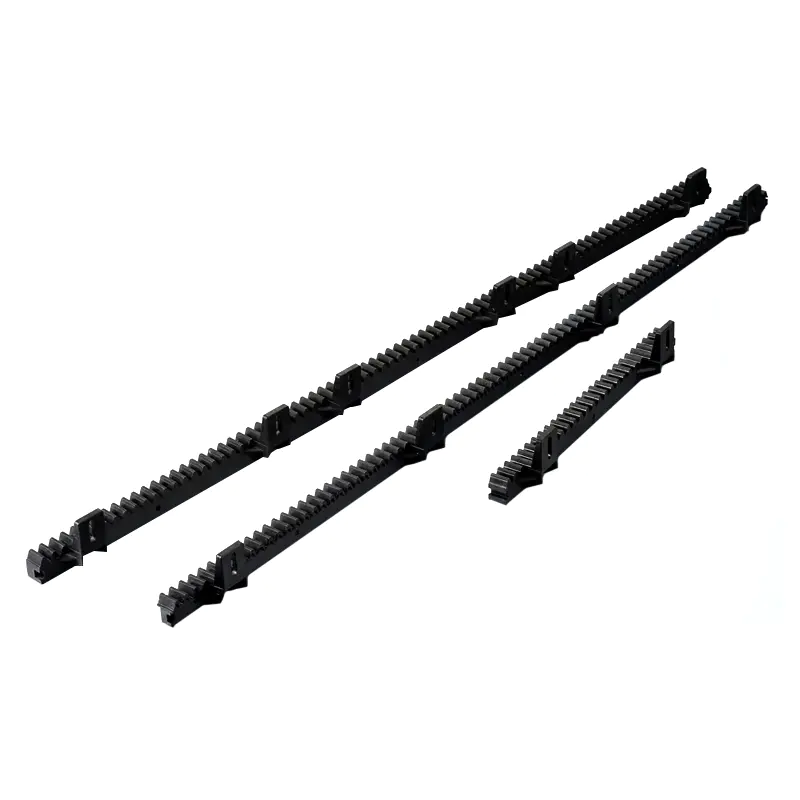
These issues have put a spotlight on the components that actually transfer movement from the drive system to the gate itself. Gate Rack Nylon is one option worth considering for applications where a rack guides and transfers that movement along the gate's length.
Nylon carries characteristics that suit this role well in the right situations. Its relatively light structure, quiet contact, and resistance to everyday wear can fit certain gate applications nicely. That said, the choice still comes down to the gate design, the operating environment, the load involved, the installation method, and the expected use pattern.
The real question isn't whether nylon can technically work as a gate rack material. It's whether the material and rack design actually address the specific problem showing up in that gate system.
A sliding gate depends on coordinated movement between several parts working together. If one part doesn't interact smoothly with another, the user usually notices the problem right at the gate itself, whether that's a hesitation, a grinding sound, or a jerky start.
Movement can turn uneven over time. The gate might demand more effort from the drive system than it used to. Noise often becomes more noticeable too, especially when the rack and the gear repeatedly make contact with every pass.
A nylon rack offers a different contact experience compared to a metal rack. Its material characteristics help soften the harsh sound often tied to direct contact between two harder surfaces grinding against each other.
That matters around residential entrances, commercial properties, parking areas, and other locations where gate movement happens constantly throughout the day.
The rack alone doesn't solve every possible gate problem, though. Alignment, installation quality, the condition of the gate track, and the surrounding drive components all still matter just as much. A well-selected rack becomes part of a broader effort to make gate movement more consistent overall, rather than a fix-all on its own. The real practical value comes from matching the rack to the specific gate, not treating the rack as an isolated swap-in replacement part.
Noise is one of the more noticeable concerns with mechanical gate movement, and it is often one of the issues a homeowner or property manager points out.
A gate can operate correctly overall and still create an unpleasant sound the moment the drive gear engages with the rack. Repeated contact between hard surfaces carries clearly, particularly in quiet residential areas where a gate opening at night can wake half the block.
Nylon changes that interaction quite a bit. Compared with a metal rack, a nylon rack creates softer contact between the moving parts, which helps cut down on the harsh sound produced during normal gate movement.
For homes and businesses sitting close to living or working spaces, that's a genuinely useful consideration worth weighing.
Noise reduction isn't purely about comfort, either. It can shape how people perceive the overall condition of a gate. A gate moving with less mechanical noise tends to feel more controlled and well-maintained during everyday use, even if nothing else about it changed.
The material alone doesn't determine sound level completely, though. Poor alignment can create noise even with a nylon rack properly installed. A worn gear, a loose mounting bracket, a damaged track, or an unsuitable installation job can all affect the result just as much as the rack material itself. This means noise concerns really need assessing as part of the complete gate system, not in isolation.
Gate construction often involves a fair amount of material overall, and the rack itself becomes another component that needs installing along the length of the gate.
Nylon proves useful when a lighter rack material is preferred over a heavier metal option. A lighter component tends to be easier to handle during installation — workers find it a lot more convenient to position and adjust along the gate structure without wrestling with awkward weight.
This matters especially during replacement work. When an old rack comes out, the installer often needs to work around an existing gate that's already mounted and functioning in some capacity. A component that's easier to handle simplifies the physical side of that job considerably.
The installation process still calls for care, regardless of material. The rack needs to stay correctly positioned relative to the drive gear throughout its length. If sections go in unevenly, the gate won't move the way it's supposed to, no matter how good the rack material is.
The mounting structure needs to be suitable too. A rack can't compensate for a weak or unstable mounting surface underneath it. For this reason, buyers should weigh both the material and the installation method together before choosing a Gate Rack Nylon product, rather than focusing on one and overlooking the other.
Wear is a normal concern for any moving component, and a gate rack is no exception. A gate might open and close dozens of times a day over its service life, and each movement creates repeated contact between the rack and the gear.
Over time, that repeated contact changes the condition of the components involved. A worn rack can affect how smoothly the gate moves. The drive might start sounding different than it used to. The gate can also become less consistent during operation, sometimes catching or slowing at certain points along its path.
Nylon is worth considering in applications where a material with softer contact behavior is genuinely desirable. Its suitability still depends heavily on the gate's environment and how the rack actually gets used day to day.
The rack should get checked as part of routine maintenance, not just when something obviously breaks. Signs of damage, loose sections, unusual noise, or irregular movement shouldn't get brushed aside.
Replacing the rack may solve the issue in some cases, but it is worth considering what caused the original component to wear out. If the gate's misaligned, swapping in a new rack without addressing that alignment issue just moves the same problem onto the new component. This is exactly why maintenance and component selection need to work together, not as separate afterthoughts.
Nylon isn't the only material used for gate racks. Metal options remain common across plenty of applications too, and the right choice really depends on the environment and operating requirements at hand.
| Consideration | Nylon Rack | Metal Rack |
|---|---|---|
| Material feel | Relatively light, less harsh on contact | Rigid and solid |
| Operating sound | Supports quieter contact | Can create noticeable contact noise |
| Handling | Often easier during installation | Can require more handling effort |
| Application | Suitable for selected sliding gate systems | Used across many gate arrangements |
| Maintenance | Still needs inspection and proper alignment | Also needs regular inspection |
This comparison shouldn't get treated as a universal ranking of one over the other. A metal rack might suit one gate well, while nylon fits another better entirely. The surrounding conditions, gate structure, drive arrangement, and expected operation all shape that decision together.
Buyers should also think through how the rack will actually attach to the gate. A rack that's easy to handle but genuinely difficult to mount securely doesn't offer much of a practical solution in the end. The material and the mounting design really need to work together as one package.
A Nylon Rack for Sliding Gate is worth considering when a gate system needs a lighter rack paired with quieter contact behavior overall.
Residential gates are one common application here. A home entrance might open and close several times a day, and because the gate often sits close to living spaces, operating noise becomes a lot more noticeable to anyone nearby.
Commercial entrances carry similar concerns. A gate near an office, shop, apartment building, or parking area is often expected to operate without creating unnecessary disturbance for people working or living close by.
Nylon racks also make sense to consider during replacement projects where the existing rack has grown worn or noisy over time.
The application still deserves review before making any change, though. The gate structure needs to actually support the rack properly. The drive gear needs to match the rack correctly. The mounting arrangement needs to maintain proper contact throughout movement, not just when everything's brand new.
Buyers should think through the environment too. Outdoor gates often face rain, dust, temperature swings, and regular exposure to whatever the local atmosphere throws at them. The supplier should get asked directly whether the selected product actually suits the planned environment. This matters even more when the rack will end up installed somewhere with limited maintenance access down the road.
A Nylon Gear Rack forms part of a system that transfers movement from a drive component to the sliding gate itself. When the gate opens, the drive gear interacts with the rack, and the rack then carries that movement along the gate's length.
If this contact turns uneven, the user notices hesitation, noise, or irregular movement pretty quickly.
A suitable nylon rack provides a smoother contact relationship in plenty of applications. Its material also changes the sound and feel of the movement in a noticeable way once it's installed.
That said, the rack is only one part of the whole process. The gate needs to move freely along its track without binding. The supporting wheels or rollers need to stay in suitable condition too. The drive component needs correct positioning as well.
This is exactly why replacing a rack shouldn't automatically get treated as a complete fix on its own. If a gate is difficult to move by hand even without power, the problem might exist somewhere else in the system entirely. If the rack's damaged but the gate track is also worn, both issues probably need attention together. A simple inspection can go a long way toward identifying the actual source of the problem before anyone starts ordering parts.
The material name alone doesn't provide enough basis for a purchasing decision. Buyers should think through how the rack will actually fit the existing gate and what specific problem they're trying to solve.
A practical review can cover:
These checks make the selection process a lot more grounded in reality. A photograph of the existing rack helps a great deal when talking to a supplier. A simple description of the gate's movement and whatever problem's being experienced can provide useful context that a generic order form never captures.
The manufacturer plays a real role in helping buyers land on a suitable rack. A supplier producing several types of racks can usually discuss differences in material, mounting style, and intended use in a lot more depth than a basic listing suggests.
Buyers researching a Helical Gear Rack Factory might come across manufacturers producing rack products for a range of mechanical applications. The fact that a factory makes gear racks doesn't automatically mean every product it offers suits a sliding gate specifically.
Application information stays genuinely important here. A useful supplier discussion can cover:
This kind of information moves the conversation well past a simple product search and into something a lot more useful for both sides.
For manufacturers, clear product information helps buyers understand exactly where a nylon rack fits within different gate applications, rather than leaving them to guess. The focus really isn't just on selling a rack — it's on matching the component to the gate structure and the conditions it'll actually operate in.
That approach helps buyers avoid replacing a component without ever addressing the wider issue behind it. A gate that makes noise, moves unevenly, or needs frequent attention can have more than one cause working together. Gate Rack Nylon can address certain rack-related concerns effectively, but proper alignment, suitable installation, regular inspection, and genuinely compatible components all remain part of the overall gate system that keeps everything running smoothly.
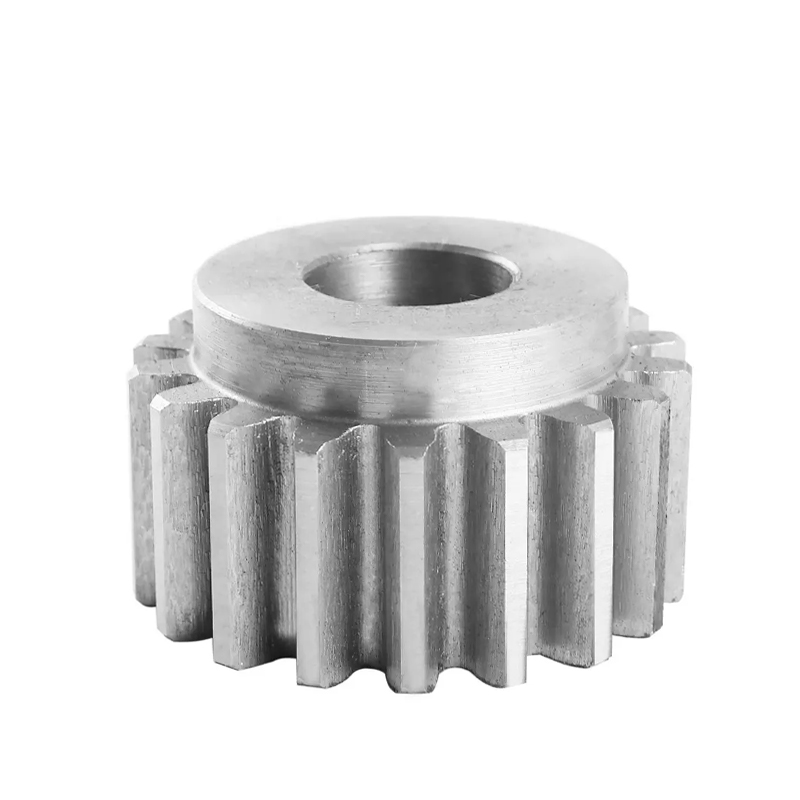
The High Precision Straight Teeth Rack Pinion Gear is a critical compo...
See Details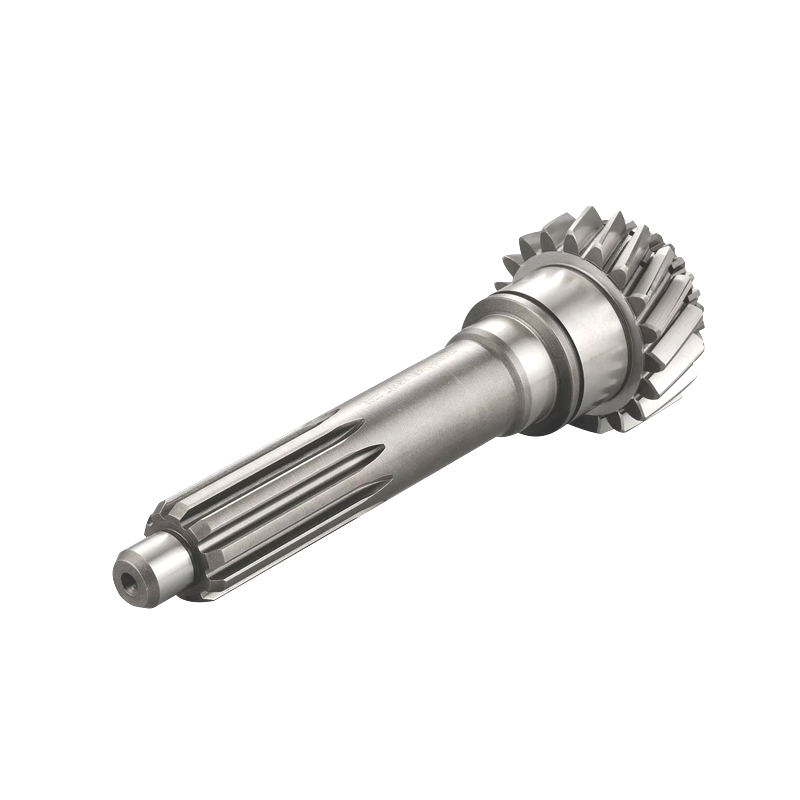
The rust-proof high-precision rack pinion gear is a critical component...
See Details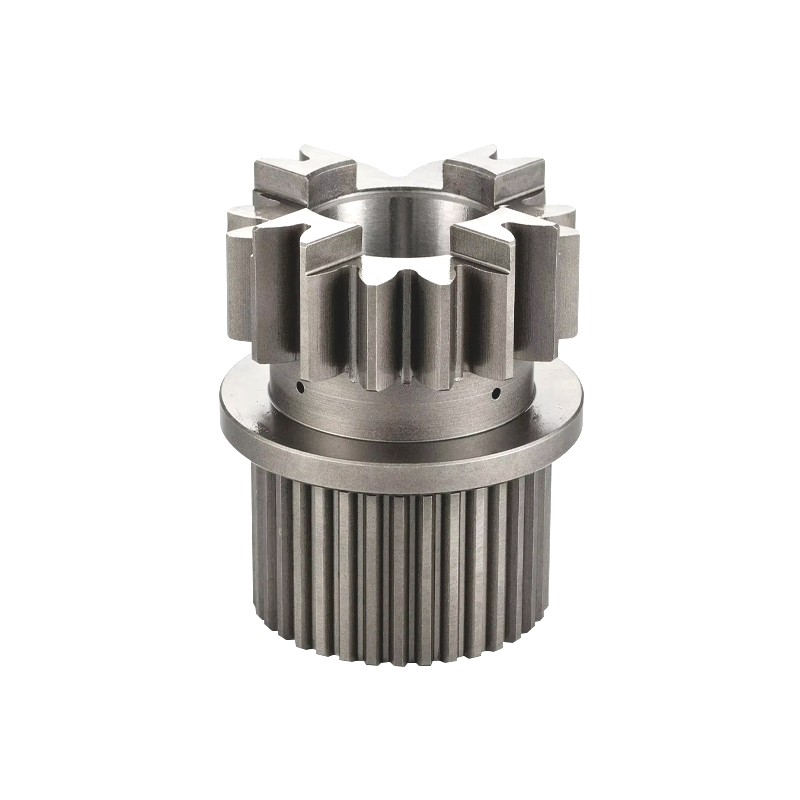
The Gearbox Steering Rack Pinion Gear is a fundamental component in mo...
See Details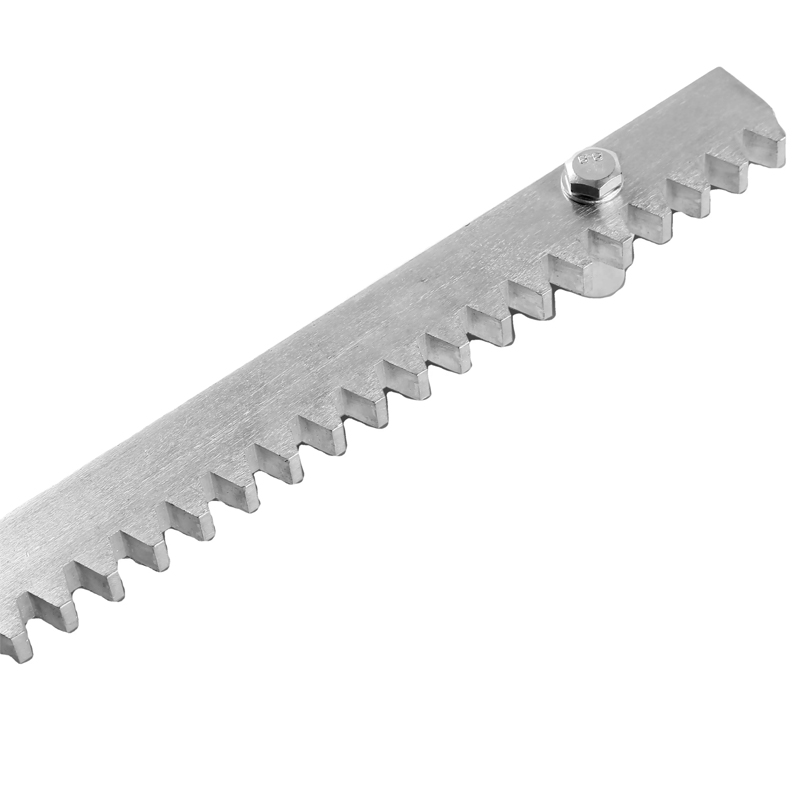
The Mounting Holes Sliding Door Steel Gear Rack is a critical componen...
See Details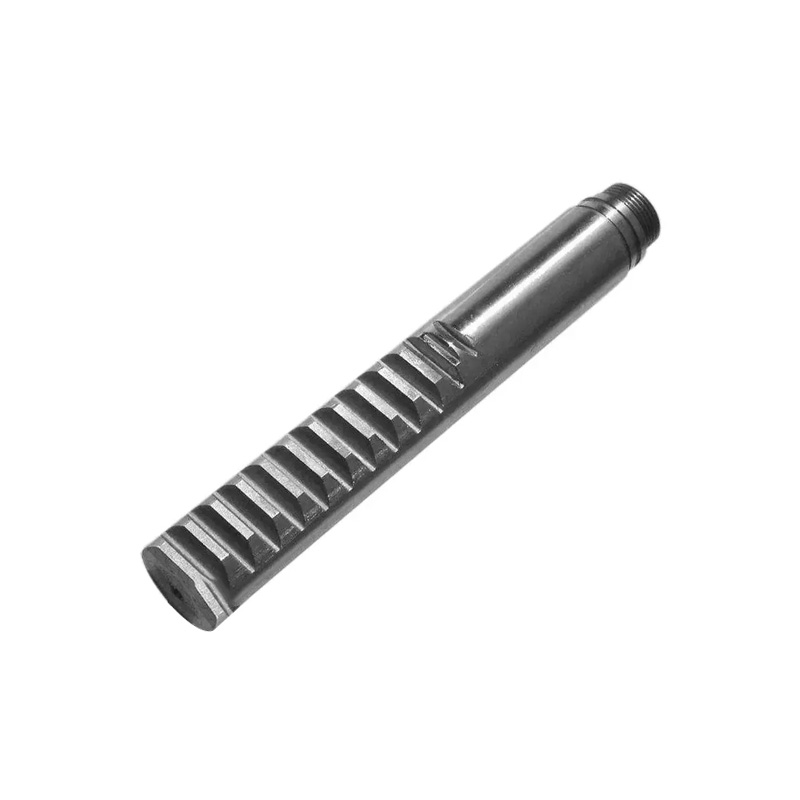
The Cylindrical Black Stainless Steel Straight Gear Rack is a durable ...
See Details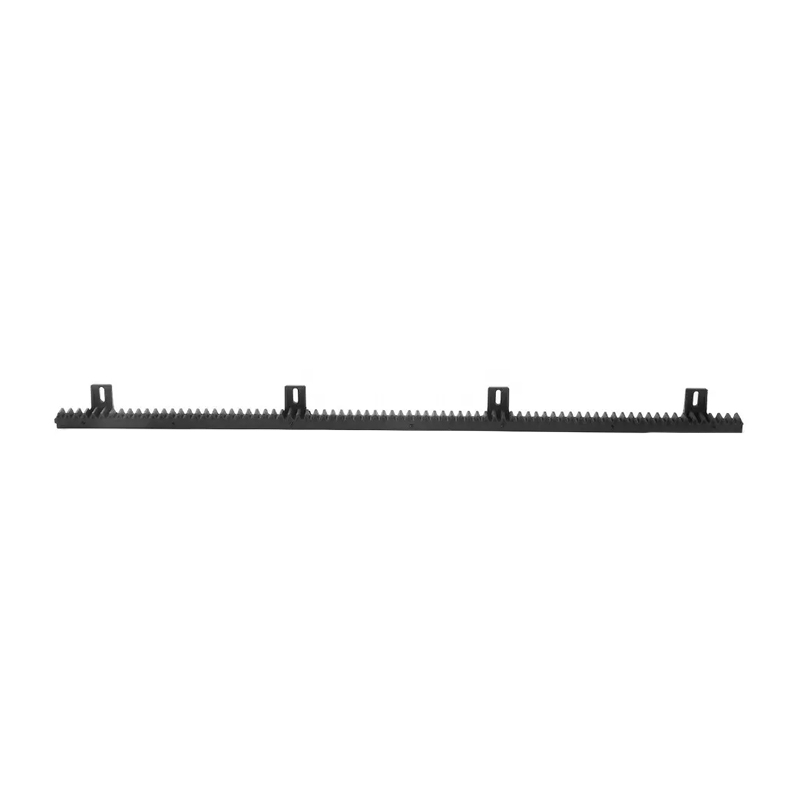
The Enhancement Sliding Door Nylon Gear Rack is designed for smooth, q...
See Details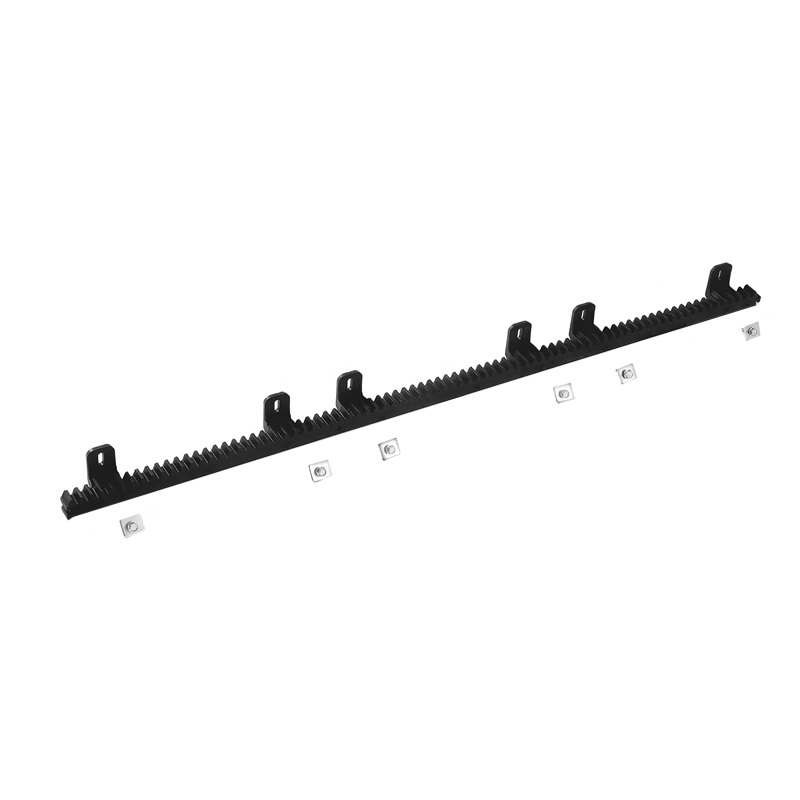
The Black Six Eyes Sliding Door Nylon Gear Rack is a versatile and pra...
See Details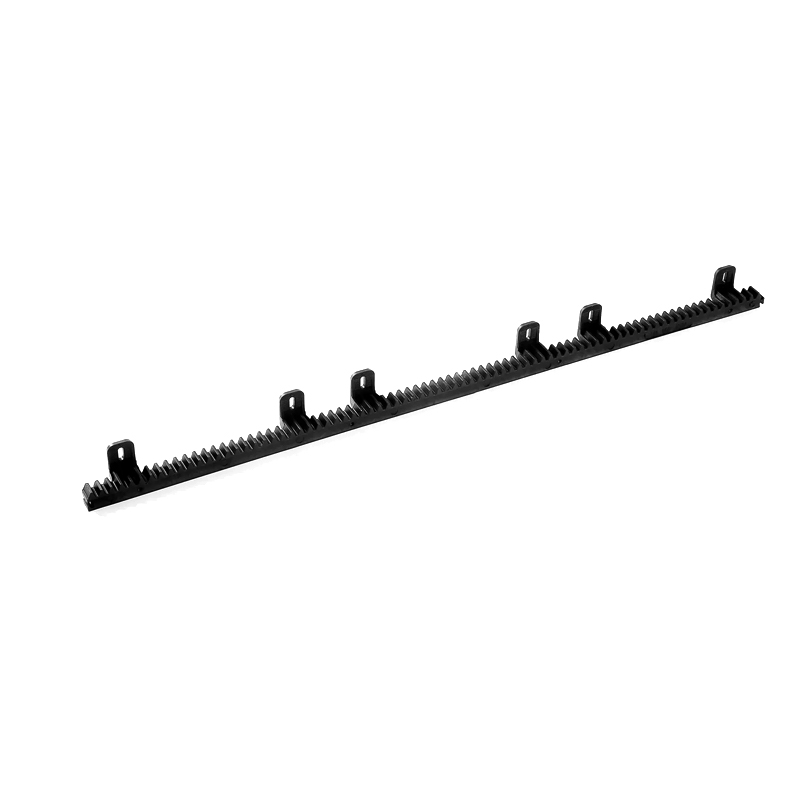
The plastic nylon gear rack for automatic sliding doors is an essentia...
See Details
