
 English
 русский
 Español
No. 200 Gaoxin RD, Shanghua St, Lanxi, Zhejiang, P. R China
The Roller Transmission Double Plus Rack Pinion Gear is a highly effic...
See DetailsDrive past almost any warehouse, gated community, or industrial yard, and there's a good chance a sliding gate rolls open and shut dozens of times a day, powered by a motor turning a small gear against a long toothed rack. That rack, easy to overlook, actually determines a lot about how smoothly that gate glides along its track. Nylon Rack for Sliding Gate systems have picked up real interest lately because nylon brings a different combination of weight and handling compared to the metal racks that have dominated this space for decades.
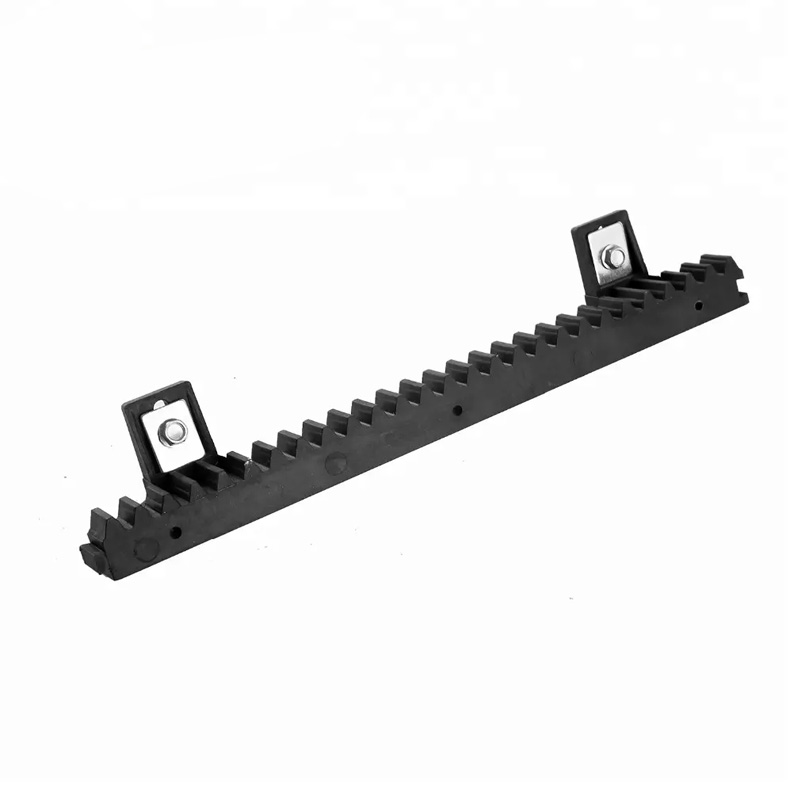
Picking a rack isn't really just about grabbing something that physically bolts onto the gate. The gate's own structure, whatever drive system is already installed, the environment it operates in, how often it actually gets used, and how maintenance gets handled all shape whether a given rack genuinely fits. Choosing well means treating it as part of a whole working system, not as an isolated purchase.
A sliding gate moves along a fixed track, and the whole mechanism comes down to a motor turning a gear that meshes with a rack fixed along the gate's length.
That rack is what physically carries the drive motion from the gear into actual gate movement.
Because of that direct mechanical connection, material choice ends up shaping a lot more than people initially expect. Metal racks have been the standard for a long time, while nylon offers a genuinely different option for anyone who wants a lighter setup and a quieter interaction between rack and gear.
A handful of practical things shift depending on which material gets chosen:
None of these should get evaluated in isolation, though. A rack that performs well on one gate installation might not translate cleanly to a different setup with different demands.
Nylon brings a few genuinely distinct qualities to gate automation work.
Weight is one of the clearer differences between the materials. Nylon sections are easier to handle, which can make installation more convenient when positioning and securing rack segments along a gate frame.
There's also a difference in how nylon interacts with a compatible drive gear compared to metal-on-metal contact. In plenty of applications, that difference translates into a noticeably quieter operating sound, which matters a lot for a gate installed close to bedroom windows, a storefront, or a shared office entrance where constant grinding noise would get old fast.
A few practical points worth keeping in mind:
None of these advantages mean a nylon rack automatically works everywhere, though. Whether Gate Rack Nylon genuinely fits depends on the whole mechanical picture, the drive gear it's paired with, how heavy the gate itself is, how well everything's aligned, and what conditions it's actually exposed to day after day.
Before picking up a rack, it helps to really understand the gate it's going onto.
Sliding gates come built from different materials and different structural setups. Some glide along their track without much resistance, while others struggle a bit due to wear, weight, or how they were originally built.
Whatever rack gets chosen has to work properly with the drive system that's already in place.
Worth checking before buying anything:
A new rack can't fix a gate that already has movement problems baked in. If the track's dirty, bent, or poorly aligned to begin with, swapping in a new rack won't resolve what's actually causing the trouble.
Looking over the whole gate setup before buying saves a lot of wasted money and frustration down the line.
A rack doesn't work on its own. It has to mesh properly with a drive gear, and that interaction between the two surfaces is really what makes the gate move at all.
That's why selecting a rack without checking the drive gear it will work with can create compatibility issues that are better avoided.
The rack and gear function together as a matched set, not as separate purchases:
| Part of the System | What It Actually Does |
|---|---|
| Motor | Generates the movement |
| Drive gear | Passes that movement into the rack |
| Rack | Carries the movement along the gate |
| Gate | Physically travels along its track |
| Track | Keeps the gate's path guided |
When a rack and gear don't actually mesh properly, movement can turn choppy or uneven, and that mismatch tends to wear both components down faster than they should.
Keeping that connection properly aligned matters throughout ongoing operation too, not just at the moment of installation.
Given all this, procurement teams should hand over details about the existing automation setup whenever they're talking to a supplier about a replacement or new rack, rather than just describing the gate in general terms.
How a rack gets installed shapes its performance just as much as the material it's made from.
The rack has to sit correctly positioned along the gate's length, with sections staying properly aligned so the drive gear engages consistently as the gate travels back and forth.
Get the positioning wrong, and contact between rack and gear ends up uneven.
A sensible installation process generally works through a few stages:
Rushing through installation tends to backfire. Even a genuinely well-matched rack can perform poorly if it goes in slightly misaligned or mounted onto an unstable surface.
A sliding gate might sit fully exposed outdoors, live inside a covered facility, or occupy some partially sheltered space in between.
Wherever it sits changes what material actually makes sense.
An outdoor gate deals with moisture, dust, shifting temperatures, and general weather exposure over the years. An indoor setup faces a different set of concerns, more around frequent cycling and whatever cleaning routine the facility follows.
Some practical scenarios to weigh:
Nylon genuinely earns its place in situations where its material properties line up well with the actual environment. That doesn't mean every nylon rack automatically suits every outdoor or industrial job, though. Following whatever application guidance the manufacturer actually provides matters more than assuming nylon works universally.
Maintenance tends to get overlooked entirely during the initial purchase, which is a shame given how much it shapes long-term performance.
A rack might look like a simple, unremarkable part, but it's working continuously alongside the drive system every time the gate cycles. Dirt buildup, slight misalignment, a loosening mount, or a problem elsewhere in the mechanism can all throw off how the whole thing runs.
Building maintenance access into the installation from the start makes it a lot easier to catch small problems before they turn into bigger ones.
Routine checks worth building into a regular schedule:
Whenever a gate starts moving differently than usual, that's worth investigating right away. Unusual noise, jerky movement, or inconsistent operation often points toward the rack, the gear, the track, or some other part of the system needing attention.
Replacing a component without identifying the actual source of the problem may only postpone addressing the underlying issue.
Choosing the right supplier matters just as much as choosing the right rack material.
A Nylon Gear Rack Factory typically offers a range of designs suited to different gate setups. Explaining the actual application clearly, rather than just asking for "a rack," tends to get a much more useful response.
Questions worth putting directly to a supplier:
Clear, specific communication upfront cuts down significantly on the risk of ending up with something that doesn't actually fit. It also helps a supplier figure out quickly whether a buyer needs a full rack system from scratch or just replacement sections for an existing gate.
A Nylon Gear Rack is just one of several practical ways to transfer drive movement into a sliding gate's travel.
Metal rack systems remain a solid choice wherever their particular material properties genuinely match the equipment and environment involved.
Nylon offers a real alternative for buyers who specifically value easier physical handling and a different feel where the rack meets the drive gear.
| What to Compare | Nylon Rack | Metal Rack |
|---|---|---|
| Physical handling | Generally lighter and easier to work with | Often requires more physical effort |
| Contact feel | Non-metal surface against the gear | Metal-on-metal contact |
| Installation | Can go smoothly in the right setup | Depends heavily on the specific rack structure |
| Best fit | Selected gate systems matching its properties | A wide range of established mechanical systems |
| What actually decides it | Overall system compatibility | Overall system compatibility |
Neither material should be chosen without considering the full gate setup. The drive system, gate structure, operating environment, installation method, and maintenance plan all influence which option fits the application more effectively.
Good back-and-forth with a supplier tends to smooth out the whole selection process considerably.
Nobody needs to walk in knowing every mechanical detail beforehand. Basic information about the gate and its existing automation setup gives a supplier plenty to work with as a starting point.
Photos of the installation, details about the current drive system, and a clear description of the operating environment all help clarify exactly what's actually needed.
From there, a knowledgeable supplier can walk through available rack options and flag any installation details worth considering before committing.
For a business managing multiple gates across different sites, it's often worth establishing some consistent purchasing standards, covering things like:
Setting up that kind of clear, repeatable process ahead of time saves a lot of back-and-forth confusion whenever replacement parts eventually become necessary.
For anyone weighing a Nylon Rack for Sliding Gate, the real question isn't just whether nylon can technically do the job. It's whether the material, the rack's structure, the drive gear, the gate's own design, the installation environment, and the maintenance plan all genuinely work together for that specific application.
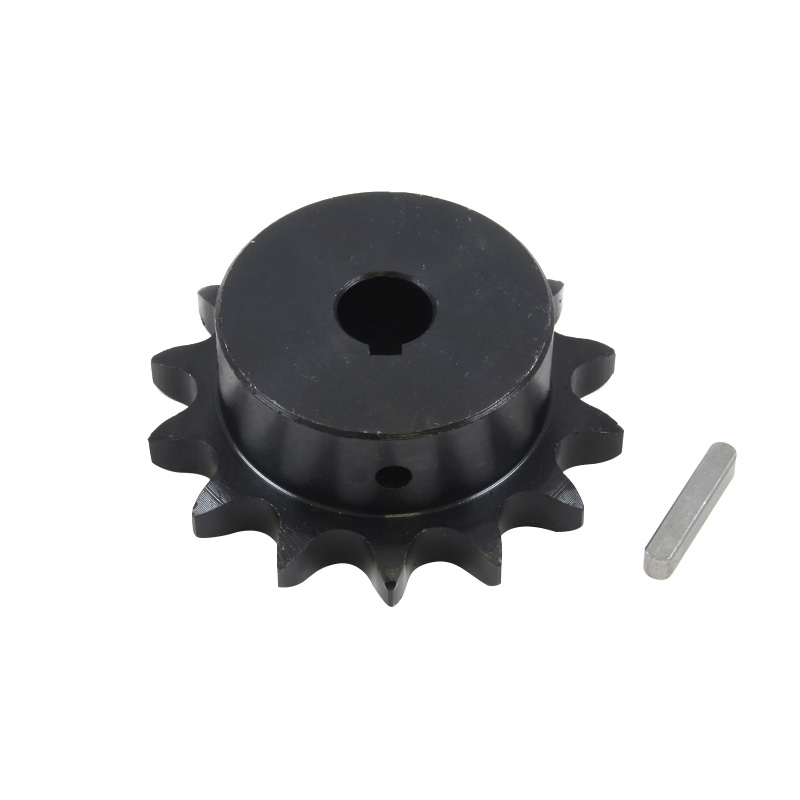
The Roller Transmission Double Plus Rack Pinion Gear is a highly effic...
See Details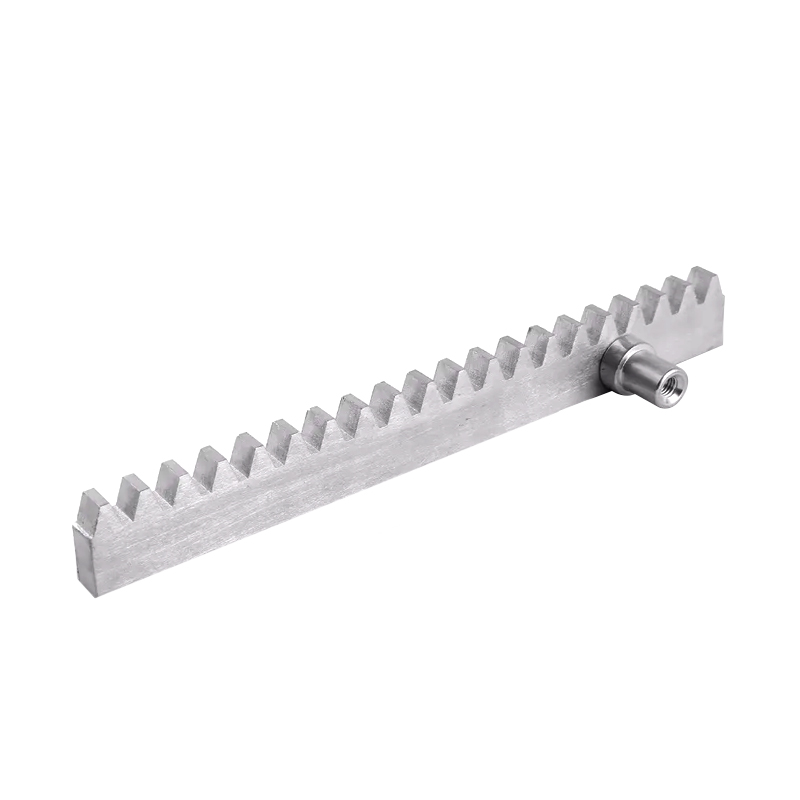
The Galvanized Sliding Door Steel Gear Rack is a robust and versatile ...
See Details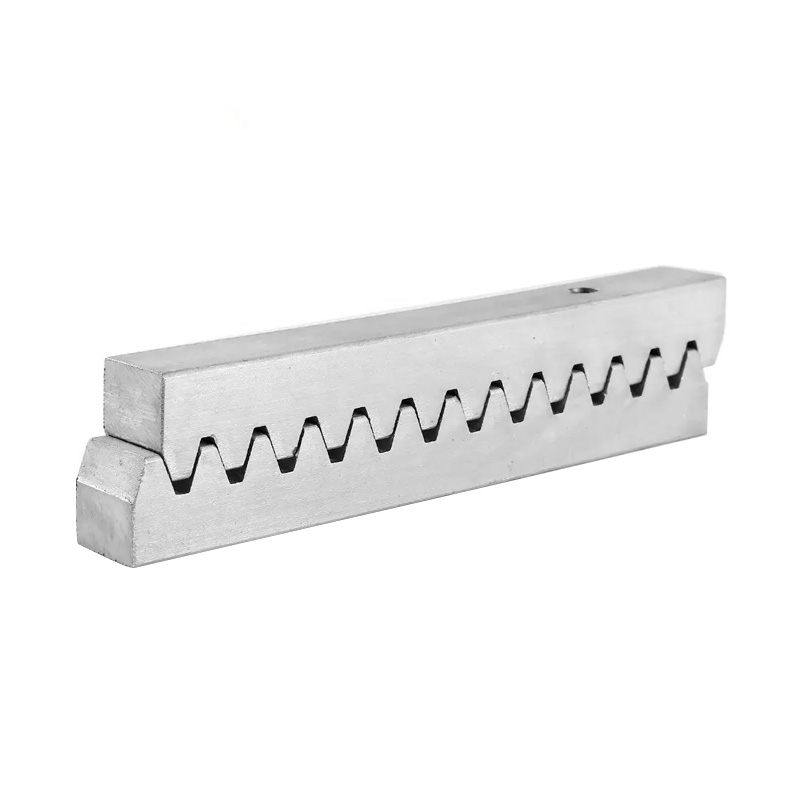
Sliding doors are a popular choice for both residential and commercial...
See Details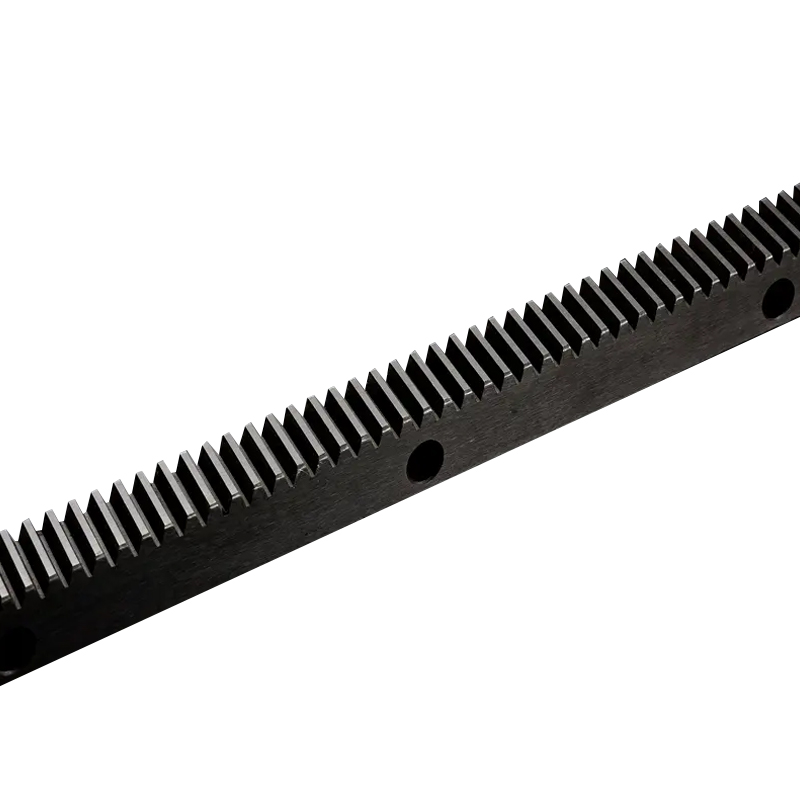
The Precision Durability Sliding Door Steel Gear Rack is a high-perfor...
See Details
The Color Customization Sliding Door Steel Gear Rack is a highly funct...
See Details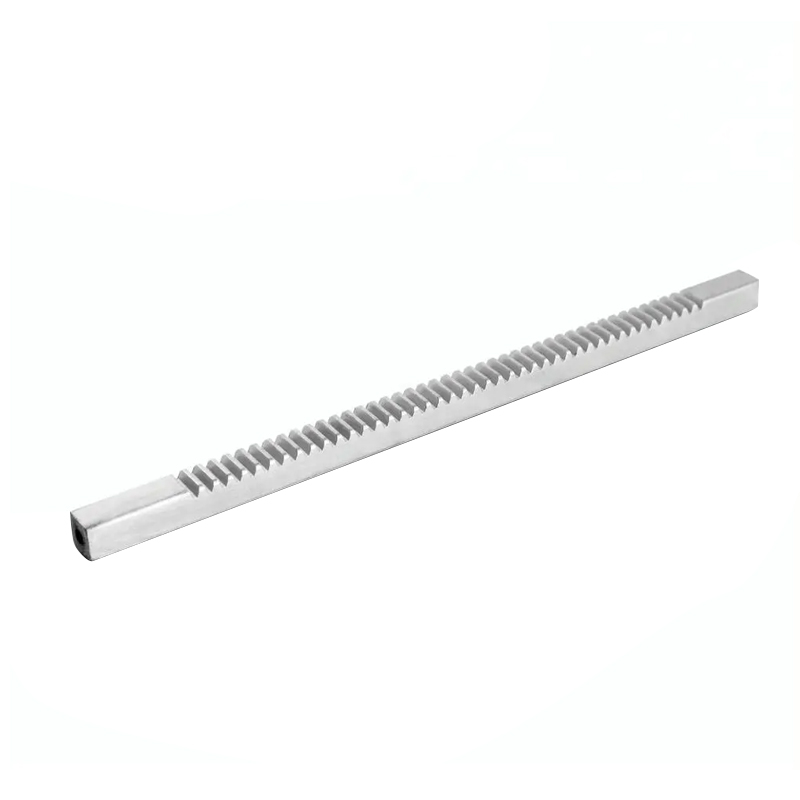
A sliding door gear rack and steel rack and pinion system plays an imp...
See Details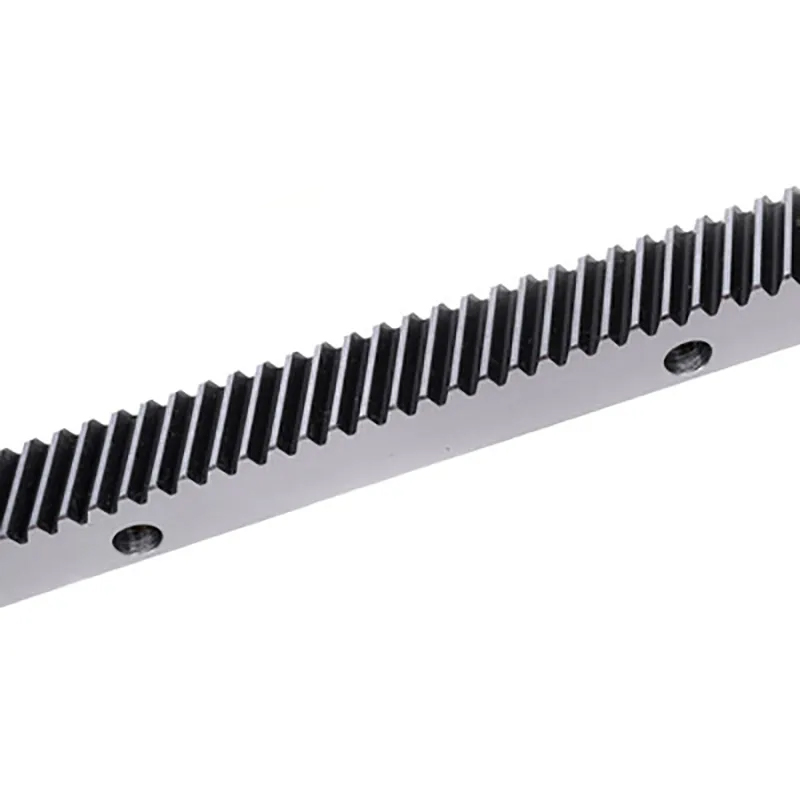
The CNC machining helical gear rack is a critical component in various...
See Details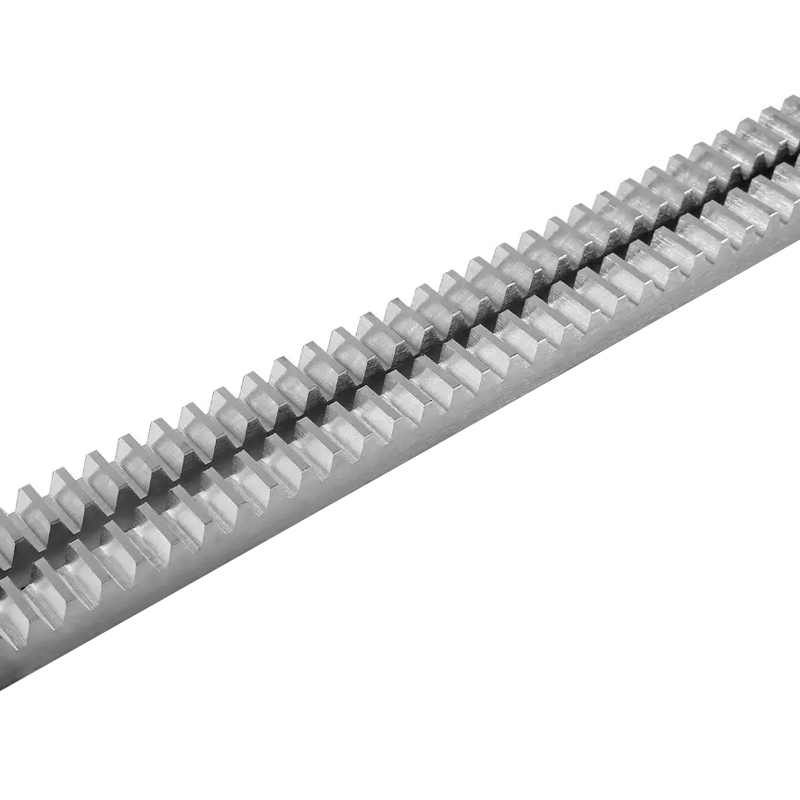
In the world of mechanical engineering, the performance and longevity ...
See Details
