
 English
 русский
 Español
No. 200 Gaoxin RD, Shanghua St, Lanxi, Zhejiang, P. R China
The multiple sizes high precision rack pinion gear system is an essent...
See DetailsA property manager standing at a gate that suddenly grinds and hesitates during its swing may wonder whether to call the installer or wait it out, when the issue may actually trace back to a simpler rack-and-gear problem. Sliding gates often look simple from the outside. A motor moves the gate, the gate travels along its track, and a rack-and-pinion arrangement transfers movement from the drive system to the gate itself. Yet small problems in the engagement between the rack and gear can change the way the entire gate operates, sometimes gradually enough that nobody notices until it's a real headache.
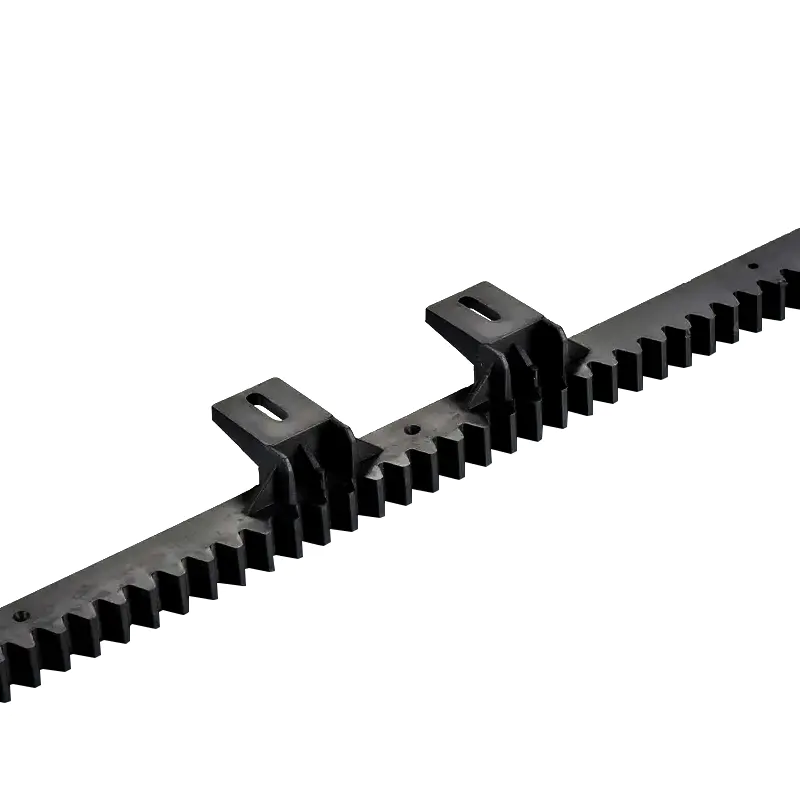
The Nylon Rack for Sliding Gate systems plays an important role in this process. It provides the toothed surface that works with the drive gear as the gate moves along its track. Because the rack gets attached along the gate structure, its position, alignment, and condition can influence how smoothly the teeth actually meet each other during travel.
When engagement isn't correct, users may notice unusual noise, uneven movement, hesitation, or visible wear on the teeth themselves. These symptoms don't always mean the rack is defective. Installation position, gate alignment, gear condition, mounting, and maintenance can all contribute to what looks like a single problem.
A Gate Rack Nylon system is better understood as part of a complete sliding gate mechanism rather than as an isolated component working on its own.
The rack and drive gear need to work together throughout the gate's entire travel path.
As the drive gear turns, its teeth contact the teeth on the rack. This interaction transfers movement to the gate itself. If the relationship between the two parts changes along the gate's path, the movement may become genuinely less consistent from one end to the other.
Good engagement generally depends on several practical conditions:
A problem in one area can affect the others down the line. For example, a gate that moves unevenly on its track may place changing pressure on the rack as it travels. The rack may then appear to have a gear engagement problem, even though the original issue started somewhere else entirely.
This is why troubleshooting should look at the entire gate movement system, not just the rack in isolation.
| Possible Issue | What May Be Observed |
|---|---|
| Rack misalignment | Uneven tooth contact |
| Gate movement problem | Changing pressure during travel |
| Loose mounting | Rack position changes |
| Gear wear | Rough or noisy engagement |
| Poor rack joining | Noticeable transition between sections |
| Debris around teeth | Irregular movement |
Understanding these relationships makes inspection a lot more useful than guessing.
The location of the rack on the sliding gate is a genuinely important consideration from day one.
The rack needs to remain in a consistent relationship with the drive gear as the gate travels back and forth. If the rack is installed too far away, too close, or at an uneven angle, the teeth may not meet in the intended way, even if everything looks fine standing still.
A small positioning difference can become a lot more noticeable when the gate moves across a longer section of track.
The installation surface matters just as much. A gate may contain welded sections, brackets, panels, or other structural elements bolted together. If the rack gets attached to an uneven surface, its position can shift from one section to another along the length.
This may create a pattern where the gear engages normally in one area but feels different a few feet down the track.
A practical installation check should examine the full length of the rack, rather than focusing only on the area where a problem was noticed.
Installers can look for:
The goal isn't simply making one section look correct on its own. The complete travel path needs consideration as a whole.
Yes, and this is one of the more common areas to investigate when a rack and gear don't engage smoothly.
The teeth on the rack and drive gear are designed to work together. Their relative position affects how they actually contact each other during a swing. If the rack is mounted unevenly, the gear may contact the teeth differently as the gate moves along.
Several installation situations can create trouble down the line.
Uneven rack mounting. If one section sits differently from another, the gear may experience changing contact along the gate's travel.
Poor alignment between sections. When multiple rack pieces get joined together, a visible step or gap can interfere with smooth movement right at that seam.
Loose fasteners. A rack that can move during operation may gradually change its position relative to the gear over repeated cycles.
Incorrect installation height. If the rack sits outside the intended engagement area, the teeth may not interact consistently across the full travel.
Gate structure movement. Movement in the gate itself, from settling or use, can alter the relationship between the rack and drive gear over time.
These issues do not necessarily appear right after installation. A gate may operate normally at the beginning but develop problems after repeated use, as a mounting point loosens or the structure shifts slightly.
For a Nylon Rack for Sliding Gate applications, careful installation is therefore part of long-term performance, rather than merely a one-time assembly step to check off.
The rack doesn't move independently of everything around it.
It's attached to the gate, so anything affecting gate movement can influence the rack in turn. A sliding gate may encounter resistance from its rollers, track, guide components, or surrounding structure. When movement becomes uneven, the rack may experience changing forces as the drive gear keeps turning regardless.
This can cause uneven tooth contact along the rack.
For example, picture a gate that moves freely through much of its travel but becomes harder to push near one end, perhaps where the track has shifted slightly. The drive system may continue applying force while the gate encounters extra resistance in that area. The rack and gear can then experience a different load within that section.
This is why a gear engagement problem shouldn't automatically get treated as a rack problem on its own.
Inspecting the gate itself can reveal useful clues worth chasing down.
| Gate Condition | Possible Effect on Rack |
|---|---|
| Smooth travel | More consistent gear contact |
| Sticking movement | Increased local resistance |
| Track obstruction | Changing movement force |
| Uneven gate position | Rack alignment may change |
| Worn guide components | Irregular rack movement |
A properly positioned rack can't compensate for every gate movement problem happening around it. The rack and gate need to function as a coordinated system, not two separate concerns.
Repeated contact naturally places wear on moving components, run after run, day after day.
The teeth of the rack and drive gear meet repeatedly during normal gate operation. Over time, the condition of those surfaces can change in ways that aren't obvious at a glance.
Wear may become noticeable through:
A Gate Rack Nylon component may experience genuinely different wear patterns depending on how the gate is installed and operated day to day.
If the rack is correctly aligned, the contact between the teeth can remain relatively consistent across the whole travel. If the rack is misaligned, certain areas may receive a lot more contact than others, creating localized wear that shows up as a rough patch in one spot.
The drive gear should also get inspected alongside the rack. Replacing a rack without checking the gear may leave the underlying problem unresolved entirely. A worn gear can interact poorly with a brand-new rack. Likewise, a worn rack can affect a replacement gear right out of the box.
The condition of both components should be considered together, not one at a time.
Many sliding gates require more than one rack section joined end to end.
When sections get joined together, the transition between them becomes genuinely important. The gear needs to move from one rack section to the next without encountering a sudden change in tooth position at the seam.
A poorly connected joint may create:
This problem can be easy to overlook, because each individual rack section may appear correctly installed when checked on its own. The connection between them is what creates the difficulty in practice.
Installers should inspect the full tooth pattern at each joint carefully. The sections should form a consistent path for the drive gear to travel across without hiccups.
This is also an area where a Nylon Gear Rack Factory may provide useful installation guidance specific to their product. Different rack designs can have different joining arrangements, so the manufacturer's intended installation method should get followed, rather than relying on assumptions carried over from another rack system entirely.
Nylon gets used in many rack applications because it provides a lightweight alternative to some metal rack constructions and can offer practical operating characteristics for gate use.
However, material selection doesn't remove the need for correct installation.
A nylon rack can still experience engagement problems when:
Environmental conditions can matter here too. Moisture, dirt, heat, cleaning practices, and surrounding materials may influence how the rack performs as seasons change and the gate ages.
The appropriate nylon material depends on the specific application it's going into. Different formulations can have genuinely different characteristics, so buyers should discuss the operating environment directly with the manufacturer rather than assuming one nylon rack is the same as another.
A Nylon Rack for Sliding Gate use should therefore get selected according to the complete gate system, not simply because the rack happens to be made from nylon.
Maintenance doesn't need to be complicated to be effective.
Regular observation can help identify changes before they develop into larger operating problems that stop the gate entirely.
A simple inspection can include checking:
Rack position. Look along the rack and confirm it remains securely attached at every point.
Tooth condition. Look for damaged, unusually worn, or contaminated areas along the teeth.
Gear condition. Inspect the drive gear for signs of wear or damage on its own teeth.
Gate travel. Operate the gate and notice whether movement changes at particular points along the run.
Rack joints. Pay special attention to transitions between separate rack sections, since these wear differently.
Mounting hardware. Check for signs that attachment points have become loose over time.
Maintenance should follow the product manufacturer's recommendations rather than a generic checklist. Lubrication should also get handled according to the materials and system design, rather than applied automatically just because it seems like good practice.
Some rack and gear arrangements may require specific maintenance practices, while others may have genuinely different requirements depending on their construction.
Keeping the surrounding gate track and moving components clean can help too. Dirt or debris can create resistance in the gate, which may then affect rack engagement indirectly, even though the rack itself is fine.
Product selection should begin with the gate application itself, not a catalog page.
A buyer should consider a lot more than the rack's appearance alone.
Useful questions include:
| Buyer Consideration | Why It Matters |
|---|---|
| Gate structure | Determines how the rack can be mounted |
| Gate movement | Influences gear engagement |
| Drive system | Needs to match the rack arrangement |
| Installation method | Affects alignment and stability |
| Operating environment | Influences material selection |
| Rack length and joining | Affects the complete travel path |
| Maintenance conditions | Helps determine practical long-term use |
The relationship between the rack and drive gear is particularly important to get right from the start. A rack shouldn't be selected separately from the drive arrangement without checking compatibility between the two.
The same applies when replacing an existing component down the road. A replacement rack should match the existing gear and mounting arrangement already in place, not just look similar on a shelf.
A Nylon Gear Rack Factory may offer different rack configurations for different gate systems they support. Buyers can share information about the gate structure, drive arrangement, installation location, and intended use to help identify a genuinely suitable product for their situation.
This approach proves a lot more useful than choosing a rack based only on material or appearance alone.
When a sliding gate makes unusual noise or moves unevenly, troubleshooting can begin with simple, careful observation rather than jumping straight to parts replacement.
The gate should be operated carefully while watching closely where the problem actually occurs along the track.
If the issue appears throughout the entire travel path, the relationship between the drive gear and rack may need broader inspection. If it appears only in one section, the installer can focus attention there instead.
A practical troubleshooting sequence can include:
This process helps separate rack problems from gate movement problems that only look similar on the surface.
For example, if the gate becomes difficult to move at a particular location even when the rack and gear appear properly aligned, the track or guide system may deserve attention instead of the rack. If the gate moves smoothly but the gear repeatedly struggles at one rack joint specifically, the rack installation may be the more relevant area worth inspecting.
The key is identifying where the engagement actually changes, rather than replacing parts without understanding the cause behind the symptom.
For a Nylon Rack for Sliding Gate applications, reliable gear engagement depends on more than the rack itself sitting in isolation. Installation location, rack alignment, section joints, gate movement, drive gear condition, mounting stability, wear, and maintenance all influence how the teeth interact over time. A Gate Rack Nylon system works as part of the wider sliding gate mechanism, so problems can originate from components outside the rack entirely. Buyers and installers can reduce unnecessary replacement work by checking the complete travel path and matching the rack, gear, gate structure, and operating environment as one connected system.
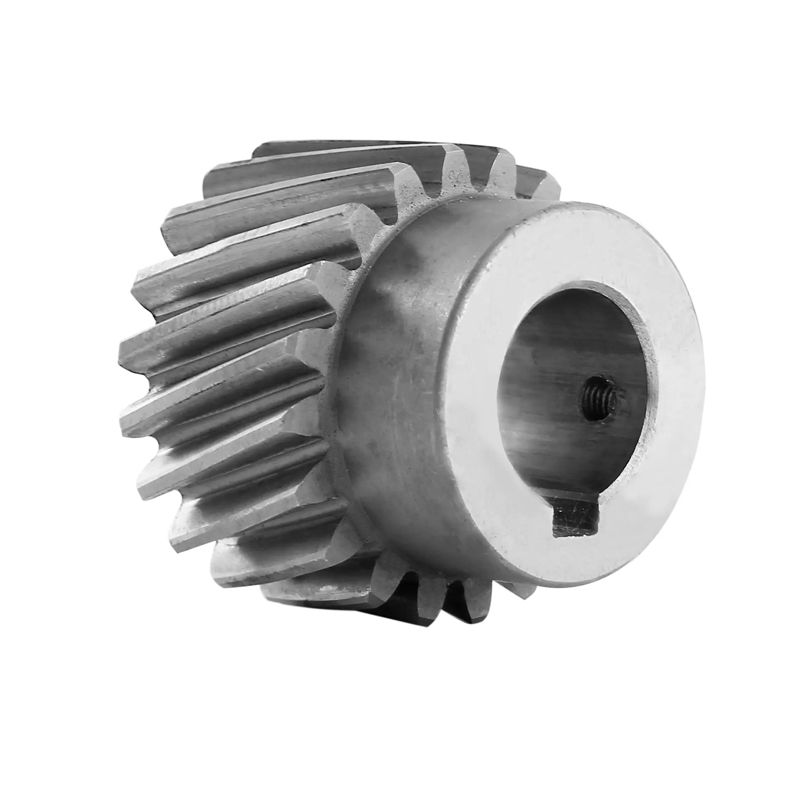
The multiple sizes high precision rack pinion gear system is an essent...
See Details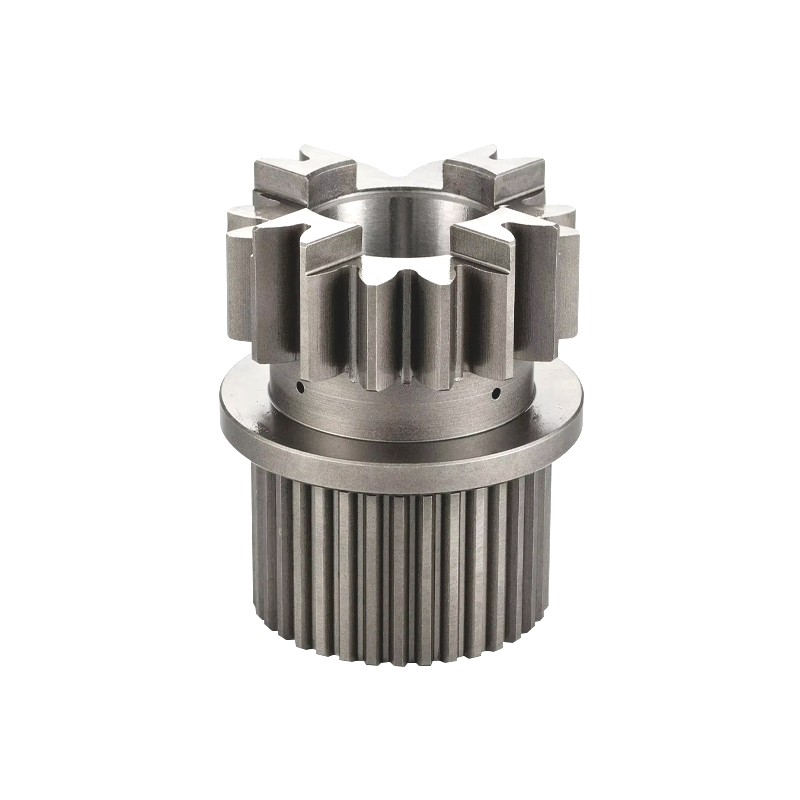
The Gearbox Steering Rack Pinion Gear is a fundamental component in mo...
See Details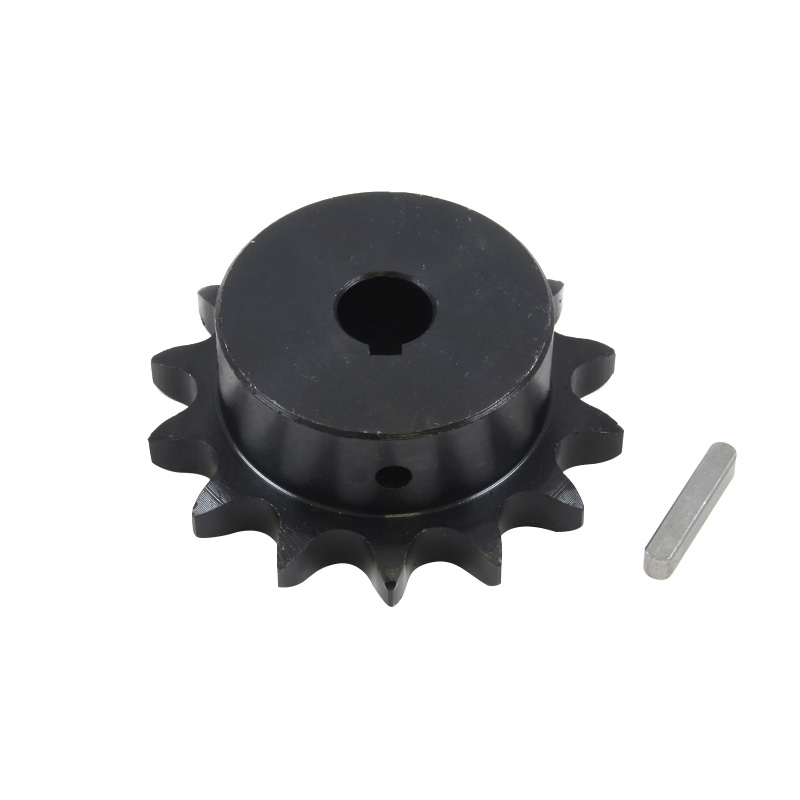
The Roller Transmission Double Plus Rack Pinion Gear is a highly effic...
See Details
A sliding door gear rack and steel rack and pinion system plays an imp...
See Details
The Stainless Steel Sliding Door Steel Gear Rack is a key mechanical p...
See Details
The Flexible Steel Parts Helical Gear Rack is a highly engineered comp...
See Details
The Enhancement Sliding Door Nylon Gear Rack is designed for smooth, q...
See Details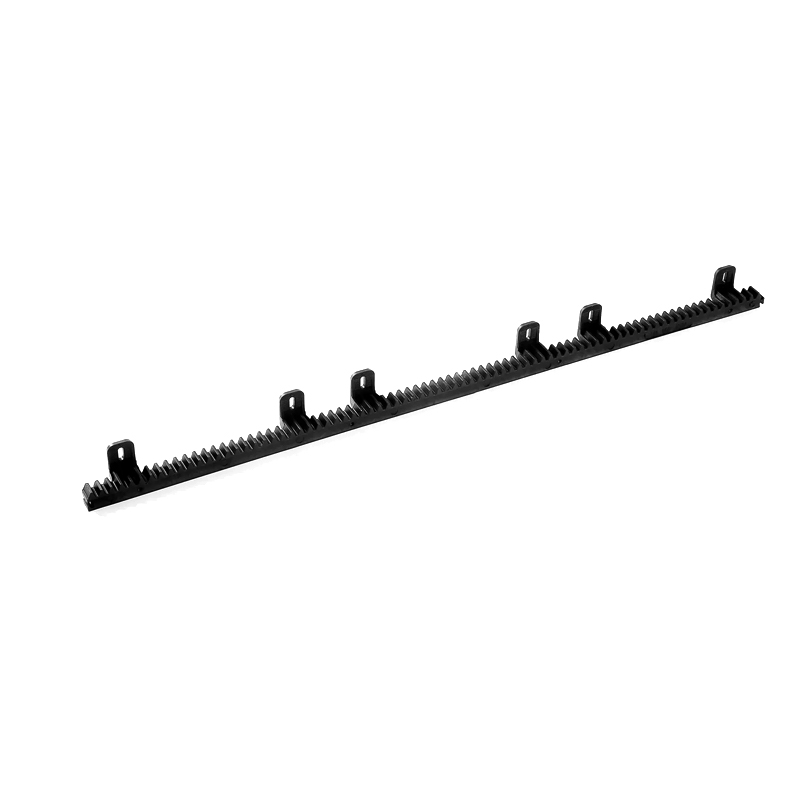
The plastic nylon gear rack for automatic sliding doors is an essentia...
See Details
