
 English
 русский
 Español
No. 200 Gaoxin RD, Shanghua St, Lanxi, Zhejiang, P. R China
Surface heat treatment rack pinion gear is a mechanical transmission c...
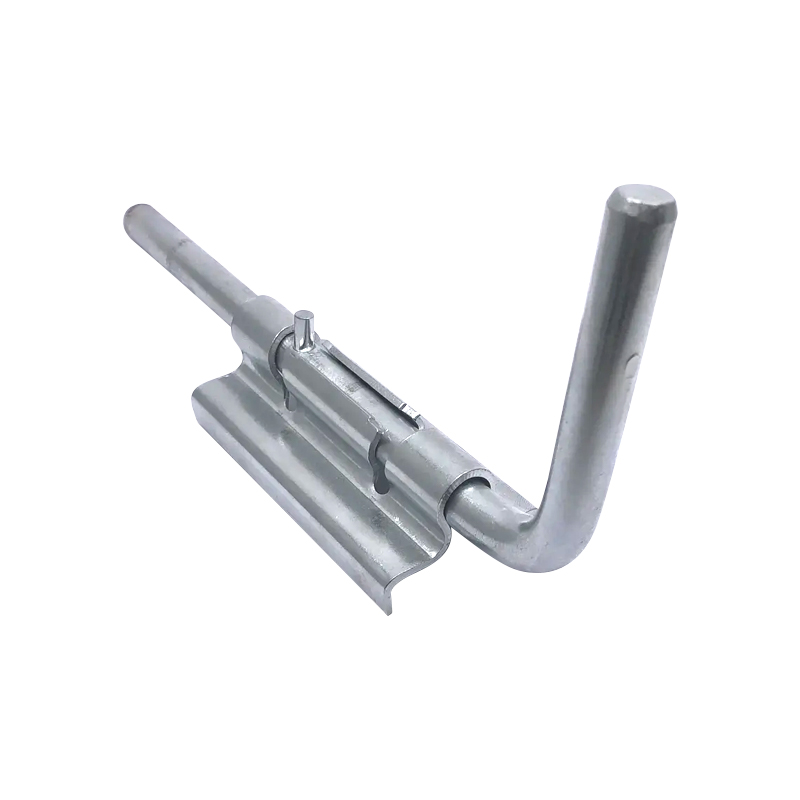
See DetailsGates are a key part of property security and design, and their functionality depends largely on the hardware used. Metal Gate Hinges play a critical role in supporting the weight of gates, allowing smooth movement, and ensuring long-term durability. Understanding their design, materials, and applications can help in selecting the right hinge for residential, commercial, or industrial use.
A Metal Gate Hinge consists of two plates connected by a pivot pin, allowing the gate to swing open or closed. Hinge types vary depending on gate weight, size, and installation style. Common designs include strap hinges, butt hinges, and pivot hinges.
The plates attach to the gate and the supporting post, distributing weight evenly and preventing sagging over time. The pivot pin, often made of hardened steel or stainless steel, enables smooth rotation while withstanding repeated use.
Durability is a key factor for Metal Gate Hinges. They are typically made from steel, stainless steel, or iron, which provide strength and resistance to bending or deformation. Some hinges are coated with zinc, powder coating, or paint to protect against rust and environmental damage.
The choice of material depends on gate type and exposure conditions. Outdoor gates, for example, benefit from corrosion-resistant finishes, while industrial gates may require heavy-duty steel to support significant weight.
Metal Gate Hinges are used in a wide range of gates, from residential driveway gates to commercial and industrial security gates. Proper installation ensures the gate operates smoothly and safely. Hinges must be aligned precisely with gate and post, and pivot points should be lubricated periodically to maintain smooth operation.
In large-scale installations, multiple hinges may be used to distribute weight evenly. For example, a double-leaf industrial gate might require three or more hinges per leaf to support the structure and prevent sagging over time.
One advantage of using Metal Gate Hinges is their ability to carry heavy loads without compromising movement. Well-designed hinges reduce wear on gate frames and posts, extending the lifespan of both the hardware and the gate.
Hinges also allow gates to swing fully in one direction or both, depending on design, which improves accessibility and convenience. High-quality metal hinges maintain alignment over time, reducing maintenance needs.
Maintaining Metal Gate Hinges is straightforward. Regular inspection for rust, lubrication of pivot points, and tightening of fasteners help ensure continued performance. Even in outdoor environments, well-coated metal hinges can provide years of reliable operation with minimal maintenance.
Replacing a damaged hinge is often easier than repairing the entire gate, making hinge quality an important consideration for long-term reliability.
When choosing Metal Gate Hinges, factors to consider include hinge type, gate weight, material, and environmental exposure. Strap hinges are suitable for large wooden gates, while butt hinges may be appropriate for smaller metal gates. Corrosion-resistant finishes are important for gates exposed to weather or moisture.
Proper selection ensures safe operation, reduces maintenance, and extends the overall life of the gate.
Metal Gate Hinges are essential components that support the structure, movement, and longevity of gates. By understanding their design, material choices, installation requirements, and maintenance needs, property owners and contractors can select hinges that provide reliable performance. Durable metal hinges contribute to gate stability, ease of operation, and safety, making them a crucial part of any gate project.
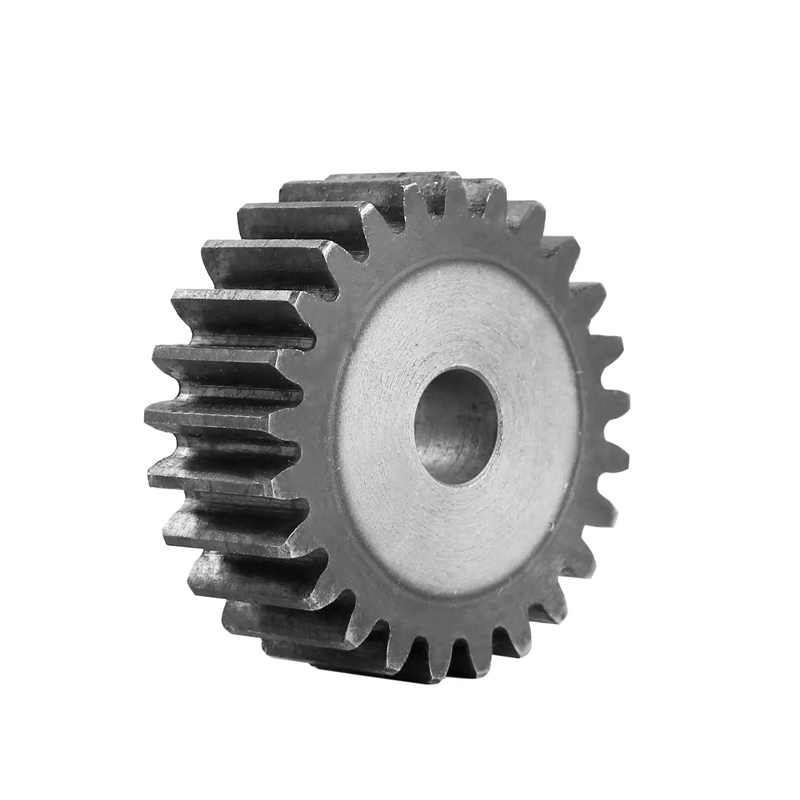
Surface heat treatment rack pinion gear is a mechanical transmission c...
See Details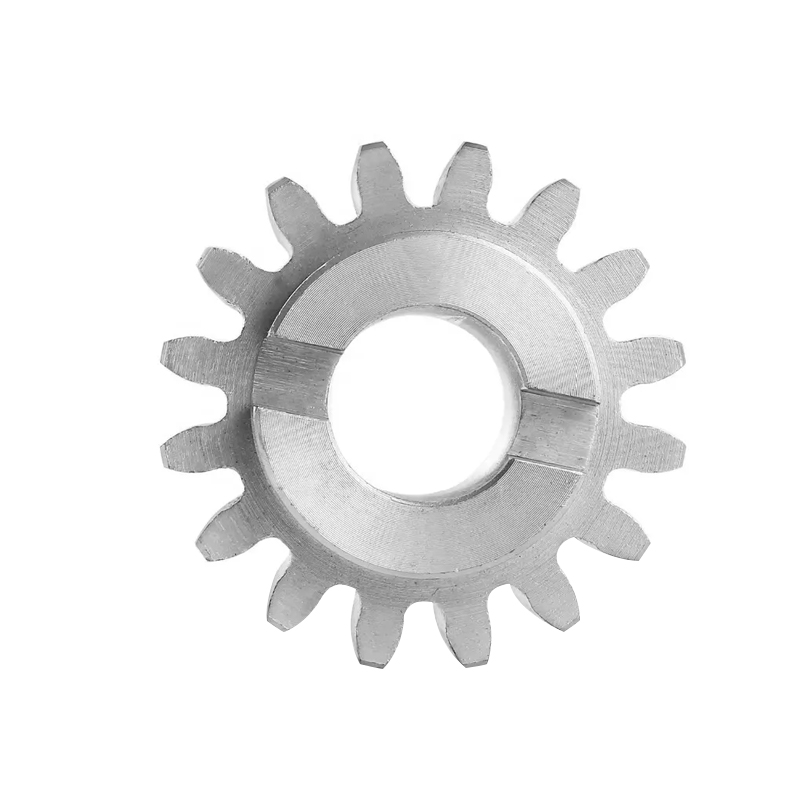
The Sliding Doors Steel Rack Pinion Gear is a critical component in va...
See Details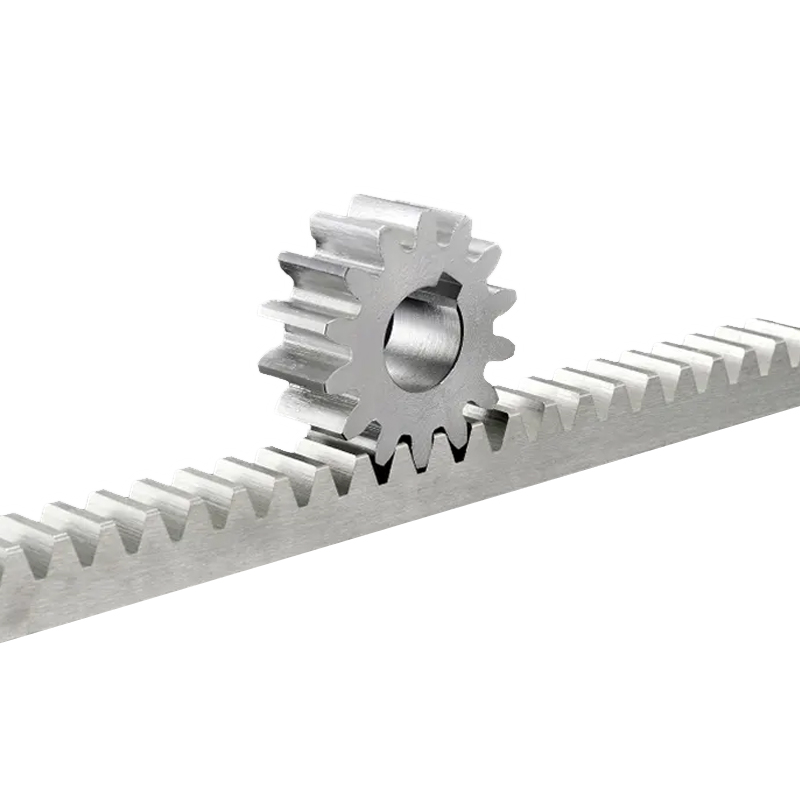
The stainless steel sliding door steel gear rack is an essential compo...
See Details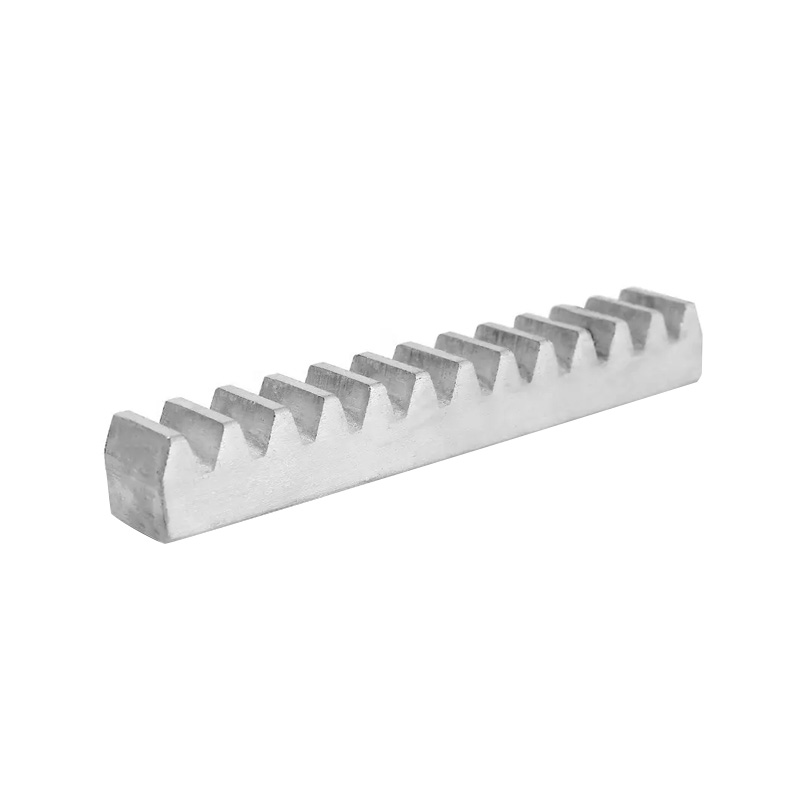
The Drive Durable Sliding Door Steel Gear Rack is a critical component...
See Details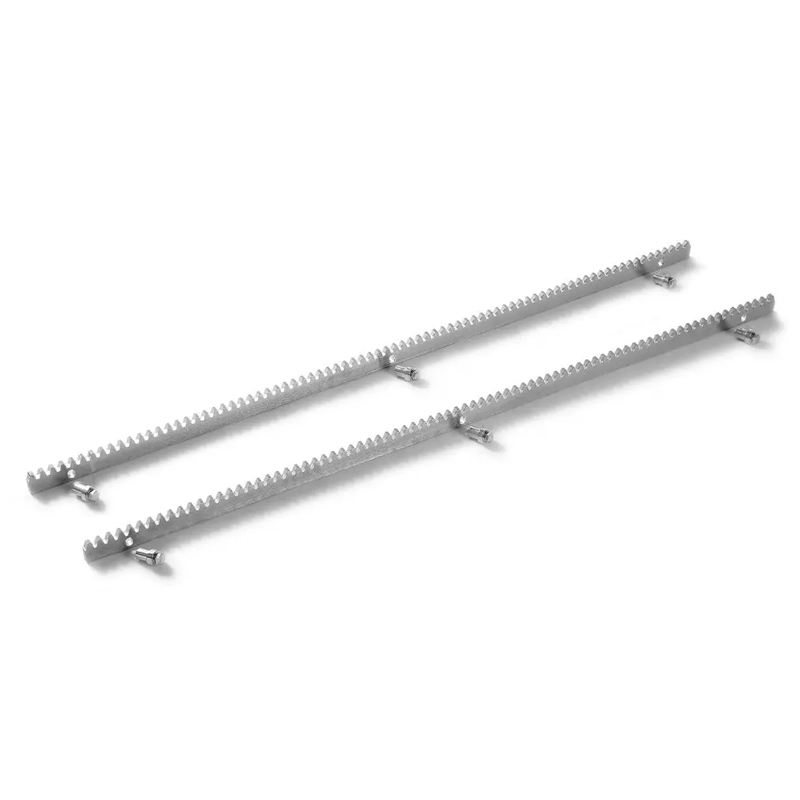
The Durable High-Quality Sliding Door Steel Gear Rack is a versatile a...
See Details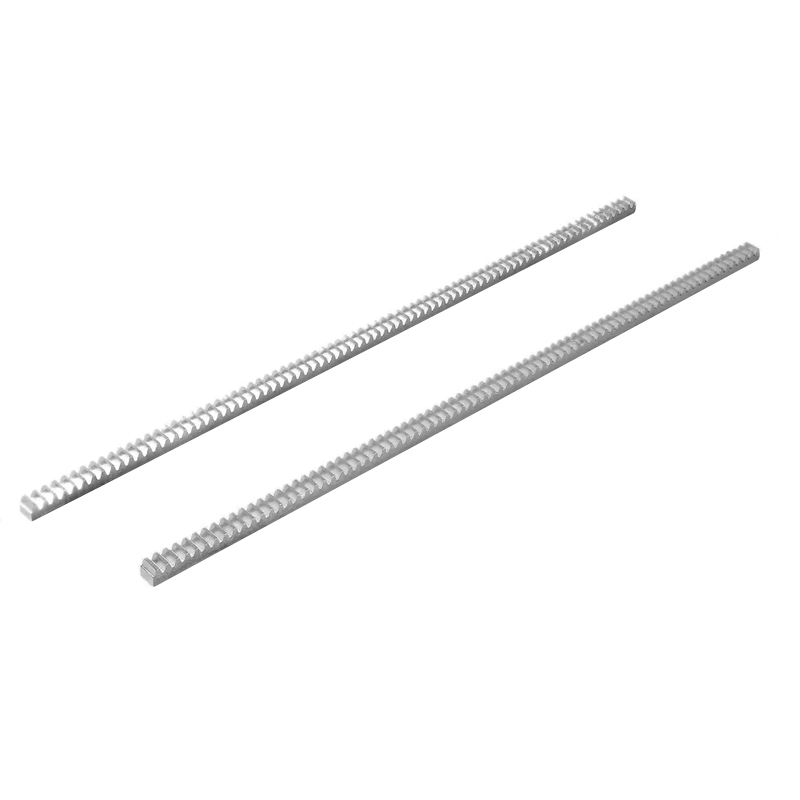
The Stainless Steel Sliding Door Steel Gear Rack is a key mechanical p...
See Details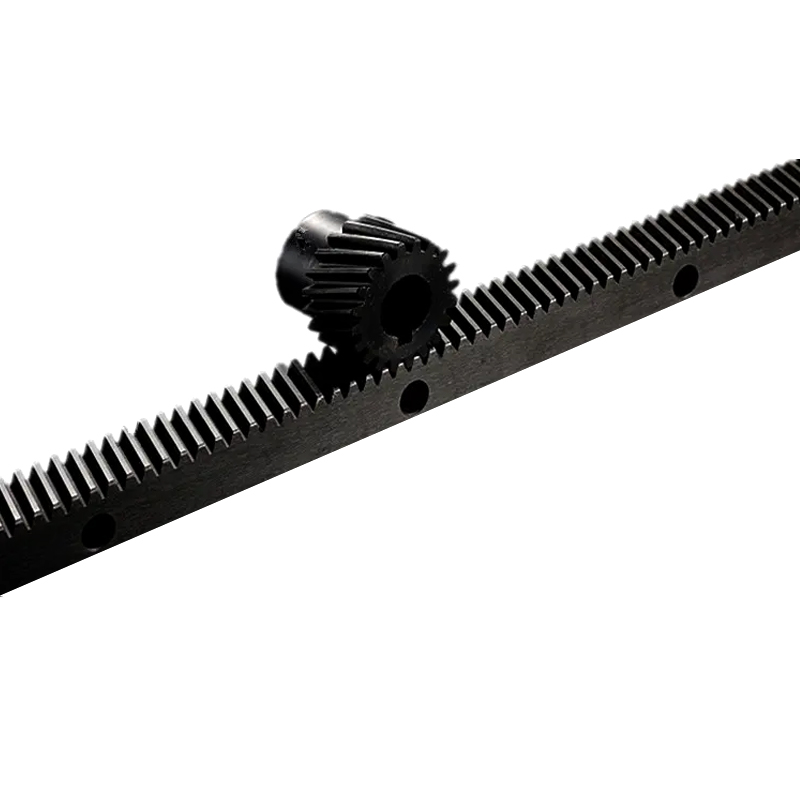
Linear precision guides helical gear rack is a transmission component ...
See Details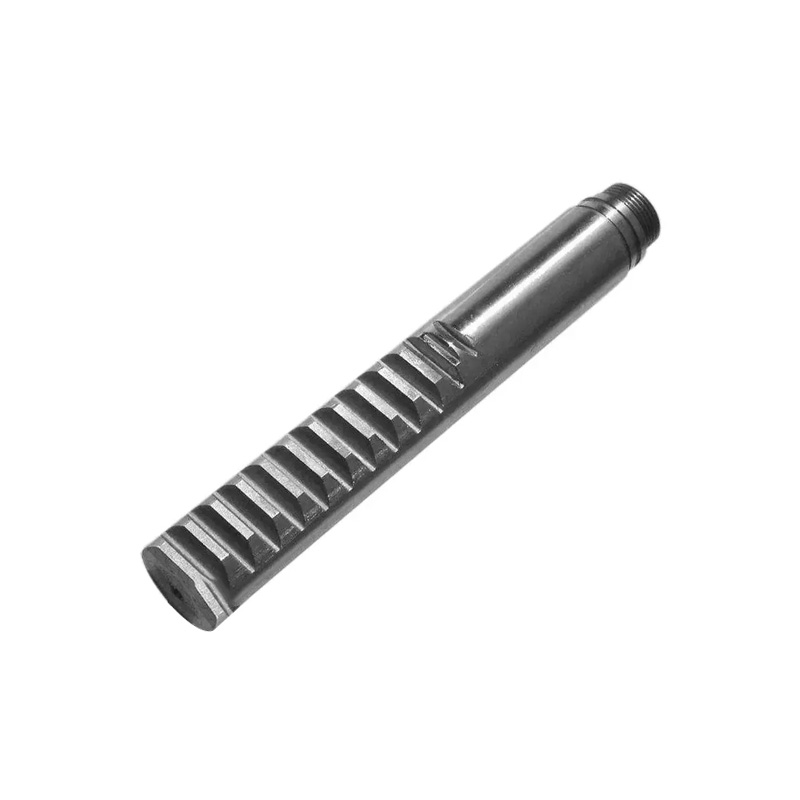
The Cylindrical Black Stainless Steel Straight Gear Rack is a durable ...
See Details
