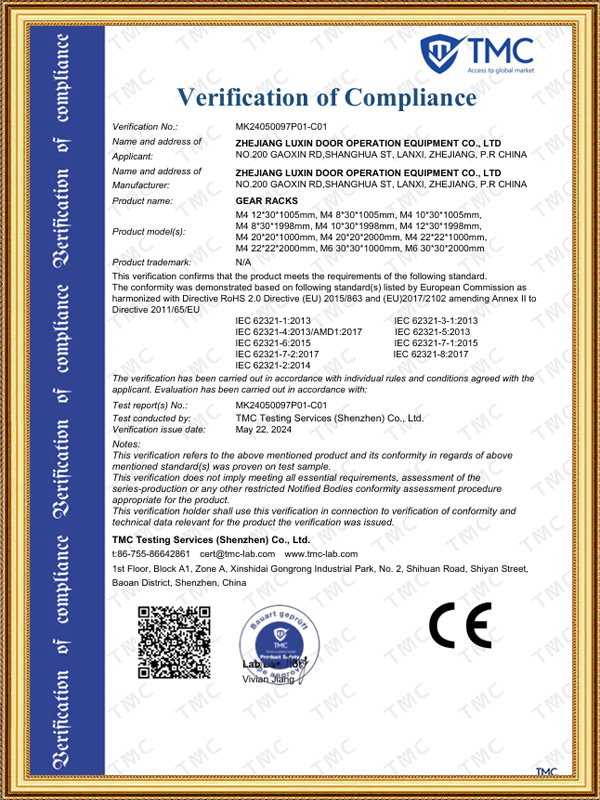
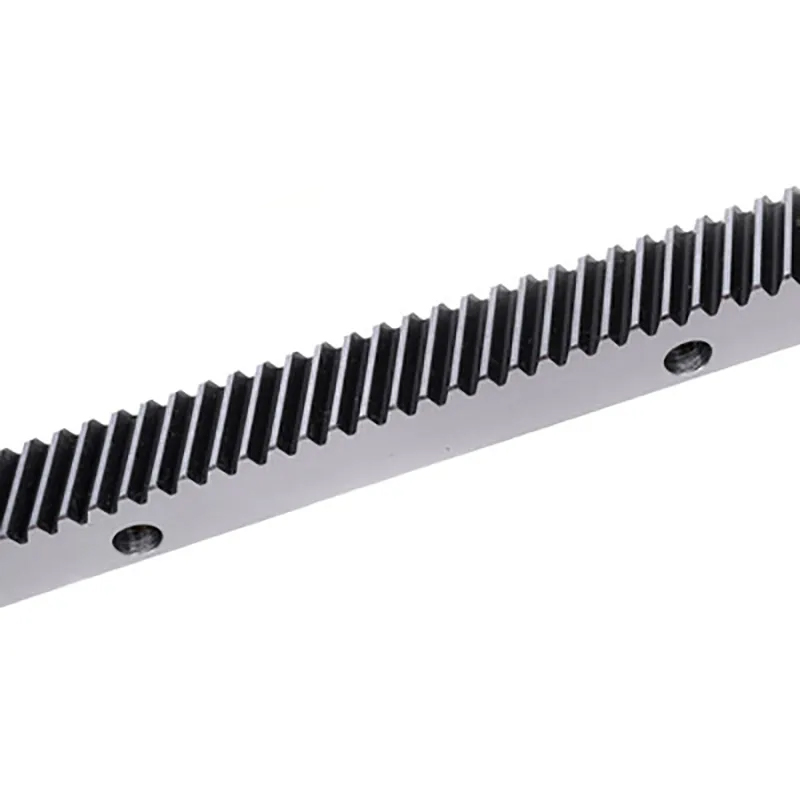
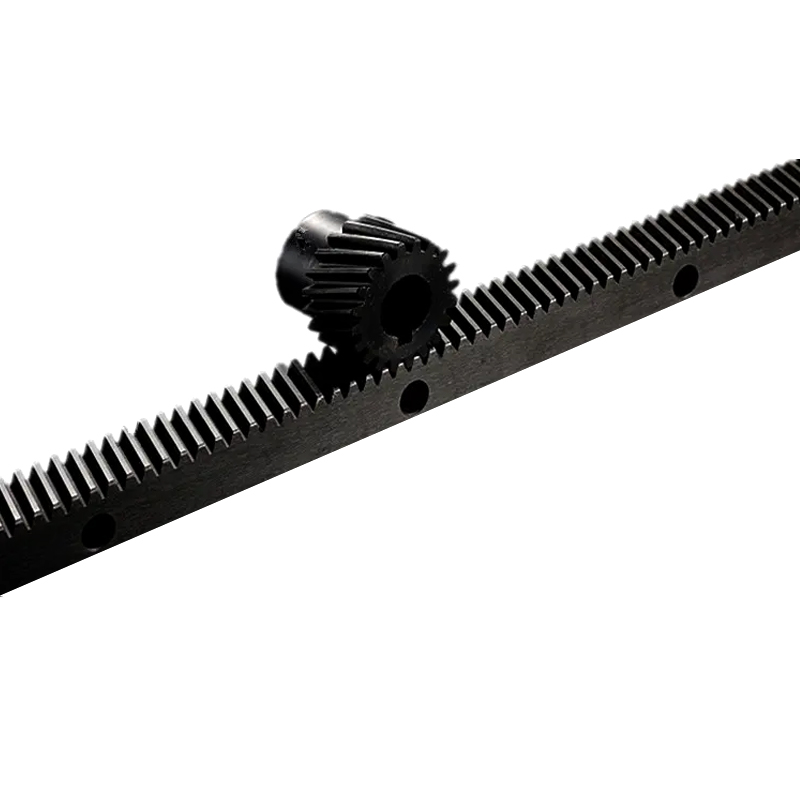
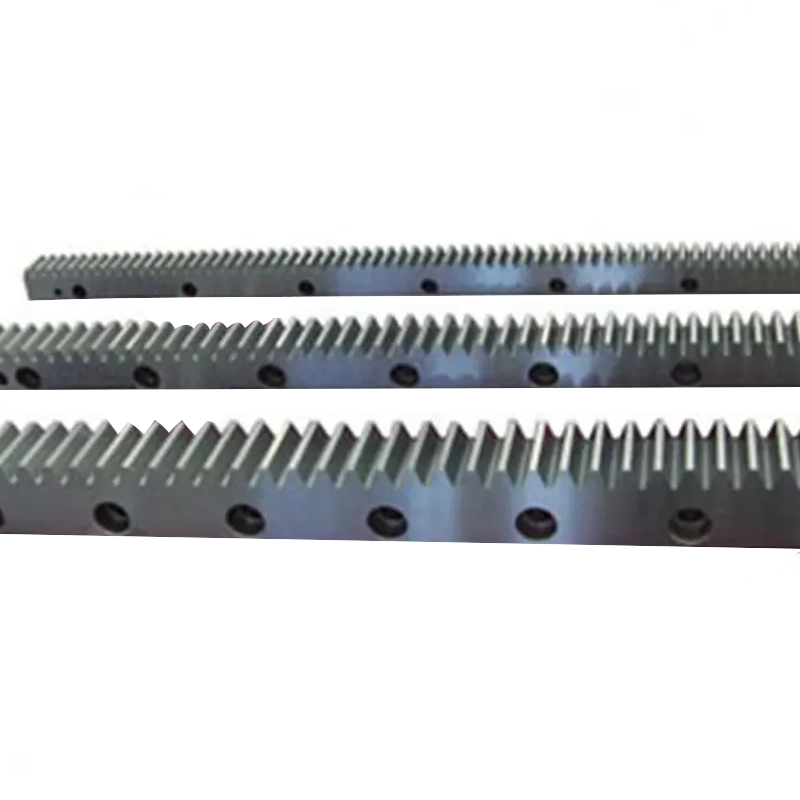
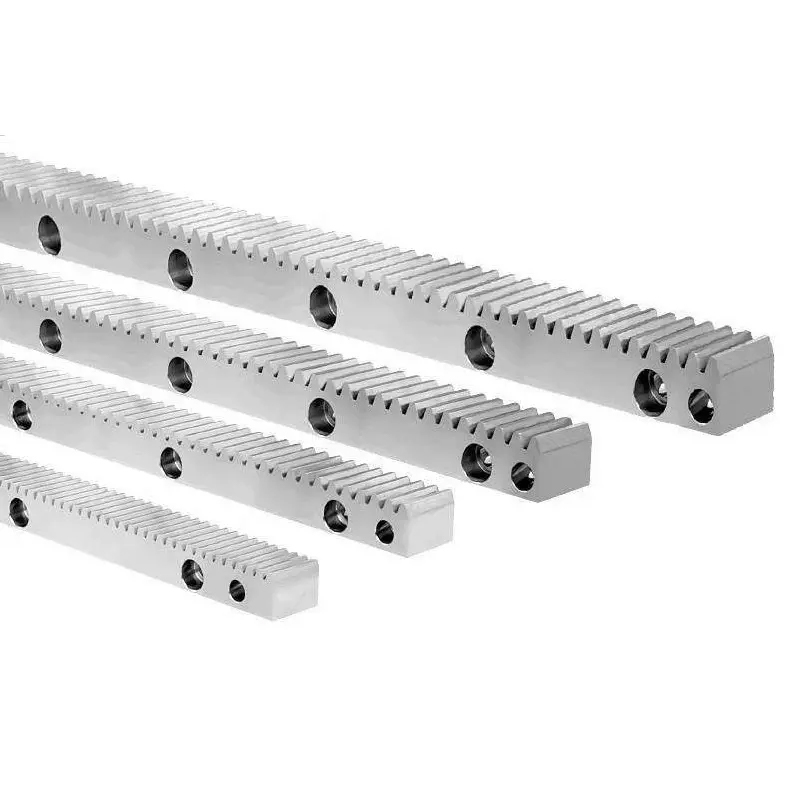
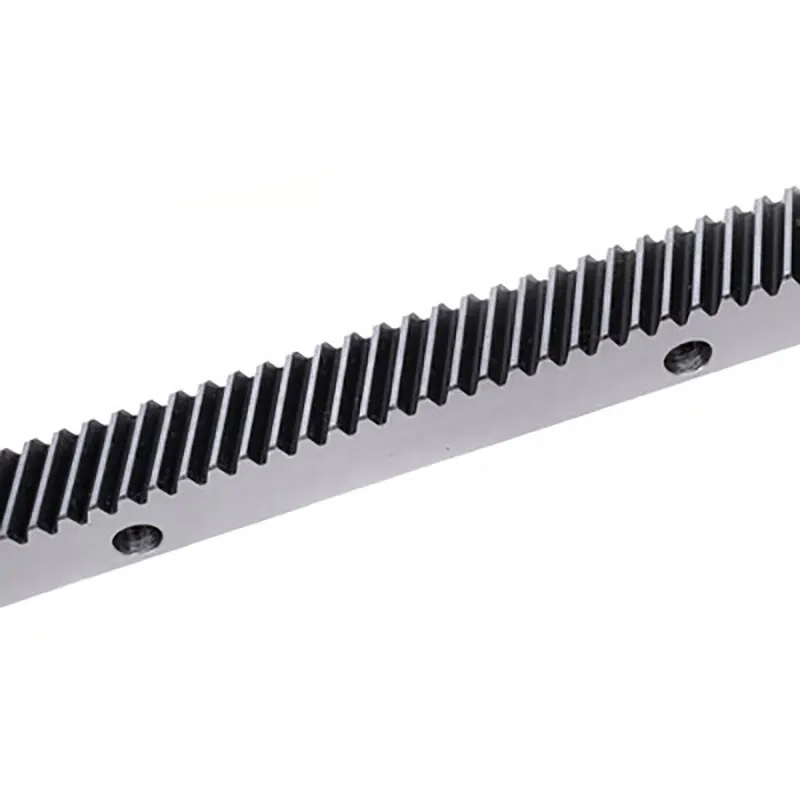
What is a helical gear rack system in lift transmission?
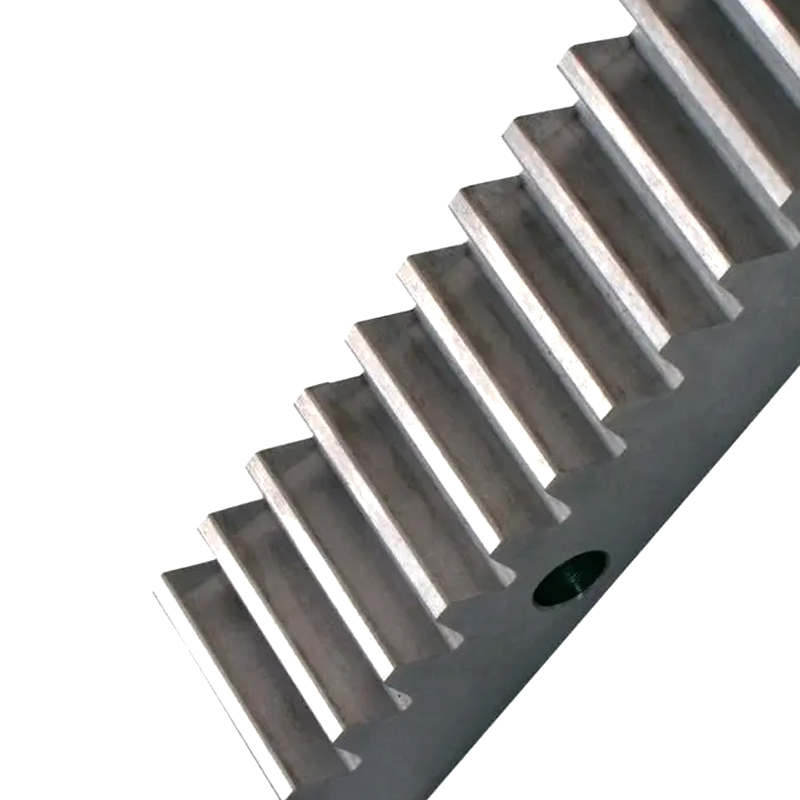
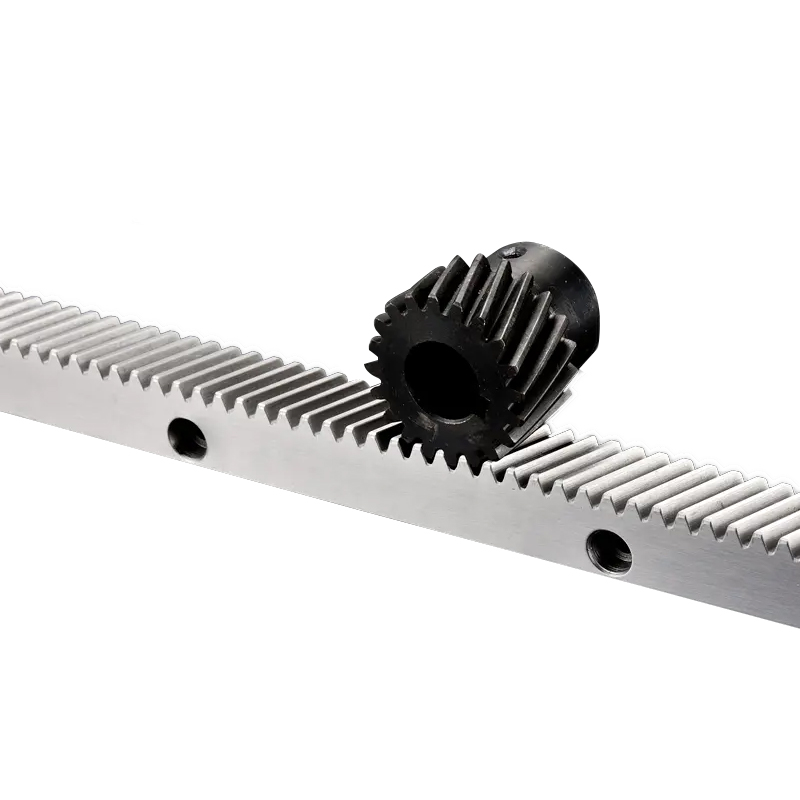
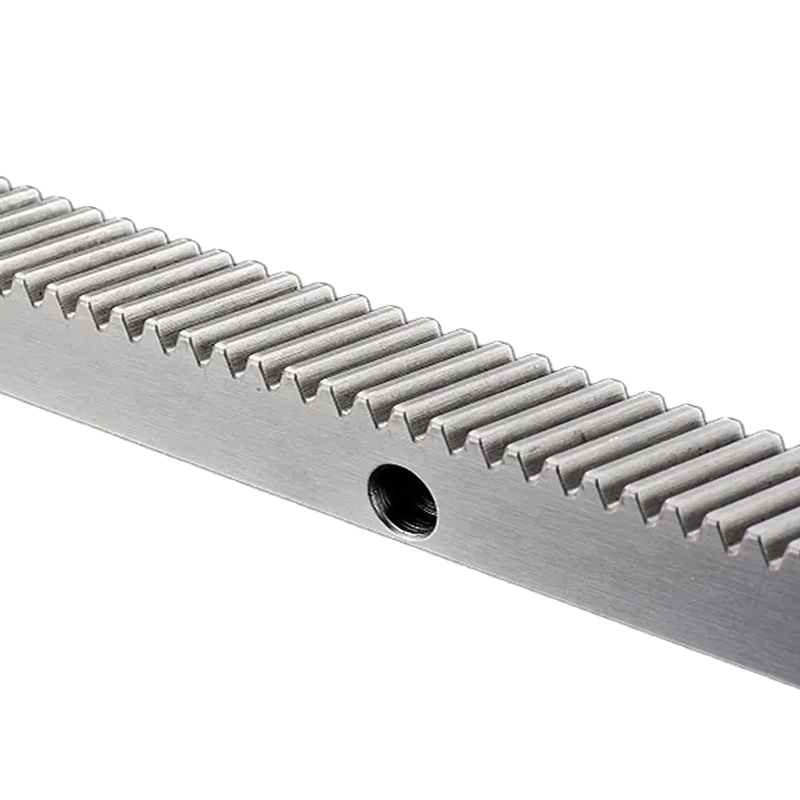
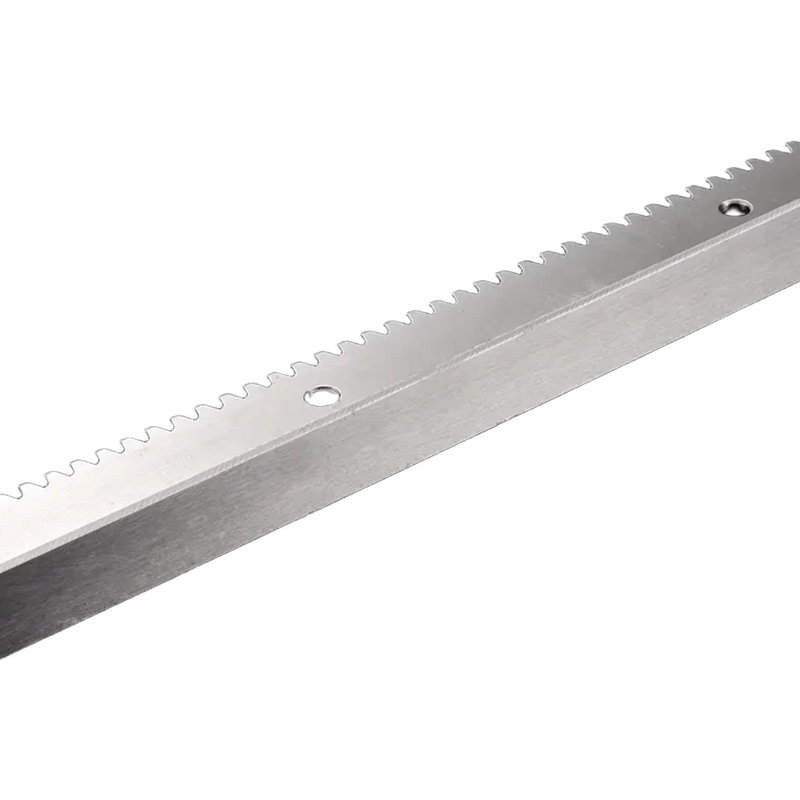
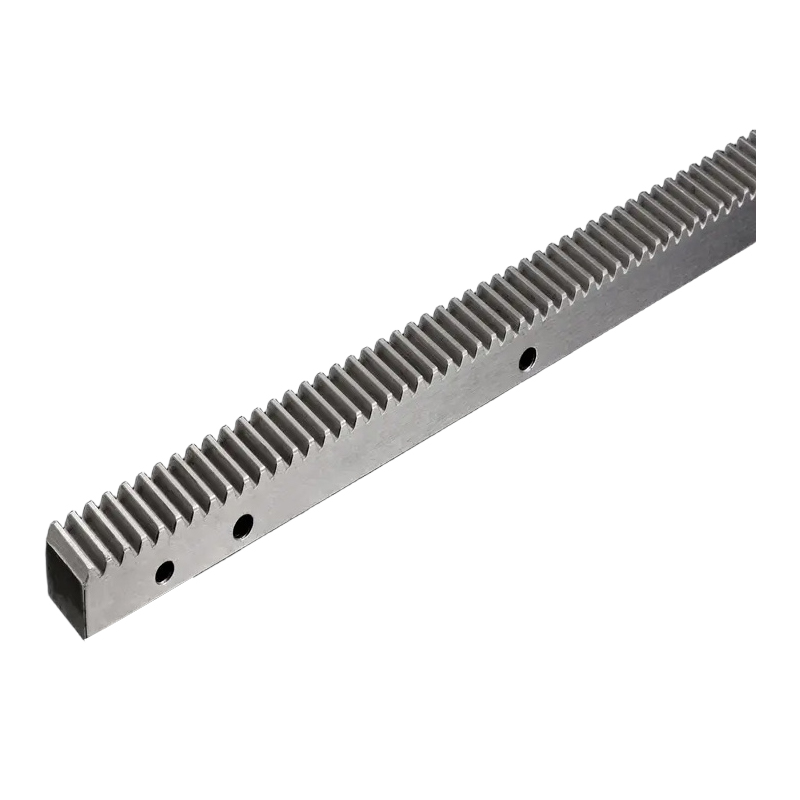
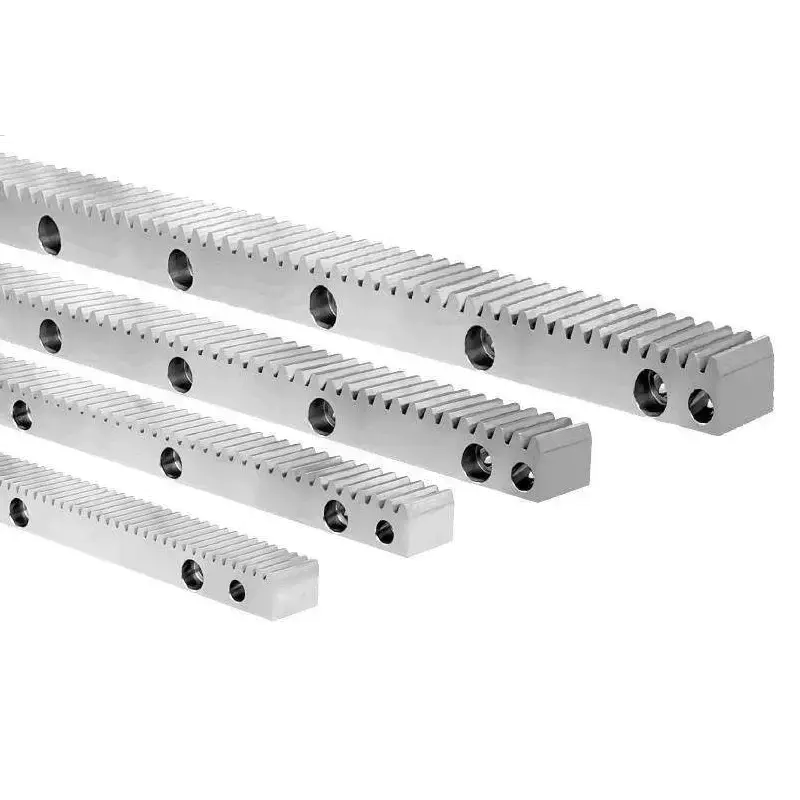
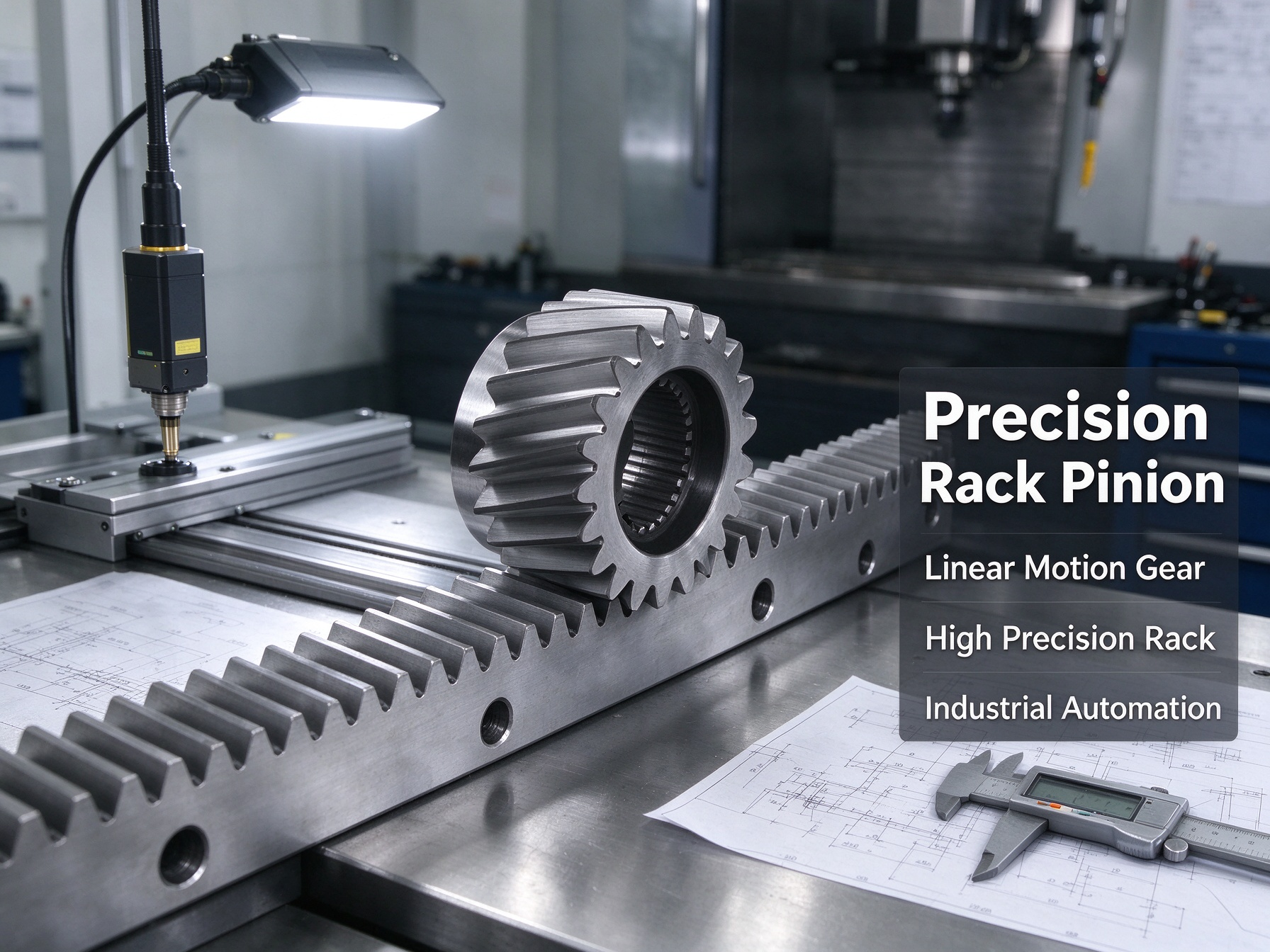
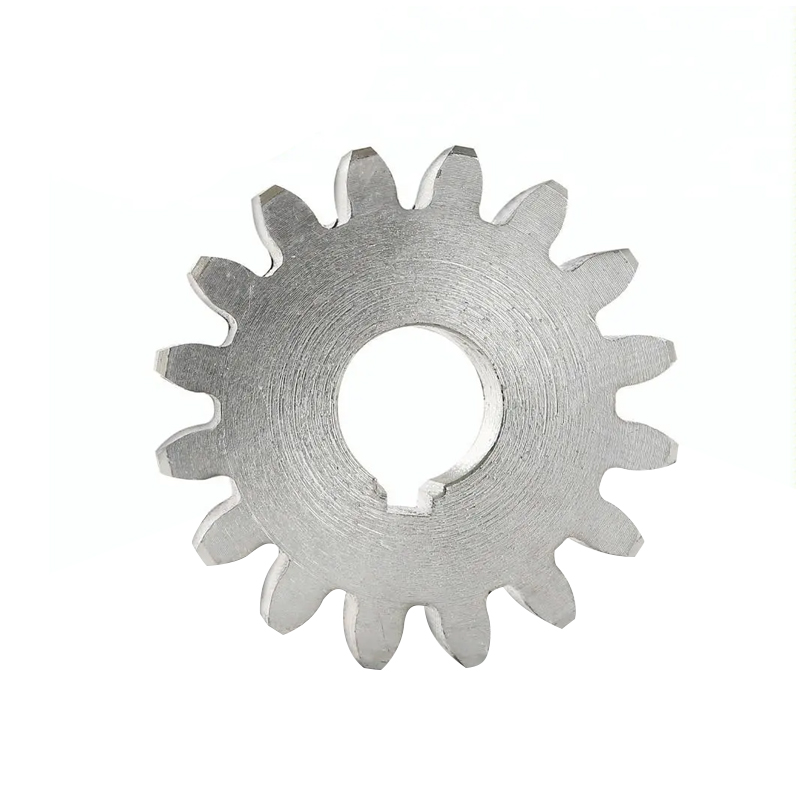
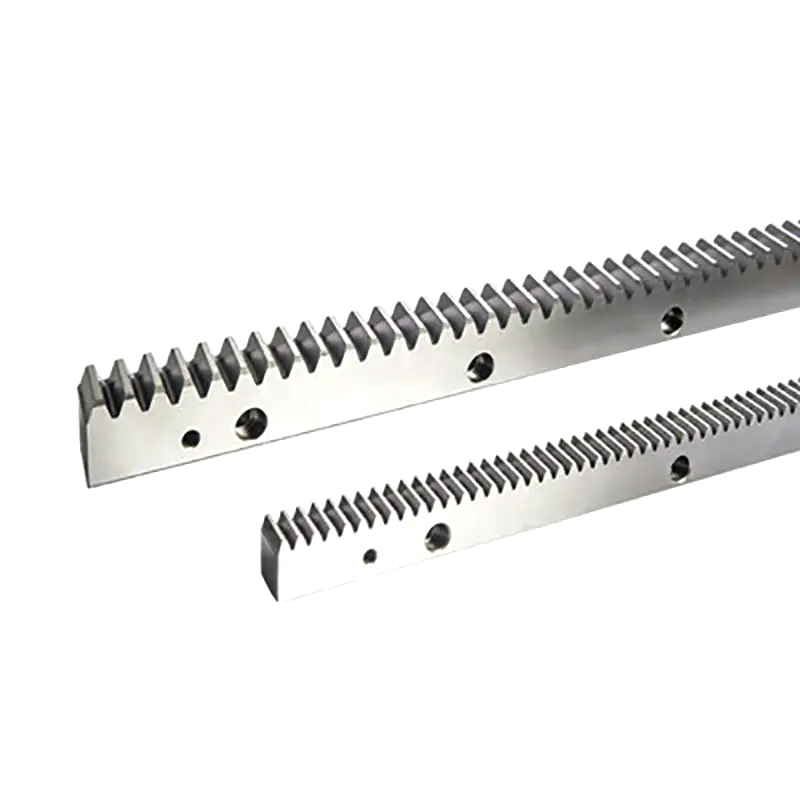
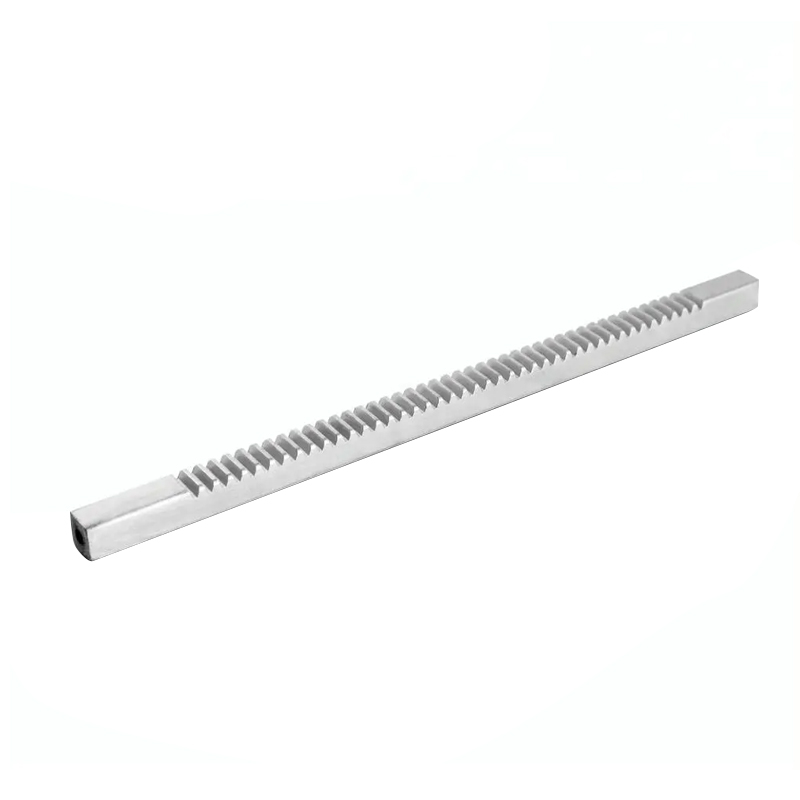
A Lifts transmission systems helical gear rack is basically the component that makes vertical movement possible in a smooth and controlled way. It works together with a matching gear to form a Helical Gear Rack and Pinion system, turning rotation into linear lifting motion.
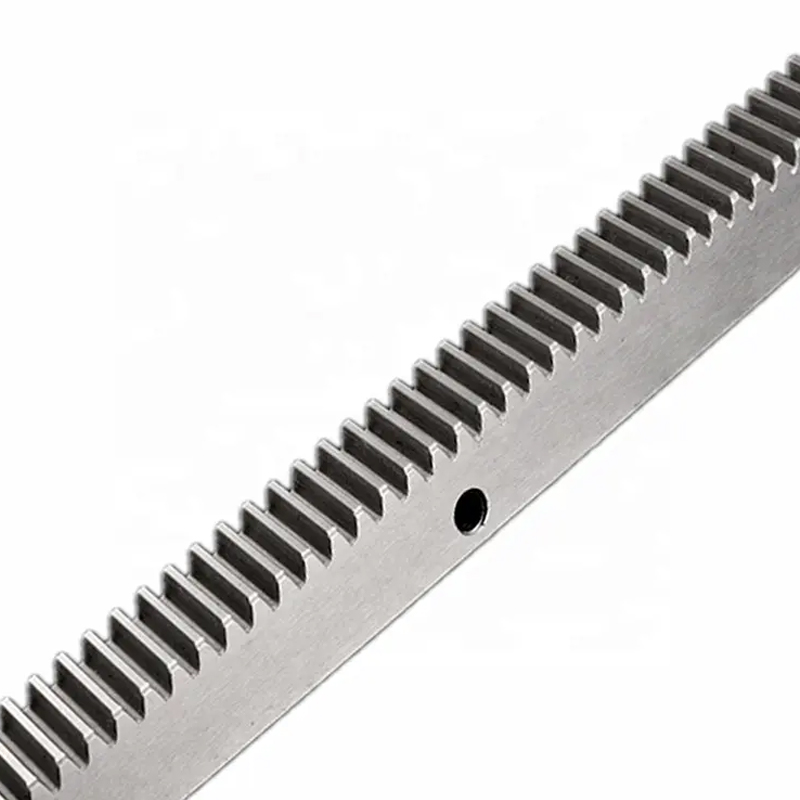
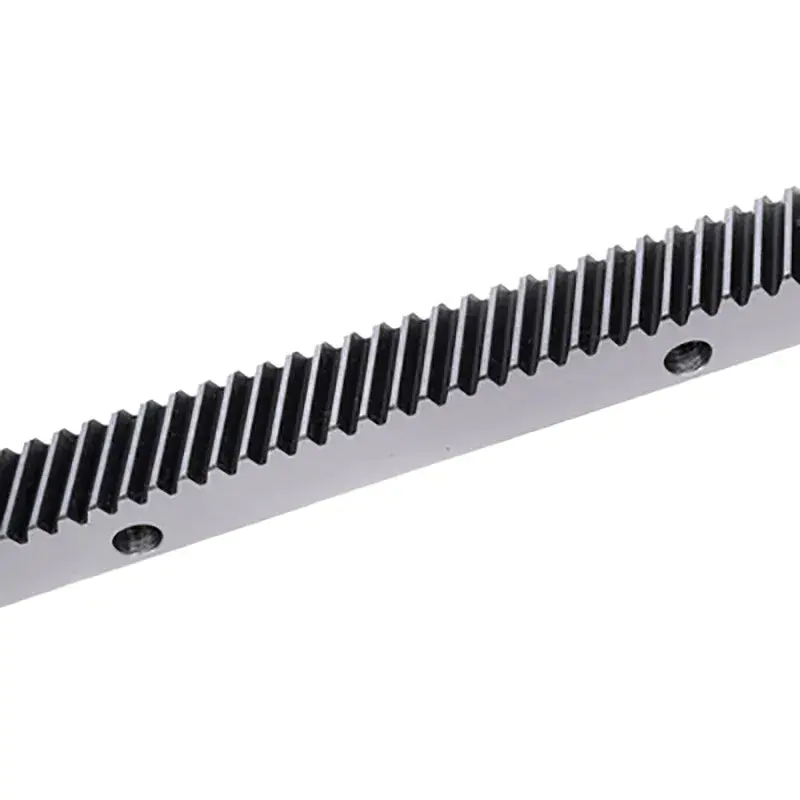
The key difference with helical design is how the teeth engage. Instead of “hitting” each other all at once, they come into contact gradually. In real use, that usually means smoother running, less vibration, and a more stable feel during lifting. For most lift applications, that kind of behavior is exactly what engineers care about.
Simple production process overview
The manufacturing process isn't complicated, but it does rely on control at every step. It starts with choosing the right steel or alloy based on how much load the system needs to handle. Then the helical teeth are machined using CNC or precision milling to keep the angle and spacing consistent along the full length.
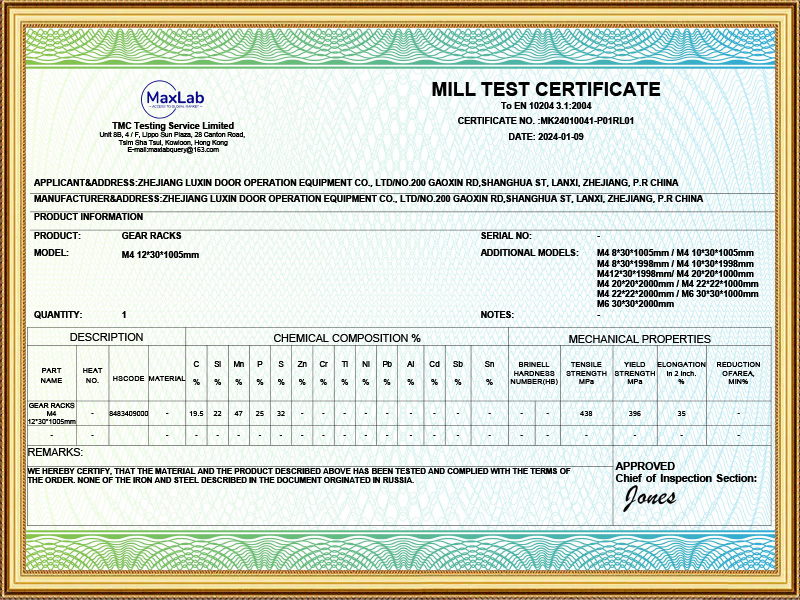
After machining, heat treatment is applied to improve strength and wear resistance, since lift systems tend to run through repeated cycles every day. Some versions also get surface protection treatment, especially if they're used in environments with moisture or long-term exposure. Before packing, each Helical Gear Rack and Pinion goes through basic checks like straightness, tooth accuracy, and fit. Nothing overly complicated—just making sure everything works the way it should.
Common applications in lift systems
You'll see this kind of gear rack in a lot of lift-related setups. Warehouse lifting platforms, factory material handling systems, maintenance lifts, and automated storage systems are all pretty common use cases. Basically, anywhere you need controlled vertical movement without jerky motion, this system fits in well.
It also appears in stage lifting equipment, positioning systems, and some testing machines. The idea is always the same: stable movement, predictable control, and reliable operation over time.
Buyer concerns in procurement
When people buy a Helical Gear Rack and Pinion, they usually think beyond just the price tag. Sure, cost matters—especially for bulk orders—but what really gets attention is how the part performs after installation. In lift systems, nobody wants unexpected downtime, so durability becomes a bigger deal than saving a small amount upfront.
Heat resistance, load capacity, and surface treatment are often part of the conversation. Shipping is another practical point too—these racks are long, so packaging has to be solid enough to avoid bending or damage in transit. And of course, customization comes up a lot: different lengths, module sizes, mounting hole layouts, or even special finishes depending on the project.
Wholesale supply and OEM/ODM customization options
For distributors, importers, and equipment builders, standard Helical Gear Rack and Pinion products are usually the easiest way to keep inventory moving. They cover most common specifications and help reduce waiting time for replacement parts.
At the same time, OEM and ODM requests are pretty normal in this field. Some buyers need custom lengths, different tooth modules, special mounting designs, or surface treatment based on their own system structure. Branding is also available—logo marking and packaging customization are often requested for local market use.
In long-term supply relationships, consistency really matters. When every batch stays stable, installation becomes easier, and customers don't have to keep adjusting their systems every time they restock.

 English
 русский
 Español