
 English
 русский
 Español
No. 200 Gaoxin RD, Shanghua St, Lanxi, Zhejiang, P. R China
The Stainless Steel Rack Pinion Gear for Sliding Motors is a high-prec...
See Details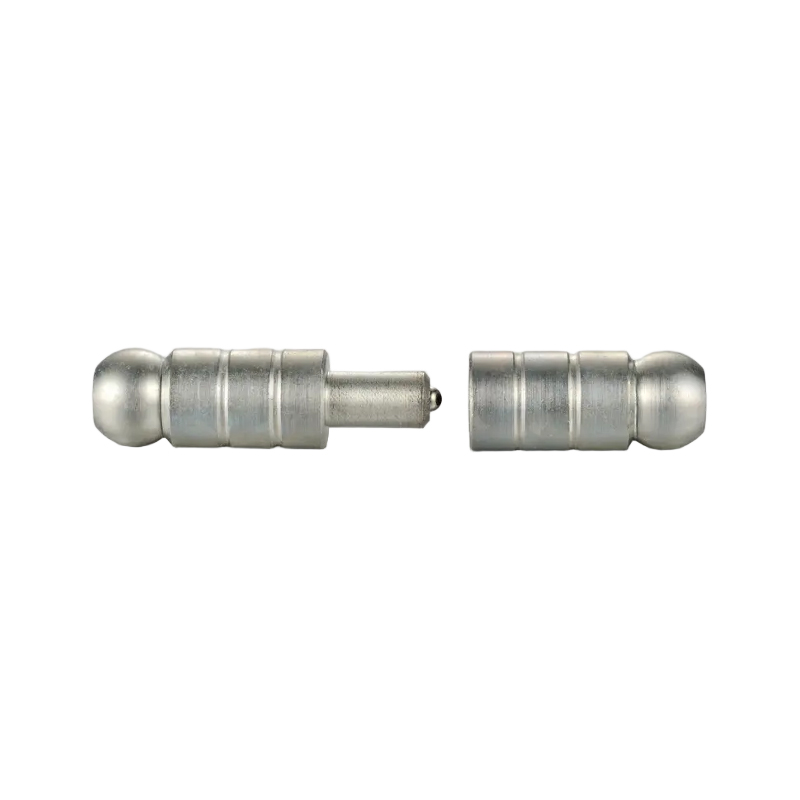
When dealing with large metal or wooden gates, small hardware decisions can make a noticeable difference over time. Gate Hinges For Heavy Gates are designed to support substantial weight while allowing smooth and controlled movement. Unlike standard hinges used on light garden gates, these components are built to handle daily stress, environmental exposure, and frequent opening cycles. Understanding how they work and what to look for can help avoid sagging, misalignment, or early wear.
Heavy gates place continuous pressure on hinge points. Over time, this load can cause ordinary hinges to bend, loosen, or fail. That is why Gate Hinges For Heavy Gates are engineered with thicker materials, reinforced pins, and stronger mounting structures. They are commonly used in industrial yards, agricultural fencing, warehouses, and large residential entrances where stability matters.
These hinges are not only about strength. They also help maintain proper alignment, which keeps gates closing evenly and reduces friction between moving parts. Without the right hinge design, even a well-built gate can become difficult to operate.
Material choice plays a major role in durability. Steel hinges are widely used for their load-bearing ability, while stainless steel versions offer added resistance to moisture and corrosion. In outdoor environments, protective coatings such as galvanization or powder finishing are often applied.
The structure of Gate Hinges For Heavy Gates usually includes a solid pin or adjustable mechanism. Adjustable models allow installers to fine-tune gate positioning after installation, which can be helpful when ground conditions shift slightly over time. Weld-on and bolt-on styles are both common, depending on gate frame construction and installation preferences.
Proper installation is just as important as hinge selection. Weight distribution should be balanced across multiple hinges, especially for tall or wide gates. In many cases, three hinges are used instead of two to reduce stress on individual points.
Mounting surfaces must be stable and reinforced. Even strong Gate Hinges For Heavy Gates may not perform as intended if attached to weak posts or frames. Accurate alignment during installation also helps reduce long-term wear and keeps movement consistent.
Although heavy-duty hinges are built for demanding use, regular inspection is still helpful. Dust, rust, and debris can affect movement over time. Occasional lubrication helps maintain smooth rotation and reduces metal-on-metal contact.
Checking fasteners and weld points ensures everything stays secure. With basic care, Gate Hinges For Heavy Gates can continue performing reliably for many years in both commercial and residential settings.
Different environments call for different hinge solutions. Agricultural gates may prioritize strength and weather resistance, while industrial sites may focus on load capacity and security integration. Understanding the daily use conditions helps narrow down hinge choices and supports stable gate operation without unnecessary adjustments.
Choosing the right hinge setup is less about complexity and more about matching structure, material, and installation method to the gate’s actual demands.
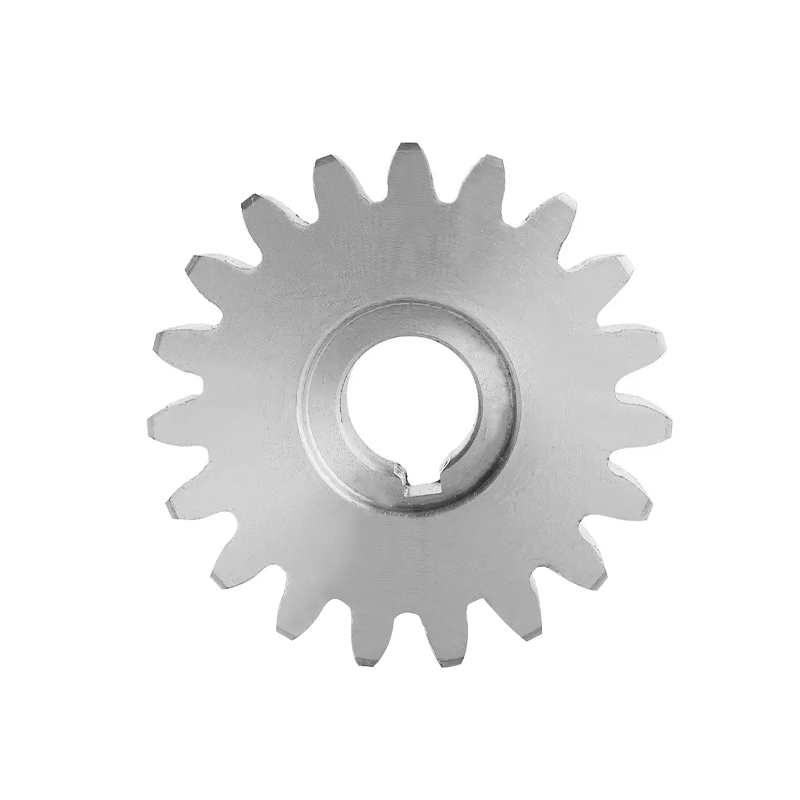
The Stainless Steel Rack Pinion Gear for Sliding Motors is a high-prec...
See Details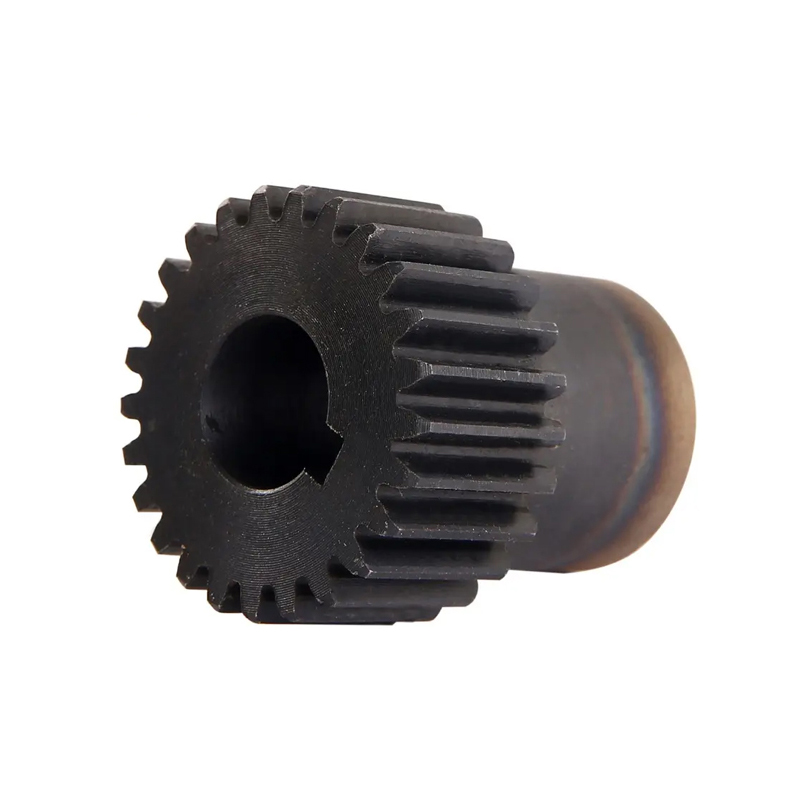
Product IntroductionThe Black Rust-Proof Straight Teeth Rack Pinion Ge...
See Details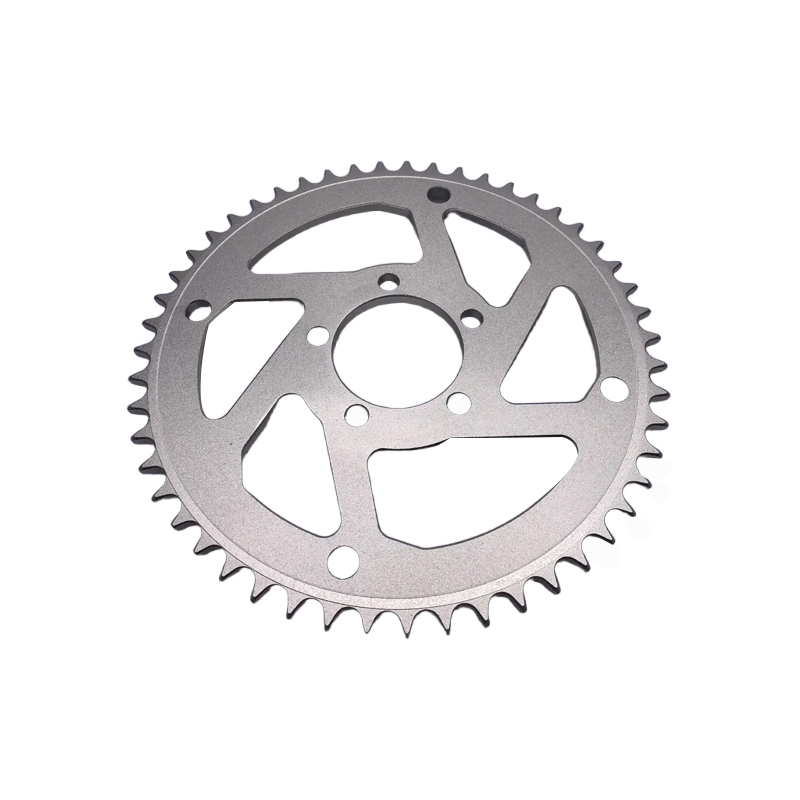
The sprocket drive wheel rack pinion gear is a critical component in v...
See Details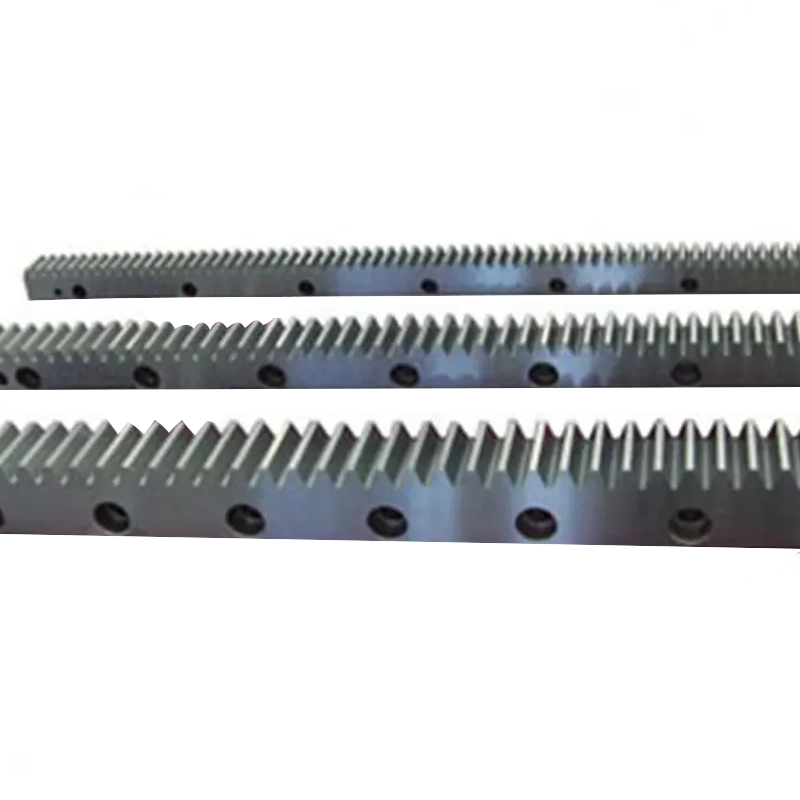
The Spiral Cone Various Specifications Helical Gear Rack is a type of ...
See Details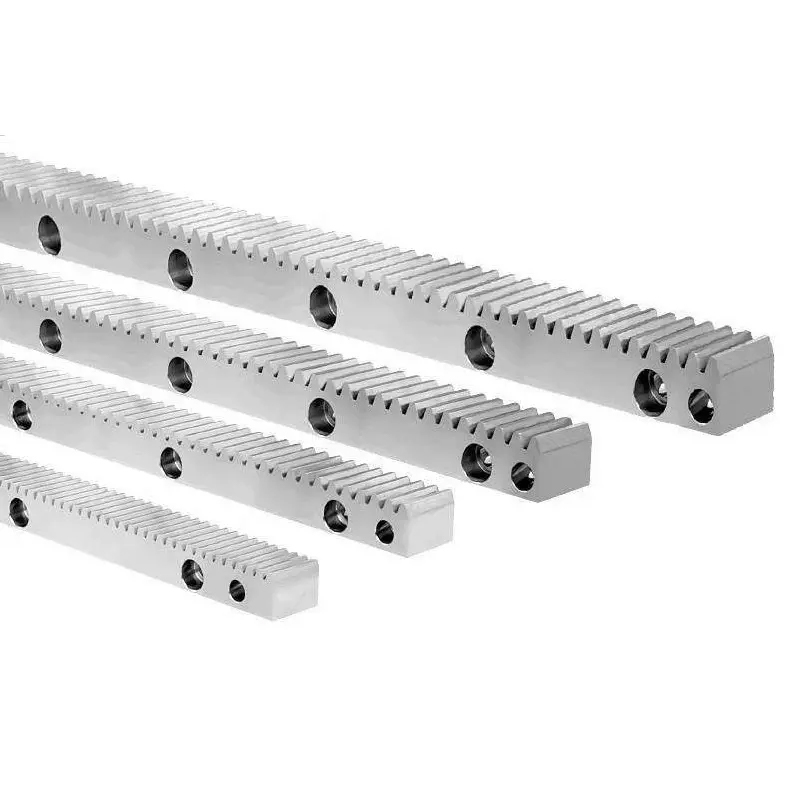
New Durable Custom Helical Gear Rack is a mechanical transmission ...
See Details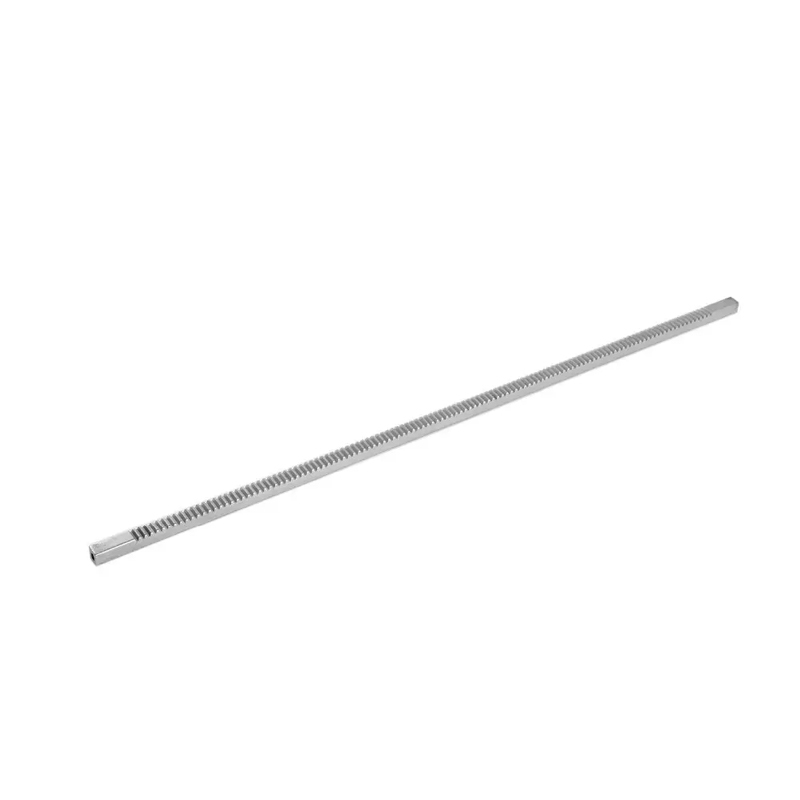
Industrial Wear-Resistant Straight Gear Rack is a linear transmission ...
See Details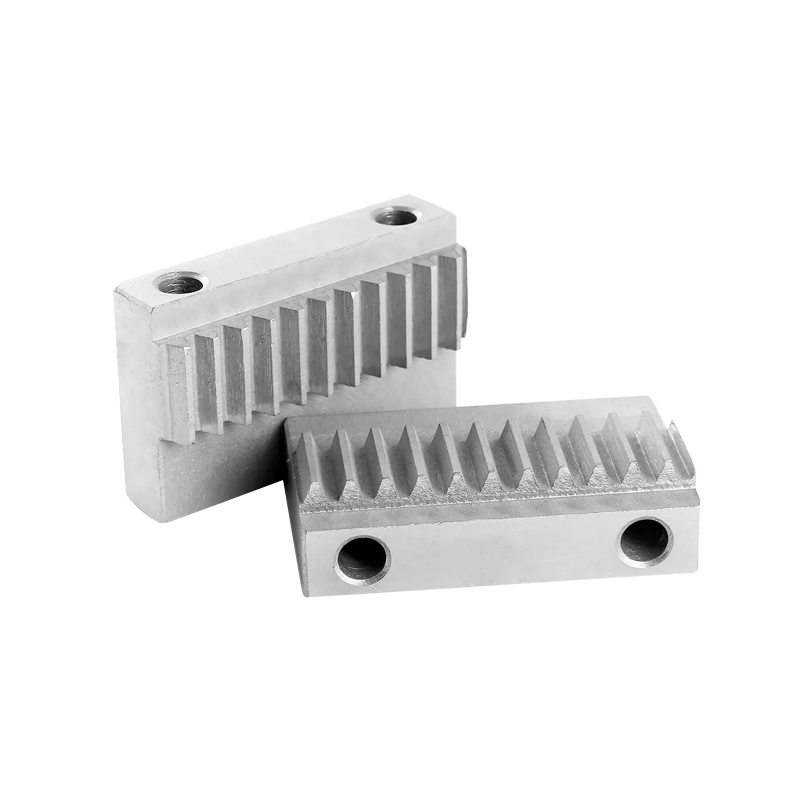
In industrial settings, the performance and longevity of mechanical co...
See Details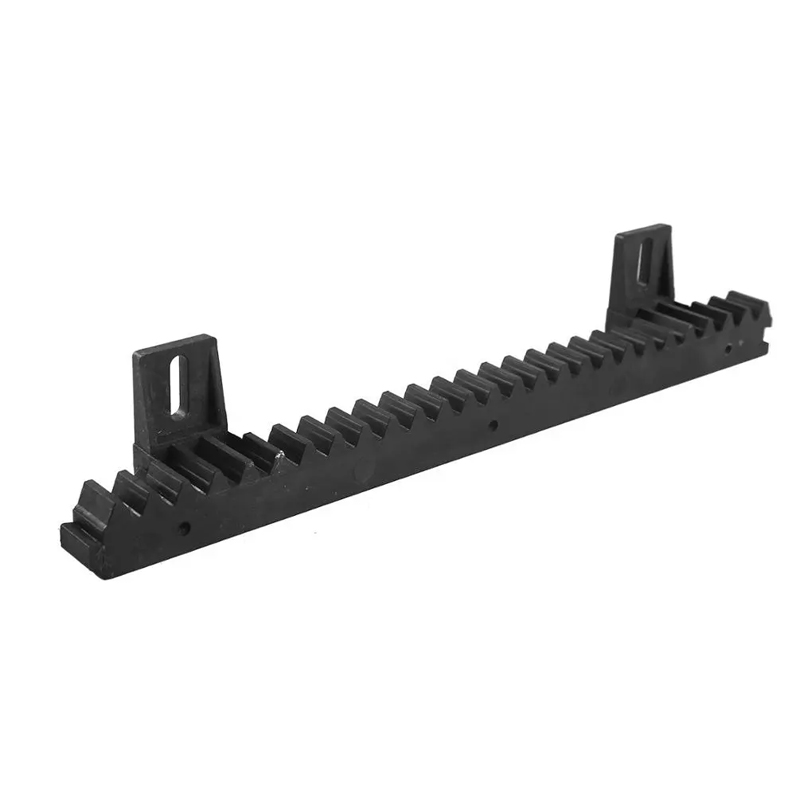
The Two-Hole Track Sliding Door Nylon Gear Rack is a mechanical compon...
See Details
