What it actually is
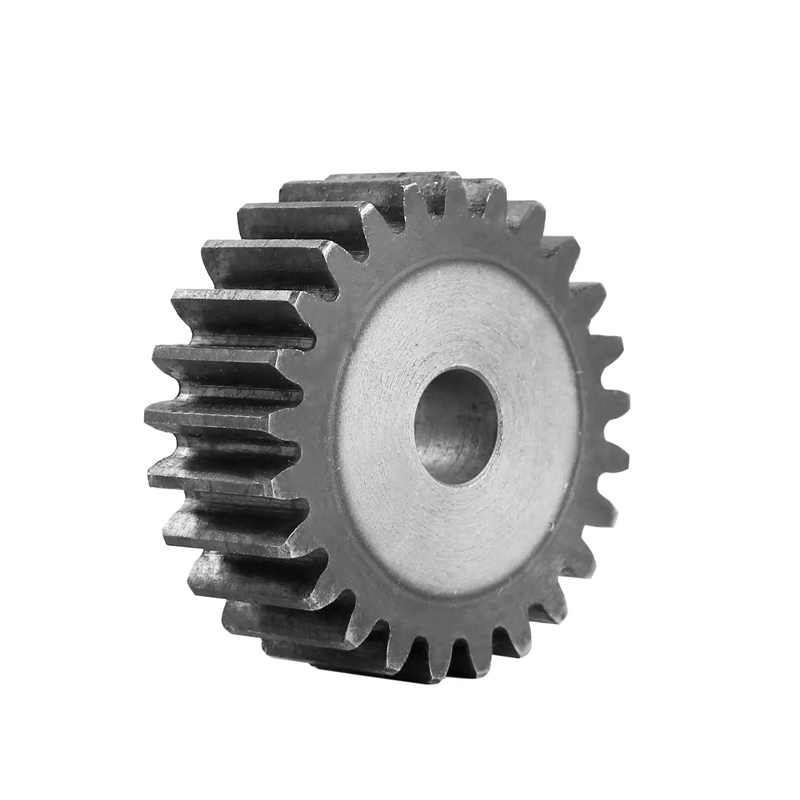
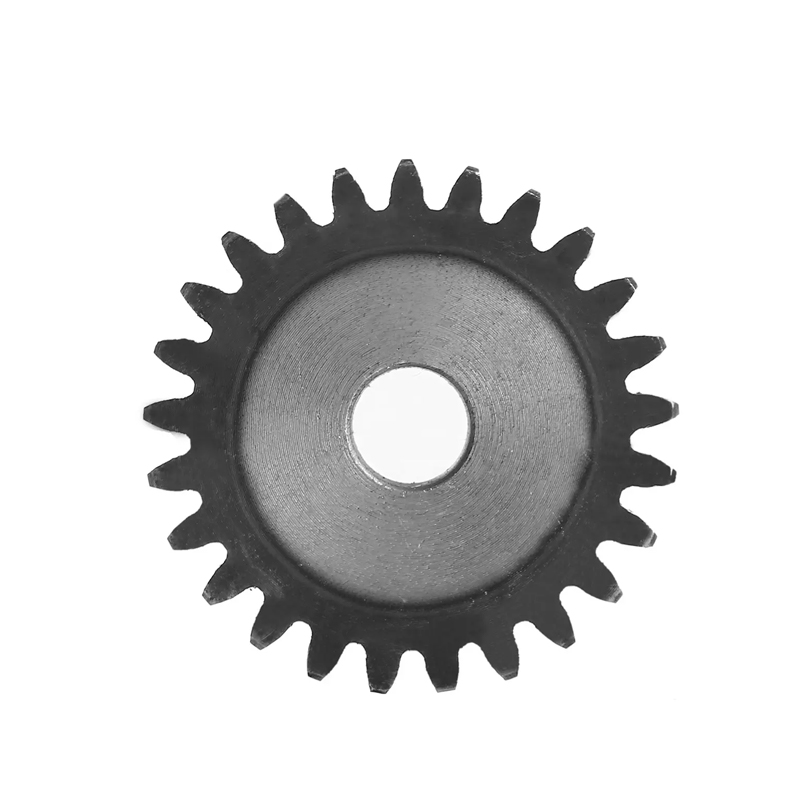
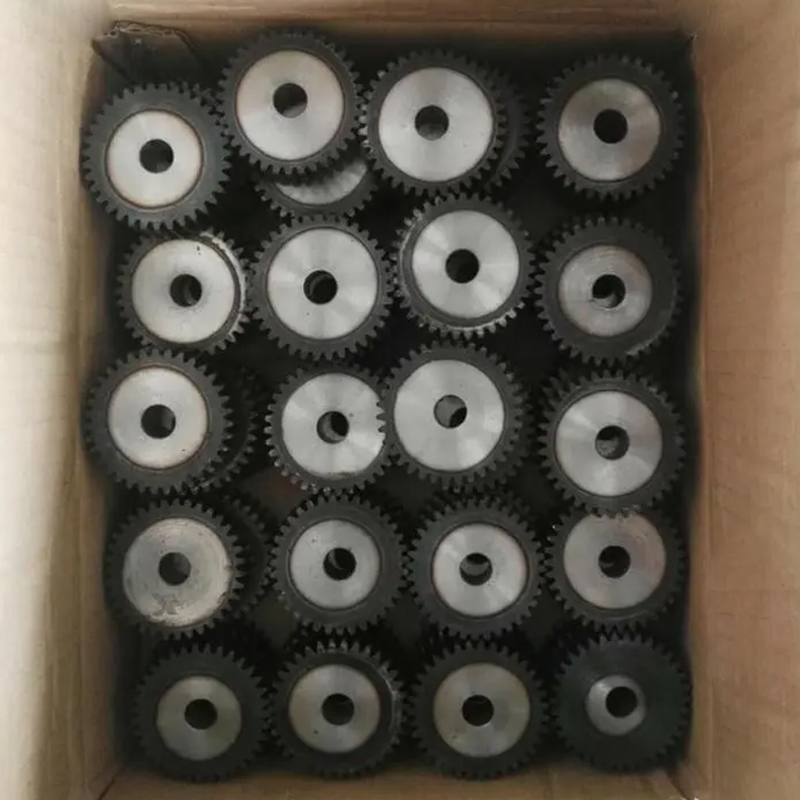
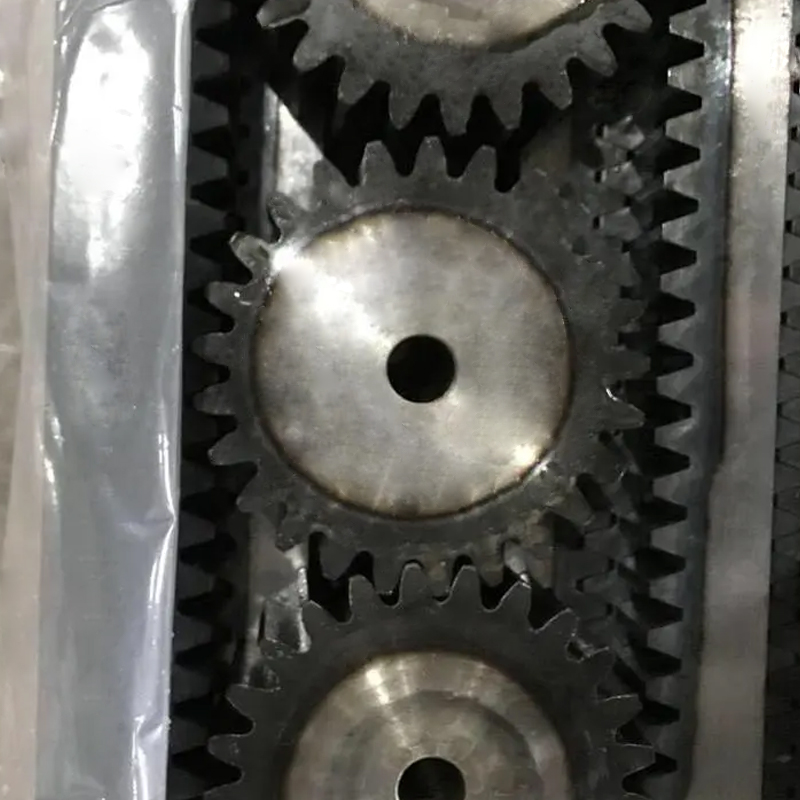
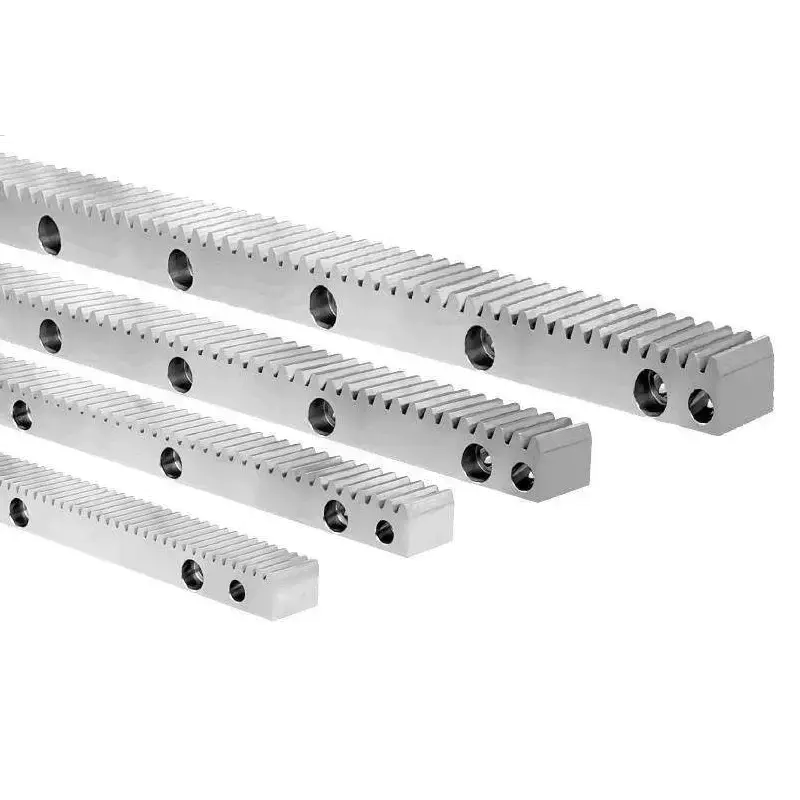
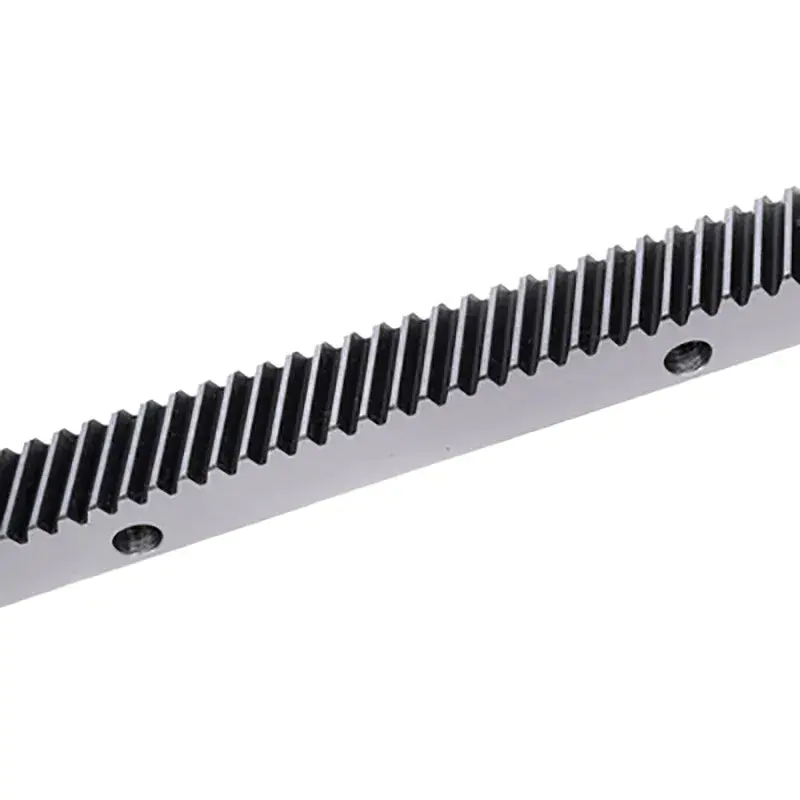
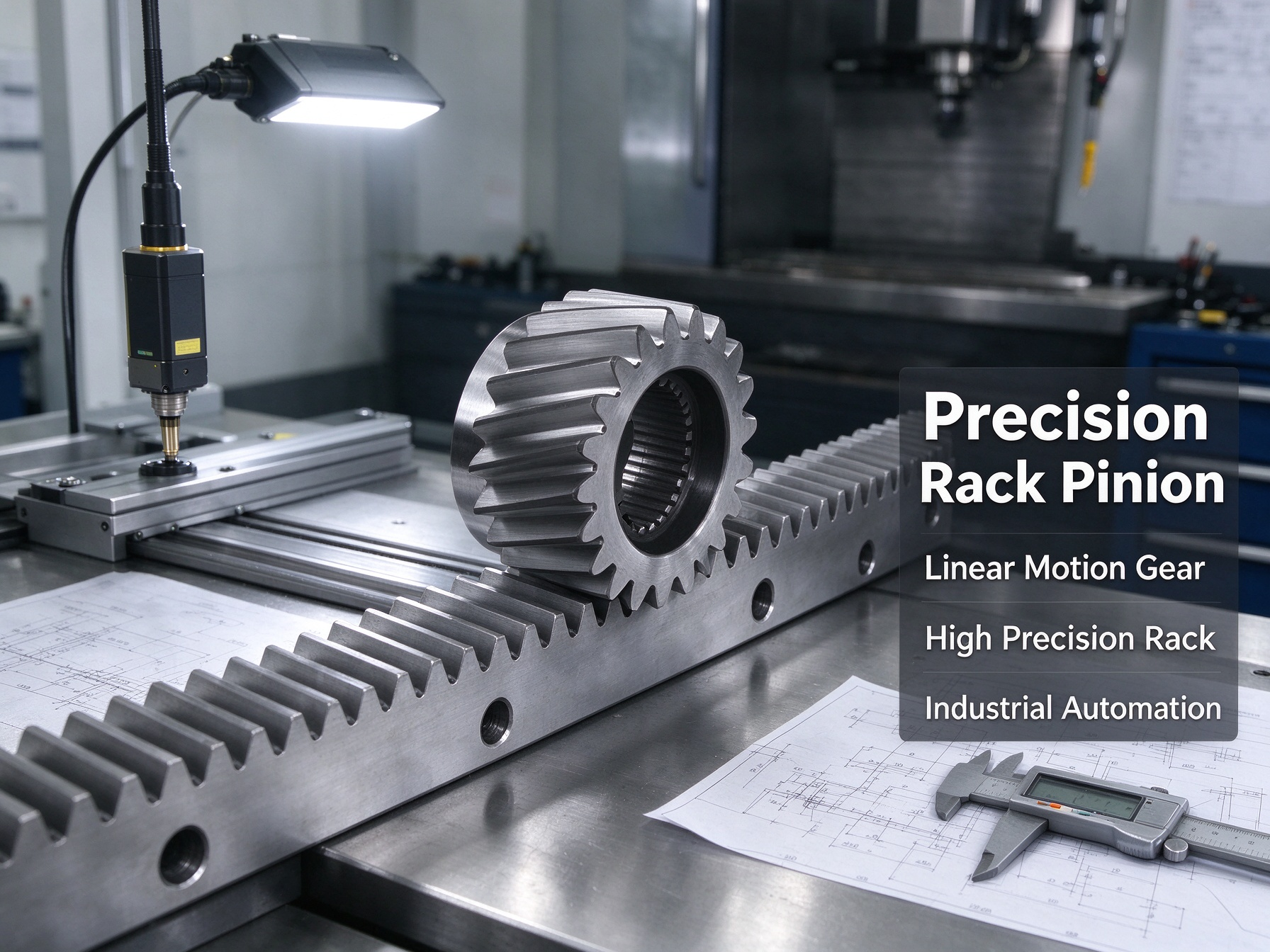
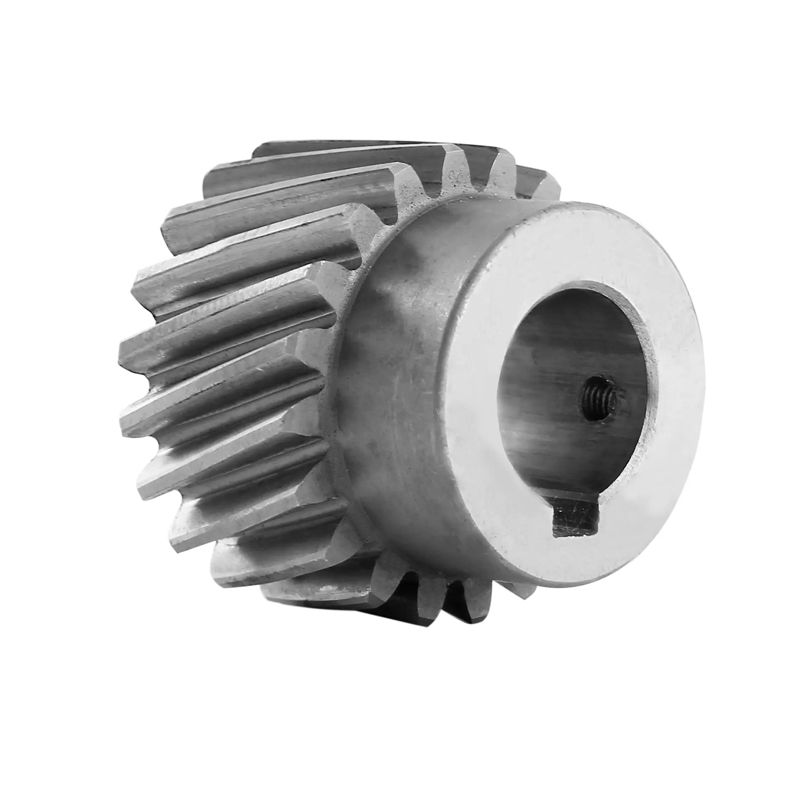
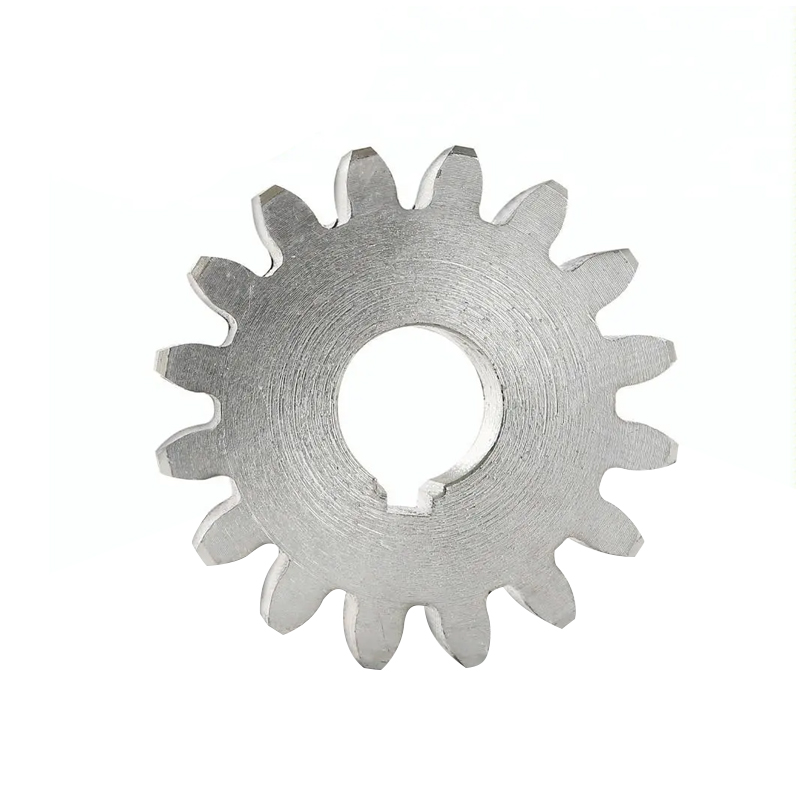
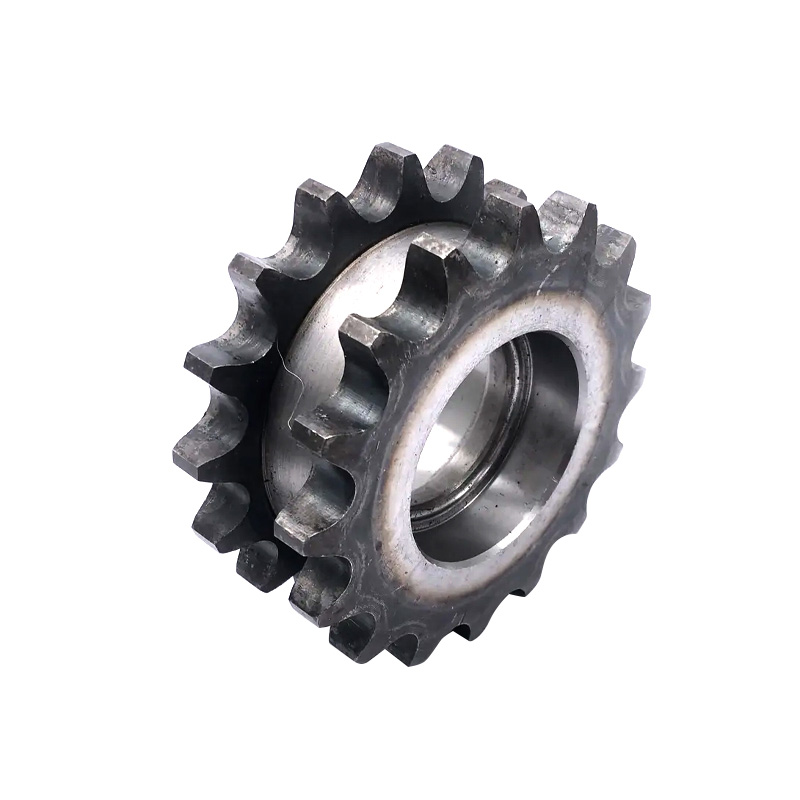
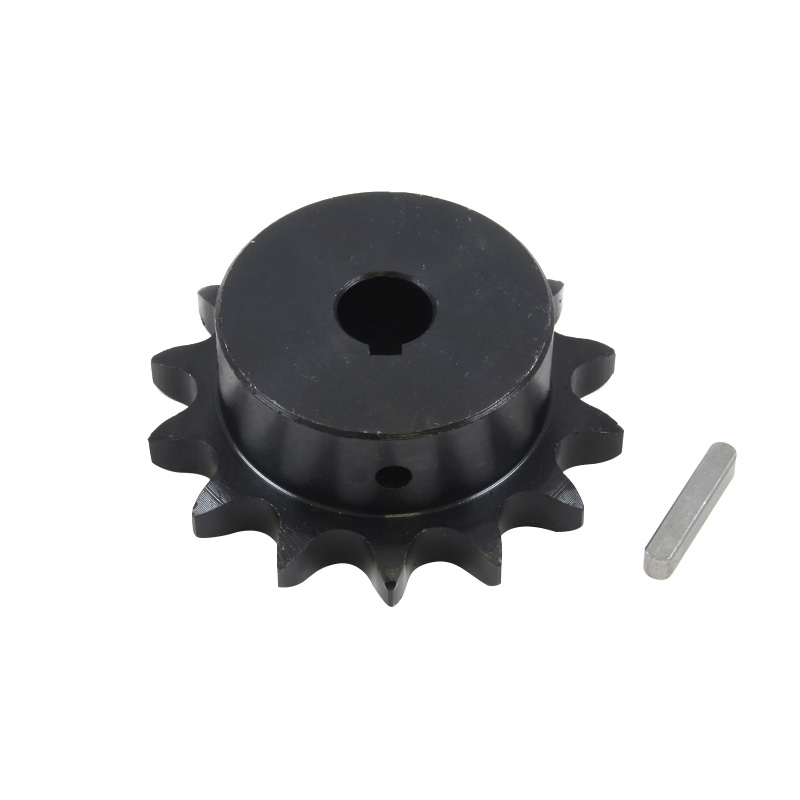
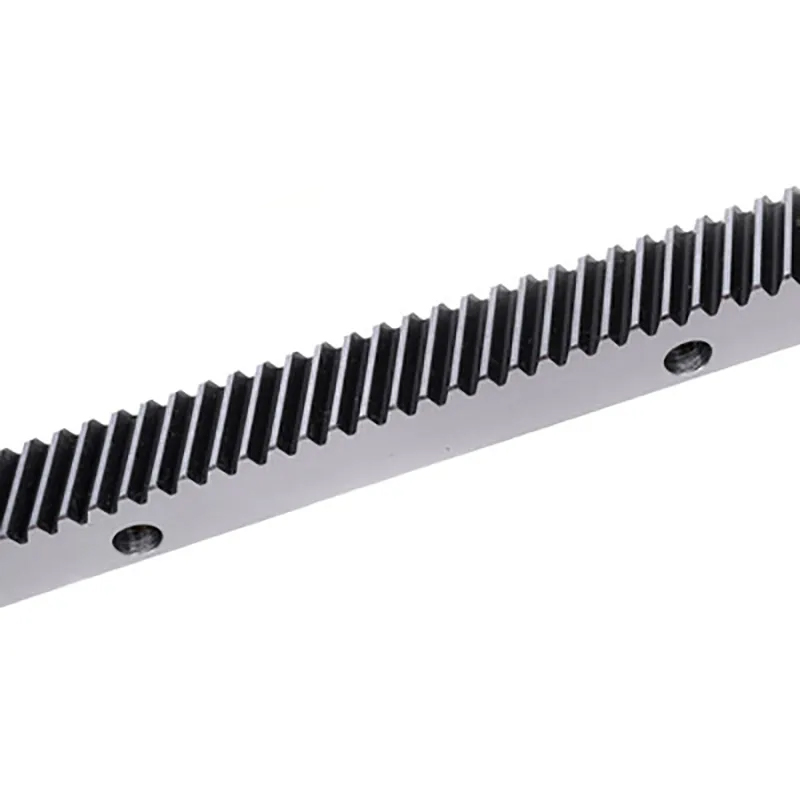
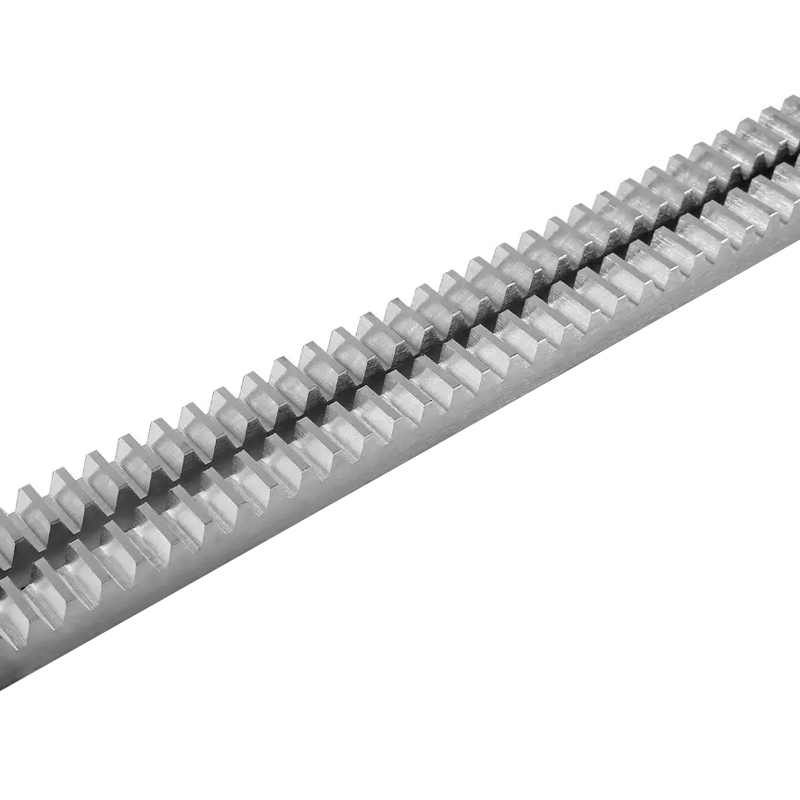
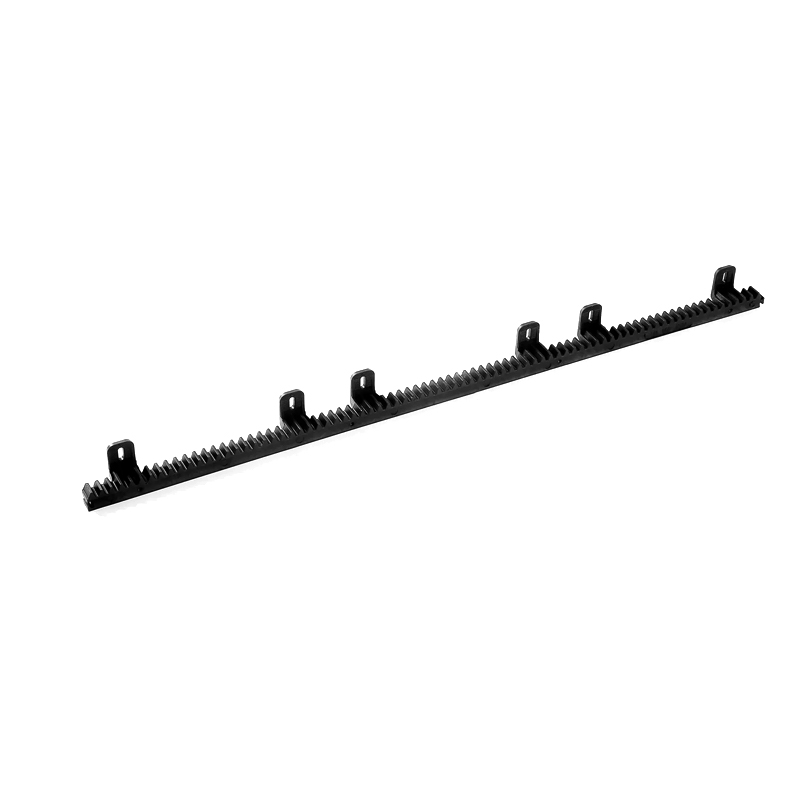
A surface heat treatment rack and pinion gear is a basic mechanical transmission set made up of a straight rack and a round pinion. When they mesh together, rotary motion is converted into linear movement in a fairly direct and stable way. In a Rack and Pinion Machine, this is one of those parts that doesn't look complicated, but it quietly determines how smooth the motion feels in real operation. The surface heat treatment part simply means the tooth surface is hardened to improve wear resistance, while the inner core keeps enough toughness so the gear doesn't become brittle under load. Most buyers choose this type for one simple reason—it keeps working steadily over time without needing frequent replacement.
Materials behind the product
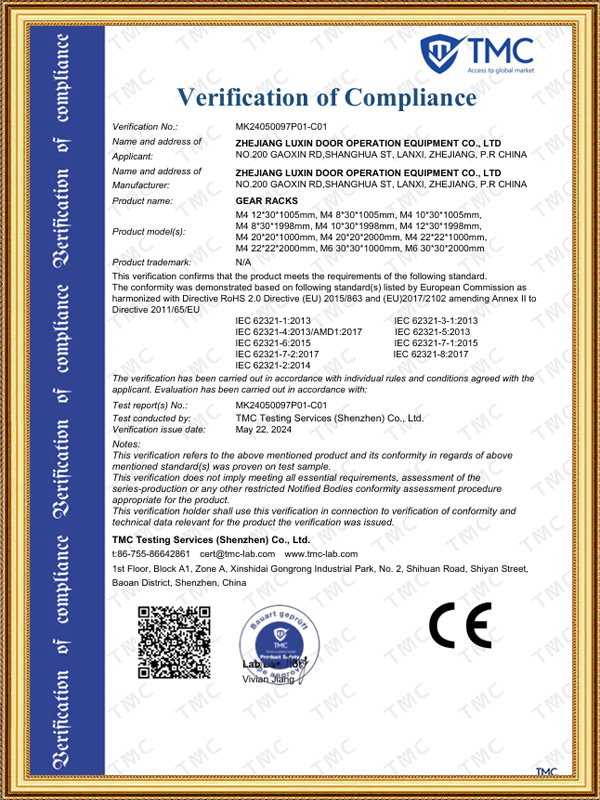
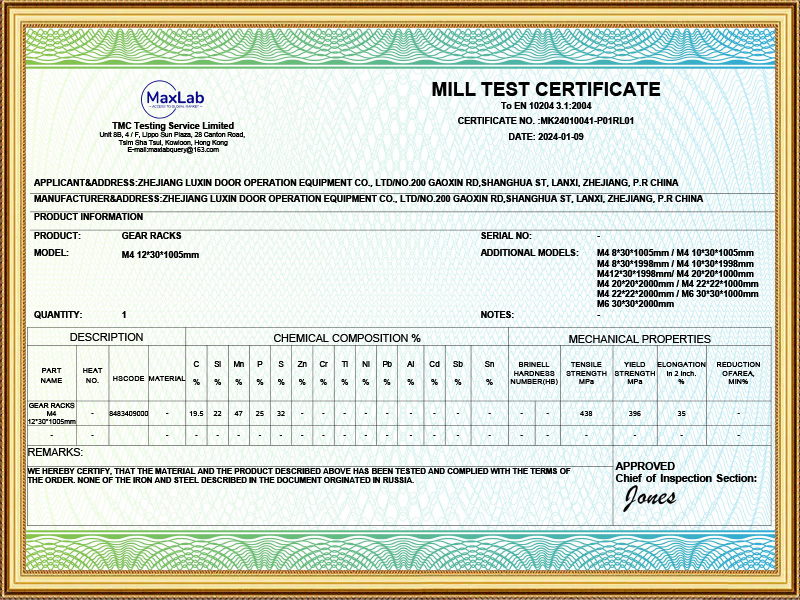
Most rack and pinion gears of this type are made from carbon steel or alloy steel, mainly because these materials are easy to machine and respond well to heat treatment. In real sourcing work, buyers usually care less about “fancy” material names and more about whether the steel is stable and consistent from batch to batch. If the material quality shifts even slightly between orders, it can lead to differences in hardness or tooth behavior after installation, which becomes a problem in long-term use. That's why many importers prefer suppliers who can keep material sourcing steady and provide basic traceability when needed.
How it's made
The production process usually starts with cutting steel into blanks, followed by machining the teeth according to the required module and size. This step basically defines how well the rack and pinion will engage later, so accuracy matters quite a bit. After machining, the parts go through surface heat treatment, most commonly induction hardening, which strengthens the working surface while keeping the core relatively tough. This is especially important for High Performance Rack and Pinion applications, where both wear resistance and structural stability are needed. Once that's done, the parts are cleaned, checked, and adjusted if necessary before final packing and shipment.
Where you'll actually see it used
You'll find this gear setup in a wide range of industrial equipment, including automation systems, lifting devices, packaging machines, machine tools, and other systems that require controlled linear movement. In real operation, it helps transfer force smoothly and keeps movement consistent over long working cycles. In a Rack and Pinion Machine, for example, it often runs for hours every day, so reliability matters more than anything else. That's why this type of gear is commonly used in equipment where downtime is expensive or maintenance access is limited.
What buyers usually pay attention to
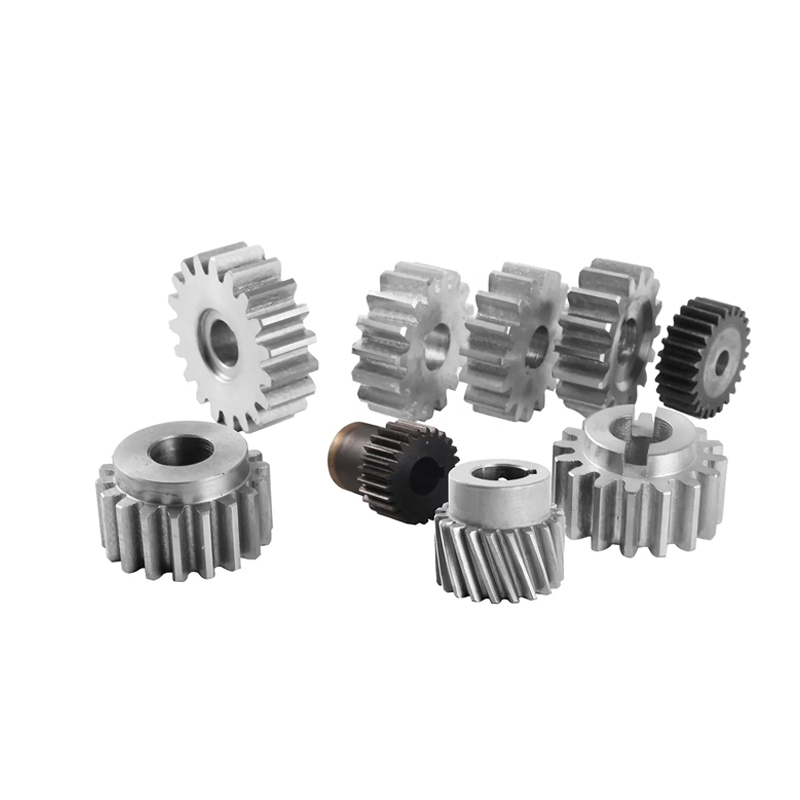
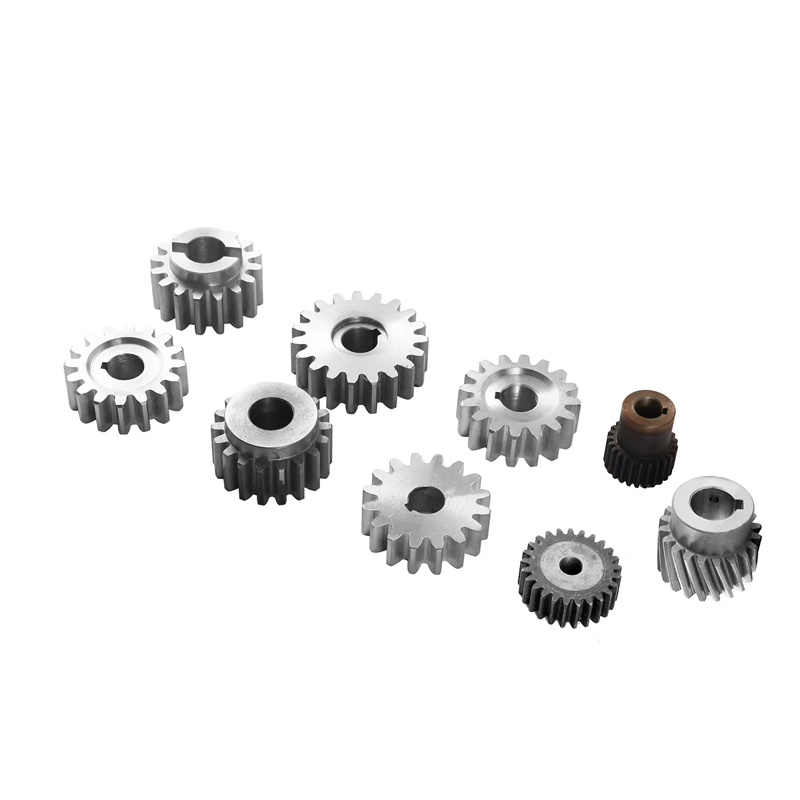
When purchasing this kind of gear, buyers usually focus on very practical points rather than specifications alone. Service life versus cost is always the first consideration, because a slightly better heat treatment can often reduce replacement frequency and overall maintenance effort. Consistency is another big one—if dimensions, hardness, or tooth quality vary between batches, it can cause installation issues or uneven wear. For export orders, packaging also matters more than people expect, since rust protection and transport safety directly affect how the product arrives. On top of that, customization is quite common, whether it's rack length, module, mounting design, hardness level, or even OEM branding and neutral packaging for distributors.
Supply and customization options
For wholesale orders, the main expectation is stable repeatability—buyers want to reorder months later and still get the same fit and performance without surprises. For custom projects, the process usually starts with drawings or samples, and then details like size, module, heat treatment depth, and surface finish can be adjusted accordingly. OEM and ODM services are also widely used, especially by distributors who need private labeling or packaging. In the end, most buyers are not looking for anything complicated—they just want a rack and pinion set that fits properly, runs smoothly, and can be supplied again without changing the baseline quality.

 English
 русский
 Español