
 English
 русский
 Español
No. 200 Gaoxin RD, Shanghua St, Lanxi, Zhejiang, P. R China
The High Precision Straight Teeth Rack Pinion Gear is a critical compo...
See DetailsHeavy gates are hard on their hinges. Every swing puts the hinge under load, and friction, vibration, and movement all add up. Outdoors, rain, dust, and temperature swings make things worse. For manufacturers, contractors, hardware distributors—bearing design isn't a small detail. Get it right and the gate moves smoothly for years. Get it wrong and you're dealing with stiff operation, noise, and callbacks.
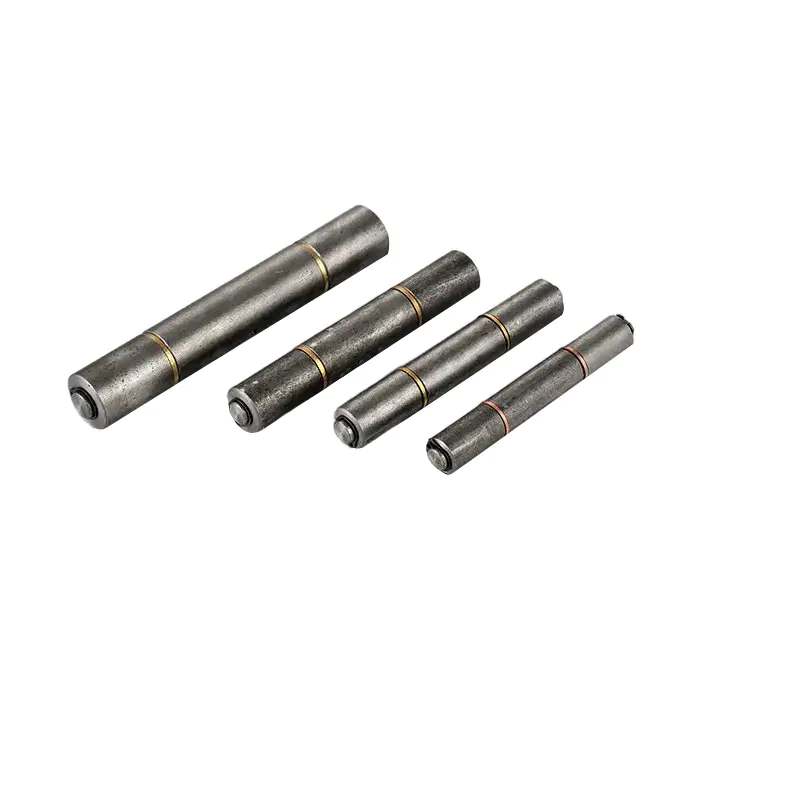
Why Bearing Design Matters for Heavy-Duty Gate Hinges
A gate hinge has to carry the gate's weight while letting it rotate without fighting back. If bearing surfaces rub directly against each other, friction and wear build up. Eventually the gate gets stiff, noisy, or moves unevenly.
Bearing components spread the load and reduce contact friction. When comparing Heavy-Duty Gate Hinges, three factors matter:
Gate size matters too. A wide gate puts extra leverage on its hinges, so the design needs to account for more than vertical weight alone.
Compare Common Bearing Designs Used in Heavy-Duty Gate Hinges
Different bearing structures suit different conditions. Three common options: plain bearings, ball bearings, and thrust bearings.
Plain Bearing Hinges for Simple and Robust Applications
Plain bearings rely on sliding contact between two surfaces. Simpler structure, fewer moving parts than rolling designs. That makes them useful where easy maintenance and straightforward construction matter.
Bearing material makes a big difference. Bronze, engineering polymers, other wear-resistant materials help reduce friction and surface damage.
Plain bearing hinges handle many general gate applications. But heavy loads, poor alignment, or insufficient lubrication can speed up wear.
Ball Bearing Hinges for Reduced Rotational Friction
Ball bearings use small hardened balls between rotating surfaces. Instead of sliding contact, they roll, which cuts friction.
This design gives smoother operation, especially on gates that open and close often. Still, check the bearing's load rating, manufacturing quality, and sealing arrangement.
Outdoor exposure is a concern. Dust and moisture get into poorly protected assemblies and hurt performance. Suitable seals and regular inspection help prevent early damage.
Thrust Bearing Designs for Vertical Load Support
Thrust bearings carry loads along the rotational axis. In gate hinges, they help support the vertical force from the gate's weight.
Some heavy-duty hinges combine thrust bearings with radial support components. That lets the assembly handle vertical loads while controlling sideways movement.
Alignment is critical here. If bearing surfaces don't sit correctly, pressure becomes uneven and service life drops.
Compare Bearing Designs by Performance and Application
| Bearing design | Main advantage | Important consideration | Typical application |
|---|---|---|---|
| Plain bearing | Simple structure and easy maintenance | Needs suitable materials and lubrication | General heavy gates |
| Ball bearing | Smooth rotational movement | Requires protection from dirt and moisture | Frequently operated gates |
| Thrust bearing | Handles axial loads | Must match the vertical load | Heavy vertical gate assemblies |
| Combined bearing system | Supports loads from different directions | More complex construction | Large industrial gates |
The choice depends on the gate, not the bearing type alone. Buyers should compare load ratings, operating frequency, maintenance needs, and site conditions.
Select Bearing Materials for Strength and Environmental Resistance
Bearing materials decide how a hinge handles friction, wear, and corrosion. Get the material wrong and no amount of good design will save you.
Hardened steel is the usual choice for rolling bearings—good strength, decent contact fatigue resistance. Stainless steel makes more sense in damp or corrosive settings, though grade and application still matter. Bronze shows up a lot in plain bearing surfaces because of its wear behavior. Engineering polymers are another route. They offer low-friction contact and can reduce how often you need to lubricate, at least in certain applications.
For outdoor gates, don't just look at the bearing. The whole hinge assembly counts. Housing materials, surface coatings, seals, fasteners, lubricants—they all play a role in how the product handles rain, dust, and temperature swings. A great bearing in a poorly protected housing still fails.
Check Load Capacity, Alignment, and Installation Accuracy
A strong bearing won't help if the hinge is undersized or installed wrong. That happens more often than you'd think.
Before picking a hinge, check:
Dividing gate weight by the number of hinges doesn't always give an accurate load estimate. Weight distribution varies, and hinges see extra forces during movement. A wide gate, for example, creates leverage that a simple division won't capture.
Installation alignment matters just as much. If hinges aren't positioned correctly, the bearing carries uneven pressure. That leads to binding, noise, and faster wear. Sometimes the hinge gets blamed for a problem that started with the installation.
Evaluate Maintenance and Quality Testing Before Bulk Purchasing
Before a large order, ask suppliers for test results and technical specs. Useful checks include load testing, rotational resistance, repeated operating cycles, corrosion resistance, and bearing surface inspection.
Maintenance requirements should be spelled out clearly. Some hinges need periodic lubrication. Others may need cleaning, seal inspection, or fastener checks. Know what you're signing up for before the gates go in.
Suppliers should provide material details, dimensional tolerances, load ratings, and relevant test reports. These documents make comparing products easier and help judge whether a hinge suits the project. If a supplier can't produce them, that tells you something too.
Choose Bearing Designs That Match Actual Gate Conditions
Plain bearings, ball bearings, and thrust bearings each serve different purposes. Plain bearings offer simple structure. Ball bearings reduce rotational friction. Thrust bearings support vertical loads. For larger gates, a combined design may work better.
When sourcing Heavy-Duty Gate Hinges, look at the complete assembly, not just the bearing. Gate weight, hinge spacing, material quality, installation conditions—all affect performance. A suitable design keeps gate movement smooth and reduces unnecessary wear over years of regular use. The right bearing in the wrong setup still fails, so match the design to the actual gate conditions rather than the catalog spec.
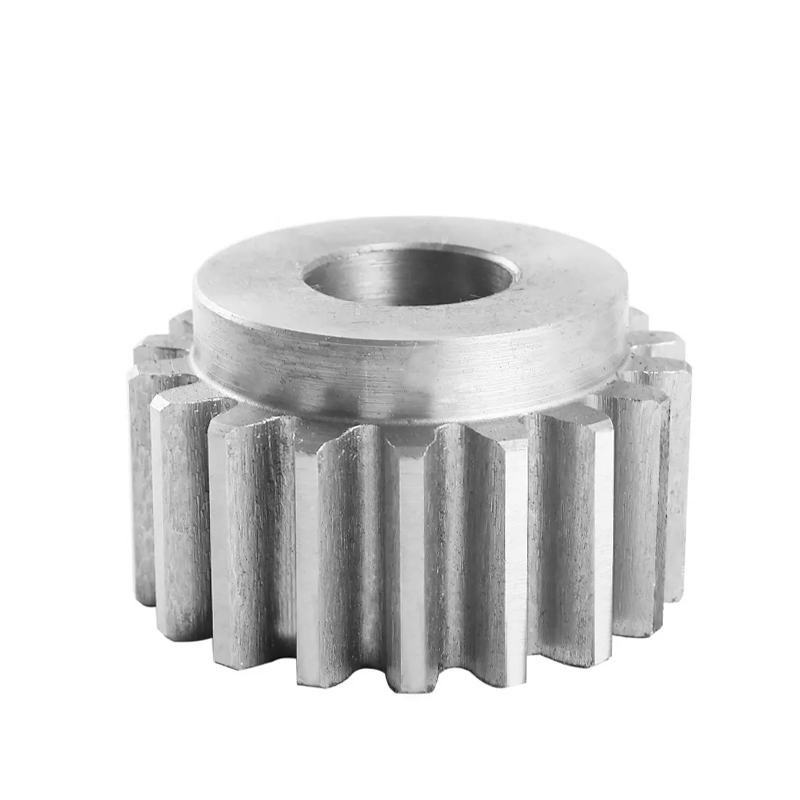
The High Precision Straight Teeth Rack Pinion Gear is a critical compo...
See Details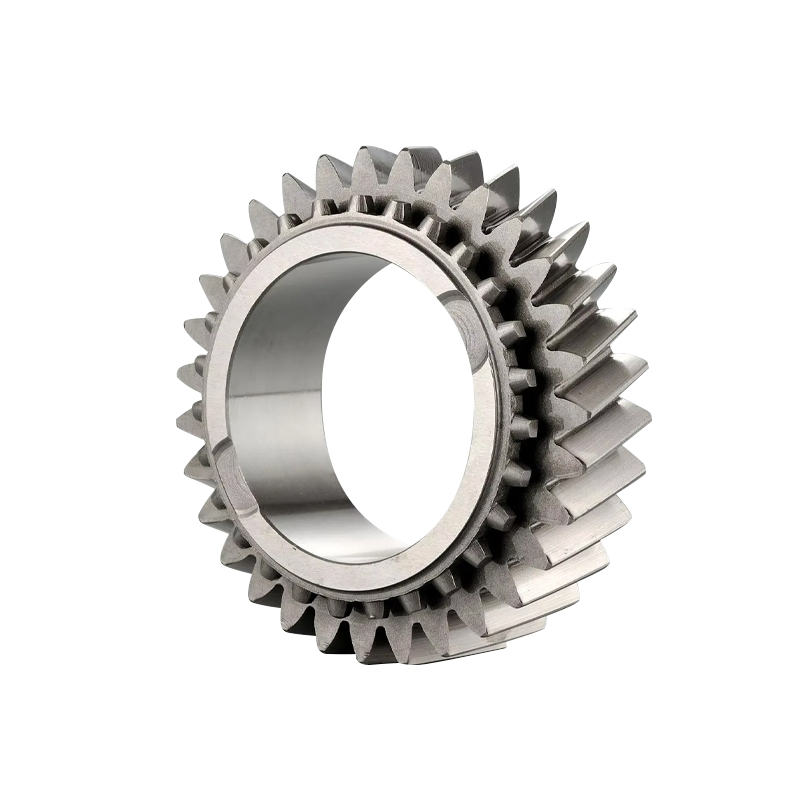
The Gearbox Transmission Rack Pinion Gear system is a critical mechani...
See Details
The Color Customization Sliding Door Steel Gear Rack is a highly funct...
See Details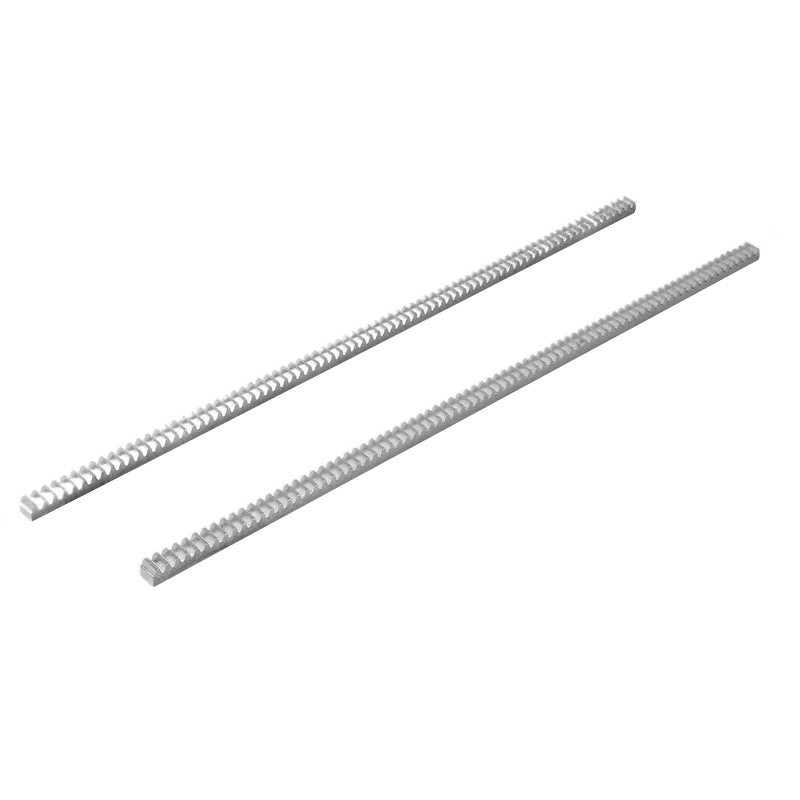
This stainless steel gear rack is the main hardware piece that makes s...
See Details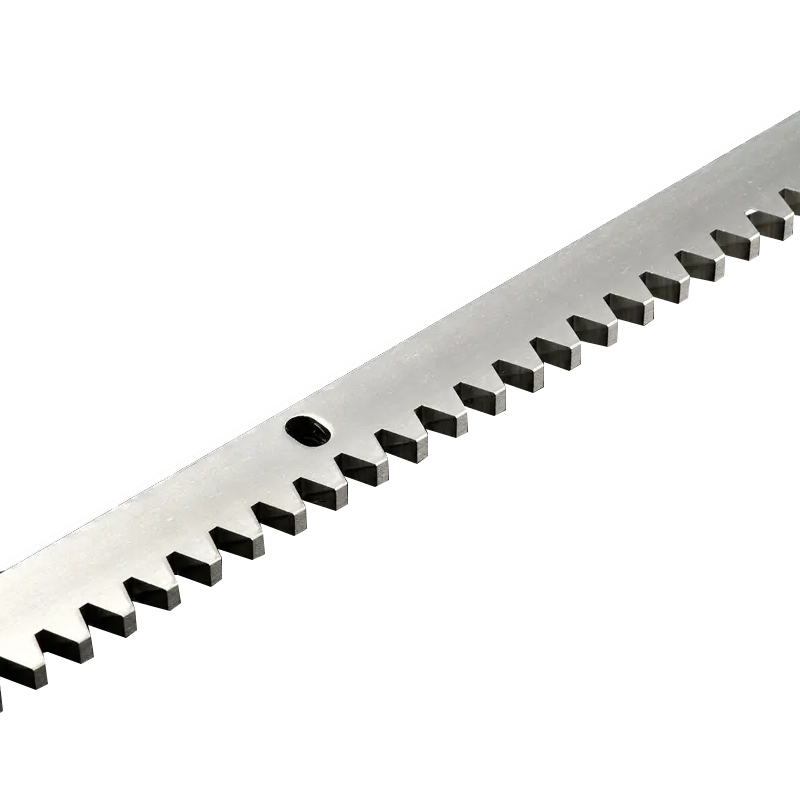
The Flexible Steel Parts Helical Gear Rack is a highly engineered comp...
See Details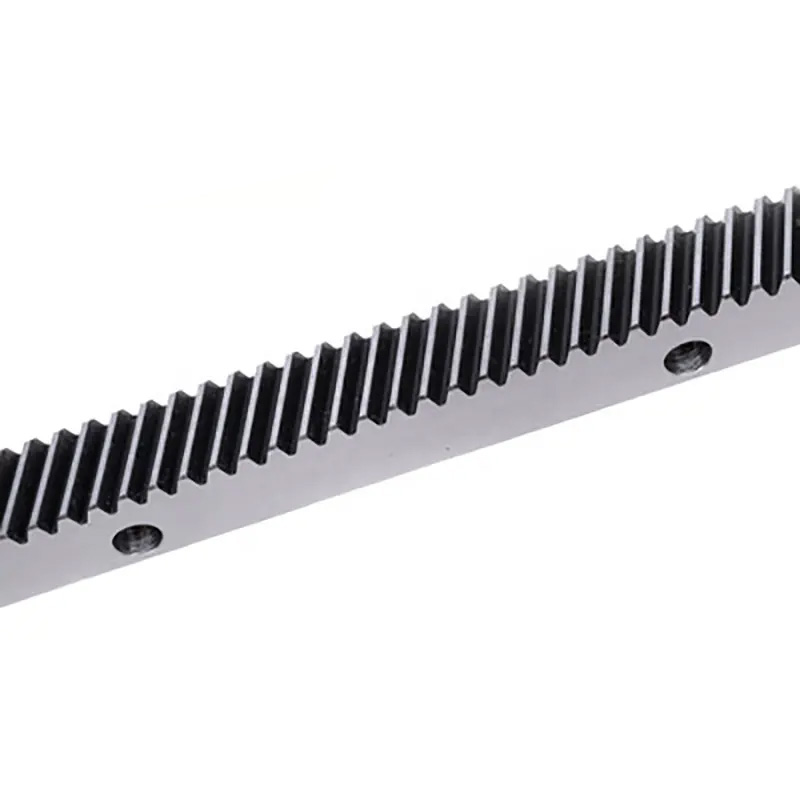
Industrial engraving transmission straight gear rack is a precision li...
See Details
Industrial Wear-Resistant Straight Gear Rack is a linear transmission ...
See Details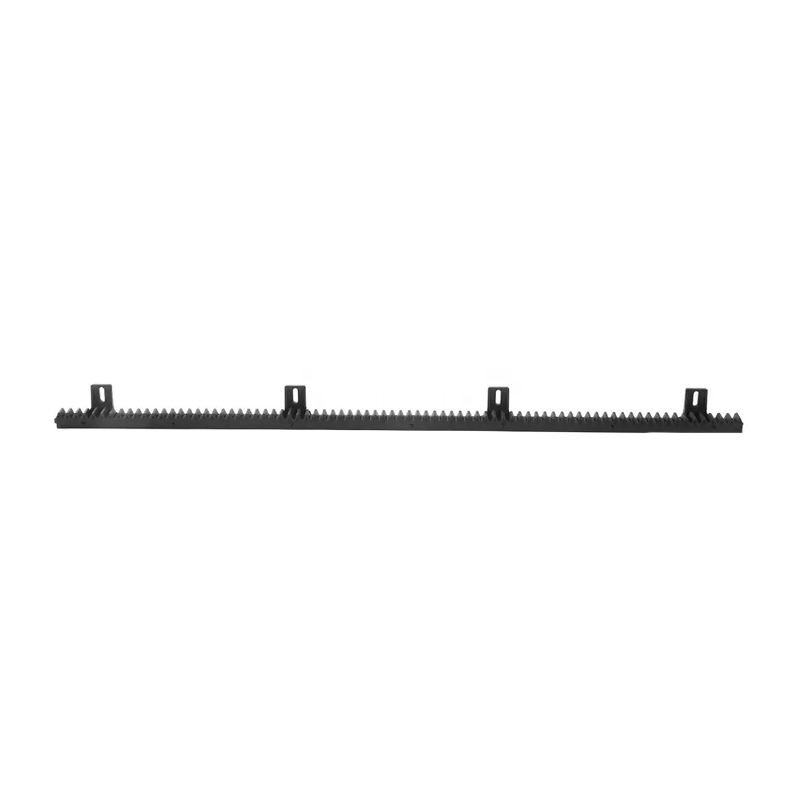
The Enhancement Sliding Door Nylon Gear Rack is designed for smooth, q...
See Details
