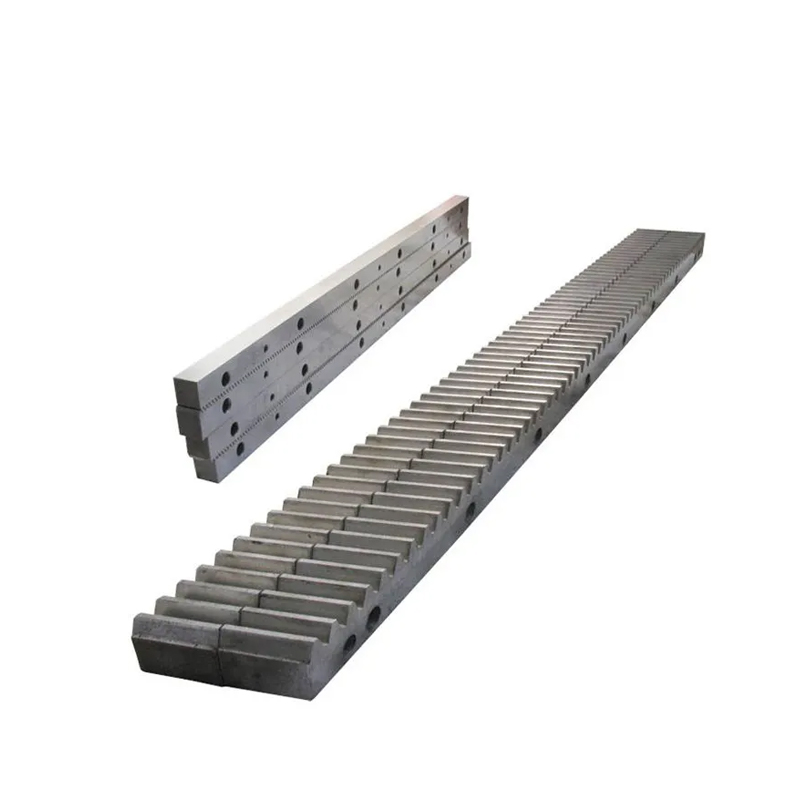
What it is
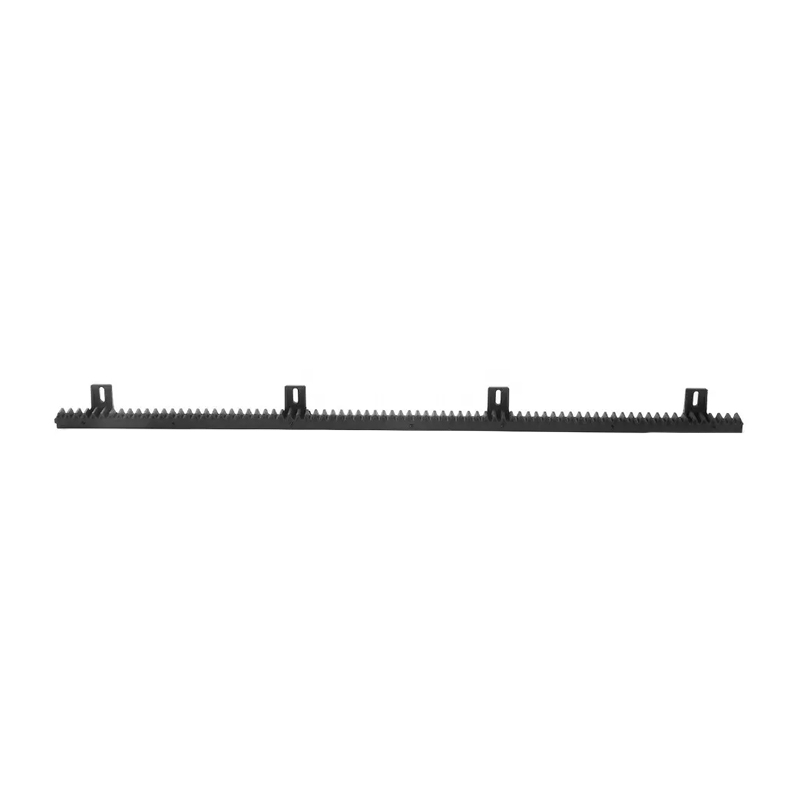
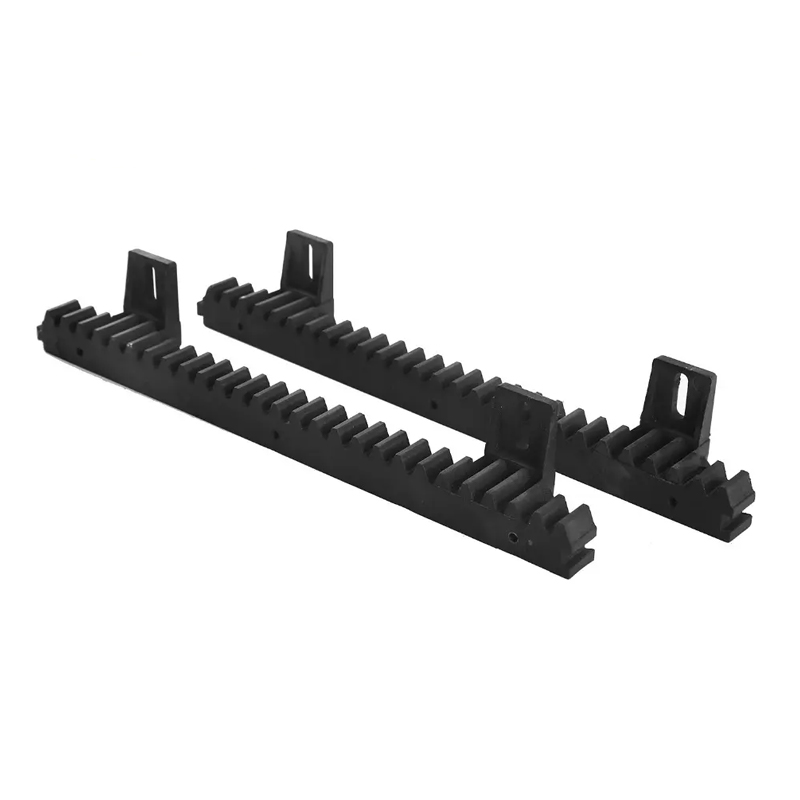
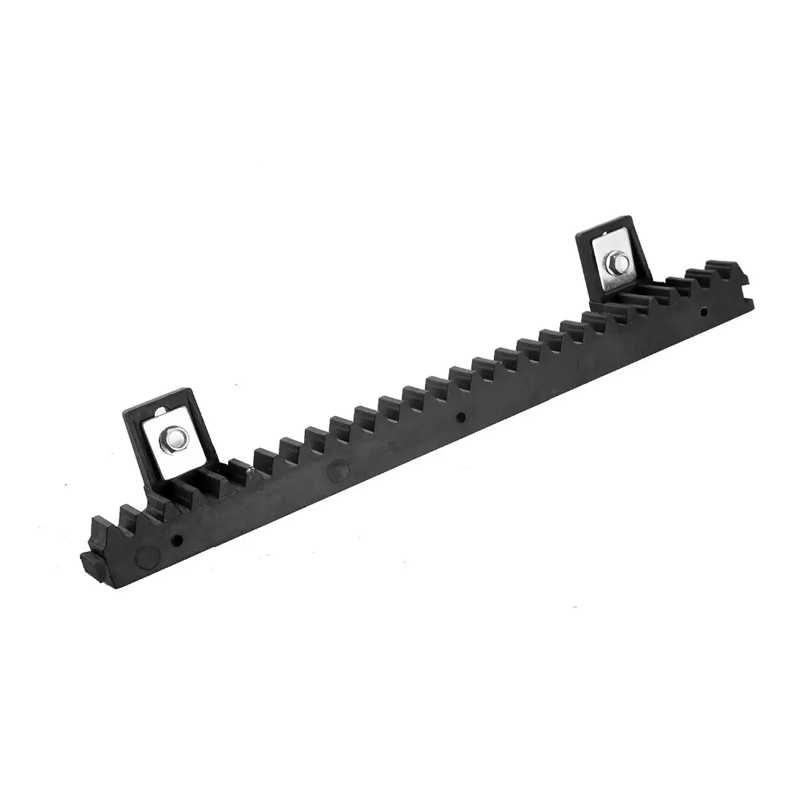
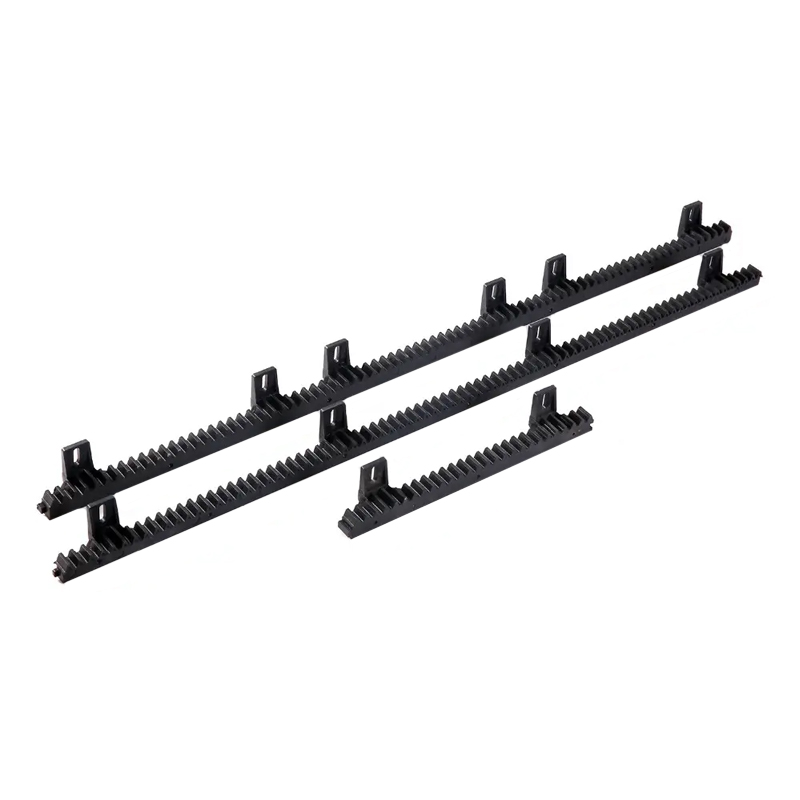
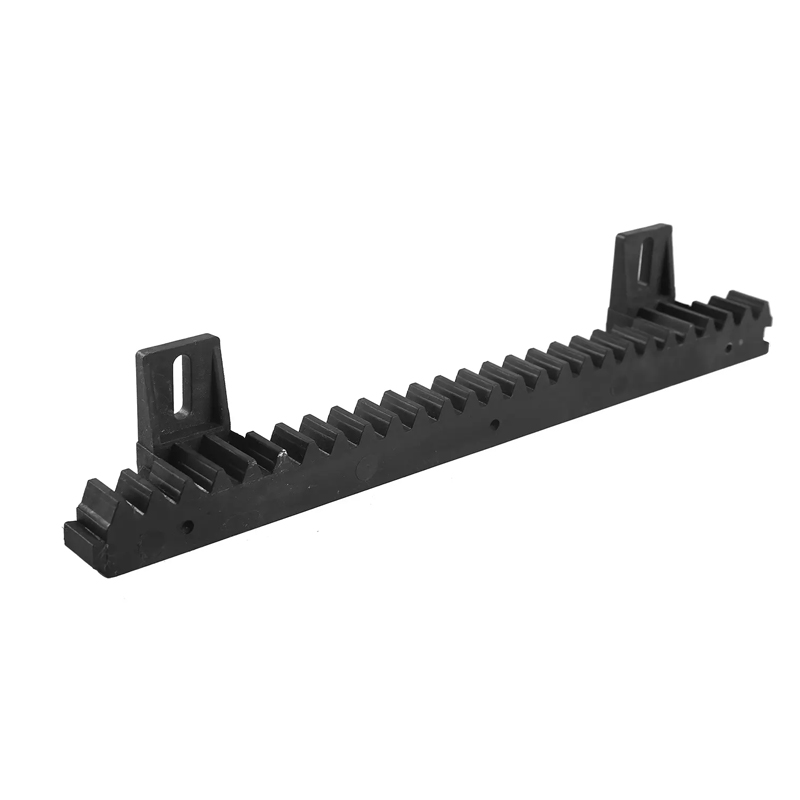
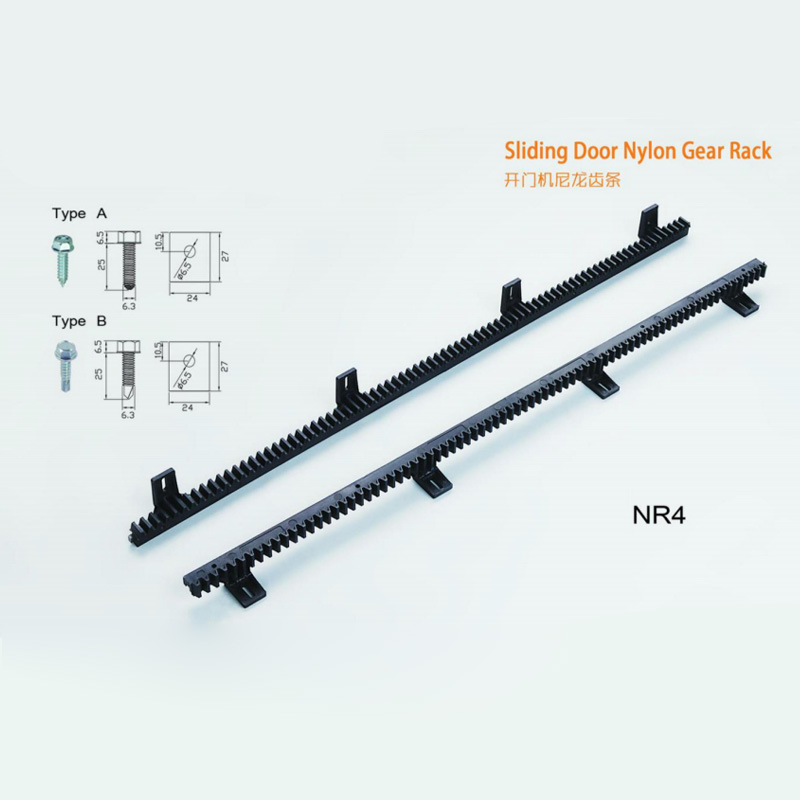
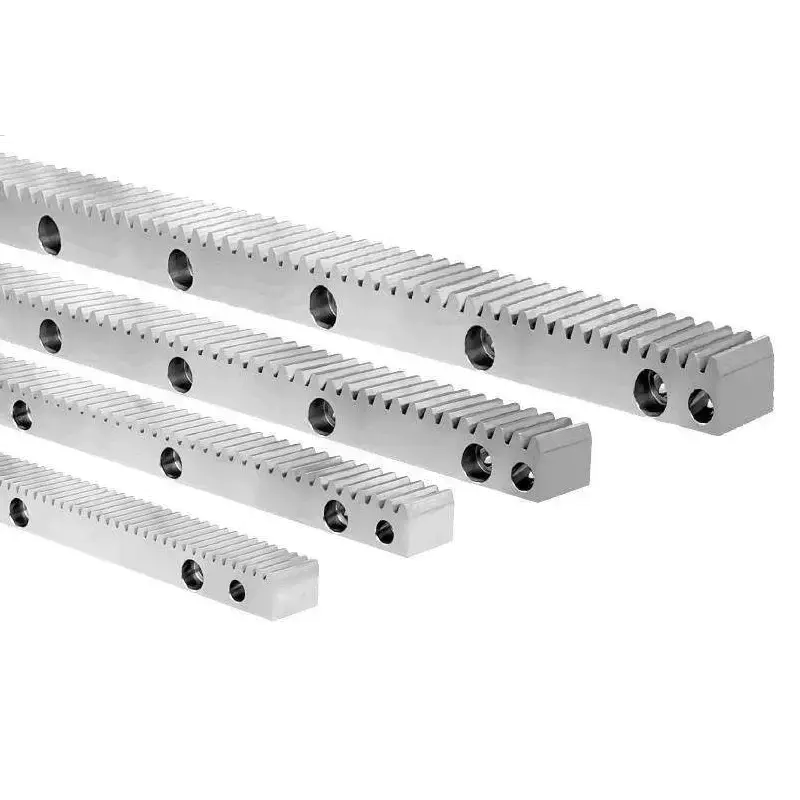
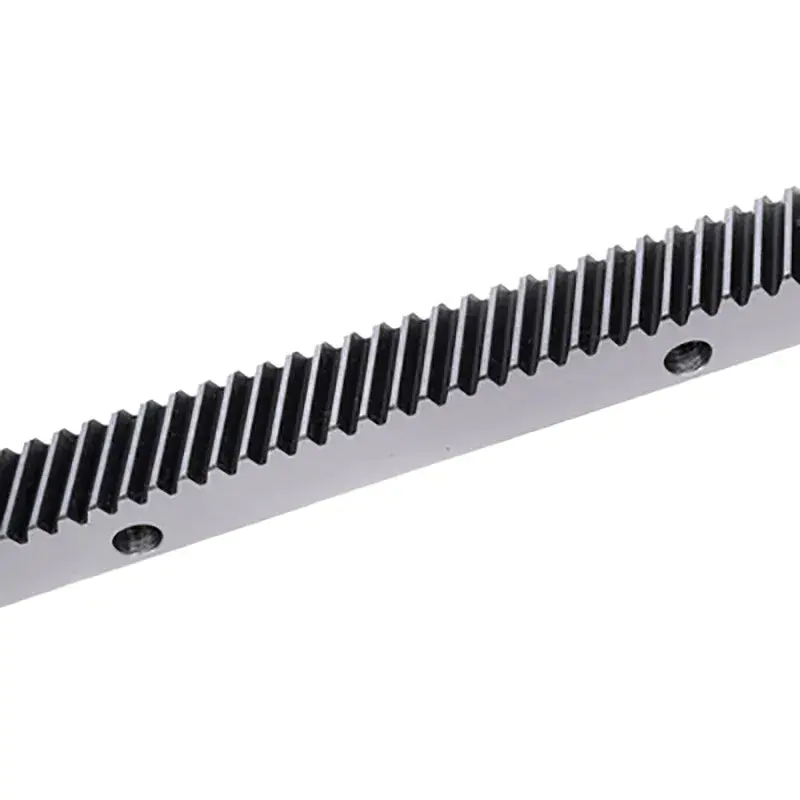
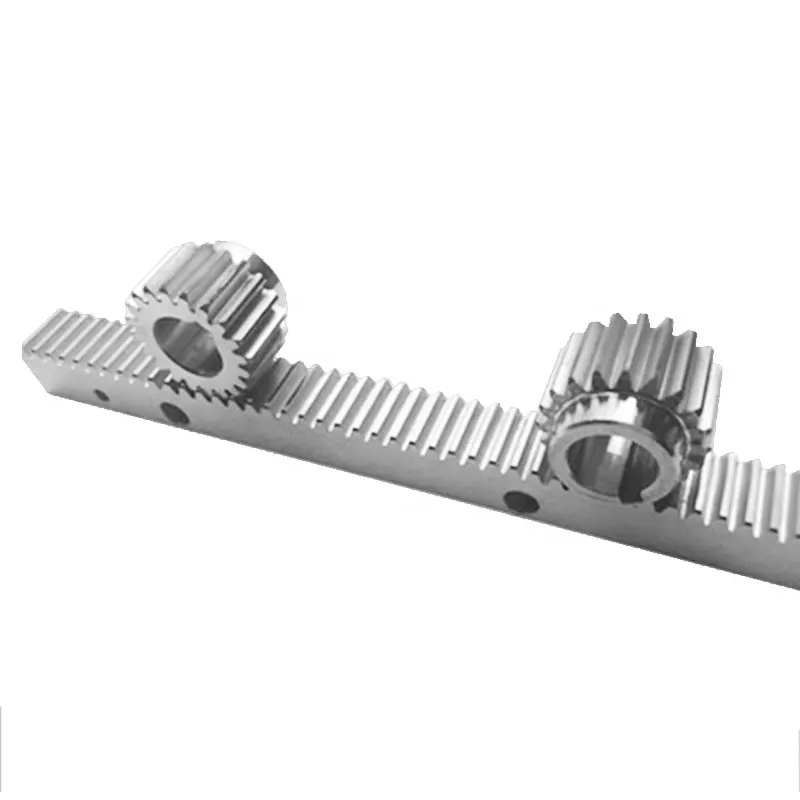
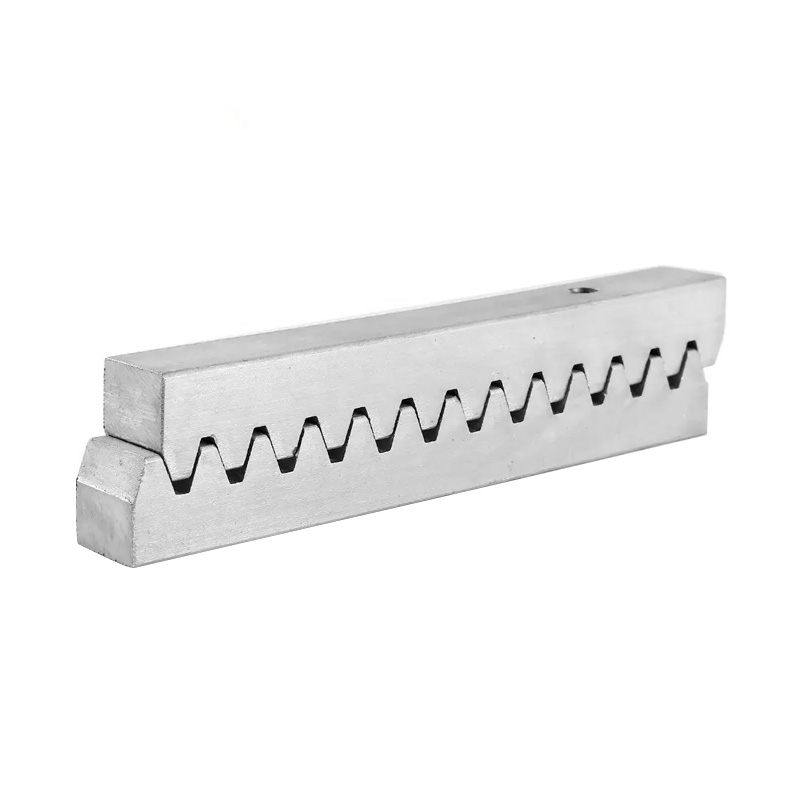
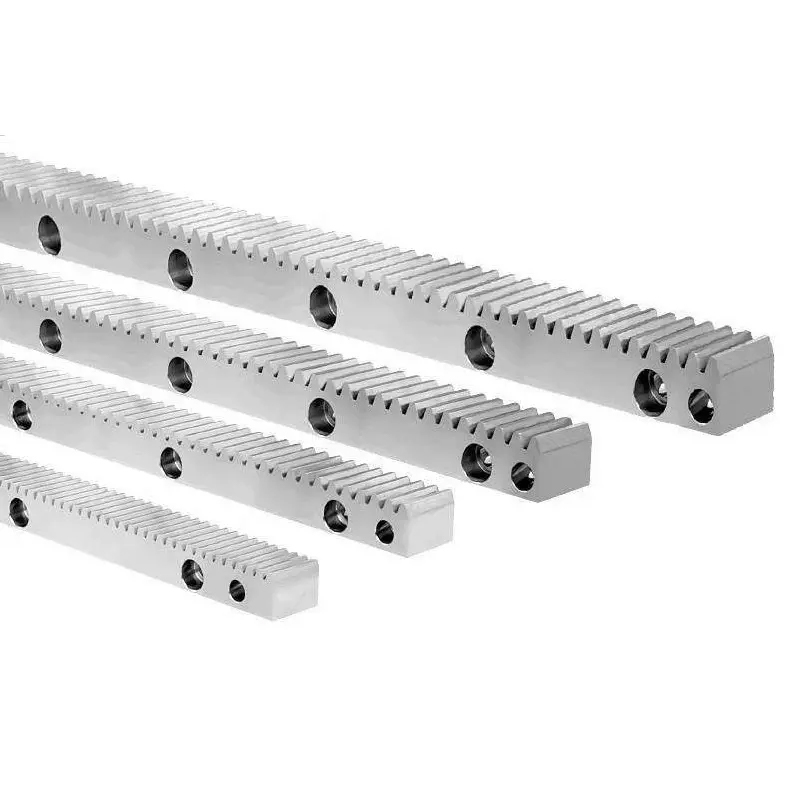
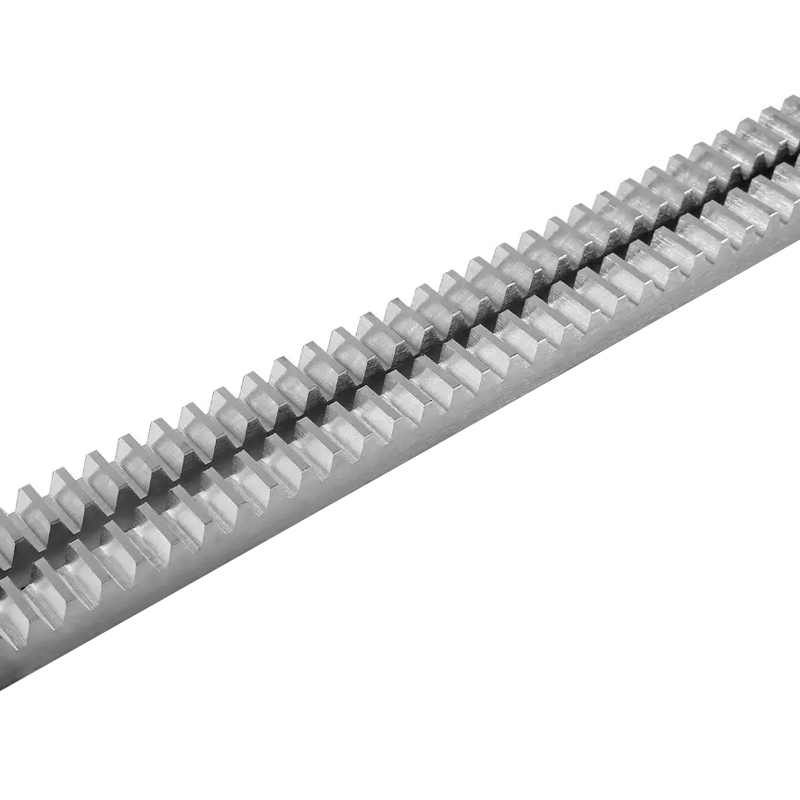
Put simply, it's a nylon strip with teeth that works together with a motor pinion gear to move a sliding door or gate.
The rack is fixed along the gate, and when the motor turns, the pinion drives it forward or backward. That's it—no magic, just a mechanical match that needs to be accurate.
The “enhancement” version usually means improved structure or upgraded material performance. In real terms, it just means better wear resistance, more stable shape, and a longer service life compared to basic nylon racks.
One reason people choose nylon over metal is simple: it runs quieter. In residential areas especially, nobody wants a gate that sounds like a workshop every time it opens.
Raw materials
Most nylon gear racks are made from industrial-grade nylon, sometimes reinforced depending on the load requirement.
Nylon is popular because it's light, flexible, and doesn't rust. For many projects, that already solves half the problem.
In better-quality versions, you'll often see fiber-reinforced nylon. That helps the rack hold its shape better, especially under long-term use or in environments where temperature changes a lot.
From a buyer's point of view, material consistency is important. If the nylon formula is unstable, the teeth may wear unevenly or the rack may deform slightly over time. That's the kind of issue that shows up later in the field, not during installation.
This is why experienced buyers often prefer working directly with a stable Nylon Gear Rack Factory, where material control is more predictable.
How it's made
The production process is not complicated, but it does need to be controlled properly.
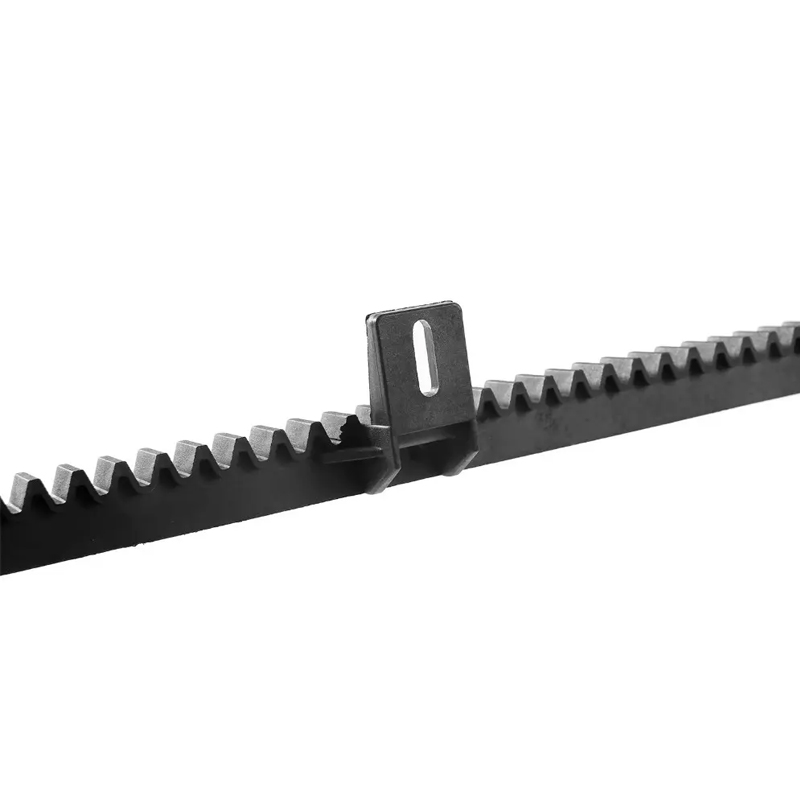
Nylon material is first processed and shaped, usually through injection molding. The key part is the tooth profile—it has to be clean and consistent so it matches the pinion gear smoothly.
After molding, the rack is cooled, trimmed, and checked. Some versions may go through reinforcement or additional finishing depending on the specification.
Before packing, there's usually a simple inspection: straightness, tooth spacing, surface condition, and fit accuracy.
It sounds basic, but if the tooth profile is even slightly off, the gate will feel it immediately during operation. That's why good production control matters more than people think.
Where it is used
This product shows up in a lot of places once you start noticing it.
Most commonly, it's used in residential sliding gates—homes, villas, apartment communities, and small commercial entrances. In these environments, quiet operation is usually more important than heavy load capacity.
It's also used in light industrial setups like storage areas, workshops, and access gates where moderate use is expected.
In many cases, buyers choose nylon racks simply because they reduce noise. No one wants a loud grinding sound every time a gate opens, especially in residential areas.
That's also why it's often chosen instead of metal racks in Nylon Rack and Pinion Gear systems where comfort and smooth operation matter more than extreme load strength.
What buyers care about
When people source this product, the discussion usually comes down to a few practical points.
Cost is always part of the equation. Nylon racks are often chosen because they sit in a reasonable price range while still performing well in normal applications.
Heat resistance is something buyers check depending on the region. In hotter climates, material stability becomes more important, especially if the gate is exposed to direct sunlight.
Moisture and weather performance is another concern. Nylon won't rust, which is already a plus, but buyers still want to know how stable it stays in humid or rainy conditions.
Shipping and handling are also worth mentioning. Compared to metal racks, nylon is lighter and easier to transport, but the tooth structure still needs protection during packing. If the rack bends or gets deformed in transit, installation becomes a headache.
And of course, customization often comes up. Different gates need different lengths, tooth spacing, and mounting designs. There's rarely a one-size-fits-all situation here.
Wholesale and custom options
For B2B buyers, flexibility is usually just as important as the product itself.
Most suppliers can offer OEM and ODM services, which basically means the rack can be adjusted to match different market needs.
Common options include:
- Different lengths and sizes
- Custom tooth spacing
- Various load grades
- Different mounting styles
- Logo printing or marking
- Private label packaging
- Custom cartons and labels
- OEM / ODM production support
Some distributors also request grouped packaging for easier warehouse sorting, while others prefer retail-ready packaging for local resale.
For importers, having a supplier that can keep specifications consistent from batch to batch is often more valuable than anything else. It keeps after-sales issues low and makes repeat orders much smoother.
Final thoughts
An Enhancement sliding door nylon gear rack is not a complex product, but it plays a very real role in how a sliding gate feels every day. If it's made well, the gate moves quietly and smoothly without drawing attention to itself.
For buyers looking for a reliable Nylon Rack and Pinion Gear solution, this type of product offers a good balance of cost, usability, and practicality. And when it comes from a stable Nylon Gear Rack Factory, it becomes much easier to build consistent supply for different markets and project types.

 English
 русский
 Español