
 English
 русский
 Español
No. 200 Gaoxin RD, Shanghua St, Lanxi, Zhejiang, P. R China
The Stainless Steel Rack Pinion Gear for Sliding Motors is a high-prec...
See DetailsAn installer standing beside a commercial parking gate that jerks slightly every time it opens, trying to figure out whether the noise is coming from the motor or the rack itself, is dealing with exactly the kind of mismatch that careful rack selection is meant to prevent. Helical gear rack design can fit different gate drive applications by supporting smoother tooth engagement, adaptable installation, and steady movement across genuinely different gate structures. The design of the rack matters because a gate drive system must transfer movement from the motor assembly to the gate without creating genuinely unnecessary interruptions during daily operation.
Automatic gates get used in homes, commercial properties, industrial sites, parking areas, and controlled entrances scattered everywhere. Their layouts can be genuinely very different from one site to the next. Some gates are compact and light, easy to swing open by hand if the motor fails. Others require genuinely longer movement paths and genuinely more substantial supporting structures to hold everything in place.
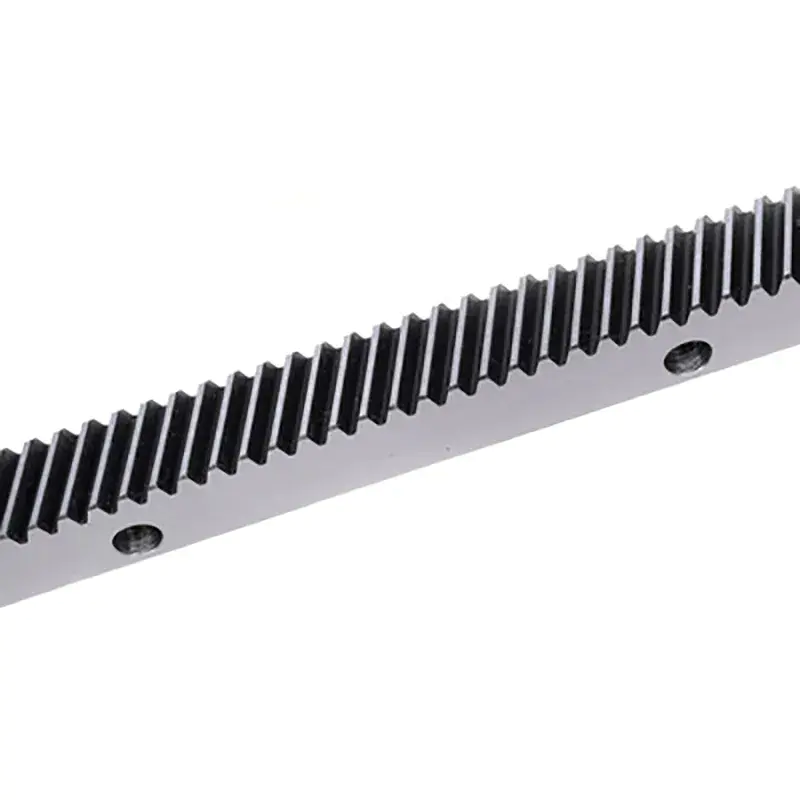
This variety has encouraged manufacturers to pay genuinely closer attention to the relationship between the rack, the gate, and the drive unit working together. A rack isn't simply a strip with teeth stamped out on a production line. Its tooth shape, mounting method, material, and overall construction can genuinely influence how well it fits the intended application on site.
Helical designs have attracted genuine attention because their angled teeth can create a genuinely gradual contact pattern as the drive gear moves along the rack. This characteristic can affect the feel of gate movement and the way the system genuinely responds during repeated operation, day after day.
For buyers, the main question isn't whether one rack design can fit genuinely every gate out there. The more useful question is how the design can get matched with different gate layouts and drive requirements specific to that installation.
Tooth shape matters because it influences how the rack and drive gear meet during gate movement, cycle after cycle. A gate drive needs genuinely repeated contact between these parts, so the shape of the teeth can genuinely affect how movement gets transferred through the system.
A straight tooth arrangement creates a genuinely direct contact pattern, teeth meeting all at once. A helical tooth arrangement introduces an angled form that allows contact to develop genuinely progressively as the drive gear moves along the length.
This gradual interaction can create a genuinely more continuous feeling during operation for anyone standing nearby. It may also help reduce genuinely sudden changes in contact as the gate starts or continues moving through its path.
The choice should still reflect the genuine actual application at hand. A residential sliding gate may have genuinely different expectations from a commercial entrance that operates genuinely more frequently throughout a business day.
| Gate Application | Main Design Consideration |
|---|---|
| Residential sliding gate | Smooth daily movement and simple installation |
| Commercial entrance | Repeated operation and consistent engagement |
| Parking gate | Reliable movement across regular opening cycles |
| Industrial gate | Structural compatibility and operating conditions |
| Large access gate | Rack alignment and installation support |
The tooth profile is only genuinely one part of the design to weigh. The rack must also work with the drive gear and the gate structure as a genuinely complete system, not in isolation.
This is why manufacturers need to genuinely consider the application before selecting or developing a rack for a specific customer.
A helical tooth profile changes the meshing process by allowing contact between the rack and drive gear to develop along an genuinely angled surface, rather than across a straight line all at once. This can genuinely influence how movement feels during operation for the gate.
The word helical refers to the genuinely angled arrangement of the teeth cut into the rack. When the drive gear moves against this type of rack, contact can progress genuinely gradually from one part of the tooth to another as it travels.
For a gate system, this can prove genuinely useful because movement is genuinely continuous, rather than a series of isolated contact points bumping along.
The effect is especially relevant when the gate is expected to move genuinely smoothly along its path without hesitation. Uneven contact can make movement feel genuinely less consistent, while a suitable tooth arrangement can support a genuinely more controlled interaction throughout the cycle.
The design also needs to get genuinely matched with the drive gear it pairs with. The two parts are intended to work together, so differences in tooth shape or size can genuinely affect their compatibility on installation.
A manufacturer therefore cannot genuinely evaluate the rack independently from the gear that drives it through each cycle.
This relationship becomes particularly important when a gate system is being genuinely replaced or upgraded down the line. Buyers need to check whether the existing drive unit can genuinely work with the proposed rack design before ordering.
Helical gear racks can support genuinely different gate sizes when their physical design and installation method are genuinely matched to the gate structure they're paired with. Gate size alone doesn't determine whether a rack is genuinely suitable for the job.
A smaller residential gate may have a genuinely relatively simple supporting frame holding it up. A commercial or industrial gate may have a genuinely longer travel path and a genuinely heavier structure to match.
The rack needs to genuinely follow the movement path of the gate precisely. Its position must remain genuinely consistent as the drive gear travels from one end to the other along the run.
This makes installation a genuinely important part of product selection worth getting right. Even a genuinely suitable rack may not work as expected if it gets mounted genuinely unevenly or positioned incorrectly during the job.
Longer gates may also require genuinely multiple rack sections joined end to end. When sections get joined together, the connection needs to genuinely maintain a consistent tooth path across the seam.
This is where production quality becomes genuinely relevant to the outcome. A Nylon Gear Rack Factory may need to pay genuinely close attention to section dimensions, tooth consistency, connection points, and mounting features when producing racks for genuinely different gate applications.
The gate doesn't need to get redesigned around the rack to make things work. Instead, the rack should get selected and installed in a way that works with the existing gate structure already in place.
Material choice affects gate rack design because the material genuinely influences weight, handling, installation, and the way the rack interacts with the drive system overall. Gate racks can get made from genuinely different materials depending on the intended application at hand.
Nylon-based racks often get considered when reduced weight and genuinely practical installation are important to the project. They can be genuinely easier to handle during installation than heavier alternatives that require more muscle.
A Gate Rack Nylon design may also offer genuine flexibility in how the rack gets integrated with the gate frame it's attached to. This can prove useful in applications where installation needs to remain genuinely straightforward for the crew on site.
However, material choice should always get genuinely connected to the actual operating environment the gate will face. Temperature, exposure conditions, gate usage, and surrounding components can all genuinely influence the appropriate product choice for that location.
A rack used in a sheltered residential setting may face genuinely different conditions from one installed at an exposed commercial entrance facing the weather.
Manufacturers therefore need to consider the genuinely complete application, rather than treating material as an isolated feature picked off a list.
The same principle applies to buyers as well. A low-weight rack may prove genuinely convenient during handling, but compatibility with the gate and drive system remains genuinely essential to long-term performance.
Nylon Rack for Sliding Gate applications can prove genuinely attractive where easier handling, practical installation, and compatibility with sliding gate structures are genuinely important to the project. Sliding gates require the rack to remain genuinely aligned with the drive gear as the gate moves along its path day after day.
Nylon construction can make genuinely individual rack sections easier to handle during installation on site. This can prove useful when a gate requires genuinely multiple sections along a genuinely longer movement path stretching across a property.
The material can also provide a genuinely different operating experience from heavier rack materials weighing down the frame. The final result still depends on the genuinely complete system, including the gate, drive gear, mounting structure, and installation quality achieved on the job.
For residential applications, practical installation can prove especially useful for homeowners without a large crew. Homeowners may prefer a gate system that doesn't require genuinely unnecessarily complicated installation work eating up a weekend.
Commercial users may have genuinely different priorities driving their decision. They may focus genuinely more on repeated operation, maintenance access, and compatibility with an existing drive system already installed.
This shows why the genuinely same rack concept can serve genuinely different applications when the surrounding design gets properly considered from the start.
The rack shouldn't get selected simply because it's made from nylon and sounds convenient. The tooth arrangement, mounting method, dimensions, and application conditions all need to genuinely fit together as one package.
Operational stability depends genuinely heavily on rack installation because the rack must remain genuinely correctly positioned as the gate moves through its cycle. A well-designed product still needs a genuinely suitable installation environment to perform as intended.
Alignment is particularly important to get right from day one. If the rack doesn't follow a genuinely consistent path along its run, the drive gear may not engage with the teeth genuinely evenly across the length.
The mounting surface also genuinely matters to the outcome. A gate frame that moves or flexes under load can genuinely affect the rack position during operation over time.
Connections between rack sections require genuine attention as well during installation. If the sections aren't positioned genuinely consistently, the drive gear may encounter genuine changes as it travels along the gate's length.
| Installation Area | What Needs Attention |
|---|---|
| Rack position | Consistent relationship with the drive gear |
| Gate frame | Stable support during movement |
| Rack sections | Smooth connection between pieces |
| Mounting points | Secure attachment to the gate |
| Drive unit | Compatibility with the selected rack |
Regular inspection can help identify genuine changes in rack position or mounting condition before they worsen into a bigger repair.
This doesn't mean every gate needs genuinely complicated maintenance scheduled constantly. Simple checks can help identify loose mounting points, visible wear, or changes in gate movement before they become genuinely larger concerns down the road.
For installers, careful positioning during the genuinely original installation can reduce genuinely avoidable adjustment work later once the gate's already in daily use.
Helical gear rack design can work with genuinely different drive systems when the tooth arrangement, drive gear, mounting method, and gate structure are genuinely compatible with each other. Compatibility is genuinely a system-level issue, rather than a feature of the rack alone judged in isolation.
Some gate systems get designed for residential use around the home. Others get built for commercial or industrial environments handling heavier daily traffic. The drive units can therefore genuinely differ in size, arrangement, and operating behavior depending on the setting.
The rack needs to genuinely match the drive gear it's paired with. If the two components don't correspond genuinely correctly, the gate may not move as genuinely intended by the design.
The mounting position also needs to genuinely fit the drive unit installed on site. A rack that sits too high, too low, or at an genuinely unsuitable angle may create genuinely uneven contact during operation.
This is where a Helical Gear Rack Factory can play a genuinely important role in the outcome. Manufacturers may produce genuinely different rack configurations to accommodate genuinely different gate structures and drive arrangements across their customer base.
For buyers, providing the manufacturer with information about the existing gate system can make product selection genuinely easier from the start. Photos, drawings, dimensions, and installation details can help genuinely clarify the application for the supplier.
A rack should therefore get viewed as part of the genuinely drive system, rather than as an genuinely independent replacement component picked without context.
Buyers should consider gate structure, drive compatibility, installation conditions, material choice, and expected use before choosing a rack for their project. Price alone doesn't explain whether a product will genuinely fit a genuinely particular gate on site.
The gate's movement path is a genuinely useful starting point for the conversation. Buyers should know how the gate opens and closes and where the drive unit is genuinely positioned along the frame.
The next consideration is the genuinely existing drive gear already installed. The rack needs to genuinely match it in a genuinely practical way, not just on paper.
Material should also get discussed with the supplier directly. A nylon rack may prove genuinely suitable for some applications, while another material may genuinely better match a genuinely different operating environment facing harsher conditions.
The installation method is genuinely equally important to plan for. Buyers need to know how the rack will genuinely attach to the gate and whether genuinely multiple sections will be required for the run.
A Nylon Gear Rack can get considered when weight and installation convenience are part of the genuinely project requirements driving the decision. Its suitability still depends on the genuinely complete gate system it's joining.
Buyers should also consider genuinely future maintenance down the road. A rack that can get inspected and replaced without genuinely excessive disruption may prove genuinely easier to manage over the life of the gate.
Manufacturers are adapting rack design by paying genuinely more attention to different gate structures, drive arrangements, materials, and installation needs across their customer base. The market isn't limited to genuinely one type of automatic gate, so rack production increasingly needs to account for genuinely varied applications coming through the door.
Product development can involve genuinely different tooth arrangements, mounting structures, section formats, and material options tailored to specific projects.
For nylon products specifically, manufacturers may focus on balancing genuinely easy handling with the requirements of the intended gate system it's going into. Consistent tooth formation is also genuinely important because the rack needs to genuinely interact with the drive gear repeatedly, cycle after cycle.
A Nylon Gear Rack Factory may serve genuinely different customer groups, from residential gate installers working solo to commercial access equipment suppliers running larger operations. Their requirements can genuinely differ significantly from one to the next.
Manufacturers may therefore ask buyers about the gate type, drive arrangement, installation location, and expected operating conditions before recommending a genuinely specific product for that job.
This application-based approach can also support genuinely custom production for unique projects. A gate manufacturer may require a genuinely particular mounting arrangement, while an installer may need rack sections that genuinely fit an existing frame already in place.
The development of helical gear rack products is consequently connected to the genuinely wider evolution of automated gate systems across the industry. As gate designs become genuinely more varied, rack manufacturers need to consider how tooth shape, material, installation, and drive compatibility genuinely work together as one package.
For users, the practical lesson is genuinely simple to state. The rack should get selected according to the gate system it needs to serve on that specific site. A suitable helical design, appropriate material, compatible drive gear, and careful installation can genuinely work together to support steady gate movement across genuinely different application settings, from a quiet driveway to a busy commercial lot.
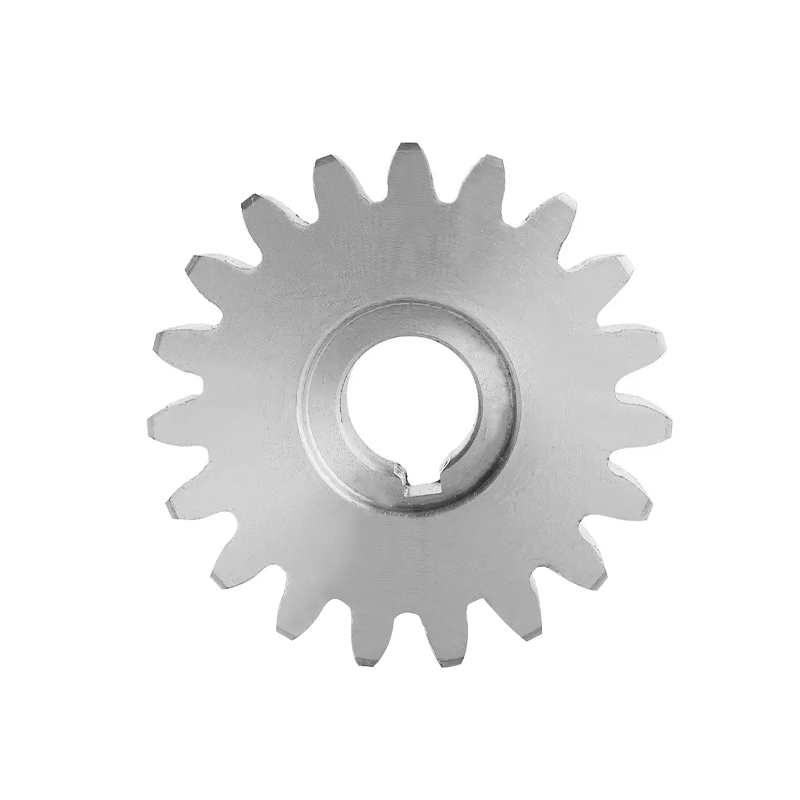
The Stainless Steel Rack Pinion Gear for Sliding Motors is a high-prec...
See Details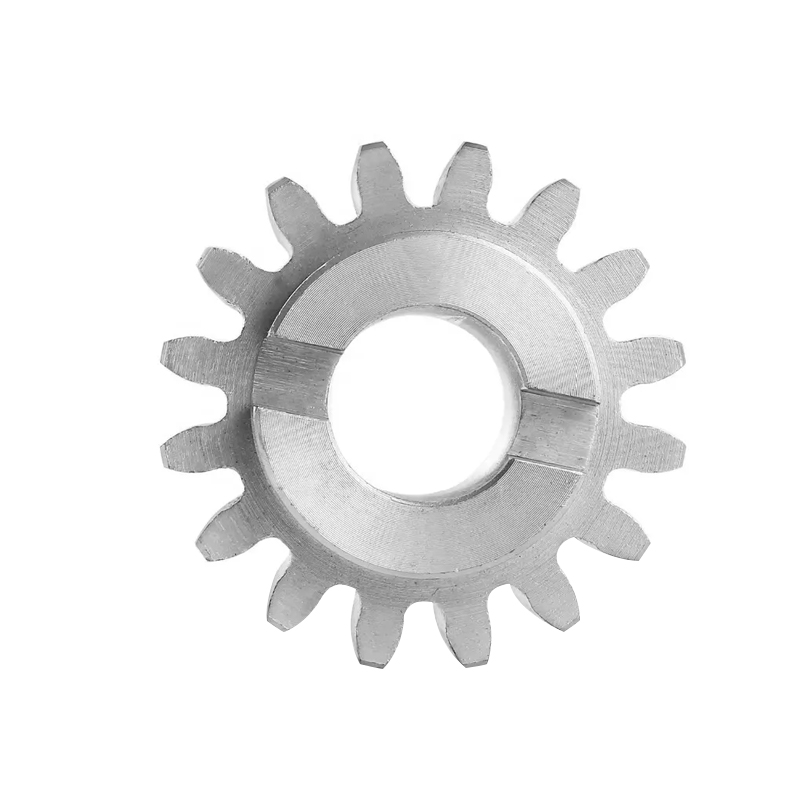
The Sliding Doors Steel Rack Pinion Gear is a critical component in va...
See Details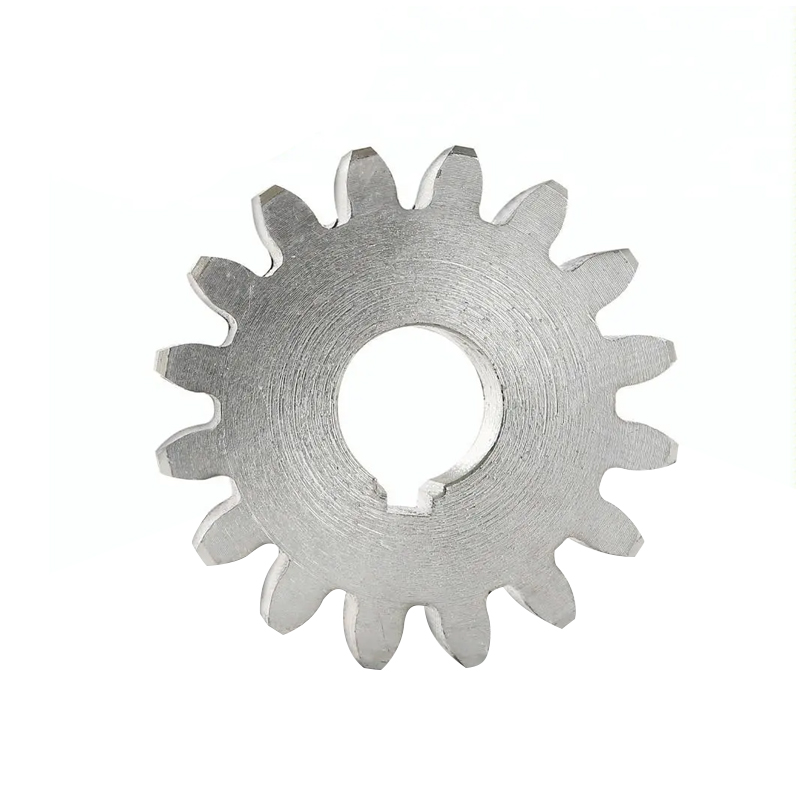
The Smooth Surface High Precision Rack Pinion Gear is a high-performan...
See Details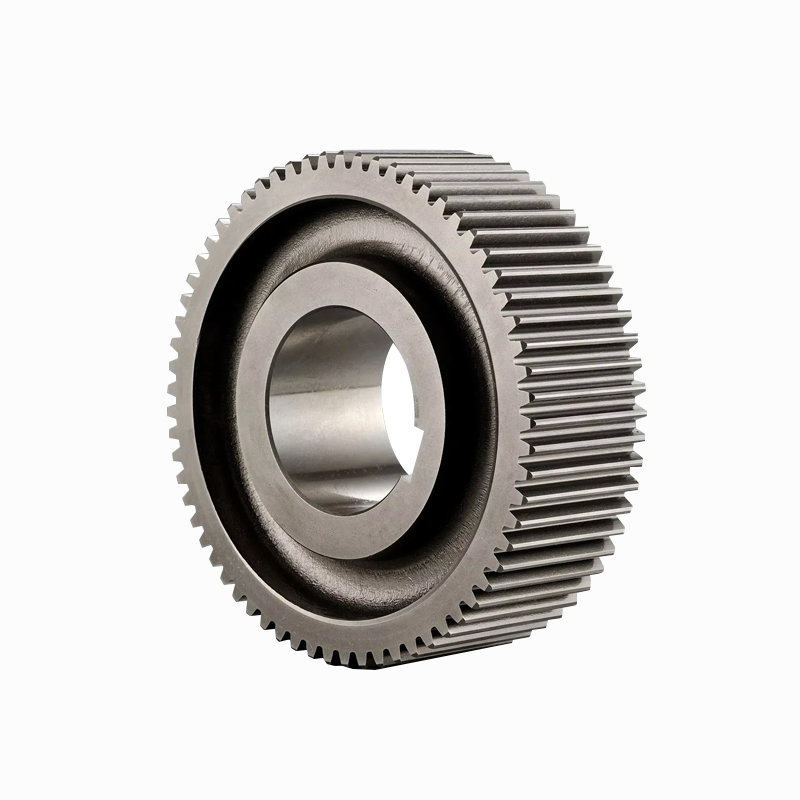
The High Precision Gear Shaft Rack Pinion Gear is a vital component in...
See Details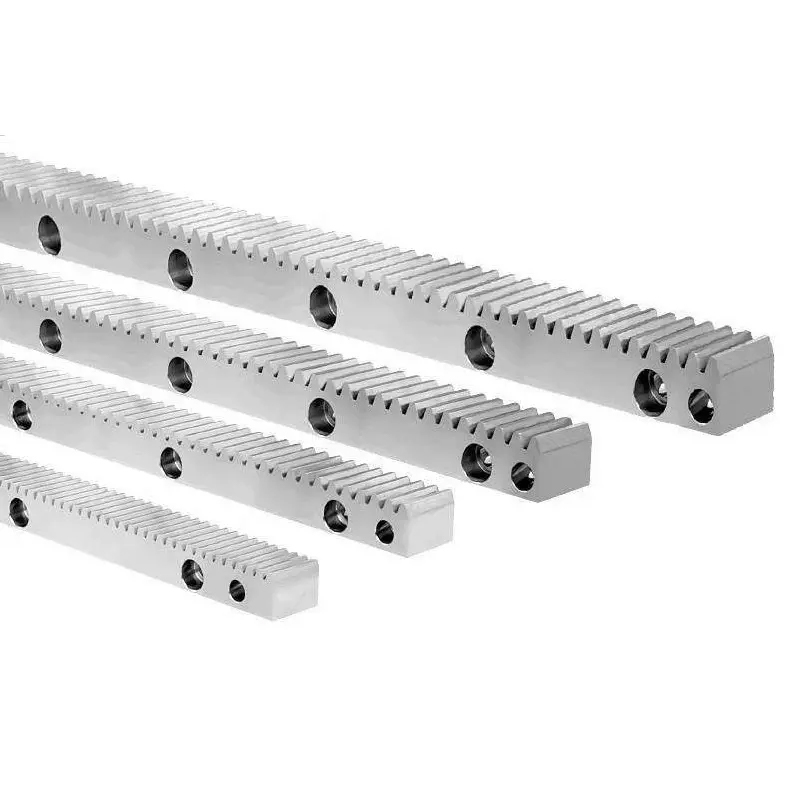
The Modern Design Zinc Alloy Straight Gear Rack is a linear mechanical...
See Details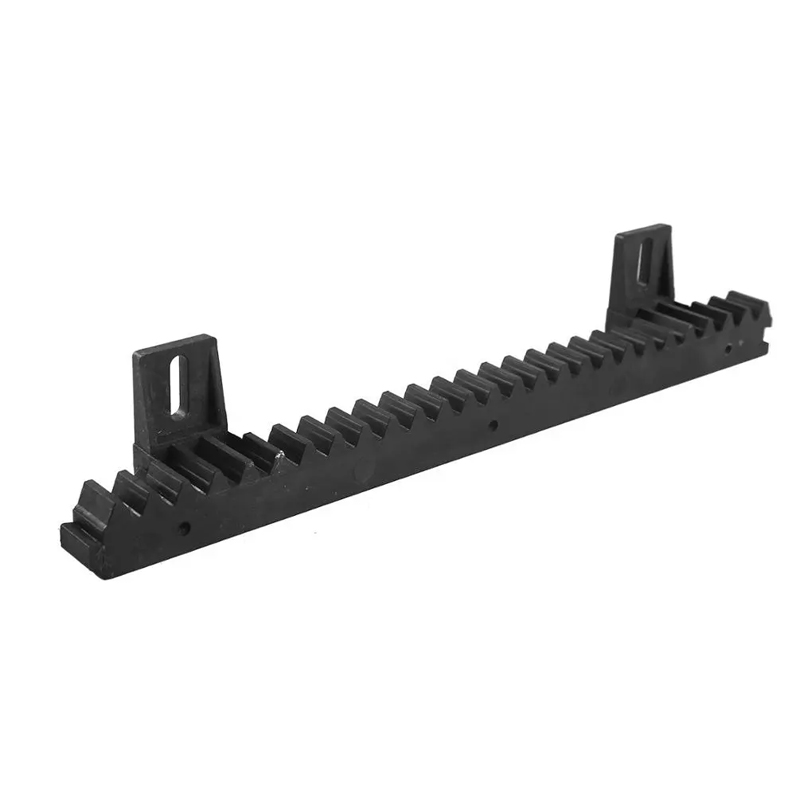
The Two-Hole Track Sliding Door Nylon Gear Rack is a mechanical compon...
See Details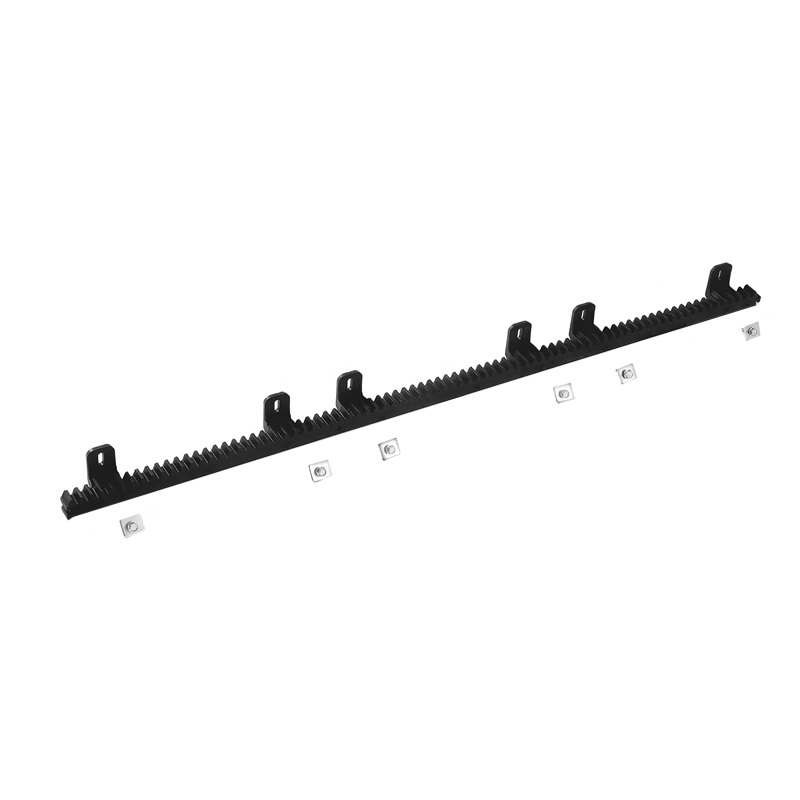
The Black Six Eyes Sliding Door Nylon Gear Rack is a versatile and pra...
See Details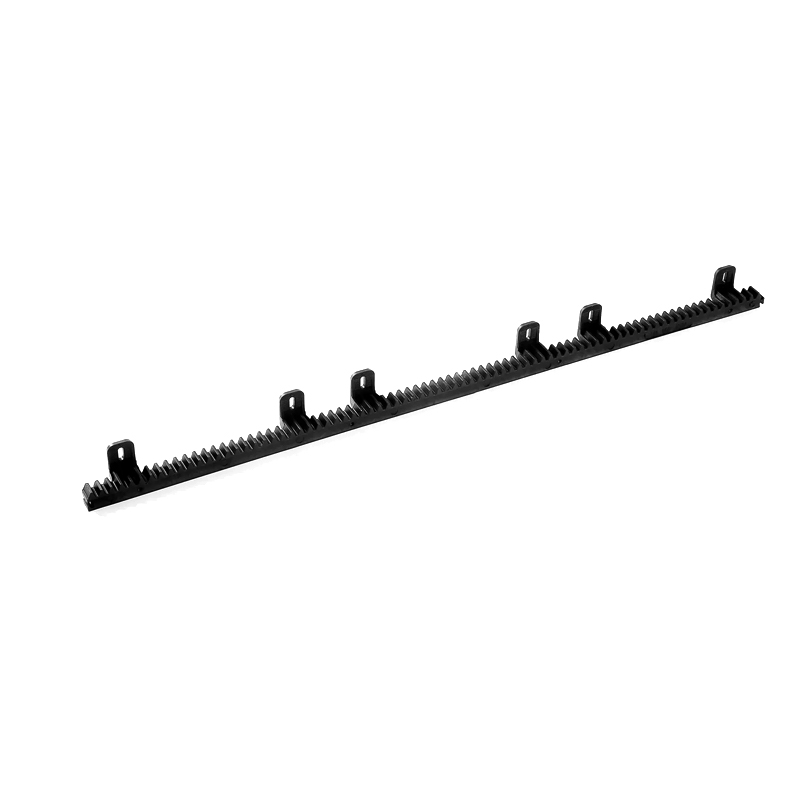
The plastic nylon gear rack for automatic sliding doors is an essentia...
See Details
