
 English
 русский
 Español
No. 200 Gaoxin RD, Shanghua St, Lanxi, Zhejiang, P. R China
Product IntroductionThe Black Rust-Proof Straight Teeth Rack Pinion Ge...
See DetailsA gear rack installed near a washdown line, chemical tank, or coastal site rarely stays dry for long. Carbon steel can rust quickly in these conditions, and corrosion on the teeth is not just a cosmetic problem. Pitting and surface damage can affect how the rack meshes with its pinion.
Stainless steel is commonly specified for this reason. It handles moisture and many corrosive environments better than ordinary steel, although the protection varies considerably between grades.
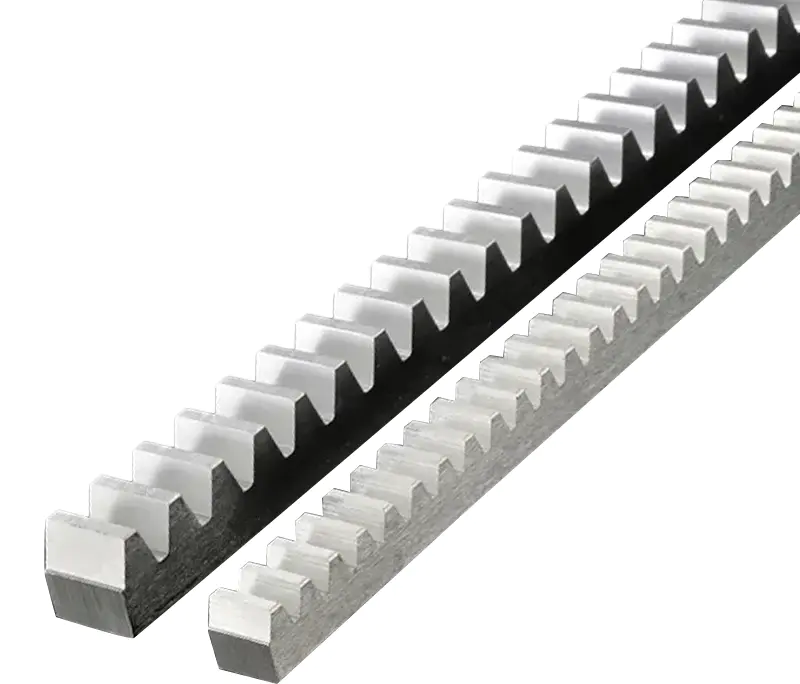
How Corrosion Affects Industrial Gear Rack Performance
Corrosion gradually changes the surface of the teeth. Pitting makes contact uneven, while material loss can alter the tooth profile.
Rust particles can also work their way into nearby components. In production equipment, the resulting cleaning, repair, or replacement can mean an unplanned stop.
Food plants, marine installations, chemical facilities, and outdoor machinery are particularly likely to face these problems.
Why Stainless Steel Provides Better Corrosion Resistance
Chromium gives stainless steel its corrosion-resistant properties. It forms a thin oxide film on the surface, which helps prevent further oxidation and can reform after minor damage.
The grade makes a difference. 304 stainless steel suits many indoor industrial environments, while 316 contains molybdenum and offers better resistance to chloride-related corrosion. That makes 316 worth considering for coastal equipment and some chemical-processing applications.
Neither grade is corrosion-proof. Concentrated chemicals, high chloride levels, and elevated temperatures can still cause damage. The actual exposure should guide the choice.
Comparing Common Stainless Steel Grades for Gear Racks
|
Grade |
Corrosion resistance |
Typical applications |
Points to consider |
|---|---|---|---|
|
304 |
Good in many general environments |
Packaging machinery, indoor automation |
Limited resistance to severe chloride exposure |
|
316 |
Better resistance to chlorides than 304 |
Marine equipment, chemical processing |
Costs more; chemical compatibility still needs checking |
|
430 |
Suitable for some mild environments |
Selected indoor machinery |
Generally less resistant than 304 and 316 |
|
17-4 PH |
Depends on heat treatment and exposure |
High-load precision machinery |
High strength; corrosion performance needs assessment |
The grade should not be chosen on corrosion resistance alone. A rack carrying heavy loads may need different mechanical properties from one used in a light-duty packaging line.
Mechanical Strength and Precision in Corrosive Applications
304 and 316 are austenitic stainless steels. They offer good toughness and corrosion resistance, but they cannot be hardened through conventional heat treatment in the same way as some other grades. 17-4 PH can reach higher strength and hardness through precipitation hardening, though its corrosion performance still depends on the environment and heat treatment.
Machining accuracy is equally important. Poorly cut teeth or inconsistent pitch can cause uneven contact, regardless of the material. Check tooth profile, pitch, straightness, and mounting dimensions against the requirements of the drive system.
Surface Treatment and Manufacturing Quality Still Matter
Stainless steel can still rust when its surface is contaminated. One common source is iron particles left behind by tools or equipment previously used on carbon steel. If these particles remain on the rack, rust spots may appear later.
Manufacturers can reduce this risk by using suitable tooling, keeping stainless steel parts separate during handling, and cleaning them properly after machining.
Passivation removes free iron and supports the natural protective film. Electropolishing removes a thin layer of material to leave a smoother surface. Both can be useful where cleanliness is important, particularly in food and pharmaceutical equipment.
Where Stainless Steel Gear Racks Are Used
How to Choose a Stainless Steel Gear Rack
Before placing an order, provide the supplier with details of the installation environment. The chemicals present, chloride exposure, temperature, load, travel speed, and positioning requirements all affect the specification.
Request a material certificate and dimensional inspection report. For equipment exposed to aggressive chemicals or heavy loads, confirm that the proposed grade and heat treatment are suitable for those conditions.
Also consider how the rack will be installed. Contact between dissimilar metals can cause galvanic corrosion, and trapped moisture or chemical residue can damage stainless steel over time. Periodic checks for pitting and tooth wear are still necessary.
Stainless steel can reduce corrosion-related problems, but simply specifying a stainless grade does not guarantee a long service life. The material, tooth machining, surface condition, and installation all need to suit the job.
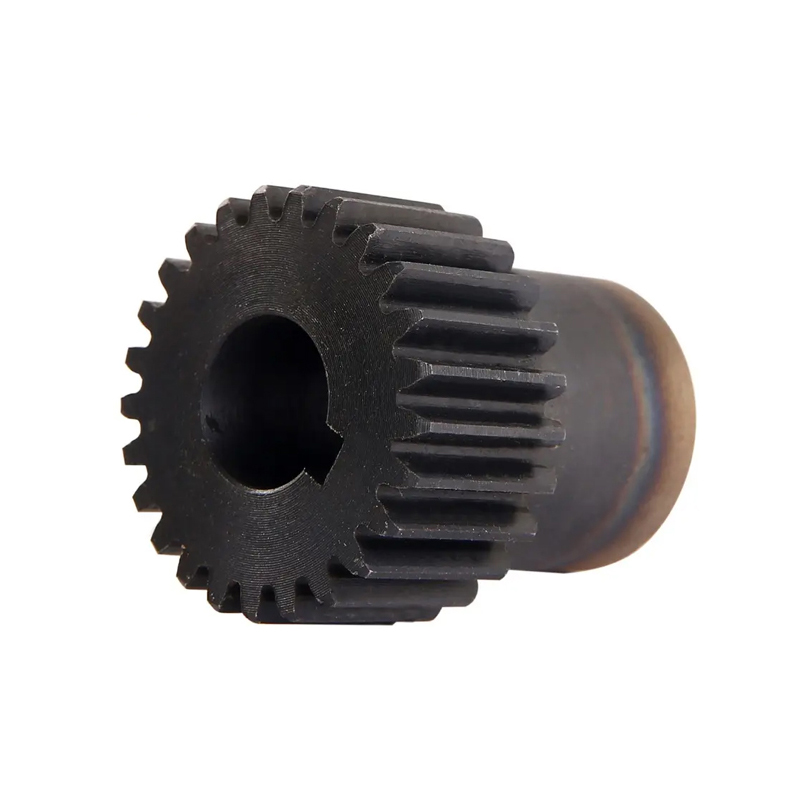
Product IntroductionThe Black Rust-Proof Straight Teeth Rack Pinion Ge...
See Details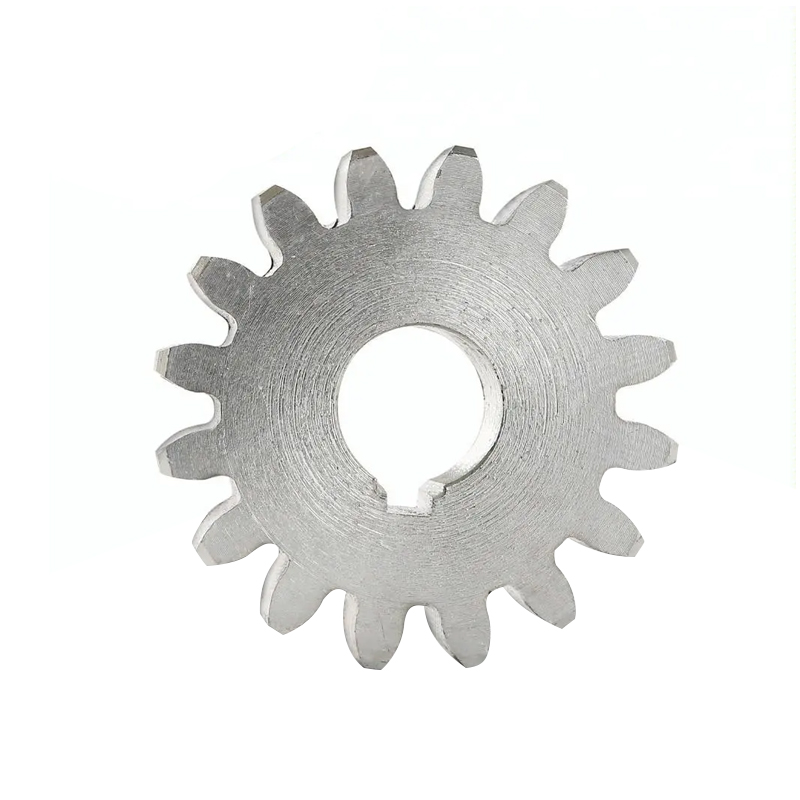
The Smooth Surface High Precision Rack Pinion Gear is a high-performan...
See Details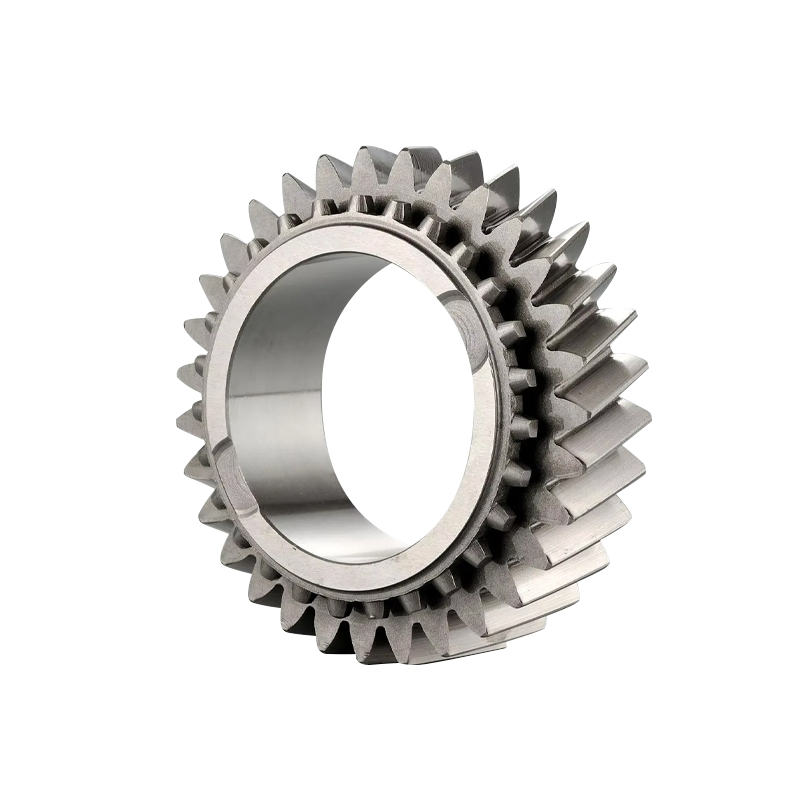
The Gearbox Transmission Rack Pinion Gear system is a critical mechani...
See Details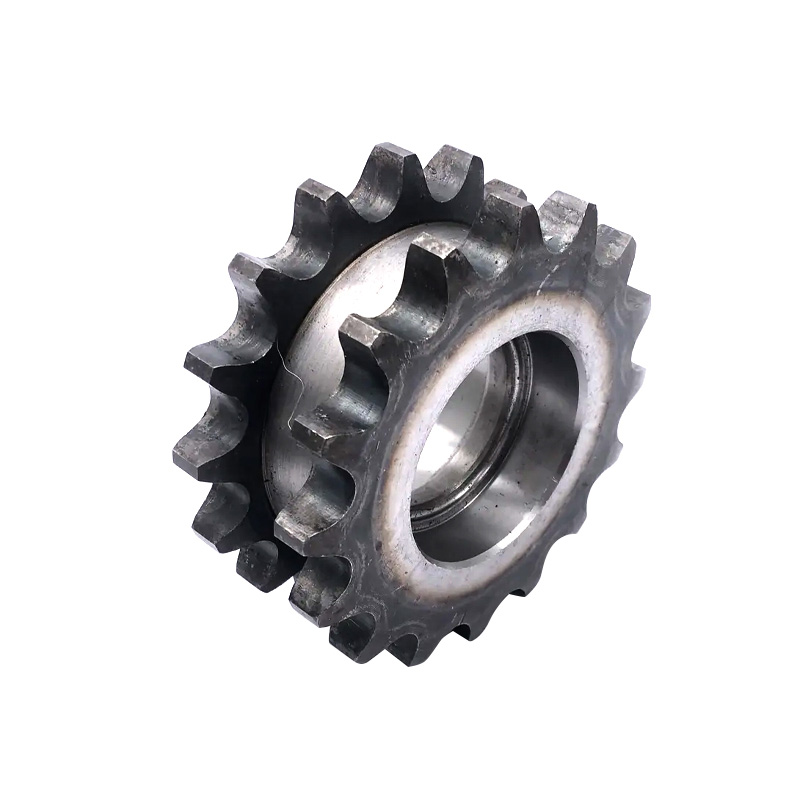
The Double Pitch Sprocket Rack Pinion Gear is a specialized mechanical...
See Details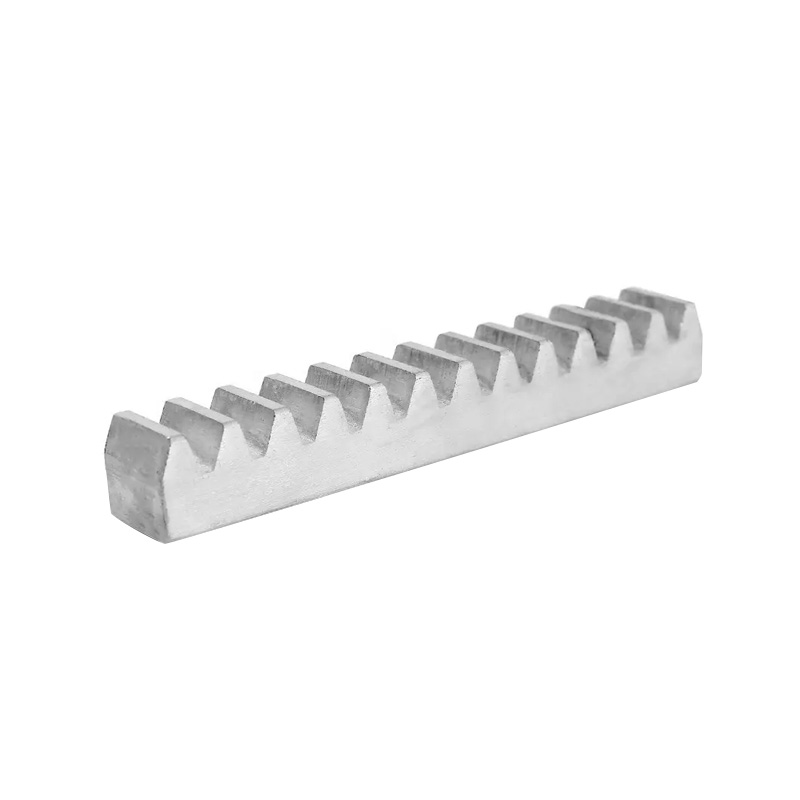
The Drive Durable Sliding Door Steel Gear Rack is a critical component...
See Details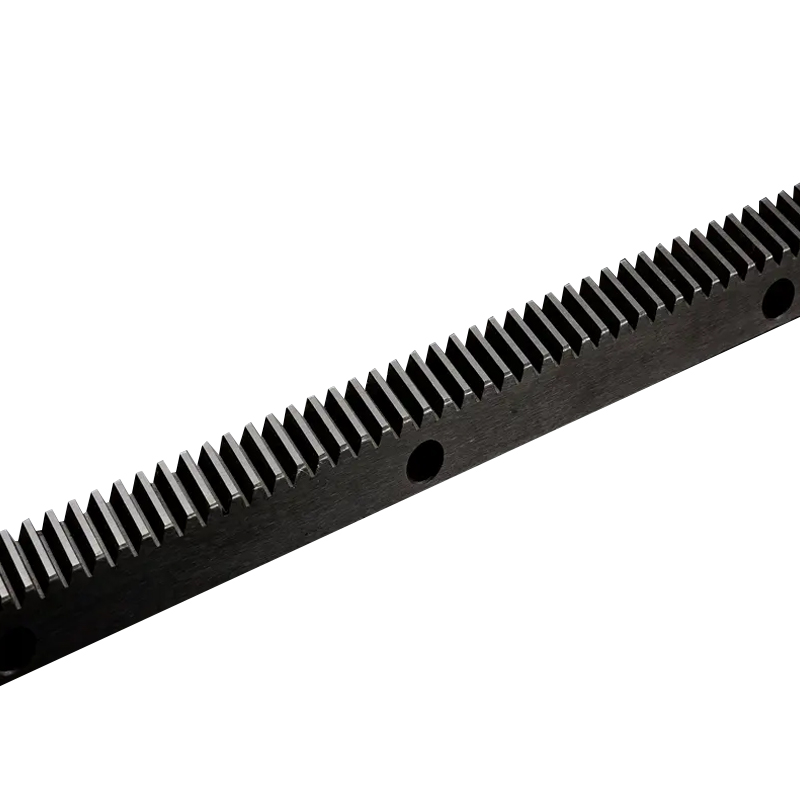
The Precision Durability Sliding Door Steel Gear Rack is a high-perfor...
See Details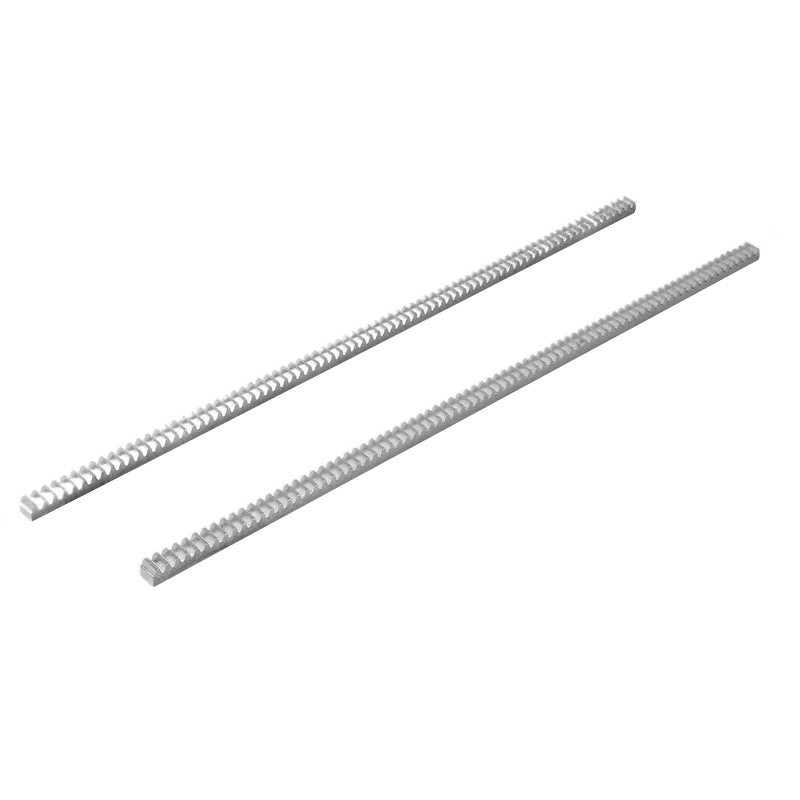
This stainless steel gear rack is the main hardware piece that makes s...
See Details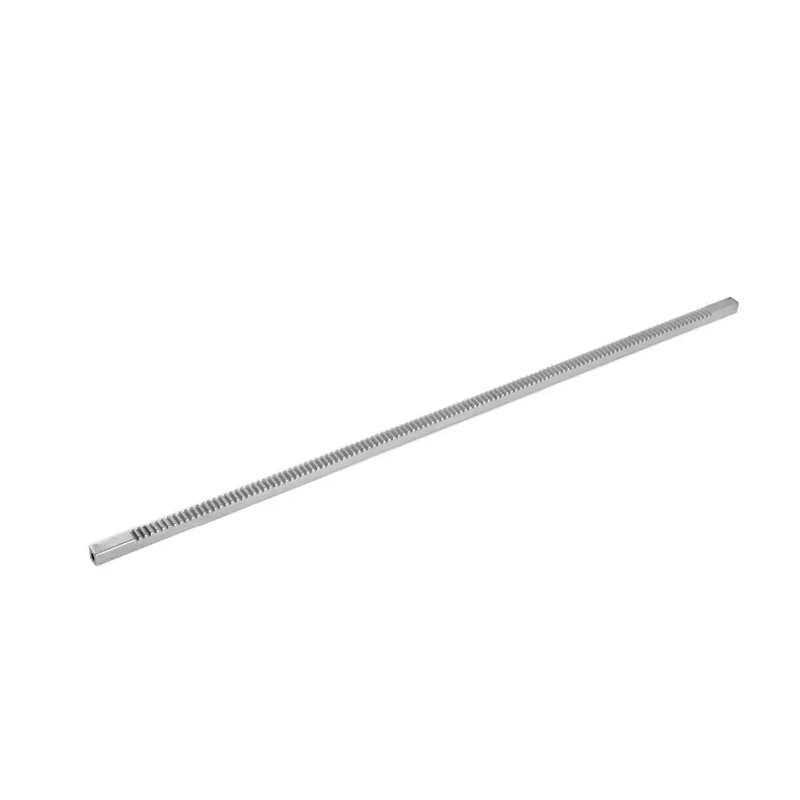
Industrial Wear-Resistant Straight Gear Rack is a linear transmission ...
See Details
