
 English
 русский
 Español
No. 200 Gaoxin RD, Shanghua St, Lanxi, Zhejiang, P. R China
The High Precision Straight Teeth Rack Pinion Gear is a critical compo...
See DetailsA rack and pinion running on a CNC machine for several shifts a day has very different lubrication demands from one that only moves occasionally. The gear teeth keep engaging under load, and the lubricant has to stay in place without creating excessive drag or heat.
A special lubricant isn't always necessary. In many cases, industrial gear oil or grease will do the job. What matters is whether it suits the machine's speed, load, temperature, and working environment.
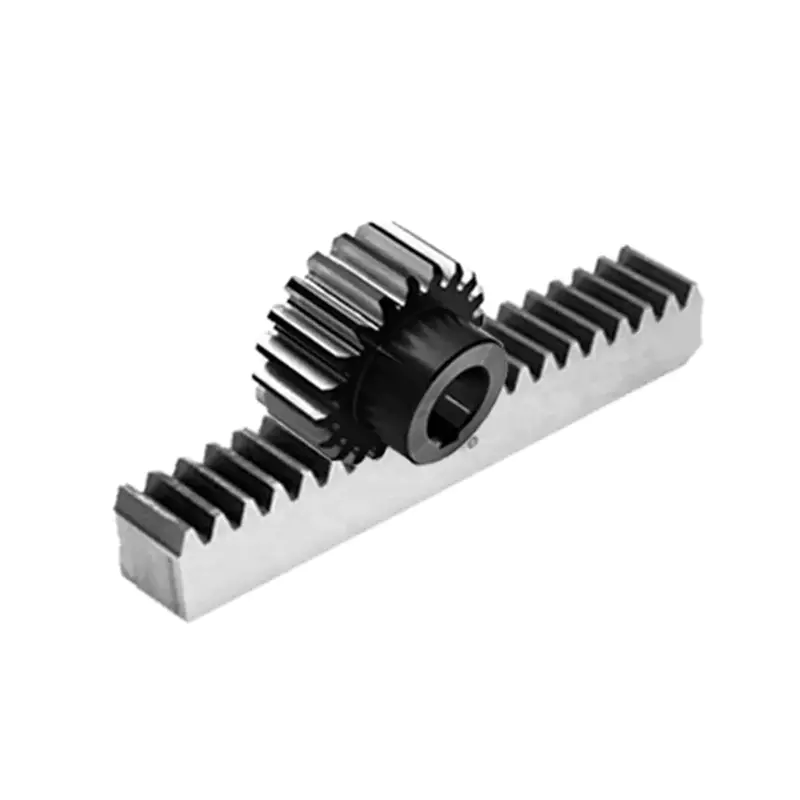
Why Continuous Operation Puts More Demand on Lubrication
When the pinion turns, its teeth slide and press against the rack teeth. Over thousands of operating cycles, a weak or depleted lubricant film leaves the metal surfaces exposed.
The damage is gradual, but its effects can be costly. Tooth surfaces may develop scoring or pitting. Friction can also raise the operating temperature, while uneven wear may affect backlash and positioning accuracy. On a production line, a lubrication problem can eventually become an unplanned stoppage.
Choosing a Lubricant for a Precision Rack and Pinion
The reference should be the rack and pinion manufacturer's lubrication instructions. Gear geometry, surface treatment, and material all affect which products are suitable.
Common options include:
Grease often suits exposed racks because it stays on the teeth. Oil may be more appropriate where the design allows regular, controlled application or circulation. Neither is automatically suitable for every machine. Check compatibility with coatings, seals, and plastic components before use.
Four Things That Affect Lubricant Selection
Load and contact pressure
A heavily loaded rack places greater pressure on the tooth contact area. The lubricant may need anti-wear or extreme-pressure additives, but these should not be selected without checking the manufacturer's specifications.
Operating speed
Thick grease can create noticeable resistance in a fast-moving system. Very thin oil, on the other hand, may not maintain enough separation between contacting surfaces. Viscosity needs to match the actual operating conditions.
Temperature
Heat changes lubricant viscosity and speeds up oxidation. In cold conditions, some greases become too stiff to spread properly. Machines exposed to wide temperature swings may need a lubricant rated for a broader operating range.
Dust and moisture
An exposed rack in a woodworking shop or metalworking plant can quickly collect dust and particles. Outdoor equipment has the added problem of rain and condensation. Protective covers and regular cleaning help keep contaminants away from the gear teeth.
Comparing Lubrication Options
| Lubricant type | Typical use | What to check |
|---|---|---|
| Industrial gear oil | Enclosed gear systems | Oil delivery and sealing |
| Mineral-based grease | General industrial equipment | Temperature range and service interval |
| Synthetic grease | Variable-temperature applications | Material compatibility |
| Extreme-pressure grease | Heavily loaded gear contact | Additive compatibility |
| Automatic lubrication oil or grease | Equipment with long operating cycles | Dispensing rate and system settings |
Applying more lubricant does not necessarily provide better protection. Excess grease can collect dust and increase resistance. Too little leaves parts of the tooth surface without an adequate film. The amount matters as much as the product itself.
Lubrication and Routine Maintenance
A rack that runs around the clock needs regular checks. How often it should be relubricated depends on its duty cycle, environment, and the lubricant in use. Follow the supplier's maintenance schedule and adjust it only when operating experience supports a change.
During inspection, look for dry patches, darkened grease, metal particles, scoring, or pitting on the teeth. Unusual noise, vibration, or a rise in operating temperature should also be investigated. These signs may indicate poor lubrication, but alignment and loading should be checked as well.
Automatic lubrication can be useful on production equipment that is difficult to stop for manual servicing. It still needs attention: blocked lines, poorly positioned outlets, or incorrect metering can leave the rack under-lubricated.
Rack Installation Matters Too
Lubricant cannot correct a rack that has been installed out of alignment. Uneven mounting or incorrect backlash can concentrate loads on a small section of the teeth, causing premature wear even with suitable grease.
Check alignment and tooth engagement during installation. The pinion should travel along the full rack without tight spots or sudden changes in resistance. For OEM machinery, accessible grease points and compatibility with centralized lubrication equipment can also make servicing easier.
What to Confirm Before Buying
When sourcing a Precision Rack Pinion, ask the supplier which lubricant is recommended, how it should be applied, and how often it needs replenishing. Also check the operating temperature range and compatibility with automatic lubrication systems.
These aren't minor maintenance details. Getting them right from the start can help prevent avoidable tooth wear and keep the machine running as intended.
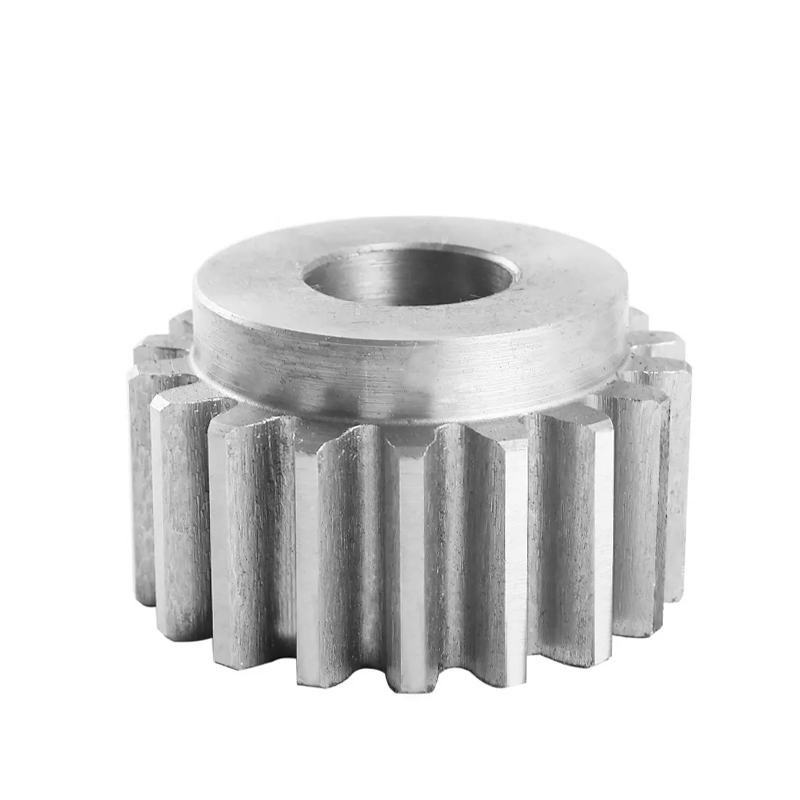
The High Precision Straight Teeth Rack Pinion Gear is a critical compo...
See Details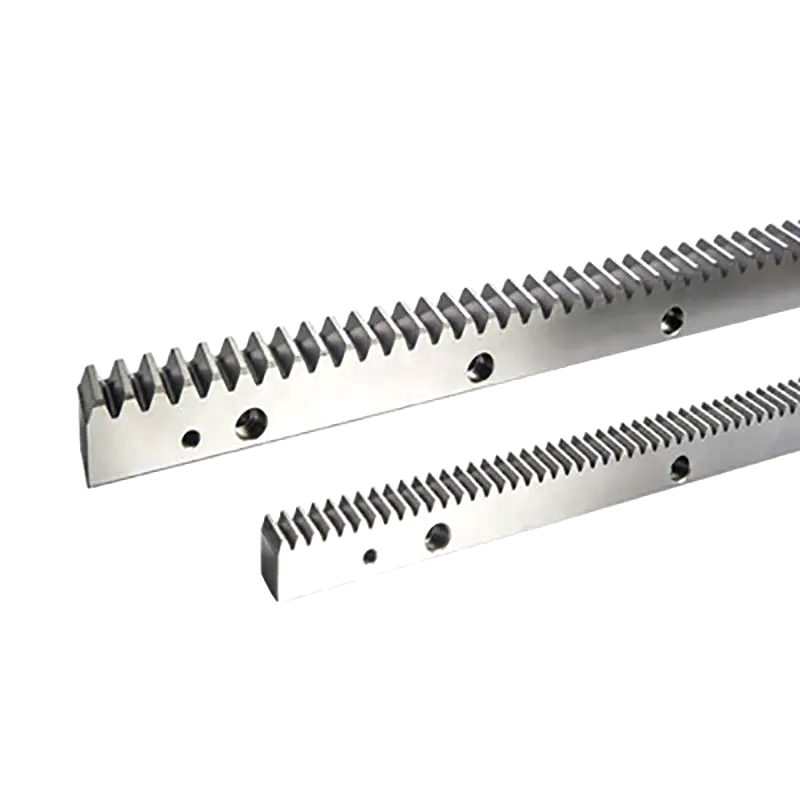
The Widely Used Operational Sliding Door Steel Gear Rack is a critical...
See Details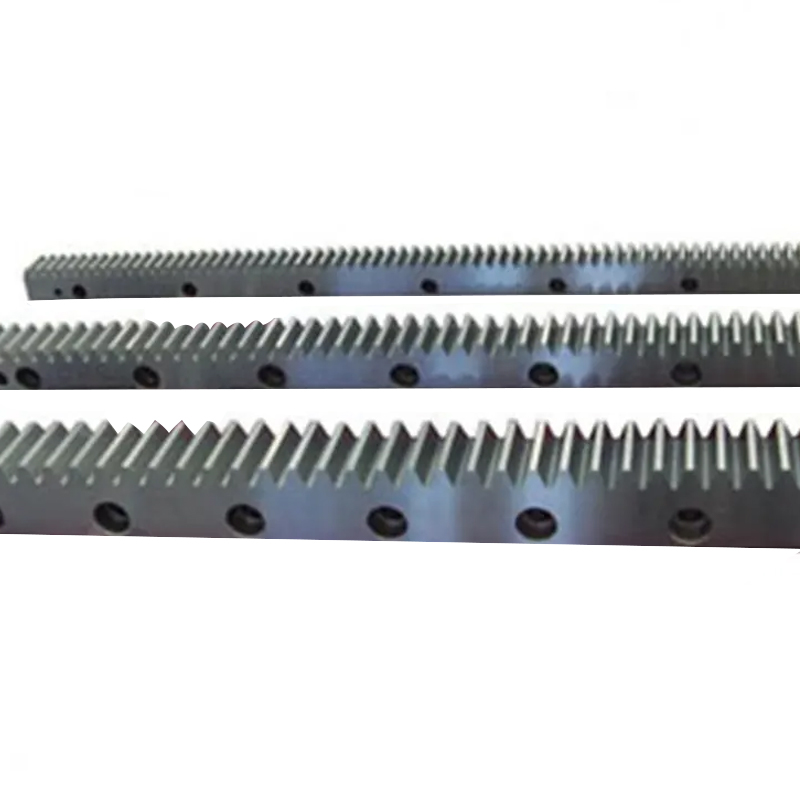
This helical gear rack runs angled, spiraled teeth down its length ins...
See Details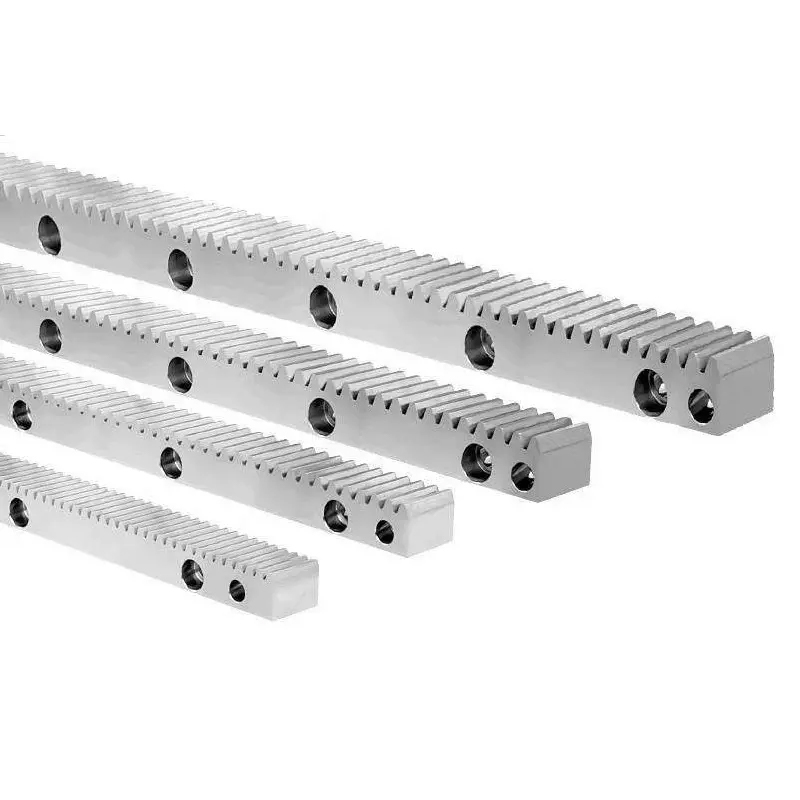
New Durable Custom Helical Gear Rack is a mechanical transmission ...
See Details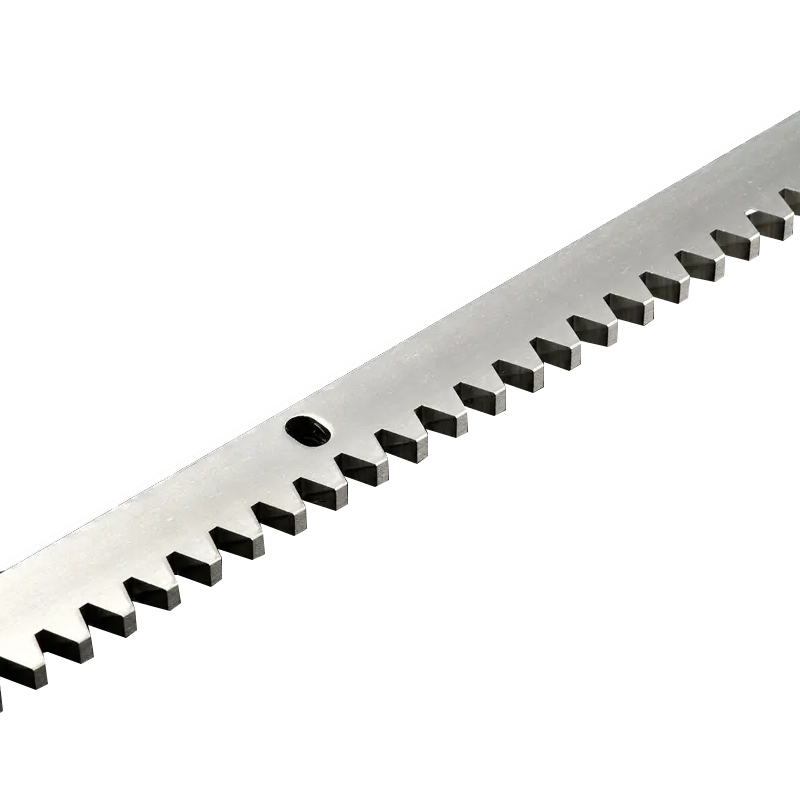
The Flexible Steel Parts Helical Gear Rack is a highly engineered comp...
See Details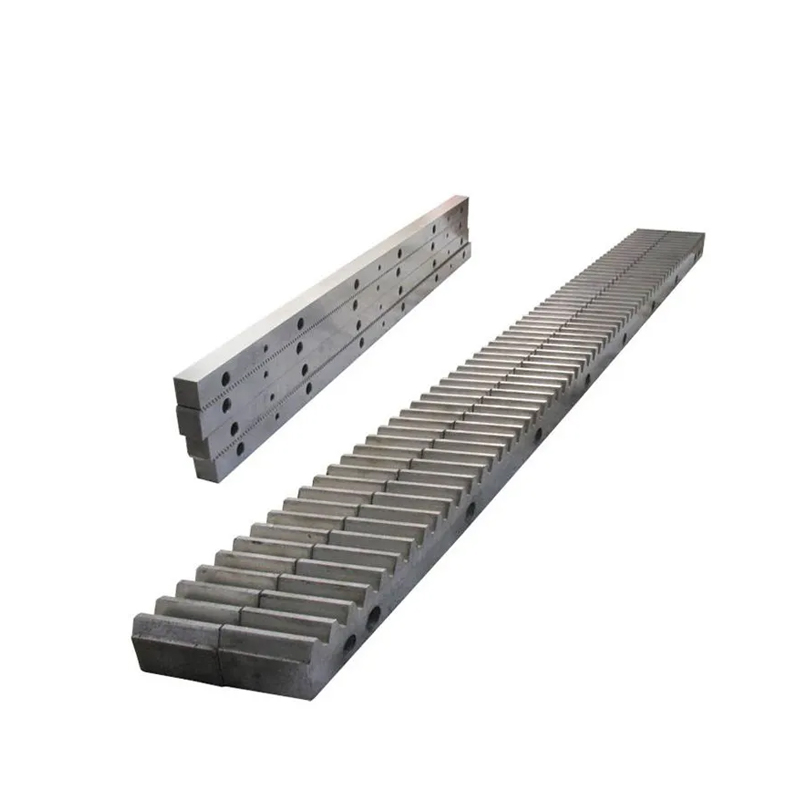
Screws steel straight gear rack for automatic doors is a linear transm...
See Details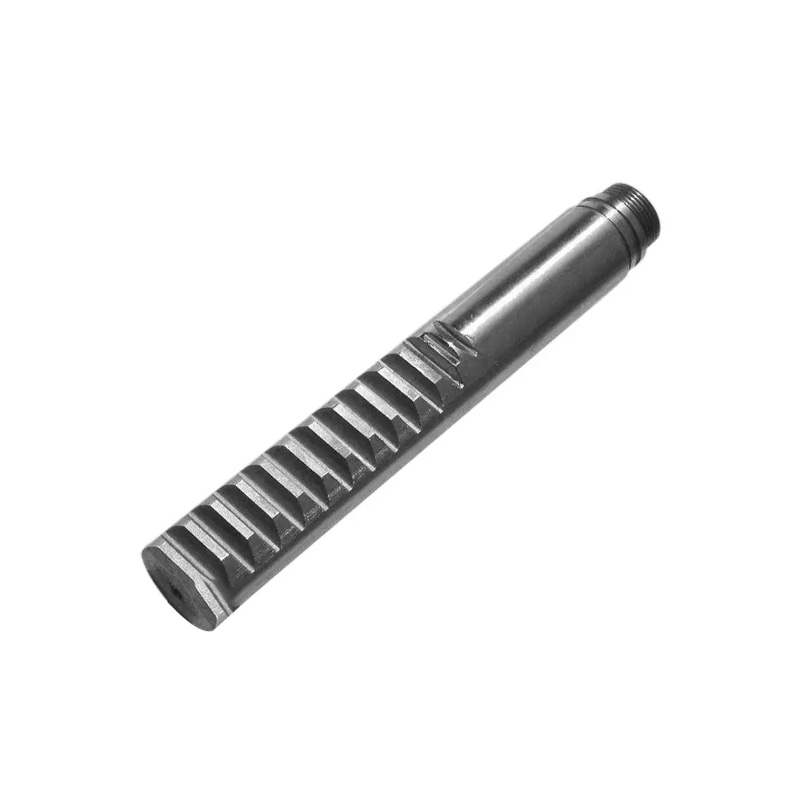
The Cylindrical Black Stainless Steel Straight Gear Rack is a durable ...
See Details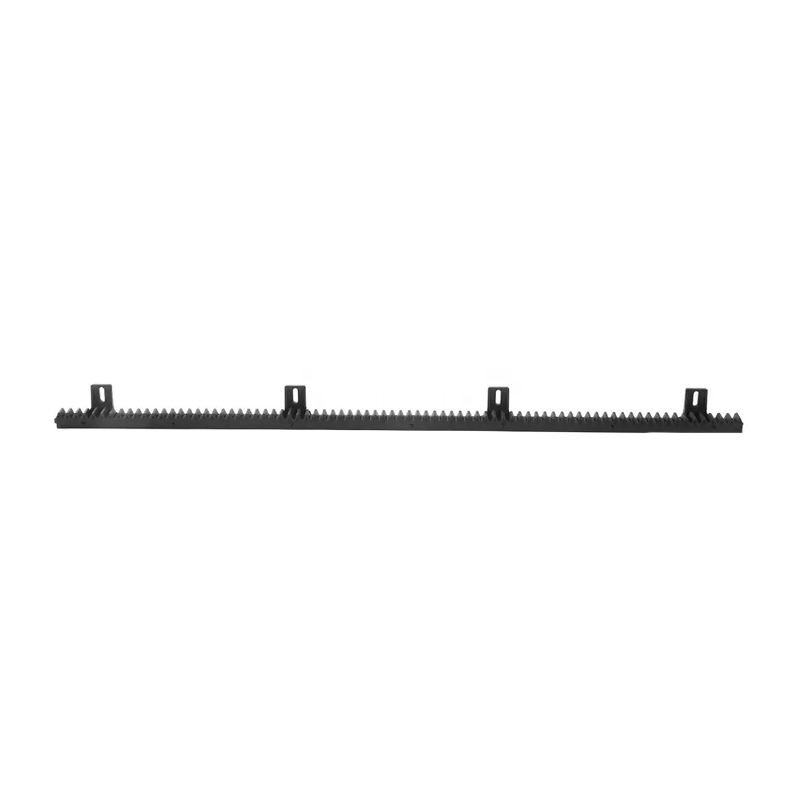
The Enhancement Sliding Door Nylon Gear Rack is designed for smooth, q...
See Details
