
 English
 русский
 Español
No. 200 Gaoxin RD, Shanghua St, Lanxi, Zhejiang, P. R China
The Double Pitch Sprocket Rack Pinion Gear is a specialized mechanical...
See DetailsSteel rack and pinion systems are often exposed to friction, dust, moisture, and heavy loads. In machine tools, lifting equipment, sliding gates, and production lines, the teeth engage repeatedly throughout operation. Without proper surface protection, rust and wear can gradually affect their fit and movement.
A suitable surface treatment helps slow this damage. The choice, however, needs to suit the steel, the working environment, and the precision required.
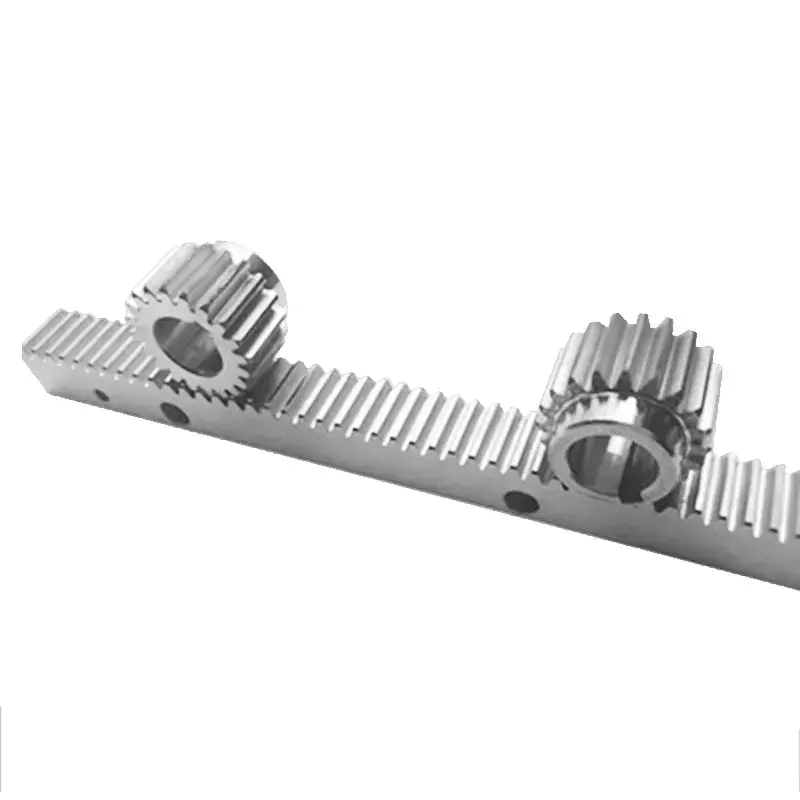
Why Surface Protection Matters for Steel Rack and Pinion Systems
The contact between rack and pinion teeth is unavoidable. As the system runs, the surfaces wear against each other. Poor lubrication, abrasive dirt, and heavy loads make the problem worse. Outdoor installations also face rain and humidity, which can cause corrosion.
These issues often show up as rough movement, increased backlash, or uneven tooth wear. In severe cases, damaged teeth may need to be replaced.
Common Surface Coating Technologies for Steel Components
Not all surface treatments work in the same way. Some form a protective layer; others change the hardness of the steel surface.
Black Oxide Coating
Black oxide gives steel a thin black finish and a modest level of rust protection. Since the layer adds very little thickness, it is often used on precision parts where dimensional changes need to be kept small. Oil or wax is usually applied to improve protection. It is not intended for severe outdoor or corrosive conditions.
Zinc Coating
Zinc plating is a common option for general corrosion protection. The zinc layer shields the steel and provides sacrificial protection if the surface is scratched. Its durability depends on coating thickness and the surrounding conditions. For high-strength steel, the electroplating process needs extra care because of possible hydrogen embrittlement.
Electroless Nickel Plating
Electroless nickel forms a nickel-phosphorus layer through a chemical process. It covers complex shapes evenly and offers useful wear and corrosion resistance. The final hardness depends on the phosphorus content and any heat treatment. On rack teeth, the coating thickness needs close control to avoid changing the fit.
Nitriding
Nitriding does not add a plated layer. Instead, nitrogen is introduced into the steel surface to create a hard case that resists wear and surface fatigue. It is used on parts subject to repeated contact, provided the steel grade and previous heat treatment are suitable.
Comparing Surface Treatments
| Treatment | Main advantage | Limitation | Common use |
|---|---|---|---|
| Black oxide | Minimal change to dimensions | Limited rust protection | Indoor machinery |
| Zinc plating | Corrosion protection | Hydrogen embrittlement risk on high-strength steel | General hardware |
| Electroless nickel | Even coverage and wear resistance | Coating thickness needs control | Precision parts |
| Nitriding | Hardens the steel surface | Not suitable for every steel grade | High-load components |
How Coatings Affect Gear Accuracy
A coating that protects the steel may also change the dimensions of the teeth. This is especially important for rack and pinion systems, where small differences can affect backlash and tooth contact.
Plating that is too thick or uneven may cause tight spots along the rack. Manufacturers should account for the treatment when setting machining tolerances and inspect the tooth profile after processing. Coating thickness, hardness, and adhesion also need checking.
Operating Conditions and Lubrication
A rack installed inside a clean workshop has different needs from one exposed to rain, dust, salt, or industrial chemicals. Buyers should tell the supplier where and how the system will be used before choosing a treatment.
Coating does not replace lubrication. The teeth still need a suitable lubricant to limit friction, and exposed racks should be cleaned regularly. Dirt trapped between the teeth can wear away the treated surface.
What to Check When Choosing a Supplier
Ask for the treatment specification and inspection records, rather than relying on a general claim of corrosion or wear resistance. Useful records include coating thickness, hardness, adhesion, corrosion test results, and dimensional inspection of the teeth. Load testing may also be needed for critical applications.
Corrosion test results should be read alongside the test standard and exposure time. They do not provide a direct estimate of service life in actual operating conditions.
Extending the Service Life of Steel Rack and Pinion Products
Surface treatment makes a difference, but it is only one part of rack and pinion quality. Material selection, tooth machining, lubrication, and working conditions all affect wear.
When sourcing a Steel Rack and Pinion, discuss the application with the manufacturer before specifying a coating. The treatment should protect the working surfaces while keeping the tooth dimensions within tolerance.
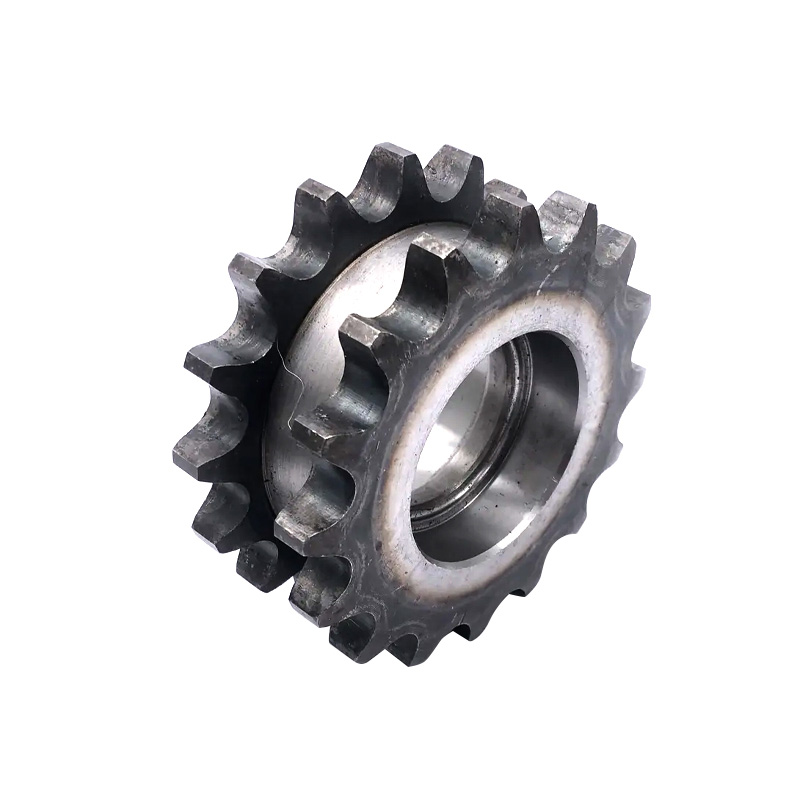
The Double Pitch Sprocket Rack Pinion Gear is a specialized mechanical...
See Details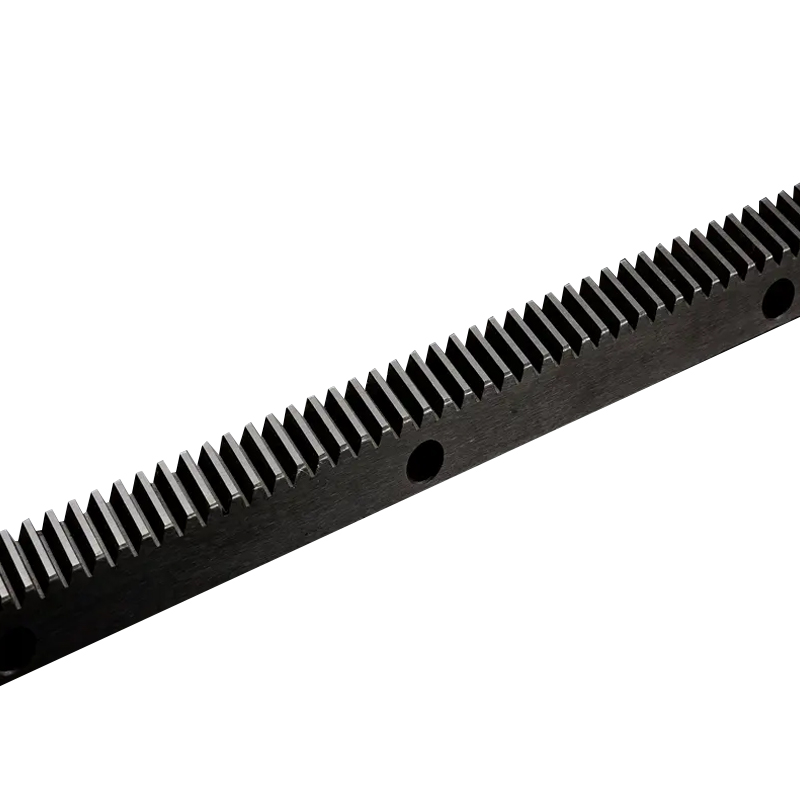
The Precision Durability Sliding Door Steel Gear Rack is a high-perfor...
See Details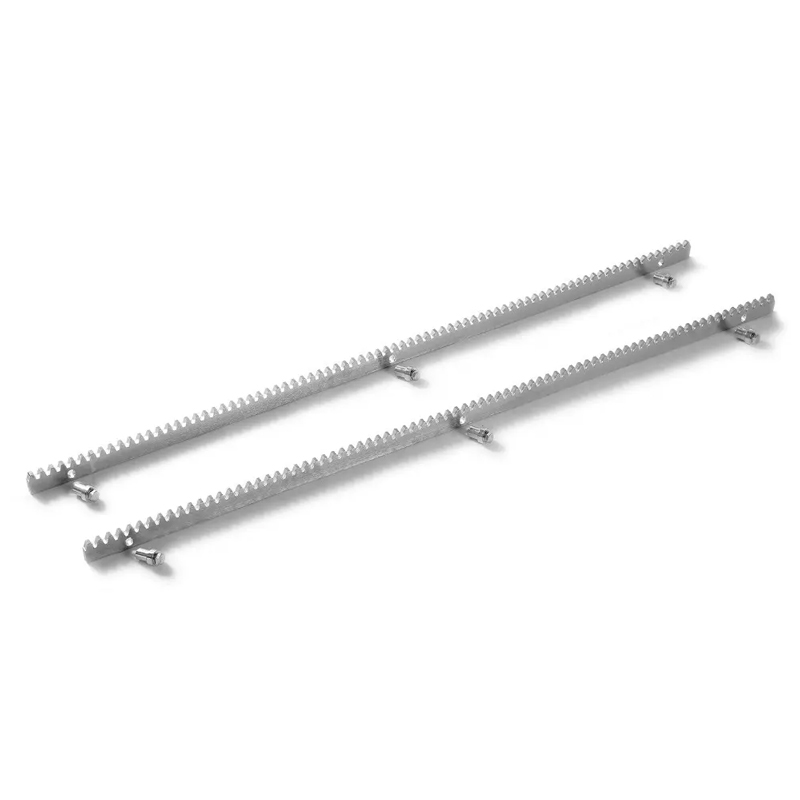
The Durable High-Quality Sliding Door Steel Gear Rack is a versatile a...
See Details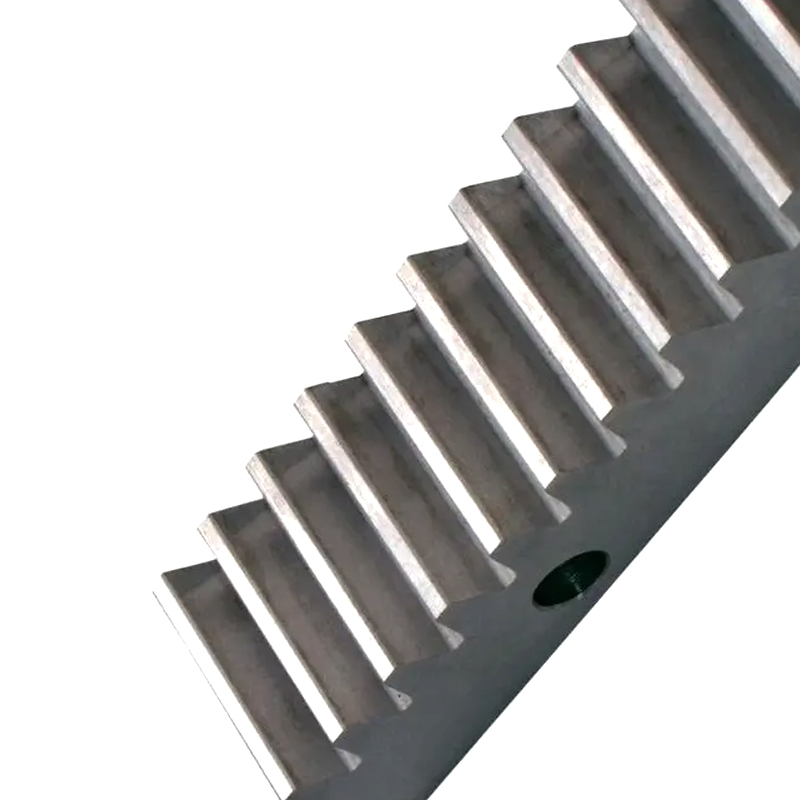
Lifts transmission systems helical gear rack is a key compo...
See Details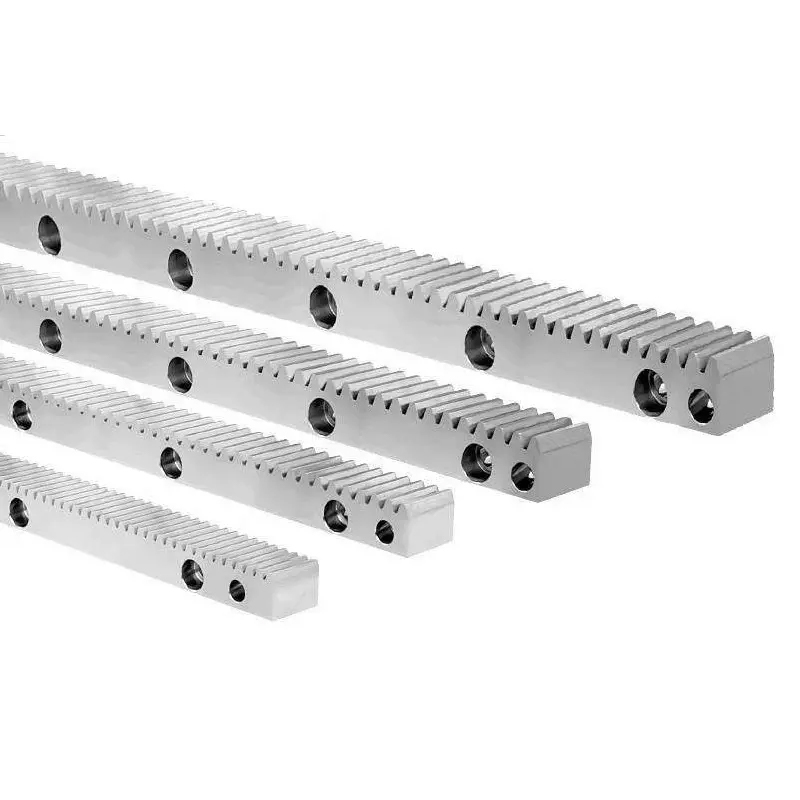
The Modern Design Zinc Alloy Straight Gear Rack is a linear mechanical...
See Details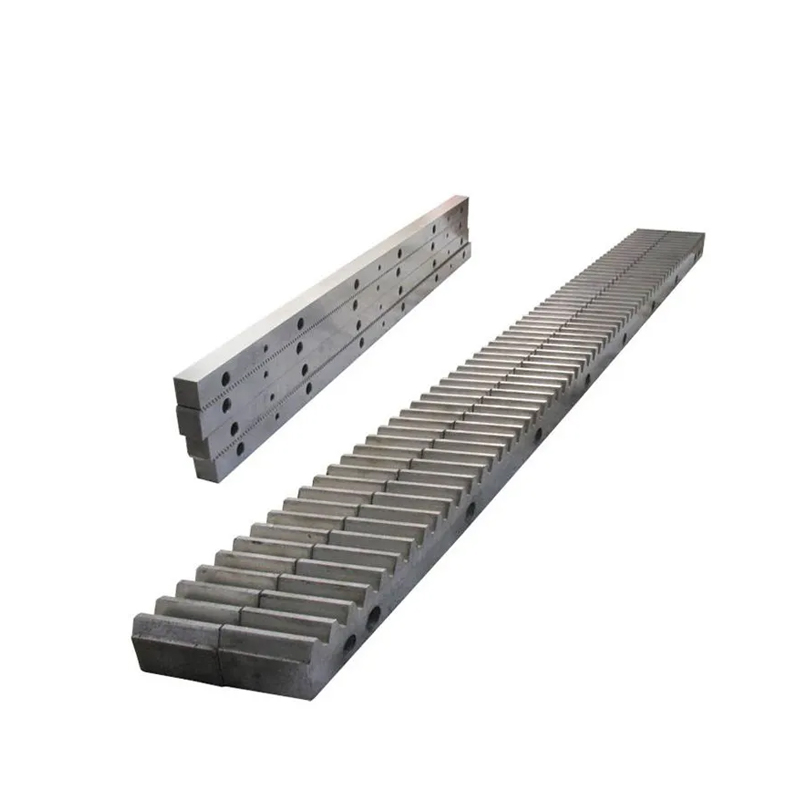
Screws steel straight gear rack for automatic doors is a linear transm...
See Details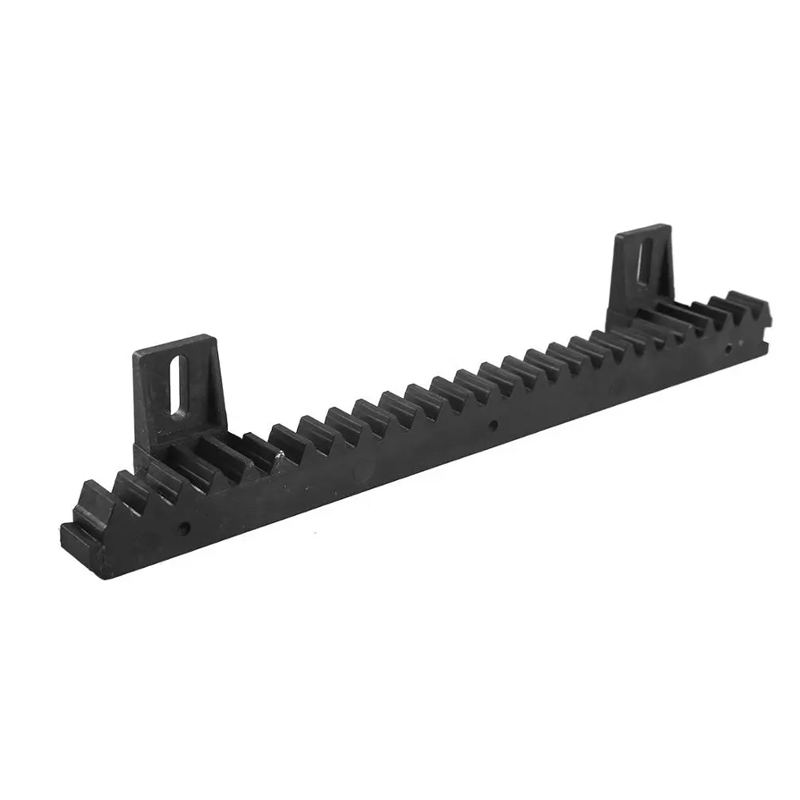
The Two-Hole Track Sliding Door Nylon Gear Rack is a mechanical compon...
See Details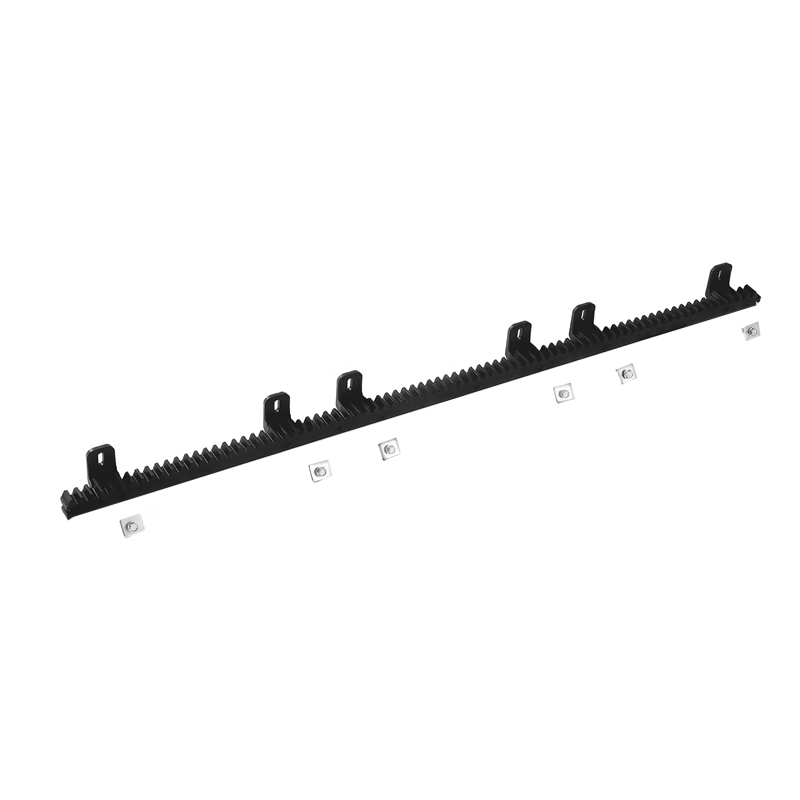
The Black Six Eyes Sliding Door Nylon Gear Rack is a versatile and pra...
See Details
