
 English
 русский
 Español
No. 200 Gaoxin RD, Shanghua St, Lanxi, Zhejiang, P. R China
The Gearbox Steering Rack Pinion Gear is a fundamental component in mo...
See DetailsSelecting a gear rack for a gate motor isn't simply a matter of choosing parts that fit together on a spec sheet. The rack and motor need to work as one transmission system under the actual conditions of that specific gate, day after day.
For engineers, the decision involves several practical questions, including rack material, tooth design, gear compatibility, gate weight, movement pattern, installation structure, and the environment where the system will operate. A rack that appears suitable on paper may still create problems if its tooth profile doesn't match the motor gear, or if the mounting structure allows unwanted movement during operation.
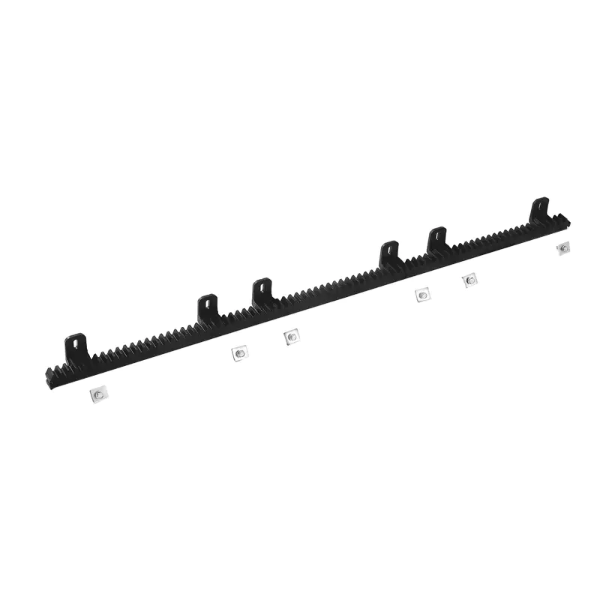
The growing use of automated gates in industrial sites, residential entrances, logistics facilities, parking areas, and large access points has made gear rack selection a genuinely important part of project planning. Materials such as polymer-based racks and metal racks can serve different applications, while different tooth arrangements may get selected according to the transmission structure and operating conditions at hand.
For engineers, the objective isn't identifying some universal rack that fits everything. It's establishing a suitable relationship between the gate, motor, rack, mounting structure, and expected working environment on that particular job.
The starting point is understanding the gate itself, rather than looking at the rack as an isolated component sitting on a shelf. Gate size, construction, movement direction, operating frequency, installation position, and overall weight can all influence the rack selection process from the outset.
A sliding gate transfers movement through the rack and motor gear, so the connection between these parts needs to remain consistent as the gate travels along its entire path. Several basic factors should get reviewed during the planning stage before anyone orders a component.
| Project Factor | Why It Matters |
|---|---|
| Gate construction | Influences the overall movement and support requirements |
| Gate weight | Affects the demand placed on the transmission system |
| Operating frequency | Helps determine the expected level of repeated use |
| Travel path | Influences rack placement and installation length |
| Installation environment | Can affect material and maintenance choices |
| Motor arrangement | Determines how the rack interacts with the drive gear |
Engineers should also consider how the gate is supported, because a rack can't compensate for poor gate alignment or unstable movement no matter how well it's made. If the gate rollers, guides, or supporting structure allow excessive movement, the rack and motor gear may experience uneven contact during operation over time. This is why rack selection should normally get treated as part of the complete gate mechanism, rather than as an individual purchasing decision made in isolation.
Gear matching is one of the more important parts of the selection process, since the rack teeth and motor gear need to engage correctly throughout the gate's entire movement. The tooth form, pitch, size, and overall construction should correspond with the gear used by the motor itself.
Engineers should obtain clear information about the motor gear before selecting a rack, instead of assuming that racks with similar appearances will simply work together. A practical matching review can include several areas worth walking through.
| Matching Point | Engineering Consideration |
|---|---|
| Tooth profile | Should correspond with the mating gear |
| Tooth spacing | Needs to provide consistent engagement |
| Rack dimensions | Should suit the available installation space |
| Material | Should fit the expected operating conditions |
| Mounting method | Needs to maintain stable rack position |
| Gear alignment | Should remain consistent during gate travel |
Gate Rack Nylon products may get considered when a project requires a lighter rack structure or a material suited to particular operating conditions on site. The use of nylon doesn't remove the need for correct gear matching, since the rack still needs to work with the motor gear throughout repeated movement day after day.
Engineers should also consider how the rack will get connected to the gate itself, because even a compatible tooth arrangement can perform poorly when the rack shifts during operation. A stable connection helps maintain the intended relationship between the rack and the motor gear as the gate moves back and forth.
Nylon racks can offer a genuinely different design approach from conventional metal rack systems, particularly when engineers are weighing weight, handling, noise characteristics, and installation convenience. A Gate Rack Nylon solution may prove useful in applications where a lighter component is desirable and where the operating conditions suit the material well.
Nylon construction can also make handling a lot easier during installation, since individual rack sections may be more convenient to position and adjust on a ladder or scaffold. That said, the material choice should still get based on the complete application, not just the rack in isolation.
Engineers may review factors such as the following before committing to a material.
Material selection shouldn't get based on the rack alone, sitting on a spec sheet by itself. The gate, motor, support structure, and surrounding environment all influence whether a particular rack material genuinely makes sense for the project at hand. A Nylon Gear Rack Factory may therefore need to provide different rack designs for applications with different structural and operating requirements. For engineers, clear product information can make it a lot easier to determine whether a nylon rack fits the intended transmission arrangement.
The motor gear and rack form the direct connection that converts motor rotation into gate movement, so this relationship carries a lot of weight in the design. This means their relationship needs to remain stable from the beginning of the gate travel right through to the end.
If the rack gets installed too far from the motor gear, tooth engagement may become inconsistent as the gate moves. If the rack gets positioned too close instead, unnecessary pressure may develop between the mating parts and wear them down faster.
The mounting structure should therefore allow engineers to establish a consistent working relationship between the two components from day one. During installation planning, engineers can pay attention to several points worth checking.
The gate should move through its full travel without creating noticeable changes in the relationship between the rack and motor gear at any point along the way. This matters particularly for long gates, since small installation differences can become a lot more noticeable as the gate moves across a greater distance.
A Helical Gear Rack Factory may offer rack solutions intended for particular transmission arrangements, but engineers still need to confirm compatibility with the selected motor and project structure before installing anything. The term helical describes the tooth arrangement, rather than guaranteeing suitability for every gate application out there. The practical question stays whether the rack geometry and motor gear can genuinely work together within the planned system.
Load requirements are closely connected with gate movement, since the transmission system needs to move the gate while working within the capabilities of the complete mechanism behind it. Engineers should consider a lot more than just the static weight of the gate sitting there.
Rolling resistance, gate alignment, supporting components, operating conditions, and movement resistance can all influence the effort required to move the gate through its cycle. A simple project review can separate several types of consideration worth examining.
| Load Consideration | Project Relevance |
|---|---|
| Gate weight | Defines the basic moving mass |
| Rolling resistance | Influences movement effort |
| Gate alignment | Affects how smoothly the gate travels |
| Operating frequency | Relates to repeated transmission use |
| Environmental conditions | May influence movement resistance |
| Support structure | Helps maintain stable movement |
A heavier gate doesn't automatically require a particular rack material or tooth arrangement just because it weighs more. Instead, engineers should evaluate the entire transmission path and determine how the motor, gear rack, rollers, guides, and supporting structure work together as a system.
For gantry crane configurations, the situation can become a lot more demanding, since movement systems may involve larger structures and different travel requirements altogether. A gear rack used in a gantry crane configuration should therefore get selected according to the actual movement arrangement, rather than simply carried over from a smaller gate application down the road. The same principle applies to industrial access systems, where repeated movement and structural conditions may differ considerably from residential gates.
Gantry crane systems can involve horizontal movement across a defined path, which makes rack placement and structural alignment particularly important to get right. Engineers need to understand how the moving structure interacts with the transmission components before deciding whether a particular rack arrangement is appropriate for the job.
The rack may form part of a longer transmission path, which means the supporting structure needs to keep the rack in a stable position throughout movement across that whole span. A practical review can consider the relationship between the following components laid out in sequence.
Motor → drive gear → gear rack → supporting structure → moving assembly
Each part affects the behavior of the next one down the chain. If the supporting structure bends, shifts, or becomes misaligned, the rack and gear may no longer maintain consistent contact with each other. This can influence movement smoothness and may increase wear on the transmission components over months of use.
For this reason, engineers working on gantry crane configurations should treat rack mounting as part of the structural design, rather than as a minor installation detail tacked on at the end. Rack sections may also need careful joining when a longer travel path is involved in the project.
The connection between sections should maintain a consistent tooth path, so the motor gear doesn't encounter an unexpected change while moving from one rack section to another. This makes rack length, connection design, mounting stability, and alignment genuinely relevant during project planning from the start.
The same basic rack-and-motor principle can appear in very different applications depending on where the gate sits. A residential sliding gate may prioritize convenient installation and everyday operation, while an industrial access gate may involve a larger structure and a lot more frequent movement throughout the day.
Parking entrances, warehouse access points, production facilities, agricultural sites, and controlled industrial areas can also have genuinely different requirements from one another. The application helps engineers determine which factors deserve more attention during the design phase.
| Application | Main Considerations |
|---|---|
| Residential gate | Practical installation and regular use |
| Industrial gate | Structural stability and repeated movement |
| Parking access | Consistent gate travel and space planning |
| Warehouse entrance | Gate size, movement, and operating environment |
| Agricultural access | Outdoor exposure and maintenance |
| Gantry crane | Travel structure and rack alignment |
This doesn't mean every application requires a completely different rack from scratch. Instead, the same rack concept may need evaluation differently, depending on how it will get installed and used on site. Engineers can also consider whether the rack will get exposed to moisture, dust, temperature changes, cleaning processes, or other environmental conditions specific to that location. These factors may influence the choice between nylon and metal construction, or between different rack designs altogether. The surrounding environment should therefore get included in the specification discussion, rather than treated as a separate maintenance issue to sort out later.
Supplier communication can make the selection process a lot more straightforward when the project has specific transmission requirements to hit. A Nylon Gear Rack Factory may be able to provide information about available rack structures, material choices, tooth arrangements, mounting methods, and application suitability for the job.
A Helical Gear Rack Factory may provide different rack configurations for systems using compatible helical gears, but engineers still need to confirm the complete mating arrangement before ordering. Useful questions can focus on practical compatibility, rather than general product descriptions pulled from a brochure.
Engineers may ask whether the rack matches the selected motor gear, how sections are joined together, how the rack gets mounted to the moving structure, and what installation conditions the design is intended to accommodate on site. For custom projects, it can also help to discuss the gate structure, movement direction, installation space, and expected operating pattern before finalizing the rack specification.
Clear communication reduces the chance of selecting a component based only on appearance or general application labels tossed around loosely. It also gives engineers an opportunity to identify potential installation issues before the components ever reach the project site.
A structured selection process can help keep the project focused without making the specification unnecessarily complicated for everyone involved. Engineers can begin with the gate or moving structure itself and then work backward through the transmission system from there.
A practical sequence may include the following steps worth following in order.
This approach keeps the rack connected to the actual project, rather than treating it as a standalone catalog item picked off a page. It also helps distinguish between requirements that are essential for compatibility and preferences that can get adjusted during procurement without much fuss.
The choice between Gate Rack Nylon, metal rack construction, and other rack arrangements should ultimately follow the relationship between material, gear matching, load conditions, transmission structure, and project application working together. When these elements get considered together, engineers can develop a rack-and-motor arrangement that's a lot easier to specify, install, and maintain within the intended gate or industrial movement system.
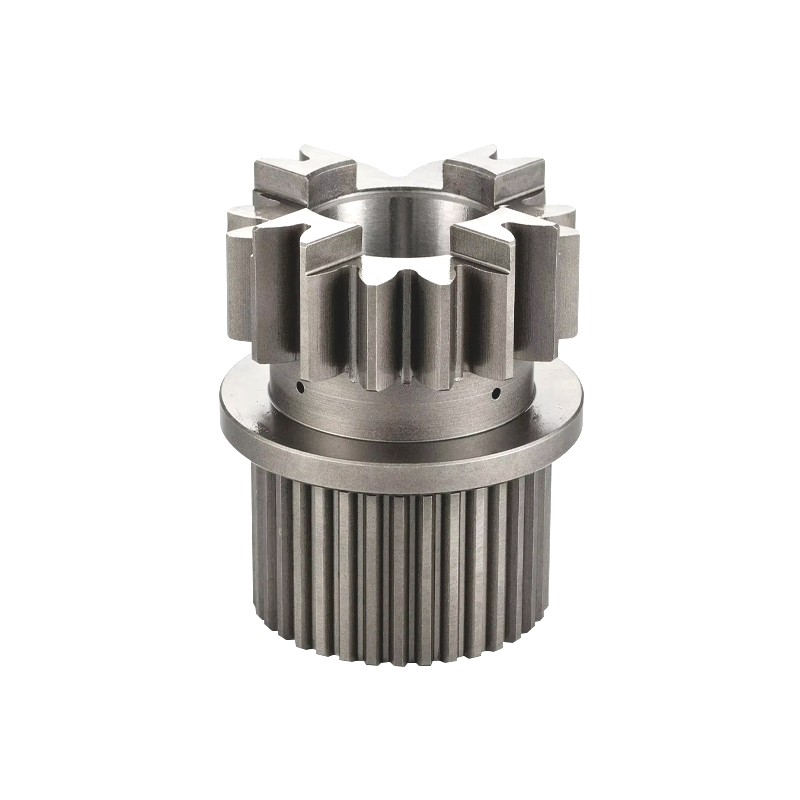
The Gearbox Steering Rack Pinion Gear is a fundamental component in mo...
See Details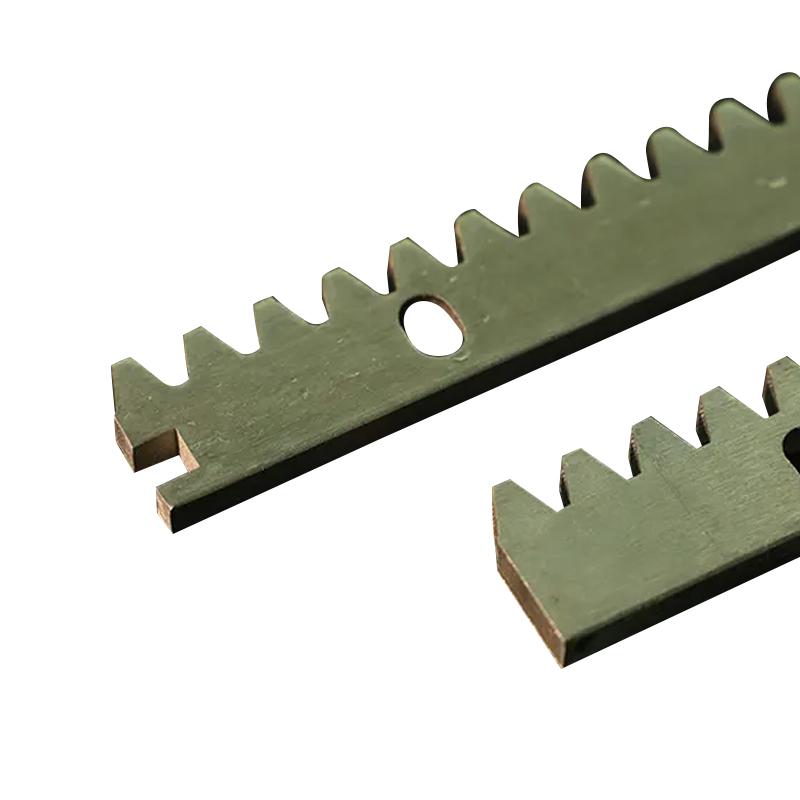
The Metal Steel Gear Rack for Sliding Door Operators is a crucial comp...
See Details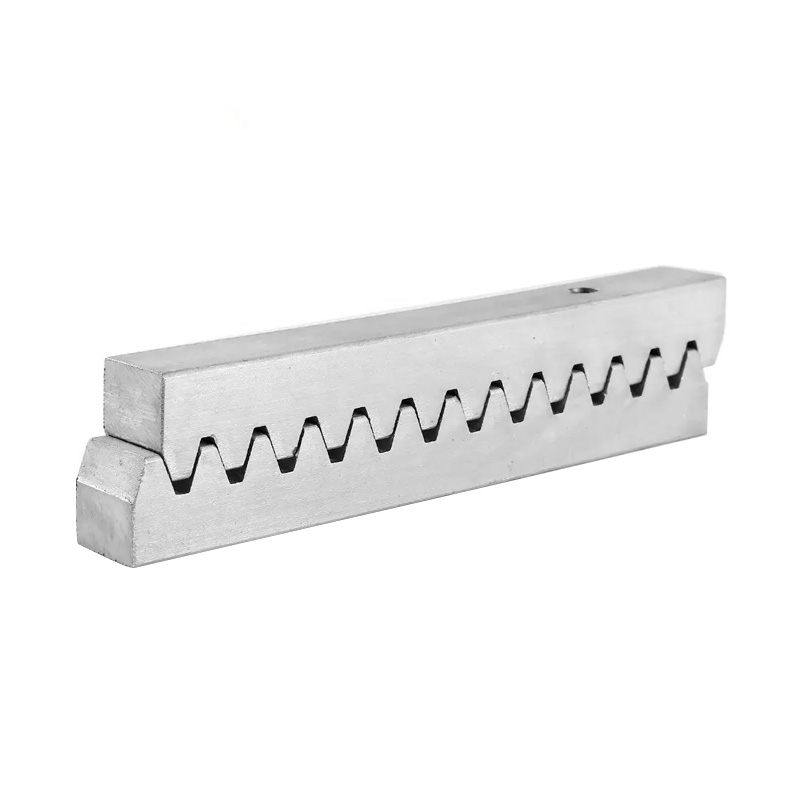
Sliding doors are a popular choice for both residential and commercial...
See Details
The Drive Durable Sliding Door Steel Gear Rack is a critical component...
See Details
Linear precision guides helical gear rack is a transmission component ...
See Details
This helical gear rack runs angled, spiraled teeth down its length ins...
See Details
The Black Six Eyes Sliding Door Nylon Gear Rack is a versatile and pra...
See Details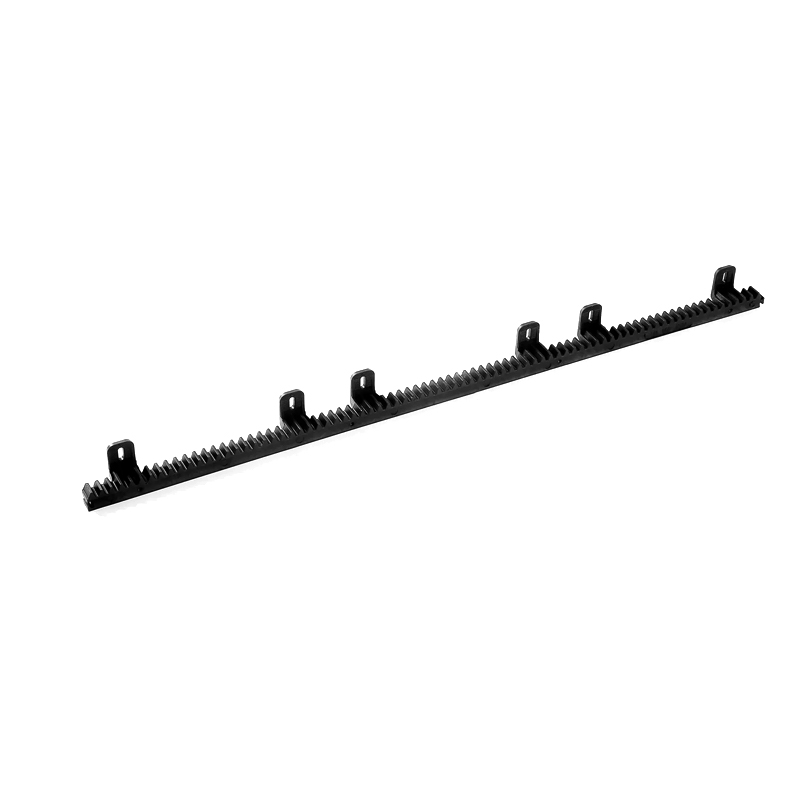
The plastic nylon gear rack for automatic sliding doors is an essentia...
See Details
