
 English
 русский
 Español
No. 200 Gaoxin RD, Shanghua St, Lanxi, Zhejiang, P. R China
The Gearbox Steering Rack Pinion Gear is a fundamental component in mo...
See DetailsPull into a gated community late at night, and the gate sliding open without a sound is easy to take for granted, right up until it starts grinding or squeaking every time it moves. That gradual noise buildup usually traces back to worn metal components rubbing against each other, and it's exactly the kind of problem Gate Rack Nylon was developed to address. As more properties switch to automated sliding gates, the components handling that movement matter just as much as the motor driving them.
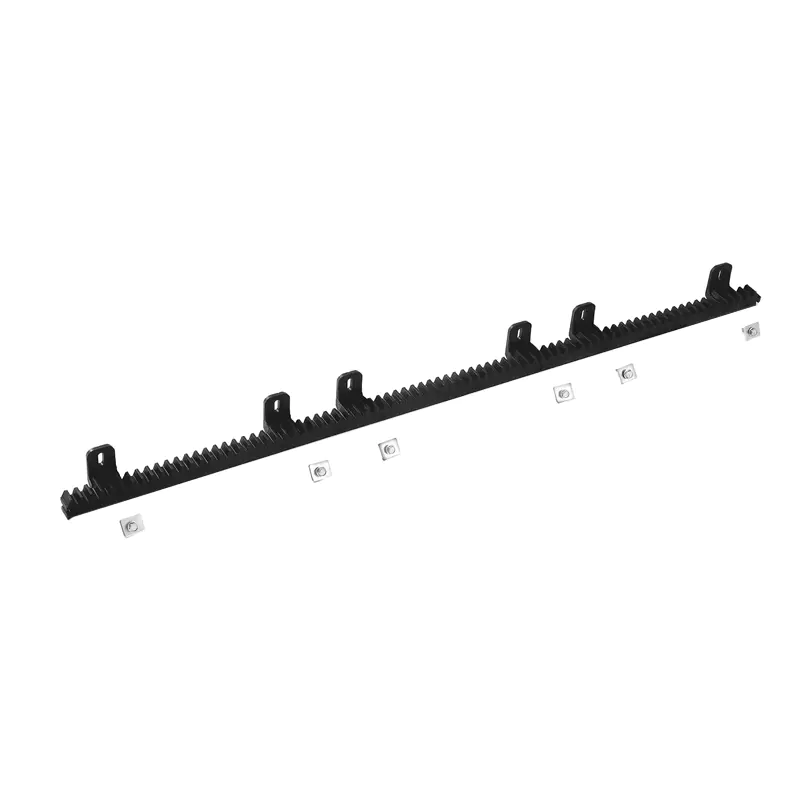
A sliding gate looks simple from the outside, just a panel gliding along a track. Underneath that motion, a rack and gear system does the actual mechanical work, translating motor power into smooth horizontal movement. When that connection wears out or gets noisy, the whole gate starts feeling less reliable, which is where material choice starts making a real difference.
Manually pushing open a heavy gate every time someone needs to come or go got old fast for a lot of property managers and homeowners alike. Automated systems solved that basic inconvenience, but as more properties adopted them, expectations around how those systems should actually perform kept rising too.
| What Property Owners Want | How Gate Design Has Responded |
|---|---|
| Less physical effort involved in daily access | Motorized systems that handle the movement automatically |
| A gate that operates smoothly, not roughly | Components engineered around consistent, controlled motion |
| Installation that fits varied gate structures | Parts flexible enough to work across different setups |
| Less frequent repair and upkeep | Materials chosen specifically to reduce wear over time |
A residential community running dozens of automated gates across its property needs every one of those gates working reliably, since a single malfunctioning gate creates a bottleneck for residents trying to get in or out during busy hours.
Inside a sliding gate automation system, a motor turns a gear, and that gear meshes with a long rack mounted along the gate itself. As the gear turns, it pulls the rack — and the gate attached to it — along the track. Gate Rack Nylon refers to that rack component being built from nylon rather than metal.
| What Nylon Brings to the Job | Why It Helps |
|---|---|
| Lighter weight than metal | Simpler to handle during installation |
| A smoother contact surface | Cuts down on the grinding noise metal-on-metal contact tends to create |
| Some natural flexibility | Absorbs mechanical stress rather than transferring all of it directly |
| Straightforward design | Adapts to a range of different gate setups |
A property manager installing gate automation across several entry points appreciates how much easier nylon components are to carry and position compared to heavier metal parts, especially when a maintenance crew is working through multiple gates in a single day.
Every time a sliding gate opens or closes, the rack and gear mechanism is doing the actual work of moving that heavy panel along its track. If that connection runs roughly, the entire gate feels unreliable, even if the motor itself is working fine.
A Nylon Rack for Sliding Gate contributes to:
A homeowner opening their gate late at night without waking the whole street notices this difference directly, since a nylon rack system tends to run with less of the grinding noise that older metal setups often develop over time.
Gate systems sit outside, exposed to weather, temperature swings, and constant repeated motion day after day. The material chosen for a rack needs to hold up to all of that without needing constant attention.
| What Matters in a Gate Environment | What Nylon Offers |
|---|---|
| Handling and installation ease | A lighter material that's simpler to work with |
| Reducing operational noise | A surface that runs more quietly against the gear |
| Managing mechanical stress | Some flexibility that helps absorb movement rather than resist it rigidly |
| Standing up to repeated daily use | A design approach built around consistent long-term performance |
A gate installed at a commercial property that opens and closes dozens of times a day puts real repeated stress on its rack system, and a material that handles that daily cycling without excessive wear ends up saving on maintenance calls down the line.
Automated gates aren't just judged on whether they open and close anymore. Buyers expect the whole system to run quietly, install cleanly, and fit into whatever property layout they're working with.
Gate Rack Nylon supports these expectations through:
A property developer building a new residential complex with several automated entry points often specifies quieter rack components specifically because residents living near those gates don't want to hear mechanical grinding every time someone comes home late.
Building these components at scale involves more than picking a good material. A Nylon Gear Rack Factory has to account for a wide range of gate types, installation conditions, and durability expectations across different climates and use cases.
| What the Factory Focuses On | Why It Matters |
|---|---|
| Product design | Making sure the rack fits different automation systems properly |
| Material selection | Choosing nylon formulations suited to outdoor, repeated use |
| Manufacturing consistency | Keeping every unit performing to the same standard |
| Understanding real applications | Adjusting designs based on how gates actually get used in the field |
A factory supplying racks for both residential gates and larger commercial entry systems has to account for genuinely different demands, since a gate at a busy commercial loading area cycles far more often in a single day than a residential driveway gate typically does.
Neither material suits every situation, but their practical differences become easier to notice after a gate has been operating over time.
| What's Different | Traditional Metal Racks | Nylon Gear Rack |
|---|---|---|
| Material | Metal-based construction | Nylon-based construction |
| Sound during operation | Tends to develop more mechanical noise over time | Generally runs quieter |
| Weight | Usually heavier to handle | Noticeably lighter |
| Handling during installation | Often requires more physical effort | Easier to maneuver and position |
A residential neighborhood prioritizing quiet operation near homes often leans toward nylon, while an industrial facility dealing with heavier gates and rougher conditions might still lean toward metal, depending on what that specific site actually demands.
Keeping an automated gate running smoothly over the years depends heavily on how easy the system is to inspect and service. A rack that's simple to check and doesn't wear unpredictably saves a maintenance crew real time and hassle.
| Maintenance Factor | How Nylon Racks Help |
|---|---|
| Simple structure | Makes visual inspection quicker |
| Smoother operation | Reduces the wear concerns that come with rougher metal-on-metal contact |
| Easier handling | Simplifies replacement if a section ever needs swapping out |
| Straightforward design | Keeps overall system management less complicated |
A property management company overseeing gates across multiple sites benefits from components that don't demand specialized tools or extensive downtime just to check whether everything's still running properly.
A Nylon Gear Rack Factory can't just churn out one universal product and expect it to suit every gate on the market. Climate conditions, gate weight, and daily usage patterns all vary enough to require real attention during development.
| Challenge | What It Demands |
|---|---|
| Different gate applications | Designs flexible enough to handle varied setups |
| Rising user expectations | Continuous refinement toward smoother, quieter operation |
| Outdoor exposure | Material choices that hold up to weather and temperature shifts |
| Fitting existing systems | Careful attention to compatibility with different automation setups |
A factory developing rack components meant for coastal properties, for instance, has to account for humidity and salt exposure in ways that wouldn't matter nearly as much for a gate installed somewhere drier and more inland.
Gate systems keep moving toward setups that adapt more easily to different properties and daily conditions rather than forcing every installation into the same fixed mold. Gate Rack Nylon reflects that shift, offering a practical, quieter alternative to older metal-based rack systems without complicating installation or upkeep.
As residential communities, commercial buildings, and industrial locations continue adopting automated gates, the need for components that operate smoothly and withstand repeated movement will continue to influence rack design. The progress comes through practical refinements and gradual improvements to a mechanism that often stays unnoticed until a problem appears.
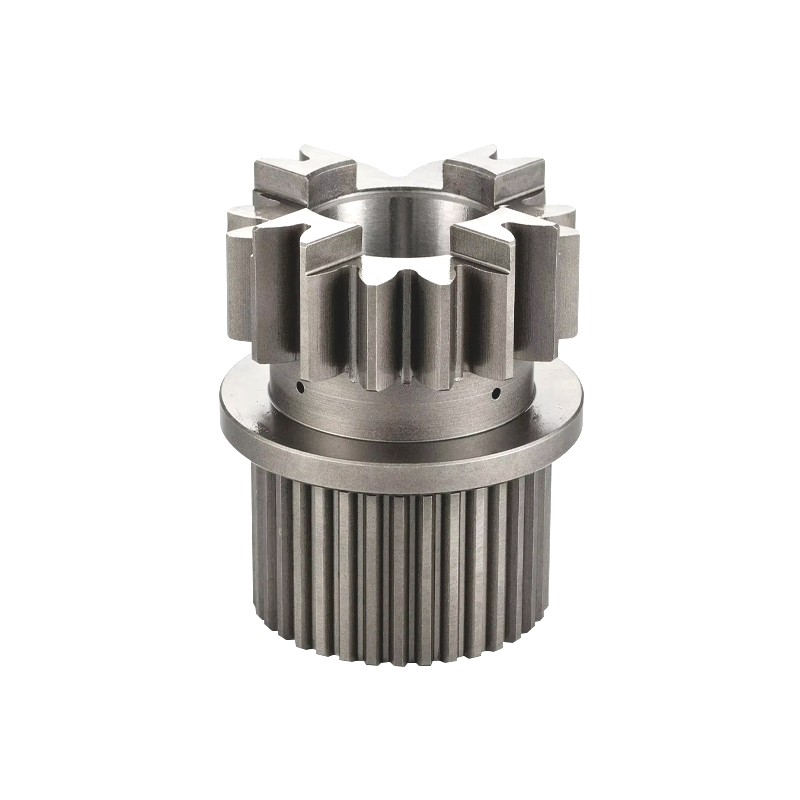
The Gearbox Steering Rack Pinion Gear is a fundamental component in mo...
See Details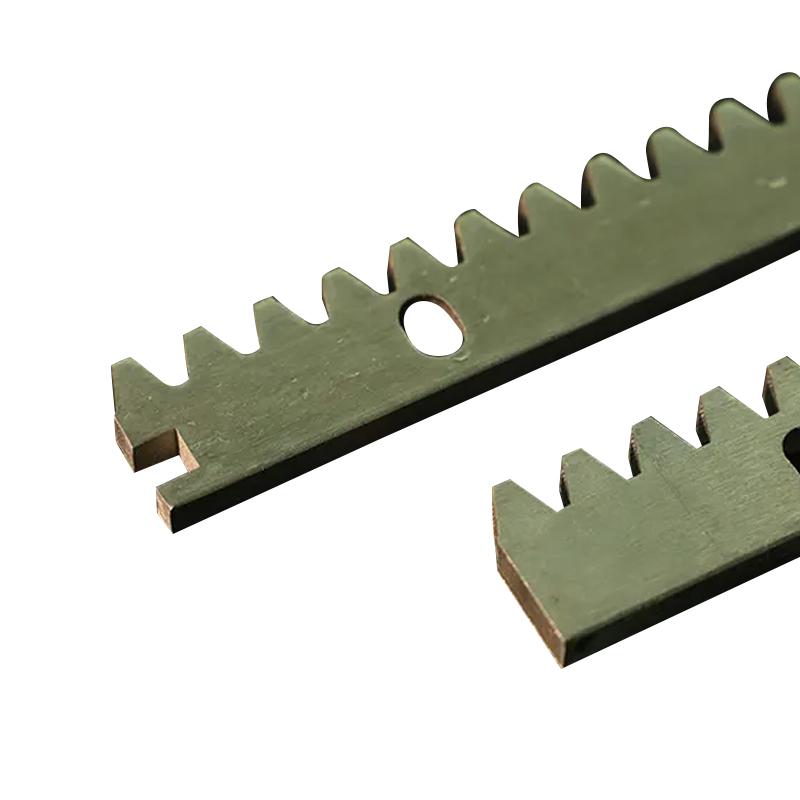
The Metal Steel Gear Rack for Sliding Door Operators is a crucial comp...
See Details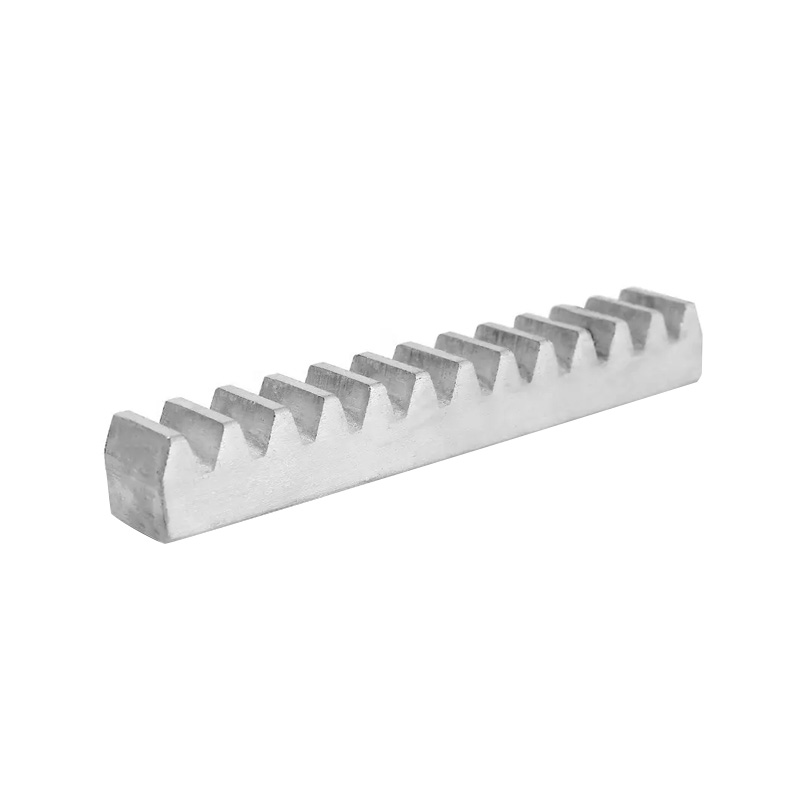
The Drive Durable Sliding Door Steel Gear Rack is a critical component...
See Details
Precision and stainless steel gear racks convert rotational motion int...
See Details
The Stainless Steel Sliding Door Steel Gear Rack is a key mechanical p...
See Details
The CNC machining helical gear rack is a critical component in various...
See Details
The Flexible Steel Parts Helical Gear Rack is a highly engineered comp...
See Details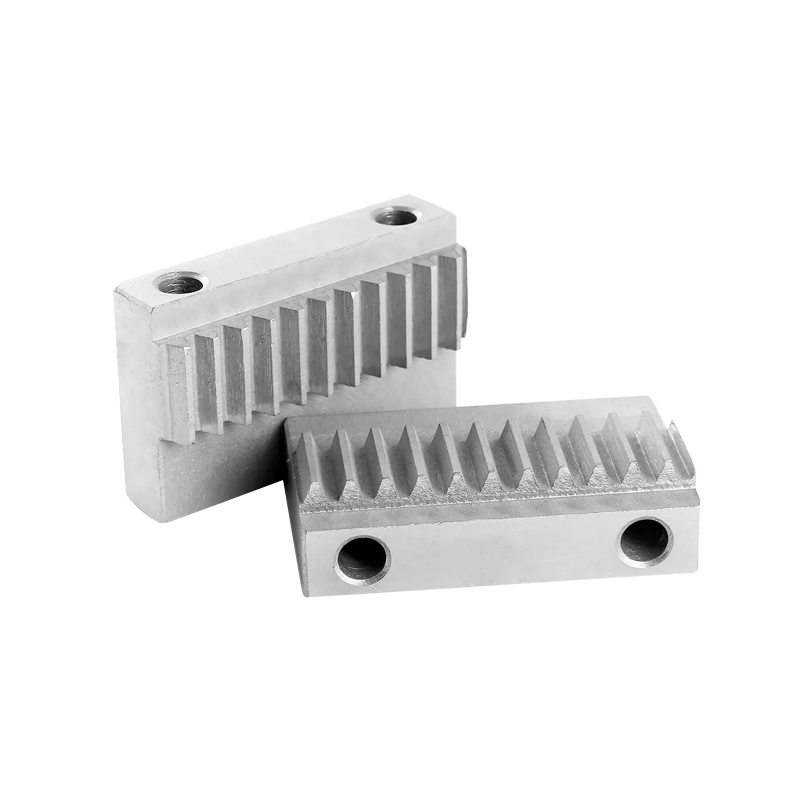
In industrial settings, the performance and longevity of mechanical co...
See Details
