
 English
 русский
 Español
No. 200 Gaoxin RD, Shanghua St, Lanxi, Zhejiang, P. R China
The Sliding Doors Steel Rack Pinion Gear is a critical component in va...
See DetailsA machine shop technician once described pulling apart two sliding mechanisms that used what looked like the exact same Nylon Gear Rack, ordered from two different suppliers. One had been running for months without a single issue, still smooth and quiet. The other, installed around the same time on a nearly identical machine, had visible wear on the teeth and was starting to make a faint grinding noise. Same shape, same basic material name on the spec sheet, completely different results. Turned out the difference wasn't really about design at all — it came down to what was actually happening inside the nylon itself, from how it was compounded to how it was manufactured. A Nylon Gear Rack is a linear mechanical part made from nylon, designed to work with a gear to turn rotational movement into straight-line motion. Compared to a metal version, nylon tends to run lighter and quieter, which is part of why it shows up so often in systems where noise or extra weight actually matters. But as that technician found out, the material itself carries a lot more weight in determining how well the part actually performs than people usually assume.
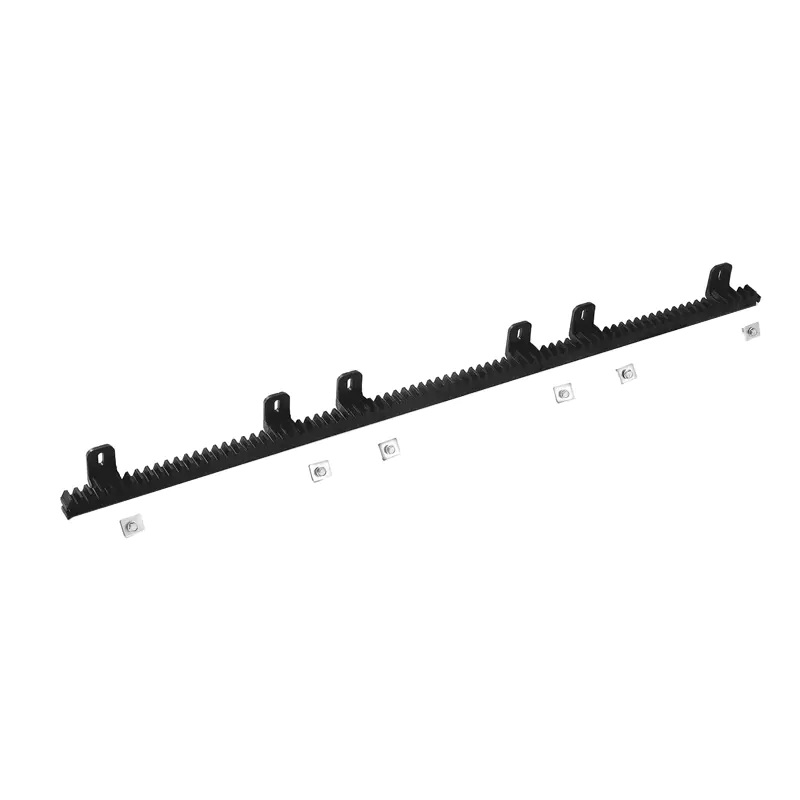
Before looking at why material choice matters, it helps to understand what the part is made of and how its structure affects its performance.
A basic gear rack includes a few core sections:
| Part | What It Does |
|---|---|
| Rack body | Forms the main structural piece |
| Gear teeth | Interact with a matching gear to transfer movement |
| Mounting area | Connects the rack to the rest of the equipment |
| Material surface | Affects how smoothly everything moves together |
Every one of these sections depends heavily on the actual nylon used to make them, which is really where things start to diverge between a part that holds up well and one that doesn't.
Picking the right material isn't just a checkbox on a spec sheet — it genuinely determines how the part behaves once it's actually under load, moving repeatedly, or sitting in a less-than-ideal environment.
Different materials respond differently to pressure, repeated motion, temperature swings, or just years of regular use. Nylon tends to get picked because it brings a mix of characteristics that work well together for this kind of application.
A few things worth thinking about:
| Factor | What It Actually Affects |
|---|---|
| Strength | How much load the part can handle without deforming |
| Flexibility | How it responds to small impacts or vibration |
| Surface quality | How smoothly it interacts with the gear teeth |
| Stability | Whether performance stays consistent over time |
Getting the material right means the gear rack actually matches whatever environment it's going to be working in, rather than just looking fine on paper.
Strength matters for pretty much any part that's involved in transferring mechanical force, and a gear rack is no exception.
A Nylon Gear Rack needs enough structural backbone to handle whatever forces it's dealing with during normal operation, without gradually losing its shape or bending out of alignment.
That kind of strength tends to influence:
That said, strength alone doesn't tell the whole story. A rack that's too rigid can actually behave worse in certain conditions, because it doesn't flex enough to handle small variations during operation.
Part of the reason nylon is selected is its ability to provide some flexibility instead of feeling completely rigid like certain metal alternatives.
Mechanical systems rarely run perfectly smoothly all the time — there are small vibrations, minor impacts, slight misalignments. A material with some flexibility tends to absorb that kind of thing better than something stiff and unyielding.
| What Flexibility Does | Why It Actually Helps |
|---|---|
| Absorbs small shocks | Cuts down on sudden jolts during operation |
| Supports smoother movement | Makes the whole system feel less jarring |
| Adapts to slight variations | Helps the part handle imperfect conditions |
| Reduces stress on nearby parts | Protects the gear and connected components |
Getting that balance right means the rack can handle real-world conditions without either snapping under stress or flexing so much that it loses precision.
The surface of the gear rack plays a bigger role than people might expect in how smoothly everything actually moves.
A smoother, more consistent surface tends to make better contact with the matching gear, which usually means less friction and a more stable feel during operation.
A few things that affect surface quality:
That's really what separated those two gear racks in the machine shop story — one had a noticeably rougher surface, likely from inconsistent processing, and it showed up almost immediately in how much noise and wear developed over time.
Mechanical parts rarely operate in perfectly controlled, climate-stable conditions. Most of the time, they're dealing with whatever temperature, humidity, or dust happens to be around.
A Nylon Gear Rack might be exposed to shifting temperatures, occasional moisture, dust buildup, or just the wear that comes from being used constantly.
| Environmental Factor | What It Can Affect |
|---|---|
| Temperature swings | How the material responds physically |
| Moisture exposure | The part's physical condition over time |
| Regular movement | Long-term wear on the teeth and surface |
| Contact with debris | Surface protection and smooth operation |
Knowing the environment where the rack will be used helps with choosing a material formulation that fits the actual conditions instead of selecting an option based only on cost or availability.
Plain nylon isn't the only option — manufacturers often adjust the base material to fit specific needs, which is honestly where a lot of that quality gap between suppliers actually comes from.
Tweaking the composition can shift things like strength, how well it resists wear, or how it handles different environmental conditions.
Those adjustments can affect:
The final performance of any given Nylon Gear Rack really depends on more than just the word "nylon" on a spec sheet — it comes down to how that base material was actually prepared and processed before it ever became a finished part.
Even starting with a solid material, the manufacturing process itself plays a huge role in whether the final part actually performs the way it's supposed to.
A gear rack needs consistent shape and accurately formed teeth to mesh properly with whatever gear it's paired with.
| Manufacturing Detail | Why It Matters |
|---|---|
| Shape consistency | Affects how well it fits into the system |
| Tooth accuracy | Determines how smoothly it meshes with the gear |
| Even material distribution | Keeps performance balanced across the whole part |
| Production control | Helps avoid the kind of inconsistency that caused problems in that machine shop story |
Material and manufacturing really work hand in hand here — a great material poorly processed can still end up performing worse than a decent material manufactured carefully.
Nylon Gear Racks turn up in a pretty wide range of mechanical setups, mostly because their lighter weight and practical characteristics make them a reasonable choice wherever metal isn't strictly necessary.
A few common places they show up:
Each of these applications comes with its own expectations, so matching the material to the actual operating conditions matters more than just grabbing whatever's labeled "Nylon Gear Rack" off a shelf.
Picking the right Nylon Gear Rack really comes down to more than just checking that the shape fits — it means thinking through how it's actually going to be used.
A few practical questions worth asking:
| Question | Why It Matters |
|---|---|
| What environment will it operate in? | Helps match the material formulation to real conditions |
| What kind of movement demands does the system have? | Affects whether the part can keep up |
| What will it actually be in contact with? | Influences how much wear to expect |
| How much maintenance is realistic? | Shapes long-term satisfaction with the choice |
Thinking through these questions ahead of time tends to prevent the kind of mismatch that led to one gear rack failing early while an apparently identical one kept running fine for months.
As mechanical systems keep evolving, material choice remains one of those quietly important areas that determines whether a part performs well over the long run or turns into a recurring headache. People working with this kind of equipment increasingly want components that combine practical performance, manageable maintenance, and enough flexibility to fit different setups. The Nylon Gear Rack keeps benefiting from ongoing improvements in how the material is prepared and how the parts are actually manufactured. Understanding how these material factors interact is really what separates a gear rack that quietly does its job for years from one that ends up sounding like that machine shop technician's second sample — grinding, wearing down, and needing replacement way sooner than anyone expected.
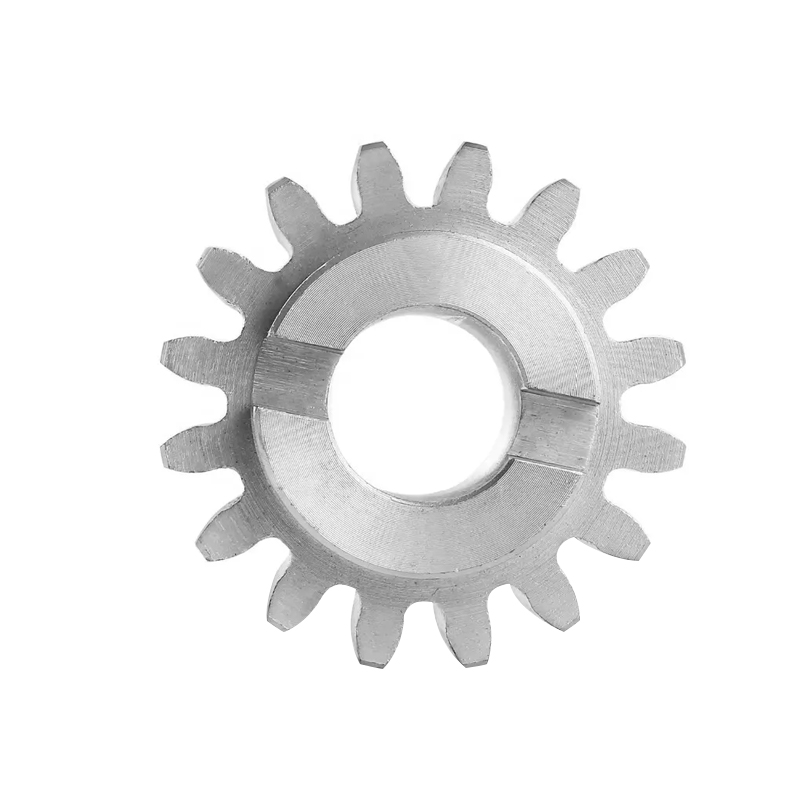
The Sliding Doors Steel Rack Pinion Gear is a critical component in va...
See Details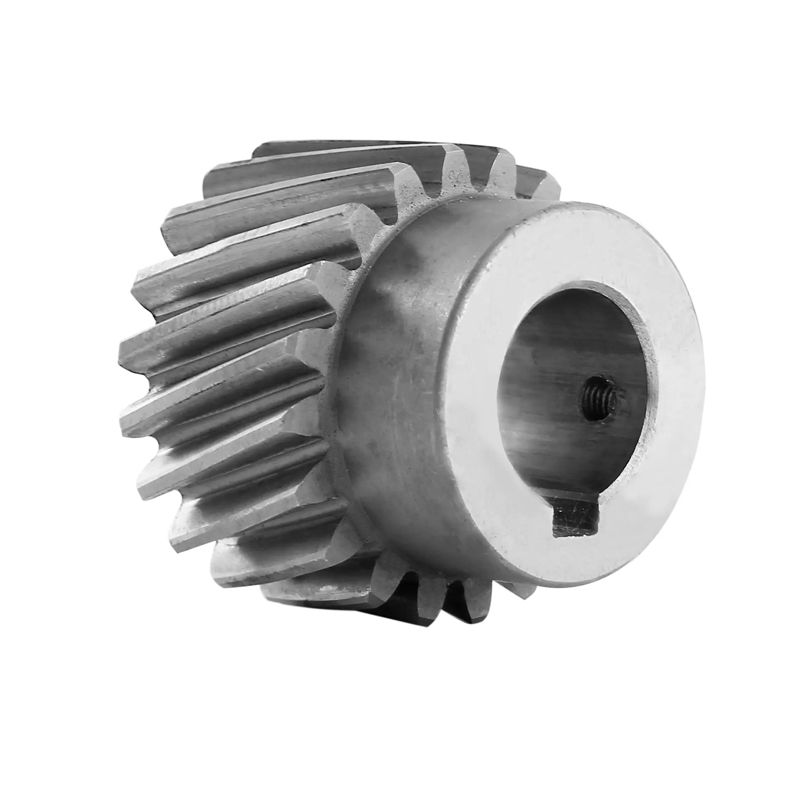
The multiple sizes high precision rack pinion gear system is an essent...
See Details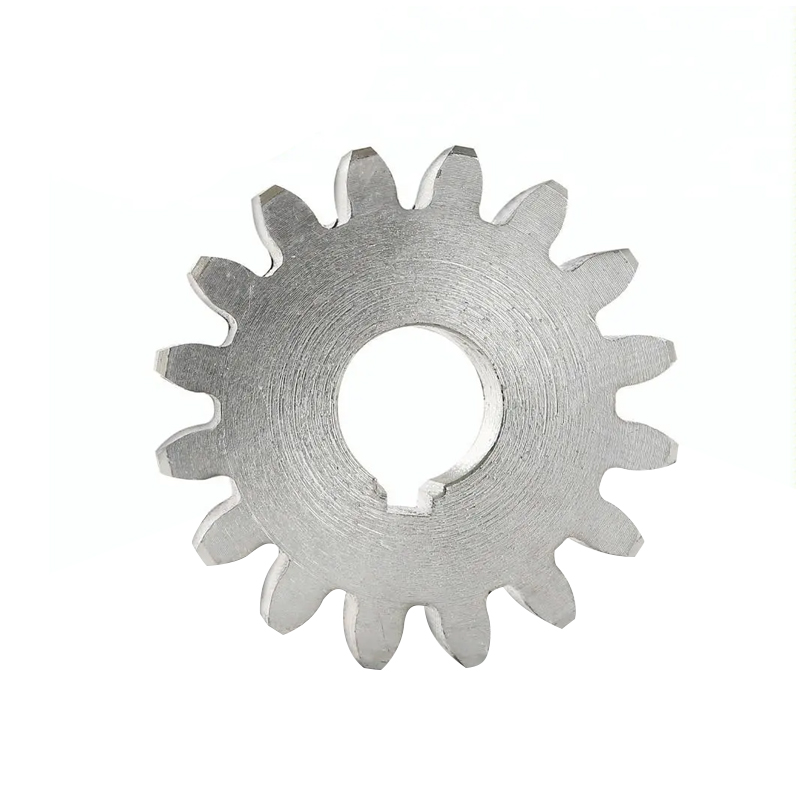
The Smooth Surface High Precision Rack Pinion Gear is a high-performan...
See Details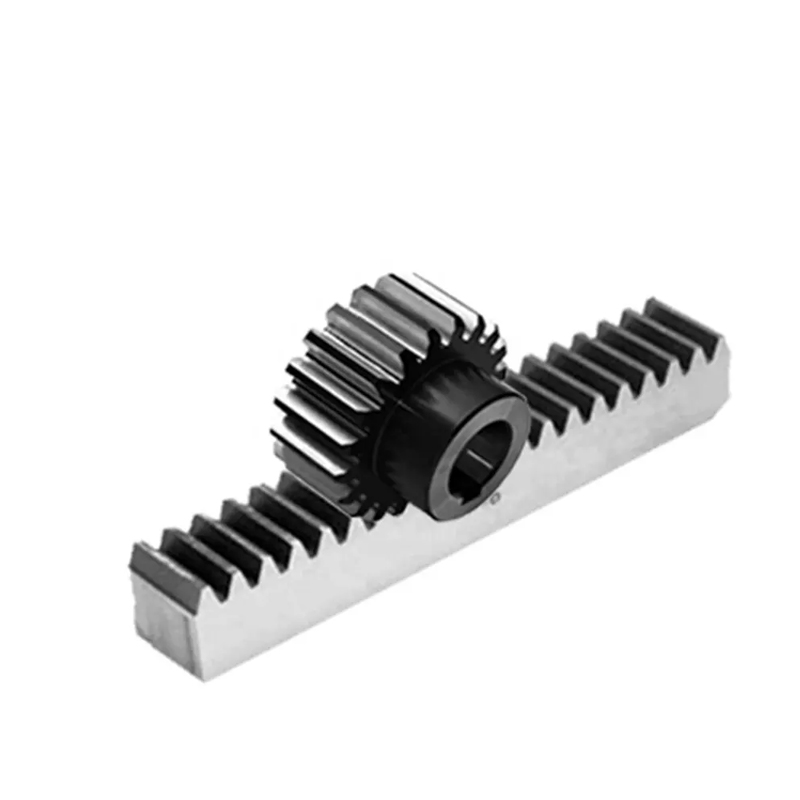
The Rack Pinion Gear for automatic door openers is a crucial component...
See Details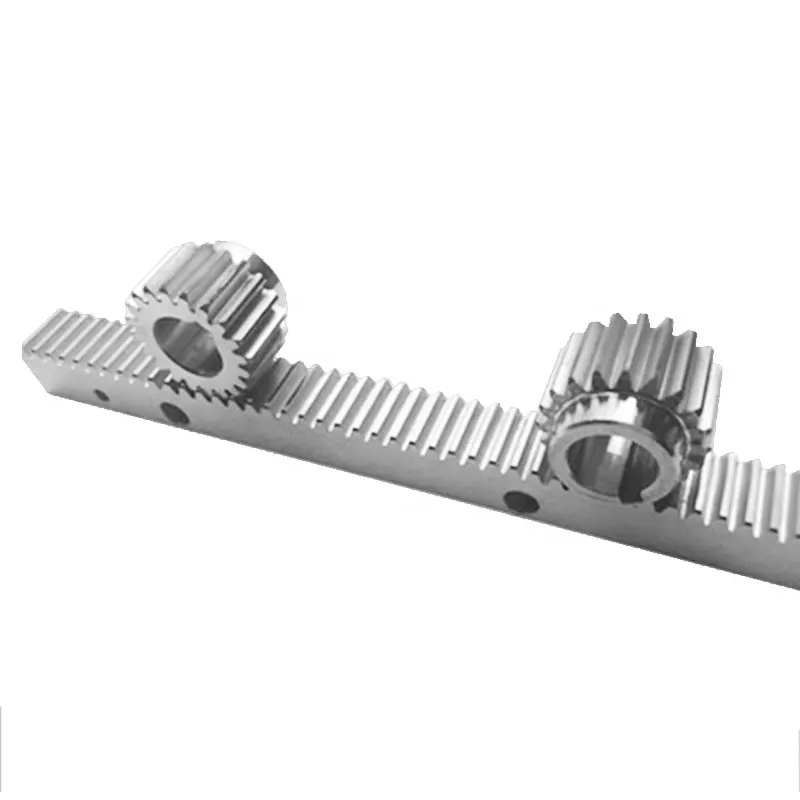
The Multiple Specifications Rack Pinion Gear is a versatile mechanical...
See Details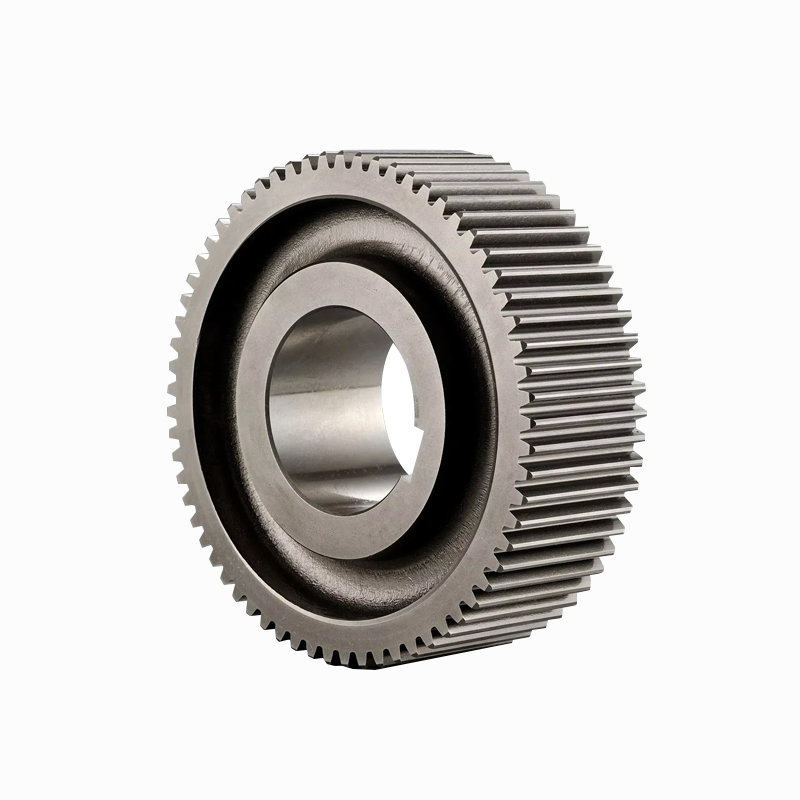
The High Precision Gear Shaft Rack Pinion Gear is a vital component in...
See Details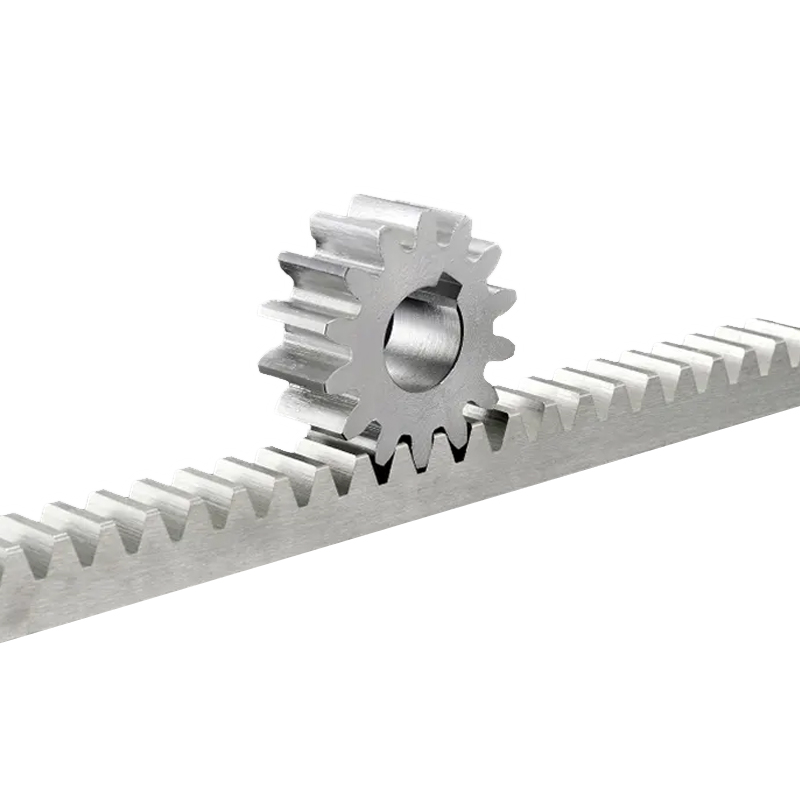
The stainless steel sliding door steel gear rack is an essential compo...
See Details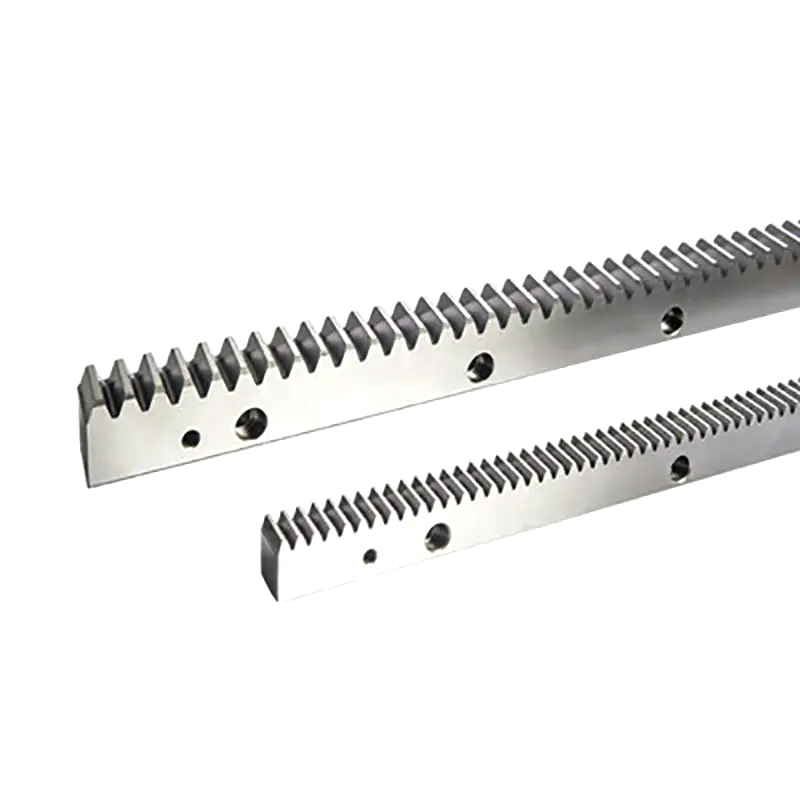
The Widely Used Operational Sliding Door Steel Gear Rack is a critical...
See Details
