
 English
 русский
 Español
No. 200 Gaoxin RD, Shanghua St, Lanxi, Zhejiang, P. R China
The multiple sizes high precision rack pinion gear system is an essent...
See DetailsWalk through a warehouse at shift change, or stand near a packaging line for more than a few minutes, and you'll start noticing something moving almost constantly in the background — a platform sliding into position, a guide rail nudging over, a door sweeping shut on its own. A lot of that quiet, repetitive motion runs through a rack-and-pinion setup, and increasingly, that rack is made of nylon rather than metal. Nylon Gear Rack has worked its way into a surprising range of equipment because it trades some of metal's raw toughness for things that matter just as much on a busy floor — less weight to lug around during installation, less clanking noise when a machine runs all shift, and less worry about rust creeping in near a wash-down station. Designers picking between materials aren't just asking what can survive the heaviest possible load. They're asking what fits the actual conditions a machine will sit in day after day.
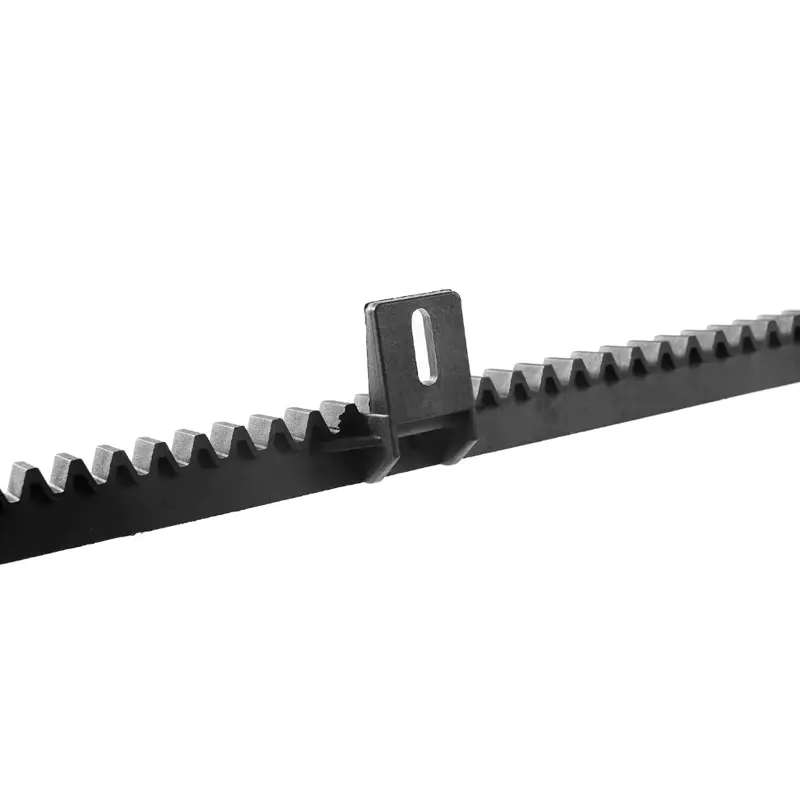
Every motion system exists to solve a specific problem — some shove heavy pallets across a warehouse floor, others nudge a small bracket into exact position over and over. Picking the right rack material comes down to more than how much weight it needs to carry.
Nylon tends to fit well in ordinary industrial settings because it's noticeably lighter than steel or aluminum racks, which makes a real difference when someone's installing or swapping it out by hand rather than with a crane. It also runs quieter, which matters more than people expect once you're standing next to a machine running the same motion hundreds of times a shift.
Part of why Nylon Gear Rack keeps showing up is how easily it slots into different kinds of equipment without forcing engineers to rethink the whole mechanism.
A few reasons it keeps getting picked:
No material handles every job equally well. Nylon Gear Rack just happens to sit in a practical middle ground where balanced performance matters more than pushing any single trait to its limit.
Automated equipment tends to repeat the same motion over and over, shift after shift, which means small annoyances — a squeaky rack, a component that needs constant lubrication — turn into real headaches over weeks of continuous use.
Nylon Gear Rack tends to show up wherever a machine needs steady, controlled linear movement rather than sudden, jerky motion.
A few places you'll spot it:
These jobs usually call for predictable, even movement rather than sharp starts and stops.
Engineers designing this kind of equipment also like components that don't demand constant attention. Most plants run on tight schedules, so anything that cuts down on unplanned downtime is worth building in from the start.
Between the steady movement and the quieter operation, Nylon Gear Rack fits naturally into a lot of automated production floors without drawing much attention to itself.
A packaging line doesn't slow down much during a normal shift — it might run through the same motion thousands of times before the day's done, and every one of those cycles depends on parts working together on tight timing.
Linear motion shows up all over packaging equipment in ways that aren't always obvious from outside the machine.
A rack may handle tasks such as shifting a guide rail, adjusting a sealing arm, widening or narrowing a product lane, or repositioning an inspection sensor. For these applications, smooth and consistent movement is often more important than relying only on pushing force.
Noise plays into this too. Packaging floors usually run several machines at once, side by side, for hours at a stretch. A Nylon Gear Rack that runs quieter helps keep the overall floor a bit more bearable for whoever's working near it without slowing anything down.
Maintenance matters just as much. Packaging lines are expected to keep running through the workday without long interruptions. Components that are easy to check and swap out when worn help keep routine servicing from turning into a bigger production delay. Given all that, Nylon Gear Rack tends to fit naturally into this kind of equipment without needing much justification.
Warehouses keep leaning more heavily on automated systems as the volume and variety of stored inventory keeps growing.
A lot of that automation depends on controlled linear movement behind the scenes.
| Warehouse Function | How Nylon Gear Rack Might Fit In |
|---|---|
| Storage systems | Moving sections into position |
| Order-picking equipment | Guiding retrieval arms |
| Sorting machinery | Directing product along its path |
| Adjustable platforms | Supporting height or position changes |
| Transfer units | Assisting straight-line movement |
These setups are generally designed around smooth, reliable movement rather than handling heavy mechanical loads.
Since warehouse equipment often runs for long stretches without much of a break, designers also tend to favor parts that stay quiet and don't demand frequent servicing to keep things moving.
Factories receive plenty of attention, but Nylon Gear Rack is also used in many settings beyond manufacturing environments.
Plenty of commercial and public buildings depend on the same kind of controlled sliding motion.
A few examples:
These settings usually care more about quiet operation than industrial-grade toughness.
A library, an office building, or a school probably benefits more from a mechanism that slides open without drawing attention to itself than one built to survive a warehouse floor. Nylon Gear Rack tends to fit that expectation while still holding up fine under everyday use. Once you start paying attention, Nylon Gear Rack appears in many applications beyond what people might expect at a glance.
Picking a rack system involves more than just picking a material off a shelf.
Engineers usually walk through the whole working environment before settling on an answer.
A few questions tend to guide that thinking:
Working through these questions helps clarify whether Nylon Gear Rack actually makes sense for a given project or whether something else fits better.
Sometimes engineers end up mixing materials — a nylon rack paired with a metal pinion, for instance — to balance different demands rather than picking one material to handle everything.
Every project comes with its own set of priorities, so material choice ends up being one piece of a bigger engineering decision rather than a fixed rule to follow every time.
Like many mechanical components, a Nylon Gear Rack performs more consistently when it receives routine checks rather than being ignored until a failure occurs.
The good news is that upkeep doesn't need to turn into a complicated procedure.
Routine care usually involves:
Catching small issues early is almost always simpler than dealing with a breakdown after the fact.
Keeping a basic log of inspection dates helps too — it makes it a lot easier to notice when something's gradually drifting out of spec before it actually affects how the machine runs.
Solid maintenance habits keep motion steady no matter what industry the equipment happens to sit in.
Manufacturing keeps drifting toward machines that are easier to run day to day, quieter to stand near, and simpler to reconfigure when production needs change. Commercial buildings are heading in a similar direction, expecting mechanical systems that work reliably without demanding constant attention from maintenance staff. That shift is pushing engineers to look past metal-only designs more often than they used to. Equipment builders are paying closer attention to overall weight, especially in machines that get moved, adjusted, or reconfigured fairly often. Workplace comfort matters more too, especially in spaces where people are working right next to running machinery for hours at a stretch. Production lines are also becoming more modular as manufacturers adjust to shorter runs and more frequent product changes. Motion components that slot easily into that kind of flexible setup tend to get picked more often, since they make future changes less of a hassle. Warehouse automation keeps playing into this too. As storage systems get more dynamic — moving racks, adjustable shelving, automated sorting — linear motion parts end up doing more of the heavy lifting in positioning and product handling. Outside of manufacturing altogether, architects and commercial designers keep reaching for mechanical systems that stay quiet and functional without adding unnecessary complexity. Adjustable displays, sliding partitions, movable storage, and specialized fixtures all lean on the same kind of dependable linear motion. All of this adds up to why Nylon Gear Rack keeps turning up in more places rather than fewer. It reflects a broader shift in how equipment gets designed — one where quiet operation, manageable upkeep, and easy installation matter just as much as raw mechanical strength, whether that equipment sits on a factory floor, a warehouse aisle, or a library shelving unit.
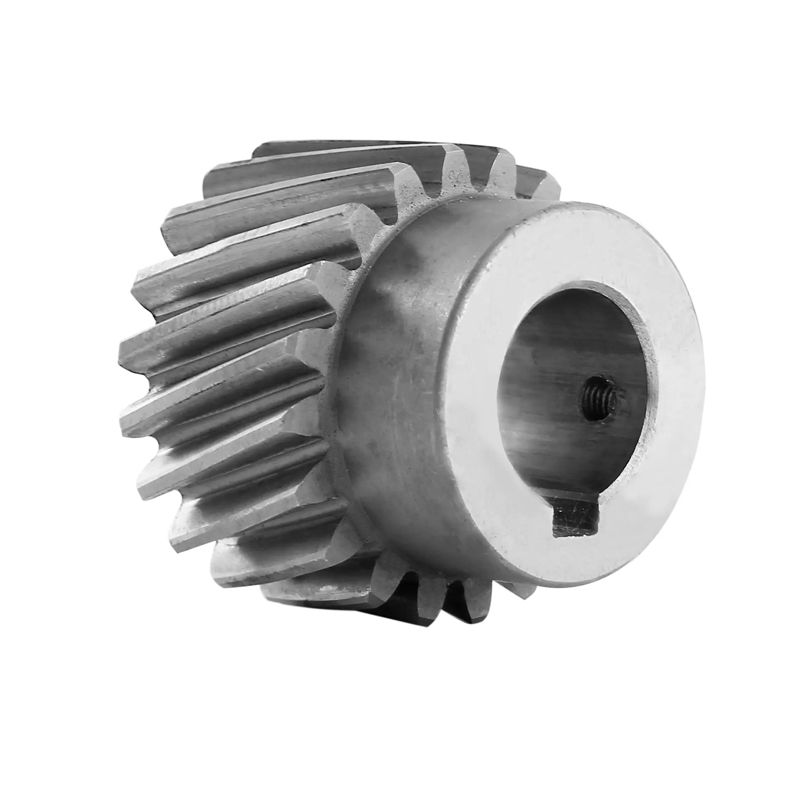
The multiple sizes high precision rack pinion gear system is an essent...
See Details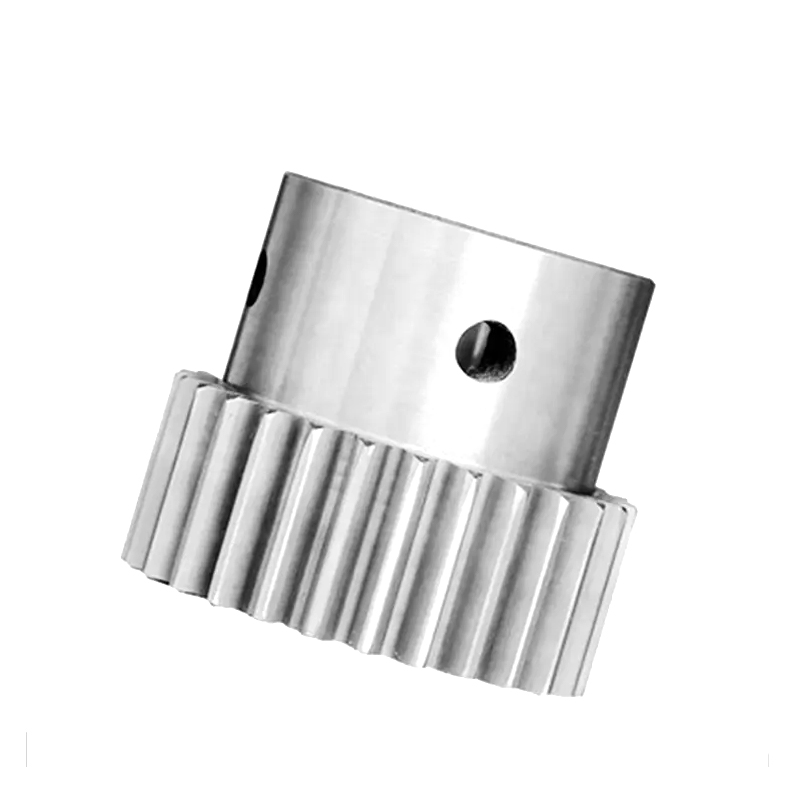
The Stainless Steel Stepped Rack Pinion Gear is a highly versatile and...
See Details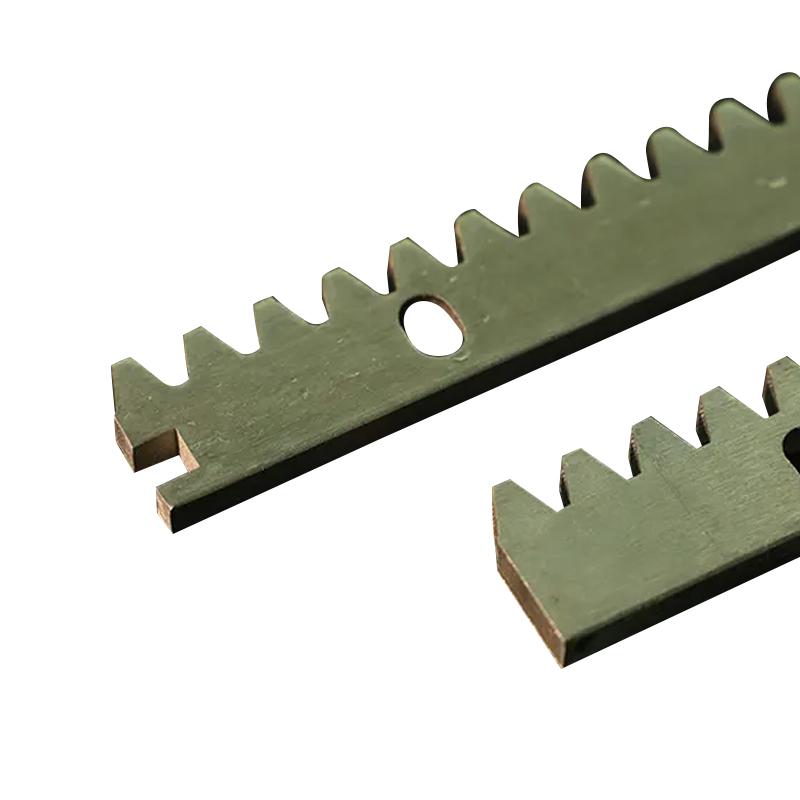
The Metal Steel Gear Rack for Sliding Door Operators is a crucial comp...
See Details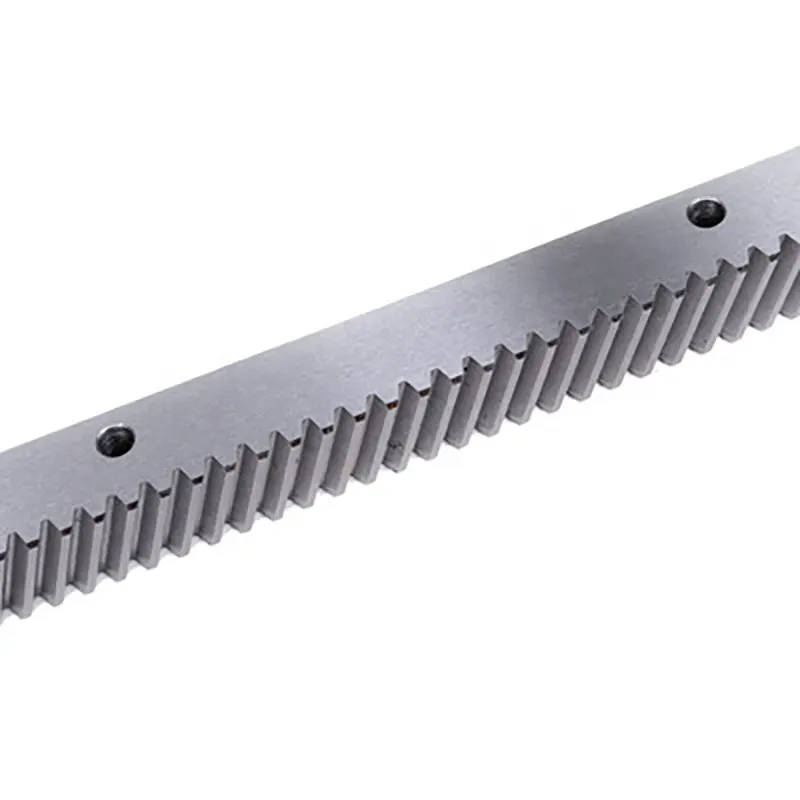
The Durable Accessories Helical Gear Rack is a critical component desi...
See Details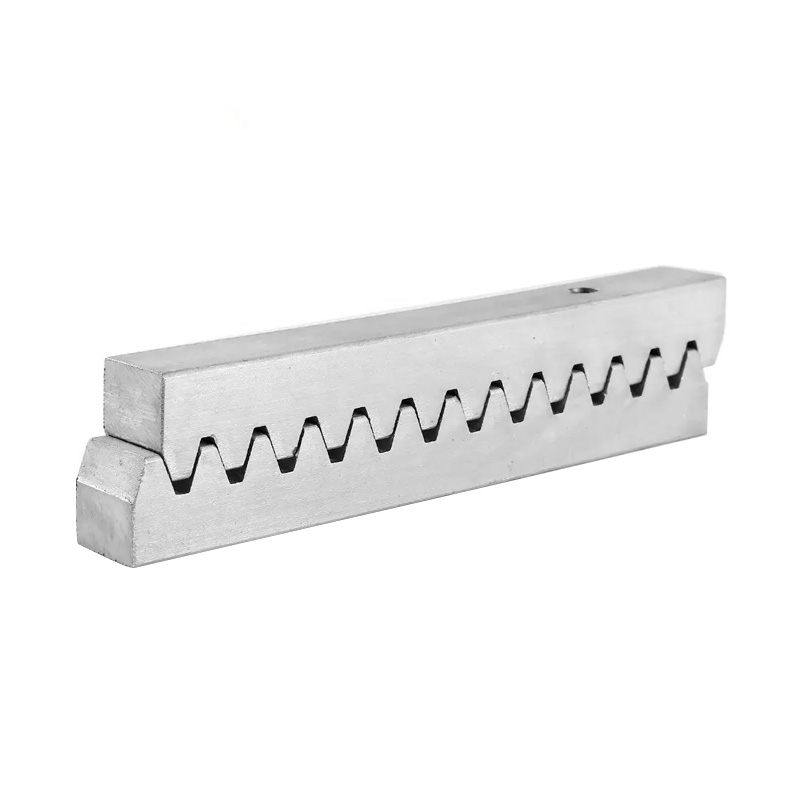
The Square Evenly Distributed Straight Gear Rack is a precision mechan...
See Details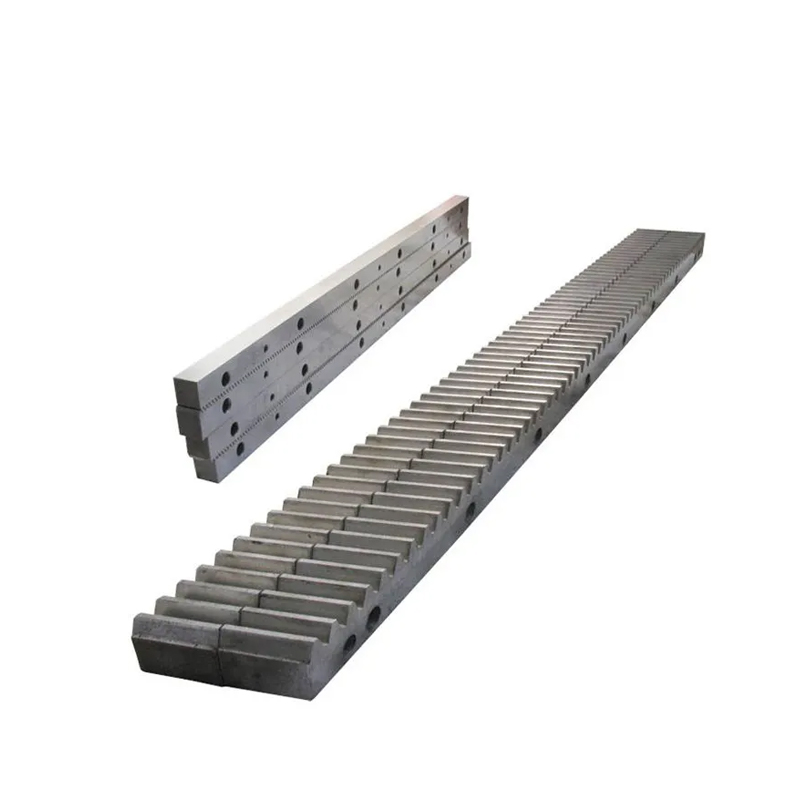
Screws steel straight gear rack for automatic doors is a linear transm...
See Details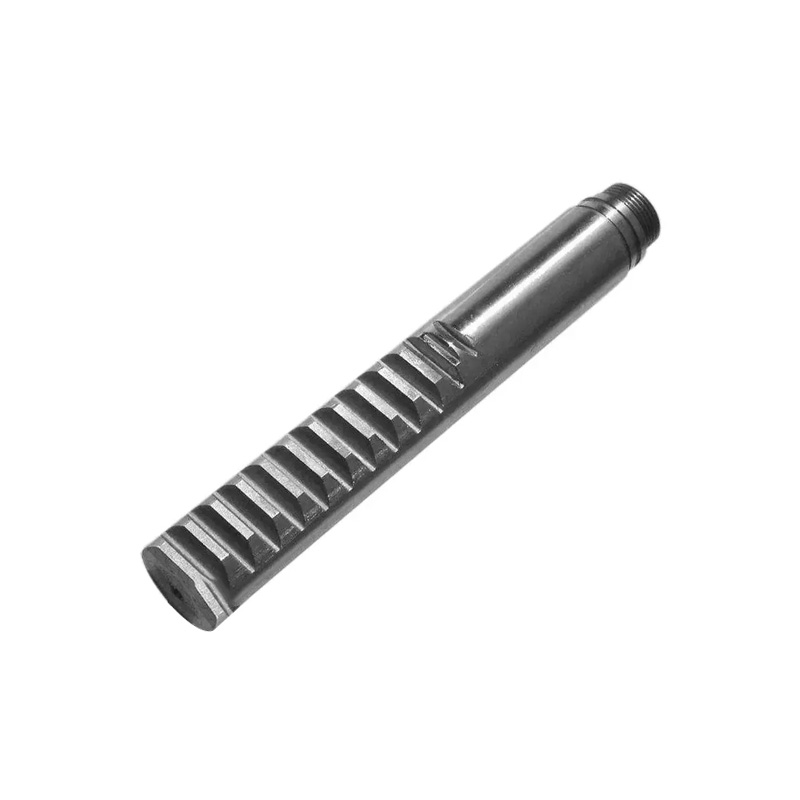
The Cylindrical Black Stainless Steel Straight Gear Rack is a durable ...
See Details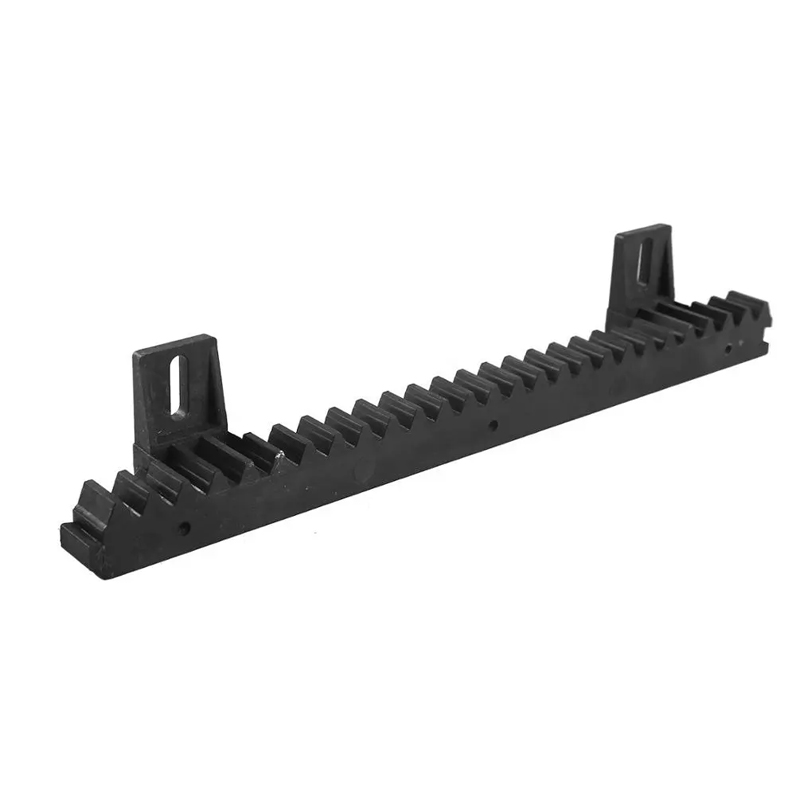
The Two-Hole Track Sliding Door Nylon Gear Rack is a mechanical compon...
See Details
