
 English
 русский
 Español
No. 200 Gaoxin RD, Shanghua St, Lanxi, Zhejiang, P. R China
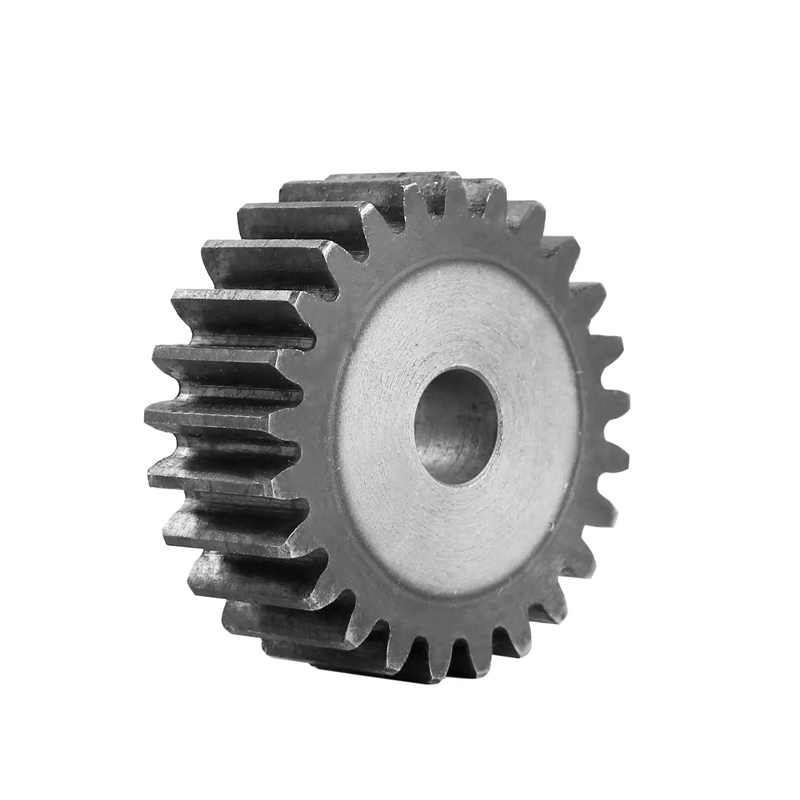
Surface heat treatment rack pinion gear is a mechanical transmission c...
See Details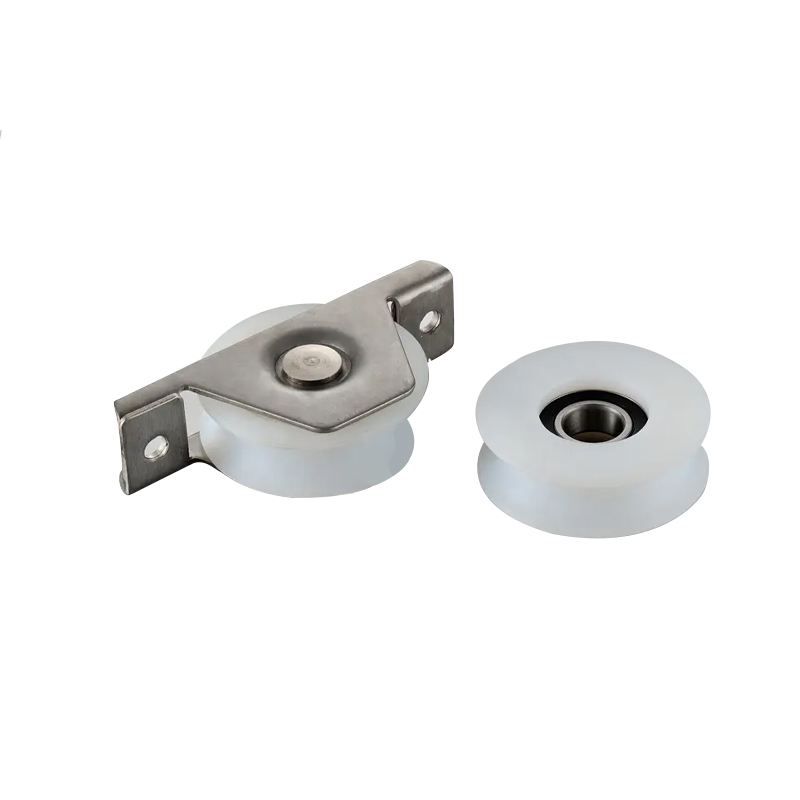
Doors are used countless times every day in homes, offices, and commercial buildings. Behind the smooth movement of sliding doors, wardrobes, and partitions, one small component plays a crucial role—the sliding wheel. Designed to reduce friction and support weight, it ensures that doors open and close with ease while maintaining stability over time.
A sliding wheel used in door systems is typically installed at the bottom or top of the door panel. It runs along a track, guiding the door in a controlled and stable path. By minimizing direct contact between the door and the track, the wheel reduces wear and makes operation smoother.
Different door systems require different types of sliding wheels. Lightweight interior doors may use nylon wheels for quieter performance, while heavier glass or metal doors often require steel or reinforced materials to support greater loads.
Sliding wheels are widely used in various door applications:
In all these cases, the sliding wheel ensures consistent movement and improves the overall user experience.
When selecting a sliding wheel for doors, several features directly impact performance:
These factors help ensure that the door system remains stable and easy to operate over time.
Proper installation is essential for achieving smooth door movement. The sliding wheel must be aligned correctly with the track to prevent uneven wear or noise. Adjustable wheel systems are often preferred because they allow fine-tuning after installation.
For commercial or large-scale projects, consistent installation standards ensure that all doors perform uniformly. This is especially important in offices, hotels, or residential developments where user experience matters.
Regular maintenance helps extend the life of a sliding wheel. Cleaning the track prevents dust and debris from affecting movement, while occasional inspection ensures that the wheel remains in good condition.
In high-traffic environments, replacing worn wheels in time prevents further damage to the door system. Durable materials and proper maintenance together contribute to long-term reliability.
Modern architecture often favors sliding doors for their space-saving and aesthetic benefits. A well-designed sliding wheel supports these trends by enabling quiet and smooth motion, even with large or heavy panels. Whether used in residential interiors or commercial spaces, it helps create a more convenient and efficient environment.
A sliding wheel is a small yet essential component in door systems. By ensuring smooth movement, reducing friction, and supporting structural stability, it plays a key role in both functionality and user comfort. Choosing the right sliding wheel and maintaining it properly can significantly improve the performance and lifespan of any sliding door system.
Surface heat treatment rack pinion gear is a mechanical transmission c...
See Details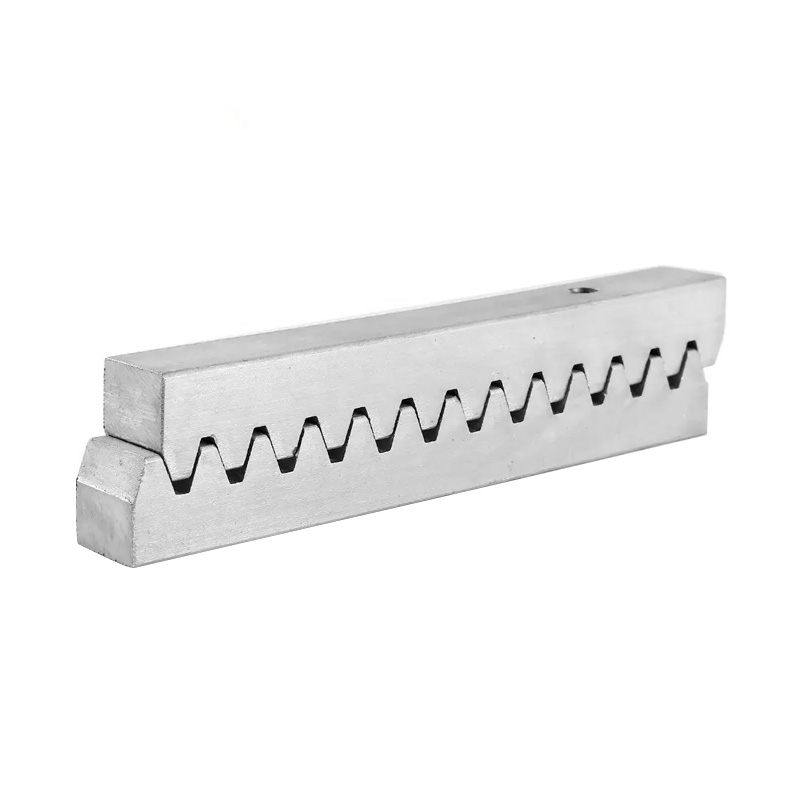
Sliding doors are a popular choice for both residential and commercial...
See Details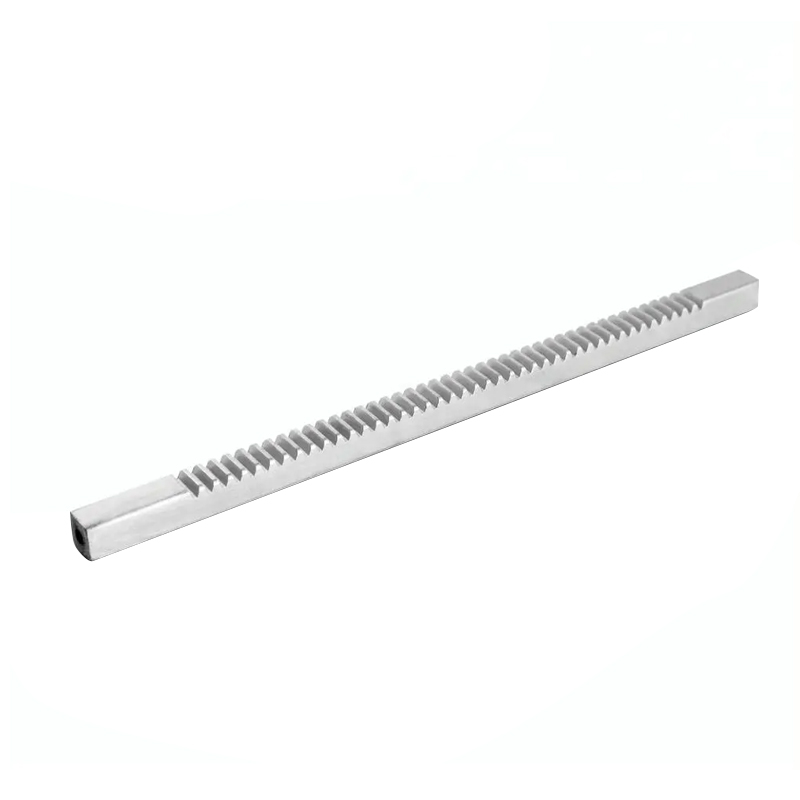
A sliding door gear rack and steel rack and pinion system plays an imp...
See Details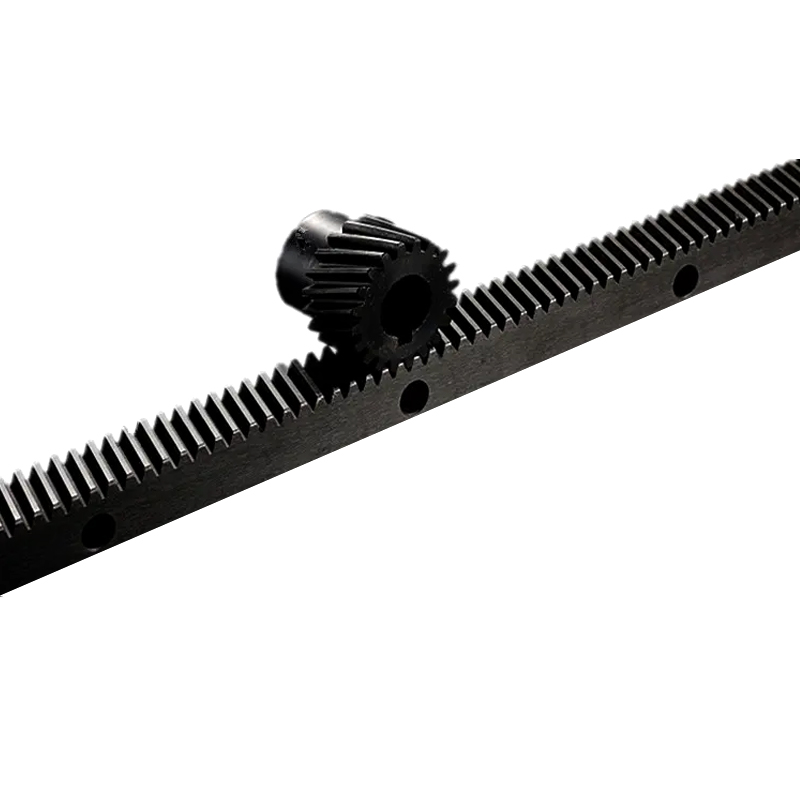
Linear precision guides helical gear rack is a transmission component ...
See Details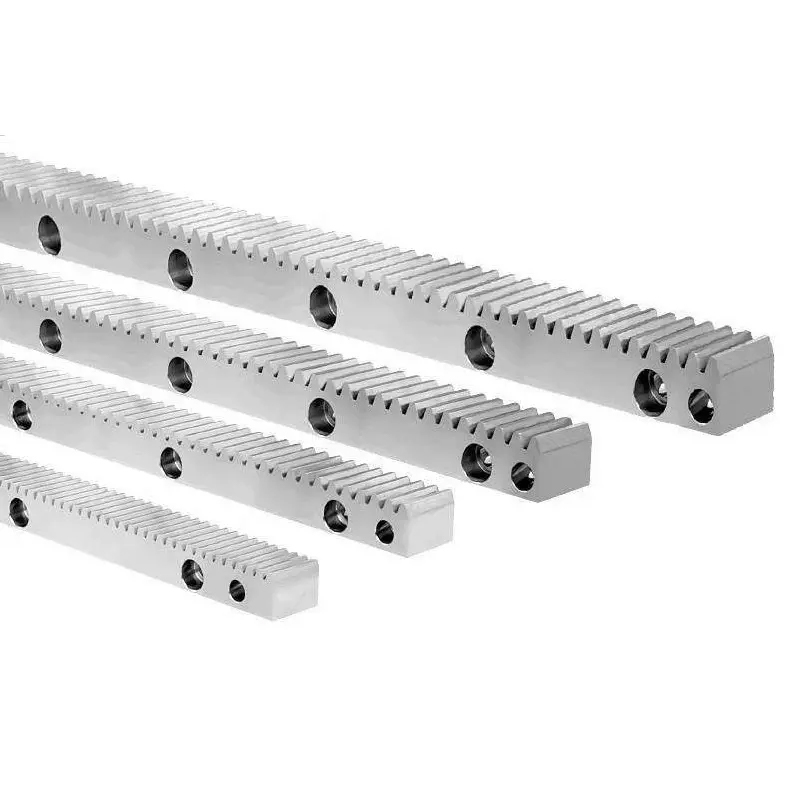
New Durable Custom Helical Gear Rack is a mechanical transmission ...
See Details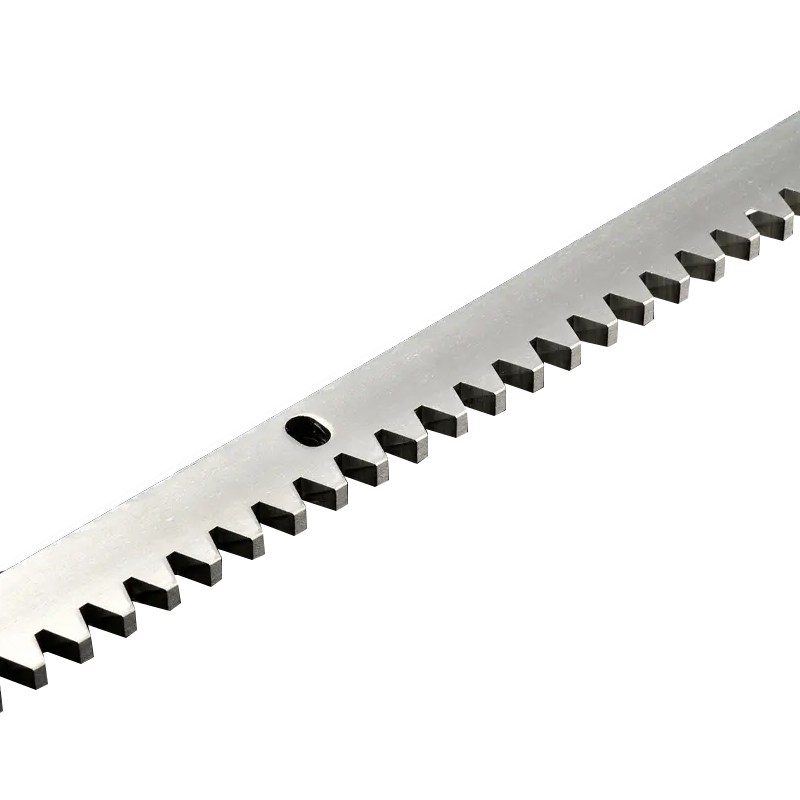
The Flexible Steel Parts Helical Gear Rack is a highly engineered comp...
See Details
The Square Evenly Distributed Straight Gear Rack is a precision mechan...
See Details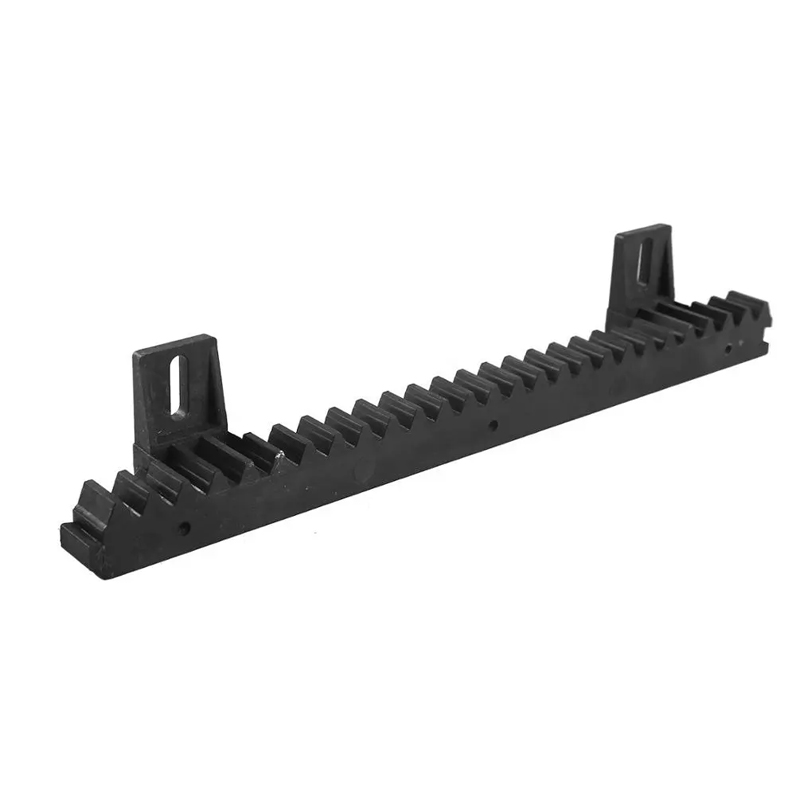
The Two-Hole Track Sliding Door Nylon Gear Rack is a mechanical compon...
See Details
