
 English
 русский
 Español
No. 200 Gaoxin RD, Shanghua St, Lanxi, Zhejiang, P. R China
Surface heat treatment rack pinion gear is a mechanical transmission c...
See DetailsA gear rack that wears down too quickly can throw off an entire production line, and nobody wants to explain to a plant manager why a line went down over something as small as a worn tooth profile. A system that creates a lot of noise or keeps needing adjustments piles on maintenance pressure the longer it runs. Plenty of buyers get stuck trying to choose between rack materials because picking wrong can affect movement quality, durability, and how the whole piece of equipment holds up over time. Getting a handle on the difference between a Nylon Gear Rack and a metal gear rack helps engineers and purchasers land on something that actually fits their working conditions instead of guessing.
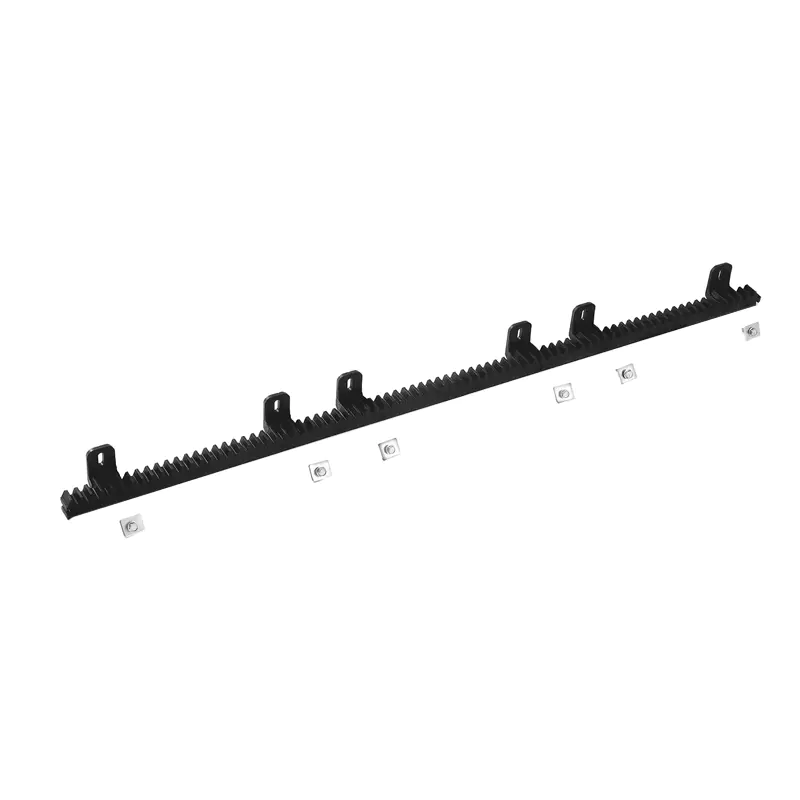
Gear racks show up anywhere rotary movement needs to turn into straight-line motion. Nylon and metal versions do the same basic job, but their material makeup gives each one a different set of strengths and weak points. The right choice depends on factors such as the working environment, required movement performance, practical maintenance needs, and the type of equipment involved.
The material a gear rack is made from shapes how it behaves once it's actually running. A rack isn't just a row of teeth passing movement along. It works as part of a bigger mechanical system, where contact, friction, vibration, and repeated motion all chip away at long-term performance in their own way.
Different materials hold up differently once daily use starts wearing on them.
| Material Type | General Characteristics |
|---|---|
| Nylon Gear Rack | Lightweight, quieter movement, works well where friction needs to stay low |
| Metal Gear Rack | Sturdier build, handles heavier mechanical loads |
Picking the wrong material creates headaches that are tough to fix once everything's already bolted into place. A metal rack sitting in a noise-sensitive setting can end up creating more racket than anyone wants around. A nylon rack dropped into a heavy-load application might not hold up the way the job actually needs.
Picking a material comes down to finding a balance between what the movement requires and what the working conditions actually look like.
A Nylon Gear Rack is a linear component made from nylon, built to pair with a matching gear or pinion. It turns rotational movement into linear movement, but brings a different feel to the table compared with older metal setups.
Nylon has caught on in applications where smooth movement, lower noise, and less overall weight actually matter to whoever's running the equipment. Compared with metal, nylon has a naturally softer surface, which cuts down on friction between the parts making contact.
That softer contact makes Nylon Gear Racks a fit for situations where equipment needs steady movement without kicking up a lot of noise while it works.
Common traits tied to Nylon Gear Racks include:
That said, nylon has its limits too. Being a softer material, it doesn't always suit every heavy-duty mechanical environment out there. Knowing where the rack will actually sit and work matters before locking in a choice.
Metal gear racks lean on stronger materials built for situations where structural strength and load support carry real weight in the decision. They show up often in mechanical systems that need firm engagement and hold up against wear over the long haul.
The rigid structure metal brings keeps things stable through repeated movement cycles. That stability is why metal gear racks fit equipment that needs stronger force transfer to actually get the job done.
Compared with nylon, metal gear racks generally bring:
The trade-off is that metal tends to make more noise during operation and can demand more attention around lubrication and maintenance, depending on where it's installed.
A metal gear rack isn't automatically the right call for every system out there. Just like nylon, it has to match the actual conditions the equipment will face.
The gap between nylon and metal gear racks goes further than just the raw material. Their traits shape how each one interacts with the rest of the machine it's bolted into.
| Comparison Area | Nylon Gear Rack | Metal Gear Rack |
|---|---|---|
| Weight | Lightweight build | Heavier structure overall |
| Operating sound | Generally quieter movement | More noticeable mechanical sound |
| Surface contact | Softer interaction between parts | Firm mechanical engagement |
| Maintenance needs | Often easier to manage in fitting applications | May demand more attention depending on use |
| Mechanical strength | Handles moderate movement needs | Handles more demanding conditions |
| Installation handling | Easier thanks to lighter weight | Needs more thought during installation |
Neither one replaces the other. They each carry their own role.
A buyer picking a gear rack should think through what the machine actually needs to get done, rather than leaning purely on material preference.
A Nylon Gear Rack fits well when smooth, quiet movement matters more than handling seriously heavy forces day in and day out.
Plenty of systems run in environments where keeping noise down actually matters. Equipment working around people, indoor machinery, and automation setups often benefit from that quieter movement nylon brings to the table.
Nylon also helps when trimming overall equipment weight is useful. A lighter component can make installation simpler and take pressure off supporting structures underneath.
Applications that tend to benefit from Nylon Gear Racks include:
The working environment still carries a lot of weight in the decision. Things like temperature swings, chemical exposure, and how often the rack moves should all get considered before anything gets installed.
Metal gear racks come into the picture when strength and structural stability sit at the top of the priority list. Their rigid build lets them handle situations with repeated force and mechanical pressure baked into the job.
Heavy equipment and industrial systems often need components that hold their shape under demanding conditions. Metal tends to bring the support needed for reliable movement in those tougher settings.
Metal gear racks get considered for things like:
The selection should always connect with the actual needs of the machine. Choosing a stronger material does not automatically bring better results if the application does not require that level of support.
Noise gets overlooked a lot during equipment design, but it can shape both the user experience and the working environment around it. Contact between gear teeth and rack surfaces creates sound while things move, and material choice shapes how noticeable that sound turns out to be.
Nylon usually gives smoother contact because its surface has that softer feel to it. That helps cut down mechanical noise in the right applications.
Metal gear racks, while strong and steady, tend to create more noticeable contact sounds during operation. They often need more attention paid to lubrication and alignment to keep movement running smoothly.
Maintenance differences usually come down to the specific application involved.
| Maintenance Factor | Nylon Gear Rack | Metal Gear Rack |
|---|---|---|
| Surface wear monitoring | Matters during regular use | Matters during regular use |
| Lubrication needs | Can run lower in some setups | Often needs more attention |
| Alignment checks | Needed for smooth movement | Needed for smooth movement |
| Environmental checks | Matters for material protection | Matters for corrosion prevention |
Regular inspection helps catch small issues before they snowball into bigger problems, no matter which material ends up in the machine.
Choosing between a Nylon Gear Rack and a metal gear rack calls for a clear read on the equipment environment before signing off on anything.
A handful of questions help steer that decision.
A system built for smooth, quiet movement usually has different needs than one built to push serious mechanical force.
Indoor equipment, outdoor machinery, and specialized environments each put different demands on the material chosen.
If the equipment runs near people or inside a quiet workspace, noise can turn into a real factor in the decision.
Some systems need easy upkeep on a tight schedule, while others care more about long-term structural strength.
Frequent movement wears things down differently than occasional, light use ever would.
Working through these questions before buying helps sidestep problems that come from picking a material that doesn't actually fit the application.
Comparing a Nylon Gear Rack against a metal gear rack isn't really about crowning one material as universally better than the other. Each one carries its own role inside mechanical systems. Nylon brings something useful to applications that care about smooth movement, lighter construction, and quieter operation. Metal brings strength and stability to systems facing heavier mechanical demands. Understanding these differences lets buyers match the gear rack material to the real conditions it'll actually face, building toward a more balanced approach to equipment design and how it holds up over the long run.
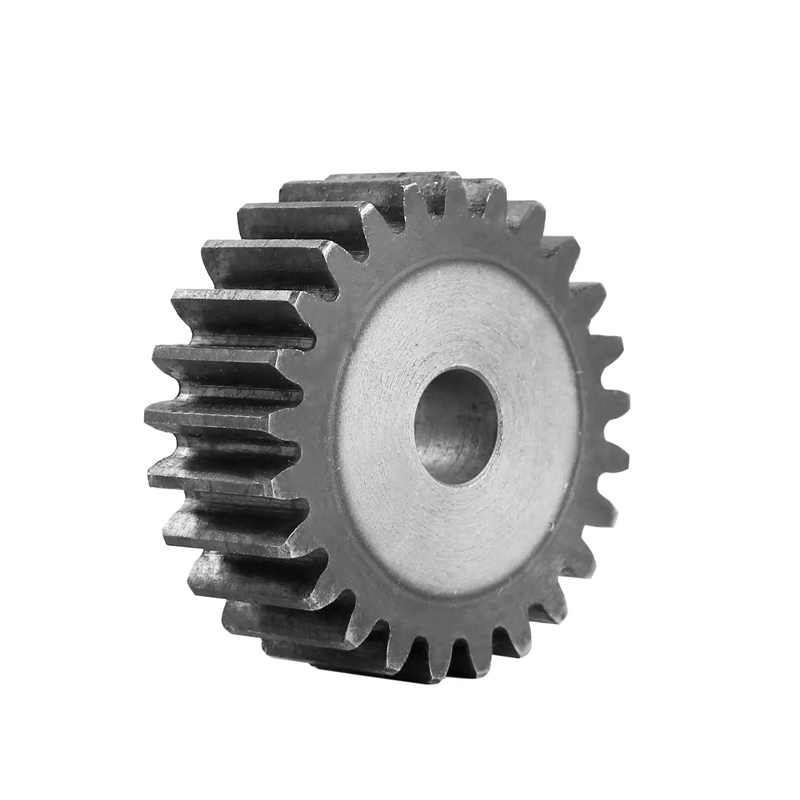
Surface heat treatment rack pinion gear is a mechanical transmission c...
See Details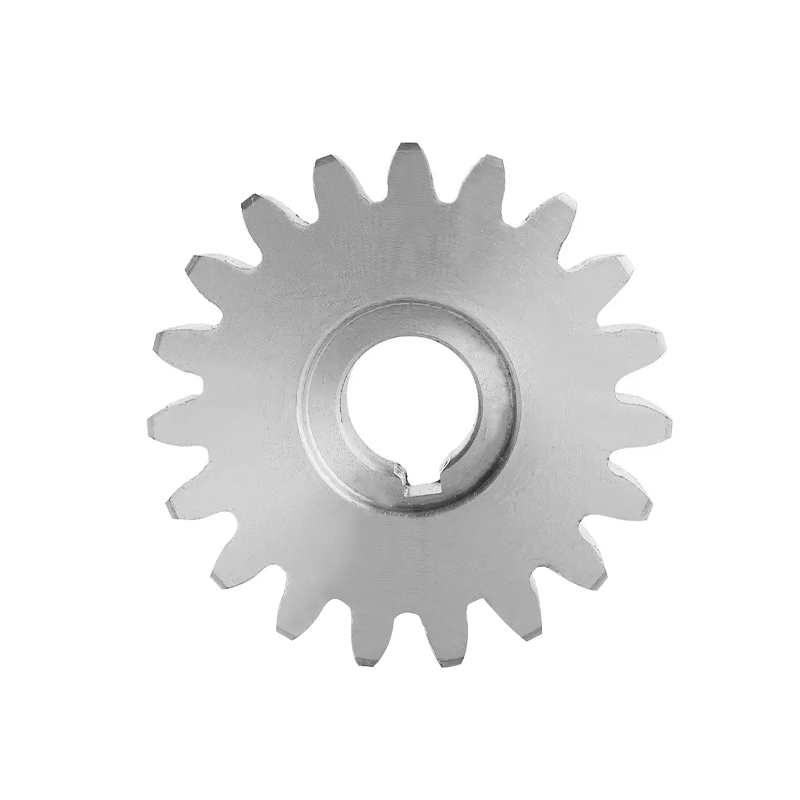
The Stainless Steel Rack Pinion Gear for Sliding Motors is a high-prec...
See Details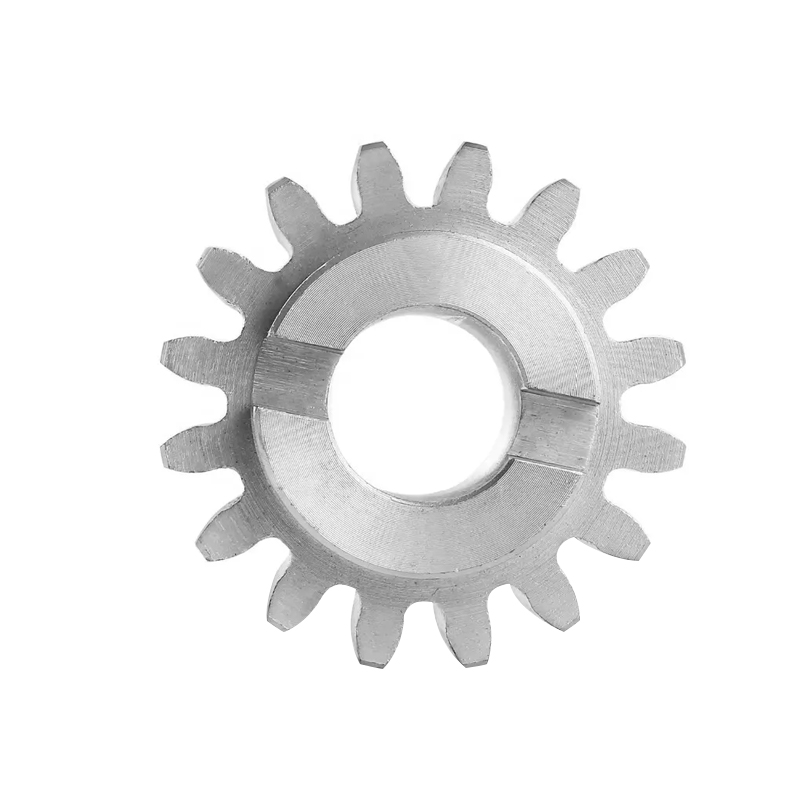
The Sliding Doors Steel Rack Pinion Gear is a critical component in va...
See Details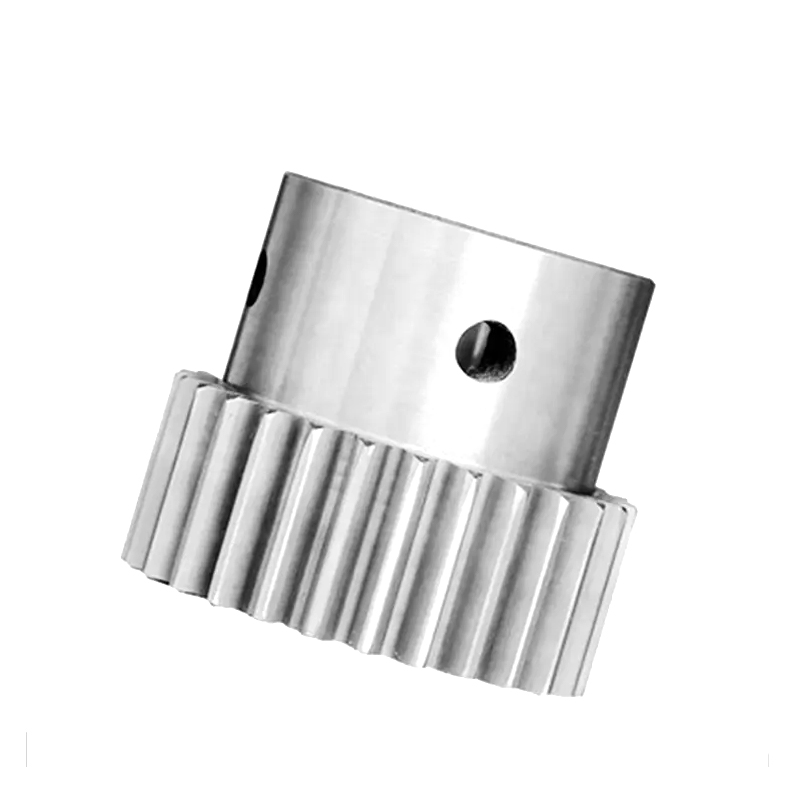
The Stainless Steel Stepped Rack Pinion Gear is a highly versatile and...
See Details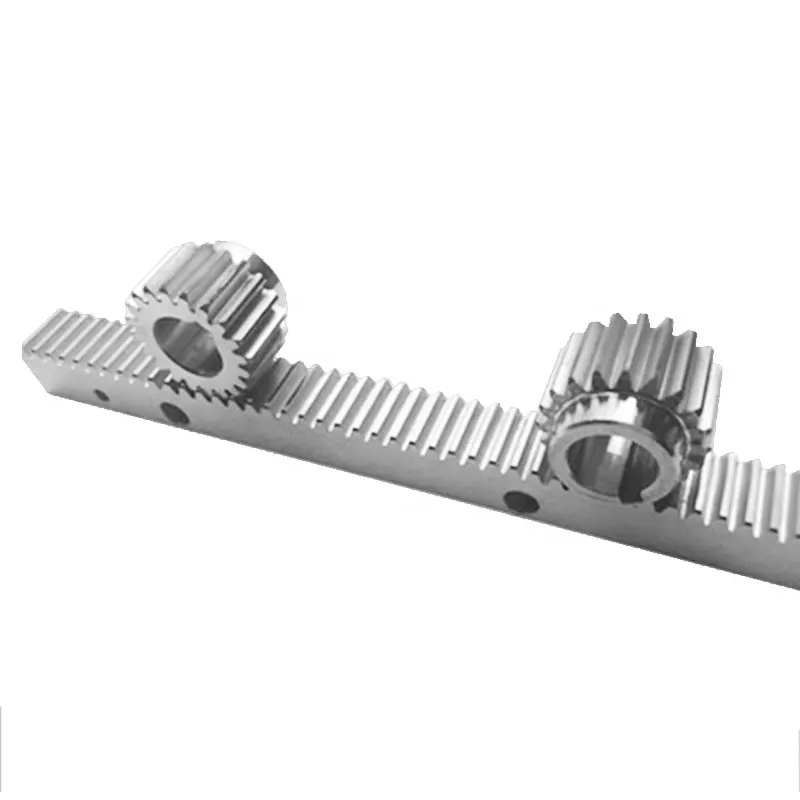
The Multiple Specifications Rack Pinion Gear is a versatile mechanical...
See Details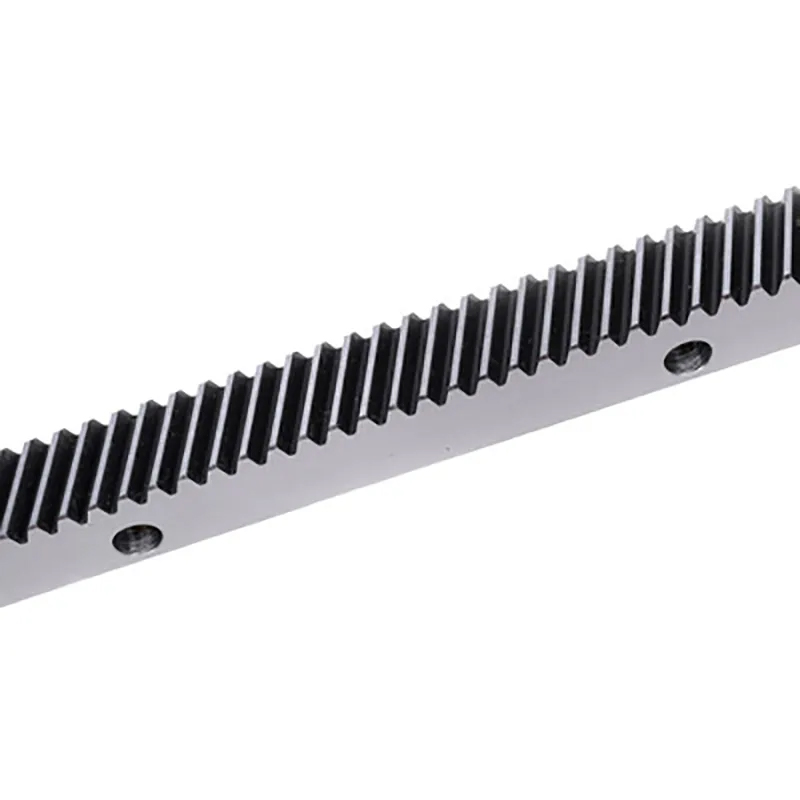
Precision and stainless steel gear racks convert rotational motion int...
See Details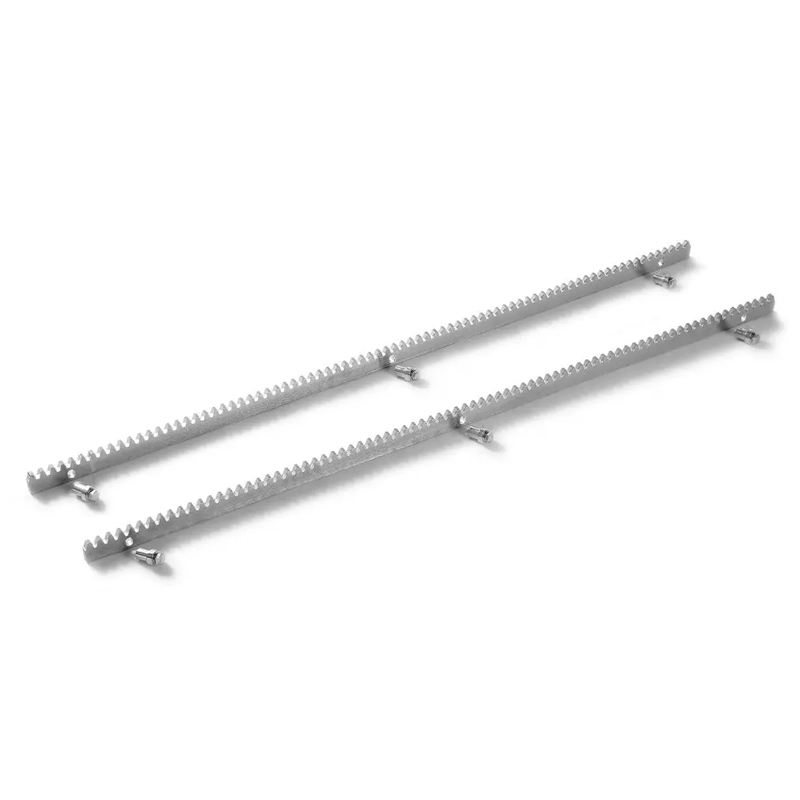
The Durable High-Quality Sliding Door Steel Gear Rack is a versatile a...
See Details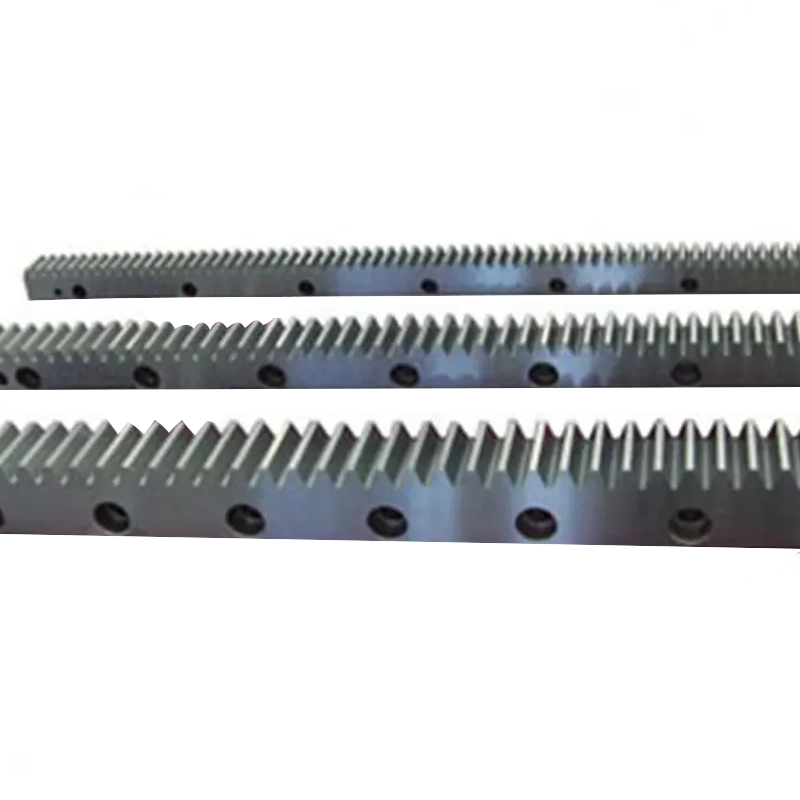
This helical gear rack runs angled, spiraled teeth down its length ins...
See Details
